



In an era defined by rapid urbanization, escalating housing costs, and an urgent need for sustainable development, the global construction industry stands at a critical crossroads. Traditional building methods, while deeply entrenched, are increasingly revealing their limitations: they are often slow, labor-intensive, wasteful, and prohibitively expensive for a growing segment of the world’s population. Against this backdrop, innovative solutions are not just welcome—they are essential. One such solution that has captured significant attention and demonstrated remarkable real-world success is the prefabricated sandwich panel house, and at the forefront of this revolution is China’s Lida Group.
Lida Group has emerged as a leading force in the modular and prefabricated housing sector, championing a product that promises to fundamentally alter the economics and logistics of homebuilding. Their easy-install sandwich panel house is more than just a shelter; it is a meticulously engineered system designed to save substantial time and money without compromising on quality, safety, or comfort. This article will delve deep into the anatomy of Lida Group’s innovation, exploring its core technology, the tangible benefits it delivers across various metrics, its diverse applications, and why it represents a pivotal shift towards a more accessible and resilient built environment.
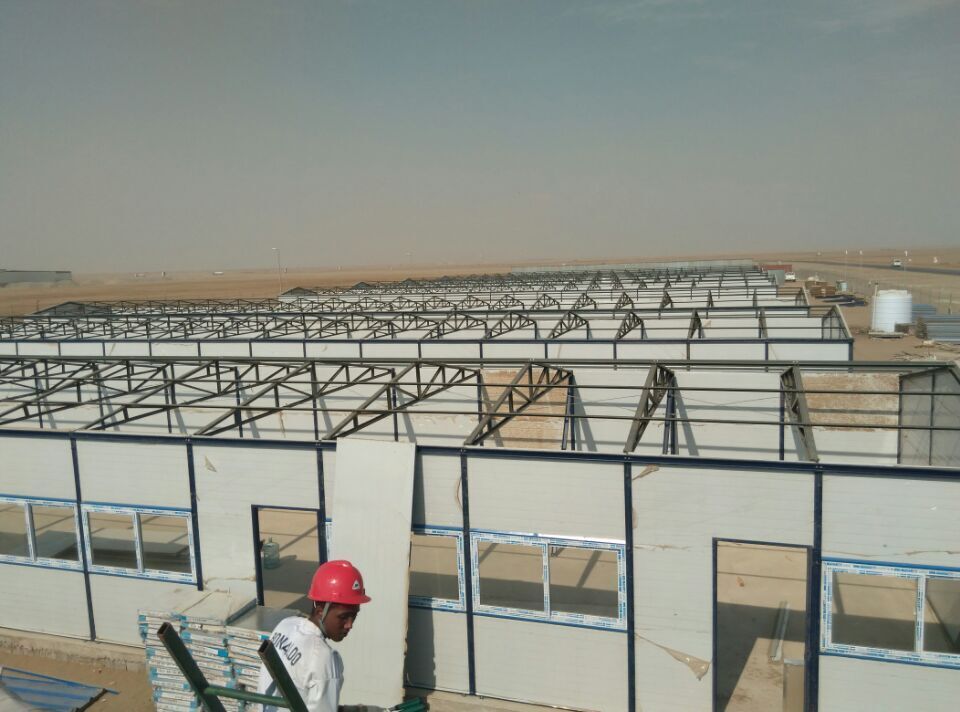
The Anatomy of Innovation: What Makes a Lida Sandwich Panel House?
At the heart of Lida Group’s offering is its proprietary wall and roof panel system. These are not simple sheets of metal or wood; they are sophisticated composite structures known as “sandwich panels.” As the name suggests, a sandwich panel consists of three distinct layers bonded together under high pressure to form a single, unified structural element.
The outer layers, or “skins,” are typically made from durable, corrosion-resistant materials such as pre-painted galvanized steel (PPGI), aluminum, or fiber cement board. These skins provide the panel with its aesthetic finish, weatherproofing, and primary structural strength. They are what you see and touch on the exterior and interior walls of the finished home.
The core, which forms the thick “filling” of the sandwich, is the true secret to the panel’s performance. Lida Group primarily utilizes two types of core materials, each selected for specific project requirements:
- Polyurethane (PU) Foam: This is a closed-cell foam renowned for its exceptional thermal insulation properties. A PU core creates a highly energy-efficient envelope, keeping homes warm in winter and cool in summer, thereby drastically reducing heating and cooling costs for the occupants. It also offers good sound insulation and is lightweight.
- Rock Wool (Mineral Wool): For projects where fire safety is the paramount concern—such as multi-unit dwellings, schools, or facilities in high-risk areas—Lida offers rock wool cores. Made from volcanic rock, this material is non-combustible, providing a fire-resistance rating that can exceed several hours. It also boasts excellent acoustic insulation and is a sustainable choice, often containing a high percentage of recycled content.
These three layers are factory-bonded using advanced adhesives and continuous lamination processes. The result is a rigid, monolithic panel that is strong, lightweight, and ready for immediate assembly. This factory-controlled environment is crucial. It ensures a level of precision, consistency, and quality control that is simply unattainable on a chaotic, weather-exposed construction site. Every panel is cut to exact specifications, with pre-installed features like electrical conduits, window and door openings, and connection points, transforming the construction process from a craft into a streamlined, almost surgical, assembly operation.
The Time-Saving Revolution: From Months to Days
Perhaps the most compelling argument for Lida’s easy-install system is its dramatic reduction in construction time. In traditional stick-built construction, a simple single-family home can take anywhere from four to eight months to complete, depending on size, complexity, and weather conditions. This timeline is fraught with potential delays: waiting for materials, coordinating multiple subcontractors, dealing with rain or snow, and resolving on-site errors.
Lida Group’s approach flips this model on its head. Because the vast majority of the work—the cutting, shaping, insulating, and finishing—is completed in a controlled factory setting, the on-site phase is reduced to pure assembly. Imagine receiving a kit of perfectly engineered parts that fit together like a high-precision puzzle.
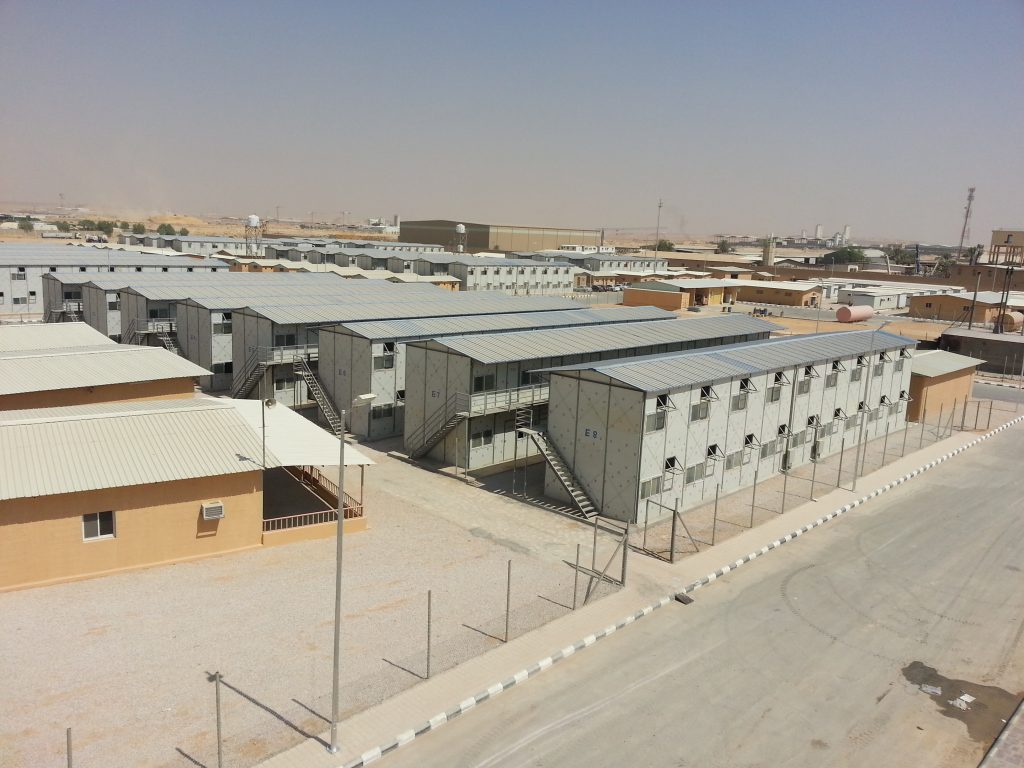
A skilled team of just 4-6 workers can erect a standard 50-square-meter (approximately 540 sq ft) Lida house in as little as three to five days. Even a larger, more complex 150-square-meter (approximately 1,600 sq ft) residence can be fully assembled on its foundation in under two weeks. This represents a time savings of 70% to 90% compared to conventional methods.
This acceleration has profound ripple effects:
- For Developers: Faster project turnover means more projects can be completed in a year, significantly improving return on investment (ROI). Capital is freed up more quickly, and market opportunities can be seized with unprecedented speed.
- For Homeowners: The dream of moving into a new home is realized in weeks, not months. This reduces the stress and cost associated with temporary housing or extended rental agreements during construction.
- For Disaster Relief and Humanitarian Aid: In the aftermath of earthquakes, floods, or conflicts, time is a matter of life and death. Lida’s houses can be shipped in flat-packed containers and erected rapidly to provide safe, dignified, and weather-tight shelter for displaced populations, accelerating recovery efforts immensely.
The key to this speed lies in the system’s simplicity. The panels are connected using a straightforward interlocking system, often involving male-and-female tongue-and-groove edges or simple bolted connections. There is no need for wet trades like bricklaying, plastering, or concrete curing. The structure is weathertight almost immediately after the roof panels are secured, allowing interior fit-out to begin right away.
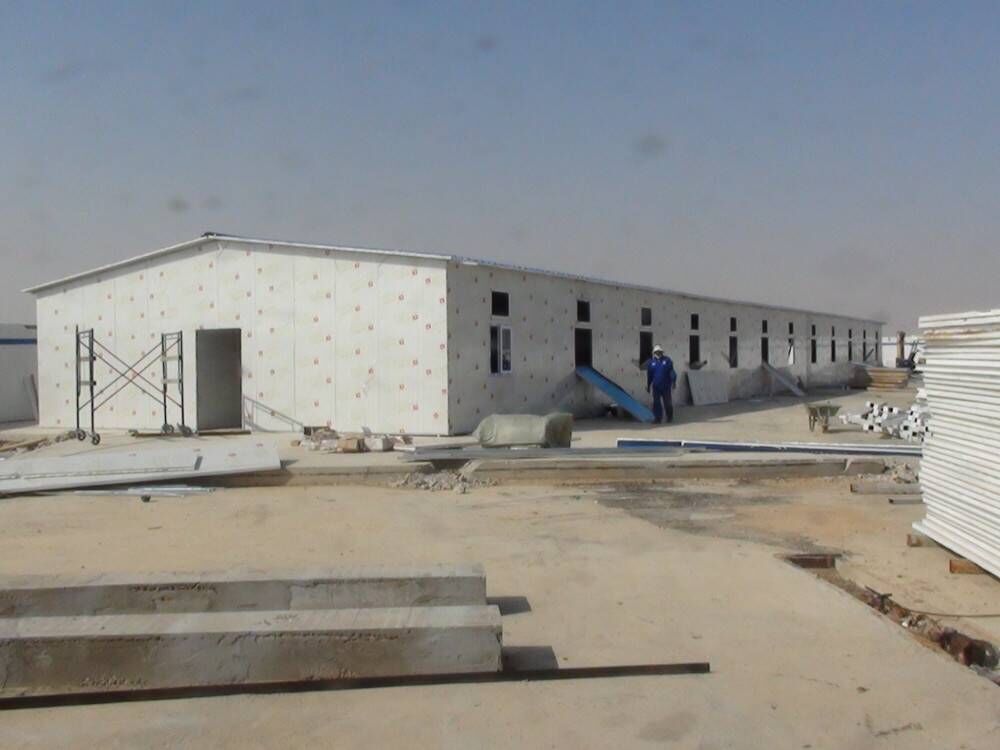
The Financial Advantage: Unlocking Affordability Without Sacrifice
Saving time directly translates to saving money, but Lida’s cost advantages extend far beyond just labor. The entire lifecycle of a Lida sandwich panel house is engineered for economic efficiency.
1. Reduced Labor Costs: With a construction timeline slashed by up to 90%, the demand for on-site labor plummets. Fewer skilled tradespeople are needed for a much shorter duration, which is a major cost driver in any construction project, especially in regions facing labor shortages.
2. Minimized Material Waste: In a factory setting, raw materials are cut with computer-controlled precision (CNC machines), leaving virtually no off-cuts or scrap. On a traditional site, studies have shown that material waste can account for 10-30% of total material costs. Lida’s system virtually eliminates this waste, making it both economically and environmentally superior.
3. Lower Foundation Requirements: The lightweight nature of the sandwich panel structure (typically 1/4th to 1/6th the weight of a comparable brick-and-mortar building) means it requires a much simpler and less expensive foundation. Often, a basic concrete slab or even a series of concrete piers is sufficient, avoiding the need for deep, costly footings and extensive excavation.
4. Streamlined Logistics and Management: Managing a construction project involves coordinating dozens of suppliers, deliveries, and subcontractors. With Lida, the entire primary structure arrives from a single source in a few container shipments. This simplifies procurement, reduces administrative overhead, and minimizes the risk of costly delays due to missing materials or scheduling conflicts.
5. Long-Term Operational Savings: The high-performance insulation of the PU or rock wool core creates a thermally efficient building envelope. This means homeowners spend significantly less on heating and air conditioning over the life of the home. This is not just a comfort feature; it’s a direct, ongoing financial benefit that lowers the total cost of ownership.
Critically, these savings are achieved without forcing a trade-off between cost and quality. A Lida house is not a flimsy, temporary shack. It is a robust, permanent structure built to last for decades. The company adheres to stringent international building standards, and its products have been successfully deployed in climates ranging from the freezing winters of Scandinavia to the humid tropics of Southeast Asia. The affordability comes from intelligent engineering and efficient processes, not from cheap materials or poor workmanship.

Beyond Time and Money: A Holistic Value Proposition
While the headline benefits are time and cost, Lida Group’s easy-install houses offer a suite of additional advantages that contribute to their overall value and appeal.
Superior Energy Efficiency and Sustainability: As mentioned, the insulated core is a powerful asset. A well-designed Lida home can achieve near-passive house levels of energy performance, drastically reducing its carbon footprint. Furthermore, the factory production process itself is more sustainable than traditional construction. It generates less noise, dust, and air pollution on-site, and the precise material usage conserves natural resources. Many of the components, including the steel skins and rock wool, are also highly recyclable at the end of the building’s life.
Enhanced Safety and Durability: These structures are engineered to withstand significant environmental stresses. They exhibit excellent resistance to wind loads, seismic activity, and even termite infestation (a major problem for wooden structures). The non-combustible options with rock wool cores provide a critical layer of fire safety that is often lacking in other lightweight construction systems. The galvanized and painted steel skins are impervious to rot and require minimal maintenance.
Design Flexibility and Aesthetics: A common misconception about prefab homes is that they are boxy and uniform. Lida Group’s system is remarkably flexible. The panels can be used to create a wide variety of architectural styles, from modern minimalist to more traditional pitched-roof designs. The exterior and interior finishes can be customized with different colors, textures, and cladding options (like wood veneers or decorative boards) to suit any taste or local context. Large windows and open-plan layouts are easily integrated, ensuring the final home is bright, spacious, and aesthetically pleasing.
Healthier Living Environment: The tight building envelope, combined with proper ventilation strategies, helps to prevent drafts and moisture infiltration, which are common causes of mold and mildew in poorly constructed homes. This contributes to a healthier indoor air quality for the occupants.
A World of Applications: From Backyard Studios to Entire Communities
The versatility of Lida’s easy-install system makes it suitable for an incredibly broad range of applications, demonstrating its universal utility.
- Residential Housing: This is the most obvious application. From affordable starter homes and social housing projects to luxury vacation villas and backyard guest houses (ADUs), the system scales beautifully. Its speed and cost-effectiveness make it an ideal solution for addressing the global housing shortage.
- Commercial and Institutional Buildings: Offices, retail kiosks, clinics, school classrooms, and community centers can all be built faster and cheaper with this technology. A school district needing to add classroom space quickly can have a new, safe, and comfortable building operational before the next semester begins.
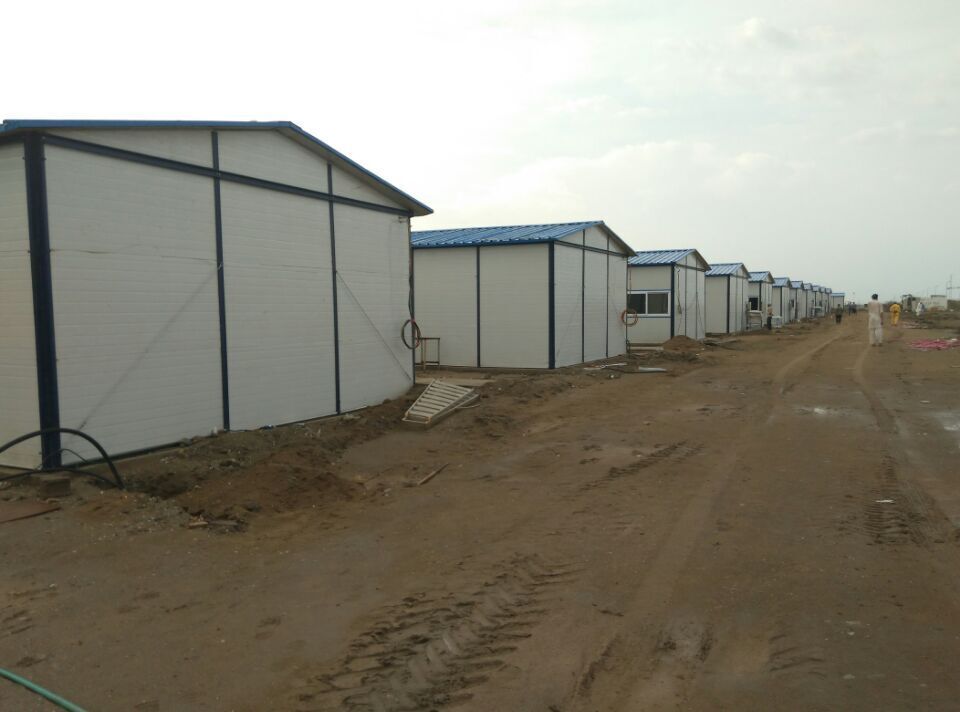
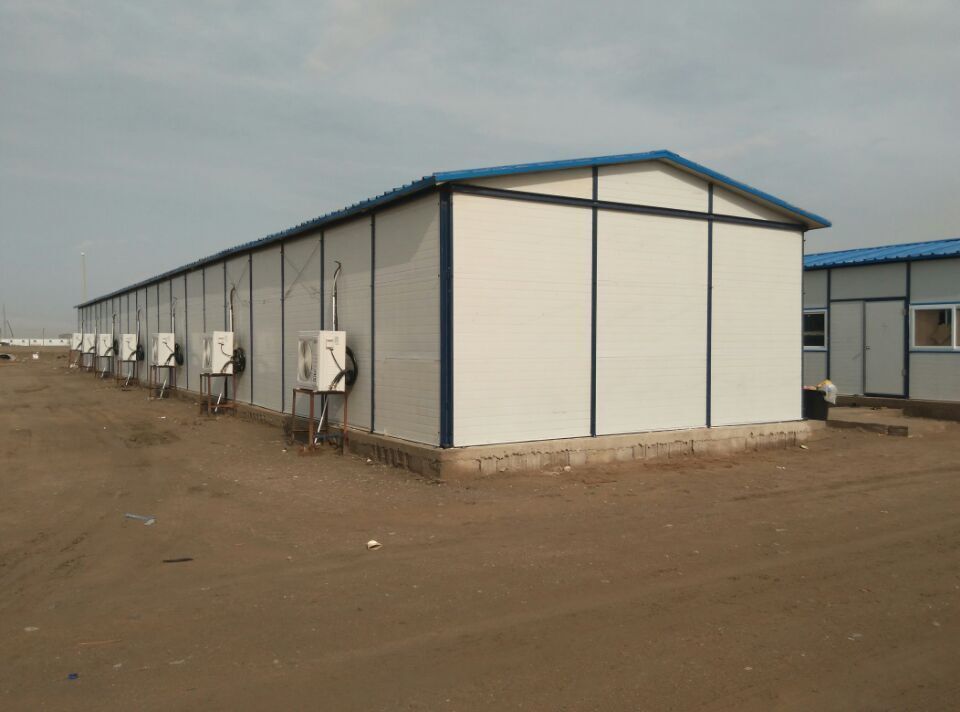
- Industrial and Mining Camps: In remote locations, where transporting traditional building materials is logistically challenging and expensive, Lida’s containerized system is a game-changer. It allows for the rapid deployment of worker accommodation, mess halls, and administrative offices that are far superior to temporary tents or shipping containers.
- Disaster Relief and Emergency Shelters: As previously noted, the ability to ship and assemble safe, permanent-feeling shelters in a matter of days is invaluable in humanitarian crises. These are not just temporary tents; they are homes that can support a family’s dignity and recovery for years.
- Tourism and Hospitality: Eco-lodges, glamping pods, and boutique hotel rooms are increasingly being built with sandwich panels. They offer guests a unique, comfortable, and often luxurious experience while minimizing the environmental impact on sensitive natural sites.
This wide applicability underscores that Lida’s technology is not a niche product but a fundamental rethinking of how we build across the entire spectrum of human need.
Addressing Common Concerns and Misconceptions
Despite its many advantages, the concept of a “prefab” or “modular” home can sometimes be met with skepticism rooted in outdated perceptions. It’s important to address these concerns directly.
- “It won’t last.” Modern sandwich panel technology, when manufactured to high standards like Lida’s, is designed for a service life of 20-30 years or more. The materials are chosen for their longevity and resistance to environmental degradation. With proper maintenance, these structures are as durable as their conventional counterparts.
- “It will look cheap or temporary.” Today’s prefab architecture has come a long way. The design possibilities are vast, and the quality of finishes available is on par with, if not superior to, site-built homes. A Lida house can be indistinguishable from a traditionally built one, and in many cases, its clean lines and modern aesthetic are considered a premium feature.
- “It’s not ‘real’ construction.” This is a semantic argument that ignores the engineering reality. A Lida house is a permanent, engineered structure that meets or exceeds building codes for safety, insulation, and structural integrity. The fact that it is assembled from prefabricated components does not diminish its status as a legitimate, high-quality building.
- “Financing and permits will be difficult.” As the acceptance of modern prefab construction grows globally, so does the understanding among banks and municipal authorities. Lida Group works closely with clients to provide all necessary technical documentation and certifications to facilitate a smooth permitting and financing process.
The Lida Group Difference: Commitment to Quality and Service
In a market that can sometimes be crowded with low-quality imitators, Lida Group distinguishes itself through its unwavering commitment to quality, innovation, and customer service. The company invests heavily in research and development to continuously improve its panel formulations, connection systems, and manufacturing processes. It operates state-of-the-art factories with rigorous quality control protocols at every stage of production.
Furthermore, Lida doesn’t just sell a product; it provides a complete solution. This includes professional design assistance, detailed engineering drawings, logistical support for global shipping, and on-site technical guidance for assembly. This holistic approach de-risks the project for the client and ensures a successful outcome from concept to completion.
Their track record speaks for itself. Lida Group has successfully exported its easy-install houses to over 100 countries across six continents, serving a diverse clientele from individual families to large government agencies and multinational corporations. This global validation is a powerful testament to the reliability and effectiveness of their system.
Conclusion: Building a Better Future, One Panel at a Time
The challenges facing the global construction industry are immense, but they are not insurmountable. Lida Group’s easy-install sandwich panel house presents a compelling, practical, and proven answer to many of these challenges. By harnessing the power of factory-based precision manufacturing and intelligent material science, Lida has created a building system that delivers on the twin promises of saving significant time and money, without asking its users to compromise on quality, safety, durability, or aesthetics.
This is not merely a marginal improvement on an old idea; it is a paradigm shift. It moves construction away from a fragmented, unpredictable, and wasteful craft and towards a streamlined, efficient, and sustainable industrial process. The benefits are clear and quantifiable: projects are completed in a fraction of the time, at a lower overall cost, with less environmental impact, and with a final product that is energy-efficient, safe, and comfortable.
From providing a first home for a young family to creating a safe haven for disaster victims, from enabling a business to expand its operations quickly to offering a luxurious retreat in nature, the applications of this technology are as diverse as human need itself. Lida Group has not just built a product; it has built a platform for a more accessible, resilient, and sustainable future of habitation.
In a world that desperately needs smarter ways to build, Lida’s easy-install sandwich panel house is more than just a house—it is a powerful tool for positive change. It proves that with the right innovation, we can build better, faster, and more affordably, paving the way for a future where safe, comfortable, and dignified shelter is not a privilege for the few, but a reality for the many. The future of construction is here, and it arrives in a flat-packed container, ready to be assembled in a matter of days.
Related news
-
Affordable and Sturdy Prefab Dormitory Solutions from Lida Group
2026-02-05 17:19:40
-
Streamline Your Project with an Easy Install Sandwich Panel House
2026-02-05 16:22:27
-
Lida Group Redefines Value with Low-Cost Durable Construction Methods
2026-02-05 15:57:07
contact us
- Tel: +86-532-88966982
- Whatsapp: +86-13793209022
- E-mail: sales@lidajituan.com
