



Lida Group’s Commitment to High Quality Construction Excellence
2025-Dec-26 17:29:31
By Admin
In the global construction industry, where safety, durability, and reliability are the cornerstones of long-term value, Lida Group has established itself as a paragon of quality commitment. Since its founding in 1993, this integrated high-tech enterprise specializing in prefabricated steel structures has rooted its development in an unwavering dedication to construction excellence. Over three decades, Lida Group has evolved from a regional player to a global leader, operating in 149 countries and regions, and delivering iconic projects that stand as testaments to its rigorous quality standards. More than just a construction service provider, Lida Group views quality as a core value—one that shapes every stage of its operations, from material selection and technological innovation to project execution and post-sales support. This article delves into the multifaceted strategies and practices through which Lida Group upholds its commitment to high quality construction excellence, exploring its quality management systems, technological advancements, landmark projects, global compliance, sustainable practices, and continuous improvement initiatives.
1. A Foundation Built on Quality: Core Values and Strategic Vision
Lida Group’s commitment to quality is not a superficial slogan but a deeply ingrained principle that guides its strategic decisions and daily operations. The group’s mission—“to create a more harmonious new living space for humanity”—is inherently tied to delivering structures that are safe, durable, and built to exceed expectations. From its earliest days, Lida Group has rejected the trade-off between speed and quality, instead prioritizing long-term value over short-term gains. This philosophy has been instrumental in its growth, earning it trust from clients ranging from multinational corporations and government agencies to the United Nations Peacekeeping Forces.
At the heart of Lida Group’s quality-centric approach is a set of core values: integrity, pragmatism, innovation, and customer-centricity. These values translate into concrete actions: integrity ensures transparency in every business interaction and adherence to commitments; pragmatism drives a focus on actionable, results-oriented quality control measures; innovation fuels the development of technologies that enhance quality and efficiency; and customer-centricity places client needs at the forefront, tailoring solutions to meet specific quality requirements. Supported by a management team with decades of industry experience, Lida Group has built an organizational culture where every employee—from factory workers to senior engineers—takes ownership of quality.
Strategically, Lida Group has aligned its quality goals with global best practices, recognizing that excellence in construction requires adherence to international standards. This strategic foresight has led to the establishment of a comprehensive quality governance framework, with dedicated departments overseeing quality assurance, compliance, and continuous improvement. The group’s long-term vision is to set new benchmarks for quality in the prefabricated steel structure industry, leveraging its global footprint to promote standardized, high-quality construction practices worldwide.
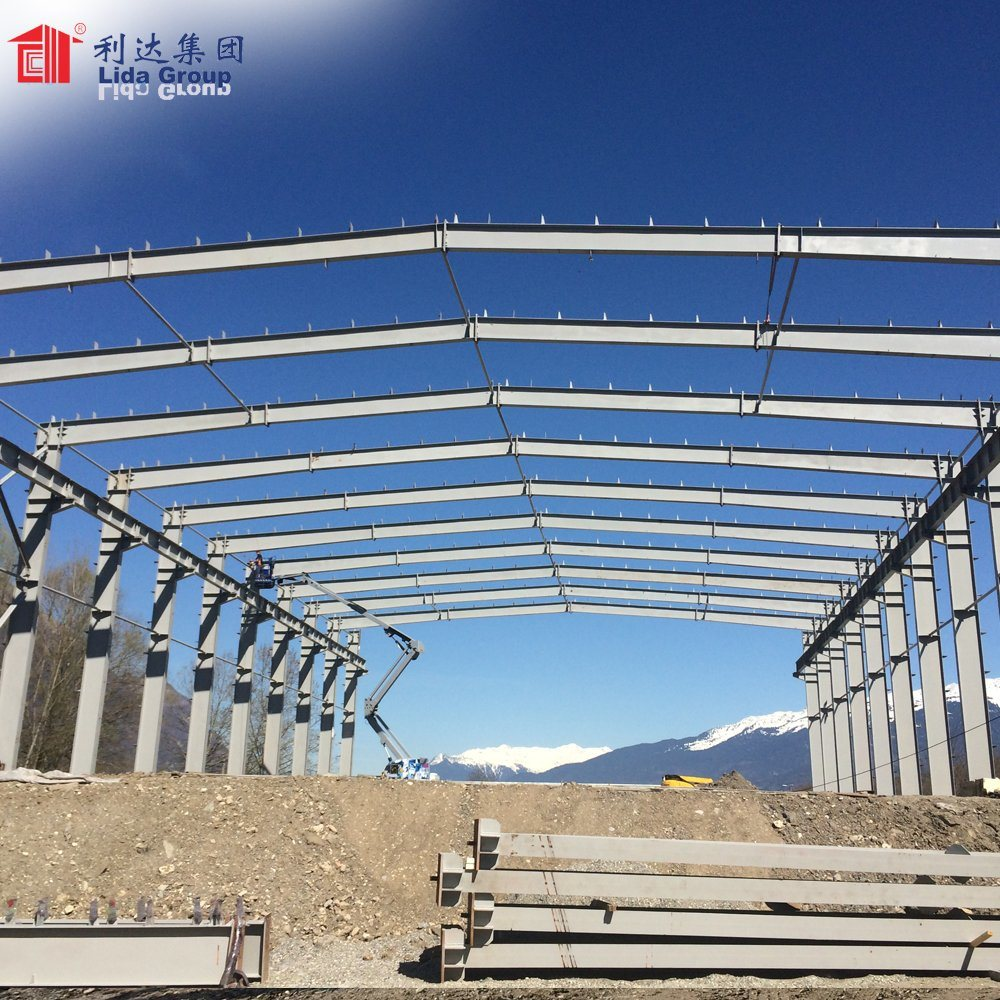
2. Comprehensive Quality Management System: From Raw Materials to Final Delivery
Lida Group’s unwavering commitment to quality is operationalized through a rigorous, end-to-end quality management system (QMS) that complies with the most stringent international certifications. This system leaves no room for compromise, covering every stage of the construction lifecycle—from raw material sourcing to prefabrication, on-site installation, and post-construction maintenance. By integrating quality checks at every touchpoint, Lida Group ensures that its structures meet or exceed both client expectations and regulatory requirements.
2.1 Rigorous Certification and Compliance
Lida Group has invested heavily in obtaining and maintaining authoritative certifications that validate its quality management capabilities. The group holds ISO 9001 Quality Management System Certification, ISO 14001 Environmental Management System Certification, and ISO 45001 Occupational Health and Safety Management System Certification, demonstrating its holistic approach to quality, environment, and safety. Additionally, its steel structure products have earned EU CE (EN1090) Certification, a testament to their compliance with European Union safety and performance standards. These certifications are not merely decorative—Lida Group undergoes regular surveillance audits by globally renowned institutions such as SGS, TUV, INTERTEK, and BV to ensure ongoing adherence to certification requirements.
Beyond certifications, Lida Group proactively aligns its operations with industry-specific standards, including those set by the China Steel Structure Association, the China Building Metal Structure Association, and international bodies like the American Institute of Steel Construction (AISC). This commitment to compliance ensures that its projects are compatible with global construction norms, making it a trusted partner for international clients. For example, in projects across the Middle East and Southeast Asia, Lida Group adheres to local building codes while maintaining its own internal quality standards, which often exceed regional requirements.
2.2 Raw Material Sourcing and Quality Control
Quality construction begins with high-quality raw materials, and Lida Group leaves no stone unturned in this critical stage. The group has established long-term partnerships with reputable steel suppliers who meet its strict material specifications, including high-strength steel grades with superior ductility, corrosion resistance, and mechanical properties. Every batch of raw materials—whether steel coils, fasteners, or insulation materials—undergoes rigorous testing upon arrival at Lida Group’s production facilities.
Material testing protocols include mechanical property tests (tensile strength, yield strength, and elongation), chemical composition analysis, and non-destructive testing (NDT) using ultrasonic flaw detectors and magnetic particle inspection equipment. Only materials that pass all tests are approved for use in production. This rigorous screening process eliminates the risk of substandard materials entering the supply chain, a key factor in ensuring the long-term durability of Lida Group’s structures. For instance, in coastal projects where corrosion is a major concern, the group uses hot-dip galvanized steel and epoxy-coated components, which undergo additional salt spray testing to verify corrosion resistance.
2.3 Precision Prefabrication and Factory Quality Assurance
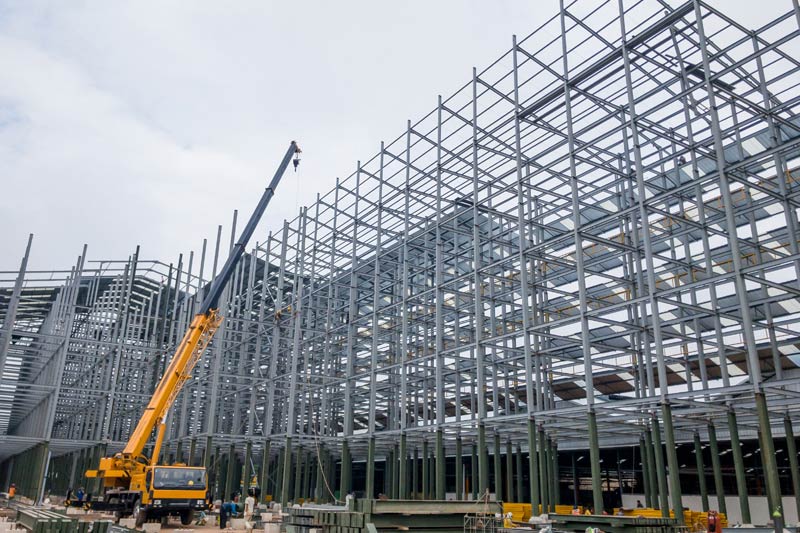
As a leader in prefabricated steel structure construction, Lida Group leverages factory-controlled production to ensure consistent quality. Its state-of-the-art production bases in Weifang and Guangzhou are equipped with automated production lines, robotic welding systems, and digital quality monitoring tools that minimize human error and enhance precision. The Weifang steel structure processing plant, covering 35,000 square meters, features six production lines, multiple cranes (ranging from 5-ton to 32+10-ton capacity), and an annual processing capacity of 50,000 tons of steel—all operated by skilled technicians and overseen by quality control engineers.
During prefabrication, every component—from steel studs and joists to composite panels and modular units—is subject to multiple quality checks. Dimensional accuracy is verified using laser measuring tools, ensuring that components fit perfectly during on-site assembly. Welding quality is inspected using NDT techniques, with every weld meeting strict standards for strength and integrity. Additionally, the group uses Building Information Modeling (BIM) technology to simulate the production process, identifying potential clashes or defects before fabrication begins. This digital integration ensures that each component is designed and manufactured to exact specifications, reducing rework and ensuring structural stability.
2.4 On-Site Installation and Post-Construction Quality Assurance
Lida Group’s quality commitment extends beyond the factory floor to on-site installation, where precision and adherence to design plans are critical. Its construction teams are composed of certified professionals with extensive experience in prefabricated steel structure installation, and they follow detailed installation protocols that align with both internal standards and client requirements. Regular on-site inspections are conducted by quality control supervisors, who verify that components are correctly positioned, fasteners are properly tightened, and structural connections meet safety standards.
Before handing over a project, Lida Group conducts a comprehensive final inspection, including load-bearing tests, structural integrity checks, and safety audits. This inspection is often witnessed by third-party auditors to ensure impartiality. Post-construction, the group maintains a proactive maintenance and follow-up system, providing clients with regular check-ups and technical support to ensure the structure’s performance remains consistent over time. For example, in United Nations Peacekeeping camps, Lida Group conducts annual maintenance inspections to address wear and tear from harsh environmental conditions, ensuring the camps remain safe and functional for years.
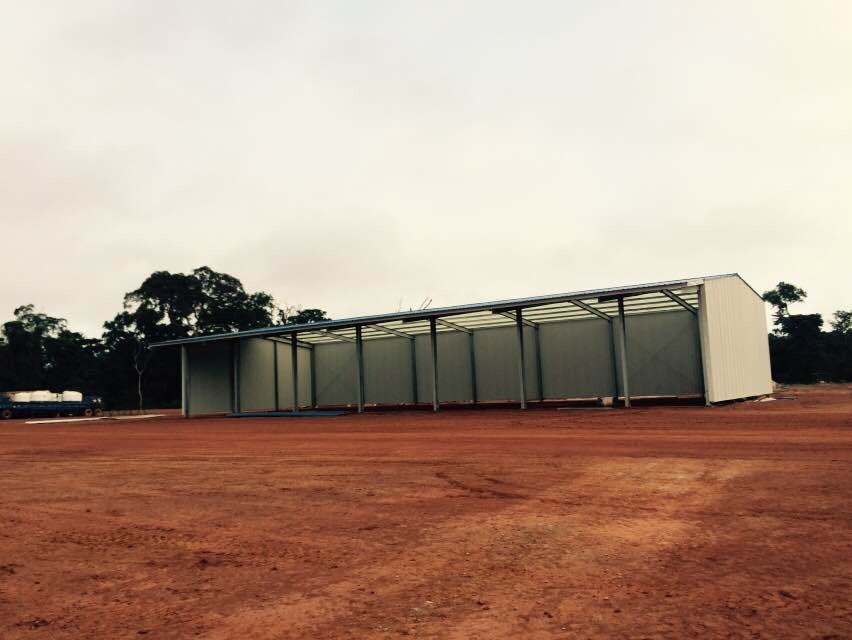
3. Technological Innovation: Driving Quality Excellence Through R&D
Lida Group recognizes that technological innovation is a key enabler of quality excellence. By investing in research and development (R&D), the group continuously enhances its capabilities to deliver more durable, efficient, and high-quality structures. Its R&D team—comprising engineers, material scientists, and construction experts—focuses on developing advanced prefabrication technologies, structural optimization methods, and sustainable building solutions that elevate quality standards.
3.1 Advanced Prefabrication and Structural Technologies
Lida Group’s core technological strength lies in its advanced prefabricated steel structure systems, which offer superior quality and efficiency compared to traditional construction methods. The group specializes in cold-formed steel (CFS) structures, light steel villas, container modular homes, and large-scale steel structure engineering—all designed to maximize durability and minimize on-site errors. For example, its CFS keel system uses cold-formed thin-walled steel combined with structural panels to create ribbed wall structures with exceptional strength-to-weight ratios. This system has been tested to withstand magnitude-8 earthquakes and wind speeds of up to 150 miles per hour, making it ideal for extreme environments.
The group has also developed innovative modular construction technologies that enable precise, fast, and high-quality assembly. Its modular units are prefabricated in factories with strict quality control, ensuring consistency across every unit. This technology was instrumental in the rapid construction of United Nations Peacekeeping camps in South Sudan and Mali, where structures needed to be deployed quickly without compromising quality. Additionally, Lida Group uses finite element modeling (FEM) to optimize structural designs, ensuring that components are engineered to withstand specific loads and environmental conditions while minimizing material waste.
3.2 Digitalization and Intelligent Construction
Digitalization is a cornerstone of Lida Group’s technological innovation strategy, with BIM technology at the forefront. BIM enables the creation of 3D digital models that integrate design, production, and construction data, facilitating seamless collaboration across teams and reducing errors. Using BIM, Lida Group can simulate the entire construction process, identify potential clashes between components, and optimize material usage—all of which enhance quality and efficiency. For example, in the Indonesia Qingdao Industrial Park project, BIM was used to coordinate the installation of steel structures, mechanical systems, and electrical wiring, ensuring precise alignment and reducing on-site rework.
Lida Group also embraces intelligent construction technologies, such as automated welding robots and digital quality monitoring systems. Robotic welding ensures consistent weld quality, eliminating the variability associated with manual welding. Digital monitoring tools, including sensors embedded in structural components, provide real-time data on temperature, humidity, and structural stress during construction, enabling proactive adjustments to maintain quality. These technologies not only enhance quality but also improve safety and reduce construction time.
3.3 R&D Investment and Patent Portfolio
To sustain its technological leadership, Lida Group allocates a significant portion of its revenue to R&D, investing in cutting-edge equipment, talent development, and collaborative research projects. The group has established partnerships with leading universities and research institutions to explore emerging technologies, such as self-healing steel materials and energy-efficient insulation systems. These collaborations have resulted in a robust patent portfolio, including 4 invention patents and 42 utility model patents, covering innovations in structural design, prefabrication processes, and corrosion resistance.
One notable patent is for a high-strength, corrosion-resistant steel joint that enhances the durability of modular structures in harsh environments. This joint design has been widely used in coastal and desert projects, where saltwater and sand erosion pose significant challenges. Another patent covers an optimized insulation system for light steel villas, which improves energy efficiency while maintaining structural integrity. These innovations not only elevate the quality of Lida Group’s projects but also contribute to the broader advancement of the prefabricated construction industry.
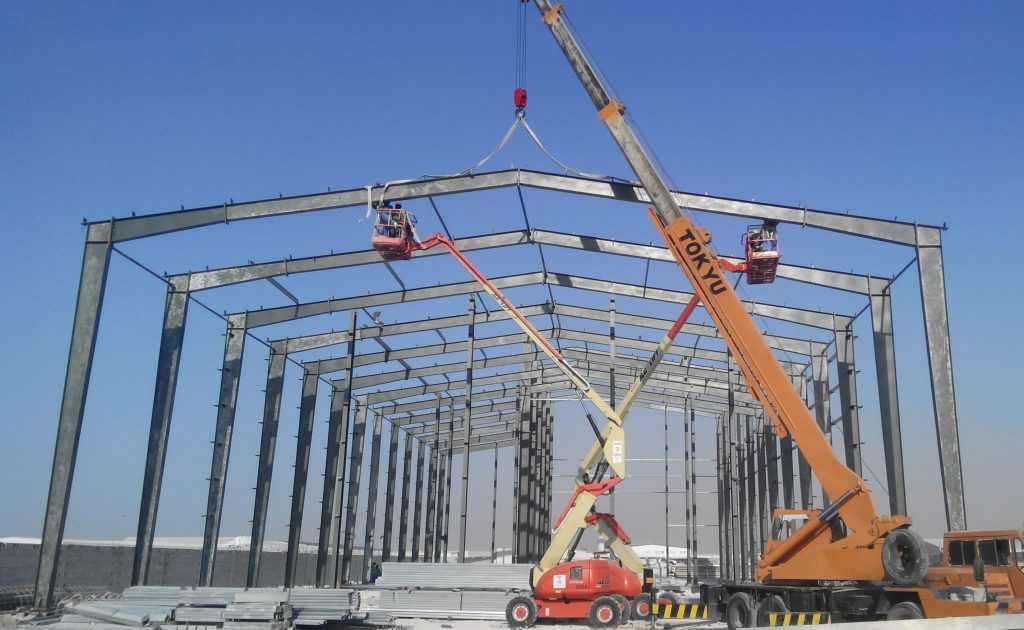
4. Landmark Projects: Showcasing Quality Excellence in Action
The true measure of Lida Group’s quality commitment lies in its portfolio of landmark projects, which demonstrate its ability to deliver high-quality structures in diverse environments and for complex requirements. From Olympic venues to United Nations Peacekeeping camps, these projects stand as tangible proof of the group’s dedication to construction excellence.
4.1 Olympic and Major Event Projects
Lida Group’s participation in Olympic projects underscores its ability to meet the strictest quality standards for high-profile events. The group contributed to the 2008 Beijing Olympic Sailing Center, supplying corrosion-resistant steel structures for the command center and supporting facilities. These structures were required to withstand the harsh marine environment—including saltwater exposure and high humidity—while meeting the aesthetic and functional requirements of the Olympic Games. Lida Group’s steel components were rigorously tested for corrosion resistance and structural stability, ensuring they remained durable and visually appealing throughout the event and beyond.
More recently, Lida Group participated in the 2022 Beijing Winter Olympics, supplying fire safety equipment and steel structure components for the延庆赛区 (Yanqing Competition Zone) comprehensive utility tunnel. This 32-kilometer tunnel—China’s first large-drop, steep-slope utility tunnel in a mountainous area—houses critical infrastructure, including water pipelines, power cables, and communication lines. Lida Group’s contributions included fire alarm controllers, linear temperature-sensing fiber optic hosts, and fire door monitoring systems, all designed to ensure the safety and reliability of the tunnel during the Olympics. This project required strict adherence to safety standards and precise integration with existing infrastructure, demonstrating Lida Group’s ability to deliver quality in complex, high-stakes environments.
4.2 United Nations Peacekeeping Camps
Lida Group’s role as a designated supplier of comprehensive camps for the United Nations Peacekeeping Forces is a testament to its ability to deliver durable structures in extreme conditions. These camps, located in conflict zones and remote regions such as South Sudan, Mali, and Sri Lanka, face harsh environmental challenges—including extreme temperatures, heavy rainfall, sandstorms, and limited maintenance resources. Lida Group’s modular steel structures are designed to withstand these conditions, with hot-dip galvanized components for corrosion resistance and reinforced frames for structural stability.
In South Sudan, where temperatures can exceed 40°C and seasonal rains cause flooding, Lida Group’s camps feature elevated foundations, waterproof roofing, and heat-resistant insulation. The structures are also designed for rapid assembly and disassembly, enabling quick deployment and relocation as peacekeeping needs change. Despite the challenging environment, these camps have remained functional for years with minimal maintenance, providing safe living and working spaces for peacekeeping personnel. The United Nations’ continued trust in Lida Group is a powerful validation of its quality commitment.
4.3 International Industrial and Infrastructure Projects
Lida Group’s international portfolio includes a range of industrial and infrastructure projects that showcase its quality excellence. The Indonesia Qingdao Industrial Park project, for example, required the construction of 8 buildings with a total area of over 30,000 square meters in a region with high temperatures and intermittent rainfall. Lida Group used a light steel keel system with excellent thermal insulation and waterproof performance, completing the project in less than 500 days while meeting strict quality standards. The structures have since withstood years of harsh weather, maintaining their integrity and functionality.
Another notable project is the King Saud University Campus in Saudi Arabia, where Lida Group supplied steel structure components designed to withstand extreme desert conditions—including sandstorms and temperature fluctuations ranging from sub-zero nights to 50°C daytime heat. The components were treated with advanced anti-corrosion coatings and optimized for thermal efficiency, ensuring the campus buildings remain durable and comfortable. This project earned Lida Group a long-term partnership with the Saudi Binladin Group, a leading regional construction firm, further solidifying its reputation for quality in the Middle East.
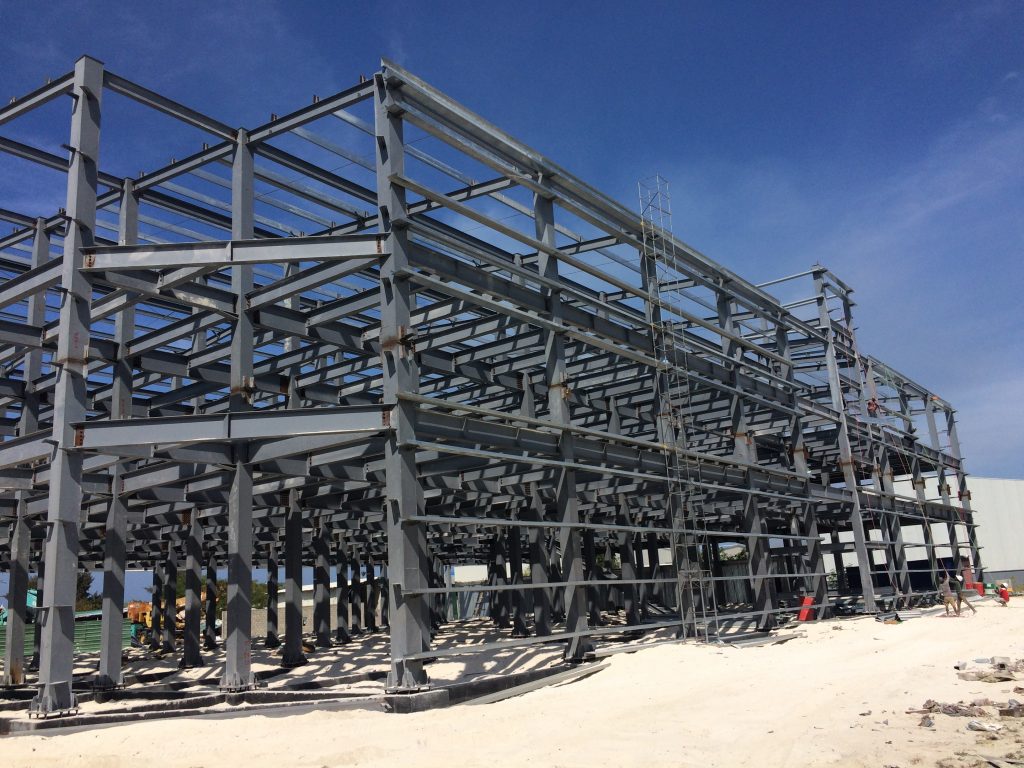
5. Global Compliance and Local Adaptation: Upholding Quality Across Borders
As a global construction firm, Lida Group faces the challenge of upholding consistent quality standards while adapting to local regulations, cultural norms, and environmental conditions. Its approach—“global standards, local adaptation”—ensures that every project meets international quality benchmarks while addressing region-specific needs.
Lida Group’s global network of offices and subsidiaries—including locations in Saudi Arabia, Qatar, Dubai, Russia, Malaysia, and the United States—enables it to stay abreast of local building codes and regulations. For example, in the European Union, its projects comply with CE certification requirements and local fire safety standards; in the United States, they adhere to AISC standards and state-specific building codes; and in Southeast Asia, they align with regional seismic and wind load requirements. This commitment to local compliance is supported by a team of legal and technical experts who review every project to ensure adherence to local norms.
Beyond regulatory compliance, Lida Group adapts its quality practices to local environmental conditions. In coastal regions, it prioritizes corrosion-resistant materials and waterproofing; in earthquake-prone areas, it uses ductile structural designs and seismic-resistant connections; and in cold climates, it enhances insulation and thermal efficiency. This adaptive approach ensures that its structures are not only compliant but also optimized for long-term durability in local conditions. For example, in Sweden’s Arctic climate, Lida Group’s projects feature enhanced insulation and snow load-resistant roofs, while in India’s monsoon-prone regions, they include reinforced foundations and water drainage systems.
6. Sustainability and Quality: Building for the Future
Lida Group recognizes that true quality excellence includes sustainability—building structures that are durable, energy-efficient, and environmentally responsible. Its sustainable practices are integrated into every stage of construction, aligning with global climate goals and enhancing the long-term value of its projects.
Steel, the primary material used by Lida Group, is one of the most recyclable materials in the world, with a recycling rate exceeding 98% in the construction industry. The group prioritizes the use of recycled steel, which retains the same mechanical properties as virgin steel while reducing energy consumption and carbon emissions. Additionally, its prefabrication processes minimize on-site waste by up to 50% compared to traditional construction, as components are manufactured to precise specifications in factories.
Lida Group also integrates energy-efficient technologies into its structures, such as advanced insulation systems, solar panels, and energy-efficient windows. These features reduce the carbon footprint of buildings and lower long-term energy costs for clients. For example, its light steel villas use composite insulation panels with high thermal resistance, reducing heating and cooling energy consumption by 30-40% compared to traditional homes. The group’s commitment to sustainability has earned it recognition as a provincial-level green prefabricated building production base in China.
7. Continuous Improvement: Elevating Quality Standards Over Time
Lida Group’s commitment to quality excellence is not static—it is a continuous journey of improvement. The group regularly reviews its quality management systems, processes, and technologies, seeking feedback from clients, employees, and industry experts to identify areas for enhancement. This culture of continuous improvement ensures that it stays ahead of industry trends and maintains its position as a quality leader.
One key initiative is its post-project review process, where teams analyze every completed project to identify successes and areas for improvement. This feedback is used to update quality control protocols, refine technological processes, and enhance employee training. For example, insights from a project in a high-seismic region led to the development of a new ductile connection design, which has since been integrated into all seismic-resistant projects.
Lida Group also invests in employee training and development, ensuring that its workforce has the skills and knowledge to uphold quality standards. Its training programs cover quality management, technological innovations, safety protocols, and local regulations, and they are tailored to different roles—from factory workers to project managers. The group also encourages employees to propose quality improvement ideas through an internal suggestion program, rewarding innovative solutions that enhance quality or efficiency.
8. Conclusion: Quality as a Legacy of Excellence
Over three decades, Lida Group has built a legacy of quality excellence, rooted in unwavering commitment, rigorous processes, technological innovation, and client-centricity. Its comprehensive quality management system—covering raw materials, prefabrication, installation, and post-construction—ensures that every structure meets the highest standards of durability, safety, and reliability. By integrating advanced technologies, adhering to global certifications, and adapting to local conditions, Lida Group has proven its ability to deliver quality excellence across borders and in the most challenging environments.
Landmark projects, from Olympic venues to United Nations Peacekeeping camps, stand as tangible evidence of Lida Group’s quality commitment, demonstrating its ability to meet complex requirements and exceed expectations. Its focus on sustainability and continuous improvement ensures that its quality practices evolve with industry trends and global challenges, building a future where high-quality construction and environmental responsibility go hand in hand.
For Lida Group, quality is more than a business objective—it is a promise to its clients, its employees, and the communities it serves. By upholding this promise, the group has earned trust and recognition as a global leader in prefabricated steel structure construction. As the industry continues to evolve, Lida Group remains dedicated to elevating quality standards, driving innovation, and delivering structures that stand the test of time.
In a world where construction quality directly impacts safety, sustainability, and long-term value, Lida Group’s commitment to excellence serves as a model for the industry. It is a testament to the fact that when quality is embedded in an organization’s culture, strategy, and operations, it becomes a powerful driver of success—one that creates lasting value for all stakeholders.
Related news
-
Innovative and Resilient Steel Structure Building Solutions
2025-12-26 17:01:44
-
Build Your Dream Home with a Durable Metal Frame House
2025-12-26 17:20:24
-
Lida Group Delivers Unmatched High Quality Durable Construction
2025-12-26 16:36:42
contact us
- Tel: +86-532-88966982
- Whatsapp: +86-13793209022
- E-mail: sales@lidajituan.com
