



The global construction industry stands at a critical juncture. Faced with burgeoning populations, rapid urbanization, climate change, and persistent economic pressures, the demand for buildings that are not only affordable and quick to erect but also resilient and long-lasting has never been more acute. For decades, a pervasive myth has dominated the sector: the “Iron Triangle” of project management, which posits that one can only optimise two of the three core pillars—cost, speed, and quality. Conventional wisdom suggests that a low-cost building must sacrifice durability, or that a durable structure must be exorbitantly expensive and time-consuming to construct. Lida Group, a pioneering force in the prefabricated and steel structure building industry, has systematically dismantled this myth. Through a holistic approach that integrates innovative design, advanced manufacturing, and strategic material science, Lida Group demonstrates that cost-effectiveness and exceptional durability are not mutually exclusive but are, in fact, synergistic goals achievable in modern construction.
This article will delve into the multifaceted strategies and technologies employed by Lida Group to achieve this dual objective. We will explore the principles of prefabrication and modular design, the inherent strengths of light gauge steel structures, the integration of sustainable practices for long-term value, and the real-world applications that testify to the success of their model.
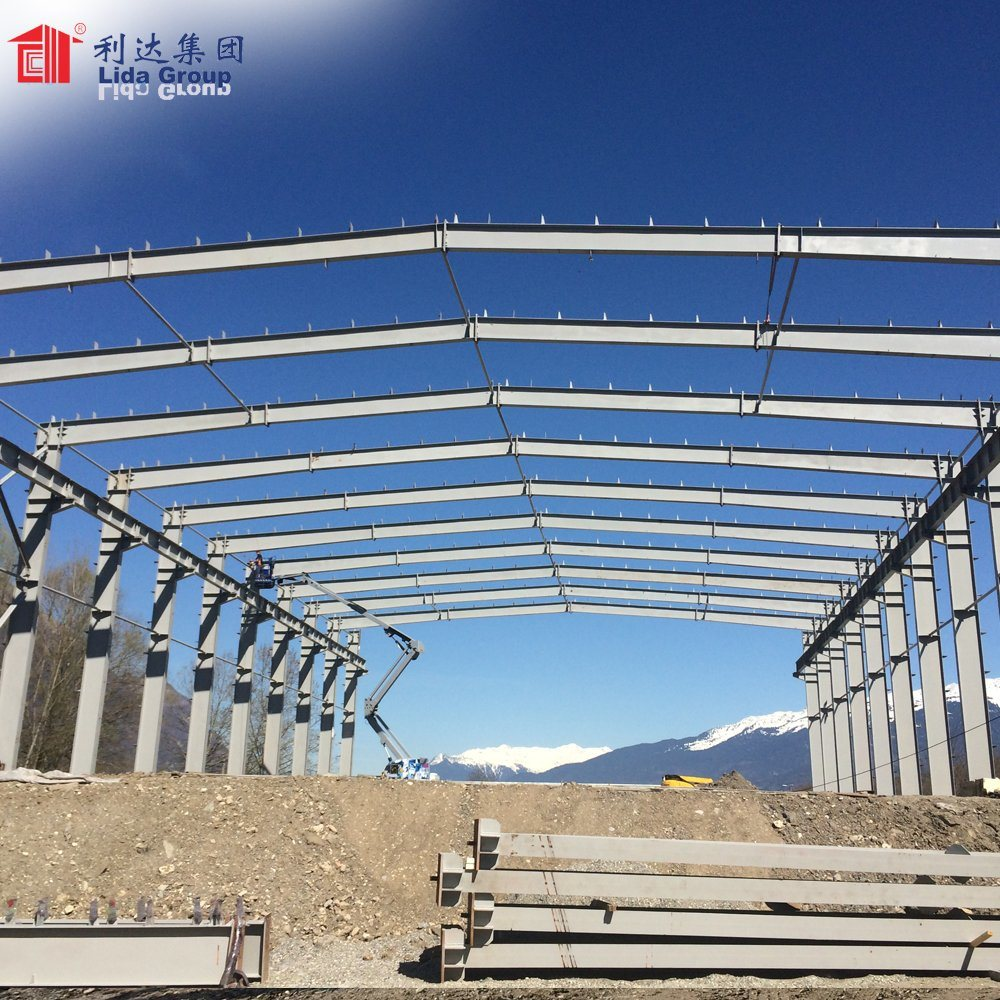
**Part 1: Deconstructing the Cost-Quality Paradox**
To understand Lida’s achievement, one must first understand the traditional cost drivers and quality compromises in construction.
**1.1 The Inefficiencies of Conventional Construction**
Traditional cast-in-situ construction is notoriously inefficient. It is highly labour-intensive, dependent on weather conditions, and prone to significant material waste—often cited to be as high as 30%. Projects are frequently delayed due to logistical bottlenecks, skilled labour shortages, and on-site errors that require rework. Each day of delay adds to the project’s cost through extended equipment rentals, financing charges, and management overheads. Furthermore, the variability of on-site workmanship directly impacts the final quality and durability of the structure. Inconsistent concrete pouring, imperfect welding, and inadequate weatherproofing can lead to premature deterioration, demanding costly maintenance and repairs long before the building’s intended lifespan is over.
**1.2 Redefining Cost-Effectiveness: A Life-Cycle Perspective**
Lida Group’s philosophy shifts the definition of cost-effectiveness from a narrow focus on initial capital expenditure (CapEx) to a broader, more intelligent analysis of the total life-cycle cost (LCC). A building that is cheap to build but expensive to maintain, heat, cool, and repair is not truly cost-effective. True economy is measured over the entire lifespan of the asset—10, 20, 50 years or more. Lida’s models are engineered to minimise not only the initial construction costs but also the long-term operational (OpEx) and maintenance costs. This long-view is the bedrock upon which their synergy of economy and durability is built.
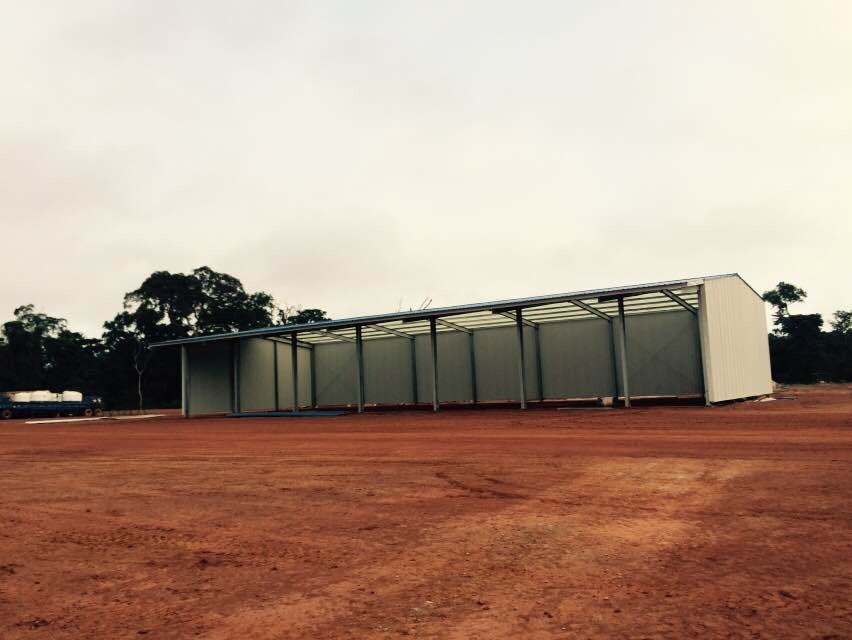
**Part 2: The Pillars of Cost-Effectiveness**
Lida Group’s cost-saving model is not about cutting corners; it is about smarter processes from inception to completion.
**2.1 Prefabrication and Modular Construction: The Core of Efficiency**
At the heart of Lida’s methodology is prefabrication. This involves manufacturing building components—wall panels, floor cassettes, roof trusses, and even fully-fitted bathroom and kitchen modules—in a controlled factory environment.
* **Controlled Environment Manufacturing:** Factory conditions eliminate weather-related delays. Temperature, humidity, and quality control are meticulously managed. This results in a consistently high-quality product, free from the defects common in on-site construction, such as concrete curing in improper temperatures or water damage to materials.
* **Parallel Processing:** While site preparation (foundation work) is underway, the superstructure of the building is being manufactured simultaneously in the factory. This parallel workflow slashes project timelines by 50% or more compared to traditional methods. A structure that might take a year to build conventionally can be completed and ready for occupancy in a matter of months.
* **Reduced Labour Costs and Time:** Factory production is more efficient and requires fewer, more specialized workers. The on-site assembly process is akin to a precise, mechanical erector set, drastically reducing the need for large, multi-skilled crews on site and the associated labour costs and management complexities.
* **Minimised Material Waste:** Factory fabrication allows for precise, computer-controlled cutting and assembly. Materials are ordered in bulk and utilised with near-optimal efficiency. The waste generated in a factory can be recycled systematically, unlike on-site waste which often ends up in landfills. This direct reduction in material waste translates into significant cost savings.
**2.2 Design Standardization and Customization**
Lida employs a strategy of standardized component design. This does not mean their buildings are uniform or lack aesthetic appeal. Instead, they have developed a library of pre-engineered, certified components that can be configured in innumerable ways to meet diverse client needs, from low-rise residential villas to high-rise apartments, schools, hospitals, and large-scale industrial warehouses.
* **Economies of Scale:** Manufacturing a finite set of optimized components in large quantities drives down the unit cost through economies of scale. This is a fundamental principle of mass production applied to construction.
* **Speed of Design and Engineering:** Architects and engineers work with a known set of components, accelerating the design process. Structural calculations, connection details, and material specifications are already validated, reducing the time and cost associated with custom engineering for every single project.
* **Flexible Customization:** Within the standardized system, extensive customization is possible. Clients can choose layouts, facades, interior finishes, and architectural styles. This “Lego-block” approach provides the aesthetic and functional flexibility of custom design with the cost and speed benefits of standardization.
**2.3 Light Gauge Steel Framing: A Material Advantage**
Lida extensively uses cold-formed light gauge steel (LGS) frames as its primary structural material. LGS offers a multitude of cost and performance benefits over traditional materials like wood or reinforced concrete.
* **High Strength-to-Weight Ratio:** Steel is incredibly strong for its weight. This allows for lighter foundation designs, as the overall load of the structure is reduced. Lighter foundations require less concrete and excavation, resulting in substantial cost savings.
* **Precision and Consistency:** Every steel member is manufactured to exact tolerances. There is no warping, shrinking, or splitting as with timber. This precision ensures that components fit together perfectly during assembly, reducing on-site adjustments and errors.
* **Speed of Assembly:** The lightweight nature of the components means they can be manoeuvred and assembled quickly, often without the need for heavy, expensive cranes on smaller projects.
* **Material Longevity (The First Layer of Durability):** The steel used by Lida is galvanized with a protective zinc coating, making it highly resistant to corrosion, rust, and pest infestation—issues that plague wooden structures and can lead to costly repairs.
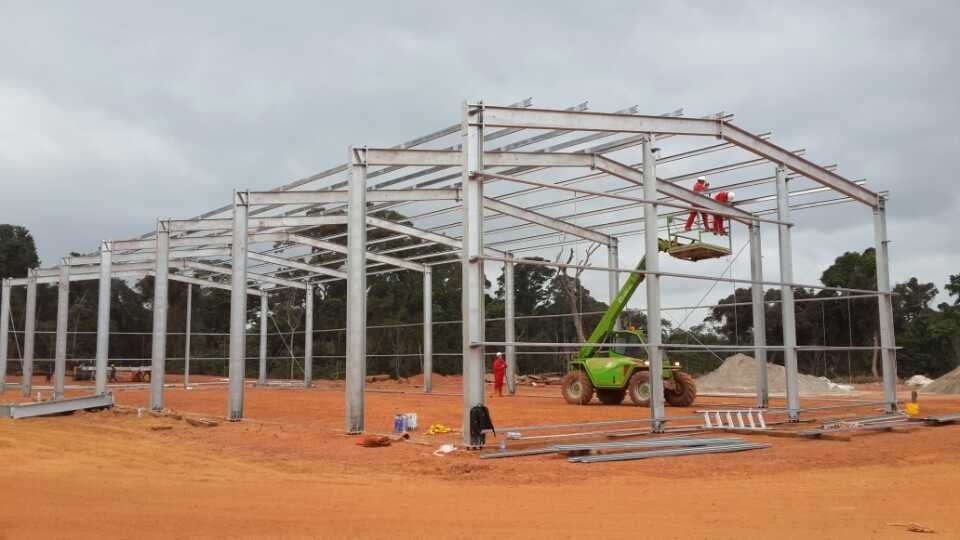
**Part 3: The Foundation of Unwavering Durability**
Durability is not an afterthought for Lida; it is engineered into every stage of the building’s lifecycle. A cost-saving measure that compromises longevity is a false economy, and Lida’s processes are designed to avoid this pitfall entirely.
**3.1 Inherent Durability of the Building System**
The very system Lida employs is inherently more durable than many traditional alternatives.
* **Structural Resilience:** Steel-framed structures are highly resistant to many natural threats. They are non-combustible, offering superior fire resistance compared to wood. They are also impervious to termites and other wood-boring insects that can compromise the structural integrity of a building over time. Furthermore, the ductile nature of steel allows it to perform well in seismic events and high-wind conditions, flexing without fracturing.
* **Dimensional Stability:** Unlike wood, which expands and contracts with changes in moisture and temperature, steel is dimensionally stable. This stability prevents the cracks in drywall, sticking doors, and uneven floors that can occur in wooden structures, ensuring the building remains intact and maintenance-free for longer.
**3.2 Superior Envelope and Insulation Systems**
A building’s durability is heavily dependent on its envelope—the barrier that separates the conditioned interior from the exterior environment. Lida’s wall and roof systems are engineered for maximum performance.
* **Integrated Insulation:** Their panels often feature high-performance insulation materials like rock wool or polyurethane foam, which are installed seamlessly within the wall cavity during fabrication. This creates a continuous thermal barrier, eliminating thermal bridges (weak points where heat can escape) common in stick-built construction. This not only reduces energy costs but also prevents condensation within the walls, a primary cause of mould, mildew, and structural rot in traditional buildings.
* **Air and Water Tightness:** The precision manufacturing of panels and the use of advanced sealing tapes and gaskets at joints result in an exceptionally tight building envelope. This prevents air infiltration (drafts) and, more importantly, water penetration. By keeping water out, the risk of the single most destructive element in construction—moisture—is dramatically reduced, thereby preserving the structure for decades.
**3.3 Quality Control and Corrosion Protection**
The factory environment is key to ensuring durable outcomes.
* **Consistent Quality Assurance:** Every component is produced under a rigorous quality management system. This includes verifying the gauge and coating of the steel, the integrity of welds and screws, and the correct application of insulation and seals. This level of consistency is unattainable on a traditional construction site.
* **Advanced Corrosion Protection:** Beyond standard galvanization, Lida can apply additional protective coatings tailored to specific environmental challenges, such as buildings in coastal areas with salt-laden air. This proactive approach to material science ensures the structural skeleton remains intact for the designed lifespan, which often exceeds 50 years with proper maintenance.
**3.4 Design for Disassembly and Adaptability**
Durability also encompasses a building’s ability to remain useful. Lida’s modular buildings are inherently adaptable. They can be easily expanded, reconfigured, or even disassembled and relocated. This “design for disassembly” paradigm extends the functional life of the building, preventing obsolescence. If the needs of the occupant change, the building can change with them, a feature that is both economically and environmentally sustainable.
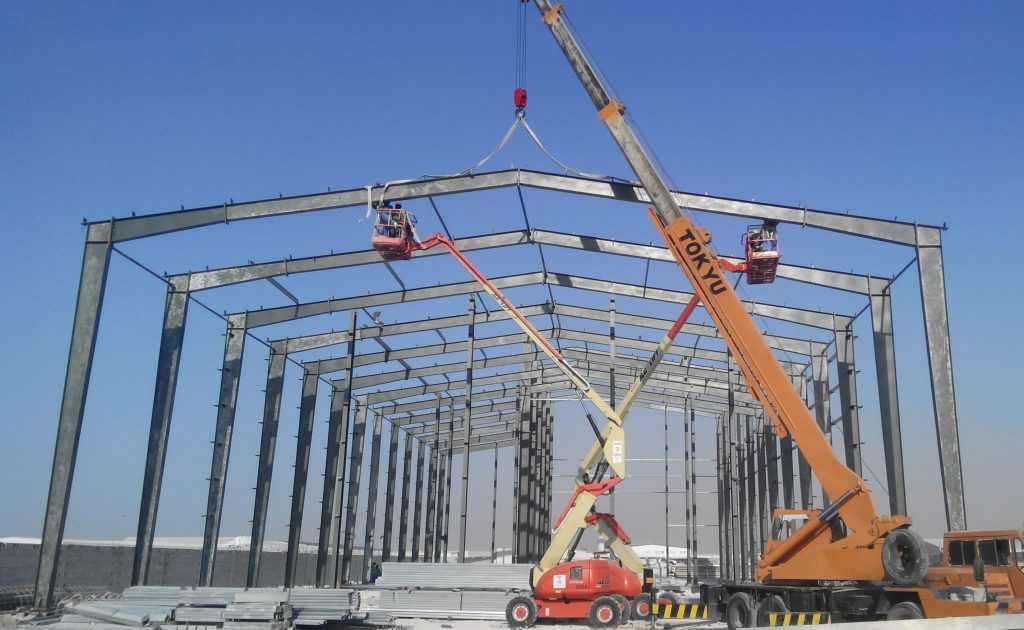
**Part 4: The Synergy in Practice: Case Studies and Applications**
The theoretical advantages of Lida’s approach are borne out in a diverse portfolio of projects worldwide.
**4.1 Rapidly Deployable Schools and Hospitals**
In regions requiring urgent social infrastructure, the combination of cost-effectiveness and durability is vital. Lida has supplied modular schools and clinics to developing nations and disaster-stricken areas. These buildings are affordable for governments and NGOs to procure and deploy with incredible speed. Yet, they are not temporary tents or shacks; they are durable, insulated, weatherproof structures that provide a safe, healthy, and conducive learning or healing environment for years, serving as permanent community assets rather than short-term relief.
**4.2 High-Rise Residential and Commercial Complexes**
Dispelling the notion that prefabrication is only for low-rise buildings, Lida has successfully executed high-rise projects. Here, the cost savings from reduced construction time are monumental. Finishing a skyscraper six months early can save millions in interest payments and allow the owner to generate rental income sooner. The durability, in the form of fire resistance and seismic resilience, is a non-negotiable safety and investment protection feature for such large-scale, high-occupancy buildings.
**4.3 Industrial and Agricultural Buildings**
For warehouses, factories, and large agricultural facilities, clear-span spaces are essential. Lida’s steel structures provide vast, column-free interiors cost-effectively. The durability of the steel frame and cladding systems withstands the harsh internal environments of industrial processes and the external elements, minimising downtime for repairs and ensuring uninterrupted operations.
#### **Part 5: The Role of Sustainability in Enhancing Value**
Sustainability is an integral part of the cost-effectiveness and durability equation. A “green” building is, by definition, a more economical and durable one over its lifecycle.
* **Energy Efficiency:** The superior thermal performance of Lida’s building envelopes directly reduces the energy required for heating and cooling. This translates into significantly lower utility bills for the occupants, a key operational cost saving that accumulates year after year.
* **Resource Efficiency:** The reduction in material waste and the high recyclability of steel align with circular economy principles. At the end of its long life, a steel-framed building can be disassembled, and its materials recycled into new products, reducing the environmental footprint and the long-term cost of resource depletion.
* **Healthy Indoor Environments:** The tight, mould-resistant building envelope contributes to better indoor air quality, reducing health risks and associated costs for occupants.

**Conclusion: A New Paradigm for Global Construction**
In conclusion, Lida Group has successfully engineered a construction paradigm that definitively breaks the perceived trade-off between cost-effectiveness and durability. This is not achieved through a single magic bullet but through a deeply integrated, systemic approach that reimagines the entire building process from the ground up.
The **cost-effectiveness** is derived from the efficiencies of **prefabrication**—dramatically reduced construction time, minimised labour and material waste, and the economies of scale from **standardization**. The shift to a **life-cycle cost perspective** ensures that initial savings are not eroded by future expenses.
The **durability** is engineered into the very DNA of their buildings through the use of **high-strength, corrosion-resistant materials** like light gauge steel, the creation of a **high-performance building envelope** that guards against moisture and thermal transfer, and the uncompromising **quality control** possible only in a factory setting.
These two pillars support and reinforce each other. The speed and precision of factory production result in a higher quality, more durable product. The longevity of the building ensures that its low initial cost is amortized over a much longer period, enhancing its value proposition. The incorporation of energy-efficient and adaptable design further cements this synergy, delivering buildings that are not only cheap to build and tough to break but also inexpensive to operate and easy to adapt.
Lida Group’s model presents a compelling blueprint for the future of the global construction industry. It proves that in the face of urbanisation, climate change, and economic constraints, we do not have to choose between affordability and resilience. We can, and indeed we must, demand both. By championing this dual objective, Lida Group is not just erecting buildings; it is constructing a more sustainable, efficient, and resilient future for all.
Related news
-
Speed and Strength with Lida Group's Metal Frame Construction
2025-11-26 17:57:46
-
Sustainable Steel Structure Building Solutions from Lida Group
2025-11-26 17:54:15
-
Efficient and Robust Metal Frame Construction by Lida Group
2025-11-26 17:42:59
contact us
- Tel: +86-532-88966982
- Whatsapp: +86-13793209022
- E-mail: sales@lidajituan.com
