



Lida Group Unveils Next-Gen Modern Mobile Container House
2025-Dec-29 15:02:27
By Admin
In an era marked by rapid urbanization, escalating demand for sustainable construction, and the urgent need for flexible living and working spaces, the container house industry is undergoing a profound transformation. From being mere temporary structures for construction sites to becoming stylish, intelligent, and eco-friendly living solutions, container houses have redefined the boundaries of modern architecture. At the forefront of this revolution stands Lida Group, a leading high-tech enterprise specializing in steel structure prefabricated buildings. With over three decades of expertise in the field, Lida Group has recently unveiled its next-generation modern mobile container house, a groundbreaking product that integrates cutting-edge technology, green materials, and modular design to set a new benchmark for the global container building industry.
Founded in 1993, Lida Group has evolved from a regional construction firm to a global integrated building solutions provider, offering services spanning consulting, planning, design, production, construction, marketing, and after-sales support. Headquartered in China, the group boasts state-of-the-art production bases in Weifang and Guangzhou, equipped with 8 container modular house production lines, 7 automatic composite panel production lines, and 2 fully automatic light steel villa production lines, enabling an annual steel structure processing capacity of 50,000 tons. Over the years, Lida Group has earned a stellar reputation for its commitment to quality and innovation, holding certifications such as ISO9001, ISO14001, ISO45001, and the EU CE (EN1090) standard. It has also been recognized as a national emergency designated enterprise, a top 10 enterprise in the integrated housing industry’s comprehensive competitiveness for three consecutive years (2020-2022), and a “Specialized, Refined, Differential, and Innovative” enterprise. As a designated supplier for UN peacekeeping force camps, Lida Group’s products are exported to more than 149 countries and regions, making it a trusted name in the global prefabricated building sector.
The launch of Lida Group’s next-gen mobile container house comes at a critical juncture for the global container house market. According to industry reports, the Chinese container house market reached 66.12 billion yuan in 2024, with a year-on-year growth of 3.1%, a slowdown from the double-digit growth seen between 2020 and 2022. This deceleration is attributed to industry consolidation, with excess capacity and short-term players being eliminated, as well as the circular flow of used containers suppressing new demand. However, overseas markets present significant growth opportunities, driven by infrastructure development in emerging economies, the global push for carbon neutrality, and the need for rapid-response housing in post-disaster and conflict zones. Southeast Asia, the Middle East, Africa, and Latin America have emerged as core growth regions, with China’s container houses gaining traction due to their affordability, portability, and eco-friendliness. Lida Group’s new product is strategically designed to capitalize on these global trends, addressing unmet needs for smarter, more sustainable, and versatile mobile spaces.
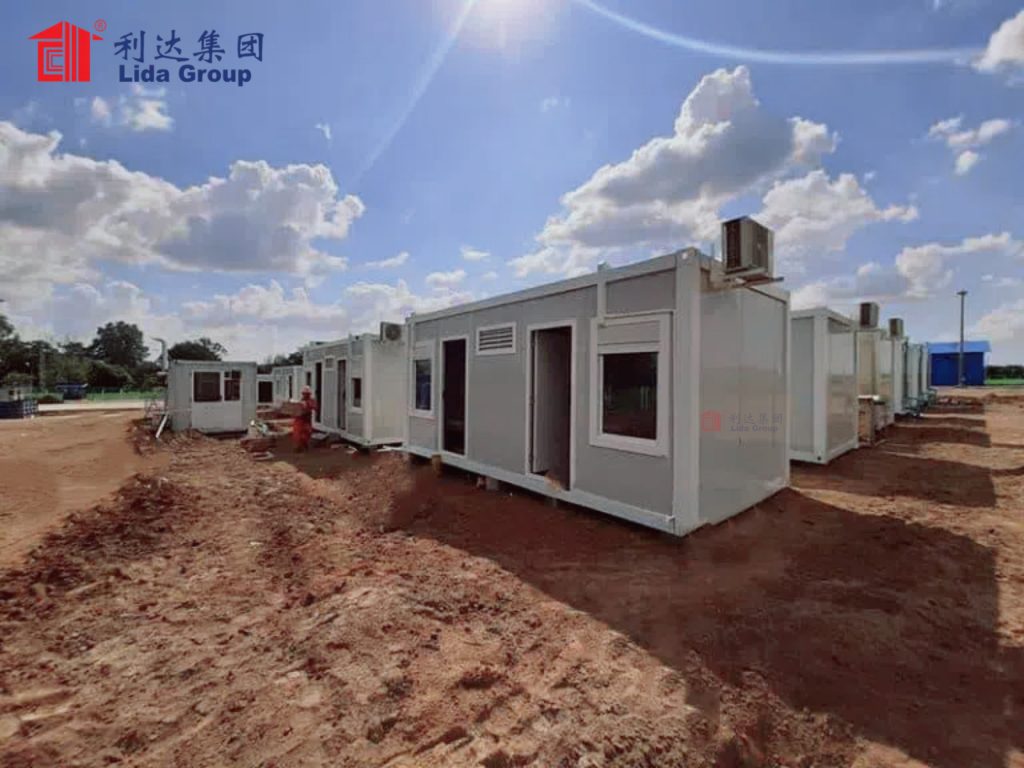
Technological Innovations: Redefining Mobile Container House Performance
Lida Group’s next-generation modern mobile container house is a culmination of years of R&D, integrating advanced materials, intelligent systems, and modular engineering to deliver unprecedented performance. Unlike traditional container houses that prioritize basic functionality, this new offering balances durability, comfort, sustainability, and flexibility, making it suitable for a wide range of applications beyond temporary housing.
Green Energy Integration and Carbon Reduction
In line with the global transition to low-carbon economies, Lida Group has embedded sustainable energy solutions into the core design of its next-gen container house. The roof and side walls are equipped with flexible photovoltaic (PV) panels that seamlessly integrate with the structure, replacing traditional color steel tiles with PV modules to convert solar energy into electricity. This building-integrated photovoltaic (BIPV) system can meet the basic power needs of the house, including lighting, air conditioning, and household appliances. Surplus electricity is stored in lithium iron phosphate batteries, enabling energy shifting and reducing reliance on grid power or fossil fuels. For off-grid scenarios, such as remote construction sites or disaster-stricken areas, the system ensures a stable power supply, enhancing the house’s adaptability.
The use of recycled and eco-friendly materials further reinforces the product’s green credentials. The main frame is constructed from recycled steel, which reduces carbon emissions by approximately 70% compared to virgin steel, as it eliminates the energy-intensive extraction and smelting processes. The walls and floors adopt plant-based materials such as bamboo fiber boards and straw composite panels, which are not only lightweight and durable but also biodegradable, minimizing environmental impact. Interior finishes use E0-grade environmentally friendly boards that are formaldehyde-free and moisture-resistant, ensuring a healthy living environment. These material choices align with China’s “Urban-Rural Construction Carbon Peak Implementation Plan” and global green building standards, positioning the product as a leader in sustainable construction.
Intelligent Temperature Regulation and Energy Efficiency
One of the key pain points of traditional container houses is poor thermal insulation, leading to extreme indoor temperatures and high energy consumption for heating and cooling. Lida Group addresses this issue by incorporating phase change material (PCM) insulation layers into the walls, roof, and floor. These materials, typically paraffin-based or fatty acid-based organics, absorb heat and change phase from solid to liquid when the ambient temperature exceeds the phase change point, effectively storing excess heat. When temperatures drop below the phase change point, the materials release the stored heat and revert to a solid state, maintaining a stable indoor temperature. This passive temperature regulation system reduces energy consumption for heating and cooling by up to 35%, making the container house suitable for harsh climates, from the high temperatures of the Middle East to the cold of Northern Europe.
Complementing the phase change insulation is an intelligent IoT-based energy monitoring system. Sensors installed throughout the house real-time track electricity and water consumption, as well as indoor temperature and humidity. Data is transmitted to a cloud platform for analysis, enabling automatic identification of energy waste, such as idle equipment or heat loss from open doors and windows. The system sends alerts to users via a mobile app, allowing for timely adjustments to optimize energy efficiency. Remote control functionality further enhances convenience, enabling users to adjust air conditioning settings, lighting, and security systems from anywhere, reducing unnecessary energy use.
Modular Design and Rapid Deployment
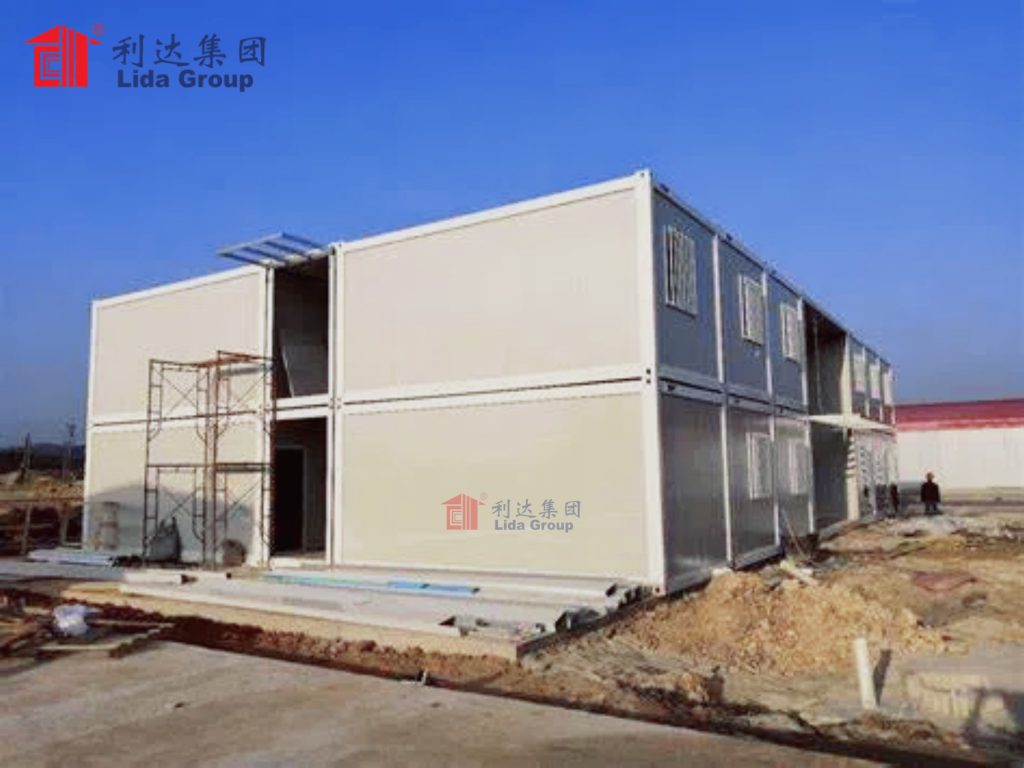
Building on Lida Group’s expertise in modular construction, the next-gen container house features a standardized, detachable design that prioritizes efficiency and flexibility. The house adopts a snap-fit connection system and tenon-and-mortise structure, eliminating the need for complex on-site welding and reducing construction time significantly. A single worker can fully expand and assemble the house in just 5 minutes, and it can be put into use within 2 hours after connecting water and electricity. This rapid deployment capability is a game-changer for emergency scenarios, such as natural disasters or post-conflict reconstruction, where quick access to safe housing and facilities is critical.
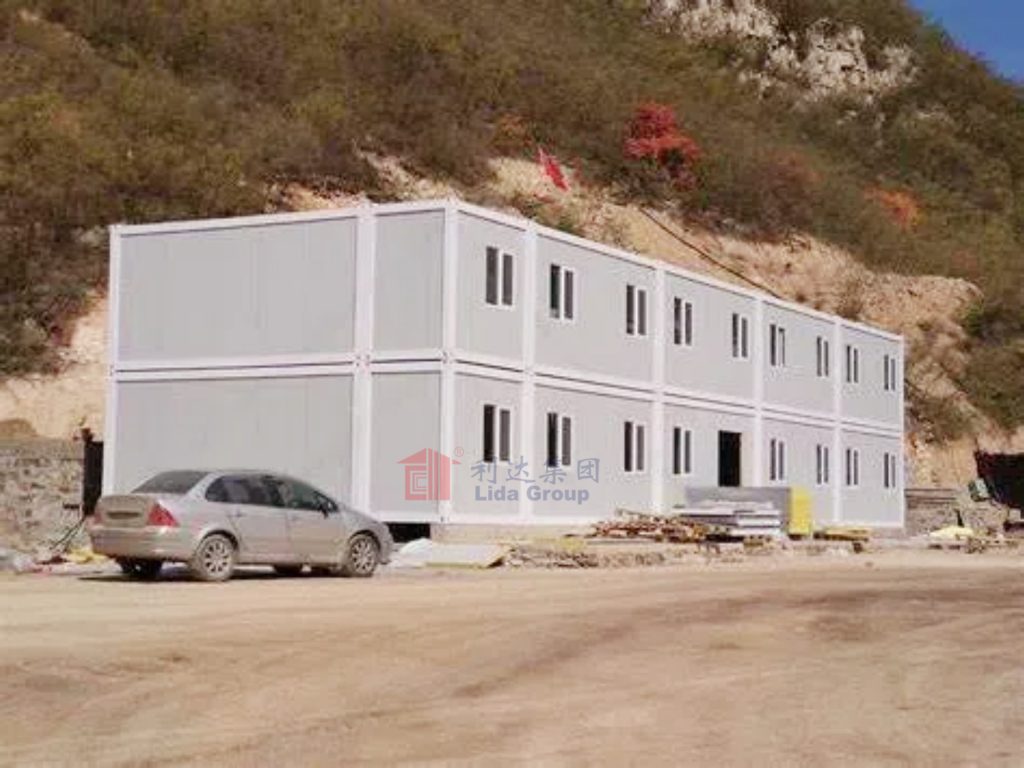
The modular design also enables flexible combination and transportation. Multiple units can be stacked vertically or connected horizontally to create larger spaces, such as dormitories, offices, or medical clinics, without compromising structural stability. The house’s lightweight yet robust structure (with a self-weight of 1.324 tons and a base load-bearing capacity 30% higher than traditional container houses) supports multi-story stacking, making it ideal for high-density temporary settlements. For transportation, the folded house can be loaded onto a standard truck, with one 5-ton crane truck capable of transporting 6 units at a time, reducing transportation costs by more than 5 times compared to traditional container houses. Stacked storage also saves up to 10 times the space, optimizing logistics and storage efficiency for both domestic and international shipments.
Redundant Power and Utility Systems
Drawing on Lida Group’s experience in developing container-based command centers, the next-gen mobile container house is equipped with a redundant power system to ensure uninterrupted operation in extreme conditions. In addition to the PV-storage system, the house features an external power interface, a diesel generator, and a UPS (Uninterruptible Power Supply) system. The UPS provides emergency power for 1 hour in the event of external power and generator failure, ensuring critical equipment such as medical devices or communication tools remain functional. The diesel generator serves as a backup for long-term off-grid use, extending the house’s operational range to remote areas with no access to grid power. This triple-power system, combined with a rainwater collection and recycling system (which purifies rainwater for flushing toilets and irrigation), enhances the house’s self-sufficiency and resilience.
Diversified Application Scenarios: From Emergency Shelters to Lifestyle Spaces
Lida Group’s next-gen modern mobile container house is designed to transcend the traditional boundaries of container buildings, catering to a wide range of application scenarios across multiple industries. Its versatility, durability, and smart features make it a viable solution for both temporary and semi-permanent use, addressing the evolving needs of global markets.
Infrastructure and Construction Camps
The construction industry remains a core market for container houses, and Lida’s new product is tailored to meet the needs of construction camps, mining sites, and infrastructure projects. Its rapid deployment capability reduces on-site construction time, while the redundant power and utility systems ensure comfort for workers in remote areas. The modular design allows for the creation of integrated camps with dormitories, offices, canteens, and storage facilities, all of which can be disassembled and reused for subsequent projects, reducing waste and lowering long-term costs. For large-scale infrastructure projects such as railways, highways, and ports—particularly in Southeast Asia, where countries like Indonesia are investing in projects like the Jakarta-Bandung High-Speed Railway—the container house provides a cost-effective and efficient housing solution for construction teams.
Emergency Response and Post-Disaster Reconstruction
Natural disasters and regional conflicts have created a pressing demand for rapid-response housing and medical facilities. Lida’s next-gen container house is ideally suited for these scenarios, as it can be transported quickly to disaster-stricken areas and assembled within hours. The house’s robust steel structure offers excellent seismic and wind resistance (capable of withstanding wind loads of 0.6kN/㎡ and 7-level earthquakes), ensuring safety in unstable environments. When configured as a mobile medical unit, the container can be equipped with antibacterial walls, non-slip floors, and isolation spaces, providing a sterile environment for diagnosis and treatment. International aid organizations and governments can use these units to establish temporary hospitals, clinics, and shelters, accelerating post-disaster recovery. Lida Group’s experience as a supplier for UN peacekeeping forces further validates the product’s reliability in emergency situations.
Cultural Tourism and Commercial Spaces
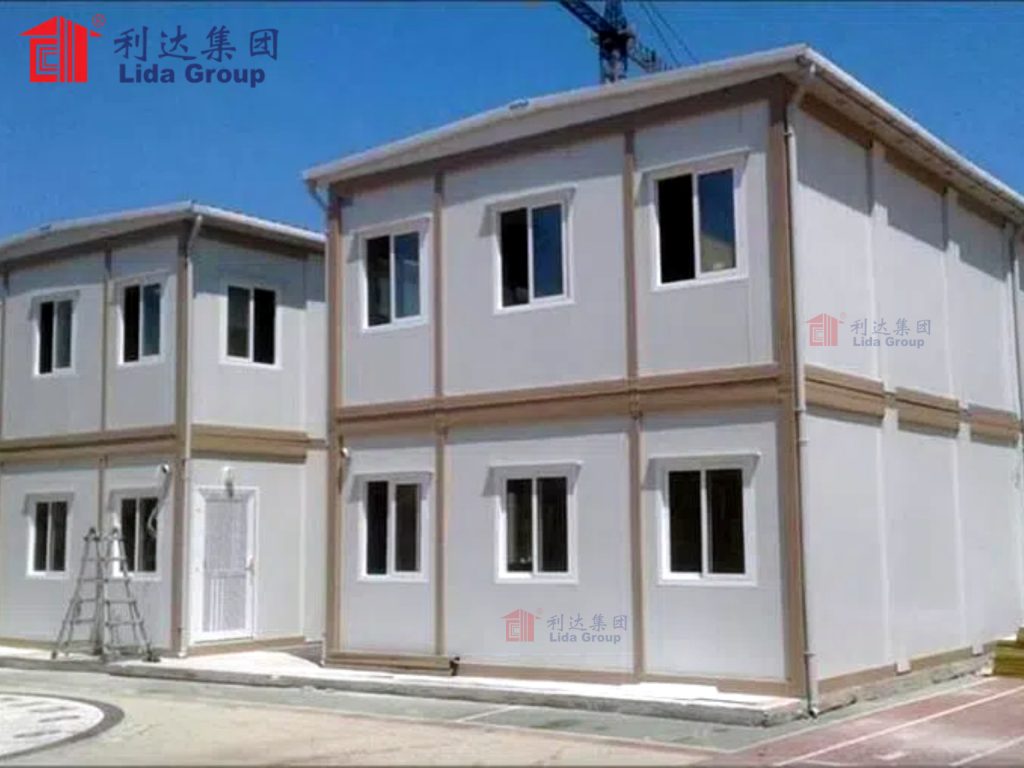
The container house has emerged as a popular choice in the cultural tourism industry, thanks to its customizable design and minimal environmental impact. Lida’s next-gen product leverages this trend by offering personalized design options that integrate local cultural elements with modern aesthetics. For example, in scenic areas, the container can be transformed into boutique homestays, cafes, bookstores, or ticket offices, with exterior finishes using local materials such as recycled bricks or slate tiles to blend with the natural surroundings. The modular design minimizes on-site construction, reducing damage to the ecological environment of scenic areas, while the PV system and rainwater recycling system align with the sustainable development goals of tourism projects. In urban areas, the container house can be used as pop-up shops, art galleries, or food stalls, offering a flexible and low-cost solution for urban renewal and commercial diversification.
Residential and Social Housing
In regions facing housing shortages, such as Africa (which has a deficit of 200 million housing units), Lida’s next-gen container house offers an affordable and efficient alternative to traditional brick-and-mortar construction. The house can be customized into one-bedroom, two-bedroom, or multi-bedroom units, with interior layouts designed to maximize space utilization. Its construction cost is approximately 40% lower than traditional housing, and the construction cycle is shortened by 60%, enabling governments and social organizations to address housing needs quickly. In Latin America, where countries like Chile have incorporated container houses into social housing programs, Lida’s product can be adapted to local climate conditions, with enhanced insulation for high-altitude areas and moisture resistance for coastal regions. The use of recycled materials and green energy also aligns with the growing demand for sustainable housing in emerging markets.
Global Market Strategy and Competitive Advantages
Lida Group’s global footprint and deep understanding of regional markets position its next-gen mobile container house for success in the international arena. The group has established overseas offices in Saudi Arabia, Qatar, Dubai, Malaysia, Chile, and other key markets, enabling localized operations and customized solutions. Its “China Production + Local Assembly” model reduces transportation costs and tariff barriers, making the product more competitive in emerging economies.
Target Market Focus
Southeast Asia is a priority market for Lida Group, driven by rapid urbanization and infrastructure development. The region’s container house imports grew by 22% year-on-year in 2025, with demand concentrated in temporary housing for port expansion, railway construction, and urban renewal projects. Lida’s next-gen product, with its moisture-resistant materials and efficient cooling system, is well-suited to the region’s hot and humid climate. In the Middle East, where countries like Saudi Arabia are investing in mega-projects such as NEOM City, the product’s energy-efficient design and ability to withstand high temperatures make it an attractive choice. The group’s existing partnerships with local contractors and its compliance with regional building standards further strengthen its position in the Middle East market.
Africa represents another high-growth market, with demand driven by housing shortages and post-conflict reconstruction. Lida’s container house offers a cost-effective solution, with a construction speed 70% faster than traditional buildings and a 60% cost advantage. The group plans to collaborate with international aid organizations and local governments to deploy the product in refugee camps and rural housing projects. In North America and Europe, where green building standards are stringent, the product’s BIPV system, recycled materials, and carbon reduction capabilities cater to the demand for sustainable living spaces. Lida Group is also exploring partnerships with local architects and designers to customize the product for the luxury文旅 and residential markets in these regions.
Competitive Edge in the Industry
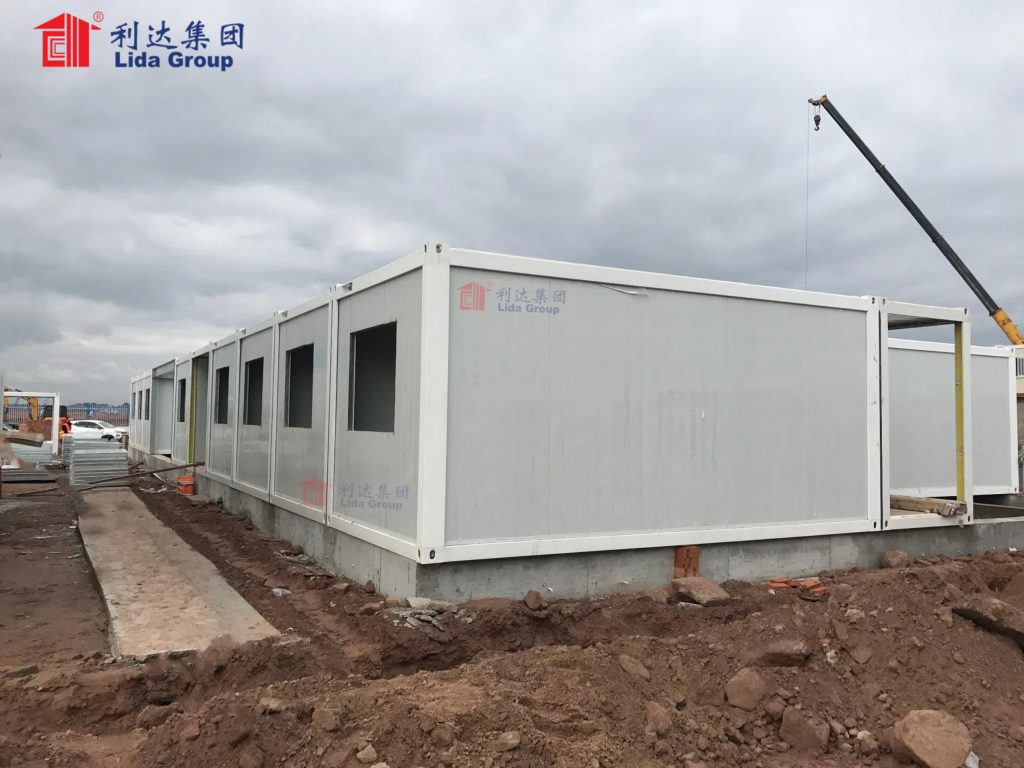
The global container house industry is characterized by a competitive landscape dominated by leading enterprises and differentiated competition among small and medium-sized players. Lida Group’s next-gen product stands out due to its integrated solutions capability, combining R&D, production, construction, and after-sales service into a one-stop platform. Unlike competitors that focus on single-product sales, Lida Group offers customized design services based on customer needs, from initial planning to final installation and maintenance.
The group’s advanced production facilities and quality control systems further enhance its competitiveness. Its production bases have passed audits by global certification bodies such as SGS, TUV, INTERTEK, and BV, ensuring that products meet international quality and safety standards. The use of automated production lines reduces human error and improves production efficiency, enabling large-scale delivery to meet global demand. Lida Group’s track record of participating in major projects, such as the 2008 Beijing Olympic venues and post-5.12 earthquake reconstruction, also reinforces its reputation for reliability and quality.
Challenges and Future Outlook
Despite its strong competitive advantages, Lida Group’s next-gen mobile container house faces several challenges in the global market. The industry’s fragmented nature in some regions leads to price competition, particularly from low-cost manufacturers in emerging economies. To address this, Lida Group will focus on value-added services and technological innovation, differentiating its product from low-end alternatives. Compliance with regional building codes and certifications, such as Europe’s green building standards and North America’s fire safety regulations, also requires continuous adaptation and investment in R&D.
Another challenge is the high initial cost of green technologies, such as PV panels and phase change materials, which may deter price-sensitive customers. Lida Group plans to mitigate this by scaling production to reduce component costs and partnering with renewable energy companies to offer integrated energy solutions at competitive prices. Additionally, the group will invest in digital marketing and brand building to raise awareness of the product’s long-term cost savings and environmental benefits.
Looking ahead, the future of Lida Group’s next-gen modern mobile container house is promising, driven by global trends in sustainability, urbanization, and emergency response. The group aims to further enhance the product’s智能化 capabilities by integrating AI and BIM (Building Information Modeling) technologies for predictive maintenance and digital operation. For example, AI algorithms can analyze energy consumption data to optimize PV system performance, while BIM technology can track component lifespans to schedule maintenance proactively. Lida Group also plans to expand its product line to include specialized versions for healthcare, education, and military applications, catering to niche market needs.
In line with the “Belt and Road” initiative, Lida Group will continue to expand its overseas presence, focusing on infrastructure projects in emerging economies. The group’s goal is to capture a larger share of the global container house market, particularly in high-growth regions, and establish itself as a leader in the next generation of sustainable mobile buildings. By adhering to its mission of “creating a more harmonious living space for humanity,” Lida Group is well-positioned to drive the transformation of the global container house industry.
Conclusion
Lida Group’s launch of the next-generation modern mobile container house represents a significant leap forward in the prefabricated building industry, blending sustainability, intelligence, and versatility to address the evolving needs of global markets. By integrating green energy solutions, advanced insulation technologies, modular design, and redundant utility systems, the product redefines the performance and application scope of container houses, moving beyond temporary structures to become a viable solution for residential, commercial, emergency, and文旅 use.
The product’s competitive advantages lie in its comprehensive integration of technology and sustainability, backed by Lida Group’s decades of experience, global production and distribution network, and commitment to quality. As the global demand for low-carbon, flexible, and rapid-deployment buildings continues to grow, Lida’s next-gen container house is well-positioned to capitalize on opportunities in emerging markets and establish new standards for the industry. While challenges such as price competition and regional compliance remain, the group’s strategic focus on innovation, localization, and value-added services will enable it to overcome these barriers and achieve long-term success.
In essence, Lida Group’s next-gen mobile container house is more than just a building product—it is a symbol of the future of sustainable construction. By prioritizing environmental responsibility, technological advancement, and user-centric design, Lida Group is not only driving its own growth but also contributing to the global effort to build a more sustainable and resilient built environment. As the product gains traction in markets around the world, it has the potential to transform how we think about housing, workspaces, and emergency response, paving the way for a more flexible and sustainable future.
Related news
-
The Future of Housing is Here: Steel Structure Building
2025-12-26 17:49:25
-
Experience Lasting Quality with a Lida Group Metal Frame House
2025-12-26 17:54:53
-
Lida Group's Commitment to High Quality Construction Excellence
2025-12-26 17:29:31
contact us
- Tel: +86-532-88966982
- Whatsapp: +86-13793209022
- E-mail: sales@lidajituan.com
