



Lida Group Unveils New Prefab Mobile Container House Series
2025-Nov-27 11:00:23
By Admin
In an era marked by rapid urbanization, growing environmental consciousness, and the need for flexible housing solutions, the prefabricated construction industry has emerged as a transformative force. Leading this revolution is Lida Group, a Chinese high-tech enterprise with over three decades of expertise in integrated building solutions. In late 2025, the company made a significant stride by launching its new series of prefab mobile container houses, designed to address the evolving demands of global markets for durability, sustainability, and adaptability. This comprehensive report delves into the technical innovations, market implications, and industry impact of Lida Group’s latest offering, exploring how it positions the company at the forefront of the $15 billion global prefab housing sector.
1. The Rise of Prefab Container Housing: Market Dynamics and Industry Trends
The global prefabricated housing market has witnessed unprecedented growth in recent years, driven by a confluence of factors including cost efficiency, reduced construction timelines, and environmental sustainability. According to the “14th Five-Year Plan for Prefab Construction Industry Development,” the global market size is projected to surpass \(1500 billion by 2025, representing a 50% increase from 2023 levels and a compound annual growth rate (CAGR) of 22%. Within this booming sector, container-based prefab homes have emerged as a dominant segment, accounting for 45% of China’s \)450 billion prefab market—equivalent to $202.5 billion in value. This rapid expansion is fueled by their versatility, with applications extending beyond traditional construction sites to include emergency shelters, 文旅 camps (cultural tourism camps), shared offices, and even permanent residential buildings.
A key driver of this growth is the global shift toward sustainable construction practices. As governments and organizations prioritize carbon neutrality, prefab container homes offer a low-impact alternative to conventional building methods. Unlike traditional construction, which generates an estimated 30% of global waste, modular container structures minimize material waste through precision factory production and enable 100% recyclability of core components. Additionally, the rising demand for affordable housing—exacerbated by urban population growth and housing shortages in both developed and developing regions—has positioned container homes as a cost-effective solution. Data from Alibaba International Station shows that online transactions for mobile homes surged by 117% in August 2022, with search volumes for “expandable container homes” and “ready-made homes” reaching all-time highs.
Technological advancements have further accelerated market adoption. Modern prefab container homes now incorporate advanced insulation materials, energy-efficient systems, and modular designs that allow for easy expansion and reconfiguration. The global foldable container house market alone is expected to exceed $2.253 billion by 2033, with a CAGR of 10.45%, as innovations in stackable and expandable designs enhance space utilization and flexibility. Against this backdrop, Lida Group’s new product launch is strategically timed to capitalize on these trends, offering a suite of features that address the key pain points of current market offerings.
2. Lida Group: A Legacy of Innovation in Integrated Construction
Founded in 1993 and headquartered in Weifang, Shandong Province, Lida Group has established itself as a global leader in prefabricated and modular construction solutions. With a mission to “Connect the World, Deliver Excellence,” the company has evolved from a regional steel structure manufacturer to a comprehensive service provider offering end-to-end solutions—from design and engineering to production, installation, and after-sales support. Over the past three decades, Lida Group has built a reputation for quality, reliability, and innovation, earning certifications including ISO9001 (Quality Management), ISO14001 (Environmental Management), ISO45001 (Occupational Health and Safety), and EU CE (EN1090) accreditation.
The company’s success is underpinned by its robust production capabilities. Lida Group operates two state-of-the-art manufacturing facilities in Weifang and Guangzhou, covering a combined area of 35,000 square meters. These facilities are equipped with 7 automatic composite panel production lines, 15 purlin production lines, and 8 dedicated container modular housing lines, enabling an annual steel processing capacity of 50,000 tons and a monthly output of 800 prefab container units. This scalable production infrastructure allows Lida Group to meet the demands of large-scale projects, including its role as a designated supplier for United Nations peacekeeping force camps and participation in high-profile initiatives such as the 2008 Beijing Olympic Games venues and post-earthquake reconstruction efforts in Sichuan.
Lida Group’s global footprint is equally impressive. The company’s products are exported to 149 countries and regions across North America, South America, Africa, Australia, Europe, and Asia, supported by a network of overseas subsidiaries and domestic offices in key cities including Qingdao, Guangzhou, and Xiong’an. This extensive distribution network, combined with its commitment to localized service, has enabled Lida Group to become a trusted partner for governments, NGOs, and private enterprises seeking reliable prefab solutions. As a “Specialized, Refined, and Novel” enterprise (a designation awarded by the Chinese government to high-tech SMEs) and a provincial-level high-tech enterprise, Lida Group continues to invest in research and development, driving innovation in modular construction technology.
3. Unveiling the New Prefab Mobile Container House Series: Technical Specifications and Design Innovations
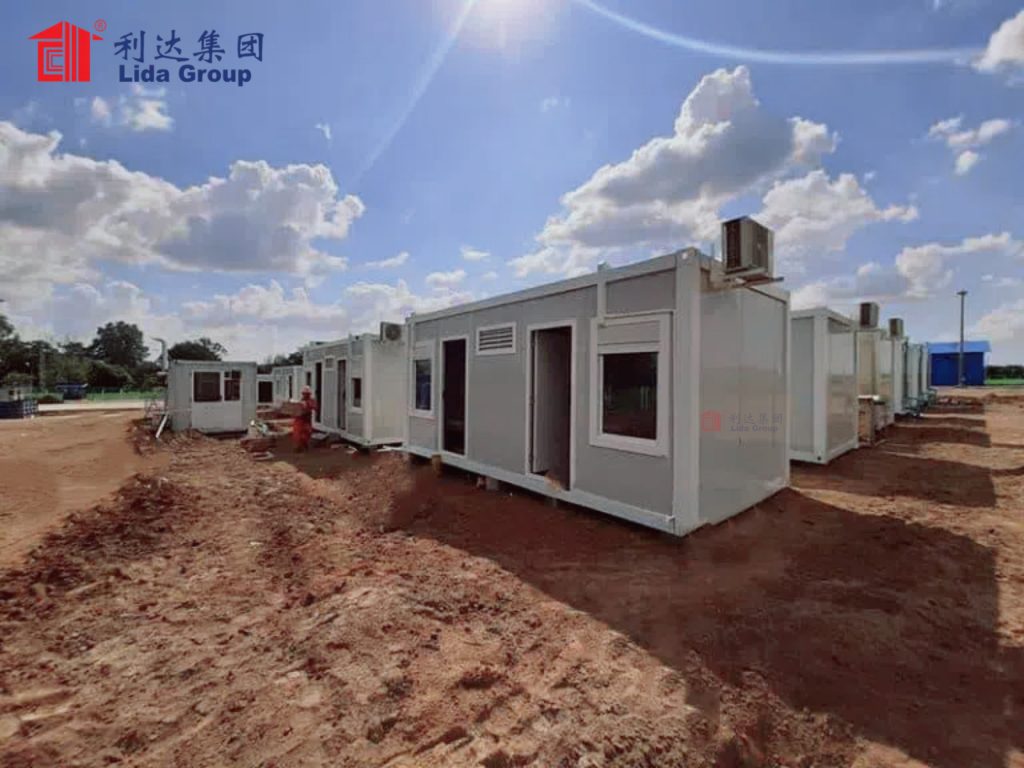
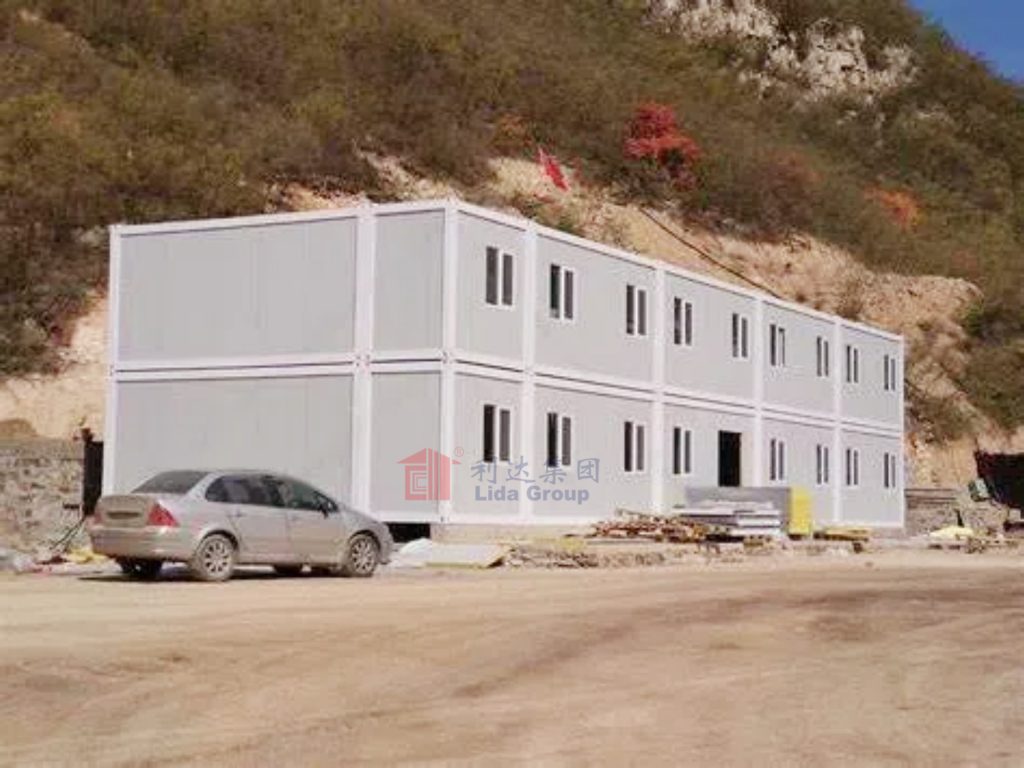
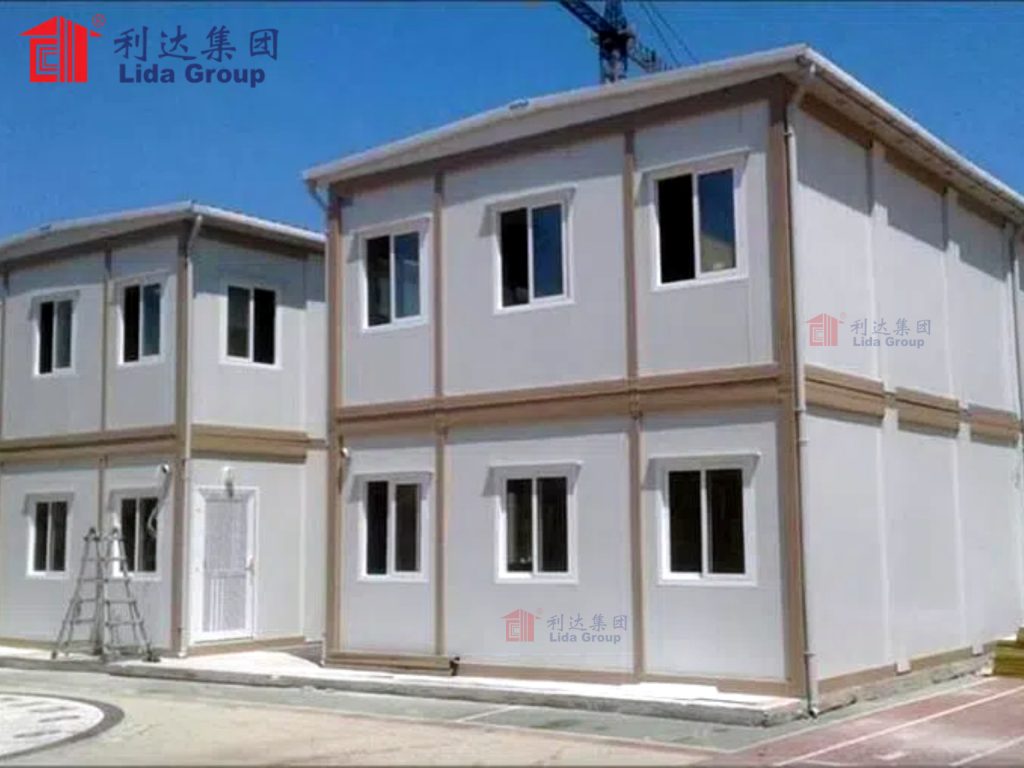
Lida Group’s new prefab mobile container house series, represented by the flagship model LD-C038, builds on the company’s legacy of excellence while introducing groundbreaking features tailored to modern users. Designed for versatility, the series caters to a wide range of applications, including construction site offices, worker dormitories, drilling camps, hotels, retail kiosks, guard houses, warehouses, and even residential villas. Below is a detailed breakdown of the series’ technical specifications, design innovations, and core advantages:
3.1 Core Specifications and Structural Design
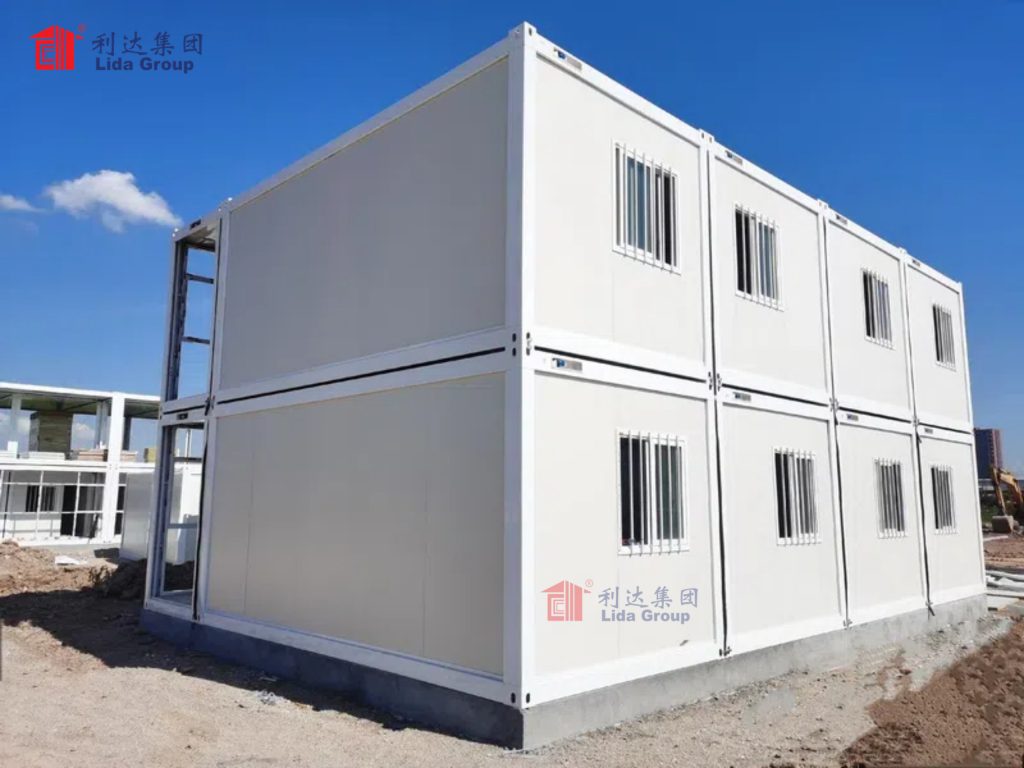
The new series adheres to international ISO standards, offering two primary configurations: 20ft (6055mm × 2435mm × 2896mm) and 40ft (12192mm × 2435mm × 2896mm) units, with the option to stack up to three stories high. This modular design allows for flexible space expansion, enabling users to create multi-unit complexes tailored to their specific needs. The structural frame is constructed from high-strength Q235 steel, a material renowned for its durability and load-bearing capacity. Key structural components include:
- Corner Pillars: 210mm × 150mm × 30mm in dimension, with a thickness of 2.75mm and galvanization thickness of ≥40g/m², ensuring resistance to corrosion and structural stability.
- Roof Frame: Cold-formed steel with a thickness of 2.5mm and height of 180mm, supported by C80 × 40 × 15 × 2.0 galvanized purlins, designed to withstand a live load of 0.5kN/m² and wind load of 0.6kN/m².
- Floor Frame: Main beams with a thickness of 3.25mm and height of 160mm, paired with C120 × 50 × 12 × 2.0 galvanized purlins, capable of supporting a live load of 2.0kN/m²—sufficient for residential and commercial use.
- Exterior Finish: Epoxy primer and polyurethane topcoat with a total film thickness of ≥80μm, available in customizable colors, providing long-lasting protection against harsh weather conditions.
The series boasts an impressive service life of up to 20 years, with an 8-grade earthquake resistance rating and 4-grade fire resistance (capable of withstanding 3 hours of fire exposure). These structural features make the containers suitable for deployment in diverse environments, from earthquake-prone regions to high-wind coastal areas.
3.2 Insulation, Waterproofing, and Energy Efficiency
A standout feature of Lida Group’s new series is its advanced thermal and acoustic insulation system. The wall panels consist of 75mm fiberglass sandwich panels, with 0.4mm aluminum-zinc color steel sheets (PE finishing coat) on both interior and exterior surfaces. The fiberglass insulation layer has a density of ≥50kg/m³ and meets Grade A non-flammable standards, providing exceptional thermal resistance and sound reduction. This translates to reduced energy consumption for heating and cooling, making the containers suitable for use in extreme temperatures—from cold northern climates to hot and humid tropical regions.
The roof system incorporates a flat roof design with an organized internal water-draining structure, eliminating the risk of water accumulation and leaks. Lida Group’s proprietary waterproofing technology ensures that the containers remain watertight even in heavy rainfall, addressing a common pain point in modular housing. The floor system further enhances comfort and energy efficiency, featuring 100mm fiberglass insulation with aluminum foil, a 18mm fiber cement board, and 1.8mm PVC flooring. This multi-layered design not only improves thermal insulation but also provides soundproofing, creating a quiet and comfortable interior environment.
3.3 Ease of Installation, Transportation, and Customization
One of the key advantages of Lida Group’s new series is its user-friendly design, which prioritizes easy assembly and transportation. The containers are available in two delivery options: fully assembled (ready for immediate use) or flat-packed to minimize shipping costs. Flat-packed units are shipped in standard 40ft HQ containers, with all components neatly packed into rectangular boxes, reducing storage space and transportation expenses by up to 60% compared to fully assembled units.
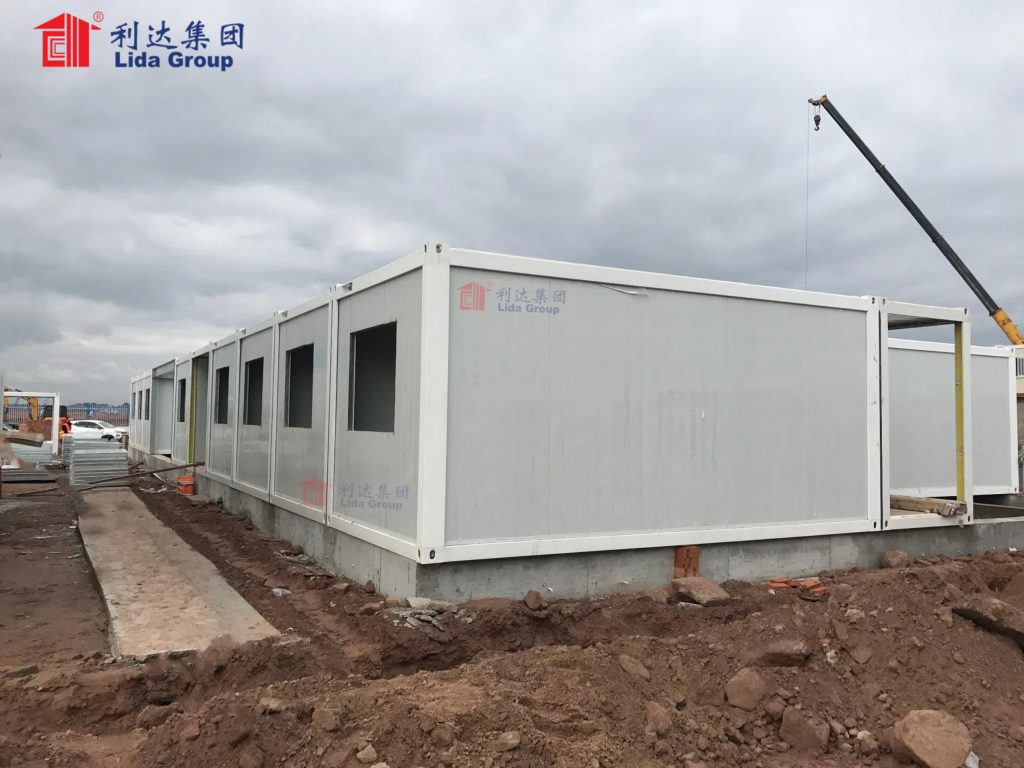
On-site installation requires minimal tools and can be completed by a small team, with supervision provided by Lida Group’s technical experts and video tutorials available for guidance. The modular components are designed for quick assembly, with pre-installed doors (steel) and windows (UPVC or aluminum), allowing users to set up a functional space in a matter of hours rather than weeks. Additionally, the containers can be easily disassembled and relocated, making them ideal for temporary or mobile applications such as construction camps, event venues, or emergency shelters.
Customization is another core strength of the series. Lida Group offers a range of personalization options, including exterior color matching, interior finishing (such as wooden panels or vinyl flooring), and the addition of features like solar panels, air conditioning systems, and plumbing fixtures. The open floor plan design allows for flexible interior configurations, enabling users to create bedrooms, offices, kitchens, and bathrooms tailored to their specific needs. For large-scale projects, Lida Group provides comprehensive design services, including 3D modeling and graphic design, to ensure the final product aligns with the client’s vision.
3.4 Environmental Sustainability
In line with global sustainability goals, Lida Group’s new prefab container series is designed to minimize environmental impact throughout its lifecycle. The use of 100% recyclable steel and natural materials ensures that the containers can be repurposed or recycled at the end of their service life, reducing construction waste and carbon footprint. The fiberglass insulation is free of volatile organic compounds (VOCs), promoting healthy indoor air quality, while the energy-efficient design reduces reliance on fossil fuels for heating and cooling.
Lida Group’s commitment to sustainability extends beyond product design to its manufacturing processes. The company’s production facilities adhere to strict environmental standards, with waste reduction measures and energy-saving technologies implemented to minimize carbon emissions. While the new series currently meets ISO and CE environmental requirements, Lida Group has announced plans to pursue LEED Platinum certification—a globally recognized benchmark for green buildings—for future iterations, aligning with the growing demand for net-zero energy housing solutions.
4. Applications and Use Cases: From Industrial Camps to Residential Villas
The versatility of Lida Group’s new prefab mobile container house series makes it suitable for a wide range of applications across multiple sectors. Below are some of the key use cases, highlighting how the product addresses the unique needs of different users:
4.1 Construction and Industrial Camps
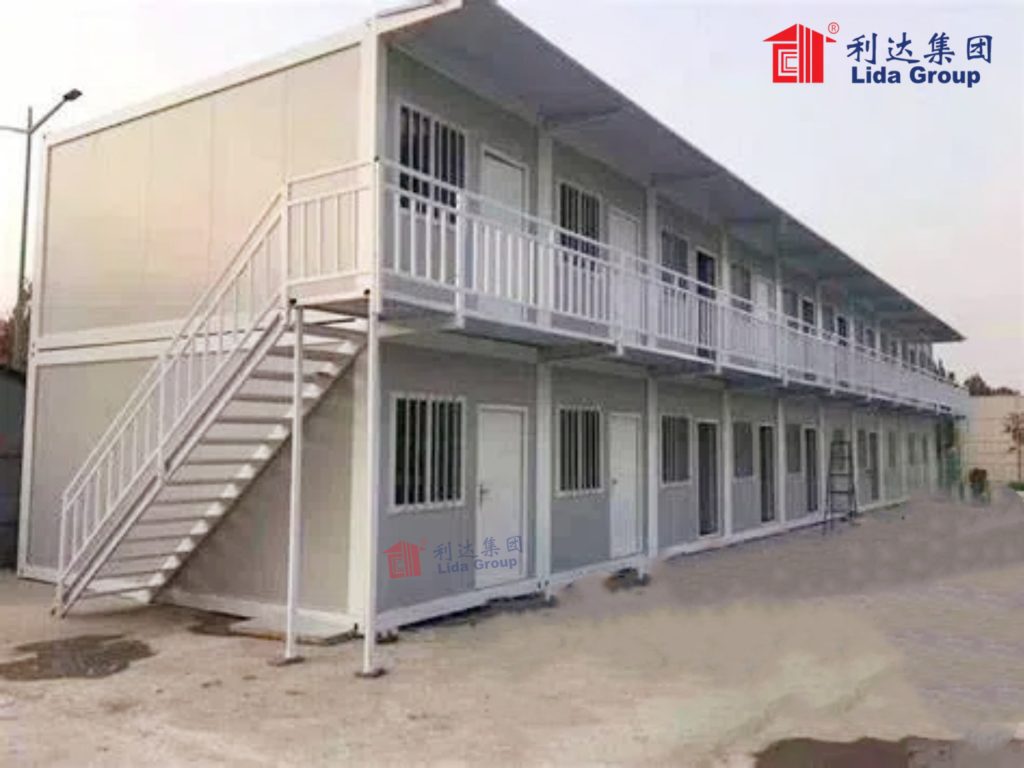
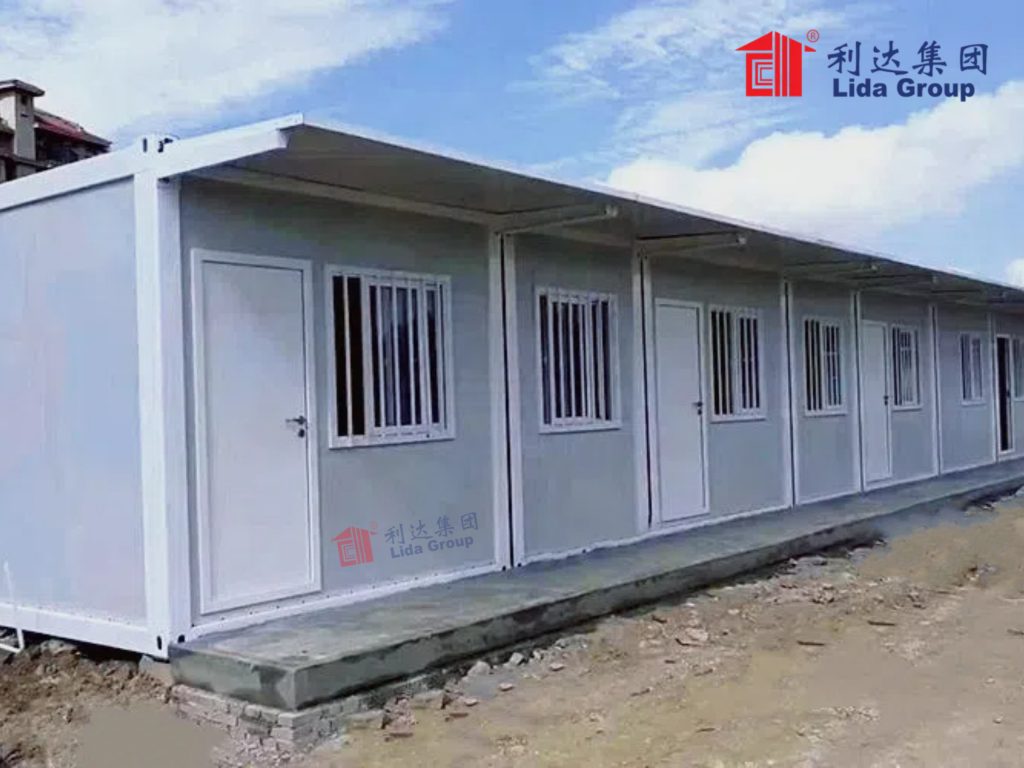
The construction industry is a primary target market for the new series, as modular container homes provide a cost-effective and efficient solution for housing workers and setting up on-site offices. Lida Group’s containers are designed to withstand the harsh conditions of construction sites, with durable materials and robust structural design ensuring longevity even in high-traffic environments. The flat-pack delivery option reduces transportation costs for large-scale projects, while the quick assembly time allows construction companies to set up camps within days, minimizing project delays.
For example, a mining company operating in a remote region of Africa recently deployed 50 units of the LD-C038 model to house 200 workers. The containers were shipped flat-packed, reducing shipping costs by 40% compared to traditional housing solutions, and assembled on-site in just two weeks. The advanced insulation system ensured comfortable living conditions in temperatures ranging from 5°C to 35°C, while the fire-resistant and earthquake-resistant features provided peace of mind in a seismically active area. The client also customized the units to include shared kitchens, bathrooms, and recreational spaces, creating a self-contained camp that improved worker satisfaction and retention.
4.2 Emergency and Humanitarian Aid
In the aftermath of natural disasters such as earthquakes, floods, and hurricanes, rapid deployment of temporary shelters is critical to saving lives and providing support to affected communities. Lida Group’s prefab container homes are ideal for emergency response, as they can be shipped quickly and assembled in hours, providing immediate shelter, medical facilities, and administrative offices. The 8-grade earthquake resistance and 3-hour fire resistance ratings make the containers suitable for use in disaster-stricken areas, while the waterproof design ensures protection against harsh weather conditions.
Lida Group has a proven track record in humanitarian aid, having supplied container homes for post-earthquake reconstruction in Sichuan, China, and for United Nations peacekeeping missions in conflict zones such as South Sudan and Somalia. The new series builds on this experience, with enhanced portability and durability making it easier for aid organizations to deploy shelters in remote and hard-to-reach areas. The 100% recyclable materials also align with the principles of sustainable humanitarian aid, ensuring that shelters can be repurposed or recycled after use, minimizing environmental impact.
4.3 Commercial and Tourism Applications
The tourism and hospitality industry is increasingly adopting modular container homes as a way to create unique and sustainable accommodation options. Lida Group’s new series is well-suited for this sector, with customizable designs that can be tailored to create boutique hotels, glamping sites, and vacation villas. The modular design allows for the creation of multi-unit complexes, while the aesthetically pleasing exterior (available in a range of colors and finishes) ensures that the containers blend seamlessly with natural surroundings.
A recent project in Yunnan, China, saw the development of a glamping resort using 20 units of the 40ft model. The containers were customized with large windows and outdoor decks, maximizing natural light and providing panoramic views of the surrounding mountains. The advanced insulation system ensured comfortable temperatures year-round, while the energy-efficient design reduced the resort’s carbon footprint. The project was completed in just three months—half the time required for traditional construction—and has since become a popular destination for eco-conscious travelers, demonstrating the potential of modular container homes in the tourism sector.
4.4 Residential and Urban Housing
As urban housing shortages worsen in cities around the world, modular container homes are emerging as a viable solution for affordable and sustainable residential housing. Lida Group’s new series offers a cost-effective alternative to traditional apartments, with prices up to 30% lower than conventional housing in major cities. The modular design allows for the creation of multi-story residential buildings, while the customizable interior configurations enable users to create spacious and comfortable living spaces.
In Guangzhou, China, Lida Group partnered with a local developer to build a 10-story residential building using 120 units of the LD-C038 model. The building features a mix of 1-bedroom and 2-bedroom units, each with a private balcony and modern interior finishes. The modular construction process reduced the project timeline by 50% compared to traditional concrete construction, while the energy-efficient design reduced monthly utility costs for residents by 20%. The building also incorporates green spaces and communal areas, creating a sustainable and livable community that addresses the city’s housing needs.
5. Market Competition and Lida Group’s Competitive Edge
The global prefab container housing market is highly competitive, with key players including China’s Hongyu Dinghao, Canada’s Para-Sol (manufacturer of the Le Refuge S750), and the United States’ SG Blocks. However, Lida Group’s new series stands out from the competition due to several key competitive advantages:
5.1 Superior Quality and Durability
Lida Group’s commitment to quality is evident in its rigorous testing and certification processes. The new series meets international standards for structural integrity, fire resistance, and environmental performance, with ISO, CE, and SGS certifications ensuring compliance with global regulations. The use of high-strength Q235 steel and premium insulation materials ensures a service life of up to 20 years—significantly longer than the industry average of 10-15 years. This durability translates to lower lifecycle costs for users, making Lida Group’s products a more cost-effective long-term investment.
5.2 Scalable Production and Global Distribution
With a monthly production capacity of 800 units and two state-of-the-art manufacturing facilities, Lida Group has the ability to meet the demands of large-scale projects, from industrial camps to residential complexes. The company’s global distribution network, covering 149 countries and regions, ensures that products can be delivered quickly and efficiently to clients around the world. Localized after-sales support, including on-site installation, training, and technical assistance, further enhances the customer experience, setting Lida Group apart from competitors with limited international presence.
5.3 Customization and Flexibility
Unlike many competitors that offer standardized products, Lida Group provides extensive customization options, allowing clients to tailor their containers to specific needs and preferences. From exterior color matching to interior finishing and the addition of specialized features, the new series can be adapted to a wide range of applications, from industrial offices to luxury vacation homes. The modular design also allows for easy expansion and reconfiguration, ensuring that the containers can adapt to changing user needs over time.
5.4 Sustainability and Environmental Performance
In an increasingly eco-conscious market, Lida Group’s focus on sustainability gives it a competitive edge. The new series’ 100% recyclable materials, energy-efficient design, and low carbon footprint align with the growing demand for green building solutions. While competitors such as Para-Sol offer LEED Platinum-certified models, Lida Group’s products are priced more competitively, making sustainable housing accessible to a wider range of clients. The company’s plans to pursue LEED certification for future iterations will further strengthen its position in the green building market.
6. Future Outlook and Industry Impact
Lida Group’s new prefab mobile container house series is poised to have a significant impact on the global modular construction industry, driving innovation and setting new standards for quality, sustainability, and versatility. As the market continues to grow—with the global prefab housing sector projected to expand at a CAGR of 22% through 2025—Lida Group is well-positioned to capture a larger share of the market, leveraging its production capacity, global distribution network, and commitment to innovation.
Looking ahead, Lida Group has outlined several strategic initiatives to further enhance its competitive position:
6.1 Technological Innovation
The company plans to invest in research and development to integrate smart home technologies into its container homes, including IoT (Internet of Things) devices for energy management, security, and remote monitoring. This will appeal to tech-savvy users and further improve the energy efficiency of the products. Additionally, Lida Group is exploring the use of alternative materials such as recycled plastic and bamboo to reduce environmental impact and differentiate its products from competitors.
6.2 Market Expansion
Lida Group aims to expand its presence in high-growth markets such as North America, Europe, and Southeast Asia, where demand for affordable and sustainable housing is on the rise. The company will leverage its existing network of overseas subsidiaries and partners to establish local production facilities, reducing shipping costs and lead times for regional clients. This localized production strategy will also enable Lida Group to comply with regional regulations and adapt its products to local market preferences.
6.3 Strategic Partnerships
To accelerate growth and expand its product portfolio, Lida Group plans to form strategic partnerships with technology companies, architects, and developers. These partnerships will enable the company to integrate cutting-edge technologies into its products, collaborate on innovative design solutions, and secure large-scale projects in key sectors such as residential housing, hospitality, and emergency response.
6.4 Sustainability Leadership
Lida Group is committed to becoming a global leader in sustainable modular construction, with a goal to achieve carbon neutrality in its manufacturing processes by 2030. The company will invest in renewable energy sources such as solar and wind power for its production facilities, reduce waste through circular economy practices, and continue to improve the environmental performance of its products. By aligning its business strategy with global sustainability goals, Lida Group aims to attract eco-conscious clients and contribute to the fight against climate change.
7. Conclusion
Lida Group’s new prefab mobile container house series represents a significant milestone in the evolution of modular construction, combining technical excellence, sustainability, and versatility to meet the diverse needs of global markets. With its robust structural design, advanced insulation and waterproofing systems, easy installation and transportation, and extensive customization options, the series addresses the key pain points of current market offerings, making it an ideal solution for construction camps, emergency shelters, commercial buildings, and residential housing.
Backed by Lida Group’s three decades of industry experience, scalable production capacity, and global distribution network, the new series is well-positioned to capture a significant share of the booming prefab housing market. The company’s commitment to quality, innovation, and sustainability will not only drive its own growth but also contribute to the transformation of the construction industry toward more efficient, affordable, and eco-friendly building practices.
As the global demand for prefab container homes continues to rise—fueled by urbanization, housing shortages, and environmental concerns—Lida Group’s new series is set to redefine the standards of modular construction, offering a blueprint for the future of sustainable housing. With strategic investments in technology, market expansion, and sustainability, Lida Group is poised to remain a leader in the industry for years to come, delivering innovative solutions that connect the world and deliver excellence.
Related news
-
Customizable Steel Structure Building Designs from Lida Group
2025-11-27 10:39:25
-
Lida Group's Buildings are both Cost-Effective and Durable
2025-11-27 10:32:53
-
Speed and Strength with Lida Group's Metal Frame Construction
2025-11-26 17:57:46
contact us
- Tel: +86-532-88966982
- Whatsapp: +86-13793209022
- E-mail: sales@lidajituan.com
