



Lida Group Unveils Innovative Prefab Mobile Container House Series
2025-Dec-15 16:09:53
By Admin
In an era marked by rapid urbanization, escalating infrastructure demands, and a pressing need for sustainable building solutions, the prefabricated construction industry stands at the forefront of architectural innovation. Among the key players driving this transformation is Lida Group, a Chinese integrated building giant with over three decades of expertise. In 2025, the company made waves in the global market with the launch of its groundbreaking Prefab Mobile Container House Series—a collection of modular structures that seamlessly blend durability, flexibility, energy efficiency, and rapid deployment. This article delves into the technical advancements, product features, real-world applications, and industry impact of Lida Group’s latest offering, exploring how it is reshaping the future of construction across continents.
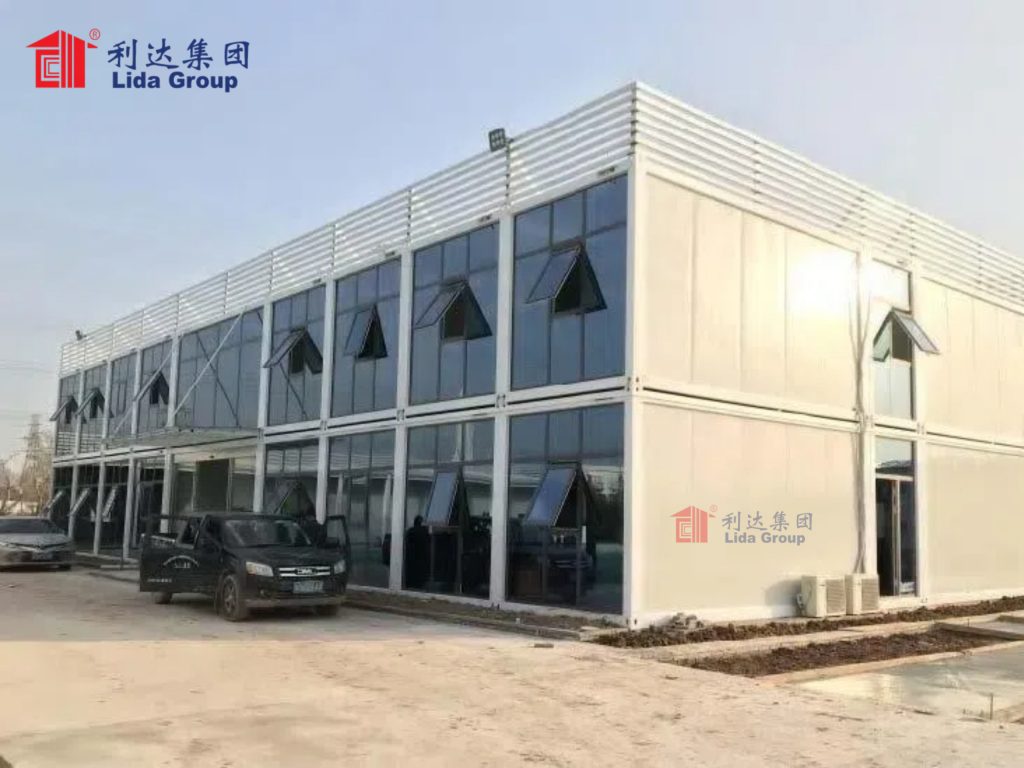
1. Company Overview: Lida Group’s Legacy of Excellence in Integrated Building
Founded in 1993, Lida Group has evolved from a regional construction firm into a global leader in prefabricated and modular building solutions. Headquartered in Qingdao, Shandong Province, the company operates as a one-stop service provider, encompassing design, manufacturing, construction, marketing, and after-sales support. With a core focus on steel structure buildings, prefabricated houses, container modifications, and integrated camps, Lida Group has established itself as a trusted partner for infrastructure projects, commercial developments, and emergency response initiatives worldwide.
Over the past 30 years, Lida Group has built an impressive track record of achievements. The company boasts 60+ technical patents, operates 6 container production lines and 8 steel structure manufacturing facilities, and has completed more than 5,000 projects across 152 countries. Its commitment to quality is underscored by certifications from international bodies, including ISO9001, ISO14001, ISO45001, EU CE (EN1090), and audits by SGS, TUV, and BV. As a member of the China Steel Structure Association and the House Structure Association, Lida Group plays an active role in shaping industry standards and promoting sustainable construction practices.
Lida Group’s global footprint is a testament to its adaptability and customer-centric approach. From large-scale farmers’ markets in West Africa to container house camps in Poland, from steel structure chicken farms in Fiji to cultural exchange centers in the United States, the company’s projects span diverse sectors and climates. This extensive experience has equipped Lida Group with the insights needed to address the unique challenges of modular construction—including regional building codes, logistical constraints, and cultural preferences—laying the groundwork for its innovative Prefab Mobile Container House Series.
2. The Global Modular Construction Market: Trends and Challenges
To understand the significance of Lida Group’s new product line, it is essential to contextualize it within the broader trends of the global integrated building market. According to Grand View Research, the global prefabricated building market is projected to reach $1200 billion by 2025, with a compound annual growth rate (CAGR) of 6.8% between 2025 and 2030. Within this sector, modular container houses have emerged as a key growth driver, with their market share increasing from 28% in 2020 to 35% in 2025. This surge in demand is fueled by four core industry trends: modularization, intelligence, environmental sustainability, and globalization.
However, the modular construction industry also faces significant challenges that have hindered widespread adoption. Traditional prefabricated houses often suffer from inefficient on-site installation, with welding and cutting processes requiring 5-7 days per unit and labor costs accounting for over 40% of total project expenses. Structural durability is another pain point: conventional models use thin-walled steel (1.5-2.0mm) with wind resistance ratings of only 8-10 levels and a lifespan of just 3-5 years, leading to high maintenance costs (up to 20% of annual total 造价). Additionally, poor component standardization, high transportation costs, and discrepancies in global building codes have created barriers to entry in international markets.
Against this backdrop, Lida Group’s Prefab Mobile Container House Series was developed to address these industry pain points. By leveraging advanced materials, modular design principles, and smart construction technologies, the series offers a comprehensive solution that balances performance, cost-effectiveness, and environmental responsibility—catering to the evolving needs of clients in both developed and emerging markets.
3. Technical Innovations: The Engineering Behind Lida’s Prefab Mobile Container House Series
At the heart of Lida Group’s new product line is a suite of technical innovations that set it apart from conventional modular structures. The Prefab Mobile Container House Series integrates cutting-edge materials, precision engineering, and user-centric design to deliver exceptional performance across key metrics: structural integrity, installation efficiency, energy efficiency, and adaptability.
3.1 Structural Design: Durability and Safety Redefined
Lida Group’s Prefab Mobile Container Houses are built on a robust steel frame structure composed of cold-formed galvanized steel components. Unlike traditional thin-walled steel frames, Lida’s design uses 2.5mm thick galvanized steel with a zinc coating thickness of 80μm, significantly enhancing corrosion resistance and structural stability. This design enables the houses to withstand wind speeds of up to 12 levels and seismic activity of magnitude 8, making them suitable for diverse geographical conditions—from hurricane-prone coastal regions to earthquake-prone mountainous areas.
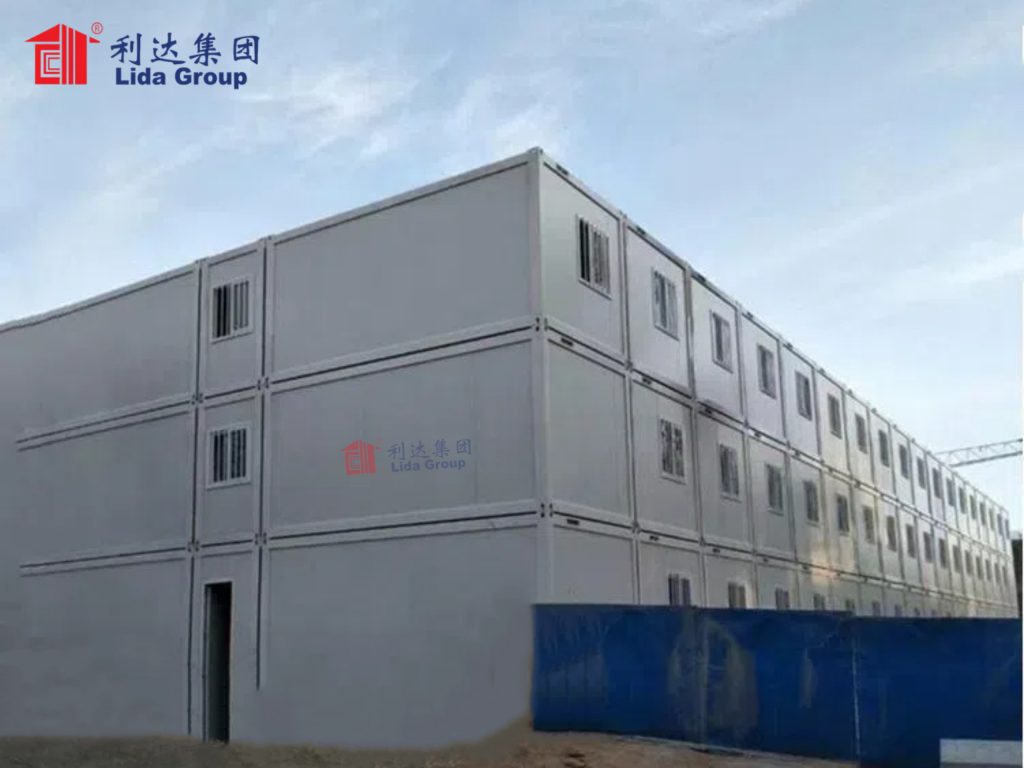
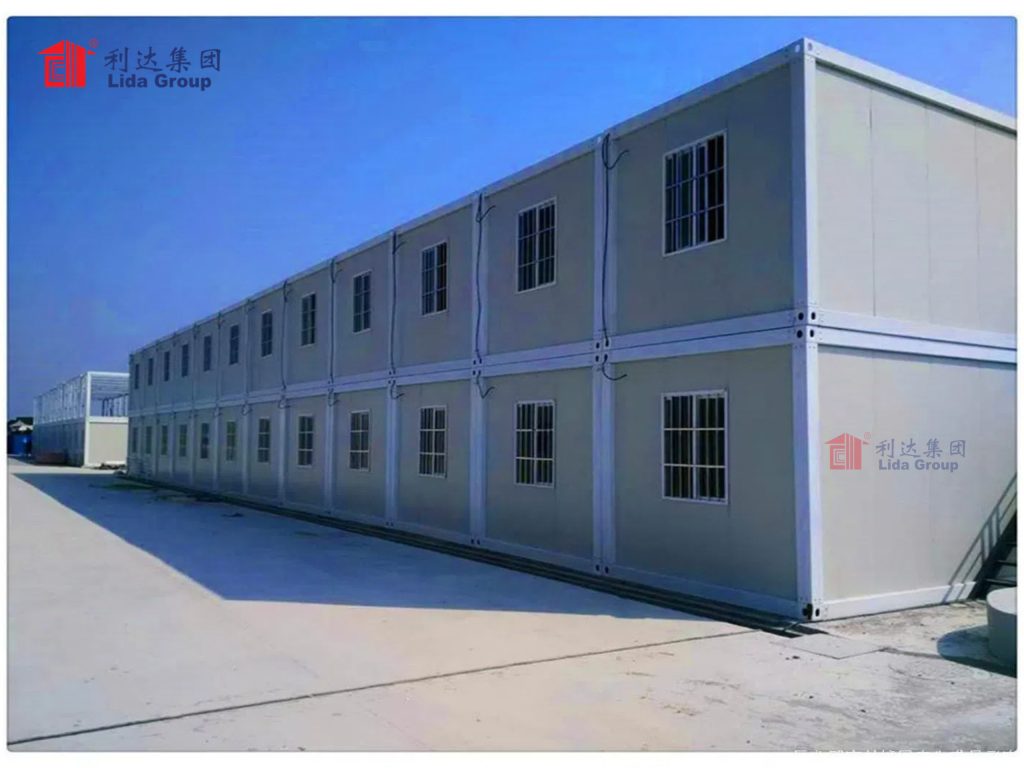
The structural system consists of three core modules: top frame assemblies, corner column systems, and bottom frame assemblies. All components are precision-manufactured in Lida’s factories using ISO/CE certified production lines, ensuring consistent quality and dimensional accuracy. The modular nature of the design allows for flexible configuration: units can be stacked vertically up to three levels or connected horizontally to create larger spaces, similar to building blocks. This versatility enables the creation of diverse structures, from single-room offices to multi-story residential complexes, without compromising structural integrity.
Another key structural innovation is the patent-pending waterproofing system. The roof and wall joints are sealed with high-performance silicone gaskets, and the roof adopts a sloped design with drainage channels to prevent water accumulation. Extensive testing has demonstrated that the houses remain leak-free even after prolonged exposure to heavy rainfall, addressing a common complaint with traditional prefabricated structures. With a designed lifespan of over 20 years and a reuse rate exceeding 98%, Lida’s container houses offer long-term value and reduce the environmental impact of construction.
3.2 Materials and Insulation: Energy Efficiency and Comfort
Lida Group prioritizes sustainability and occupant comfort in its material selection. The wall panels of the Prefab Mobile Container House Series feature a sandwich structure composed of aluminum-zinc steel sheets and polyurethane insulation core. The aluminum-zinc steel sheets provide superior corrosion resistance—five times that of ordinary galvanized steel—while the polyurethane core offers exceptional thermal insulation with a thermal conductivity of ≤0.024W/(m·K). This insulation system ensures that the interior temperature remains stable year-round, reducing heating and cooling costs by up to 30% compared to traditional buildings.
In line with global green building trends, Lida Group incorporates eco-friendly materials throughout the production process. The flooring uses bamboo—an renewable resource with natural antibacterial properties—while the insulation includes soy-based foam, a non-toxic alternative to traditional chemical insulation. The houses are also equipped with LED lighting systems and low-flow plumbing fixtures, further reducing energy and water consumption. For clients seeking enhanced sustainability, optional solar panels and rainwater collection systems are available, enabling off-grid operation in remote areas.
The use of non-toxic, low-VOC (volatile organic compound) materials ensures that the indoor air quality meets international standards, promoting the health and well-being of occupants. This attention to detail is particularly important for applications such as temporary hospitals, residential buildings, and long-term worker camps, where indoor environmental quality directly impacts productivity and quality of life.
3.3 Installation and Mobility: Rapid Deployment for Every Scenario
One of the most significant advantages of Lida’s Prefab Mobile Container House Series is its rapid installation process. Unlike traditional construction, which requires extensive on-site labor and time-consuming welding, Lida’s modular units are fully prefabricated in the factory—including electrical wiring, plumbing, and interior finishes. Upon arrival at the construction site, the units can be assembled using a bolted connection system, eliminating the need for welding or cutting.
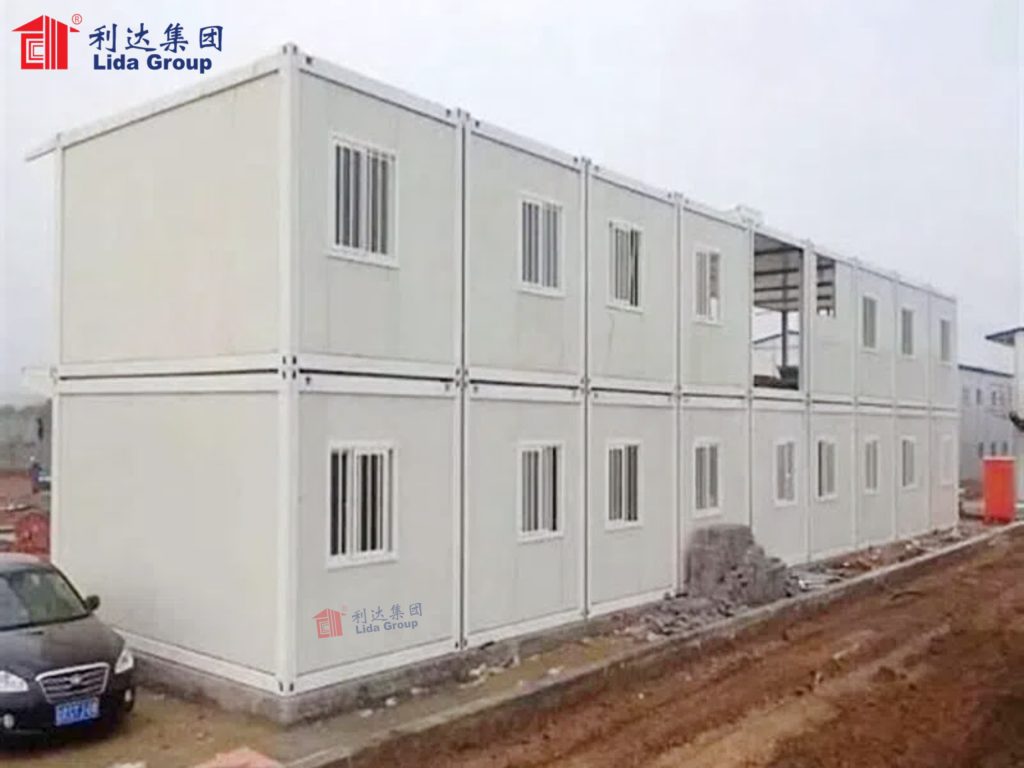
A two-person team can install 3-4 standard units per day, with a complete 500-unit camp taking just 10-15 days to assemble—70% faster than traditional construction methods. This rapid deployment is a game-changer for time-sensitive projects, such as emergency housing for natural disasters, temporary offices for infrastructure projects, or pop-up commercial spaces. The units can be transported either as whole containers or disassembled into flat-pack components, reducing shipping costs by up to 25% compared to fully assembled structures.
Mobility is another key feature of the series. The container houses are designed to be easily relocated using standard shipping containers or flatbed trucks, making them ideal for temporary or semi-permanent use. For example, construction companies can move worker camps from one project site to another, while event organizers can quickly set up and dismantle temporary facilities. This reusability not only reduces project costs but also minimizes construction waste, aligning with circular economy principles.
4. Product Portfolio: Versatile Solutions for Diverse Applications
Lida Group’s Prefab Mobile Container House Series offers a diverse range of products tailored to meet the needs of different sectors and use cases. The product line is divided into two main categories: general-purpose units and specialized functional units, each with customizable options to suit specific requirements.
4.1 General-Purpose Units
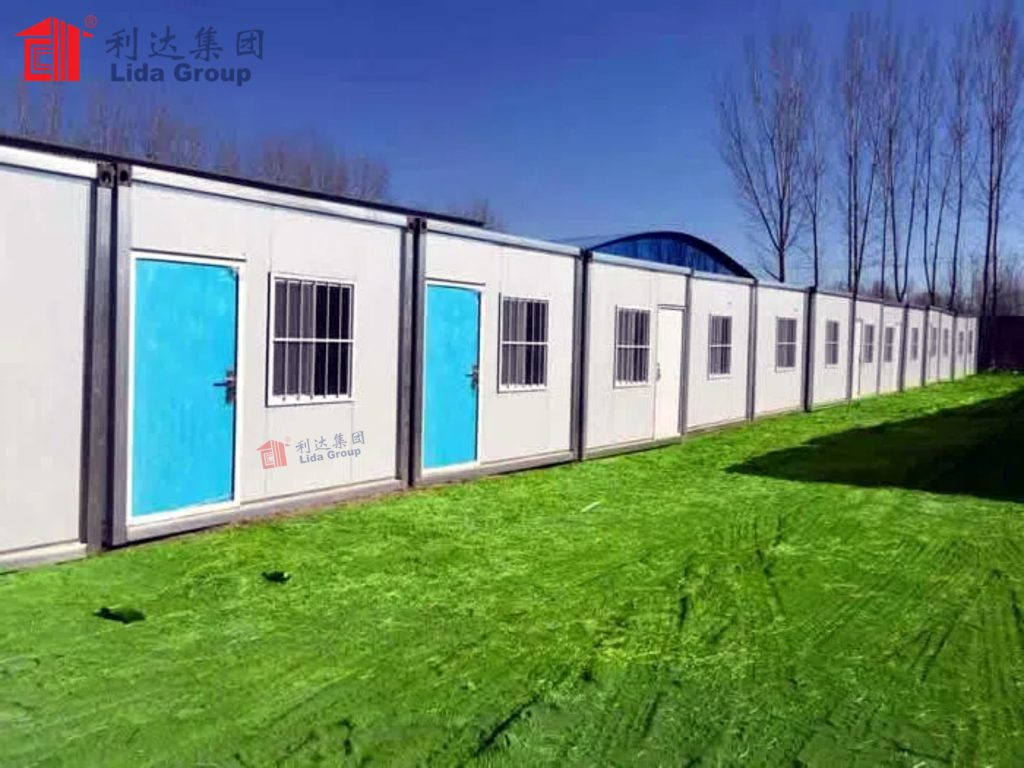
General-purpose units form the backbone of the series, designed for everyday applications such as offices, dormitories, and living spaces. The standard models include:
- Office Containers: Available in 20ft and 40ft sizes, these units feature open-plan layouts, soundproof walls, and built-in desks, chairs, and storage cabinets. They can be configured as single offices, meeting rooms, or multi-department workspaces, with optional partitions for privacy. The units are equipped with high-speed internet wiring, air conditioning, and LED lighting, ensuring a comfortable and productive work environment.
- Dormitory Containers: Designed for worker camps, student housing, or temporary residences, these units offer flexible sleeping arrangements—from single beds to bunk beds. The 40ft dormitory model can accommodate up to 8 people, with shared or private bathrooms, built-in wardrobes, and study areas. For enhanced comfort, premium versions include en-suite bathrooms, air conditioning, and private balconies.
- Living Containers: Ideal for residential use, these units feature open-plan living areas, kitchens, and bedrooms. The modular design allows for customization—for example, combining two 40ft units to create a 240-square-meter villa with 3 bedrooms, a living room, a dining area, and a kitchen. As seen in international container home projects, such as Debbie’s award-winning residence in Kansas City, these units can be decorated to reflect personal style, with options for bamboo flooring, custom furniture, and green roofs.
4.2 Specialized Functional Units
Lida Group also offers a range of specialized units to address specific industry needs, including:
- Sanitary Containers: Equipped with toilets, showers, and sinks, these units are essential for worker camps, construction sites, and disaster relief areas. They feature water-saving fixtures, ventilation systems, and easy-to-clean surfaces, ensuring hygiene and comfort.
- Kitchen and Canteen Containers: Designed for mass catering, these units include commercial-grade stoves, refrigerators, storage cabinets, and dining areas. They can be customized to serve 50-500 people, with options for regional cuisine adaptations—such as halal kitchens for Middle Eastern projects or vegetarian facilities for European clients.
- Medical Containers: Used as temporary hospitals, clinics, or isolation wards, these units are equipped with medical gas pipelines, electrical outlets for medical equipment, and soundproof walls. They comply with international healthcare standards, making them suitable for emergency response and remote healthcare initiatives.
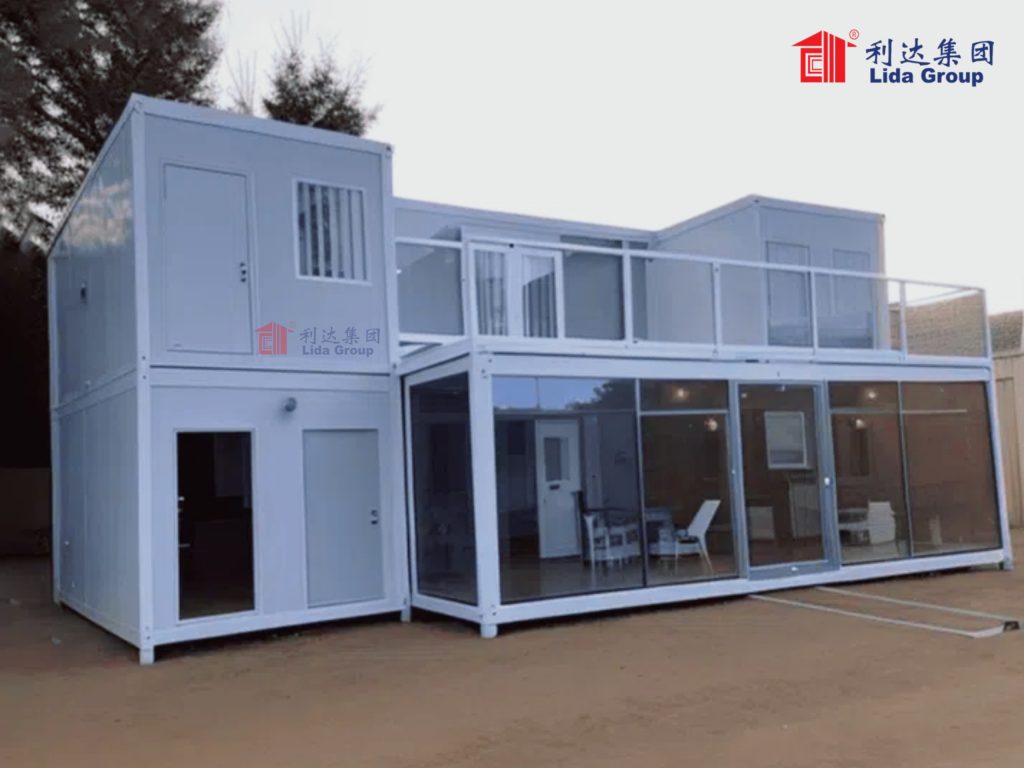
- Commercial Containers: Tailored for retail, hospitality, and entertainment applications, these units include shops, cafes, restaurants, and pop-up event spaces. The modular design allows for creative configurations—such as stacked containers for multi-level cafes or connected units for shopping arcades. With customizable exteriors (including glass facades, wooden cladding, and branded signage), these units offer a unique and eye-catching alternative to traditional commercial spaces.
All units in the series can be customized based on client requirements, including size, layout, materials, and additional features. Lida Group’s design team works closely with clients to develop tailored solutions that meet their specific needs, whether it’s a small office for a construction site or a large-scale integrated camp for a mining project.

5. Global Project Case Studies: Real-World Impact of Lida’s Container Houses
Lida Group’s Prefab Mobile Container House Series has already been deployed in numerous high-profile projects around the world, demonstrating its versatility and performance in diverse environments. Below are three notable case studies that highlight the series’ real-world impact:
5.1 Indonesia Mining Camp Project
Client: Sinohydro Bureau 10
Project Scope: 500 prefab container houses for worker accommodation and office spaces
Location: Remote mining site in Indonesia (high humidity, frequent rainfall)
Challenges: Tight deadline (15-day installation), need for corrosion resistance, and compliance with local safety standards
Solution: Lida Group supplied 40ft dormitory containers and office containers, featuring galvanized steel frames, polyurethane insulation, and waterproofing systems. The units were prefabricated in China and shipped to Indonesia as flat-pack components, reducing transportation costs. On-site installation was completed by a local team trained by Lida’s engineers, using the bolted connection system.
Results: The camp was delivered on time, accommodating 4,000 workers. The containers withstood heavy rainfall without leaks, and the corrosion-resistant materials prevented rusting in the humid environment. The client reported a 30% reduction in accommodation costs compared to traditional construction, with annual maintenance costs of just \(1,200 per unit—far below the industry average of \)8,000.
5.2 Poland Container House Camp Project
Client: European Infrastructure Developer
Project Scope: 220 modular units for a construction camp, including dormitories, offices, kitchens, and recreational facilities
Location: Poland (cold winters, strict EU building codes)
Challenges: Compliance with EU CE certification, energy efficiency requirements (UL94-V0 fire rating), and adaptation to cold climate
Solution: Lida Group customized the containers with enhanced insulation (polyurethane core + reflective foil), double-glazed windows, and underfloor heating systems. The units were manufactured to meet EU fire safety standards, with non-combustible materials and smoke detectors. Recreational facilities included a gym, library, and outdoor sports court, designed to improve worker well-being.
Results: The camp achieved EU CE certification and met all local building codes. The energy-efficient design reduced heating costs by 40% during winter, and the durable structure withstood temperatures as low as -20°C. The client praised the camp’s comfort and functionality, noting a 20% increase in worker retention rates compared to previous projects.
5.3 Mongolia Caterpillar Project
Client: Caterpillar Inc.
Project Scope: 22,000-square-meter integrated camp for mining equipment maintenance, including workshops, offices, dormitories, and leisure facilities
Location: Mongolia (extreme temperature variations, remote location)
Challenges: Adaptation to harsh climate (temperatures ranging from -30°C to 35°C), off-grid operation, and long-term durability
Solution: Lida Group supplied a mix of specialized units, including workshop containers with reinforced floors for heavy equipment, dormitory containers with thermal insulation, and office containers with solar panels for off-grid power. The camp included a water treatment system, backup generator, and storage facilities for spare parts. The units were designed to be relocatable, allowing the client to move the camp as mining operations expanded.
Results: The camp has been in operation for 3 years with minimal maintenance issues. The solar panels and energy-efficient design reduced reliance on diesel generators, cutting energy costs by 25%. The relocatable units enabled the client to expand operations without rebuilding the camp, saving an estimated $2 million in construction costs.
These case studies demonstrate Lida Group’s ability to deliver tailored solutions that address the unique challenges of each project—whether it’s extreme weather, strict regulations, or logistical constraints. By combining technical expertise with local knowledge, the company has established a reputation for reliability and innovation in the global modular construction market.
6. Sustainability and Environmental Impact: Leading the Way in Green Construction
As the world grapples with climate change, sustainable construction has become a top priority for governments, businesses, and consumers. Lida Group’s Prefab Mobile Container House Series is designed with environmental responsibility at its core, incorporating features that reduce carbon emissions, minimize waste, and promote circular economy principles.
6.1 Reduced Carbon Footprint
Traditional construction is a major source of carbon emissions, accounting for 17% of global CO2 emissions (according to the International Energy Agency). Lida’s modular construction approach significantly reduces this impact by minimizing on-site construction activities. The factory prefabrication process uses less energy than on-site building, and the use of steel—one of the most recyclable materials—ensures that the structures have a low carbon footprint. Additionally, the energy-efficient design of the containers (insulation, LED lighting, solar options) reduces operational carbon emissions by up to 30% compared to traditional buildings.
6.2 Waste Reduction
Construction waste is a pressing environmental issue, with an estimated 1.3 billion tons generated annually worldwide. Lida’s modular construction process produces 90% less waste than traditional construction, as all components are precision-manufactured in the factory to exact specifications. Any waste generated during production is recycled, and the units themselves are highly reusable—with a disassembly and reassembly rate of over 98%. This means that the containers can be relocated and repurposed multiple times, reducing the need for new construction and minimizing landfill waste.
6.3 Circular Economy Practices
Lida Group embraces circular economy principles by designing its containers for longevity, reusability, and recyclability. At the end of their service life, the steel components can be recycled into new products, with a recycling rate of 100%. The company also offers a module 回收 service, where used containers are collected, refurbished, and resold to new clients—extending their lifecycle and reducing resource consumption. This approach not only benefits the environment but also provides cost savings for clients, as refurbished units are available at a fraction of the cost of new ones.
6.4 Compliance with Green Building Standards
Lida’s Prefab Mobile Container House Series meets the requirements of major green building certifications, including LEED (Leadership in Energy and Environmental Design) and BREEAM (Building Research Establishment Environmental Assessment Method). The use of renewable materials, energy-efficient systems, and waste reduction measures enables clients to achieve high scores in these certifications, enhancing the sustainability credentials of their projects. This is particularly important for commercial and institutional clients, who are increasingly required to meet strict environmental targets.
7. Industry Impact and Future Outlook
Lida Group’s Prefab Mobile Container House Series is not just a product launch—it is a catalyst for change in the global construction industry. By addressing the key pain points of modular construction—inefficiency, poor durability, high costs, and limited adaptability—the series is driving the adoption of prefabricated solutions across sectors and regions.
7.1 Transforming the Construction Landscape
The series is reshaping the way buildings are designed, constructed, and used. Its rapid deployment capability is revolutionizing emergency response, allowing governments and aid organizations to quickly provide shelter and facilities in the aftermath of natural disasters. In the infrastructure sector, the containers are reducing project timelines and costs, enabling faster delivery of roads, railways, and energy projects. In the commercial sector, the customizable and relocatable units are enabling new business models—such as pop-up retail, temporary event spaces, and flexible office solutions.
7.2 Empowering Global Development
Lida Group’s focus on globalization has made modular construction accessible to developing countries, where infrastructure needs are urgent but resources are limited. The series’ low cost, rapid installation, and durability make it an ideal solution for affordable housing, schools, and healthcare facilities in regions such as Africa, Southeast Asia, and Latin America. By partnering with local governments and organizations, Lida Group is playing a key role in bridging the infrastructure gap and promoting sustainable development.
7.3 Future Innovations on the Horizon
Looking ahead, Lida Group is committed to continuous innovation, with plans to enhance its Prefab Mobile Container House Series with advanced technologies. The company is investing in smart building solutions, including IoT (Internet of Things) sensors for energy management, remote monitoring systems for maintenance, and AI-powered design tools for customization. Additionally, Lida Group is exploring the use of new materials, such as carbon fiber and recycled plastics, to further improve the sustainability and performance of its products.
The company is also expanding its global footprint, with plans to establish local production facilities in key markets such as Southeast Asia, Africa, and Europe. This localization strategy will reduce transportation costs, shorten lead times, and enable Lida Group to better adapt to regional building codes and customer preferences. By combining global expertise with local knowledge, the company aims to become the leading provider of modular construction solutions worldwide.
8. Conclusion
Lida Group’s Prefab Mobile Container House Series represents a significant milestone in the evolution of modular construction. With its technical innovations, versatile product portfolio, real-world proven performance, and commitment to sustainability, the series is setting a new standard for prefabricated buildings. By addressing the key challenges of the industry—efficiency, durability, cost, and adaptability—Lida Group is empowering clients across sectors to build better, faster, and more sustainably.
The series’ impact extends beyond individual projects: it is driving the adoption of green construction practices, promoting circular economy principles, and enabling global development. As the world faces increasing pressure to reduce carbon emissions and address housing shortages, Lida Group’s modular solutions offer a practical and scalable way forward.
With over 30 years of experience, a global network of projects, and a focus on continuous innovation, Lida Group is well-positioned to lead the future of modular construction. The Prefab Mobile Container House Series is just the beginning—As the company continues to invest in technology, expand its global presence, and collaborate with partners worldwide, it will undoubtedly play a pivotal role in shaping the built environment for generations to come. For clients, investors, and industry stakeholders, Lida Group’s latest offering is more than a product—it is an opportunity to embrace a more efficient, sustainable, and flexible approach to construction.
Related news
-
Lida Group Sets the Standard in Durable Construction
2025-12-12 17:44:27
-
Custom-Designed Steel Structure Building by Lida Group
2025-12-12 17:55:22
-
Fast-Track Your Project with a Pre-Engineered Metal Frame Workshop
2025-12-12 17:25:25
contact us
- Tel: +86-532-88966982
- Whatsapp: +86-13793209022
- E-mail: sales@lidajituan.com
