



Lida Group Unveils Innovative Prefab Apartment Solutions for Modern Living
2026-Jan-26 16:14:46
By Admin
In an era marked by rapid urbanization, escalating housing demands, and urgent sustainability goals, the global construction industry is undergoing a profound transformation. Traditional brick-and-mortar building methods, plagued by inefficiency, high waste, and prolonged timelines, can no longer keep pace with the needs of modern cities. Enter prefabricated modular construction—a game-changing approach that merges industrial precision with architectural flexibility. At the forefront of this revolution stands Lida Group, a Chinese powerhouse with over three decades of expertise in steel structure and modular building solutions. Founded in 1993 in Shandong Province, Lida Group has evolved from a small steel workshop into a global leader, delivering innovative prefab solutions to more than 80 countries worldwide. Its latest unveiling of cutting-edge prefab apartment systems represents a pivotal step forward, redefining urban living through speed, sustainability, and design excellence.
The Urban Housing Imperative: Why Prefabrication Is the Future
Cities across the globe are grappling with a perfect storm of housing challenges. According to United Nations projections, 68% of the world’s population will reside in urban areas by 2050, exerting unprecedented pressure on housing supplies. Conventional construction methods exacerbate these strains: a typical mid-rise apartment building takes 24 to 36 months to complete, with delays often caused by weather disruptions, labor shortages, and on-site inefficiencies. Beyond timelines, traditional building generates massive waste—accounting for 30% of global construction debris—and contributes 39% of worldwide carbon emissions, undermining global climate targets.
Prefabricated modular construction addresses these pain points by shifting the majority of building work to controlled factory environments. Components are precision-manufactured off-site, then transported to the construction site for rapid assembly. This approach not only slashes project timelines by 50% or more but also minimizes waste, reduces on-site labor requirements, and enhances quality control. As noted in the 2026 Global Pre-Engineered Buildings Market Report, the sector is projected to grow at a CAGR of 6.0% to 15.0% through 2030, driven by demand for sustainable, efficient housing solutions. Lida Group’s prefab apartment systems are engineered to capitalize on this trend, offering a holistic response to modern urban housing needs.
Core Innovations: The Technology Behind Lida’s Prefab Apartments
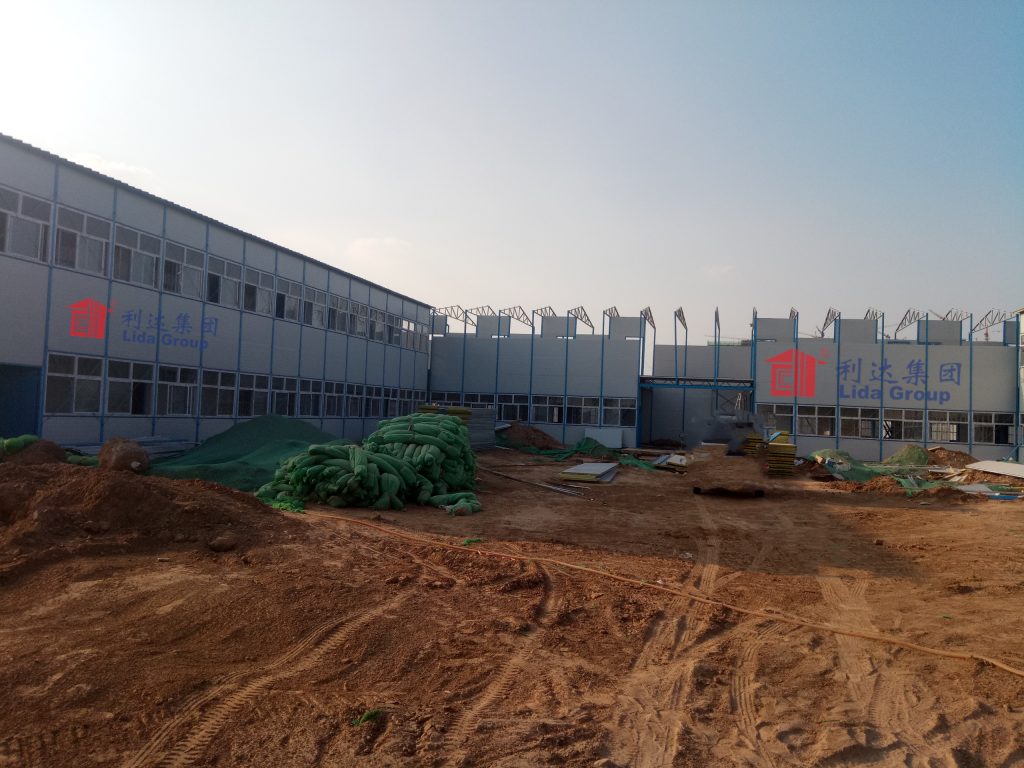
Lida Group’s prefab apartment solutions are distinguished by a suite of technological advancements that balance performance, flexibility, and sustainability. At the heart of these systems is a light steel structure framework—an innovation that delivers exceptional strength-to-weight ratios, durability, and design versatility. Unlike traditional concrete structures, Lida’s light steel frames undergo rigorous anti-corrosion treatment, ensuring a service life of up to 50 years while withstanding extreme conditions, from hurricane-force winds (up to 250 km/h) to seismic events of magnitude 8.0 or higher.
Precision Engineering and Manufacturing
Precision is paramount in modular construction, and Lida Group leverages state-of-the-art technology to achieve unparalleled accuracy. Robotic welding arms deliver 0.1mm precision in component fabrication, eliminating structural inconsistencies that plague traditional construction. The company also integrates Building Information Modeling (BIM) technology throughout the design process, allowing for 3D visualization, clash detection, and iterative optimization before production begins. This digital workflow ensures that every module fits seamlessly during assembly, reducing on-site adjustments and delays.
Factory production further enhances quality control. Lida’s manufacturing facilities in China produce over 1,000 tons of steel components monthly, with strict inspections conducted by a dedicated quality assurance team. Each module undergoes pressure testing for air tightness, acoustic performance, and thermal insulation, exceeding international standards. For instance, Lida’s apartments achieve an air infiltration rate of just 0.6 ACH (air changes per hour) at 50 Pa—far superior to the 5-7 ACH of traditional buildings—resulting in significant energy savings.
Modular Design and Flexibility
A common misconception about prefab housing is its lack of design flexibility, but Lida Group dispels this myth with highly customizable modular systems. The company’s apartments feature a “plug-and-play” design, where wall panels, doors, and windows can be installed in any position, and partition walls can be adjusted along transverse axes to create diverse layouts. From compact studio apartments to spacious multi-bedroom units, Lida’s modules adapt to varying living needs and urban contexts.
For high-density urban areas, Lida offers volumetric modular solutions that enable vertical expansion. Its 14-story modular tower in Tokyo, for example, demonstrates the system’s ability to support mid-rise construction with moment-resisting connections that ensure structural integrity. Foundations are engineered to accommodate future additions, allowing buildings to grow with community needs. This flexibility extends to mixed-use developments, where ground-floor commercial modules (offices, shops, or community spaces) can be combined with residential units above, creating vibrant live-work ecosystems.
Integrated Smart and Sustainable Features
Modern living demands connectivity and sustainability, and Lida’s prefab apartments are equipped with integrated smart infrastructure. Each module includes pre-chased pathways for IoT sensors, enabling remote monitoring of energy use, indoor air quality, and security systems. The buildings are also EV-ready, with structural provisions for Level 3 charging stations and 5G optimization through signal-transparent window coatings. These features align with the growing demand for smart homes that enhance convenience and reduce environmental impact.
Sustainability is embedded in every stage of Lida’s prefab process. The light steel frames use 92% recycled steel, and the company’s factory-controlled production reduces material waste by 35% compared to traditional construction. A quantitative study from KTH Royal Institute of Technology found that modular construction like Lida’s reduces on-site labor hours by 63% and labor costs by 21.7%, while cutting embodied carbon emissions by 42%. Additional eco-friendly features include 75mm fiberglass sandwich panels for insulation, high-albedo roofing to mitigate urban heat islands, and integrated stormwater retention tanks that handle 500mm/hr of rainfall.
Product Series: Tailored Solutions for Diverse Markets
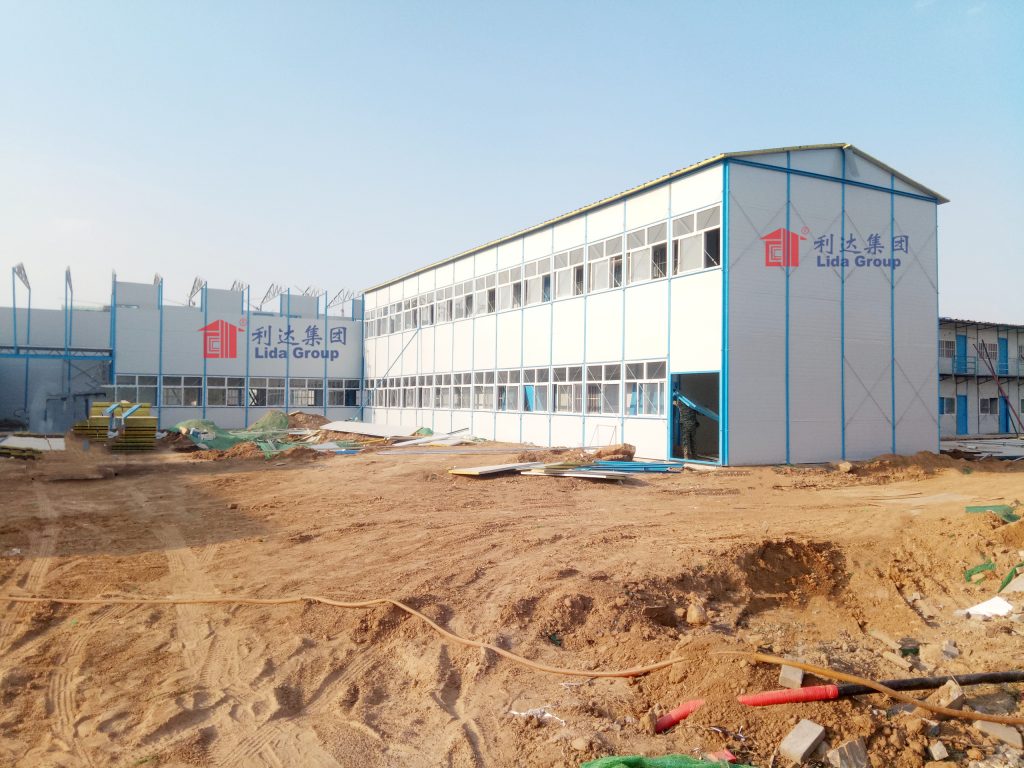
Lida Group’s prefab apartment portfolio encompasses three core product lines, each designed to address specific market needs: urban high-density apartments, flexible residential modules, and container-based apartments. This diversity ensures that the company can serve a range of clients, from large-scale developers to government housing projects and remote communities.
Urban High-Density Apartments
Built for crowded metropolitan centers, Lida’s high-density apartment systems prioritize space efficiency and rapid deployment. A standout example is the 12-story apartment complex in downtown Seattle, completed in just 11 months—half the industry average timeline. The building features 80 residential units, each with optimized layouts, soundproof composite walls (58 STC rating), and continuous insulation that eliminates thermal bridging. The project demonstrates how prefab construction can reduce urban construction disruption, with on-site work generating minimal noise (well below the 45dB threshold of traditional sites) and dust.
Another notable project is the 80-unit development in downtown Toronto, finished in 9 months through parallel processing—factory module fabrication proceeded concurrently with on-site foundation work. This approach not only accelerated delivery but also reduced construction traffic by 67% compared to traditional builds, easing urban congestion.
Flexible Residential Modules
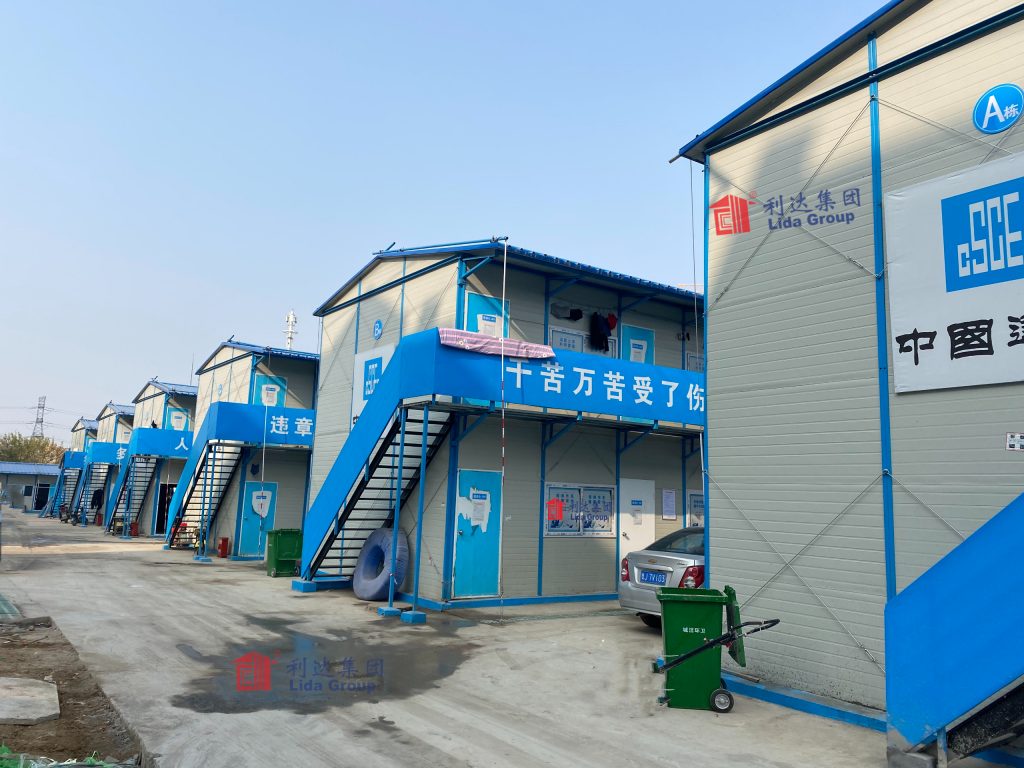
For suburban or mixed-use developments, Lida’s flexible modules offer customizable layouts and aesthetic versatility. These units can be assembled and disassembled multiple times, making them ideal for temporary housing, student dormitories, or disaster relief shelters. Each module is designed for easy assembly: six workers can complete a 300 sqm apartment in just 2 days, with each worker installing 20-30 square meters daily using simple tools. The modules are available in a range of finishes, with bright, neutral colors and flat, neat panels that deliver a modern, polished aesthetic.
Container-Based Apartments
Lida’s container-based apartments repurpose shipping containers into sustainable, durable living spaces—an innovative solution that reduces waste and lowers costs. These units are particularly popular in emerging markets and remote areas, where transportation and construction resources are limited. The containers undergo rigorous modification, including insulation, waterproofing, and interior finishing, to meet residential standards. They can withstand extreme weather conditions, from arctic cold to desert heat, and offer a service life of over 20 years.
A client in Mauritius has repeatedly purchased Lida’s container apartments over the past decade, using them for worker housing near construction sites. The units feature integrated kitchens, bathrooms, and living areas, with electromagnetic radiation levels that meet international health standards. Lida provides end-to-end support for these projects, including 3D model design, on-site installation, and training, ensuring seamless deployment even in remote locations.
Global Impact: Case Studies and Market Adoption
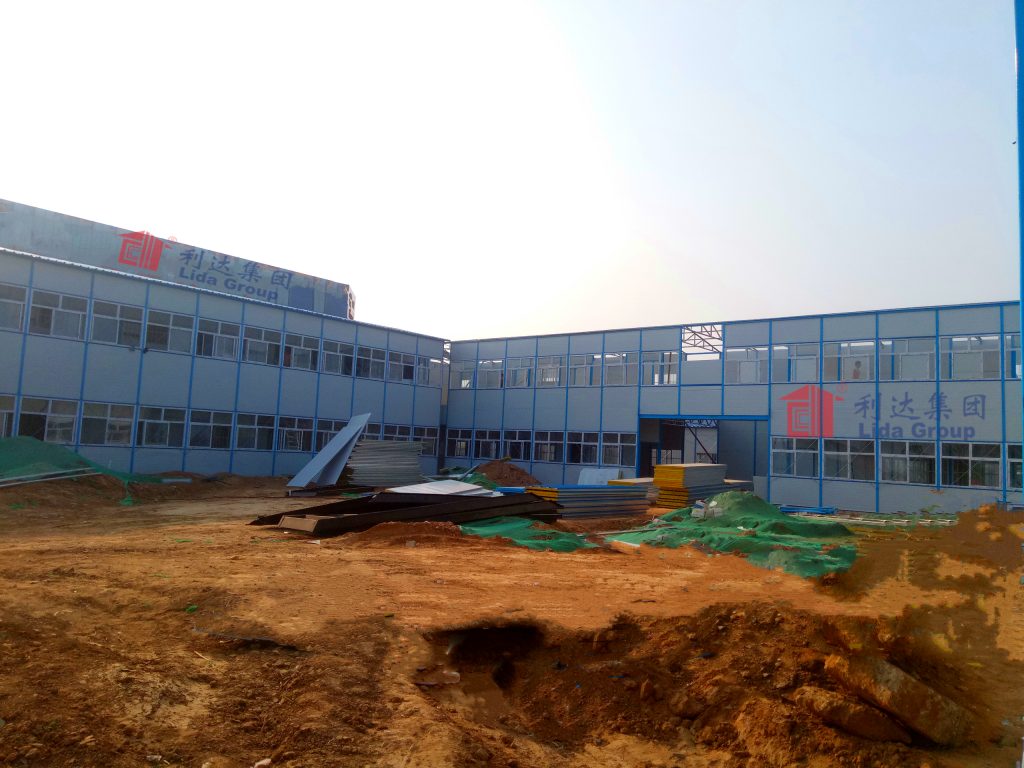
Lida Group’s prefab apartment solutions have made a tangible impact across continents, with successful projects in Europe, Asia, North America, and Africa. These case studies highlight the adaptability of the company’s systems to diverse climates, regulatory environments, and cultural needs.
Tokyo Seismic-Resistant Tower
In earthquake-prone Tokyo, Lida designed a 14-story modular apartment tower that withstood a magnitude 8.0 seismic event without structural damage. The building’s light steel frame, reinforced foundations, and shock-absorbing joints minimized vibration, protecting residents and property. This project demonstrated the superiority of modular construction in seismic zones, where precision engineering and material quality are critical. The tower also incorporated solar-ready roofing and energy-efficient HVAC systems, aligning with Japan’s strict environmental regulations.
European Automotive Worker Housing
A European car manufacturer partnered with Lida Group to build worker housing near its new EV production facility, requiring rapid delivery to support the factory’s 8-month launch timeline. Lida delivered 50 prefab modules that were assembled on-site in 6 weeks, providing housing for 200 workers. The units featured vibration-resistant designs to accommodate nearby machinery, soundproofing for restful sleep, and integrated utilities for off-grid operation. The project not only met the tight deadline but also reduced costs by 30% compared to traditional construction.
African Disaster Relief Shelters
In regions affected by natural disasters, Lida’s prefab apartments serve as emergency shelters that can be deployed quickly and reused. Following a hurricane in Mauritius, the company delivered container-based apartments that withstood 250 km/h winds and provided safe housing for displaced families. The units were equipped with rainwater harvesting systems and solar panels, ensuring self-sufficiency in areas with damaged infrastructure. Lida’s 24/7 multilingual support team provided on-site training and maintenance, ensuring the shelters remained functional for long-term use.
Market Leadership and Competitive Edge
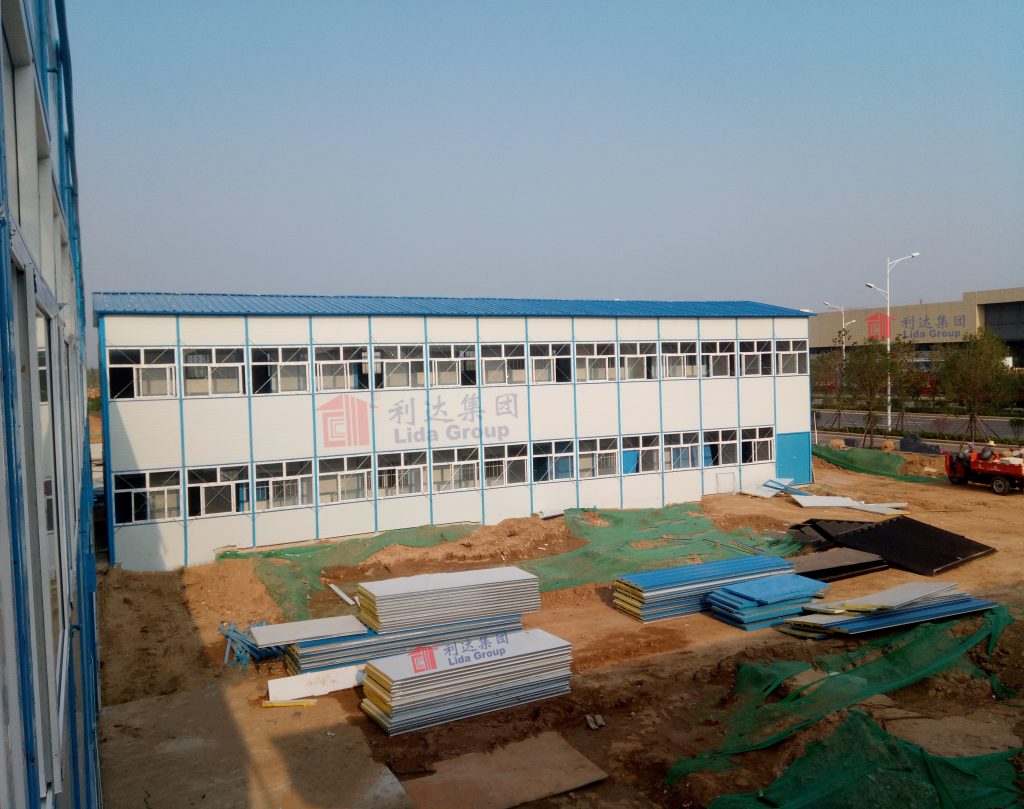
Lida Group’s success in the prefab apartment market stems from its unique combination of engineering expertise, end-to-end services, and global reach. As China’s #1 supplier of steel structure buildings and modular solutions, the company offers unparalleled scale and cost efficiency, with wholesale pricing that slashes project budgets further. Its in-house logistics team handles shipping, customs, and on-site assembly, eliminating the delays and complexities of third-party contractors. This turnkey approach ensures that projects stay on time and on spec, even in remote or challenging locations.
The company’s commitment to customization sets it apart from competitors. Lida offers OEM services that allow clients to modify door placements, add fireproof cladding, integrate renewable energy systems, or adjust layouts to meet local building codes. Its professional design and production teams, paired with advanced equipment and strict quality control, ensure that every solution meets international certifications, including CE EN 1090, BV, SGS, and ISO 9001.
Future Outlook: Innovating for Tomorrow’s Cities
As the global prefab market continues to grow, Lida Group is poised to expand its leadership through ongoing innovation. The company is investing in advanced robotics and AI-driven manufacturing to further improve precision and efficiency, with plans to reduce module production time by 20% in the next three years. It is also exploring the integration of renewable energy technologies, such as building-integrated photovoltaics and geothermal systems, to create net-zero prefab apartments.
In emerging markets, Lida aims to address the affordable housing crisis by scaling its container-based and flexible modules, offering cost-effective solutions that do not compromise on quality or sustainability. The company also plans to expand its mixed-use offerings, creating integrated developments that combine housing with commercial, educational, and healthcare facilities—all built using modular technology.
Conclusion
Lida Group’s innovative prefab apartment solutions represent a paradigm shift in urban housing, offering a response to the triple challenges of speed, sustainability, and flexibility. By merging precision steel engineering, modular design, and smart technology, the company has created systems that outperform traditional construction in every key metric—reducing timelines by 50%, cutting waste by 35%, and lowering carbon emissions by 42%. From high-rise towers in Seattle to seismic-resistant buildings in Tokyo and disaster relief shelters in Africa, Lida’s solutions have proven their adaptability and impact across the globe.
As cities grow and climate goals become more urgent, prefabricated modular construction will become increasingly essential. Lida Group, with its three decades of expertise and relentless focus on innovation, is well-positioned to lead this transformation. Its prefab apartments are not just buildings—they are a vision for modern living: efficient, sustainable, and tailored to the needs of diverse communities. By continuing to push the boundaries of technology and design, Lida Group is building a future where urban housing is no longer a source of strain but a catalyst for livable, resilient cities.
In an industry often slow to change, Lida Group has demonstrated that progress is possible—proving that prefab construction can deliver on the promise of better, faster, and greener housing for all. As the global demand for modern living solutions grows, Lida’s innovative approach will undoubtedly shape the future of urban development for years to come.
Related news
-
Sustainable Prefab House Designs from Lida Group
2026-01-06 16:18:41
-
Lida Group Simplifies Construction with Sandwich Panel Technology
2026-01-07 16:10:08
-
Lida Group Introduces Next-Generation Modern Mobile Construction
2026-01-06 13:51:21
contact us
- Tel: +86-532-88966982
- Whatsapp: +86-13793209022
- E-mail: sales@lidajituan.com
