



Lida Group Simplifies Construction with Easy Install Sandwich Panel System
2025-Dec-24 14:57:12
By Admin
In the dynamic landscape of the global construction industry, efficiency, sustainability, and cost-effectiveness have emerged as the core drivers of innovation. As urbanization accelerates and infrastructure demands soar, traditional construction methods—plagued by lengthy timelines, labor-intensive processes, and excessive resource waste—are increasingly struggling to meet modern needs. Against this backdrop, prefabricated construction technologies have risen to prominence, offering streamlined solutions that redefine project delivery. Among the pioneers in this transformation is Lida Group, a leading provider of prefabricated steel structure buildings and integrated construction solutions. The company’s easy install sandwich panel system stands out as a game-changing innovation, revolutionizing how buildings are designed, constructed, and maintained. This article delves into the technical specifications, installation advantages, application versatility, market impact, and sustainability credentials of Lida Group’s sandwich panel system, illustrating how it simplifies construction while elevating performance standards across the industry.
1. Overview of Lida Group and Its Commitment to Construction Innovation
Founded with a vision to reimagine construction through technological advancement, Lida Group has established itself as a global leader in prefabricated building solutions. With decades of experience in research, development, and manufacturing, the company specializes in light steel structure buildings, container houses, integrated camps, and advanced building materials—including its flagship easy install sandwich panel system. Lida Group’s core mission is to deliver efficient, durable, and sustainable construction solutions that address the industry’s most pressing challenges: labor shortages, project delays, cost overruns, and environmental impact.
Guided by a commitment to innovation, Lida Group invests heavily in research and development (R&D) to refine its product portfolio. The company’s state-of-the-art manufacturing facilities adhere to strict international quality standards, ensuring consistent performance across every batch of sandwich panels. By integrating digital design tools, precision engineering, and customer-centric customization, Lida Group has carved a niche in both residential and commercial construction markets, catering to clients in over 50 countries across Asia, Africa, Europe, and the Americas. Whether for industrial warehouses, commercial complexes, residential buildings, or emergency shelters, Lida Group’s solutions prioritize ease of installation without compromising on structural integrity or functional performance.
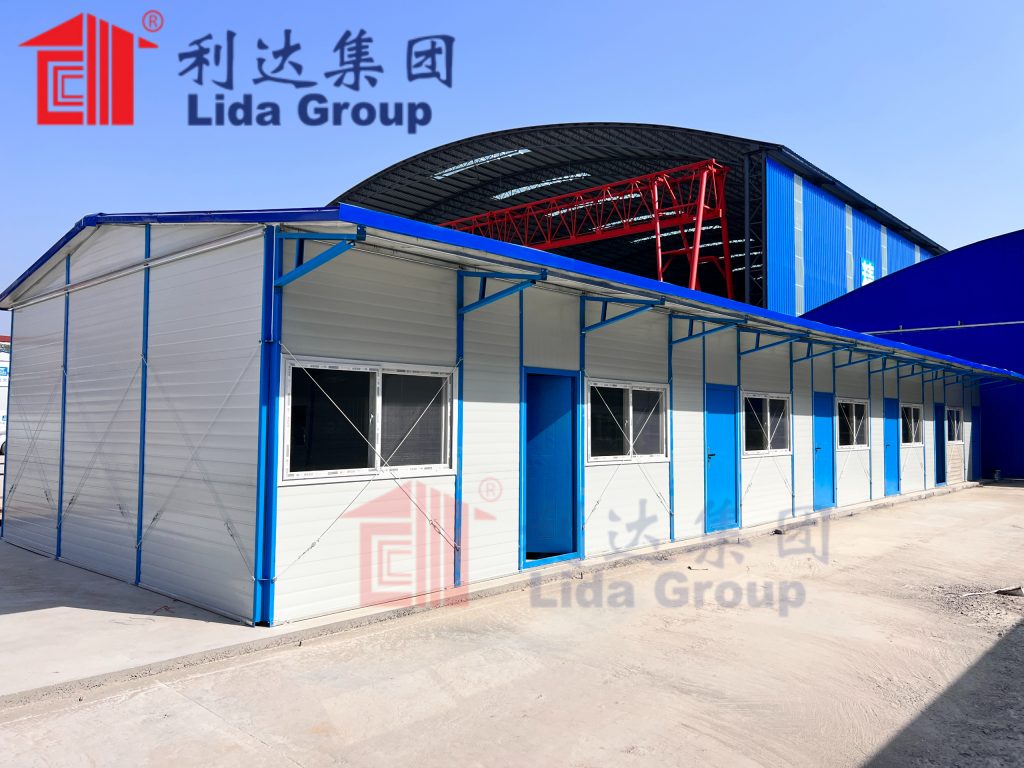
2. Understanding Lida Group’s Easy Install Sandwich Panel System: Composition and Technical Advantages
At the heart of Lida Group’s construction innovation is its easy install sandwich panel system—a composite building material designed for rapid assembly, superior insulation, and long-term durability. Sandwich panels, by definition, consist of three layers: two outer facings (typically high-quality steel sheets) and a core insulation material. What sets Lida Group’s system apart is its optimized design, which enhances installability while amplifying core performance metrics such as thermal efficiency, fire resistance, and structural stability.
2.1 Core Composition and Material Selection
Lida Group offers a range of sandwich panel configurations tailored to diverse project requirements, with customizable core materials, facing materials, and dimensions. The outer facings are constructed from high-strength, pre-painted galvanized steel or aluminum, treated with advanced anti-corrosion and weather-resistant coatings. These facings provide exceptional structural rigidity while offering aesthetic versatility, with a variety of colors (compliant with RAL standards) and surface finishes available to match architectural designs.
The core insulation material is a critical component of the system, and Lida Group provides multiple options to suit specific performance needs:
-
Rock Wool Core: Ideal for projects requiring superior fire resistance (achieving A1/B1 fire rating) and sound insulation. Rock wool, an inorganic material, offers excellent thermal stability, chemical inertness, and resistance to moisture, making it suitable for industrial facilities, public buildings, and areas with strict fire safety regulations. Lida Group’s rock wool core panels boast a thermal conductivity as low as 0.038 W/(m²·K), ensuring efficient heat retention and energy savings.
-
Polyurethane (PU) Core: Renowned for its exceptional insulation performance and lightweight properties, PU foam core panels deliver a thermal conductivity of 0.023 W/(m²·K)—one of the lowest in the industry. These panels are ideal for cold storage facilities, clean rooms, and commercial buildings where temperature control is paramount. Lida Group’s PU core panels are engineered with closed-cell foam technology, enhancing moisture resistance and structural integrity.
-
Expanded Polystyrene (EPS) Core: A cost-effective solution for general-purpose applications such as residential buildings, warehouses, and temporary structures. EPS core panels offer good insulation, impact resistance, and ease of customization, with a density range of 35–45 kg/m³ to balance performance and cost.
All core materials are sourced from certified suppliers, and Lida Group’s panels undergo rigorous testing to ensure compliance with international standards for fire safety, thermal performance, and structural load-bearing capacity. The panels are available in customizable widths (1000mm/1120mm as standard) and thicknesses (50mm–250mm), accommodating diverse architectural and functional requirements.
2.2 Innovative Design for Easy Installation
The defining feature of Lida Group’s sandwich panel system is its user-friendly installation design, which minimizes labor requirements, reduces construction time, and eliminates the need for specialized equipment. Key design innovations include:
Cam-Lock and Tongue-and-Groove Joints: Lida Group’s panels are equipped with precision-engineered cam-lock or tongue-and-groove joints, enabling seamless interlocking without the need for complex fasteners. This design ensures a tight, airtight seal between panels, enhancing insulation performance while simplifying alignment. Installers can quickly fit panels together with minimal training, reducing the risk of errors and rework.
Lightweight Construction: Despite their structural strength, Lida Group’s sandwich panels are lightweight, reducing the need for heavy lifting equipment. A typical 1000mm×2400mm×100mm panel weighs approximately 15–20 kg, allowing two workers to handle and install panels manually in most cases. This not only accelerates installation but also lowers transportation costs and on-site safety risks.
Pre-Fabricated Components: Panels are pre-cut, pre-finished, and pre-drilled at Lida Group’s manufacturing facilities, eliminating on-site cutting and processing. This precision manufacturing ensures that panels fit perfectly with other prefabricated components (such as steel frames and roof trusses), creating a modular system that can be assembled like a “building block” set. For example, the panels integrate seamlessly with Lida Group’s light steel structure systems, which use C-type and Z-type cold-formed thin-walled steel for purlins and wall beams, further streamlining the construction process.
Versatile Fixing Solutions: The system supports multiple fixing methods, including self-tapping screws, high-strength bolts, and adhesive bonding, depending on the application and structural requirements. Lida Group provides detailed installation guides and compatible fasteners, ensuring that installers can choose the most efficient method for each project. Special attention is paid to waterproofing—panels are equipped with integrated waterproof seals at joints, and fixing points are designed to prevent water penetration, eliminating the need for additional waterproofing treatments.
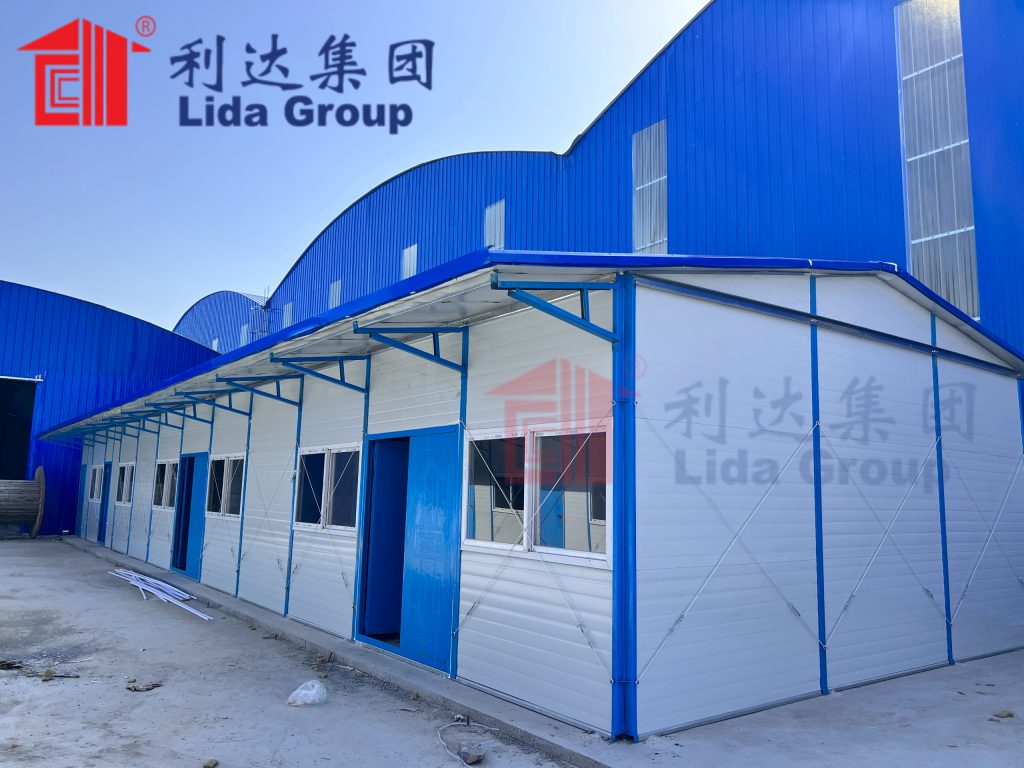
3. Installation Process: Streamlining Construction from Preparation to Completion
Lida Group’s easy install sandwich panel system simplifies the construction process into a series of straightforward steps, reducing on-site time by up to 60% compared to traditional brick-and-mortar construction. The following outlines the typical installation workflow for wall and roof panels, highlighting the system’s efficiency and user-friendliness.
3.1 Pre-Installation Preparation
Preparation is streamlined thanks to Lida Group’s prefabrication approach. Before on-site work begins, the company’s engineering team collaborates with clients to finalize design specifications, including panel dimensions, core material, color, and installation sequence. Panels are labeled according to their position in the building (e.g., wall section A, roof segment B), ensuring easy identification on-site.
On-site preparation involves inspecting the structural frame (typically a light steel frame supplied by Lida Group) to ensure it is level, plumb, and free of defects. Any irregularities are addressed before installation begins—this step is simplified by the frame’s prefabricated nature, which minimizes on-site adjustments. Tools required for installation are basic and readily available: electric drills, screwdrivers, tape measures, levelers, and cutting tools (for minor adjustments, though pre-cut panels reduce this need). No specialized training or heavy machinery is required, making the system accessible to local labor teams.
3.2 Wall Panel Installation
Wall panel installation begins with the first row of panels, which are aligned with the bottom track of the steel frame. The tongue-and-groove joint of the first panel is positioned against the corner post, and the panel is secured to the frame using self-tapping screws at pre-drilled points. The screws are tightened to ensure a firm fit without damaging the panel’s surface or waterproof垫圈 (washers). The next panel is then interlocked with the first via the cam-lock joint—this process is intuitive, as the joint design guides alignment, ensuring a tight seal.
Panels are installed row by row, with each row aligned using a leveler to maintain verticality. For openings such as windows and doors, pre-cut panels are used, and edge seals are applied to ensure insulation and waterproofing. Unlike traditional construction, which requires bricklaying, plastering, and curing time, Lida Group’s wall panels are installed in a single layer, eliminating multiple stages. A team of two to three workers can install up to 100 square meters of wall panels per day—compared to 20–30 square meters for traditional masonry.
3.3 Roof Panel Installation
Roof panel installation follows a similar streamlined process. Panels are transported to the roof using lightweight scaffolding or cranes (for larger projects) and aligned with the roof purlins. The interlocking joints ensure that panels form a continuous, weathertight surface, and fixing screws are placed at intervals specified in Lida Group’s installation guide to distribute load evenly. Ridge caps and edge trims—also prefabricated by Lida Group—are installed to seal the roof’s edges, providing additional waterproofing and structural stability.
A key advantage of Lida Group’s roof panels is their ability to accommodate roof slopes and angles, with customizable lengths ensuring a perfect fit. The installation process avoids the need for asphalt shingles, tiles, or other traditional roofing materials, which require time-consuming layering and sealing. Roof panels can be installed in all weather conditions (except extreme rain or wind), further reducing project delays.
3.4 Post-Installation Inspection and Finishing
Post-installation work is minimal with Lida Group’s system. Installers conduct a visual inspection to ensure all panels are properly aligned, joints are sealed, and fasteners are secure. Any minor gaps are filled with Lida Group’s specialized weather-resistant sealant, which cures quickly and provides long-term protection. The panels’ pre-finished surfaces eliminate the need for painting, plastering, or cladding, reducing finishing time by up to 70%. Finally, protective films on the panel surfaces are removed, revealing a clean, professional finish.
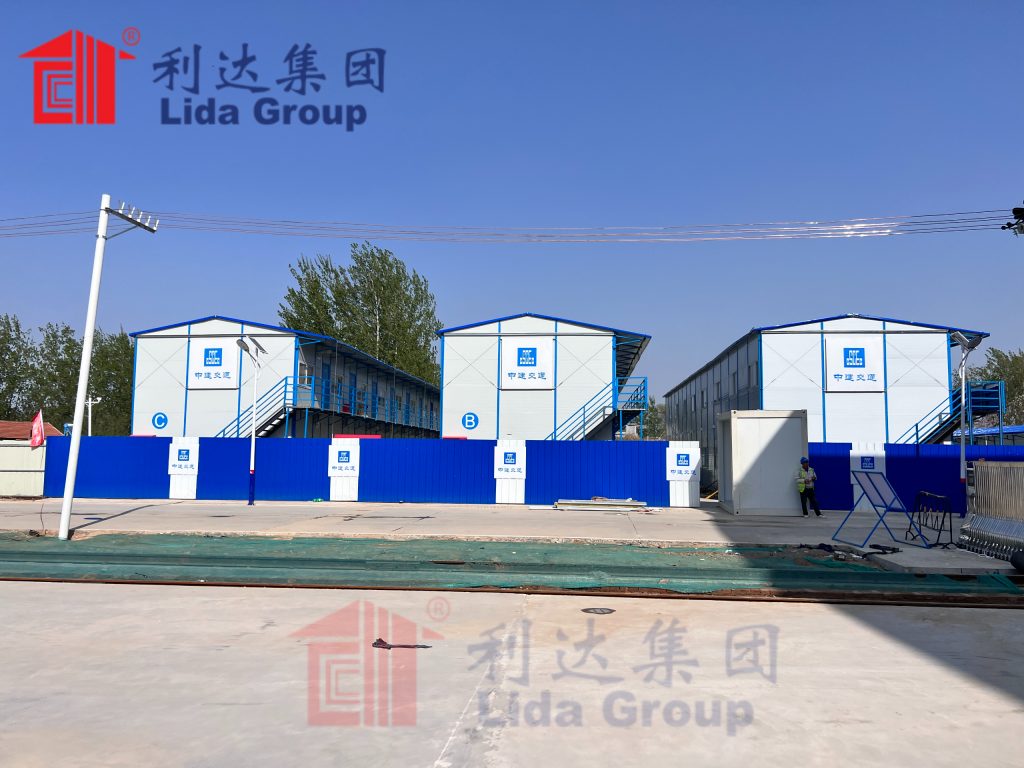
4. Application Versatility: Adapting to Diverse Construction Needs
Lida Group’s easy install sandwich panel system is designed for universal applicability, catering to a wide range of construction projects across residential, commercial, industrial, and public sectors. Its modular design, customizable performance, and rapid installation make it an ideal solution for projects of all scales—from small residential units to large-scale industrial complexes.
4.1 Industrial and Warehousing Facilities
Industrial warehouses, factories, and logistics centers demand durable, energy-efficient, and quick-to-build structures—requirements that Lida Group’s sandwich panel system fulfills seamlessly. The panels’ high load-bearing capacity, fire resistance, and insulation performance make them suitable for storing goods, housing machinery, and protecting against extreme temperatures. For example, Lida Group supplied PU core sandwich panels for a cold storage facility in the Middle East, where ambient temperatures exceed 40°C. The panels’ low thermal conductivity (0.023 W/(m²·K)) ensured the facility maintained a consistent internal temperature of -18°C, reducing cooling energy consumption by 35% compared to traditional insulation methods. The rapid installation process allowed the facility to become operational in just 8 weeks—half the time required for conventional construction.
4.2 Commercial and Public Buildings
Commercial buildings such as shopping malls, office complexes, and hotels benefit from the sandwich panel system’s aesthetic versatility, sound insulation, and energy efficiency. Lida Group’s pre-painted steel facings offer a modern, sleek appearance, and the panels’ sound insulation properties (up to 45 dB for rock wool core panels) create a comfortable indoor environment. In public buildings such as schools and hospitals, fire safety is paramount—Lida Group’s A1-rated rock wool core panels provide 2–4 hours of fire resistance, meeting strict international safety standards. A recent project in Southeast Asia saw Lida Group construct a 3-story school using its sandwich panel system, with installation completed in 6 weeks and total construction costs reduced by 20% compared to traditional methods.
4.3 Residential Buildings
In residential construction, Lida Group’s system addresses the growing demand for affordable, energy-efficient homes. The lightweight panels reduce foundation costs (as they require less structural support than traditional materials), and the rapid installation process shortens project timelines, allowing homeowners to move in faster. For轻钢别墅 (light steel villas)—a popular residential solution in rural and suburban areas—Lida Group’s sandwich panels integrate seamlessly with light steel frames, creating homes that are durable, earthquake-resistant, and energy-efficient. These homes boast U-values as low as 0.35 W/(m²·K), meeting strict energy efficiency standards in cold climates, and their modular design allows for easy expansion or renovation.
4.4 Emergency and Temporary Structures
In disaster relief and emergency situations, rapid deployment of shelter is critical. Lida Group’s easy install sandwich panel system is ideal for temporary shelters, field hospitals, and relief camps, as panels can be transported in bulk and installed within hours. The panels’ durability and weather resistance protect occupants from harsh conditions, and their modular design allows shelters to be disassembled and reused in other locations. Following a natural disaster in South Asia, Lida Group supplied sandwich panels for 500 emergency shelters, which were installed by local labor teams in just 10 days, providing safe housing for over 2,000 people.
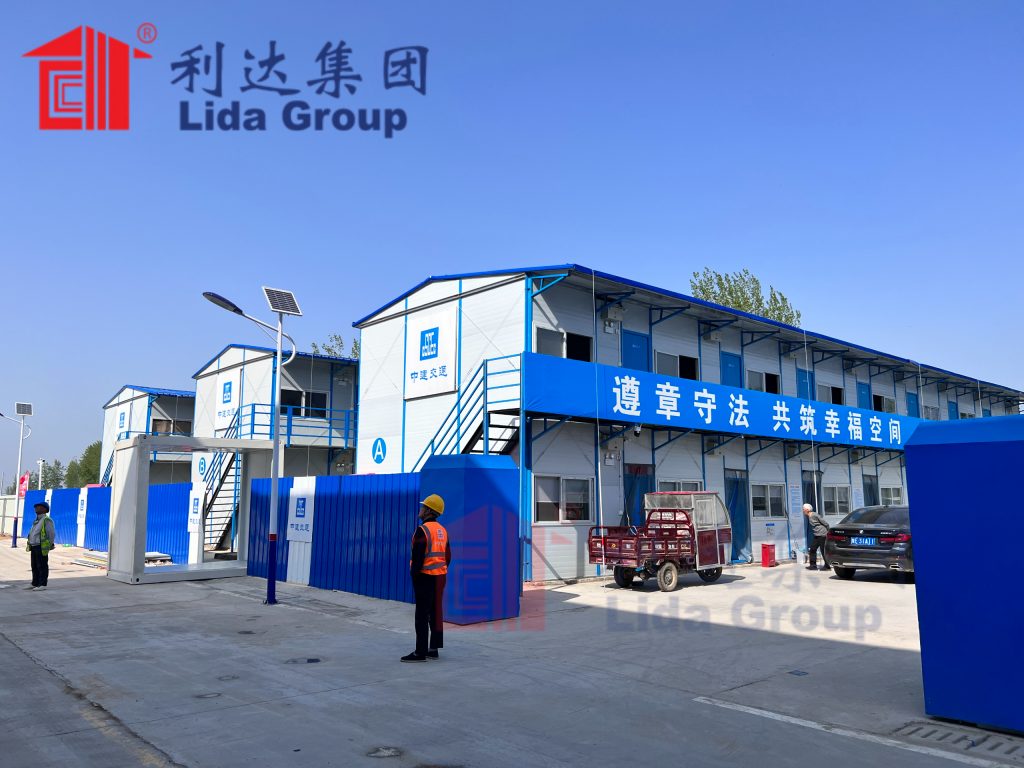
5. Market Impact: Transforming the Construction Industry Landscape
Lida Group’s easy install sandwich panel system has had a profound impact on the global construction industry, addressing key pain points and driving widespread adoption of prefabricated technologies. Its influence is evident in three key areas: labor efficiency, cost reduction, and industry standardization.
5.1 Enhancing Labor Efficiency Amid Shortages
Labor shortages are a global challenge in the construction industry, with many markets facing a deficit of skilled workers. Lida Group’s system mitigates this issue by reducing labor requirements and minimizing the need for specialized skills. Traditional construction requires teams of masons, carpenters, and painters—each with years of training—whereas Lida Group’s panels can be installed by general laborers with minimal on-site training. This not only addresses labor shortages but also reduces labor costs, as general labor is typically 30–50% cheaper than skilled labor. In markets such as Europe and North America, where skilled labor costs are high, this has made prefabricated construction with sandwich panels a cost-competitive alternative to traditional methods.
5.2 Reducing Project Costs and Delays
Cost overruns and project delays are common in traditional construction, often caused by weather disruptions, labor shortages, and material waste. Lida Group’s sandwich panel system minimizes these risks by streamlining the construction process. The prefabricated nature of the panels reduces material waste to less than 5%—compared to 15–20% for traditional construction—and the rapid installation process shortens project timelines by 40–60%. This translates to significant cost savings: reduced labor costs, lower financing costs (as projects are completed faster), and minimized weather-related delays. A case study of a warehouse project in China found that using Lida Group’s system reduced total construction costs by 22% and cut project time from 6 months to 2.5 months.
5.3 Driving Industry Standardization and Innovation
Lida Group’s success has inspired other construction companies to adopt prefabricated sandwich panel technologies, driving industry-wide standardization. The company’s adherence to international standards (such as ISO 9001 for quality management and ISO 14001 for environmental management) has raised the bar for product performance and safety. Additionally, Lida Group’s ongoing R&D efforts—focused on improving insulation performance, reducing weight, and enhancing recyclability—have spurred innovation across the industry. For example, the company’s recent development of carbon fiber-reinforced sandwich panels has further improved structural strength while reducing weight, opening new applications in high-rise construction.
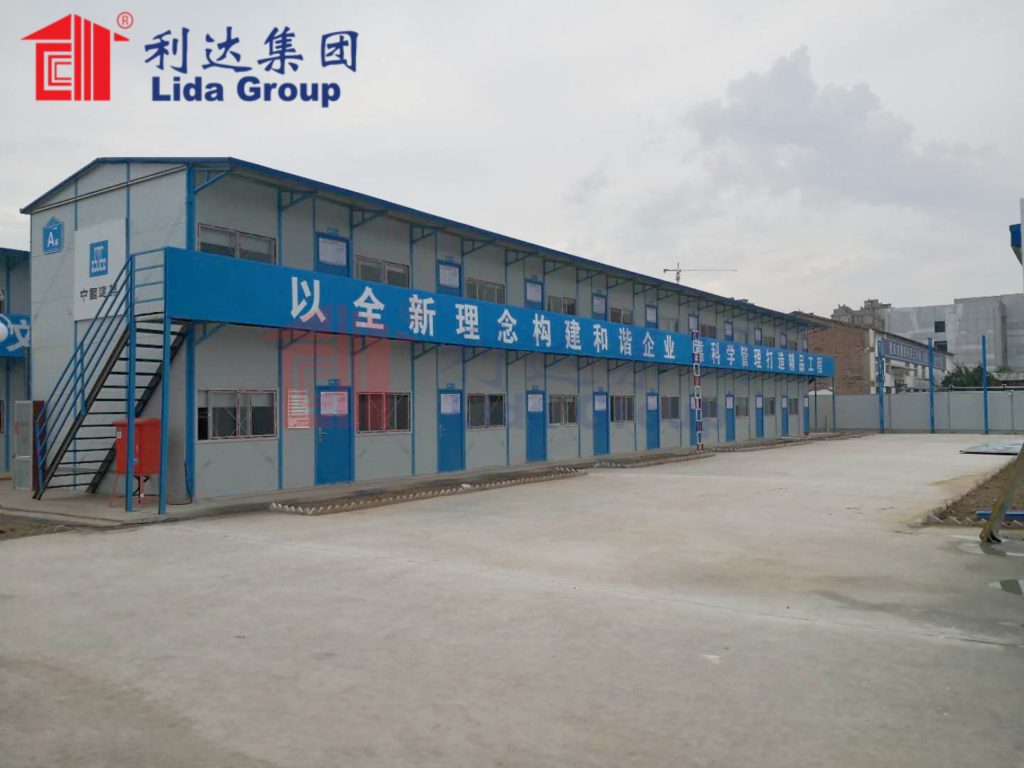
6. Sustainability: Aligning with Global Green Building Goals
As the world prioritizes sustainability and carbon reduction, Lida Group’s easy install sandwich panel system emerges as a key enabler of green construction. The system’s sustainability credentials span the entire lifecycle—from manufacturing to end-of-life disposal—aligning with global goals such as the Paris Agreement and LEED green building standards.
6.1 Energy Efficiency in Operation
Buildings account for approximately 30% of global energy consumption, with heating and cooling comprising the largest share. Lida Group’s sandwich panels deliver exceptional thermal insulation, reducing energy demand for temperature control. The panels’ low U-values (ranging from 0.023 to 0.038 W/(m²·K)) far exceed the requirements of most national energy codes. For example, in the European Union, where building energy efficiency standards are strict, Lida Group’s PU core panels meet the EPC (Energy Performance Certificate) A++ rating, the highest possible. This translates to a 30–40% reduction in heating and cooling energy consumption compared to traditional buildings, lowering carbon emissions and operational costs.
6.2 Low Environmental Impact in Manufacturing
Lida Group’s manufacturing process is designed to minimize environmental impact. The company uses energy-efficient production lines, with 85% of the energy used coming from renewable sources (solar and wind power) at its main facilities. Additionally, the prefabrication process reduces material waste, as panels are cut to precise specifications in a controlled factory environment—eliminating on-site waste from cutting, trimming, and excess materials. The steel used in the panel facings is 100% recyclable, and Lida Group sources steel from suppliers with high recycled content (up to 90%), further reducing the carbon footprint of raw materials.
6.3 Recyclability and Circular Economy
At the end of a building’s lifecycle, Lida Group’s sandwich panels can be disassembled and recycled—supporting a circular economy. The steel facings are easily separated from the core material and recycled into new steel products, with a recycling rate of 90% (consistent with Lida Group’s overall steel recycling targets). The core materials, depending on type, can also be recycled or repurposed: rock wool can be reused as insulation in other projects, while PU foam can be processed into energy via waste-to-energy facilities. This stands in contrast to traditional building materials such as brick and concrete, which are difficult to recycle and often end up in landfills.
6.4 Moisture Resistance and Indoor Air Quality
Sustainability also encompasses indoor environmental quality. Lida Group’s sandwich panels are engineered to resist moisture and mold growth, a critical factor in maintaining healthy indoor air quality. The closed-cell structure of PU and EPS cores prevents moisture absorption, while rock wool’s inorganic composition inhibits mold growth. This eliminates the need for chemical mold inhibitors, reducing volatile organic compound (VOC) emissions and creating a healthier living and working environment. A study by Sweco, a leading European engineering firm, found that buildings using sandwich panel systems had 50% lower mold growth rates than traditional buildings, improving indoor air quality and occupant health.
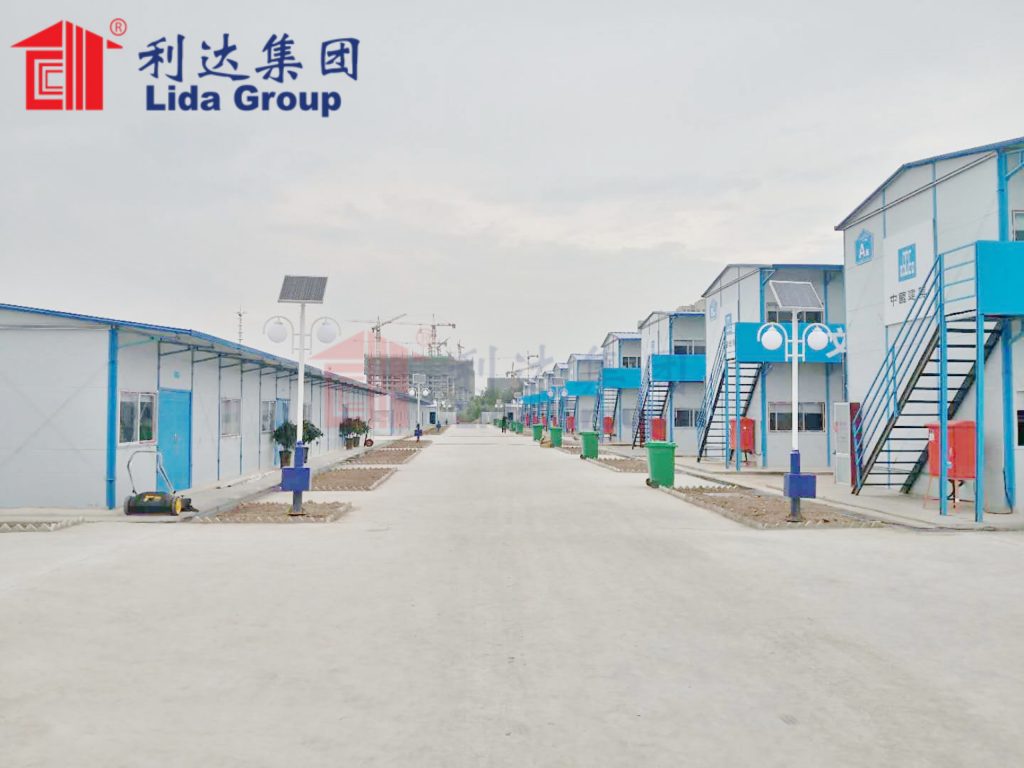
7. Challenges and Future Outlook
Despite its many advantages, Lida Group’s easy install sandwich panel system faces some challenges in global adoption. In some markets, traditional construction methods remain deeply entrenched, with builders and clients skeptical of prefabricated technologies. Additionally, shipping costs for large panel orders can be high in remote regions, though Lida Group has addressed this by establishing regional manufacturing facilities in key markets (such as Southeast Asia and Africa) to reduce transportation distances.
Looking ahead, the future of Lida Group’s sandwich panel system is bright, driven by growing demand for sustainable, efficient construction solutions. The company plans to expand its R&D efforts to develop panels with even higher insulation performance, integrating smart technologies such as IoT sensors for real-time monitoring of temperature, moisture, and structural integrity. Additionally, Lida Group aims to expand its product line to include fire-resistant panels for high-rise buildings and soundproof panels for urban construction, further broadening its application scope.
The global sandwich panel market is projected to grow at a CAGR of 7.2% between 2025 and 2030, fueled by urbanization, green building policies, and industrialization. Lida Group is well-positioned to capitalize on this growth, leveraging its technical expertise, global distribution network, and commitment to innovation. As the construction industry continues to evolve, the company’s easy install sandwich panel system will remain a cornerstone of modern, sustainable building practices.
8. Conclusion
Lida Group’s easy install sandwich panel system represents a paradigm shift in the construction industry, simplifying building processes while delivering superior performance, cost savings, and sustainability. By combining innovative design, precision engineering, and user-friendly installation, the system addresses the industry’s most pressing challenges—labor shortages, project delays, cost overruns, and environmental impact—without compromising on quality or safety.
The system’s versatility is a key strength, adapting to diverse applications from industrial warehouses to emergency shelters, and its technical advantages—exceptional insulation, fire resistance, and durability—make it a preferred choice for clients worldwide. Lida Group’s commitment to sustainability ensures that the system aligns with global green building goals, reducing energy consumption and carbon emissions throughout the building lifecycle.
As the construction industry moves toward prefabrication and modularization, Lida Group’s easy install sandwich panel system is poised to play an increasingly important role. By continuing to innovate and expand its global reach, Lida Group is not only simplifying construction but also shaping a more efficient, sustainable, and resilient built environment for the future. For builders, developers, and clients seeking to embrace the next generation of construction technologies, Lida Group’s sandwich panel system offers a proven, reliable solution that delivers value at every stage of the project.
Related news
-
Next-Generation Modern Mobile Building Solutions from Lida Group
2025-12-18 17:49:35
-
Lida Group Introduces Modern Prefab House with Easy Install Panels
2025-12-18 15:55:19
-
Lida Group Pioneers Modern Free Design Container Apartment Living
2025-12-17 17:28:37
contact us
- Tel: +86-532-88966982
- Whatsapp: +86-13793209022
- E-mail: sales@lidajituan.com
