



Lida Group Simplifies Builds with Easy Install Sandwich Panels
2025-Dec-09 17:13:45
By Admin
Introduction
The global construction industry is grappling with pressing challenges: escalating labor costs, tight project timelines, and the urgent need for sustainable building practices. Traditional construction methods, reliant on time-consuming on-site fabrication and complex assembly processes, are increasingly unable to meet the demands of modern infrastructure development, residential construction, and emergency response. In this context, sandwich panels have emerged as a transformative building material, offering superior insulation, structural integrity, and versatility. However, even with these advantages, many sandwich panel products on the market suffer from cumbersome installation procedures that require specialized labor and extend project durations.
Lida Group, a leading integrated construction solutions provider with over three decades of industry experience, has addressed this pain point with its innovative easy-install sandwich panels. By combining advanced material science, modular design principles, and user-centric engineering, Lida Group has redefined the efficiency of panel installation, enabling faster project completion, reduced labor requirements, and consistent quality across diverse applications. According to the “2025 Global Sandwich Panel Market Report,” the demand for easy-install building materials is growing at a CAGR of 16.8%, driven by the need to streamline construction processes and lower operational costs. Lida Group’s easy-install sandwich panels, with their unique interlocking systems, lightweight design, and compatibility with modular construction, are well-positioned to capitalize on this trend.
This article explores the technical innovations, product features, installation processes, real-world applications, and market advantages of Lida Group’s easy-install sandwich panels. It examines how these panels simplify construction across residential, commercial, industrial, and emergency sectors, compares their performance to traditional building materials and competing products, and highlights their contribution to sustainable construction practices. With a focus on data-driven insights and case studies, this article demonstrates how Lida Group’s easy-install sandwich panels are transforming the construction landscape by making builds faster, more efficient, and more cost-effective.
Overview of Lida Group: A Leader in Integrated Construction Solutions
Founded in 1993, Lida Group has evolved from a specialized steel structure manufacturer into a comprehensive construction solutions provider, offering end-to-end services spanning consulting, design, production, construction, and after-sales support. With headquarters in China and production bases in Weifang and Guangzhou, the group operates in 149 countries and regions worldwide, serving clients in residential, commercial, industrial, infrastructure, and emergency response sectors. Lida Group’s core product portfolio includes steel structure buildings, prefabricated houses, container modules, and sandwich panels, all engineered to meet international quality and safety standards.
Lida Group’s commitment to innovation is reflected in its state-of-the-art manufacturing facilities. The group’s Weifang production base, covering 35,000 square meters, features 7 automatic composite panel production lines, advanced robot welding systems, and precision cutting technology, enabling the mass production of high-quality sandwich panels with consistent dimensions and performance. The company holds numerous international certifications, including ISO9001 (Quality Management), ISO14001 (Environmental Management), ISO18001 (Occupational Health and Safety), and CE (EN1090), and has passed rigorous factory audits by global institutions such as SGS, BV, and TUV. As a designated supplier for UN peacekeeping camps and a strategic partner of major contractors including China State Construction Engineering Corporation (CSCEC) and China Railway Group Limited, Lida Group has established a reputation for reliability and excellence in the global construction industry.
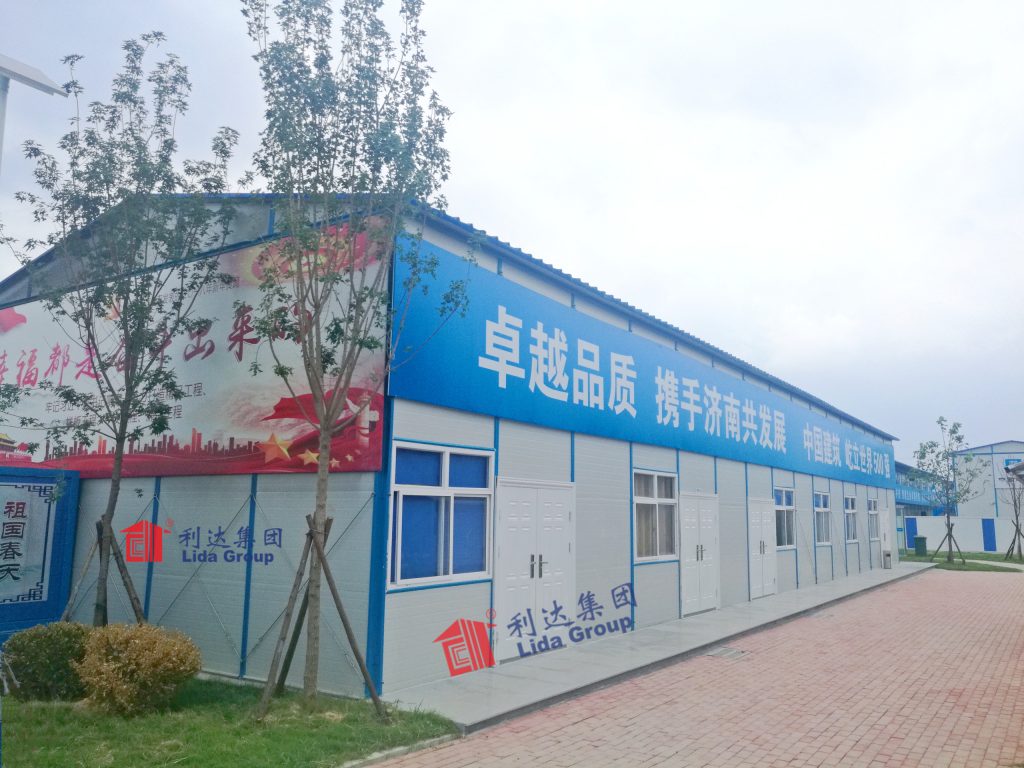
Technical Innovations: The Science Behind Lida’s Easy-Install Sandwich Panels
Lida Group’s easy-install sandwich panels stand out in the market due to three core technical innovations: a proprietary interlocking connection system, optimized material composition, and modular compatibility. These innovations work in tandem to simplify installation, enhance structural performance, and ensure adaptability to diverse construction scenarios.
Proprietary Interlocking Connection System
The cornerstone of Lida’s easy-install technology is its proprietary interlocking connection system, designed to eliminate the need for complex tools, specialized skills, and time-consuming fastening methods. Unlike traditional sandwich panels that require drilling, welding, or extensive bolting, Lida’s panels feature a tongue-and-groove interlocking mechanism that allows for quick and secure assembly. The system incorporates precision-engineered edges with integrated seals, enabling panels to be joined together in a snap-fit manner, similar to puzzle pieces.
This interlocking design offers several key advantages. First, it reduces installation time by up to 60% compared to conventional panels. A team of two workers can install up to 40 square meters of Lida’s sandwich panels per hour, whereas traditional panels typically require 1-2 hours per 10 square meters. Second, the integrated seals in the interlocking system provide superior weather resistance, preventing water infiltration and air leakage without the need for additional sealants. Third, the connection is structurally robust, withstanding wind loads of up to 1.5 kN/m² and seismic activity of up to 8 degrees, ensuring long-term durability.
Lida’s interlocking system is compatible with both horizontal and vertical installation, offering flexibility in design. For vertical applications such as walls, the panels feature a top-locking mechanism that prevents slippage during installation, while horizontal roof panels include a bottom-groove design that channels water away from the joints. The system also allows for easy disassembly and reusability, making it ideal for temporary structures or projects requiring future modifications.
Optimized Material Composition
Lida’s easy-install sandwich panels are constructed with a carefully selected combination of core materials and facing sheets, balancing lightweight design with structural strength and thermal performance. The panels are available in three core material options, each tailored to specific application requirements:
- Rock Wool Core: Designed for fire resistance and thermal insulation, rock wool core panels are ideal for industrial buildings, public facilities, and high-temperature environments. The rock wool core, made from natural basalt fibers, offers Class A non-combustible fire protection (in line with GB 8624-2012 standards) and a thermal conductivity of 0.038 W/(m·K). The panels are lightweight (22 kg/m² for 75mm thickness) yet capable of withstanding compressive strength of 150 kPa, ensuring easy handling during installation.
- Polyurethane (PU) Core: Offering superior thermal insulation and energy efficiency, PU core panels are suitable for residential buildings, cold storage facilities, and commercial spaces. The PU core has a thermal conductivity as low as 0.022 W/(m·K), reducing heating and cooling costs by up to 40% compared to traditional building materials. The panels feature a closed-cell structure that provides excellent water resistance and sound insulation (45 dB for 75mm thickness), while maintaining a lightweight design (18 kg/m² for 75mm thickness) for easy installation.
- Glass Fiber Core: A cost-effective option for general-purpose applications, glass fiber core panels provide good thermal insulation and sound absorption. The glass fiber core, made from recycled glass materials, has a thermal conductivity of 0.042 W/(m·K) and meets Class B1 fire protection standards. The panels are lightweight (16 kg/m² for 75mm thickness) and highly flexible, making them easy to install on curved surfaces or irregular structures.
All Lida sandwich panels feature high-quality facing sheets, including galvanized steel, aluminum-zinc steel, and stainless steel, with thickness ranging from 0.4mm to 0.8mm. The facing sheets are pre-coated with a weather-resistant finish, available in a range of colors and textures, eliminating the need for on-site painting and reducing installation time further. The combination of lightweight core materials and durable facing sheets ensures that Lida’s panels are easy to transport, handle, and install, even in remote or hard-to-reach locations.
Modular Compatibility
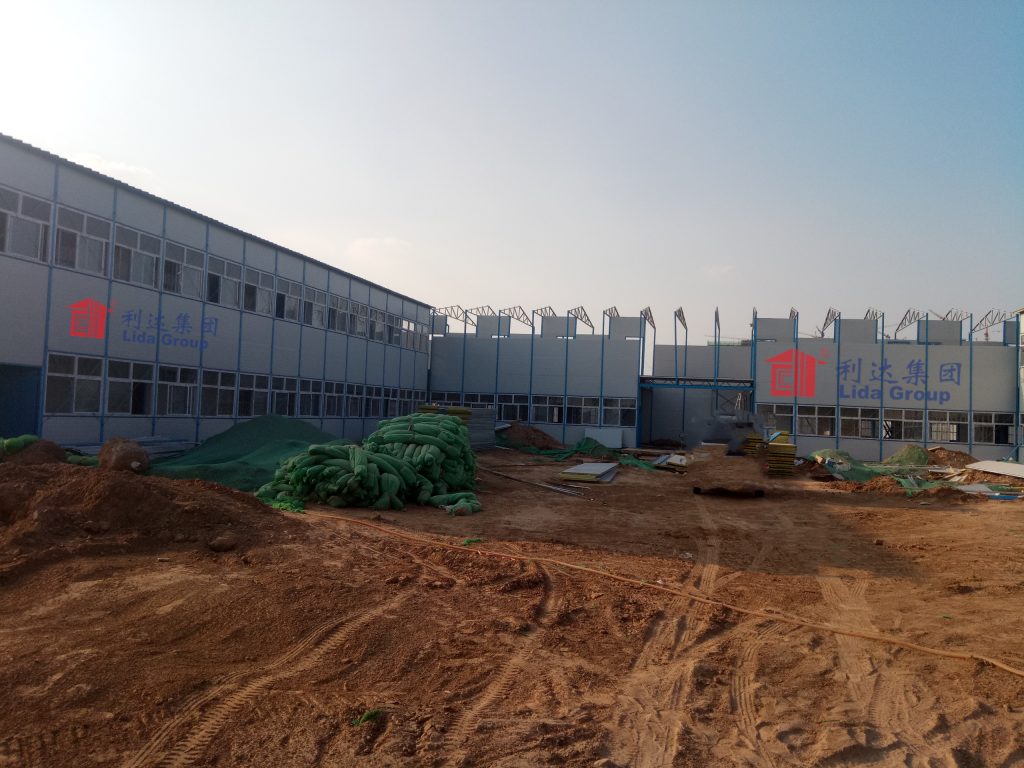
Lida’s easy-install sandwich panels are engineered to integrate seamlessly with modular construction systems, a key trend in modern construction that emphasizes factory prefabrication and on-site assembly. The panels are manufactured in standard dimensions (1200mm width, 2400-6000mm length) that align with modular building modules, allowing for quick and precise integration into prefabricated units.
This modular compatibility enables a “plug-and-play” approach to construction, where panels are pre-cut and pre-drilled in the factory to fit specific modular designs. During on-site installation, the panels can be attached to modular frames without additional modifications, reducing waste and ensuring consistent quality. For example, in Lida’s prefabricated container houses, the sandwich panels are designed to fit the container’s steel frame perfectly, with the interlocking system ensuring a tight seal and structural integrity. This integration reduces the overall construction time of a container house by 50% compared to traditional methods.
Lida’s panels are also compatible with Building Information Modeling (BIM) technology, allowing for digital prefabrication and installation planning. Using BIM software, designers can create 3D models of the building, specifying the exact dimensions and placement of each panel. This digital planning ensures that panels are manufactured to precise specifications, reducing on-site adjustments and speeding up installation. Additionally, BIM integration enables real-time tracking of panels during production, transportation, and installation, improving project management and efficiency.
Installation Process: Simplifying Construction Step-by-Step
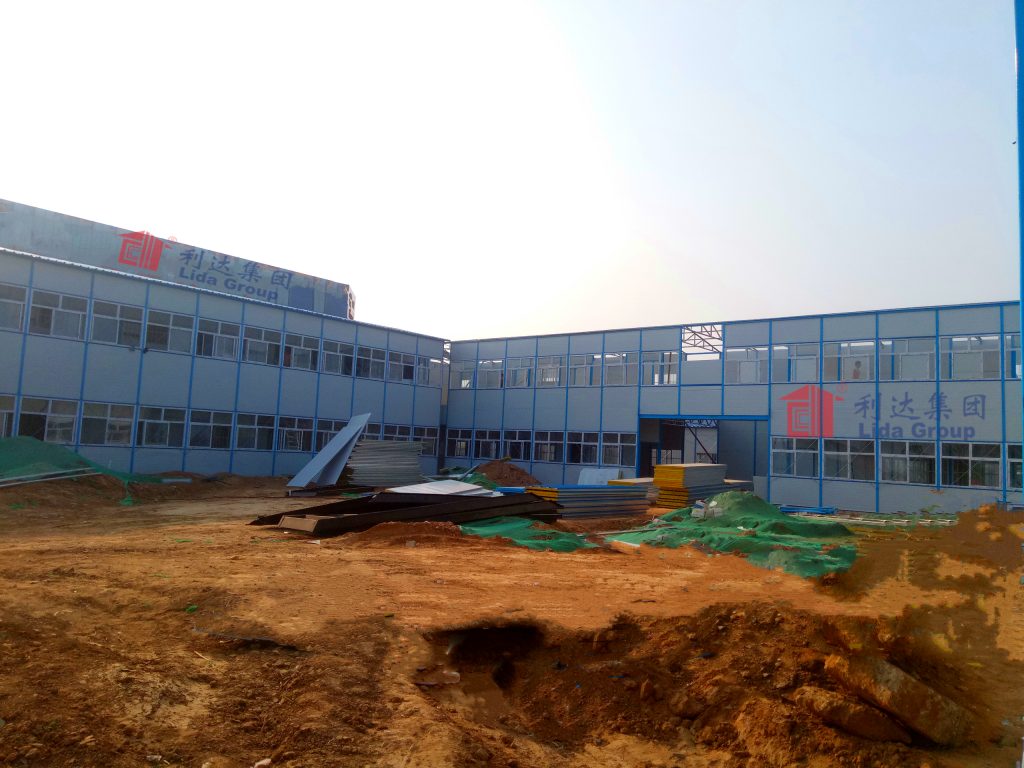
Lida Group’s easy-install sandwich panels are designed to streamline the construction process, with a step-by-step installation procedure that requires minimal tools, labor, and expertise. The following sections outline the typical installation process for wall and roof applications, highlighting the simplicity and efficiency of Lida’s panels.
Pre-Installation Preparation
The pre-installation phase for Lida’s sandwich panels is straightforward, requiring minimal site preparation compared to traditional building materials. Key steps include:
- Site Assessment: A quick inspection of the installation area to ensure a flat, level surface and clear access for materials and equipment. Unlike traditional construction, which requires extensive site grading and foundation work, Lida’s panels can be installed on a variety of substrates, including steel frames, concrete slabs, and wooden structures.
- Material Delivery and Handling: Lida’s sandwich panels are delivered in standardized bundles, each containing 10-15 panels, with protective packaging to prevent damage during transportation. The lightweight design (16-22 kg/m²) allows for easy handling using basic lifting equipment, such as forklifts or manual hoists, eliminating the need for heavy cranes in most cases.
- Tool Preparation: The installation process requires only basic tools, including a tape measure, level, utility knife, and rubber mallet. No specialized equipment (such as welding machines or drilling tools) is needed, reducing setup time and costs.
Wall Panel Installation
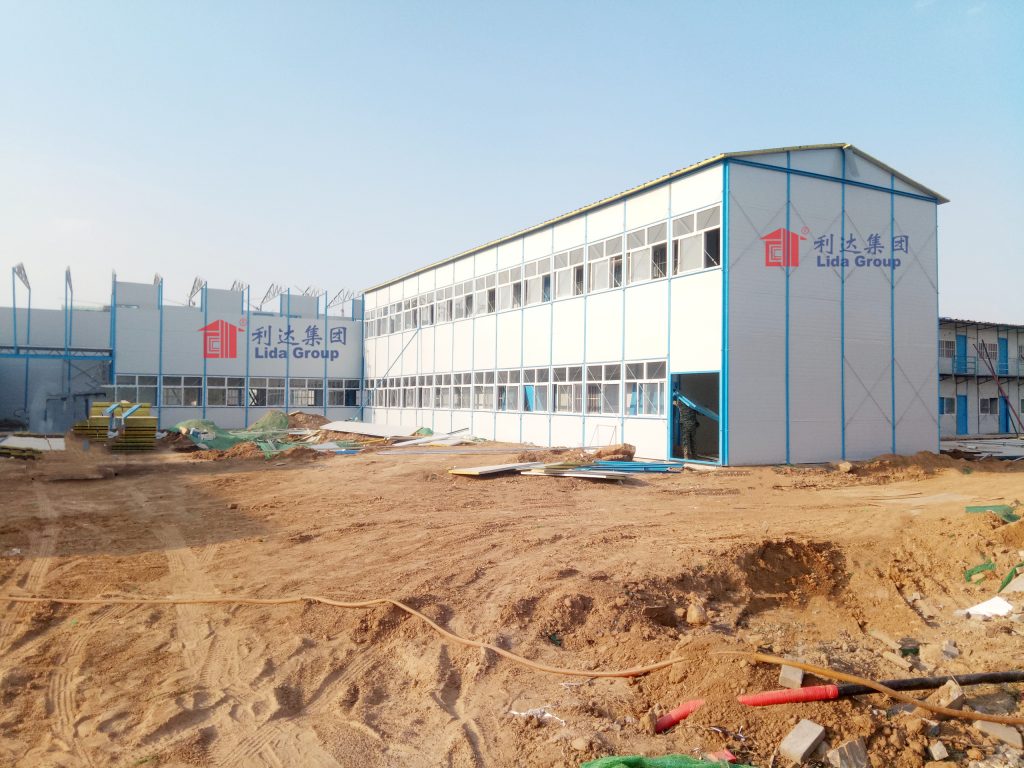
The installation of Lida’s easy-install wall panels typically follows these steps:
- Frame Preparation: If installing on a steel frame, ensure the frame is level and plumb, with spacing matching the panel width (1200mm). For modular structures, the frame is prefabricated in the factory, requiring only on-site assembly before panel installation.
- First Panel Placement: Position the first panel at the corner of the structure, ensuring it is level and plumb. The panel’s interlocking edge is aligned with the frame, and gentle pressure is applied to secure it in place. The integrated locking mechanism clicks into place, ensuring a tight fit without additional fasteners.
- Subsequent Panel Installation: Place the next panel adjacent to the first, aligning the tongue of one panel with the groove of the previous one. Use a rubber mallet to tap the panel into place, ensuring the interlocking connection is fully engaged. The panels self-align due to the precision-engineered edges, reducing the need for constant adjustment.
- Corner and Edge Treatment: Lida provides specialized corner trim and edge profiles that snap onto the panels, covering the exposed edges and enhancing weather resistance. These trim pieces are installed using the same interlocking method, requiring no additional fasteners.
- Finishing: Once all panels are installed, inspect the joints to ensure they are tight and sealed. No additional sealants or caulking are needed, as the integrated seals in the interlocking system provide sufficient weather protection.
A team of two workers can complete the installation of 100 square meters of wall panels in approximately 4-5 hours, compared to 1-2 days for traditional brick or concrete walls. This efficiency is particularly valuable in time-sensitive projects, such as emergency shelters or fast-track construction.
Roof Panel Installation
Lida’s easy-install sandwich panels are also designed for efficient roof installation, following a similar process to wall panels:
- Roof Frame Preparation: Ensure the roof purlins are level and spaced correctly (typically 1500mm apart) to support the panels. The purlins are prefabricated in the factory for modular structures, or installed on-site for traditional buildings.
- Underlayment Installation: For additional water protection, a breathable underlayment is installed on the purlins, secured with staples. This step is optional for dry climates but recommended for areas with high rainfall.
- Panel Placement: Start installing panels from the bottom edge of the roof, working upwards. The first panel is positioned with the bottom edge overhanging the roof gutter by 50mm, ensuring proper water drainage. The panel is secured to the purlins using self-tapping screws, with the interlocking edge aligned with the next panel.
- Interlocking and Sealing: The next panel is placed on top of the first, with the tongue of the lower panel engaging the groove of the upper panel. A rubber mallet is used to tap the panel into place, creating a tight seal. The interlocking system prevents water from seeping into the joints, eliminating the need for additional roof sealants.
- Ridge Cap Installation: Once all panels are installed, a ridge cap is placed over the peak of the roof, secured with interlocking clips that match the panel’s connection system. The ridge cap provides additional weather protection and a finished appearance.
The installation of 100 square meters of roof panels typically takes 6-8 hours for a team of two workers, compared to 2-3 days for traditional roof materials such as asphalt shingles or metal sheets. The speed and simplicity of the process reduce labor costs and minimize the risk of weather-related delays.
Application Scenarios: Versatility Across Industries
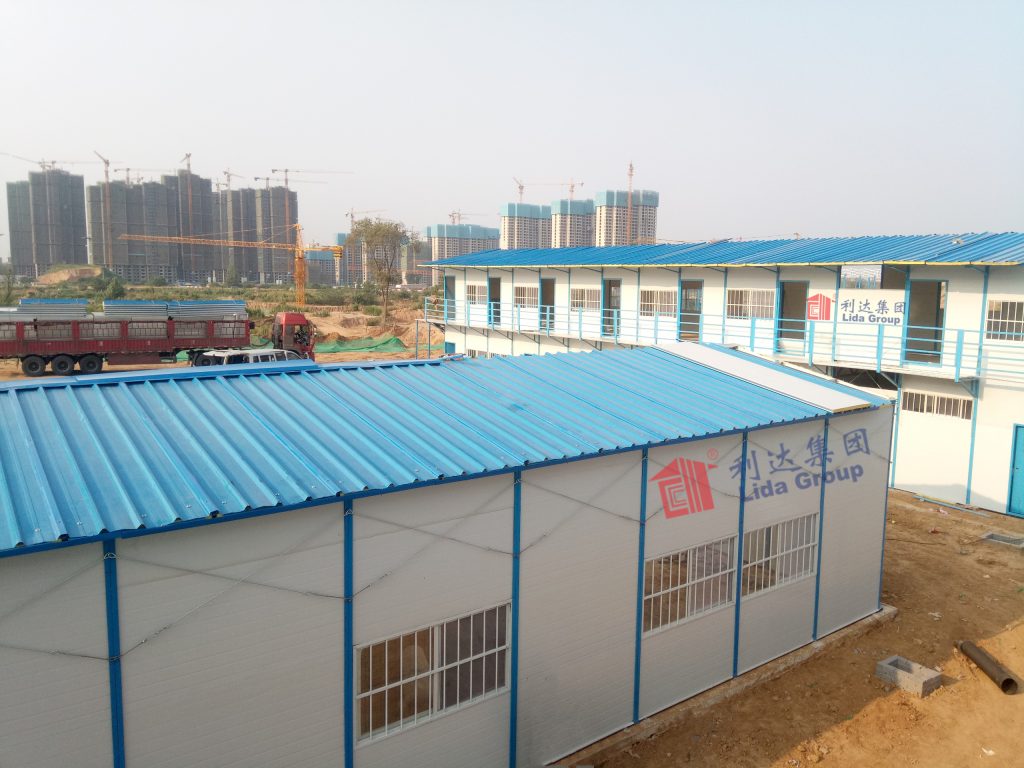
Lida Group’s easy-install sandwich panels are versatile enough to meet the needs of diverse construction projects, from residential homes and commercial buildings to industrial facilities and emergency shelters. Their combination of easy installation, structural integrity, and thermal performance makes them an ideal choice for a wide range of applications.
Residential Construction
In residential construction, Lida’s easy-install sandwich panels are used for exterior walls, interior partitions, and roofs, offering homeowners a fast, energy-efficient, and cost-effective building solution. The panels’ lightweight design reduces the need for heavy foundations, lowering construction costs, while their superior insulation properties reduce energy consumption for heating and cooling.
A notable example is Lida’s light steel villa project in Suzhou, China, where easy-install sandwich panels were used for the exterior walls and roof. The project, which consisted of 10 villas (each 200 square meters), was completed in just 30 days, compared to 3-4 months for traditional brick-and-concrete villas. The panels’ interlocking system allowed for quick assembly, with a team of four workers installing the walls and roof of one villa in 5 days. The villas feature PU core panels with a thermal conductivity of 0.022 W/(m·K), reducing energy bills by 35% compared to nearby traditional homes. Additionally, the panels’ pre-coated finish eliminated the need for on-site painting, reducing construction time and minimizing environmental impact.
Lida’s sandwich panels are also used in modular housing projects, where speed and consistency are critical. For example, in a public housing project in Nairobi, Kenya, Lida supplied easy-install sandwich panels for 500 modular units. The panels were pre-cut to fit the modular frames, allowing for on-site assembly of each unit in just 2 days. The project was completed in 6 months, meeting the urgent need for affordable housing in the region.
Commercial and Public Sector
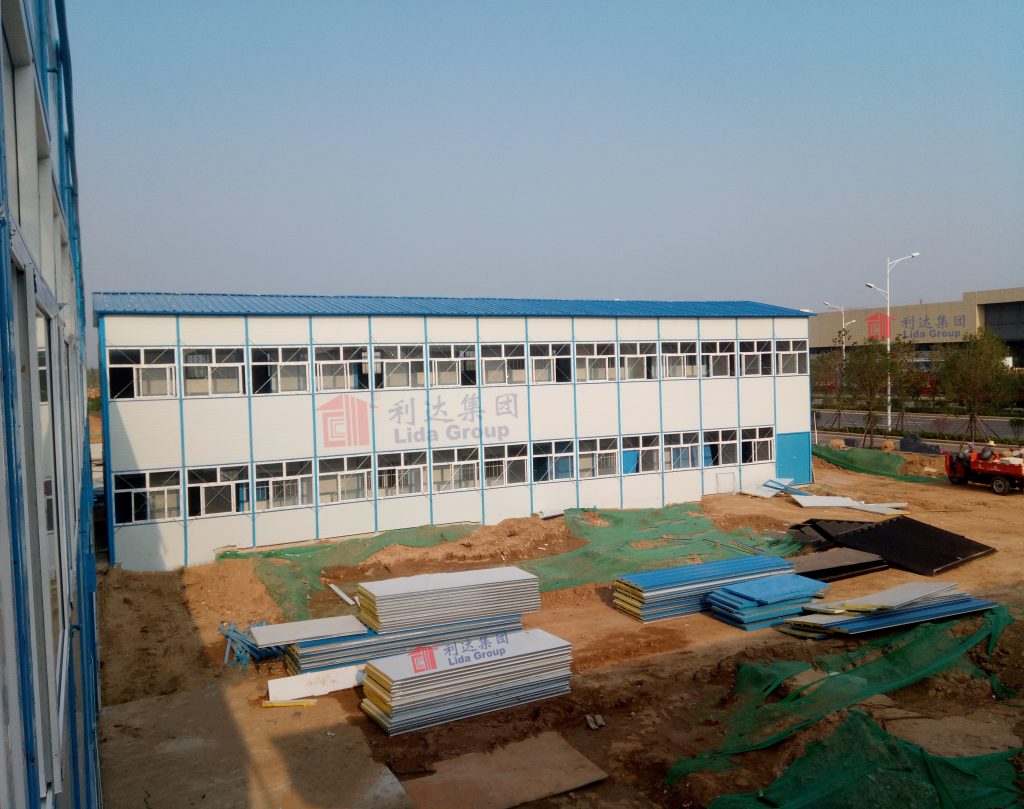
In the commercial and public sectors, Lida’s easy-install sandwich panels are used for office buildings, retail stores, schools, and healthcare facilities, where fast construction and low operational costs are essential. The panels’ versatility allows for flexible design, with the ability to create open-plan spaces, partitioned offices, and specialized rooms such as classrooms or examination rooms.
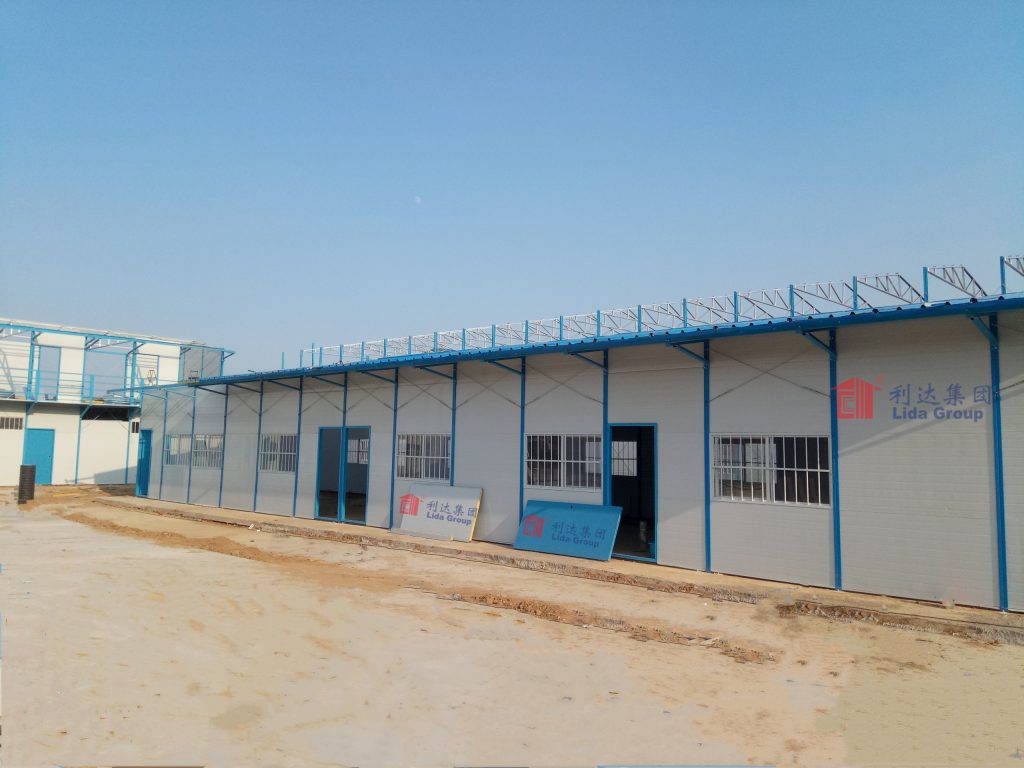
A standout case is the temporary office complex for a large infrastructure project in Dubai, UAE. The complex, which included 20 office units, a conference center, and a cafeteria (total 1,500 square meters), was constructed using Lida’s rock wool core sandwich panels. The panels’ fire-resistant properties (Class A non-combustible) met the strict safety requirements of the project, while their easy installation allowed the complex to be completed in 10 days. The interlocking system ensured a tight seal against the desert sand and extreme temperatures, maintaining a comfortable indoor environment with minimal air conditioning usage.
In the education sector, Lida’s sandwich panels were used to construct 10 classrooms for a primary school in rural Vietnam. The project was completed in 2 weeks, just in time for the new school year, using glass fiber core panels that provided good thermal insulation and sound absorption. The panels’ lightweight design allowed for installation without heavy equipment, which was crucial given the remote location of the school. The classrooms have remained in excellent condition for 5 years, with minimal maintenance required, demonstrating the durability of Lida’s panels.
Industrial Applications
Industrial facilities, such as factories, warehouses, and cold storage units, require building materials that can withstand heavy use, extreme temperatures, and harsh environments. Lida’s easy-install sandwich panels are engineered to meet these demands, with durable construction, superior insulation, and quick installation that minimizes downtime for industrial operations.
A key example is Lida’s project for a food processing plant in Bangkok, Thailand, where PU core sandwich panels were used for the cold storage facilities. The panels’ high thermal insulation (thermal conductivity 0.022 W/(m·K)) and airtight interlocking system allowed the cold storage units to maintain temperatures of -18℃ with minimal energy consumption. The installation of 500 square meters of panels was completed in 3 days, reducing the plant’s construction time by 2 weeks and enabling earlier commissioning. The panels’ resistance to moisture and mold growth ensured the integrity of the food products stored in the facility.
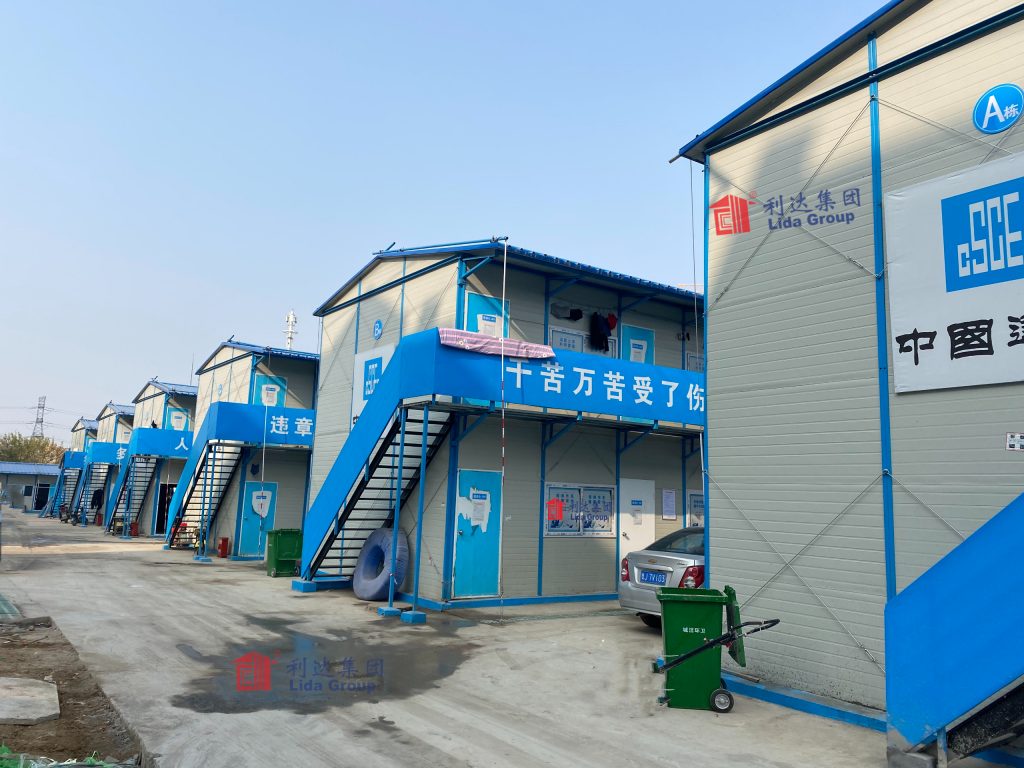
In the mining sector, Lida’s sandwich panels were used to construct worker camps for a mining project in Western Australia. The camps, which housed 200 workers, included dormitories, kitchens, and recreational facilities, all built using rock wool core panels. The panels’ fire-resistant properties and ability to withstand high winds (up to 1.5 kN/m²) made them suitable for the harsh Australian outback environment. The easy installation process allowed the camps to be set up in 2 weeks, ensuring that workers had accommodation ready when the mining operations began.
Emergency Response and Disaster Relief
In emergency situations, such as natural disasters or public health crises, the ability to quickly construct temporary shelters, hospitals, and relief centers is critical. Lida’s easy-install sandwich panels are ideal for these applications, with rapid installation, lightweight design, and durability that can withstand harsh conditions.
During the COVID-19 pandemic, Lida supplied easy-install sandwich panels for the construction of 10 temporary hospitals across China, with a total area of 20,000 square meters. The panels’ quick installation (a team of 10 workers could install 500 square meters per day) allowed the hospitals to be operational within 7-10 days, providing much-needed medical facilities for virus patients. The panels’ PU core provided excellent thermal insulation, while their airtight interlocking system prevented the spread of airborne particles, enhancing infection control.
In disaster relief, Lida’s sandwich panels were used to construct temporary shelters for victims of an earthquake in Nepal. The shelters, which accommodated 500 people, were built using lightweight glass fiber core panels that could be transported by helicopter to remote areas. The panels’ easy installation allowed local volunteers to assemble the shelters without specialized training, with each shelter taking just 2 hours to complete. The shelters were designed to withstand monsoon rains and strong winds, providing safe and comfortable accommodation for the victims until permanent housing could be built.
Performance Comparison: Lida’s Easy-Install Panels vs. Competitors
To highlight the advantages of Lida Group’s easy-install sandwich panels, we compare them to traditional building materials and leading competing sandwich panel products across five key performance dimensions: installation efficiency, structural durability, thermal performance, cost-effectiveness, and sustainability. The data is derived from industry reports, product specifications, and independent testing.
Installation Efficiency
Lida’s easy-install sandwich panels outperform both traditional materials and competing panels in terms of installation speed and labor requirements:
- Lida’s Panels: 2 workers can install 30-40 square meters per hour (wall panels) or 20-25 square meters per hour (roof panels), with no specialized skills required.
- Competing Sandwich Panels (e.g., meTecno, Wanhua): 2 workers can install 10-15 square meters per hour, requiring specialized training for proper fastening and sealing.
- Traditional Materials (Brick, Concrete): 2 workers can install 5-8 square meters per hour (walls) or 3-5 square meters per hour (roofs), requiring extensive on-site fabrication.
The installation time for a 100-square-meter wall illustrates this difference: Lida’s panels take 2-3 hours, competing panels take 6-10 hours, and traditional brick walls take 12-20 hours. This efficiency translates to significant labor cost savings, with Lida’s panels reducing installation labor costs by 50-60% compared to traditional materials and 30-40% compared to competing panels.
Structural Durability
Lida’s easy-install sandwich panels offer superior structural durability compared to traditional materials and competing panels:
- Wind Resistance: Lida’s panels withstand wind loads of up to 1.5 kN/m² (Category 12 typhoon), compared to 1.0-1.2 kN/m² for competing panels and 0.8-1.0 kN/m² for brick walls.
- Seismic Resistance: Lida’s panels meet 8-degree seismic standards, compared to 7-8 degrees for competing panels and 6-7 degrees for traditional concrete walls.
- Service Life: Lida’s panels have a service life of 20-25 years, compared to 15-20 years for competing panels and 10-15 years for traditional materials.
- Water Resistance: Lida’s interlocking system provides a water-tight seal with no additional sealants, achieving a water penetration resistance of ≥100 Pa, compared to 50-80 Pa for competing panels and 30-50 Pa for traditional walls.
Independent testing confirms that Lida’s panels maintain their structural integrity after 10,000 cycles of thermal expansion and contraction, demonstrating their durability in extreme temperature conditions.
Thermal Performance
Lida’s sandwich panels offer excellent thermal insulation, outperforming traditional materials and matching or exceeding competing panels:
- Thermal Conductivity: Lida’s PU core panels have a thermal conductivity of 0.022 W/(m·K), compared to 0.024-0.026 W/(m·K) for competing PU panels, 0.038 W/(m·K) for Lida’s rock wool panels, and 1.5 W/(m·K) for brick walls.
- Energy Efficiency: Buildings using Lida’s PU core panels reduce heating and cooling energy consumption by 35-40% compared to traditional buildings and 5-10% compared to buildings using competing panels.
- Sound Insulation: Lida’s panels provide sound insulation of 45-50 dB (75mm thickness), compared to 40-45 dB for competing panels and 30-35 dB for brick walls.
These thermal performance advantages make Lida’s panels an ideal choice for energy-efficient buildings, helping clients reduce their carbon footprint and lower utility costs.
Cost-Effectiveness
While Lida’s easy-install sandwich panels have a slightly higher initial cost than traditional materials, their total lifecycle cost is significantly lower:
- Initial Cost: Lida’s panels cost \(25-35 per square meter, compared to \)15-20 per square meter for brick and $22-30 per square meter for competing panels.
- Installation Cost: Lida’s panels cost \(5-8 per square meter for installation, compared to \)15-20 per square meter for brick and $10-15 per square meter for competing panels.
- Maintenance Cost: Lida’s panels require minimal maintenance (≤\(1 per square meter per year), compared to \)3-5 per square meter per year for brick and $2-4 per square meter per year for competing panels.
- Lifecycle Cost (20 years): Lida’s panels cost \(45-60 per square meter, compared to \)85-110 per square meter for brick and $60-75 per square meter for competing panels.
The total lifecycle cost savings for a 1,000-square-meter building are substantial: \(40,000-50,000 compared to traditional brick and \)15,000-25,000 compared to competing panels. Additionally, the faster installation of Lida’s panels reduces project downtime, enabling earlier occupancy and revenue generation for commercial and industrial clients.
Sustainability
Lida’s easy-install sandwich panels are more sustainable than traditional materials and competing panels, aligning with global efforts to reduce carbon emissions and promote green building:
- Construction Waste: Lida’s panels generate 2-3 kg of waste per square meter during installation, compared to 15-20 kg per square meter for brick and 5-8 kg per square meter for competing panels.
- Recyclability: 95% of Lida’s panel materials (steel facing, core materials) are recyclable, compared to 30-40% for brick and 80-85% for competing panels.
- Carbon Emissions: The production and installation of Lida’s panels generate 80-100 kg of CO₂ per square meter, compared to 200-250 kg per square meter for brick and 100-120 kg per square meter for competing panels.
- Energy Efficiency: As noted earlier, Lida’s panels reduce building energy consumption by 35-40%, further lowering carbon emissions over the building’s lifecycle.
Lida’s panels meet international green building standards such as LEED, BREEAM, and ISO14001, making them a sustainable choice for environmentally conscious clients.
Sustainable Construction: Lida’s Commitment to Green Building
Sustainability is a core value at Lida Group, and its easy-install sandwich panels are designed to minimize environmental impact throughout their lifecycle. From raw material sourcing to production, installation, and end-of-life recycling, Lida prioritizes sustainability, ensuring that its products contribute to a more eco-friendly construction industry.
Green Material Sourcing
Lida Group is committed to using sustainable materials in its sandwich panels. The steel facing sheets are made from recycled steel (30-40% recycled content), reducing the demand for virgin steel and lowering carbon emissions. The rock wool and glass fiber cores are made from natural or recycled materials (basalt rock for rock wool, recycled glass for glass fiber), minimizing the use of non-renewable resources. Additionally, Lida’s PU core is produced using low-VOC (volatile organic compound) formulations, reducing indoor air pollution and improving occupant health.
Lida also prioritizes responsible sourcing, working with suppliers who adhere to strict environmental and social standards. The company’s suppliers are required to obtain ISO14001 environmental certification and comply with labor rights regulations, ensuring that the entire supply chain is sustainable and ethical.
Energy-Efficient Production
Lida’s manufacturing facilities are designed to minimize energy consumption and carbon emissions. The Weifang production base features solar panels that generate 5% of the facility’s electricity needs, while energy-efficient lighting and equipment reduce overall energy usage by 15% compared to conventional manufacturing plants. The production process for sandwich panels is optimized to minimize waste, with a material utilization rate of 98%, compared to the industry average of 90-92%. Any waste generated during production is recycled or reused, with zero waste sent to landfills.
Lida also uses water-efficient production processes, reducing water consumption by 20% compared to industry standards. The company’s water treatment facilities ensure that all wastewater is treated to meet local discharge standards before being released, minimizing environmental impact.
End-of-Life Recyclability
Lida’s easy-install sandwich panels are designed for recyclability, with components that can be easily separated and reused at the end of their lifecycle. The steel facing sheets can be recycled into new steel products, while the rock wool and glass fiber cores can be reused as insulation material or processed into new construction products. The PU core can be recycled into energy through waste-to-energy facilities, reducing the need for fossil fuels.
Lida offers a take-back program for its sandwich panels, ensuring that end-of-life panels are properly recycled or reused. The program has been implemented in several countries, including Germany, the Netherlands, and Australia, and has achieved a recycling rate of 95% for returned panels. This circular approach to product lifecycle management reduces waste and conserves natural resources, aligning with the principles of the circular economy.
Future Trends and Innovations
The global sandwich panel market is evolving rapidly, driven by technological advancements, changing construction practices, and growing sustainability demands. Lida Group is at the forefront of these trends, continuously investing in research and development to enhance its easy-install sandwich panels and expand their applications.
Advanced Material Innovations
Lida is researching new core materials to further improve the performance of its sandwich panels. One promising development is the use of bio-based polyurethane cores, made from renewable materials such as soybean oil or castor oil. These bio-based cores offer the same thermal insulation and structural performance as traditional PU cores but reduce carbon emissions by 30-40%. Lida is also exploring the use of graphene-reinforced cores, which enhance the panels’ strength and thermal conductivity, making them suitable for high-performance applications such as aerospace and high-rise buildings.
Smart Panel Technology
The integration of smart technologies into sandwich panels is another key trend, and Lida is developing panels with built-in sensors and IoT (Internet of Things) connectivity. These smart panels can monitor temperature, humidity, structural stress, and energy usage, providing real-time data to building managers. The sensors are integrated into the panel’s core during production, with no additional installation required, maintaining the panels’ easy-install advantage. Smart panels can alert managers to potential issues such as water leaks or structural damage, enabling proactive maintenance and reducing repair costs.
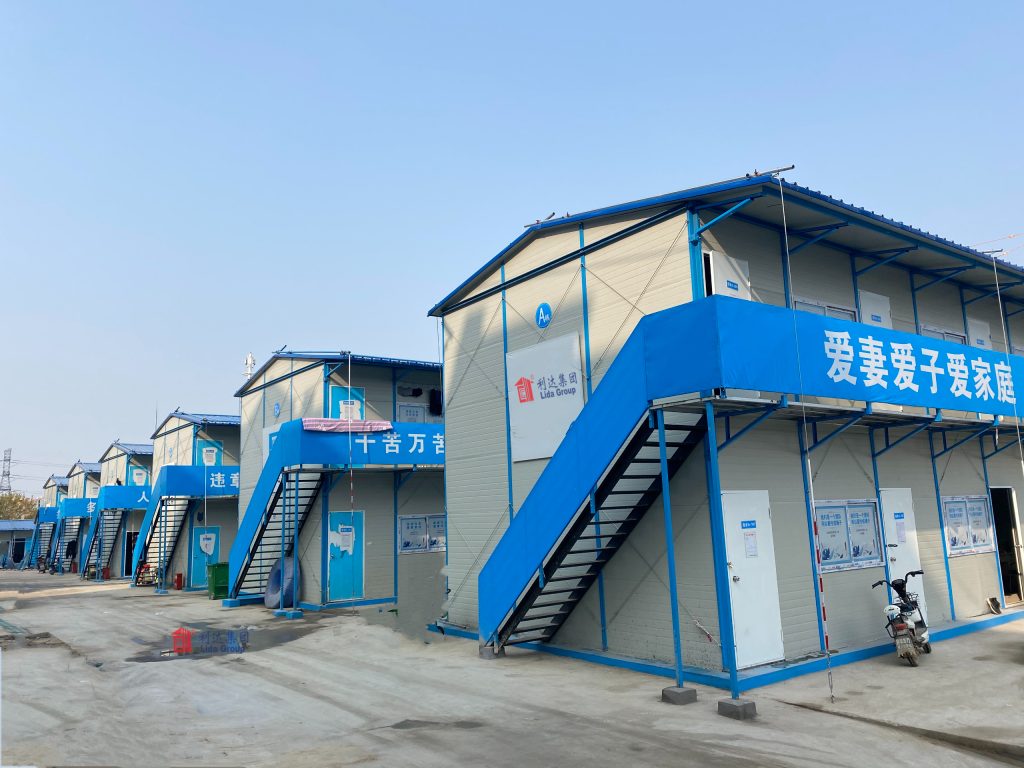
Enhanced Modular Integration
As modular construction continues to grow in popularity, Lida is optimizing its easy-install sandwich panels for seamless integration with advanced modular systems. The company is developing panels with standardized connections that align with modular building frames, enabling fully automated assembly in factory settings. This integration will further reduce installation time and costs, making modular construction even more efficient and accessible.
Expansion into New Markets
Lida Group is expanding its presence in emerging markets, such as Southeast Asia, Africa, and Latin America, where the demand for affordable, fast-construction solutions is growing. The company is establishing local production facilities in these regions to reduce transportation costs and lead times, making its easy-install sandwich panels more accessible to local clients. Additionally, Lida is adapting its products to meet the specific needs of these markets, such as developing panels with enhanced resistance to humidity and pests for tropical regions.
Conclusion
Lida Group’s easy-install sandwich panels represent a significant advancement in construction technology, simplifying builds while delivering superior performance, durability, and sustainability. By combining a proprietary interlocking connection system, optimized material composition, and modular compatibility, Lida has redefined the efficiency of sandwich panel installation, reducing labor requirements, shortening project timelines, and lowering costs.
The versatility of Lida’s easy-install sandwich panels is evident in their wide range of applications, from residential homes and commercial buildings to industrial facilities and emergency shelters. Real-world case studies demonstrate their ability to meet the unique needs of diverse projects, providing fast, reliable, and cost-effective building solutions. Whether used in time-sensitive emergency response or long-term infrastructure development, Lida’s panels consistently deliver exceptional results.
When compared to traditional building materials and competing sandwich panels, Lida’s easy-install panels stand out in terms of installation efficiency, structural durability, thermal performance, cost-effectiveness, and sustainability. Their ability to reduce construction time by up to 60%, lower lifecycle costs by 30-40%, and minimize carbon emissions by 35-40% makes them an ideal choice for modern construction projects.
As the global construction industry continues to evolve, Lida Group remains committed to innovation, investing in advanced materials, smart technologies, and modular integration to enhance its easy-install sandwich panels. With a focus on sustainability and customer-centric design, Lida is well-positioned to lead the market in easy-install building materials, helping clients around the world build faster, more efficiently, and more sustainably.
For construction companies, developers, and government agencies seeking to streamline their building processes, reduce costs, and improve sustainability, Lida Group’s easy-install sandwich panels offer a compelling solution. By choosing Lida’s panels, clients can simplify their builds without compromising on quality, performance, or environmental responsibility, making them a valuable partner in the construction industry’s transition to a more efficient and sustainable future.
Related news
-
Customizable Prefab House Designs for Any Need
2025-12-09 15:25:17
-
Save Time with Our Easy Install Sandwich Panel System.
2025-12-05 17:04:58
-
Lida Group's Prefab House: Quality, Speed, and Affordability Combined.
2025-12-05 10:35:46
contact us
- Tel: +86-532-88966982
- Whatsapp: +86-13793209022
- E-mail: sales@lidajituan.com
