



Lida Group Sets the Standard for Cost-Effective Prefab Building
2025-Dec-30 13:45:47
By Admin
In the global shift toward sustainable and efficient construction, prefabricated buildings have emerged as a transformative solution to address cost overruns, project delays, and environmental impact. As the industry grapples with balancing affordability, quality, and speed, Lida Group—an established high-tech enterprise with over three decades of expertise in steel structure prefab construction—has risen to set the gold standard for cost-effective prefab solutions. Founded in 1993, Lida Group has evolved from a regional manufacturer to a global integrated service provider, operating in 155 countries and regions, and serving clients ranging from UN peacekeeping forces to Fortune 500 companies and governments. By integrating end-to-end capabilities, technological innovation, and rigorous cost control mechanisms, Lida Group redefines what cost-effectiveness means in prefab construction—not merely cutting upfront costs, but optimizing total lifecycle value while upholding uncompromising quality and sustainability. This article explores how Lida Group establishes industry benchmarks through its cost-control ecosystem, technical innovations, global project successes, and commitment to standardization, shaping the future of affordable prefab building worldwide.
The global prefabricated building market is experiencing robust growth, driven by rising demand for efficient, low-carbon construction solutions. As of 2025, the global market size is projected to exceed $2.1 trillion, with a compound annual growth rate (CAGR) of 12.3%, and China alone contributes over 35% of this market share . Despite this expansion, cost remains a core bottleneck for widespread adoption—industry data shows that domestic prefab buildings in China still average 10%-20% higher costs than traditional cast-in-place structures, primarily due to inefficient component production, supply chain fragmentation, and on-site assembly delays . Lida Group addresses this challenge by pioneering a holistic cost-optimization model that spans design, production, supply chain, and construction, achieving cost reductions of 30%-50% compared to traditional methods while maintaining superior performance. This model has not only positioned Lida as a market leader but also established new industry standards for cost-effective prefab construction, proving that affordability and quality can coexist in modern building solutions.
Holistic Cost-Control Ecosystem: The Foundation of Lida’s Standard
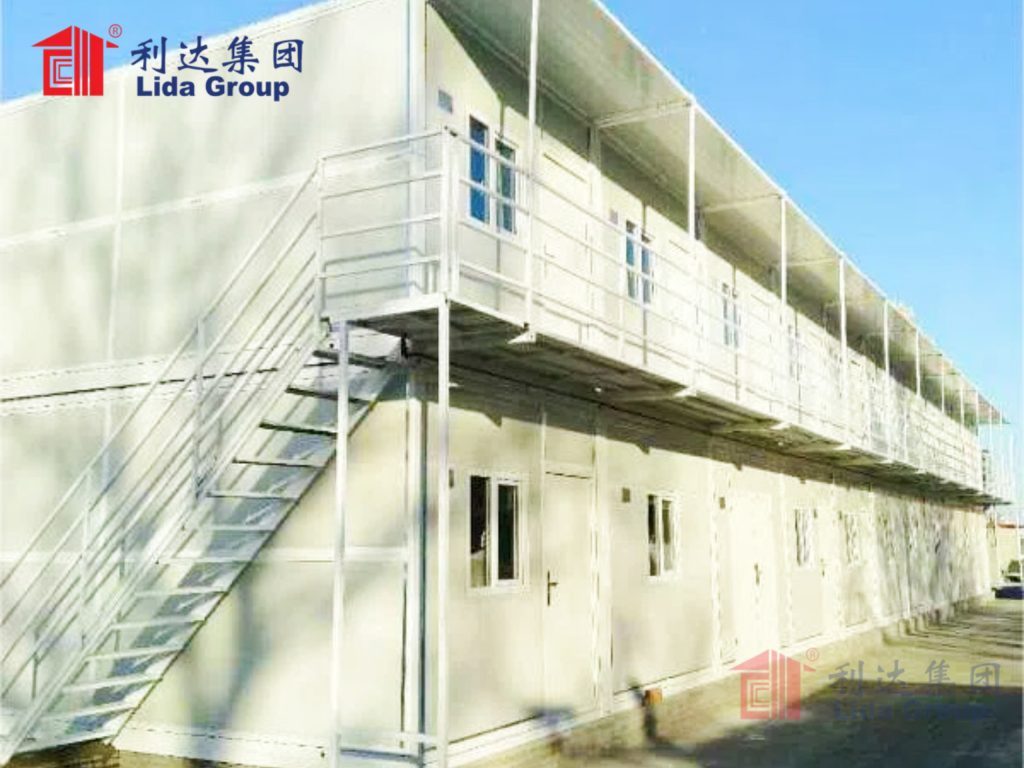
Lida Group’s cost-effective advantage stems from a seamlessly integrated ecosystem that optimizes every stage of the prefab building lifecycle. Unlike fragmented industry practices that focus on isolated cost cuts, Lida’s approach leverages full-chain synergy—from design standardization to post-construction maintenance—to eliminate waste, improve efficiency, and deliver predictable costs. This ecosystem is built on four core pillars: design optimization, intelligent production, supply chain integration, and efficient on-site assembly, each working in tandem to set a new benchmark for cost-effectiveness.
Design Optimization: Standardization and Precision to Cut Hidden Costs
The design phase is where Lida Group lays the groundwork for cost efficiency, addressing one of the industry’s biggest pain points: custom component proliferation and design errors. Lida has developed a “modular standard node library” featuring over 200 universal connection solutions, boosting component standardization rates from 60% to 85% . This standardization drastically reduces mold costs, improves production scalability, and minimizes on-site adjustments—critical factors in cost control. For instance, a single industrial park project using Lida’s node library reduced component types by 30%, increasing on-site assembly efficiency by 50% and eliminating 95% of interface-related rework through BIM collision detection . The avoidance of late-stage rework alone saved the project over $800,000 in additional labor and material costs.
Lida further optimizes design costs through parametric design tools and lifecycle cost analysis. By using Grasshopper parametric software, the company reduces component varieties by up to 40% compared to traditional design methods, while BIM-based 4D (schedule) and 5D (cost) integration enables real-time cost tracking during the design phase . This proactive approach ensures that design decisions align with budget constraints from the outset. For residential projects, Lida offers standardized 150-300㎡户型 templates tailored to local needs, balancing customization with cost efficiency. A rural housing project in Hubei Province, for example, used these templates to construct 50 villas simultaneously, completing the entire project from groundbreaking to occupancy in just 45 days, with a 10%-15% lower comprehensive cost than traditional brick-and-mortar homes .
Intelligent Production: Efficiency and Precision at Scale
Lida Group’s state-of-the-art production bases in Weifang and Guangzhou are central to its cost-control capabilities, leveraging automation and digital management to drive down production costs while maintaining precision. The factories operate under a “three-level quality control system” that enforces millimeter-level precision—component errors are limited to ±2mm, far stricter than industry averages . This precision eliminates costly rejections and rework: Lida’s strict first-piece inspection system keeps scrap rates below 3%, compared to the industry average of 8% .
Automation and smart factory technologies further enhance production efficiency. Lida’s factories are equipped with robotic arms, 3D printing molds, and Manufacturing Execution Systems (MES) that optimize mold turnover. By integrating MES, the company increased mold turnover rates from 7 days to 4 days, boosting production capacity by 40% . A 3D-printed mold application for wall panels reduced molding time by 50% and mold wear by 60%, while steam curing改造 cut energy consumption by 25%, saving over $200,000 annually in electricity costs . For the Eastern European mountain camp project, Lida completed all prefabricated modules in just 25 days, a timeline that would have been impossible with traditional production methods, and delivered components with zero defects .
Supply Chain Integration: Global Sourcing with Localized Efficiency
Lida Group optimizes supply chain costs through a dual strategy: centralized procurement for raw materials and localized assembly to reduce transportation expenses. As a vertically integrated enterprise, Lida operates its own steel processing facilities, enabling bulk purchasing of steel at 8%-12% lower costs than industry peers . The company also leverages strategic partnerships with global suppliers for insulation materials, such as EPS and rock wool sandwich panels, locking in favorable prices while ensuring quality.
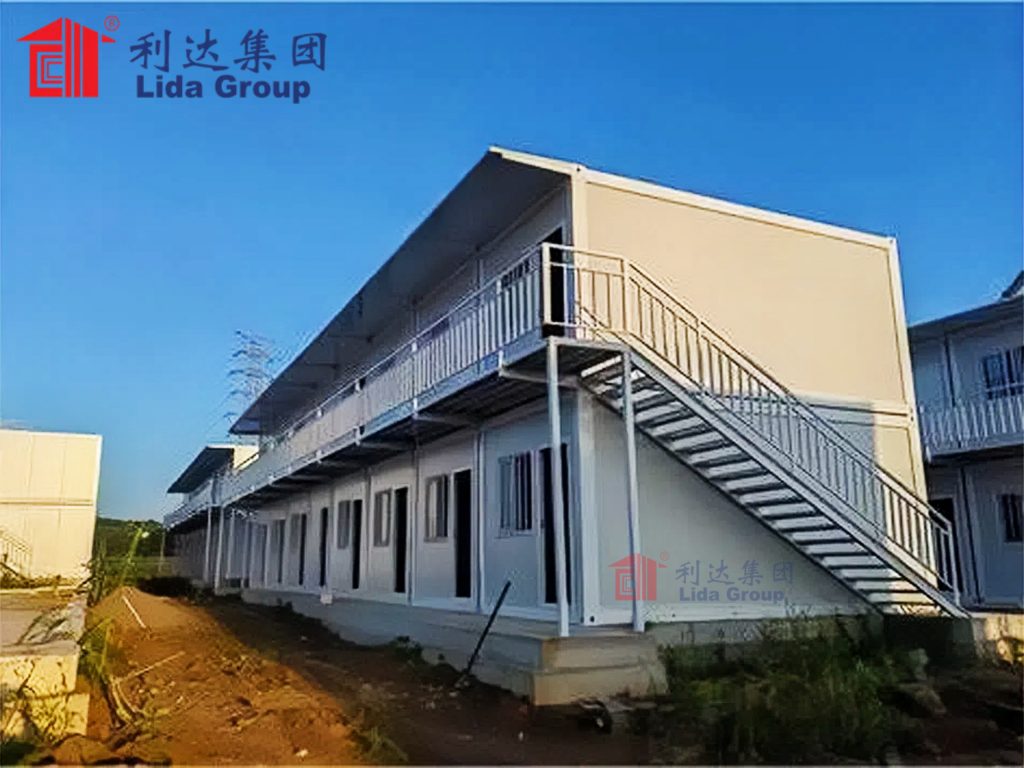
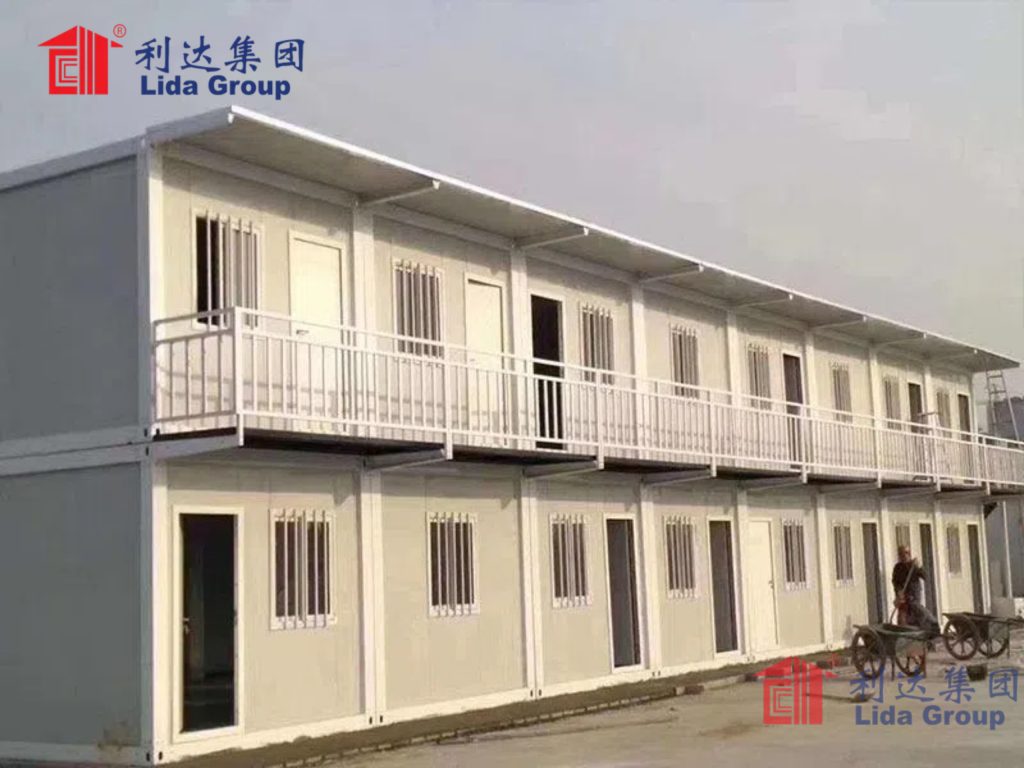
The “China Production + Local Assembly” model is a cornerstone of Lida’s supply chain cost control. Prefabricated modules are shipped flat-packed in standard 40-foot containers, reducing transportation volume by 80% compared to fully assembled units . For the Eastern European camp project, flat-packed components were transported to the remote mountain site and assembled on-site, cutting transportation costs by 30% and avoiding damage during transit . Lida also uses location-based service (LBS) systems to optimize transportation routes, compressing delivery radii by 20% and minimizing fuel costs and delays . In regional markets like Africa and Southeast Asia, Lida has established local assembly hubs, further reducing import tariffs and transportation time while creating local jobs.
Efficient On-Site Assembly: Speed and Labor Optimization
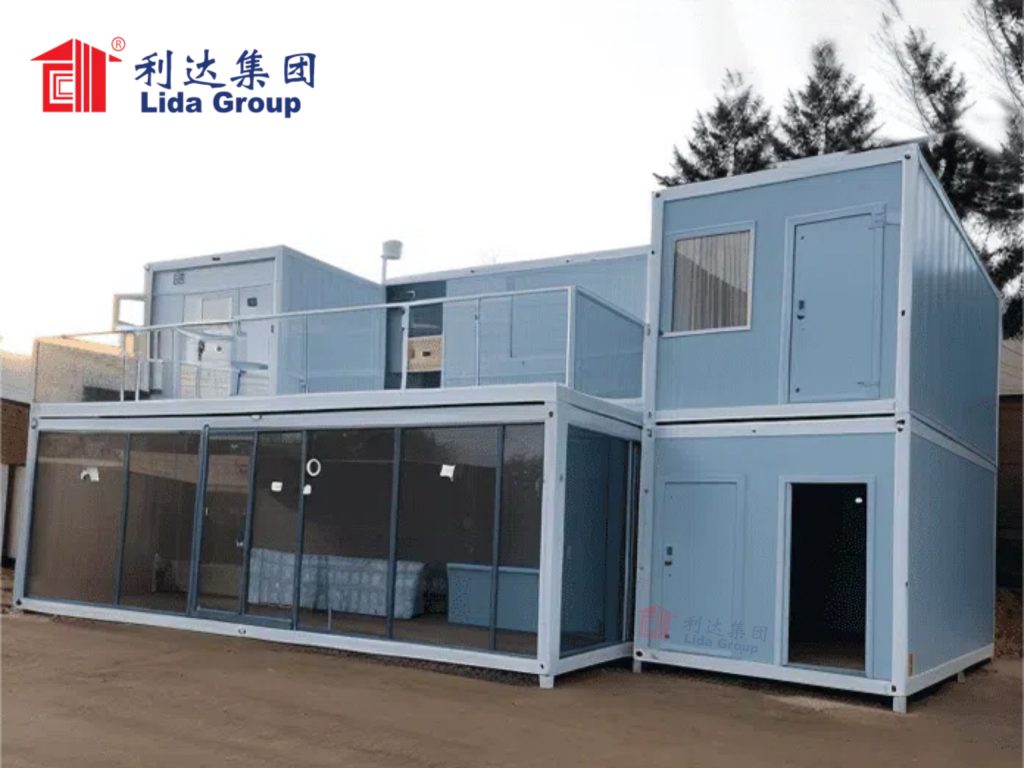
On-site labor and time costs are significantly reduced through Lida’s advanced assembly technologies and simplified processes. The company’s proprietary connection systems—tenon-and-mortise splicing and lock-and-buckle splicing—eliminate the need for on-site welding and specialized labor, two major sources of cost and delay in traditional construction. The tenon-and-mortise system enables a two-person team to assemble 3-4 modules per day, while the lock-and-buckle system achieves ±1mm connection accuracy for multi-story structures, supporting vertical stacking of up to 5 floors .
For the Eastern European camp project, Lida’s bolted steel frame design reduced on-site welding labor by 40%, and each container module was assembled by six workers in just 8 hours . The entire project was completed 30% faster than traditional methods, translating to substantial savings in on-site management and labor costs. In a hospital project in China, Lida’s modular assembly reduced on-site labor需求 by 30%, cutting人工成本 by over $2 million . Additionally, Lida’s prefab solutions require minimal on-site wet work—up to 70% less than traditional construction—which further accelerates timelines and reduces material waste .
Technological Innovation: Driving Cost Efficiency Without Compromise
Lida Group’s commitment to innovation ensures that cost reductions do not come at the expense of quality, durability, or sustainability. The company invests heavily in proprietary technologies that enhance performance while optimizing costs, setting new standards for what cost-effective prefab buildings can deliver. These innovations span structural design, material science, and smart integration, reinforcing Lida’s position as an industry pioneer.
Structural and Material Innovations
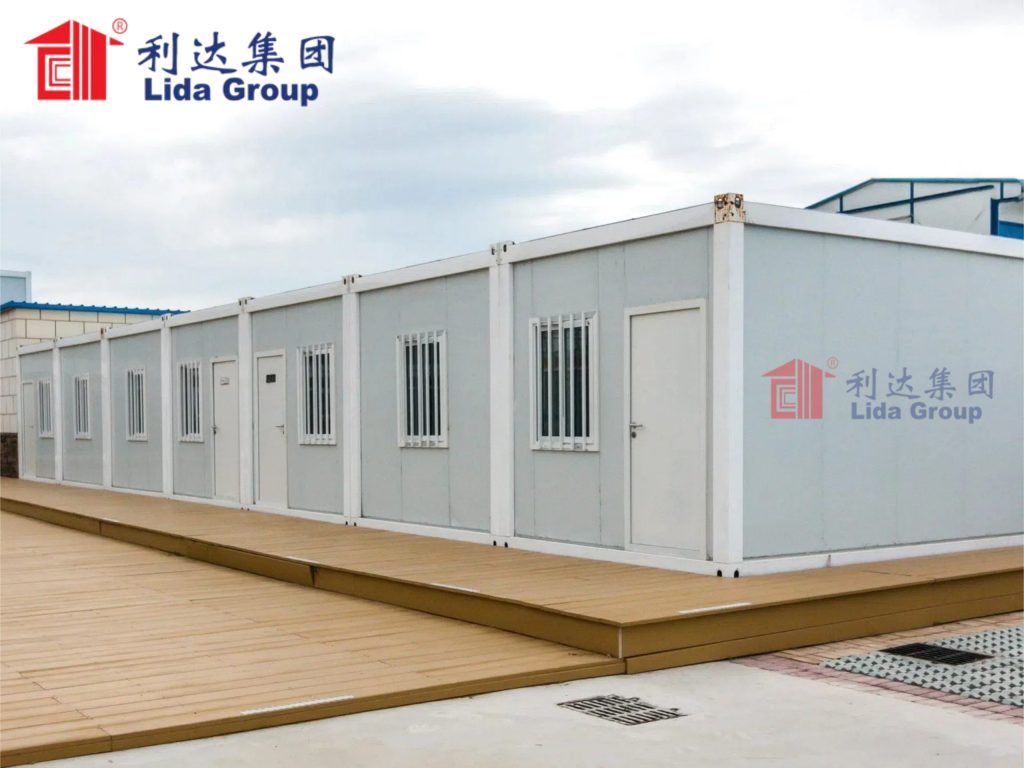
Lida’s light steel structure system is a key driver of cost and performance efficiency. Compared to traditional concrete structures, light steel components reduce self-weight by 30%-40%, minimizing foundation costs by up to 18% . The system is engineered to withstand 8-grade earthquakes and 10-grade winds, making it suitable for diverse climates while maintaining material efficiency . For extreme environments, Lida uses EPS/rock wool sandwich panels (75-150mm thick) that enable buildings to withstand temperatures ranging from -45°C to 50°C, eliminating the need for expensive additional insulation . The Eastern European camp project, located in an area with winter temperatures as low as -20°C, benefited from this insulation solution, achieving superior thermal performance at a fraction of the cost of traditional cladding.
Sustainability is also integrated into Lida’s material strategy to reduce long-term costs. The company uses recycled galvanized steel for 90% of its structural components, which not only cuts raw material costs by 15% but also reduces carbon emissions by 60%-83% compared to virgin steel . Lida’s prefab buildings have a steel recycling rate of over 90%, aligning with circular economy principles and reducing end-of-life disposal costs . A commercial park project using Lida’s recycled steel system achieved Green Building Three-Star Certification, qualifying for government subsidies and reducing operational costs by 30% over its lifecycle.
Digital and Smart Integration
Lida Group integrates digital technologies throughout the project lifecycle to enhance cost visibility and operational efficiency. BIM technology is used for everything from design collision detection to on-site assembly guidance, while IoT sensors embedded in components enable real-time monitoring of structural health and energy usage . This digital oversight reduces maintenance costs by 35% by enabling proactive repairs before issues escalate. For example, a container apartment complex in Shanghai used BIM-integrated IoT sensors to detect pipe leaks and insulation gaps remotely, avoiding costly property damage and energy waste.
AI-powered energy management systems further optimize long-term operational costs. Lida’s prefab buildings can be equipped with integrated solar panels and lithium-ion battery storage, enabling off-grid operation in remote areas and reducing utility costs by 30% . The Eastern European camp project incorporated solar-ready roofs and rainwater collection systems, meeting EU green building standards while lowering ongoing energy and water expenses . These smart features add minimal upfront cost but deliver significant lifecycle savings, reinforcing Lida’s total-cost-of-ownership approach to cost-effectiveness.
Global Benchmark Projects: Proving the Cost-Effective Standard
Lida Group’s cost-effective prefab solutions have been validated across diverse global projects, spanning infrastructure, residential, commercial, and humanitarian sectors. These projects demonstrate how Lida’s model adapts to local conditions, regulatory requirements, and project constraints while delivering consistent cost savings and quality.
Eastern European Mountain Camp Project
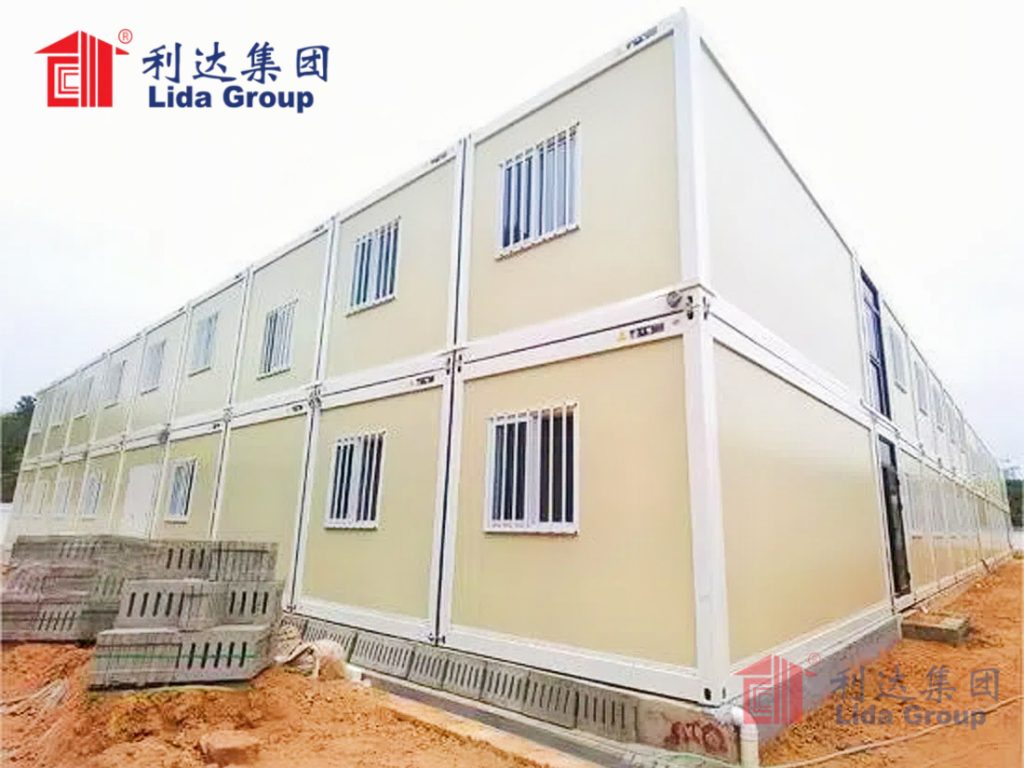
This remote mountain camp project faced harsh weather conditions, tight timelines, and strict environmental regulations—challenges that would have inflated costs for traditional construction. Lida’s solution combined prefab container modules for guest rooms with steel-frame public areas, leveraging flat-packed transportation and rapid assembly . The modules were produced in 25 days and assembled on-site in 8-hour shifts per unit, with the entire project completed 30% faster than traditional methods. By eliminating on-site welding and using local labor trained by Lida technicians, the project reduced labor costs by 40% . The galvanized steel structure and high-performance insulation ensured a 15-year lifespan with minimal maintenance, delivering long-term cost efficiency that exceeded the client’s expectations.
Hubei Rural Housing Project
In response to China’s rural revitalization strategy, Lida delivered 50 standardized steel-structure villas in Hubei Province, addressing the need for affordable, high-quality rural housing. Using pre-designed templates and modular components, Lida completed the project in 45 days—less than half the time of traditional construction—and kept the comprehensive cost 10%-15% lower than brick-and-mortar homes . The villas featured customizable exteriors to match local architectural styles, proving that standardization does not compromise aesthetic flexibility. The project was recognized as a “Beautiful Livable Village” demonstration, showcasing Lida’s ability to balance cost, speed, and cultural relevance.
Tanzania Power Station Camp
For this remote energy infrastructure project, Lida delivered 7,800 square meters of prefab housing and facilities to accommodate workers. The project required rapid deployment in a region with limited construction resources, so Lida used its tenon-and-mortise splicing system and flat-packed modules to minimize on-site work. The entire camp was completed in three months, with local labor trained to assemble modules without specialized skills. By avoiding the need to import skilled workers and reducing transportation costs through flat-packing, Lida saved the client 25% compared to traditional temporary housing solutions. The modules were later relocated to another energy project, maximizing asset value and aligning with circular economy principles.
Urban Hospital Expansion Project
A Chinese hospital needed to expand its emergency department quickly to meet growing demand, with strict budget constraints and zero tolerance for construction delays. Lida’s modular prefab solution delivered 20 examination rooms, storage spaces, and isolation units in just 14 days, using lock-and-buckle splicing for structural stability . The factory-produced modules included pre-installed medical equipment connections and antibacterial finishes, eliminating on-site customization and reducing labor costs by 30% . The expansion was completed without disrupting hospital operations, and the modular design allows for future reconfiguration as needs change—adding long-term value beyond the initial cost savings.
Quality and Compliance: Upholding Standards While Cutting Costs
Lida Group’s cost-effective model is underpinned by uncompromising quality and compliance, ensuring that cost reductions do not sacrifice safety or regulatory adherence. The company holds ISO9001 (quality), ISO14001 (environmental), and ISO45001 (occupational health and safety) certifications, as well as EU CE (EN1090) certification, and its production bases have passed audits by SGS, TUV, and INTERTEK . This rigorous compliance eliminates the risk of costly rework or penalties due to non-conformity.
Lida’s “three-level quality control system” covers design, production, and construction: design阶段 uses load redundancy testing and extreme condition simulation; production enforces millimeter-level precision; and construction includes third-party random inspections . This system ensures that every component and project meets or exceeds global standards, from earthquake resistance to fire safety. For example, Lida’s prefab buildings use fire-retardant insulation materials and comply with international fire codes, avoiding the need for expensive retrofits. By building quality into every stage, Lida reduces long-term maintenance and liability costs, further enhancing total lifecycle cost-effectiveness.
Shaping the Future: Lida’s Ongoing Leadership in Cost-Effective Prefab
As the prefab industry continues to grow, Lida Group is poised to expand its leadership by advancing innovations that further optimize cost efficiency and accessibility. The company is investing in localized production hubs in Africa and Latin America to reduce transportation costs and tariffs for regional projects, while exploring AI-driven production scheduling to boost mold turnover rates to 12 times per month—an increase of 70% from current levels .
Lida is also pioneering circular economy practices in prefab construction, designing modules for easy component replacement and recycling. Digital twin technology will track each component’s lifecycle, enabling targeted maintenance and maximizing reuse . These innovations will further reduce lifecycle costs and align with global carbon neutrality goals, reinforcing Lida’s position as a standard-setter for sustainable, cost-effective prefab building.
Conclusion
Lida Group has redefined the standard for cost-effective prefab building by proving that affordability, quality, speed, and sustainability can be integrated into a single, scalable model. Through its holistic cost-control ecosystem—spanning design standardization, intelligent production, supply chain optimization, and efficient assembly—Lida eliminates waste, reduces delays, and delivers predictable costs that outperform traditional construction methods. The company’s technological innovations, from modular node libraries to AI-powered energy management, ensure that cost savings do not come at the expense of performance, durability, or compliance.
Global benchmark projects, from remote mountain camps to rural housing developments, validate Lida’s approach, demonstrating its adaptability to diverse conditions and needs. By upholding rigorous quality standards and embracing circular economy principles, Lida delivers not just upfront cost savings but long-term value, setting a new industry norm for total lifecycle cost-effectiveness. As the global demand for prefab buildings grows, Lida Group’s leadership will continue to shape the industry, making affordable, sustainable, and efficient construction accessible to clients worldwide.
In essence, Lida Group’s standard for cost-effective prefab building is more than a business model—it is a blueprint for the future of construction. By prioritizing integration, innovation, and value, Lida has established itself as a trusted partner for clients seeking to build better while spending smarter, solidifying its position as the industry’s gold standard for cost-effective prefab solutions.
Related news
-
Innovative and Portable Modern Mobile Container House Designs
2025-12-30 10:53:49
-
Streamlined Living with Easy Assembly Container Apartments
2025-12-29 17:54:02
-
Lida Group Delivers Unmatched Value in Prefab Construction
2025-12-30 09:27:28
contact us
- Tel: +86-532-88966982
- Whatsapp: +86-13793209022
- E-mail: sales@lidajituan.com
