



Lida Group Sets New Standard in High Quality Durable Construction
2025-Dec-25 16:06:32
By Admin
In the global construction industry, where quality, durability, and sustainability have become the core pillars of development, Lida Group has emerged as a pioneering force that redefines industry benchmarks. Founded in 1993, this integrated steel structure prefabricated high-tech enterprise has evolved from a regional player to a global leader, spanning the entire industrial chain from consulting, planning, and design to production, construction, marketing, and after-sales service. With a steadfast commitment to “creating a more harmonious new living space for humanity,” Lida Group has continuously broken through technical barriers, optimized construction processes, and delivered iconic projects across 149 countries and regions. This article explores how Lida Group has set new standards in high-quality durable construction through technological innovation, strict quality control, sustainable practices, and global project excellence.
1. The Evolution of Lida Group: From Local Innovation to Global Leadership
The journey of Lida Group is a testament to the power of perseverance, innovation, and customer-centricity. Established in 1993, the group began its operations with a focus on steel structure and prefabricated building solutions, a niche at the time but one with immense potential for addressing the construction industry’s inefficiencies. Over the past three decades, Lida Group has expanded its footprint both domestically and internationally, establishing a network of subsidiaries and overseas offices that span continents. Today, its portfolio includes Weifang Henglida Steel Structure Co., Ltd., Qingdao Lida Construction Facilities Co., Ltd., Lida International Building Systems Co., Ltd. in the United States, and Lida Investment Company in Zambia, among others. Overseas offices in Saudi Arabia, Qatar, Dubai, Kuwait, Russia, Indonesia, Malaysia, and Sri Lanka, among other locations, have solidified its position as a truly global enterprise.
Lida Group’s growth trajectory has been marked by strategic milestones that have shaped its industry standing. As a national high-tech enterprise and a “Specialized, Refined, Peculiar, and Innovative” enterprise at the provincial level, it has consistently invested in research and development (R&D), amassing 352 authorized patents to date, including 52 invention patents and a large number of utility model patents that drive its technological edge. The group’s production capabilities are equally impressive: its Weifang steel structure processing plant spans 35,000 square meters, equipped with 6 production lines, 4 32+10-ton cranes, 30 10-ton cranes, and 10 5-ton semi-gantry cranes, with an annual steel structure processing capacity of 50,000 tons. Additionally, its camp production factories boast 7 automatic composite panel production lines, 15 purlin production lines, 8 container modular housing production lines, and 2 sets of fully automatic light steel villa production lines, enabling large-scale, high-precision manufacturing.
A defining feature of Lida Group’s success is its ability to adapt to diverse market needs while upholding uncompromising quality standards. From participating in iconic domestic projects such as the Bird’s Nest East and West Districts, China Zun, and Qingdao Metro Line 8 to undertaking large-scale international projects in Indonesia, Saudi Arabia, and Brunei, the group has demonstrated its versatility and reliability. Its annual development and construction area exceeds 2 million square meters, with an annual output value of nearly 10 billion yuan, a testament to its scale and market trust. Moreover, its recognition as a designated supplier for UN peacekeeping force camps and a 5.12 Wenchuan Earthquake relief advanced enterprise underscores its social responsibility and ability to deliver under extreme conditions. Such experiences have not only honed the group’s emergency response capabilities but also built a global reputation for reliability.
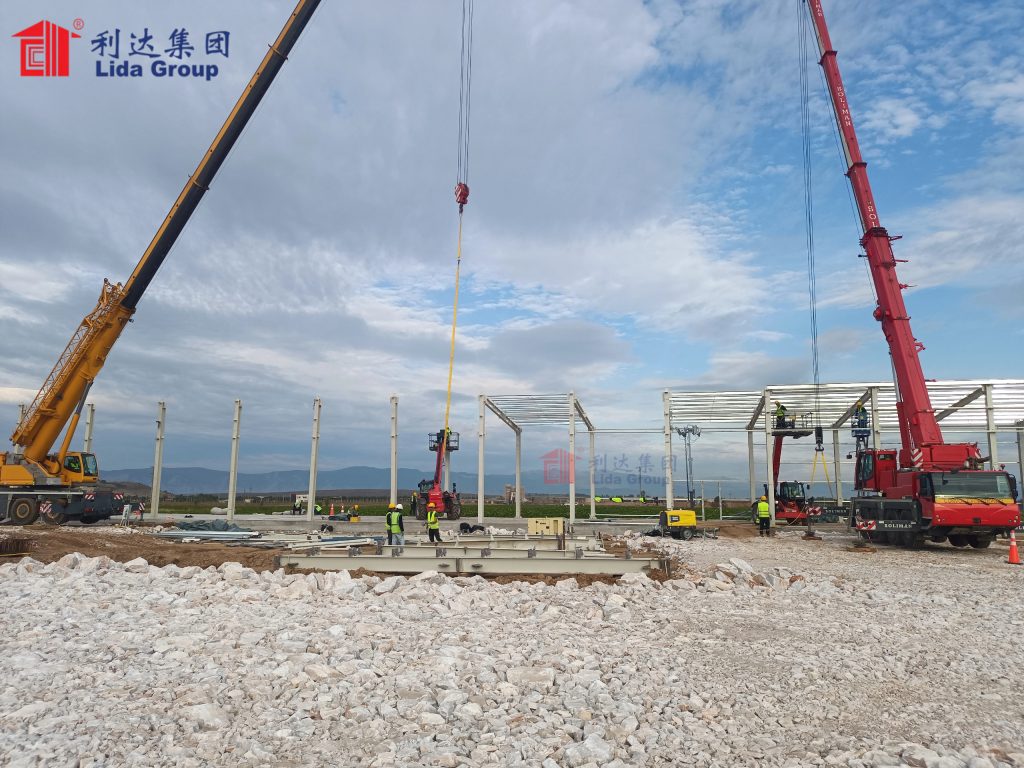
2. Technological Innovation: The Driving Force Behind Durable Construction
At the heart of Lida Group’s ability to set new standards in high-quality durable construction is its unwavering focus on technological innovation. The group has pioneered modular and prefabricated construction solutions that not only enhance durability but also improve efficiency, reduce costs, and minimize environmental impact. Unlike traditional on-site construction, which is prone to errors, delays, and material waste, Lida Group’s prefabricated approach involves manufacturing key components in controlled factory environments, ensuring precision and consistency. This approach aligns with the global trend of construction industrialization, where off-site fabrication has become a benchmark for efficiency and quality.
2.1 Modular Design and Prefabrication Technology
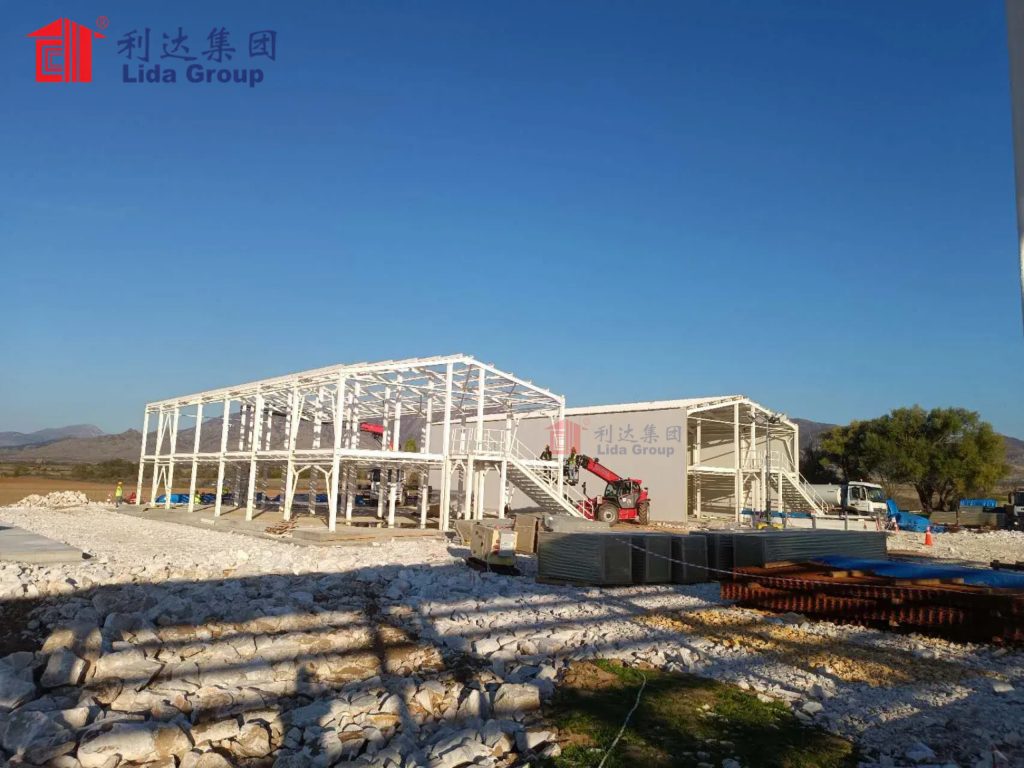
Lida Group’s modular design philosophy revolves around creating standardized, interchangeable components that can be quickly assembled on-site. A standout example is its four-in-one modular container housing, which uses snap-fit connections for efficient assembly. This design not only accelerates on-site installation but also simplifies transportation—components can be directly hoisted onto ships without cumbersome packaging, significantly reducing logistics costs and delivery time. All parts are prefabricated in factories, including water and electricity pipelines, enabling “plug-and-play” functionality upon delivery, eliminating the need for secondary decoration. Compared to traditional construction methods, this modular approach reduces on-site construction time by 20% to 50%, a figure supported by industry surveys showing that 88% of general contractors experience schedule reductions with modular construction.
For large-scale projects, this modular approach delivers transformative results. The Indonesia Thousand-Person Packaged Container Camp Project, completed by Lida Group, showcases the efficiency of this technology. The camp, which includes dormitories, canteens, and office areas, was fully prefabricated in China and assembled on-site in Indonesia, meeting the daily needs of a thousand-person community. The modular design ensured that the project was completed ahead of schedule despite challenging local conditions, including limited on-site labor and harsh weather. Another notable project is the Saudi Arabia Modular Workers’ Camp, where Lida delivered 500 modular units in just 90 days, supporting the rapid expansion of local infrastructure projects. Such cases demonstrate the group’s ability to deliver complex solutions efficiently across diverse geographical and operational contexts.
In light steel structure construction, Lida Group has mastered cold-formed thin-walled steel technology, which forms the basis of its light steel villa and industrial building solutions. This technology uses high-strength, thin-gauge steel components to create a dense ribbed panel wall structure, resulting in buildings that are lightweight yet extremely durable. The overall weight of such structures is only about one-fourth that of traditional brick-concrete buildings, reducing transportation and hoisting costs while minimizing foundation loads and associated expenses. Despite their lightweight nature, these buildings offer exceptional performance, withstanding magnitude 8 earthquakes and level 12 winds, and boasting a service life of over 50 years—far exceeding the industry average of 20 to 30 years. This durability has made Lida’s light steel structures a preferred choice for disaster-prone regions and long-term infrastructure projects.
2.2 Advanced Materials and Structural Engineering
Lida Group’s commitment to durability is further reinforced by its use of high-performance materials and rigorous structural engineering. The group’s steel components undergo specialized galvanization treatments to resist corrosion, ensuring longevity even in harsh environments such as coastal areas or industrial zones. For example, in the Indonesia Comprehensive Industrial Park Light Steel Housing Project, which is located in a coastal region with high temperatures and frequent rainfall, Lida Group used corrosion-resistant steel and waterproof insulation materials to ensure the buildings’ durability under adverse conditions. The project, spanning 30,000 square meters, was completed in 500 days, with 8 buildings that have stood the test of time and harsh weather, maintaining structural integrity and aesthetic appeal after a decade of use.
The group’s wall panels, featuring double-sided sandwich structures, provide excellent thermal insulation and soundproofing, enhancing the comfort and energy efficiency of buildings. With a thermal transmittance coefficient of 0.35 Kcal/㎡hc, these panels meet strict energy-saving standards, reducing heating and cooling costs for end-users by up to 30%. Additionally, the panels are fire-resistant and environmentally friendly, made from recycled materials where possible, aligning with global sustainability trends. Lida has also invested in developing low-carbon cementitious materials for prefabricated components, further reducing the carbon footprint of its building solutions.
Lida Group’s structural engineering expertise is evident in its ability to tailor solutions to complex project requirements. For projects in seismic zones, the group adopts a seismic isolation design that incorporates rubber isolation bearings to reduce the impact of earthquakes on building structures. In high-wind regions, such as coastal areas of Southeast Asia, Lida optimizes the structural layout to minimize wind resistance, using aerodynamic design principles to reduce pressure on building facades. The group also leverages Building Information Modeling (BIM) technology to simulate structural performance, enabling precise optimization of load-bearing capacity and material usage. BIM technology allows for millimeter-level precision in component manufacturing, ensuring that each part fits seamlessly during assembly, reducing rework and improving overall structural stability.
To further enhance construction efficiency and precision, Lida Group has integrated intelligent manufacturing technologies into its production processes. This includes the use of automated robots for steel bar binding, truss welding, and component assembly—tasks that were previously labor-intensive and prone to human error. The intelligent steel bar binding robot, for instance, can complete binding work twice as fast as manual labor while maintaining higher accuracy. These technological investments not only improve production efficiency but also ensure consistent quality across all components, laying a solid foundation for durable construction.
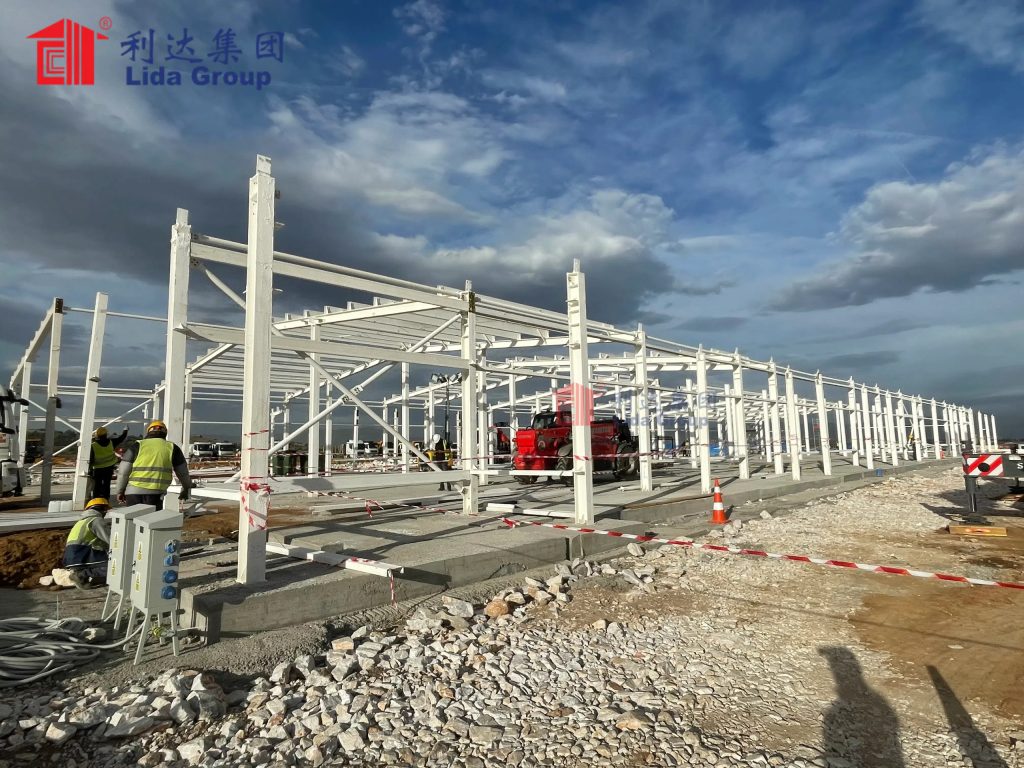
3. Strict Quality Control System: The Foundation of Reliability
Quality control is a core competitive advantage for Lida Group, underpinning its reputation for durable construction. The group has established a comprehensive quality management system that covers the entire industrial chain, from raw material procurement to final project delivery. This system is certified to ISO 9001:2008 standards, ensuring compliance with international quality benchmarks. Lida’s quality control philosophy is rooted in the principle of “zero defects,” with rigorous inspection processes at every stage of production and construction.
3.1 Raw Material and Component Inspection
Lida Group implements strict screening criteria for raw material suppliers, only partnering with certified enterprises that meet its high-quality standards. All steel, cement, insulation materials, and other raw materials undergo rigorous testing upon arrival at the factory, including mechanical property tests, chemical composition analysis, and corrosion resistance detection. The group’s quality inspection center is accredited by the China National Accreditation Service for Conformity Assessment (CNAS), ensuring that test results are authoritative and internationally recognized. For example, steel materials are tested for tensile strength, yield strength, and elongation rate, with only those meeting Grade Q355B or higher standards being accepted for production.
In the production process, each component undergoes multiple inspections to ensure compliance with design specifications. This includes dimensional accuracy testing using laser measuring equipment, weld quality inspection using ultrasonic and radiographic testing methods, and surface quality inspection to detect defects such as scratches or corrosion. Lida has also implemented an In-Process Quality Control (IPQC) inspection system, with inspectors conducting real-time monitoring of production lines to identify and address quality issues promptly. Any non-conforming components are immediately quarantined and disposed of, preventing them from entering the next production stage.
3.2 Full-Lifecycle Quality Traceability
To ensure complete transparency and accountability, Lida Group has established a full-lifecycle quality traceability system powered by Manufacturing Execution System (MES) technology. Each component is assigned a unique identification code that records key information, including raw material batch numbers, production time, inspection results, and installation location. This allows for rapid tracing of any component in the event of quality issues, reducing the time required for troubleshooting from hours to minutes. The traceability system also enables data-driven optimization of production processes, as it provides insights into recurring quality issues and areas for improvement.
During on-site construction, Lida’s quality control team conducts strict inspections of assembly processes, ensuring that components are installed in accordance with design requirements. This includes checking the accuracy of connections, the tightness of waterproof seals, and the alignment of structural elements. The team also conducts final acceptance tests for completed projects, covering structural safety, water tightness, thermal insulation, and other key performance indicators. Only after passing all tests is the project handed over to the client, ensuring that every delivery meets Lida’s high-quality standards.
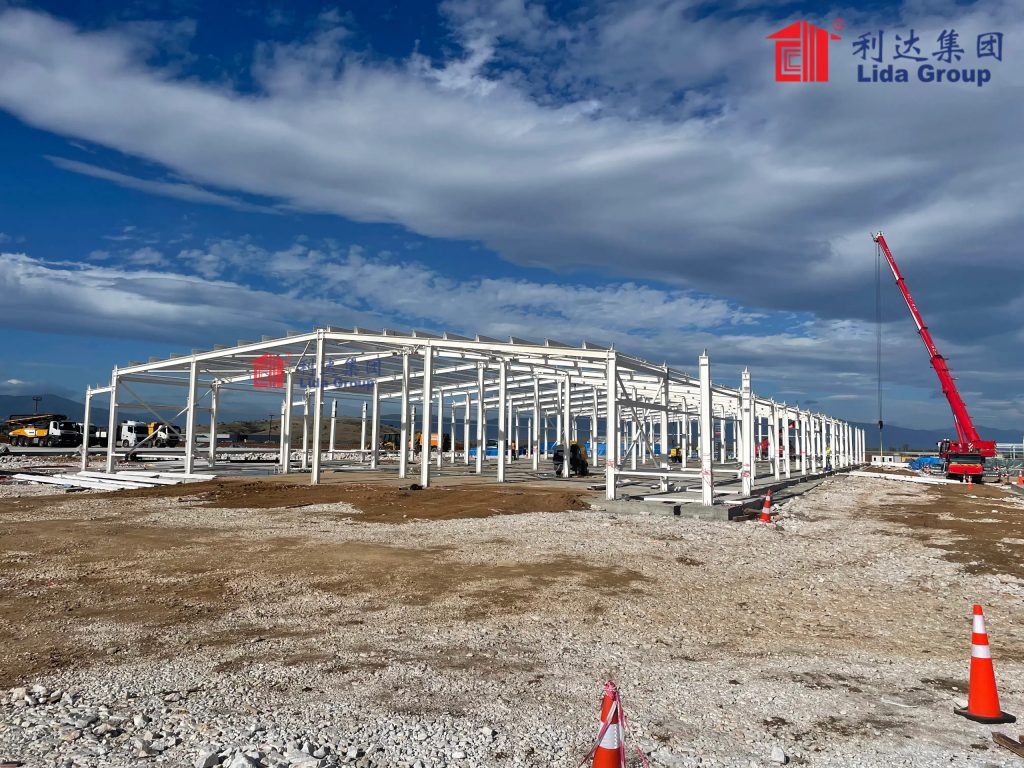
4. Sustainable Practices: Balancing Durability with Environmental Responsibility
In an era where sustainability is increasingly critical to the construction industry, Lida Group has integrated green development into its core strategy, balancing durability with environmental responsibility. The group’s sustainable practices span the entire project lifecycle, from design and production to construction and operation, aligning with the United Nations 2030 Sustainable Development Agenda and global efforts to reduce carbon emissions. By adopting low-carbon technologies and circular economy principles, Lida is setting a new standard for eco-friendly durable construction.
4.1 Low-Carbon Construction Solutions
Lida Group’s prefabricated construction method inherently reduces environmental impact compared to traditional on-site construction. Factory-based production minimizes construction waste by up to 70%, as it allows for precise material cutting and reuse of excess materials. On-site assembly generates less noise and dust pollution, reducing the impact on surrounding communities. According to industry calculations, prefabricated buildings can reduce carbon emissions by 20% during the construction phase and nearly 40% over the full lifecycle compared to traditional buildings.
To further reduce its carbon footprint, Lida has invested in renewable energy and energy-efficient technologies. The group’s production bases are equipped with solar power systems and energy storage facilities, reducing reliance on fossil fuels. For example, its Qingdao production base features a 15MW/30MWh energy storage project that generates approximately 1.68 million kWh of clean energy annually, reducing carbon dioxide emissions by about 1,680 tons and saving 673 tons of standard coal each year. Lida also promotes the use of energy-efficient building components, such as its high-insulation wall panels and low-emissivity glass, which reduce the energy consumption of buildings during operation.
4.2 Circular Economy and Green Materials
Lida Group is committed to promoting a circular economy in the construction industry by reusing and recycling materials. Its modular buildings are designed for disassembly, allowing components to be reused in other projects at the end of their service life. Steel components, which account for a large proportion of Lida’s products, are highly recyclable, with a recycling rate of over 90%. The group also uses recycled materials in the production of composite panels and other components, reducing the demand for virgin raw materials.
In addition to recycling, Lida prioritizes the use of green and environmentally friendly materials. Its steel products have passed environmental label certification, and its water supply pipes meet national health standards for drinking water transmission. The group avoids the use of hazardous materials such as formaldehyde in its building components, ensuring that its projects are safe for both occupants and the environment. Lida’s commitment to green materials has earned it recognition as a “National Green Factory,” a testament to its leadership in sustainable construction.
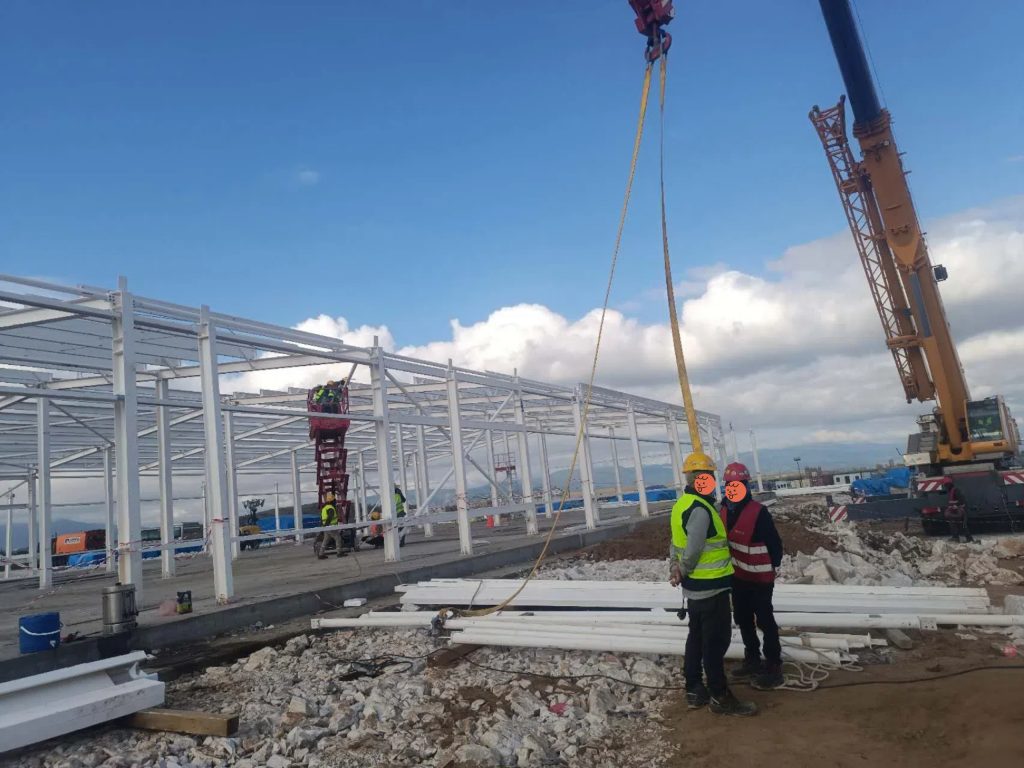
5. Global Project Excellence: Showcasing International Standards
Lida Group’s global presence is a reflection of its ability to deliver high-quality, durable projects that meet the diverse needs of international markets. The group has successfully completed projects in 149 countries and regions, adapting to local building codes, cultural preferences, and environmental conditions while upholding its own strict standards. These projects span a wide range of sectors, including industrial parks, residential complexes, infrastructure, and emergency shelters, showcasing Lida’s versatility and global competitiveness.
5.1 Industrial and Infrastructure Projects
In the industrial sector, Lida Group has delivered numerous large-scale projects that require high durability and precision. The Zambia Industrial Park Project, for example, involved the construction of 12 light steel industrial buildings spanning 50,000 square meters. The project was designed to withstand Zambia’s hot and dry climate, with corrosion-resistant materials and thermal insulation solutions to ensure comfortable working conditions. Lida completed the project in 8 months, 2 months ahead of schedule, supporting the local government’s efforts to attract foreign investment.
Another notable infrastructure project is the Qatar Stadium Supporting Facilities Project, undertaken in preparation for the FIFA World Cup. Lida supplied modular container buildings for player accommodations and staff offices, which were required to meet strict safety and comfort standards. The modular design allowed for rapid installation and easy relocation after the event, demonstrating Lida’s ability to deliver flexible solutions for large-scale international events. The project also highlighted Lida’s commitment to quality, as the buildings withstood Qatar’s high temperatures and humidity while maintaining structural integrity.
5.2 Emergency and Humanitarian Projects
Lida Group’s role as a designated supplier for UN peacekeeping force camps has allowed it to showcase its ability to deliver durable and functional buildings in emergency and humanitarian contexts. The group has supplied modular camps to UN missions in Sudan, South Sudan, and Somalia, where buildings must withstand harsh conditions and provide safe accommodation for peacekeeping personnel. These camps feature earthquake-resistant structures, waterproofing systems, and energy-efficient facilities, ensuring that they can operate reliably in remote and unstable regions.
In the aftermath of natural disasters, Lida has also provided rapid construction support. Following the 2023 Turkey-Syria earthquake, the group donated 100 modular housing units to affected communities, which were assembled in just 15 days. The units were designed to be durable, warm, and easy to maintain, providing temporary shelter for displaced families. Such projects not only demonstrate Lida’s technical capabilities but also its commitment to social responsibility, reinforcing its reputation as a reliable and ethical global enterprise.
6. Conclusion: Leading the Future of High-Quality Durable Construction
Lida Group’s journey from a local enterprise to a global leader in high-quality durable construction is a testament to its unwavering commitment to innovation, quality, sustainability, and customer satisfaction. Over the past three decades, the group has set new industry standards by pioneering modular and prefabricated technologies, establishing rigorous quality control systems, integrating sustainable practices into its operations, and delivering exceptional projects across the globe. Its ability to balance durability with efficiency, cost-effectiveness, and environmental responsibility has made it a role model for the construction industry.
Technological innovation remains at the core of Lida’s success, with its modular design, cold-formed thin-walled steel technology, and intelligent manufacturing processes enabling the delivery of buildings that are both durable and efficient. The group’s comprehensive quality control system, supported by CNAS-accredited testing and full-lifecycle traceability, ensures that every project meets the highest standards of reliability. Meanwhile, its sustainable practices align with global efforts to combat climate change, demonstrating that durable construction and environmental responsibility can go hand in hand.
Looking ahead, Lida Group is well-positioned to continue leading the evolution of the construction industry. As global demand for high-quality, sustainable, and efficient buildings grows, the group’s focus on R&D and global expansion will enable it to capture new opportunities. By continuing to invest in new technologies, expand its international footprint, and uphold its core values, Lida Group will not only maintain its position as a global leader but also continue to redefine the standards for high-quality durable construction, creating a more sustainable and harmonious built environment for humanity.
In an industry where quality and durability are non-negotiable, Lida Group has proven that excellence is achievable through a holistic approach that integrates technology, quality, sustainability, and global expertise. Its story serves as an inspiration for other enterprises in the construction sector, showing that by prioritizing innovation and responsibility, it is possible to drive industry progress while creating long-term value for customers, communities, and the planet.
Related news
-
Lida Group Delivers Flexible Modern Mobile Building Projects
2025-12-24 17:52:24
-
Speed and Strength: Our Easy Install Sandwich Panel Prefab House
2025-12-24 17:36:02
-
Lida Group Showcases Streamlined Modern Mobile Building Design
2025-12-24 17:25:56
contact us
- Tel: +86-532-88966982
- Whatsapp: +86-13793209022
- E-mail: sales@lidajituan.com
