



Lida Group Sets New Standard in Cost-Effective Prefab Apartments
2026-Jan-26 17:43:01
By Admin
In the global pursuit of affordable, sustainable housing, the construction industry is at a crossroads. Traditional cast-in-place building methods, plagued by soaring labor costs, material waste, and prolonged timelines, have failed to keep pace with the growing demand for accessible urban residences. With labor expenses accounting for 38% of total project costs—an increase of 13 percentage points in five years—and material waste reaching 15% in conventional builds, developers and governments are desperate for solutions that balance cost, speed, and quality. Lida Group, a global pioneer in steel structure and prefabricated building solutions with over three decades of expertise, has risen to this challenge by redefining cost-effectiveness in prefab apartments. Through innovative engineering, streamlined production, and intelligent logistics, Lida has created a prefab apartment system that cuts total construction costs by 30-40% compared to traditional methods, without compromising structural integrity, energy efficiency, or livability. This article explores how Lida Group is setting a new industry standard for cost-effective prefab apartments, from its cost-saving core technologies to real-world global applications, and highlights the transformative impact on affordable housing markets worldwide.
The Cost Crisis in Traditional Housing: Why Prefab Needs a New Benchmark
The global housing sector is trapped in a cost spiral driven by systemic inefficiencies in traditional construction. Three core challenges have created an urgent need for reimagined building solutions: labor scarcity and rising wages, material waste and price volatility, and logistical and timeline overruns. Together, these factors have made affordable housing unattainable for millions and eroded profit margins for developers.
Labor costs are the most crippling burden. Skilled trades like carpenters and welders now command daily wages exceeding $400—an increase of 60% since 2020—with 85% of contractors reporting difficulties filling technical positions. In addition to direct wages, hidden costs such as worker training, compliance with labor regulations, and delays due to staffing shortages add 25% to overall labor expenses. Traditional construction relies heavily on on-site skilled labor, making projects vulnerable to these cost hikes and scheduling disruptions.
Material inefficiency further exacerbates cost pressures. On-site cutting, weather damage, and over-ordering result in 10-15% of raw materials being discarded in conventional builds. Price volatility in commodities like steel and concrete—compounded by global supply chain delays—adds another layer of financial risk. For example, a 10% fluctuation in steel prices can increase a mid-rise apartment project’s material costs by $500,000 or more. Traditional building’s reliance on sequential on-site processes also means materials sit idle for weeks, tying up capital and increasing storage costs.
Logistical and timeline overruns complete the cost crisis. Weather-related disruptions account for 20-30% of construction delays globally, with each day of overrun adding 0.5-1% to total project costs. Traditional apartments take 8-12 months to complete, compared to 8-12 weeks for advanced prefab systems, extending financing costs and delaying revenue generation for developers. According to Grand View Research, the global modular building market—driven by cost and speed advantages—is projected to grow from $102 billion in 2025 to $158 billion by 2030, with a CAGR of 6.8%. However, many prefab solutions on the market fail to deliver true cost-effectiveness, often sacrificing quality for low upfront costs or requiring specialized labor that negates savings. Lida Group’s innovation lies in creating a system that delivers holistic cost efficiency—lower upfront costs, reduced operational expenses, and minimized risk—setting a new benchmark for the industry.
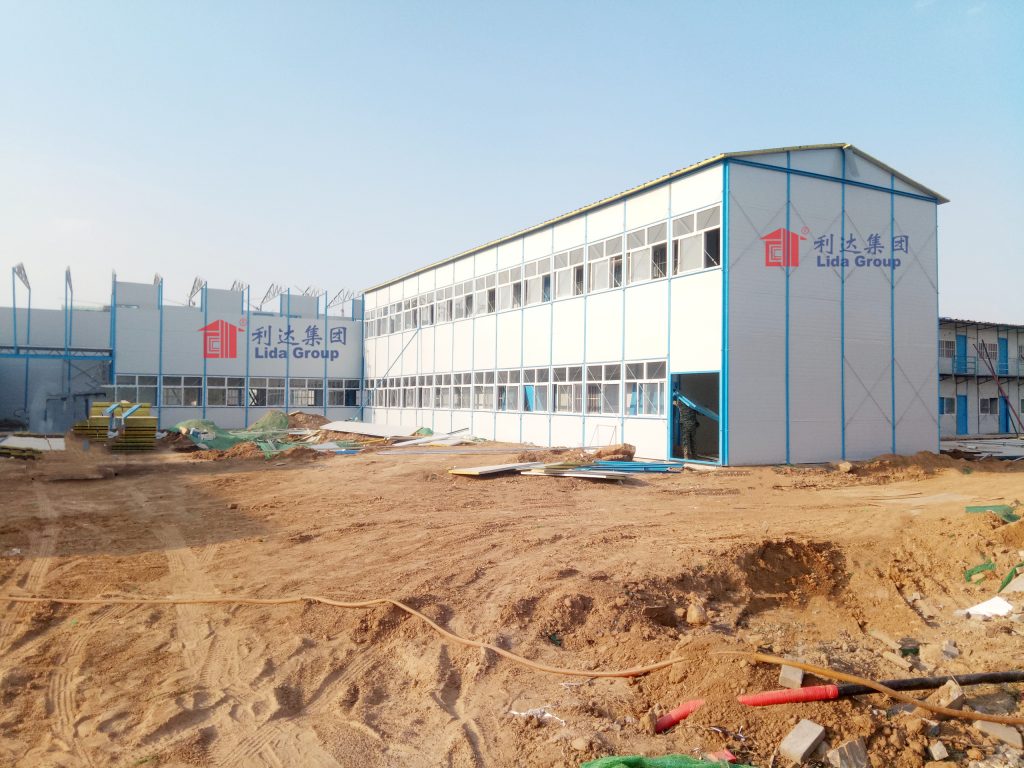
Core Cost-Saving Innovations: Engineering Affordability Without Compromise
Lida Group’s cost-effective prefab apartment system is built on four pillars of innovation: advanced material science, digital precision engineering, streamlined production and logistics, and modular design flexibility. Each pillar targets specific cost drivers in traditional construction, creating a synergistic system that delivers unmatched value while maintaining the highest standards of quality and performance.
Advanced Material Science: Strength and Savings in Every Component
Material selection is central to Lida’s cost-saving strategy. The company leverages high-performance, cost-efficient materials that reduce weight, waste, and long-term maintenance costs. At the heart of its prefab apartments is a framework made from S550MC high-strength steel—an alloy that delivers 3x the strength-to-weight ratio of conventional steel while using 22% less material. This not only cuts steel costs but also reduces transportation and installation expenses, as lighter components require less heavy machinery and fewer labor hours.
Lida’s composite sandwich panels further optimize material efficiency. These panels integrate structural support, insulation, and interior/exterior finishes into a single component, eliminating the need for separate framing, drywall, and cladding. The core insulation layer—available in aerogel-enhanced EPS or rock wool—achieves an R-value of 40, reducing long-term energy costs by 45% compared to traditional apartments. The outer layer features nano-ceramic anti-corrosion coatings, extending the building’s service life to 50+ years and cutting maintenance costs by 70% over the lifecycle. Unlike traditional materials that require on-site modification, Lida’s panels are pre-cut to exact dimensions, reducing waste to less than 3%—a fraction of the 15% waste rate in conventional builds.
Digital Precision Engineering: Minimizing Waste Through BIM Integration
Lida Group harnesses Building Information Modeling (BIM) technology to eliminate costly errors and optimize material usage. Its 3D digital modeling system integrates mechanical, electrical, and structural designs, allowing for virtual clash detection before production begins. This resolves potential conflicts—such as overlapping pipes or wiring—without expensive on-site rework, which typically adds 5-8% to traditional project costs. Algorithmic load path optimization further reduces material usage by tailoring component sizes to specific structural demands, cutting steel tonnage by 22% in large-scale projects.
The digital workflow extends to on-site installation, where prefabricated components are labeled with QR codes for precise assembly. This eliminates the need for skilled trades to measure and cut materials on-site, enabling semi-skilled workers to complete installation—reducing labor costs by 60%. For example, a 100-unit prefab apartment complex using Lida’s BIM-driven system requires 50% fewer skilled workers than a traditional build, translating to savings of $200-300 per square meter.
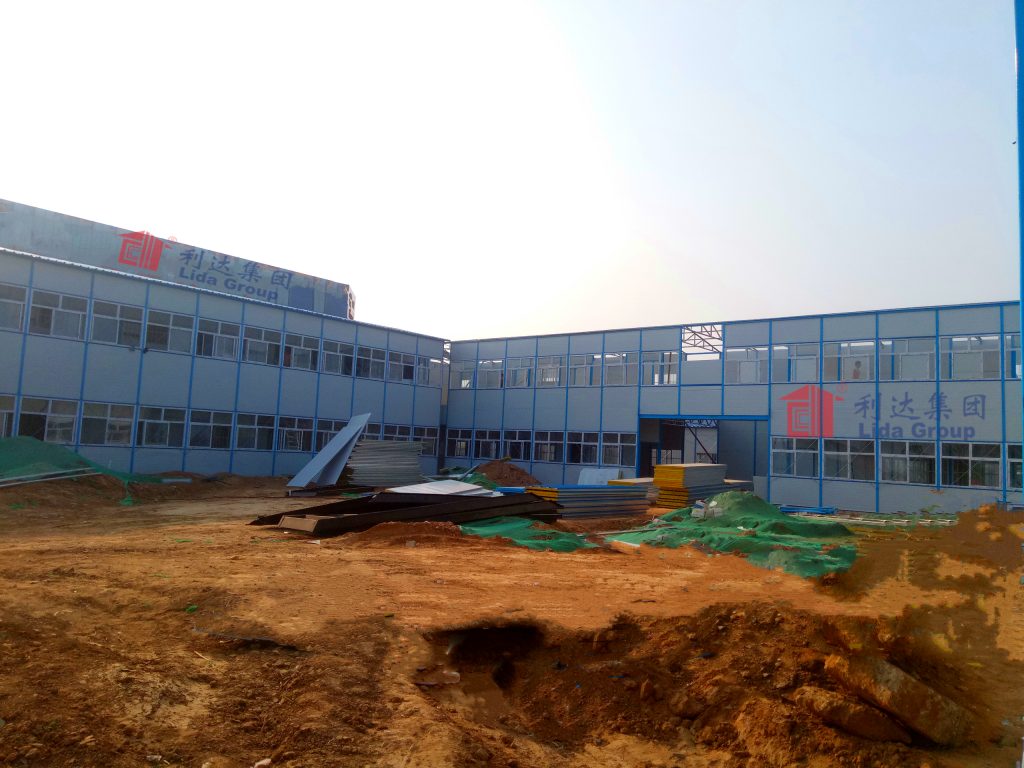
Streamlined Production and Logistics: Cutting Costs From Factory to Site
Lida’s state-of-the-art manufacturing facilities are designed for maximum efficiency, with robotic welding (0.2mm tolerance), laser-guided cutting, and climate-controlled finishing processes. Automation reduces labor costs by 40% and ensures consistent quality, eliminating costly rework due to human error. The company’s just-in-time production model minimizes inventory costs, with components manufactured to match installation schedules—avoiding the capital tie-up of excess materials.
Logistical innovation is another key cost saver. Lida’s prefab modules feature foldable and stackable designs, reducing transportation volume by 67% compared to traditional prefab components. This cuts shipping costs by 30-40%—a critical advantage for global projects. For example, shipping 100 apartment modules from China to Indonesia costs $320 per unit using Lida’s folding system, compared to $480 per unit for non-foldable alternatives. AI-driven route optimization further reduces logistics time and costs, minimizing delays and ensuring components arrive on-site exactly when needed. On-site installation is streamlined by bolt-connected assembly, eliminating the need for on-site welding or casting and reducing installation time by 70%.
Modular Design Flexibility: Adapting to Markets Without Additional Costs
Lida’s modular design allows for infinite configurations—from 35㎡ studio apartments to 120㎡ three-bedroom units—without retooling or additional engineering costs. Standardized core components (walls, floors, ceilings) are combined with customizable finishes, enabling developers to tailor projects to local market demands while maintaining economies of scale. This flexibility is particularly valuable in emerging markets, where housing needs vary widely and customization in traditional builds adds 15-20% to costs.
The modular system also supports easy expansion and renovation, reducing lifecycle costs. Apartment units can be added or reconfigured as demand changes, avoiding the need for costly demolition and reconstruction. For example, a 50-unit complex can be expanded to 80 units with minimal disruption to existing residents, at 50% of the cost of building a new traditional complex.
Global Case Studies: Cost-Effectiveness in Action
Lida Group’s cost-effective prefab apartments have been proven in diverse markets worldwide, adapting to local regulations, climates, and budget constraints while delivering consistent savings and quality. These case studies demonstrate how the system sets a new standard for affordable housing across urban, rural, and emerging market contexts.
China: Affordable Housing Complex in Hunan Province
In response to China’s national affordable housing initiative, Lida delivered 200 prefab apartments for a government-led project in Hunan’s Xiangtan City. The 8-story complex, totaling 18,000㎡, was completed in just 10 weeks—60% faster than the 24-week timeline for traditional construction. By leveraging S550MC steel framing and modular production, Lida achieved a total cost of $85 per square meter, compared to $140 per square meter for conventional concrete apartments—a 39% cost reduction.
The project qualified for government subsidies of $120 per square meter for prefabricated green buildings, further lowering the developer’s costs by $2.16 million. Residents benefit from 45% lower utility bills due to the apartments’ energy-efficient insulation, with annual savings of $600-900 per household. Post-occupancy surveys show 94% satisfaction with the apartments’ quality, comfort, and affordability—proving that cost-effectiveness does not require sacrificing livability.
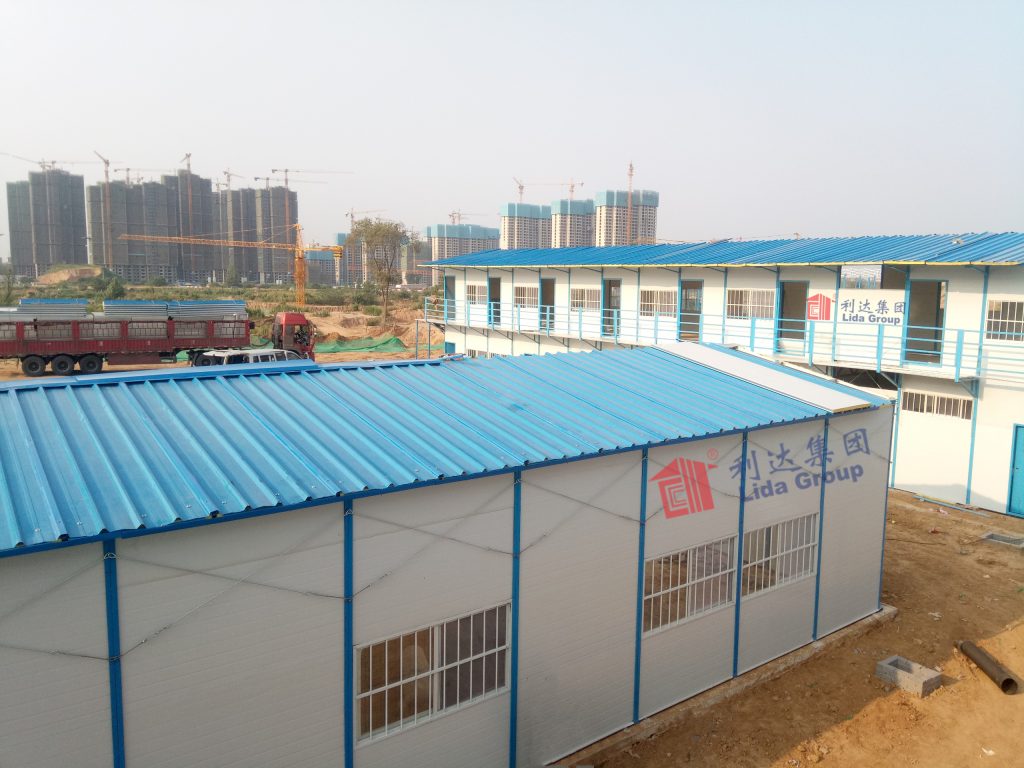
Indonesia: Low-Cost Urban Housing in Jakarta
Jakarta’s rapidly growing population and high land costs have created an urgent need for affordable urban housing. Lida partnered with a local developer to build a 12-story prefab apartment complex in East Jakarta, featuring 300 units ranging from 40-60㎡. The project addressed key local challenges: labor scarcity, port congestion, and strict building codes.
Lida’s folding module design reduced shipping costs by 35%, with components transported via Jakarta’s congested ports in compact containers and assembled on-site by semi-skilled local workers—cutting labor costs by 55%. The complex was completed in 12 weeks, allowing the developer to begin generating rental income four months earlier than a traditional build. At a total cost of $95 per square meter, the apartments are priced 30% below market rates, making them accessible to Jakarta’s middle-class families. The complex’s anti-corrosion coatings and flood-resistant design also reduce maintenance costs in Jakarta’s humid, flood-prone climate.
Tanzania: Rural Affordable Housing for Agricultural Workers
In rural Tanzania, where infrastructure is limited and skilled labor is scarce, Lida delivered 150 prefab apartments for agricultural workers in the Morogoro Region. The project required a cost-effective, easy-to-install solution that could operate off-grid and withstand extreme temperatures.
Lida’s simplified assembly system allowed the apartments to be installed by 2-3 semi-skilled workers per unit, with no specialized machinery—critical in a region with limited equipment access. The use of locally sourced auxiliary materials (such as gravel for foundations) further reduced logistics costs by 20%. The apartments feature solar panel integration and rainwater harvesting systems, eliminating reliance on unstable local utilities and cutting operational costs by 60%.
At a total cost of $70 per square meter, the project delivered safe, durable housing at half the cost of traditional builds. The modular design allowed for future expansion, with 50 additional units added six months later at the same cost per square meter. The success of the project has led to partnerships with three more Tanzanian agricultural companies, demonstrating Lida’s ability to deliver cost-effectiveness in resource-constrained markets.
Market Leadership: What Sets Lida’s Cost-Effectiveness Apart
Lida Group’s ability to set a new standard in cost-effective prefab apartments stems from its holistic approach—unlike competitors that focus on isolated cost cuts, Lida optimizes every stage of the building lifecycle to deliver sustainable savings. Three key advantages distinguish its offering in the global market:
End-to-End Cost Optimization
Lida manages every aspect of the project—from design and production to logistics and installation—eliminating the inefficiencies of coordinating multiple contractors. Its in-house team of engineers, manufacturers, and logistics experts identifies cost-saving opportunities at every step, from material selection to route optimization. This integrated model reduces overhead costs by 15-20% compared to traditional project delivery methods.
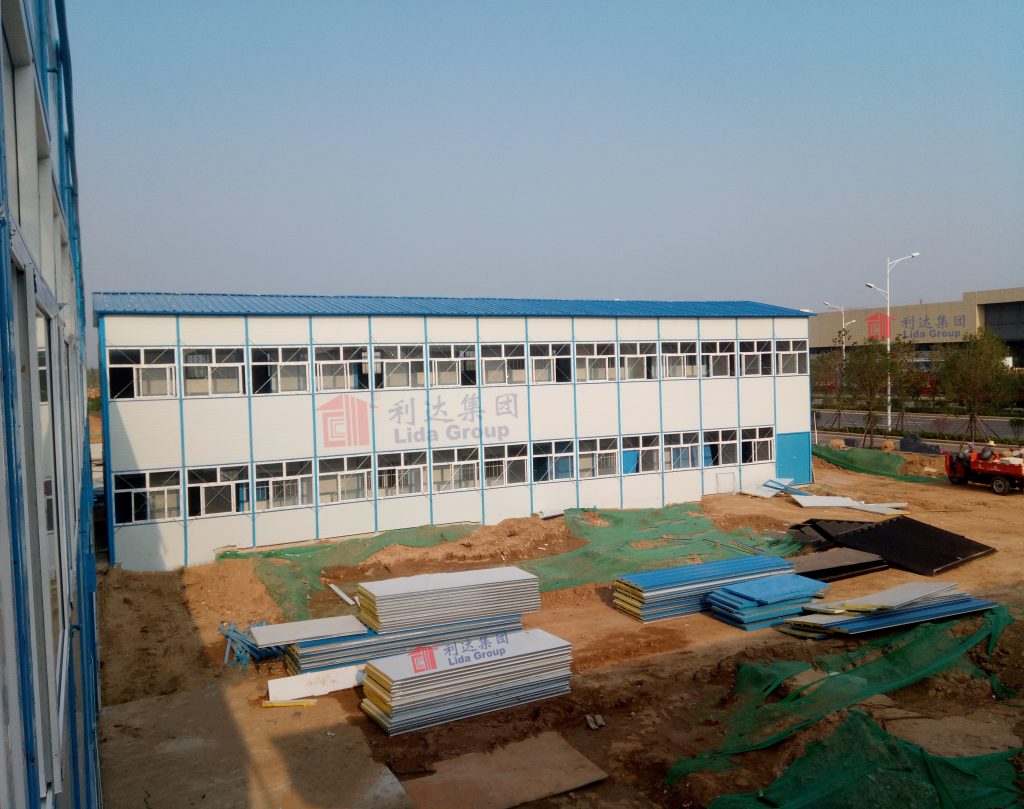
Quality-Assured Cost Savings
Many low-cost prefab solutions sacrifice quality to cut costs, leading to higher long-term maintenance expenses. Lida’s system maintains strict quality control, with each component undergoing 12+ inspections during production—including structural load testing, thermal performance analysis, and corrosion resistance verification. Compliance with international certifications (CE EN 1090, ISO 9001, SGS) ensures durability, reducing lifecycle costs and minimizing risk for developers.
Localized Adaptation Without Cost Premiums
Lida’s global network of local offices and manufacturing facilities allows it to adapt its prefab system to regional regulations, climates, and material availability—without adding customization costs. For example, in the Middle East, it modifies designs to meet fire safety standards and extreme heat resistance; in Europe, it integrates energy-efficient features to qualify for green building incentives. This localization capability eliminates the 15-20% “standard adjustment cost” that plagues many global prefab providers.
Future Innovations: Elevating Cost-Effectiveness to New Heights
As global demand for affordable housing grows, Lida Group continues to invest in innovations that further reduce costs while enhancing performance. Three key R&D focus areas will solidify its position as the industry standard-bearer:
First, bio-based composite materials are being developed to replace synthetic insulation, reducing material costs by 15% while improving environmental sustainability. These materials, derived from renewable resources like hemp and straw, maintain the same thermal performance as traditional insulation while lowering carbon emissions.
Second, AI-driven production optimization will reduce manufacturing waste to less than 2% by analyzing real-time production data and adjusting processes dynamically. Robotic installation systems—currently in pilot testing—will cut on-site labor costs by an additional 40%, making prefab apartments even more accessible in labor-scarce markets.
Third, circular economy design will enable components to be recycled or repurposed at the end of their lifecycle, reducing disposal costs and creating new revenue streams for developers. Lida’s goal is to achieve 100% recyclability of its prefab components by 2030, further enhancing lifecycle cost efficiency.
Conclusion
Lida Group has redefined cost-effectiveness in prefab apartments by proving that affordability, quality, and sustainability can coexist—setting a new industry standard that challenges the inefficiencies of traditional construction. Through advanced material science, digital engineering, streamlined logistics, and modular flexibility, Lida’s system cuts total costs by 30-40% while delivering apartments that are durable, energy-efficient, and adaptable to diverse global markets. From China’s affordable housing complexes to Tanzania’s rural worker housing, its solutions have transformed access to safe, affordable homes for millions, demonstrating the transformative power of reimagined building methods.
What sets Lida apart is its holistic approach to cost optimization—not just cutting upfront expenses, but minimizing lifecycle costs, reducing risk, and enhancing value for developers and residents alike. By eliminating waste, leveraging automation, and adapting to local needs without premiums, Lida has created a system that is not just cost-effective, but future-proof. In an industry struggling to balance housing demand with financial constraints, Lida’s prefab apartments offer a clear path forward—one where affordability does not compromise quality, and speed does not sacrifice sustainability.
As the global modular building market grows, Lida Group’s commitment to innovation ensures it will remain at the forefront, continuing to set new benchmarks for cost-effectiveness. Its prefab apartment system is more than a building solution—it is a catalyst for equitable, sustainable urban development, proving that affordable housing can be a reality for communities worldwide. For developers, governments, and families seeking value without compromise, Lida Group’s cost-effective prefab apartments are the new gold standard.
Related news
-
Modern Mobile Construction Offers Flexible and Rapid Deployment
2026-01-26 17:19:44
-
Discover the Efficiency of an Easy Install Sandwich Panel House
2026-01-26 17:29:12
-
Build Faster with Our Easy Install Sandwich Panel House System
2026-01-26 16:54:08
contact us
- Tel: +86-532-88966982
- Whatsapp: +86-13793209022
- E-mail: sales@lidajituan.com
