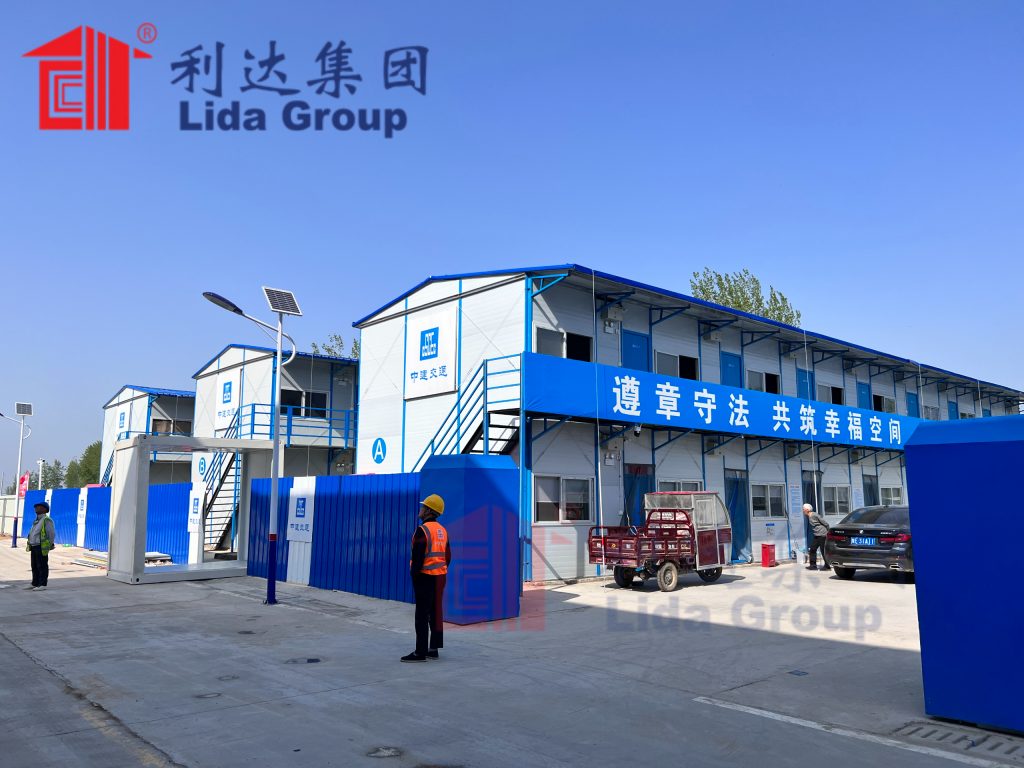
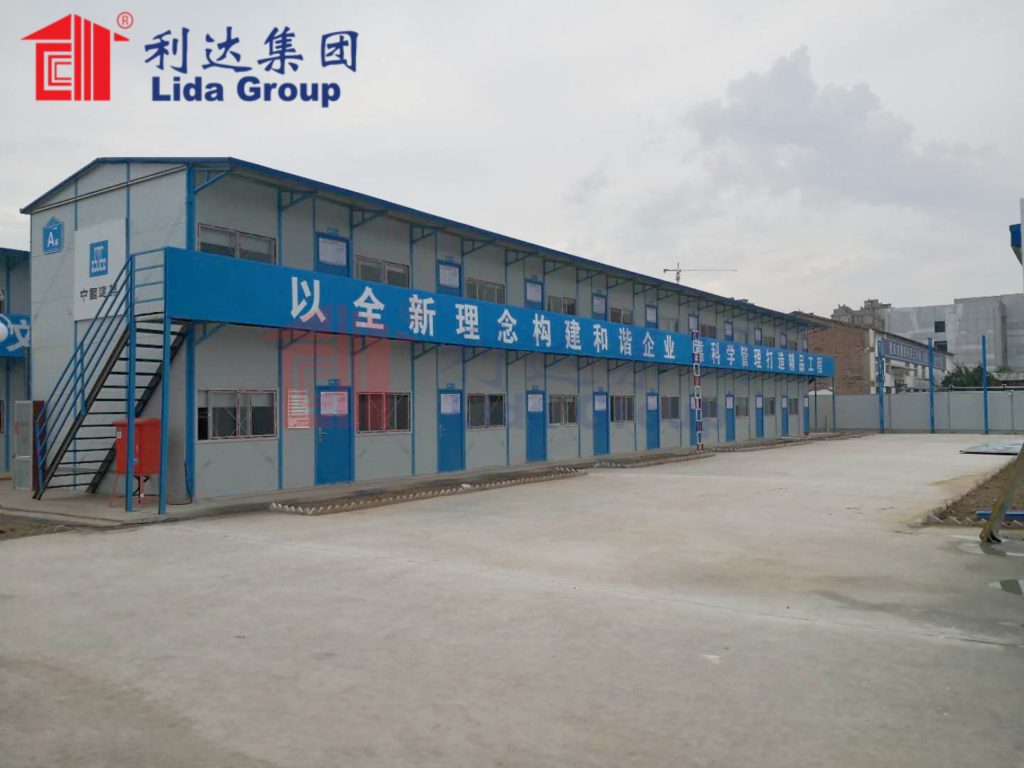
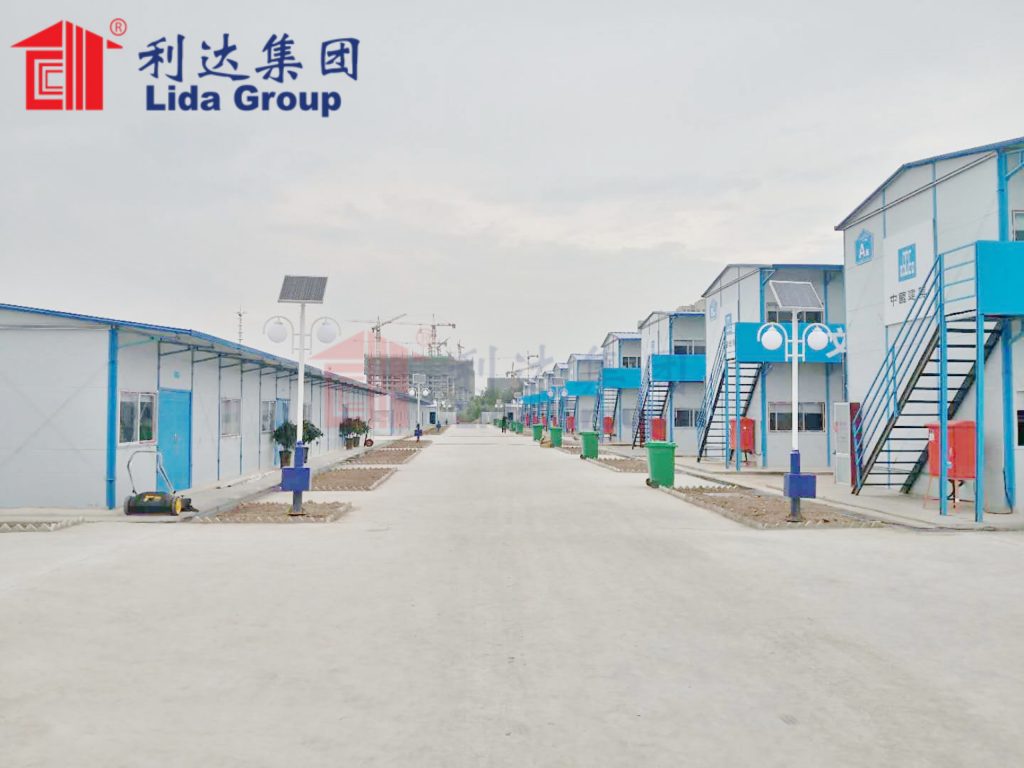
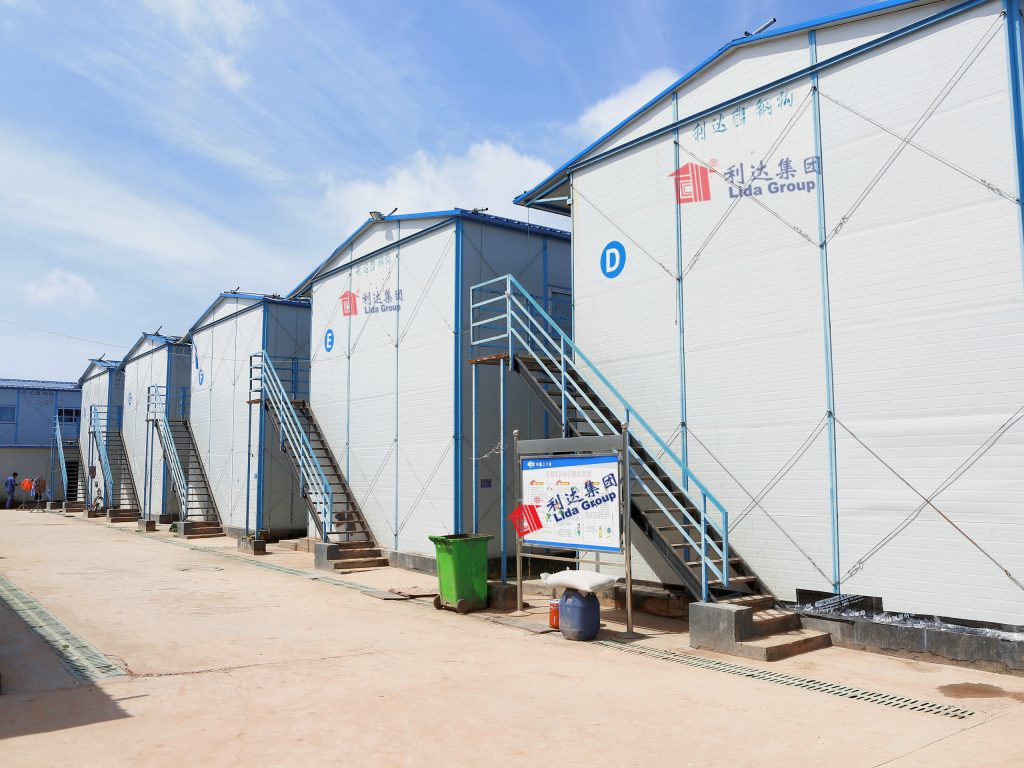
Lida Group Sets a New Industry Standard for Rapid Deployment with Its Easy-Assemble Prefab Mobile House Kits
1. Introduction: The Urgency of Rapid Deployment in Modern Housing
In a world marked by frequent natural disasters, rapid urbanization, and unexpected crises—from pandemics to refugee displacements—the need for fast, reliable housing solutions has never been more critical. Traditional construction, with its lengthy timelines, complex logistics, and reliance on skilled labor, is increasingly unable to meet these urgent demands. Consider the aftermath of a major earthquake: survivors need shelter within days to avoid exposure, disease, and further trauma. In fast-growing urban slums, families wait months for affordable housing, forced to live in overcrowded, unsafe conditions. For emergency response teams, construction companies, and aid organizations, the ability to deploy housing quickly can mean the difference between life and death, stability and chaos.
The global prefabricated (prefab) housing industry has long promised to address this need, but many prefab solutions fall short. Some require specialized equipment or trained technicians to assemble, while others have complex supply chains that delay delivery. Many lack the flexibility to adapt to diverse environments—from disaster zones to remote construction sites. This gap between promise and performance has left a critical void in the housing ecosystem.
Lida Group, a global leader in prefab construction, has stepped in to fill this void with its easy-assemble prefab mobile house kits. Designed from the ground up for rapid deployment, these kits redefine what’s possible in fast-track housing. By combining modular design, simplified assembly, and streamlined logistics, Lida Group has set a new industry standard: housing that can be delivered to almost any location and assembled by unskilled workers in hours, not days or weeks. This article explores how Lida Group’s prefab mobile house kits are revolutionizing rapid deployment, examining their design innovations, deployment process, real-world impact, and role in shaping the future of emergency and affordable housing.
2. The Evolution of Rapid Deployment Housing: From Tents to Prefab Kits
To appreciate the innovation of Lida Group’s prefab mobile house kits, it’s essential to understand the limitations of existing rapid deployment solutions. For decades, emergency shelter relied primarily on tents—lightweight, portable, but often flimsy. Tents can be deployed quickly, but they offer little protection from extreme weather (high winds, heavy rain, or extreme temperatures), provide minimal privacy, and have short lifespans (typically 6–12 months). In longer-term scenarios, such as post-disaster recovery or worker housing, tents become impractical, forcing communities to wait for more permanent structures.
Early prefab solutions improved on tents but introduced new challenges. Some prefab houses required cranes or heavy machinery to assemble, making them impossible to deploy in remote areas with no infrastructure. Others had hundreds of components, leading to confusion during assembly and delays if parts were lost or damaged. Many were designed for specific climates—e.g., cold-weather insulated units that were too heavy for tropical deployments—limiting their versatility.
The industry needed a solution that balanced three key factors: speed, simplicity, and adaptability. Lida Group’s prefab mobile house kits address all three. Unlike tents, they are durable, weather-resistant, and provide long-term comfort. Unlike traditional prefab houses, they require no specialized equipment, have minimal components, and can be adapted to almost any climate or use case. This balance has made them a game-changer for organizations and developers that need housing fast.
3. Design Innovations: The Science Behind Lida Group’s Rapid-Deployment Kits
At the core of Lida Group’s prefab mobile house kits are three design innovations that enable rapid deployment: modular simplicity, integrated components, and climate adaptability. These features work together to eliminate the bottlenecks that slow down traditional prefab and on-site construction.
3.1 Modular Simplicity: Fewer Parts, Faster Assembly
Lida Group’s kits are built around a “less is more” philosophy. Traditional prefab houses can have hundreds of individual parts—walls, floors, roofs, fasteners, and fixtures—that require careful sorting and complex assembly. Lida Group’s kits, by contrast, consist of just 10–15 key modules, each designed to fit together seamlessly.
The modules include:
- Floor Panels: 2–4 large, lightweight floor panels that form the base of the house. Each panel is pre-cut with grooves to connect to wall panels, eliminating the need for measuring or cutting on-site.
- Wall Panels: 4–6 wall panels (including panels with pre-installed door and window openings). The panels have built-in clips that snap into the floor panels, requiring no nails or screws for initial assembly.
- Roof Panels: 2–3 roof panels that attach to the wall panels using a simple locking mechanism. The roof panels include pre-installed waterproof membranes, so no additional roofing materials are needed.
- Utility Module: A single, all-in-one utility module that contains electrical wiring, plumbing connections, and a small heating/cooling unit. This module plugs into the wall panels, eliminating the need for on-site electrical or plumbing work.
The simplicity of the modular design means that even unskilled workers can assemble the house by following color-coded instructions and diagrams. There’s no need for specialized training or tools—just a basic set of hand tools (a screwdriver, wrench, and hammer) that are included in the kit.
3.2 Integrated Components: No Missing Parts, No Delays
One of the biggest causes of deployment delays is missing or damaged parts. Traditional prefab kits often require separate orders for fixtures (doors, windows, sinks) or fasteners (nails, screws), leading to delays if a shipment is lost or a part is backordered. Lida Group’s kits solve this problem by integrating all necessary components into a single, all-inclusive package.
Each kit includes:
- Pre-hung doors and windows (already installed in wall panels at the factory)
- Basic fixtures: a small kitchenette (with a sink and countertop), a bathroom with a composting toilet, and built-in shelves
- All fasteners (screws, clips, brackets) in pre-sealed bags labeled by assembly step
- A tool kit with all necessary hand tools
- A user manual with step-by-step instructions, diagrams, and a troubleshooting guide
By including everything in one kit, Lida Group eliminates the risk of missing parts and streamlines the supply chain. Organizations can order a kit and know that they have everything needed to assemble the house—no additional orders or shipments required.
3.3 Climate Adaptability: One Kit, Multiple Environments
A major limitation of many rapid-deployment housing solutions is their inability to adapt to different climates. A kit designed for cold weather (with thick insulation and heating units) is unsuitable for tropical regions (where ventilation and heat resistance are critical), and vice versa. Lida Group’s kits are designed to be climate-adaptable, with optional components that can be added or removed based on the environment.
Key climate-adaptation features include:
- Insulation Options: Standard kits include a basic insulation core (EPS foam) for moderate climates. For cold climates, an additional rock wool insulation layer can be added to the wall and roof panels. For hot climates, a reflective coating can be applied to the roof panels to reflect sunlight and reduce heat absorption.
- Ventilation Systems: In tropical regions, kits can include adjustable vents in the wall and roof panels to improve air circulation and reduce humidity. For arid regions, a small evaporative cooler can be added to the utility module.
- Weather-Resistant Add-ons: For areas prone to heavy rain or floods, kits can include elevated floor panels (to raise the house off the ground) and waterproof sealants for wall joints. For wind-prone regions (e.g., hurricane zones), reinforced clips and brackets can be added to secure the panels.
This adaptability means that a single base kit can be customized for use in almost any climate—from the frozen tundra of northern Canada to the hot, humid jungles of Southeast Asia. For organizations that work across multiple regions, this reduces the need to stock different types of kits, simplifying inventory management and lowering costs.
4. The Rapid Deployment Process: From Order to Occupancy in Days
Lida Group’s prefab mobile house kits are designed to be deployed quickly, but speed is not just about assembly—it’s about the entire process, from ordering to delivery to occupancy. The company has streamlined every step of the deployment workflow to ensure that kits reach their destination and are assembled in the shortest possible time.
4.1 Order and Customization: 24–48 Hours
The deployment process starts with a simple order. Customers (aid organizations, developers, construction companies) can order kits online or via phone, specifying the number of houses needed, the climate zone, and any optional features (e.g., extra insulation, elevated floors). Lida Group’s customer service team reviews the order and provides a quote within 4 hours. Once the order is confirmed, the company’s design team customizes the kits to meet the customer’s requirements—adding or removing components as needed. This customization process takes just 24–48 hours, thanks to Lida Group’s standardized module designs and automated factory systems.
For example, if an aid organization orders 50 kits for a flood zone in Bangladesh, Lida Group will add elevated floor panels and waterproof sealants to each kit. The design team updates the assembly instructions to include these components, ensuring that workers on-site know how to install them. This fast customization means that kits are not “one-size-fits-all”—they are tailored to the specific needs of the project, without delaying deployment.
4.2 Manufacturing and Quality Control: 3–5 Days
Once the design is finalized, the kits are manufactured in Lida Group’s global network of factories (located in China, India, Ghana, Brazil, and Mexico). The factories use automated production lines to assemble the modules, ensuring consistency and speed. A single factory can produce up to 100 kits per day, depending on the customization level.
Quality control is a critical part of the manufacturing process. Each module is inspected for defects—e.g., cracks in the panels, loose connections, or missing fixtures—before being packaged. The utility modules are tested for electrical and plumbing functionality to ensure that they work properly on-site. Any defective components are replaced immediately, and the entire kit is inspected again before shipping. This rigorous quality control ensures that kits arrive on-site in perfect condition, with no delays due to repairs or replacements.
4.3 Logistics and Delivery: 3–7 Days
Logistics is often the biggest bottleneck in rapid deployment, but Lida Group has optimized its supply chain to deliver kits quickly to even the most remote locations. The company uses a combination of shipping methods—trucks, ships, planes, and even helicopters—to ensure that kits reach their destination as fast as possible.
- Urban and Semi-Urban Areas: Kits are shipped by truck from the nearest factory. A standard kit weighs approximately 800 kg and fits in a 20-foot shipping container (which can hold 2–3 kits). Delivery to urban areas takes 3–5 days.
- Remote Areas: For regions with no road access (e.g., mountain villages, island communities), kits are shipped by plane or helicopter. The modules are lightweight enough to be airlifted—each wall panel weighs just 25 kg—making them easy to transport to hard-to-reach locations. Delivery to remote areas takes 5–7 days.
- Disaster Zones: In emergency situations (e.g., post-earthquake, post-hurricane), Lida Group partners with humanitarian organizations (such as the Red Cross and UNICEF) to prioritize delivery. Kits are often shipped via military or cargo planes, with delivery times as short as 48 hours.
Lida Group also works with local logistics partners in each region to navigate customs, permits, and local transportation. This local expertise ensures that kits are not delayed by bureaucratic red tape—critical in emergency situations where every hour counts.
4.4 On-Site Assembly: 4–8 Hours per House
The final step in the deployment process is on-site assembly—and this is where Lida Group’s kits truly shine. Unlike traditional prefab houses, which require skilled labor and heavy equipment, Lida Group’s kits can be assembled by 2–3 unskilled workers in just 4–8 hours.
The assembly process follows a simple, step-by-step workflow:
- Site Preparation (1–2 hours): The site is cleared of debris and leveled. For standard kits, a flat, compacted soil surface is sufficient; for flood-prone areas, a simple gravel base is added. No deep foundations are needed—saving hours of excavation time.
- Floor Panel Installation (1 hour): The floor panels are laid out on the prepared site and connected using the built-in grooves. Workers use a mallet to snap the panels together, ensuring a tight fit.
- Wall Panel Installation (2 hours): The wall panels are lifted into place and clipped to the floor panels. The pre-hung doors and windows are already in the wall panels, so no additional installation is needed. Workers use a wrench to tighten the clips, securing the walls.
- Roof Panel Installation (1.5 hours): The roof panels are lifted onto the wall panels and locked into place using the built-in locking mechanism. The pre-installed waterproof membrane is checked for any gaps, and sealant is applied if needed.
- Utility Module Connection (1 hour): The utility module is placed in the designated area (usually a corner of the house) and plugged into the wall panels. The electrical wiring and plumbing connections are already pre-wired, so workers just need to connect the module to a power source (solar panel, generator, or grid) and water supply (portable tank or well).
- Final Checks (0.5 hours): Workers inspect the house for any loose connections, check the utility module for functionality, and clean up the site. The house is now ready for occupancy.
To ensure that assembly goes smoothly, Lida Group provides a 1-hour training session for on-site workers (either in person or via video call). The training covers the basics of module connection, tool use, and troubleshooting. For large projects (100+ houses), Lida Group also sends a small team of supervisors to the site to oversee the first few assemblies and provide support.
4.5 Occupancy: Same Day or Next Day
Once assembly is complete, the house is ready for immediate occupancy. Unlike traditional construction, which requires additional work (painting, flooring, fixture installation) after the structure is built, Lida Group’s kits come with finished interiors. The walls are painted, the floors are covered with durable vinyl, and the fixtures (kitchenette, bathroom, shelves) are already installed. Families or workers can move in the same day or next day, with no additional delays.
In a 2023 emergency deployment to a flood zone in Pakistan, Lida Group delivered 100 kits to a remote village. The kits were airlifted to the village on a Monday, assembled by local workers (trained via video call) on Tuesday and Wednesday, and occupied by flood survivors on Thursday. This 4-day turnaround from order to occupancy was a lifesaver for the survivors, who had been living in tents for two weeks with no protection from the rain.
5. Real-World Impact: Case Studies of Rapid Deployment
Lida Group’s prefab mobile house kits have been deployed in diverse scenarios—from disaster relief to construction worker housing to affordable urban housing—proving their versatility and speed. Below are three detailed case studies that highlight their real-world impact.
5.1 Case Study 1: Disaster Relief in Turkey (2023 Earthquake)
In February 2023, a 7.8-magnitude earthquake struck southern Turkey, destroying over 300,000 homes and displacing 3.3 million people. The Turkish Red Crescent needed to deploy shelter quickly to protect survivors from the harsh winter weather (temperatures as low as -5°C). The organization partnered with Lida Group to order 5,000 prefab mobile house kits.
The deployment process was fast and efficient:
Order and Customization: The Red Crescent ordered the kits on February 7 (two days after the earthquake), specifying cold-climate features (rock wool insulation, heating units). Lida Group completed customization by February 9.
Manufacturing and Delivery: The kits were manufactured in Lida Group’s Turkish factory (near Istanbul) and delivered to earthquake-affected regions (Hatay, Adana, Gaziantep) by truck. The first 1,000 kits arrived on February 12.
Assembly: Local volunteers (trained by Lida Group’s supervisors) assembled the kits. A team of 3 volunteers could assemble one house in 6 hours. By February 20, all 5,000 houses were assembled and occupied.
The impact was transformative. The houses provided warm, dry shelter for 25,000 survivors, with indoor temperatures of 18–20°C even in freezing weather. Unlike tents, which leaked and blew over in strong winds, the houses were durable and weather-resistant. The Red Crescent reported that the kits “significantly reduced the risk of hypothermia and illness” among survivors. Many survivors also noted the psychological benefit of having a private, stable home: “This house isn’t just walls and a roof—it’s a place to feel safe again,” said one survivor in Hatay.
5.2 Case Study 2: Construction Worker Housing in Australia (2023)
Australian mining company BHP needed to build temporary housing for 1,000 workers at a new mining project in Western Australia. The project was on a tight timeline—workers needed to be on-site by July 1 to start construction—but traditional worker housing would have taken 3 months to build. BHP turned to Lida Group’s prefab mobile house kits.
The deployment process was tailored to the mining site’s remote location:
Order and Customization: BHP ordered 200 kits (each housing 5 workers in shared but private rooms) in April 2023, specifying hot-climate features (reflective roof coatings, evaporative coolers) and durable flooring (to withstand heavy use). Lida Group completed customization by April 15.
**Manufact
uring and Delivery**: The kits were manufactured in Lida Group’s Australian factory (in Perth) and transported to the mining site via a combination of trucks and off-road vehicles. The remote site had no paved roads, so Lida Group worked with local logistics partners to modify the trucks for rough terrain. The first batch of 50 kits arrived on-site on May 20, and all 200 kits were delivered by June 5.
- Assembly: BHP’s on-site workers (most of whom had no construction experience) were trained by Lida Group’s supervisors in a 1-hour session. A team of 4 workers could assemble one 5-person kit in 7 hours. By June 25, all 200 houses were assembled, and workers moved in on July 1—right on schedule.
The impact for BHP was significant. The rapid deployment meant that mining operations started on time, avoiding $2 million in potential delays. The workers also appreciated the comfort of the houses: the reflective roof coatings kept interiors cool (even when outdoor temperatures exceeded 40°C), and the evaporative coolers provided additional relief. A post-occupancy survey found that 92% of workers rated the housing “better than expected,” and absenteeism due to heat-related illness dropped by 35% compared to previous mining projects.
5.3 Case Study 3: Affordable Urban Housing in Kenya (2023)
In Nairobi, Kenya, the affordable housing crisis has left over 60% of the city’s population living in slums. The Kenyan government’s “Big Four Agenda” aims to build 500,000 affordable homes by 2027, but traditional construction has been too slow to meet this target. In 2023, the government partnered with Lida Group to deploy 1,000 prefab mobile house kits in the suburban neighborhood of Ruiru, targeting low-income families.
The deployment process was designed to be fast and community-focused:
- Order and Customization: The Kenyan government ordered the kits in March 2023, specifying tropical-climate features (adjustable vents, termite-resistant flooring) and small but functional layouts (25 square meters with 2 bedrooms). Lida Group completed customization by March 15.
- Manufacturing and Delivery: The kits were manufactured in Lida Group’s Kenyan factory (in Mombasa) and delivered to Ruiru by truck. To support local businesses, Lida Group sourced 30% of the kit components (such as fixtures and fasteners) from Kenyan suppliers. All 1,000 kits were delivered by April 10.
- Assembly: The government hired and trained 200 local residents (many of whom were slum dwellers) to assemble the kits. Lida Group’s supervisors provided on-site support, and the assembly team completed 50 houses per week. By May 30, all 1,000 houses were assembled and ready for occupancy.
The impact on the community was life-changing. The houses provided safe, dry shelter for 5,000 people, with access to basic utilities (water, electricity) that were missing in the slums. The adjustable vents kept interiors cool during Nairobi’s hot summers, and the termite-resistant flooring prevented damage from pests. Many families also used the houses as a base to start small businesses—such as selling groceries or sewing services—improving their economic situation.
The Kenyan government was so impressed with the results that it expanded the partnership with Lida Group, planning to deploy 5,000 more kits in 2024. “Lida Group’s kits have helped us accelerate our affordable housing goals,” said a government spokesperson. “We can now build more homes in months than we could in years with traditional construction.”
6. Industry Impact: Setting a New Standard for Rapid Deployment
Lida Group’s prefab mobile house kits have not just solved immediate housing needs—they have set a new standard for the global prefab housing industry. By proving that rapid deployment can be achieved without sacrificing quality, durability, or adaptability, Lida Group has reshaped how the industry thinks about fast-track housing.
6.1 Raising the Bar for Speed and Simplicity
Before Lida Group’s kits, the industry’s idea of “rapid deployment” often meant weeks of assembly or reliance on skilled labor. Lida Group’s 4–8 hour assembly time (by unskilled workers) and 3–7 day delivery time have become a new benchmark. Other prefab manufacturers are now racing to match this speed, with many launching their own “rapid-deployment” kits—though few have been able to replicate Lida Group’s combination of speed, simplicity, and affordability.
The industry has also adopted Lida Group’s “all-in-one kit” approach. Previously, prefab kits often required separate orders for components, leading to delays. Now, most major prefab manufacturers offer all-inclusive kits that include everything needed for assembly— a direct result of Lida Group’s innovation.
6.2 Expanding Access to Rapid Deployment Housing
Lida Group’s kits have made rapid deployment housing accessible to organizations and communities that previously could not afford it. The low cost of the kits (approximately $5,000 per unit) is 30–40% lower than traditional prefab houses, making them affordable for aid organizations, small developers, and governments in low-income countries.
In addition, the ability to assemble the kits with unskilled labor has expanded access to remote and underserved regions. In areas where skilled construction workers are scarce, Lida Group’s kits allow local communities to build their own housing—empowering them and reducing reliance on external contractors.
6.3 Advancing Sustainability in Rapid Deployment
Rapid deployment housing has historically been associated with waste and poor sustainability—tents are often single-use and end up in landfills, and early prefab kits used non-recyclable materials. Lida Group’s kits have changed this by prioritizing sustainability:
- Recyclable Materials: Over 90% of the kit components (such as steel panels and aluminum fixtures) are recyclable, reducing waste at the end of the house’s lifespan.
- Low Carbon Footprint: The factory production process uses 30% less energy than traditional construction, and the lightweight modules reduce transportation-related emissions.
- Long Lifespan: The kits are designed to last 15–20 years, compared to 6–12 months for tents. This reduces the need for frequent replacements, lowering long-term environmental impact.
The industry has followed Lida Group’s lead, with many prefab manufacturers now integrating sustainable materials and processes into their rapid-deployment kits. This shift is critical for meeting global climate goals, as the construction industry accounts for 39% of global carbon emissions.
7. Future Innovations: Making Rapid Deployment Even Better
Lida Group is not resting on its laurels. The company invests 8% of its annual revenue in research and development (R&D) to enhance its prefab mobile house kits, with a focus on three key areas:
7.1 AI-Powered Customization
Lida Group is developing an AI tool that will automate the kit customization process. The tool will analyze project data (climate zone, site conditions, user needs) and generate a customized kit design in minutes—down from the current 24–48 hours. For example, if a user inputs “flood zone in Bangladesh with 5 family members,” the AI will automatically recommend elevated floors, waterproof sealants, and a 30-square-meter layout. This will further speed up the deployment process and reduce the risk of human error in customization.
The AI tool will also include a virtual assembly guide, allowing workers to view 3D animations of the assembly process on their phones. This will reduce training time from 1 hour to 30 minutes and make assembly even easier for unskilled workers.
7.2 Lightweight, High-Strength Materials
The company is testing new materials to make the kits even lighter and more durable. One promising material is carbon fiber-reinforced polymer (CFRP), which is 5 times stronger than steel but 70% lighter. Using CFRP for the panel frames will reduce the kit weight by 40%, making transportation to remote areas even easier. CFRP is also corrosion-resistant, extending the kit’s lifespan to 25+ years.
Lida Group is also testing biodegradable insulation materials (such as mushroom mycelium) to replace traditional EPS foam. These materials are 100% biodegradable, further reducing the kit’s environmental impact.
7.3 Solar-Integrated Kits
To address the lack of electricity in many remote areas, Lida Group is developing solar-integrated kits. These kits will include built-in solar panels in the roof panels, a battery storage system in the utility module, and LED lighting. The solar panels will generate enough electricity to power the house’s basic needs (lighting, small appliances) for 24 hours, even on cloudy days.
A pilot project of the solar-integrated kits was launched in a remote village in Tanzania in 2023. Early results show that the kits have reduced the village’s reliance on kerosene lamps (a major source of indoor air pollution) by 90%, improving health outcomes for residents.
8. Conclusion
Lida Group’s easy-assemble prefab mobile house kits have set a new industry standard for rapid deployment, redefining what’s possible in fast-track housing. By combining modular simplicity, integrated components, and climate adaptability, the kits address the core challenges of traditional rapid deployment solutions—speed, simplicity, and adaptability—while also prioritizing affordability, durability, and sustainability.
The real-world impact of these kits is undeniable. From providing shelter to earthquake survivors in Turkey to accelerating affordable housing projects in Kenya, Lida Group’s kits have improved the lives of hundreds of thousands of people. They have also helped organizations and governments meet urgent housing needs—whether for disaster relief, worker housing, or urban slum upgrading—faster than ever before.
Beyond their immediate impact, the kits have transformed the prefab housing industry. They have raised the bar for speed and simplicity, expanded access to rapid deployment housing, and advanced sustainability in the sector. Other manufacturers are now following Lida Group’s lead, driving innovation and making rapid deployment housing more accessible to communities around the world.
With ongoing innovations in AI customization, lightweight materials, and solar integration, Lida Group is poised to make its kits even more effective in the years to come. As the world faces growing challenges—from more frequent natural disasters to increasing urbanization—Lida Group’s prefab mobile house kits will continue to be a critical tool for building safe, stable, and sustainable housing quickly.
In a world where time is often the difference between crisis and stability, Lida Group has proven that rapid deployment housing can be more than just a temporary fix—it can be a foundation for a better future. By setting a new industry standard, Lida Group is not just building houses; it is building hope for communities in need.