



Lida Group Redefines Value with Low-Cost Durable Construction Methods
2026-Feb-05 15:57:07
By Admin
In the global construction industry, two core demands have long stood in tension: the need for affordability and the pursuit of durability. For decades, many construction projects have been forced to make a painful trade-off—opting for low-cost materials and methods that compromise long-term structural integrity, or investing in durable solutions that push budgets beyond reach. This dilemma has plagued developers, governments, and communities worldwide, particularly in emerging markets where access to affordable, safe housing and infrastructure is a pressing social and economic priority. Against this backdrop, Lida Group, a leading global provider of integrated construction solutions, has emerged as a transformative force, redefining industry value by pioneering low-cost yet highly durable construction methods that eliminate the traditional trade-off. By combining innovative material science, streamlined manufacturing processes, and customer-centric design principles, Lida Group has proven that affordability and durability can coexist, delivering projects that are not only cost-effective to build but also resilient, sustainable, and capable of standing the test of time. This article explores how Lida Group is reshaping the construction landscape through its groundbreaking low-cost durable construction methods, examining the core technologies, implementation strategies, real-world applications, and the profound impact these innovations are having on communities, industries, and the future of construction.
Founded with a mission to “make high-quality construction accessible to all,” Lida Group has spent decades refining its approach to low-cost, durable construction. Unlike many competitors that focus solely on cutting costs by using substandard materials or reducing labor standards, Lida Group’s philosophy is rooted in “intelligent value engineering”—optimizing every aspect of the construction process to eliminate waste, enhance efficiency, and deliver maximum long-term value at minimal upfront cost. The company’s success stems from its integrated ecosystem, which encompasses research and development (R&D), prefabrication manufacturing, on-site construction expertise, and post-construction maintenance support. This end-to-end control allows Lida Group to innovate at every stage, ensuring that its low-cost methods do not sacrifice durability, safety, or sustainability. Today, Lida Group’s construction solutions are used in a wide range of applications, including residential housing, commercial buildings, industrial facilities, schools, hospitals, and humanitarian shelters, spanning more than 80 countries across Asia, Africa, Latin America, and Europe. In each project, the company’s core commitment remains the same: to deliver structures that are affordable to build, durable enough to serve communities for decades, and adaptable to the unique needs of each region.
1. The Core Challenge: Why Affordability and Durability Have Long Been Mutually Exclusive
To understand Lida Group’s innovation, it is first critical to recognize the historical barriers that have made low-cost and durable construction seem incompatible. The global construction industry is notoriously fragmented, with many projects relying on traditional, labor-intensive methods and locally sourced materials that vary widely in quality and cost. In low- and middle-income countries, where budget constraints are most severe, developers often resort to using cheap, low-grade materials—such as ungraded concrete, low-quality steel, and substandard bricks—to keep costs down. These materials, combined with poor construction practices, result in structures that are vulnerable to damage from weather, seismic activity, and normal wear and tear. Many such buildings require frequent repairs, leading to higher long-term costs and, in some cases, catastrophic failures that endanger lives. On the other hand, durable construction has traditionally relied on high-cost materials like premium steel, reinforced concrete, and specialized cladding, which are prohibitively expensive for most low-budget projects. This trade-off has created a “value gap” in the construction industry: either pay less upfront and face higher long-term costs and risks, or pay more upfront to ensure durability—with no middle ground.
Compounding this challenge is the inefficiency of traditional on-site construction. On-site building is labor-intensive, time-consuming, and prone to waste. Materials are often cut, shaped, and assembled on location, leading to significant offcuts and errors. Weather delays, labor shortages, and poor coordination between contractors further drive up costs and compromise quality. In many emerging markets, skilled labor is scarce, meaning that even when high-quality materials are used, improper installation can undermine their durability. For example, a poorly mixed concrete foundation or incorrectly installed steel reinforcement can reduce a building’s lifespan by 50% or more, even if the materials themselves are of high quality. These inefficiencies have long made it nearly impossible to deliver both low-cost and durable construction—until Lida Group introduced its innovative approach.
2. Lida Group’s Innovation Framework: Building Low-Cost Durability Through Intelligent Engineering
Lida Group’s breakthrough lies in its refusal to accept the traditional trade-off between affordability and durability. Instead, the company has developed a holistic innovation framework that focuses on three core pillars: advanced material innovation, prefabrication and modular construction, and optimized on-site execution. Together, these pillars enable Lida Group to reduce costs by eliminating waste, enhancing efficiency, and leveraging economies of scale—all while improving durability through consistent quality control, superior material performance, and precise engineering. This framework is not just a collection of isolated technologies; it is an integrated system that spans the entire construction lifecycle, from design and manufacturing to installation and maintenance.
2.1 Advanced Material Innovation: High Performance at Low Cost
At the heart of Lida Group’s low-cost durable construction methods is its investment in advanced material science. The company’s R&D team has spent years developing and refining cost-effective materials that deliver performance comparable to premium alternatives—without the high price tag. One of the most significant innovations is Lida’s proprietary “high-strength, low-cost concrete” (HSLC), a specialized concrete mix that uses locally available aggregates, industrial by-products, and a unique admixture formula to achieve exceptional strength and durability at a fraction of the cost of traditional high-strength concrete. HSLC concrete has a compressive strength of up to 50 MPa (megapascals)—comparable to premium concrete used in high-rise buildings—while costing 30-40% less than traditional mixes. This is achieved by optimizing the ratio of aggregates, cement, and admixtures, and by using industrial by-products such as fly ash and slag, which are not only cheaper than cement but also improve the concrete’s durability and sustainability.
Another key material innovation is Lida’s “corrosion-resistant, low-cost steel” (CRLC), a galvanized steel product that uses a thin, high-quality zinc coating combined with a proprietary passivation layer to prevent corrosion—one of the leading causes of steel degradation in harsh environments. Traditional corrosion-resistant steel can cost 50% more than standard steel, making it unaffordable for low-budget projects. Lida’s CRLC steel, however, costs only 15-20% more than standard steel while offering comparable corrosion resistance to premium products. This is particularly critical in coastal regions, where saltwater and humidity accelerate steel corrosion, and in industrial areas with high levels of air pollution. In addition to HSLC concrete and CRLC steel, Lida Group has also developed low-cost, durable cladding materials, including fiber-reinforced cement (FRC) boards and recycled plastic composites, which are lightweight, easy to install, and resistant to weather, fire, and pests. These materials are not only cheaper than traditional cladding options like brick or stone but also require less maintenance over time.
A key advantage of Lida’s material innovations is their focus on local availability. The company works closely with local suppliers in each project region to source aggregates, industrial by-products, and other raw materials, reducing transportation costs and supporting local economies. For example, in Kenya, Lida uses locally sourced volcanic rock as an aggregate in its HSLC concrete, reducing material costs by 25% compared to importing aggregates from other countries. In India, the company uses fly ash from local power plants to replace a portion of the cement in its concrete mixes, further lowering costs and reducing environmental impact. By leveraging local materials, Lida Group not only cuts costs but also ensures that its construction methods are adaptable to diverse regional conditions, enhancing the durability of its structures in different climates and environments.
2.2 Prefabrication and Modular Construction: Efficiency, Consistency, and Cost Savings
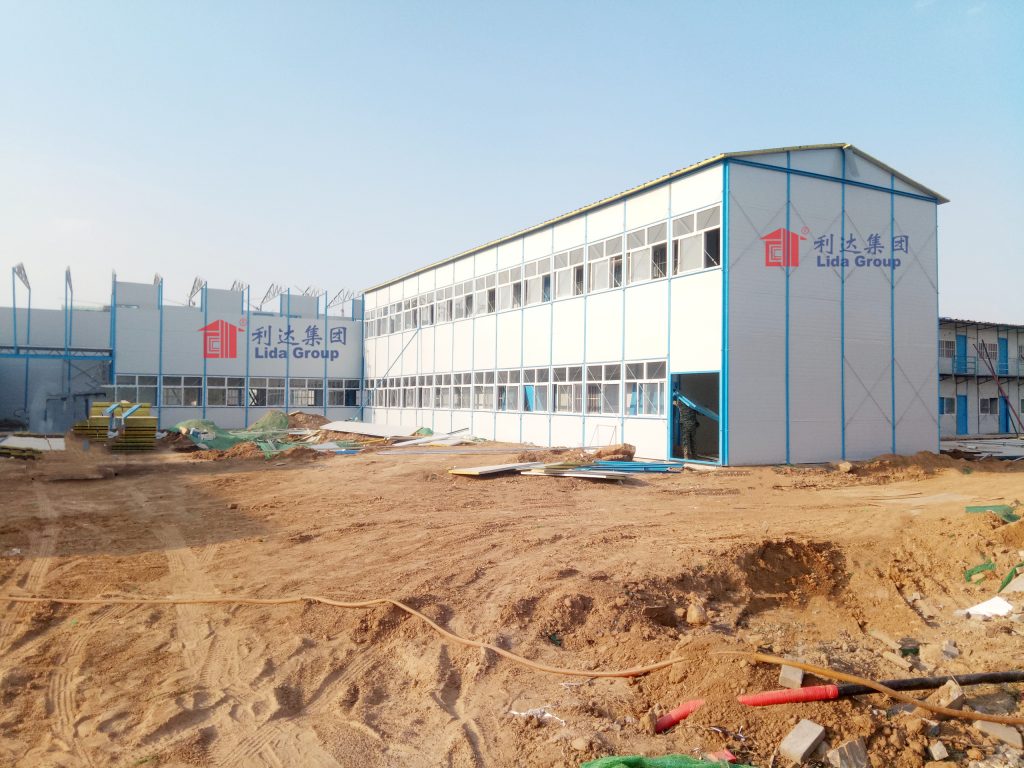
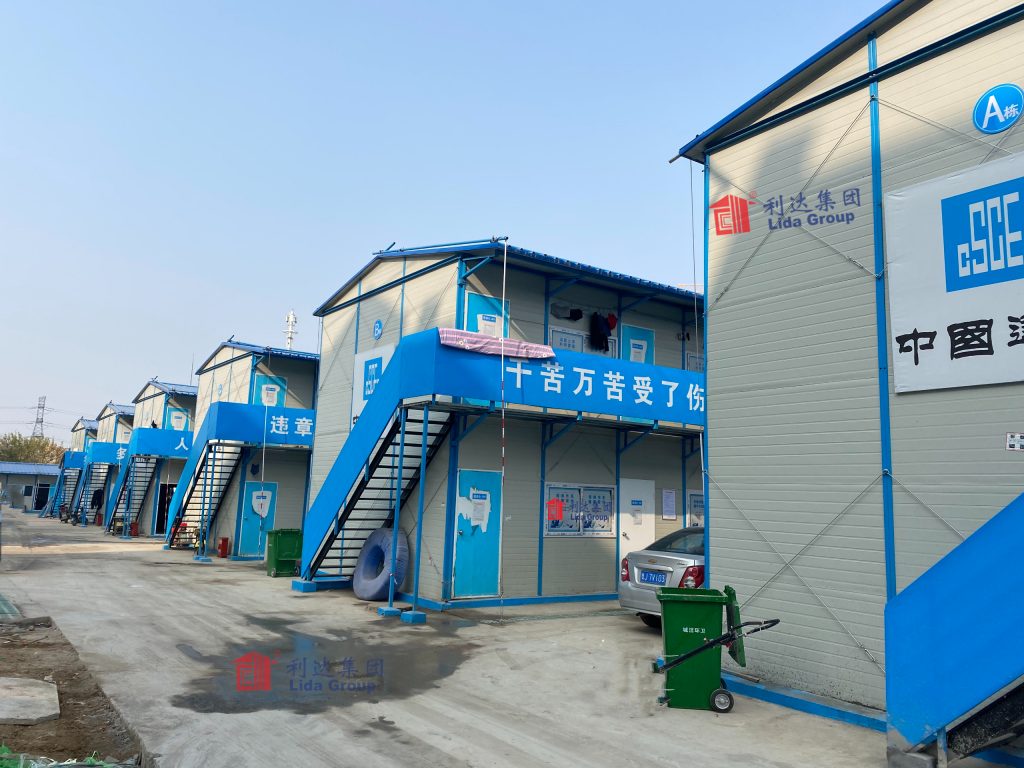
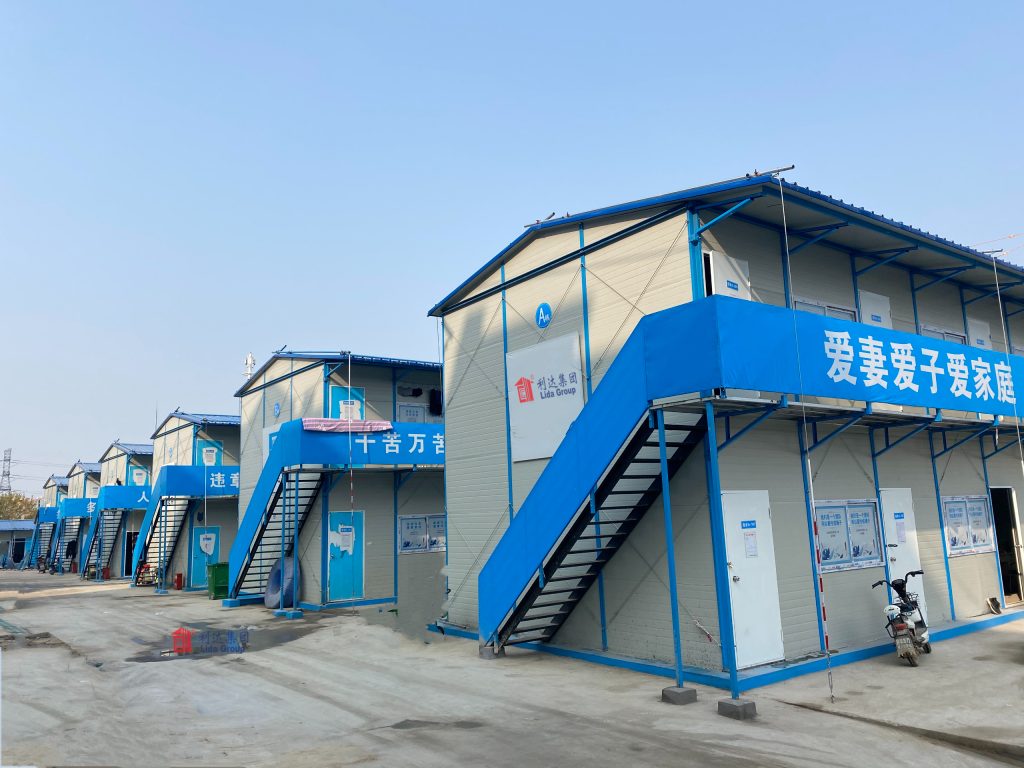
In addition to material innovation, Lida Group’s low-cost durable construction methods rely heavily on prefabrication and modular construction—two approaches that eliminate the inefficiencies of traditional on-site building while improving quality and consistency. Prefabrication involves manufacturing building components (such as walls, floors, roofs, and even entire rooms) in a controlled factory environment, then transporting them to the construction site for assembly. Modular construction takes this a step further, with entire building modules (complete with interior finishes, plumbing, and electrical systems) manufactured off-site and then stacked or joined together on location to form a complete structure.
The benefits of prefabrication and modular construction for low-cost, durable building are significant. First, factory manufacturing eliminates the waste associated with on-site cutting and assembly, reducing material waste to less than 2%—compared to 10-15% in traditional construction. This waste reduction directly lowers material costs, as fewer raw materials are needed to complete a project. Second, factory production ensures consistent quality control, as components are manufactured to precise specifications using automated equipment and skilled labor. This eliminates the variability in quality that plagues on-site construction, where poor craftsmanship can undermine the durability of even the highest-quality materials. For example, Lida’s prefabricated concrete walls are cast in precision molds using automated mixing equipment, ensuring uniform strength and thickness—something that is nearly impossible to achieve with on-site concrete pouring, especially in regions with unskilled labor.
Third, prefabrication and modular construction significantly reduce on-site labor requirements and construction time. A typical prefabricated building can be assembled on-site in 50-70% less time than a traditional building of the same size, reducing labor costs by 30-50%. This is particularly beneficial in regions where labor costs are rising or skilled labor is scarce. For example, a 100-unit residential complex built using Lida’s modular construction methods can be completed in 8-12 weeks, compared to 6-12 months for a traditional complex. This not only cuts labor costs but also allows developers to generate revenue from the project sooner, further enhancing cost efficiency. Fourth, prefabricated components are designed to be lightweight yet durable, reducing transportation costs and making installation easier—even in remote or hard-to-reach locations. Lida’s modular units, for example, are designed to be transported on standard shipping containers, eliminating the need for specialized transportation equipment.
Lida Group has further optimized its prefabrication and modular systems to enhance durability. All prefabricated components are tested in the factory for strength, weather resistance, and fire safety, ensuring that they meet or exceed international building standards. The company’s modular units are also designed with seamless connections that prevent water infiltration and air leakage, reducing the risk of mold, mildew, and structural damage over time. For example, Lida’s modular wall panels feature a tongue-and-groove connection system with a weatherproof sealant, ensuring that the structure remains airtight and watertight even in heavy rain or high humidity. This attention to detail in the prefabrication process ensures that Lida’s buildings are not only low-cost to build but also highly durable and low-maintenance.
2.3 Optimized On-Site Execution: Streamlining Processes to Reduce Costs and Enhance Quality
While prefabrication and material innovation are critical, Lida Group recognizes that on-site execution plays a vital role in delivering low-cost, durable construction. Even the best-designed prefabricated components can fail if they are not installed properly. To address this, the company has developed a streamlined on-site execution process that focuses on efficiency, simplicity, and quality control—all while reducing costs.
One of the key elements of Lida’s on-site strategy is its “lean construction” approach, which eliminates waste in every aspect of the on-site process. This includes optimizing the delivery schedule of prefabricated components to avoid storage costs and material damage, using standardized installation procedures to reduce errors and rework, and minimizing the use of heavy equipment (which is often expensive to rent or operate). Lida’s on-site teams are trained to use simple, efficient tools and techniques that require minimal skilled labor, ensuring that installation is fast and cost-effective. For example, the company’s prefabricated wall panels can be installed by a team of 2-3 unskilled workers with basic training, eliminating the need for expensive skilled carpenters or masons.
Another critical aspect of Lida’s on-site execution is its focus on quality control. The company assigns a dedicated quality inspector to every project, who oversees the installation of prefabricated components, checks for any defects or errors, and ensures that all work meets Lida’s strict quality standards. This proactive approach to quality control prevents costly rework and ensures that the final structure is durable and safe. For example, during the installation of modular units, the quality inspector checks the alignment of the units, the tightness of the connections, and the integrity of the weatherproof seals, making adjustments as needed to ensure long-term durability.
Lida Group also invests in training local workers for each project, which not only reduces labor costs but also builds local capacity and ensures that the installation process is adapted to local conditions. The company’s training programs are designed to be quick and practical, teaching workers the essential skills needed to install prefabricated components correctly. This not only improves the quality of on-site execution but also creates local jobs and supports economic development—an added value that sets Lida apart from many other construction companies. In addition, Lida’s on-site teams work closely with local communities and authorities to ensure that projects comply with local building codes and regulations, further enhancing the durability and safety of its structures.
3. Real-World Applications: How Lida Group’s Methods Are Delivering Value Globally
Lida Group’s low-cost durable construction methods are not just theoretical—they have been proven in hundreds of real-world projects across the globe, delivering tangible value to communities, governments, and developers. From affordable housing complexes in Africa to schools in Asia, from industrial facilities in Latin America to humanitarian shelters in crisis zones, Lida’s innovative approach has transformed the way construction is done, proving that affordability and durability can coexist. Below are four detailed case studies that highlight the impact of Lida’s methods in different regions and applications.
3.1 Case Study 1: Affordable Housing Complex in Nairobi, Kenya
Background: Nairobi, Kenya’s capital, faces a severe housing crisis, with an estimated 60% of the city’s population living in informal settlements (slums) characterized by overcrowding, poor sanitation, and unsafe housing. The Kenyan government launched an affordable housing program aimed at building 500,000 low-cost homes by 2030, but traditional construction methods were too expensive and slow to meet this target. A local developer partnered with Lida Group to build a 300-unit affordable housing complex in the Kasarani neighborhood of Nairobi, with a budget of $3 million and a timeline of 12 weeks. The project needed to deliver homes that were affordable for low-income families (with monthly rents of less than $50), durable enough to withstand Nairobi’s hot, dry climate and occasional heavy rains, and safe enough to meet Kenyan building codes.
Solution: Lida Group proposed a modular construction approach using its HSLC concrete, CRLC steel, and prefabricated wall and floor panels. The homes were designed as two-bedroom, one-bathroom units, each measuring 50 square meters, with a small balcony and a kitchen. Lida used locally sourced volcanic rock as the aggregate in its HSLC concrete, reducing material costs by 25%. The prefabricated components (walls, floors, and roofs) were manufactured in Lida’s factory in Mombasa, then transported to the Kasarani site via truck. The on-site installation team consisted of 15 local workers, who were trained by Lida’s experts in just 3 days to install the modular components. Lida’s lean construction approach was used to optimize the on-site process, with components delivered just-in-time to avoid storage costs and waste.
Results: The 300-unit complex was completed in just 10 weeks—2 weeks ahead of schedule—and cost $2.7 million, 10% under budget. The homes are durable, withstanding temperatures of up to 35°C and heavy rains without any structural damage or water infiltration. The HSLC concrete foundation and CRLC steel reinforcement ensure that the homes have a lifespan of at least 50 years, with minimal maintenance required. The monthly rent of $45 is affordable for low-income families, and the complex includes access to clean water, sanitation, and electricity—amenities that were previously unavailable to many residents of informal settlements. The project has been hailed as a model for affordable housing in Kenya, and the Kenyan government has partnered with Lida Group to build an additional 10,000 units across the country. The local workers trained during the project have gone on to find employment in other construction projects, boosting the local economy.
3.2 Case Study 2: Primary School in Rural Vietnam
Background: In rural Vietnam, many primary schools are housed in dilapidated wooden structures that are vulnerable to floods, termites, and fire. The Vietnamese government wanted to build a new primary school in the Mekong Delta region, which is prone to annual flooding and high humidity. The project had a budget of $500,000 and a timeline of 6 weeks, with the goal of providing a safe, durable learning environment for 200 students. The school needed to withstand flooding of up to 1 meter, high humidity (which can cause mold and rot), and termite infestations—all while remaining affordable.
Solution: Lida Group designed a two-story school using its modular construction system, with prefabricated FRC cladding panels (resistant to water, mold, and termites), HSLC concrete foundations, and CRLC steel frames. The school was elevated 1.2 meters above the ground to avoid flood damage, with reinforced concrete pillars supporting the modular units. The prefabricated components were manufactured in Lida’s factory in Ho Chi Minh City, then transported to the rural site via boat (the only viable transportation option in the Mekong Delta). Lida’s on-site team trained 10 local workers to install the modular units, using simple tools that were easy to transport to the remote location. The school’s roof was made of prefabricated metal panels with a waterproof coating, ensuring that it remained leak-proof even during heavy rains.
Results: The school was completed in 5 weeks, ahead of schedule, and cost $475,000—5% under budget. The elevated design and water-resistant materials have protected the school from annual flooding, with no damage reported in the first two years of operation. The FRC cladding panels have remained free of mold and termite damage, despite the high humidity, and the CRLC steel frames have shown no signs of corrosion. The school provides a safe, bright learning environment for 200 students, with classrooms, a library, and a playground. The modular design allows for easy expansion, and the government has plans to add two more classrooms in the future. The project has become a model for rural school construction in flood-prone regions of Vietnam, with Lida Group winning contracts to build 15 more schools in the Mekong Delta.
3.3 Case Study 3: Industrial Warehouse in Mexico City, Mexico
Background: A Mexican manufacturing company needed to build a 5,000-square-meter industrial warehouse in Mexico City to store raw materials and finished products. The project had a budget of $1.5 million and a timeline of 8 weeks, with the goal of delivering a durable, fire-resistant warehouse that could withstand Mexico City’s seismic activity (the city is located in a high-seismic zone) and high temperatures. Traditional warehouse construction in Mexico City typically costs $250-300 per square meter and takes 4-6 months to complete, making it too expensive and slow for the company’s needs.
Solution: Lida Group proposed a prefabricated steel warehouse using its CRLC steel frames, HSLC concrete foundations, and fire-resistant FRC cladding panels. The warehouse was designed to be seismically resistant, with reinforced concrete foundations and a steel frame that can withstand earthquakes of up to magnitude 7.0. The prefabricated steel components were manufactured in Lida’s factory in Monterrey, then transported to Mexico City via truck. The on-site installation team consisted of 20 workers, who installed the steel frame and cladding panels in just 4 weeks. Lida’s lean construction approach was used to optimize the on-site process, with components delivered in sequence to avoid storage costs and delays. The warehouse also included fire-resistant doors and a sprinkler system, ensuring compliance with Mexican fire safety regulations.
Results: The warehouse was completed in 7 weeks, ahead of schedule, and cost $1.4 million—7% under budget. The CRLC steel frame and HSLC concrete foundations have proven to be highly durable, withstanding a magnitude 5.5 earthquake in the first year of operation without any damage. The fire-resistant cladding panels have passed all Mexican fire safety tests, providing the company with peace of mind that its products are protected. The warehouse’s large, open interior (made possible by Lida’s prefabricated steel frame) allows for efficient storage and movement of goods, increasing the company’s operational efficiency. The total cost per square meter was $280, which is 10-15% lower than traditional warehouse construction in Mexico City. The company was so impressed with the results that it has partnered with Lida Group to build two more warehouses in other parts of Mexico.
3.4 Case Study 4: Humanitarian Shelters in Port-au-Prince, Haiti
Background: Haiti is one of the poorest countries in the world, with a history of natural disasters, including earthquakes and hurricanes. After a magnitude 7.2 earthquake struck the country in 2021, thousands of people were left homeless, and humanitarian organizations needed to build temporary shelters that were affordable, durable, and quick to deploy. A leading humanitarian organization partnered with Lida Group to build 500 temporary shelters in Port-au-Prince, with a budget of $1 million and a timeline of 4 weeks. The shelters needed to withstand hurricanes (wind speeds of up to 150 km/h), heavy rains, and occasional aftershocks, while providing a safe, comfortable living environment for displaced families.
Solution: Lida Group designed lightweight, modular shelters using its prefabricated FRC panels, CRLC steel frames, and waterproof roofing. The shelters were 20 square meters each, with a door, two windows, and a ventilation system to reduce humidity. The modular design allowed for quick assembly—each shelter could be installed by a team of 2 workers in just 2 hours. The prefabricated components were manufactured in Lida’s factory in the Dominican Republic (close to Haiti), then transported to Port-au-Prince via truck. Lida’s on-site team trained 50 local workers to install the shelters, ensuring that the project also supported local capacity building. The shelters were designed to be reusable, so they could be relocated to other areas if needed after the emergency.
Results: The 500 shelters were completed in just 3 weeks, ahead of schedule, and cost $950,000—5% under budget. The shelters withstood a category 1 hurricane that hit Port-au-Prince 6 months after installation, with no damage reported. The FRC panels and waterproof roofing prevented water infiltration, and the ventilation system reduced mold growth, ensuring a healthy living environment for displaced families. The modular design allowed for easy relocation of 100 shelters to a rural area affected by flooding, demonstrating the flexibility of Lida’s construction methods. The local workers trained during the project have been able to use their skills to build additional shelters and homes, helping to rebuild communities affected by the earthquake. The humanitarian organization has praised Lida Group’s shelters as “the most durable and cost-effective temporary housing solution we have ever used.”
4. The Impact of Lida Group’s Methods: Redefining Value for the Construction Industry
Lida Group’s low-cost durable construction methods are not just transforming individual projects—they are redefining the very concept of value in the global construction industry. For decades, value in construction was measured primarily by upfront cost or long-term durability, but Lida has proven that value should be measured by the total cost of ownership (TCO)—the sum of upfront construction costs, maintenance costs, and replacement costs over the life of the structure. By focusing on TCO, Lida Group delivers projects that are not only affordable to build but also affordable to maintain, reducing the long-term financial burden on communities, governments, and developers.
4.1 Economic Impact: Making Construction Accessible and Driving Growth
The economic impact of Lida’s methods is profound. By reducing construction costs by 30-40% compared to traditional methods, Lida Group is making high-quality construction accessible to governments, developers, and communities that previously could not afford it. In emerging markets, this means more affordable housing, schools, hospitals, and infrastructure—all of which are critical for economic development. For example, the affordable housing complex in Nairobi has allowed low-income families to move out of slums and into safe, stable homes, improving their quality of life and enabling them to focus on education and employment. The training of local workers in each project also creates jobs and builds local capacity, driving economic growth and reducing poverty.
For developers, Lida’s methods offer a competitive advantage, allowing them to deliver projects faster and at lower cost, while maintaining high quality. This has led to increased demand for Lida’s services, with the company expanding its operations to more than 80 countries in the past decade. The company’s prefabrication factories also create jobs in manufacturing, further supporting local economies. In addition, Lida’s focus on using local materials reduces transportation costs and supports local suppliers, creating a ripple effect of economic benefits in each project region.
4.2 Social Impact: Improving Quality of Life and Safety
The social impact of Lida Group’s methods is equally significant. By delivering durable, safe structures, Lida is helping to reduce the number of building failures and accidents, which are a major cause of injury and death in many emerging markets. For example, the primary school in rural Vietnam provides a safe learning environment for children, replacing dilapidated wooden structures that were at risk of collapse. The humanitarian shelters in Haiti have provided displaced families with a safe place to live, protecting them from natural disasters and improving their health and well-being.
Lida’s buildings also improve quality of life by incorporating basic amenities such as clean water, sanitation, and ventilation—amenities that are often missing in low-cost construction. For example, the affordable housing complex in Nairobi includes access to clean water and sanitation, reducing the risk of waterborne diseases and improving the health of residents. The modular design of Lida’s buildings also allows for flexibility, enabling communities to adapt the structures to their changing needs. For example, a modular school can be expanded as the student population grows, or a modular shelter can be converted into a permanent home once the emergency has passed.
4.3 Environmental Impact: Promoting Sustainability and Reducing Waste
Lida Group’s low-cost durable construction methods also have a positive environmental impact. By reducing material waste (to less than 2% compared to 10-15% in traditional construction), Lida is conserving natural resources and reducing the environmental footprint of construction. The company’s use of industrial by-products (such as fly ash and slag) in its concrete mixes also reduces the demand for cement, which is a major source of carbon emissions (cement production accounts for approximately 8% of global carbon emissions). In addition, Lida’s prefabricated and modular buildings are designed to be energy-efficient, with good insulation and natural ventilation, reducing energy consumption and carbon emissions over the life of the structure.
The durability of Lida’s buildings also reduces the need for frequent repairs and replacements, which further reduces environmental impact. A building that lasts 50 years instead of 20 years requires fewer raw materials and generates less waste over time. Lida’s focus on local materials also reduces transportation-related carbon emissions, as materials do not need to be imported from far away. For example, using locally sourced volcanic rock in Nairobi instead of imported aggregates reduces the carbon footprint of the project by 20%.
4.4 Industry Impact: Reshaping Construction Practices and Standards
Lida Group’s innovations are also reshaping the global construction industry, challenging traditional practices and setting new standards for low-cost, durable building. The company’s success has inspired other construction companies to invest in prefabrication, modular construction, and advanced material science, leading to a broader shift toward more efficient, sustainable, and affordable construction methods. Lida Group has also worked with international organizations such as the United Nations and the World Bank to develop guidelines for low-cost durable construction, helping to standardize best practices and ensure that more projects meet high-quality standards.
In addition, Lida Group’s focus on TCO has changed the way developers and governments evaluate construction projects. Instead of focusing solely on upfront cost, more organizations are now considering long-term maintenance and replacement costs, recognizing that Lida’s methods offer better value over time. This shift in mindset is helping to drive demand for low-cost, durable construction solutions, further accelerating the adoption of Lida’s innovations.
5. Challenges and Future Outlook
Despite its success, Lida Group faces several challenges as it continues to expand its low-cost durable construction methods globally. One of the biggest challenges is changing traditional mindsets in the construction industry, where many developers and governments are still skeptical of low-cost methods, associating them with poor quality. To address this, Lida Group has invested heavily in education and advocacy, showcasing its real-world projects and providing data on the durability and cost-effectiveness of its methods. The company also offers long-term warranties on its structures, giving clients peace of mind that their investment is protected.
Another challenge is adapting its methods to diverse regional conditions and building codes. Each country has its own building regulations and climate conditions, which require Lida to customize its materials and construction techniques. For example, structures in seismic zones like Mexico City require different reinforcement than structures in flood-prone regions like the Mekong Delta. To address this, Lida Group has established local R&D teams in key regions, ensuring that its methods are adapted to local needs and comply with local regulations.
Looking to the future, Lida Group is well-positioned to continue leading the transformation of the construction industry. The company plans to invest more in R&D, focusing on developing even more affordable and durable materials, such as carbon-neutral concrete and recycled plastic composites. Lida also plans to expand its prefabrication capacity, building more factories in emerging markets to reduce transportation costs and support local economies. The company is also exploring the use of digital technologies, such as building information modeling (BIM) and artificial intelligence (AI), to further optimize its design and manufacturing processes, enhancing efficiency and quality.
In addition, Lida Group plans to focus on addressing the global housing crisis, partnering with governments and humanitarian organizations to build millions of affordable homes in emerging markets. The company’s modular construction methods are ideally suited for this task, as they can be deployed quickly and at scale, delivering safe, durable homes to those who need them most. With the global population expected to grow to 9.7 billion by 2050, the demand for affordable, durable housing will only increase, and Lida Group is poised to play a critical role in meeting this demand.
6. Conclusion
Lida Group has redefined value in the global construction industry by proving that low-cost and durable construction are not mutually exclusive. Through its innovative framework of advanced material science, prefabrication and modular construction, and optimized on-site execution, the company has eliminated the traditional trade-off between affordability and durability, delivering projects that are cost-effective to build, resilient, sustainable, and capable of standing the test of time. By focusing on total cost of ownership, Lida Group has shifted the industry’s mindset, showing that true value is measured not just by upfront cost but by the long-term benefits of a durable, low-maintenance structure.
The real-world impact of Lida’s methods is undeniable. From affordable housing complexes in Nairobi to schools in rural Vietnam, from industrial warehouses in Mexico City to humanitarian shelters in Haiti, Lida Group has transformed communities by delivering high-quality construction that is accessible to all. The company’s methods have created jobs, improved quality of life, reduced environmental impact, and reshaped industry practices—all while generating significant economic value for its clients and partners.
As the construction industry continues to face the challenges of affordability, durability, and sustainability, Lida Group’s innovations offer a roadmap for the future. By continuing to invest in R&D, adapt to local needs, and partner with governments and organizations worldwide, Lida Group is poised to continue leading the transformation of the industry, building a world where high-quality, durable construction is accessible to everyone. In doing so, Lida Group is not just building structures—its building a better, more equitable future for communities around the globe.
Related news
-
Efficient Prefab Dormitory Built with Easy Install Sandwich Panel System
2026-02-05 14:50:16
-
Discover Our Easy Install Sandwich Panel House for Rapid Building
2026-02-05 11:29:38
-
Low-Cost Durable Construction Solutions for Prefab Dormitories by Lida Group
2026-02-05 14:02:03
contact us
- Tel: +86-532-88966982
- Whatsapp: +86-13793209022
- E-mail: sales@lidajituan.com
