



Introduction
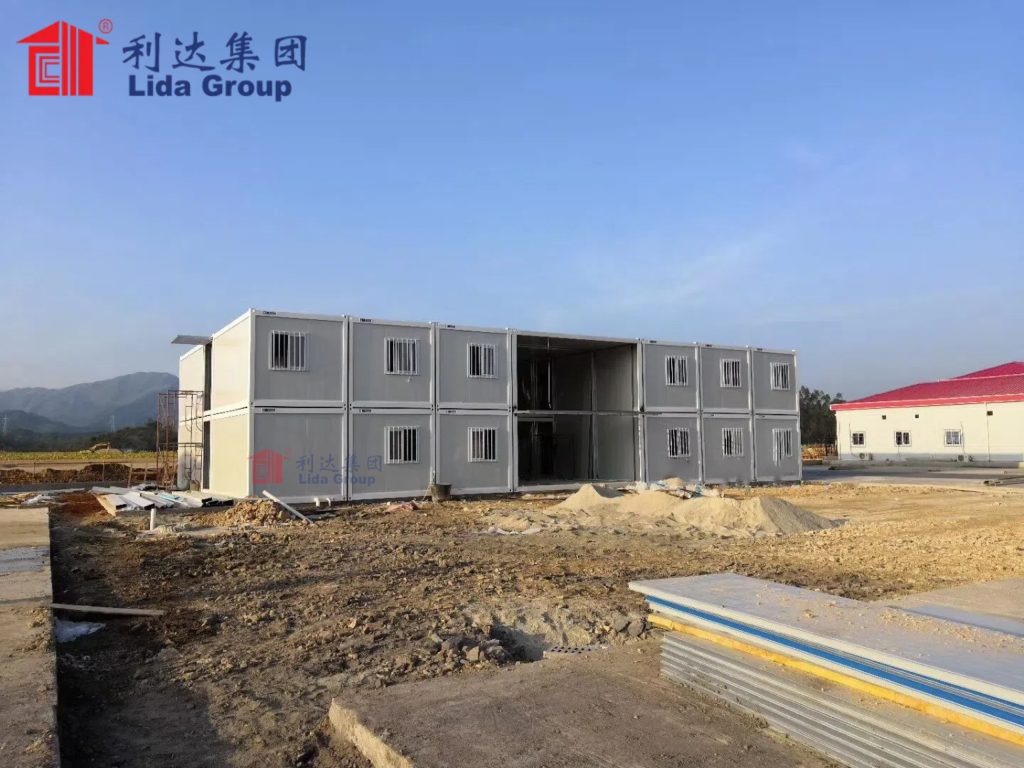
1. The Philosophy of Modern Free Design: Breaking the Molds of Container Construction
1.1 Unrestricted Customization: From Layout to Finishes
- Spatial Configuration: Combine 20ft, 40ft, or custom-sized containers horizontally, vertically, or in L-shaped, U-shaped, or stacked arrangements to create unique floor plans. For example, a 40ft container can be split into a 2-bedroom, 1-bathroom unit, or combined with two 20ft containers to form a 3-bedroom, 2-bathroom home with a living room and kitchen.
- Interior Design: Choose from a wide range of finishes, including wooden flooring, exposed steel beams, glass partitions, and custom cabinetry. Lida Group’s design team collaborates with clients to integrate personal touches—such as built-in storage, home offices, or indoor gardens—without sacrificing space or structural safety.
- Exterior Aesthetics: Customize facades with cladding materials (e.g., wood, metal, composite panels), large windows, sliding doors, balconies, or green walls. Lida Group’s container apartments avoid the “industrial” look often associated with shipping containers, instead offering sleek, modern designs that blend seamlessly with urban or natural environments.
1.2 Seamless Functionality: Designing for Lifestyle Needs
- Space Optimization: For small-footprint apartments (e.g., 30–50㎡), Lida Group incorporates multi-purpose furniture, foldable surfaces, and vertical storage to maximize usable space. For example, a sofa that converts into a bed, a dining table that doubles as a workspace, or floor-to-ceiling cabinets that hide clutter.
- Flow and Accessibility: Open-plan layouts are popular for creating a sense of spaciousness, while sliding doors or room dividers allow for privacy when needed. Lida Group also offers accessible design options—such as wide doorways, ramps, and lower countertops—for clients with mobility needs.
- Outdoor Integration: Balconies, terraces, or rooftop gardens are common additions, blurring the line between indoor and outdoor living. These spaces are designed to be functional, with options for seating, gardening, or outdoor dining, enhancing the overall quality of life.
1.3 Aesthetic Versatility: From Minimalist to Luxurious
- Material Contrast: Combining exposed steel (a nod to the container’s origin) with warm materials such as wood, stone, or textiles creates a balanced, inviting atmosphere. For example, a living room with steel beams, wooden flooring, and plush upholstery feels both modern and cozy.
- Lighting Design: Large windows, skylights, and strategic lighting fixtures maximize natural light and create ambiance. Floor-to-ceiling glass walls are a popular choice, offering panoramic views and making small spaces feel larger.
- Color Palettes: Clients can choose from neutral tones (e.g., white, gray, beige) for a timeless look, or bold accent colors to make a statement. Lida Group’s design team provides color consultations to ensure that finishes and furnishings complement each other harmoniously.
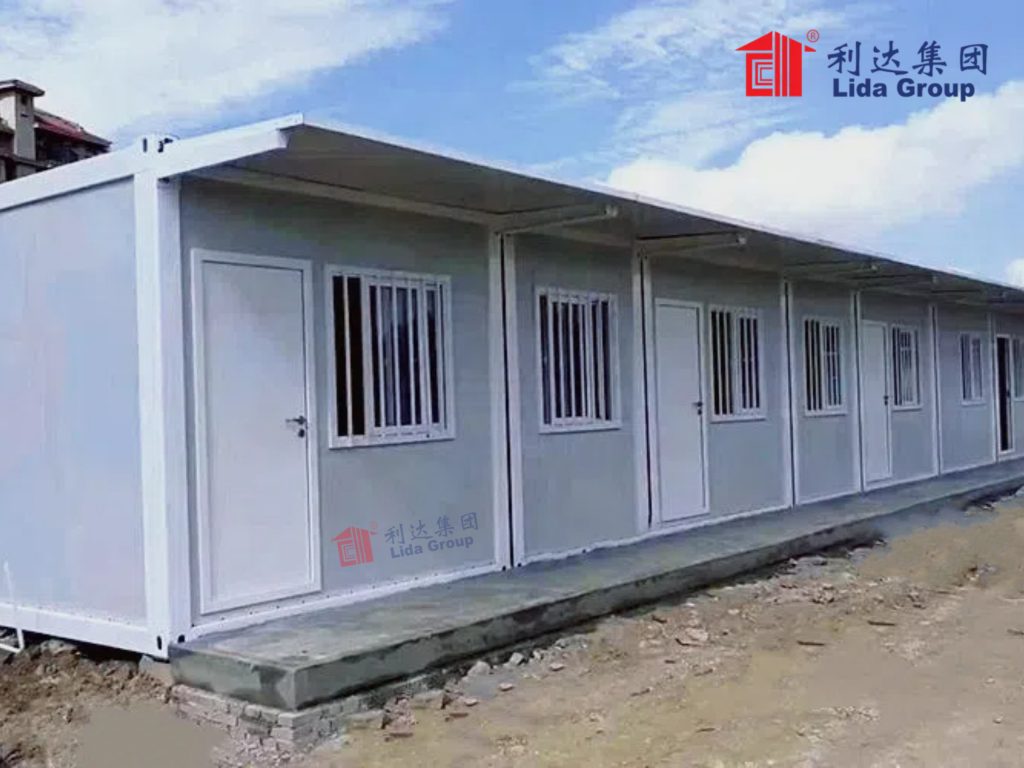
2. Technical Innovations: Enabling Free Design Without Compromise
2.1 Structural Engineering: Flexibility Meets Strength
- Reinforced Steel Frames: Using high-grade galvanized steel with a wall thickness of up to 2.5mm, Lida Group’s containers offer exceptional strength and corrosion resistance. The frames are reinforced at connection points to support vertical stacking (up to 5 stories) and horizontal expansion.
- Hybrid Structural Systems: Drawing inspiration from advanced modular construction techniques, Lida Group integrates steel-concrete composites for critical load-bearing components. This hybrid approach enhances structural stability while allowing for large windows and open-plan layouts without compromising safety.
- Wind and Earthquake Resistance: Lida Group’s container apartments are engineered to withstand extreme weather conditions, with wind resistance ratings of up to 120 km/h (12-level winds) and earthquake resistance of up to 8 magnitudes. This ensures durability and safety in diverse geographical locations, from coastal areas to seismic zones.
2.2 Modular Construction: Precision and Efficiency
- Factory Prefabrication: 80–90% of construction work is completed in Lida Group’s climate-controlled factories, including structural assembly, insulation, plumbing, electrical wiring, and interior finishes. This ensures precision manufacturing (with tolerances of ±0.5mm) and reduces on-site construction time by 50–70% compared to traditional methods.
- Flexible Connection Systems: Lida Group uses proprietary bolted and welded connection systems that allow containers to be joined securely in any configuration. Bolted connections are ideal for semi-permanent structures (enabling future reconfiguration), while welded connections offer maximum stability for permanent homes.
- Rapid Deployment: A typical 50㎡ container apartment can be manufactured in 2–3 weeks and assembled on-site in 3–5 days by a small team. This speed not only reduces labor costs but also allows clients to move into their customized homes faster than with traditional construction.
2.3 Insulation and Energy Efficiency: Comfort in All Climates
- High-Performance Insulation Materials: Using EPS (Expanded Polystyrene) or PU (Polyurethane) sandwich panels with a thermal conductivity of 0.024–0.030 W/(m·K), Lida Group’s containers achieve excellent thermal insulation. The panels are installed on walls, roofs, and floors, creating an airtight envelope that minimizes heat transfer.
- Weatherproofing: Sealed doors, double-glazed windows, and waterproof membranes prevent moisture infiltration and air leakage, further enhancing energy efficiency. Lida Group’s containers maintain internal temperatures between 18–26℃ even in extreme environments (ranging from -40℃ to 50℃).
- Energy-Efficient Systems: Integrating LED lighting, energy-saving appliances, and smart thermostats reduces energy consumption by 30–40% compared to traditional homes. Many of Lida Group’s projects also offer optional solar panels and rainwater collection systems, enabling off-grid or low-carbon living.
2.4 Smart Technology Integration: Enhancing Convenience and Control
- Home Automation: Clients can control lighting, temperature, security, and appliances remotely via a mobile app or voice commands. For example, adjusting the thermostat while away from home, turning on lights before arrival, or monitoring security cameras in real-time.
- IoT Sensors: Integrated sensors monitor indoor air quality, humidity, and energy usage, providing insights to optimize comfort and reduce waste. Alerts are sent to users’ phones if issues are detected (e.g., high CO2 levels or water leaks).
- Customizable Smart Zones: Clients can create personalized smart zones (e.g., a home office with automated lighting and device charging, or a bedroom with a sleep-friendly temperature and lighting schedule) to match their lifestyle needs.
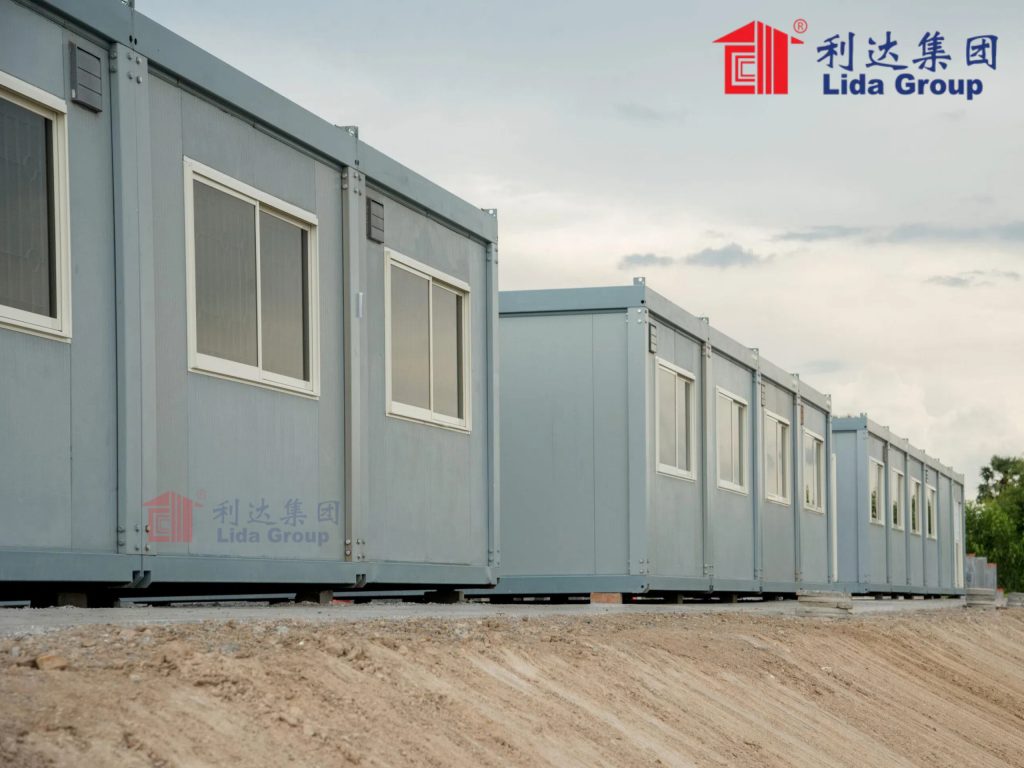
3. Sustainability: Free Design with a Green Conscience
3.1 Repurposing and Recycling: Reducing Environmental Impact
- Repurposing Used Containers: Each repurposed 40ft container reduces steel consumption by 3.5 tons and carbon emissions by 65% compared to traditional construction materials. Lida Group sources decommissioned containers that would otherwise end up in landfills, giving them a new life as residential spaces.
- Recyclable Materials: The steel used in containers is 100% recyclable, with a recovery rate of 90% at the end of the structure’s lifespan. Lida Group also uses eco-friendly interior materials, such as zero-formaldehyde wood panels, low-VOC paints, and recycled flooring, to improve indoor air quality and reduce environmental impact.
- Waste Reduction: Factory prefabrication minimizes on-site waste by 80–90% compared to traditional construction. Lida Group’s precision manufacturing processes optimize material usage, with waste rates as low as 2–5% (versus 15–20% for on-site builds).
3.2 Energy and Water Efficiency: Lowering Operational Costs
- Passive Design Strategies: Orientation, insulation, and window placement are optimized to maximize natural light and ventilation, reducing the need for artificial lighting and air conditioning. For example, south-facing windows capture solar heat in winter, while overhangs and shading devices prevent overheating in summer.
- Renewable Energy Integration: Solar panels, wind turbines, and energy storage systems are available as optional upgrades, enabling residents to generate their own electricity and reduce reliance on the grid. A typical 50㎡ container apartment with solar panels can meet 60–80% of its energy needs.
- Water Conservation: Low-flow faucets, showerheads, and toilets reduce water usage by 30–40%. Rainwater collection systems store water for gardening, cleaning, and toilet flushing, further reducing reliance on municipal water supplies.
3.3 Policy Alignment and Green Certifications
- Policy Support: In China, Lida Group’s container apartments qualify for subsidies of up to 400 yuan/㎡ ($55/㎡) under the “14th Five-Year Plan for Prefabricated Construction Development.” Similar incentives are available in Europe (via the Green Deal) and the United States (via the Inflation Reduction Act) for projects meeting LEED or BREEAM standards.
- Green Certifications: Lida Group’s projects regularly achieve LEED Silver or Gold certifications, recognizing their energy efficiency, water conservation, and use of sustainable materials. These certifications not only enhance the value of the properties but also appeal to environmentally conscious buyers and renters.
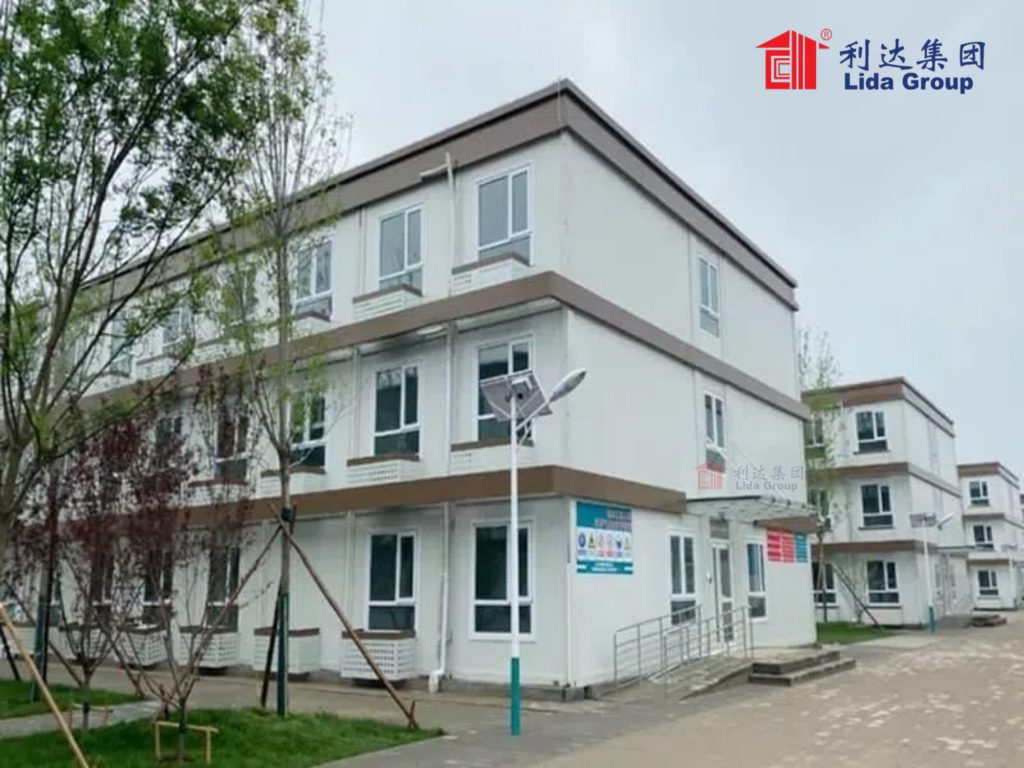
4. Project Case Studies: Bringing Free Design to Life
4.1 Case Study 1: Urban Flex Lofts, Shanghai, China
Free Design Features:
Customizable layouts: Residents can choose between open-plan studios or partitioned lofts with movable room dividers.
Exterior customization: Each unit features a private balcony with customizable railings (wood, metal, or glass) and planter boxes.
Smart home integration: All units come with basic home automation (lighting, temperature control) and optional upgrades (voice assistants, security systems).
Technical Specifications:
Structural system: Stacked 40ft containers with reinforced steel frames and hybrid steel-concrete floors.
Insulation: PU sandwich panels (thermal conductivity 0.026 W/(m·K)) with double-glazed windows.
Construction time: 4 months (factory prefabrication) + 1 month (on-site assembly).
Outcomes:
95% occupancy rate within 3 months of completion, with rental rates 15% higher than nearby traditional apartments (due to customization options and smart features).
Energy consumption 35% lower than traditional apartments, resulting in monthly utility savings of \(50–\)80 per unit.
Winner of the 2024 China Modular Construction Innovation Award for “Best Residential Design.”
4.2 Case Study 2: Eco-Community Villas, Chengdu, China
Free Design Features:
Customizable floor plans: Three to four-bedroom configurations with optional home offices, gyms, or guest rooms.
Exterior aesthetics: Clients chose between wood-clad or stone-clad facades, with large windows and sliding glass doors leading to private gardens.
Sustainable upgrades: 80% of residents opted for solar panels and rainwater collection systems.
Technical Specifications:
Structural system: Combined 20ft and 40ft containers with welded connections and reinforced foundations.
Insulation: EPS sandwich panels with exterior cladding for additional thermal protection.
Sustainability features: Solar panels (3–5kW per unit), rainwater tanks (500L capacity), and native plant gardens for water conservation.
Outcomes:
Achieved LEED Gold certification, with carbon emissions 60% lower than traditional villas.
Resale value increased by 20% within 1 year, outperforming nearby traditional housing developments.
Community satisfaction rate of 92%, with residents praising the flexibility, sustainability, and sense of community.
4.3 Case Study 3: Urban Micro-Apartments, Bangkok, Thailand
Free Design Features:
Space-saving customization: Foldable furniture (beds, desks, dining tables) and vertical storage solutions maximize usable space.
Flexible shared spaces: The co-working space can be reserved for private meetings or events, while the rooftop terrace offers seating and gardening areas.
Aesthetic options: Residents chose between minimalist or bohemian interior finishes, with customizable accent walls and lighting.
Technical Specifications:
Structural system: Stacked 20ft containers with bolted connections (enabling future expansion).
Insulation: PU sandwich panels with heat-reflective coating to combat Bangkok’s hot climate.
Smart features: Shared IoT sensors monitor energy usage in common areas, while individual units have smart thermostats and lighting.
Outcomes:
Rented out within 2 months of completion, with a waiting list of over 50 applicants.
Monthly rent 20% lower than nearby traditional micro-apartments, making it accessible to young professionals on a budget.
Energy consumption 40% lower than traditional apartments, thanks to insulation and smart energy management.
5. Market Impact and Industry Leadership
5.1 Driving Market Growth and Demand
5.2 Setting Industry Standards for Design and Quality
5.3 Inspiring Innovation and Collaboration
6. Challenges and Future Directions
6.1 Current Challenges and Mitigation Strategies
- Perception Barriers: Some consumers still associate container housing with temporary or low-quality shelters. Lida Group mitigates this through marketing campaigns highlighting its high-end projects, green certifications, and client testimonials. The company also offers virtual tours and model homes to showcase the quality and customization options of its container apartments.
- Regulatory Hurdles: Building codes for container housing vary by region, with some areas lacking clear guidelines for non-standard configurations. Lida Group works closely with local governments to advocate for container-friendly regulations and ensure compliance with existing standards. The company’s use of international standards (e.g., CE, ISO) also facilitates market entry in new regions.
- Supply Chain Volatility: Fluctuations in steel prices and global supply chain disruptions can impact production costs and timelines. Lida Group mitigates this by diversifying its supplier base, stockpiling critical materials, and investing in local production facilities in key markets.
6.2 Future Directions: Innovations on the Horizon
- AI-Powered Customization: Using artificial intelligence to create personalized design recommendations based on clients’ lifestyle, budget, and preferences. Clients will be able to input their needs via a mobile app, receive 3D renderings of customized layouts, and make real-time adjustments.
- Sustainable Material Innovations: Exploring new eco-friendly materials, such as bamboo composites, recycled plastic cladding, and bio-based insulation, to further reduce environmental impact. Lida Group is also researching 3D-printed components for on-demand customization and reduced waste.
- Smart City Integration: Developing container apartments that integrate with smart city infrastructure, such as shared mobility services, renewable energy grids, and digital community platforms. This will enable residents to live more connected, sustainable lives while reducing their carbon footprint.
- Global Expansion: Entering emerging markets in Southeast Asia, Africa, and Latin America, where urbanization and housing shortages create significant demand for affordable, flexible housing. Lida Group plans to adapt its free design approach to local cultures, climates, and regulatory requirements, ensuring that its container apartments are relevant and accessible globally.
7. Conclusion
Related news
-
Lida Group Launches Customizable Free Design Container Apartments
2025-12-16 17:26:52
-
Durable and Scalable Prefab Mobile Container House Solutions
2025-12-17 16:25:46
-
Achieve Faster ROI with Cost-Effective Prefab Construction
2025-12-17 17:07:19
contact us
- Tel: +86-532-88966982
- Whatsapp: +86-13793209022
- E-mail: sales@lidajituan.com
