



Lida Group Launches New Prefab House with Sandwich Panel Technology
2025-Nov-25 15:32:50
By Admin
In the global push toward sustainable, efficient, and resilient construction, prefabricated buildings have emerged as a cornerstone of the industry’s transformation. As urbanization accelerates, climate regulations tighten, and the demand for rapid-deployment infrastructure grows, manufacturers are compelled to innovate beyond traditional modular designs. Lida Group, a trailblazer in modular construction with a global footprint, has risen to this challenge with the launch of its latest breakthrough: a cutting-edge prefab house integrated with advanced sandwich panel technology. This new product line redefines the possibilities of prefabricated construction by merging the structural integrity of modular systems with the multi-functional benefits of high-performance sandwich panels—delivering unparalleled energy efficiency, durability, and customization.
For decades, sandwich panels have been recognized for their superior insulation, strength-to-weight ratio, and versatility, but their full potential in prefab housing has remained untapped due to limitations in integration, scalability, and cost-effectiveness. Lida Group’s new prefab house addresses these gaps through a proprietary fusion of sandwich panel technology with modular construction principles, drawing on the company’s decades of expertise in container houses and modular buildings. The result is a product that not only meets the rigorous demands of residential, commercial, industrial, and offshore applications but also sets a new benchmark for sustainability and performance in the prefab sector.
This article explores the full scope of Lida Group’s new prefab house with sandwich panel technology, from the technical innovation behind the sandwich panels to the product’s specifications, customization capabilities, real-world applications, quality assurance, and market impact. By examining how this launch aligns with global construction trends and addresses industry pain points, we uncover why Lida Group’s latest offering is poised to reshape the future of prefabricated building.
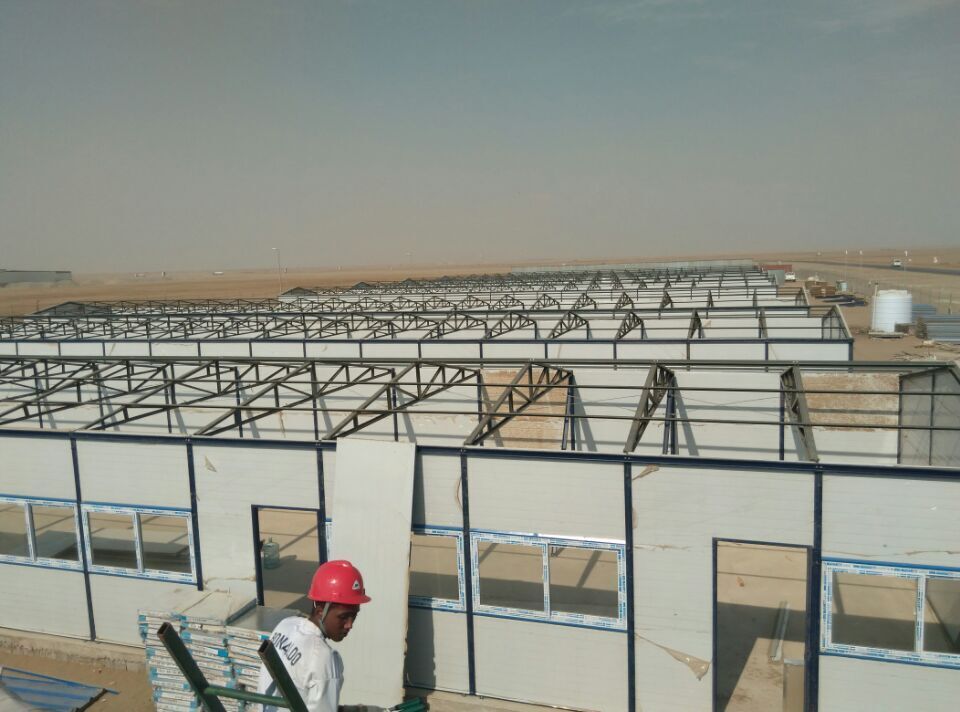
1. The Evolution of Sandwich Panel Technology in Prefab Construction
To understand the significance of Lida Group’s new launch, it is essential to trace the evolution of sandwich panel technology and its role in modern prefabrication. Sandwich panels—composed of two outer facings (skins) and a core material—have been used in construction since the mid-20th century, valued for their ability to combine structural support, insulation, and weather resistance in a single component. However, early iterations were limited by core materials that lacked durability, poor fire resistance, and challenges in modular integration.
1.1 Industry Pain Points Addressed by Advanced Sandwich Panels
Traditional prefab houses and conventional construction face a range of challenges that sandwich panel technology is uniquely positioned to solve:
- Inefficient Insulation: Traditional building materials (e.g., brick, concrete) offer minimal thermal resistance, leading to high energy consumption for heating and cooling. According to the International Energy Agency (IEA), buildings account for 36% of global energy use, with a significant portion attributed to poor insulation.
- Structural Fragility: Many prefab units struggle to balance portability with durability, particularly in extreme environments such as typhoon-prone regions or offshore platforms.
- Environmental Impact: Conventional construction generates 30% of global landfill waste and 17% of carbon emissions, while early prefab designs often relied on non-recyclable materials.
- Slow Deployment: Even modular buildings can face delays due to the need for separate installation of insulation, cladding, and structural components.
- Limited Customization: Rigid panel designs have historically restricted architectural flexibility, making it difficult to adapt prefab units to diverse client needs.
1.2 The Rise of High-Performance Sandwich Panels
Recent advancements in sandwich panel technology have addressed these limitations, driven by innovations in core materials, facing systems, and manufacturing processes. Modern sandwich panels now integrate:
- Advanced Core Materials: Replacing traditional polystyrene (EPS) with materials such as extruded polystyrene (XPS), polyurethane (PU), rock wool, and even bio-based alternatives (e.g., seaweed insulation) to enhance thermal performance, fire resistance, and sustainability.
- High-Strength Facings: Using corrosion-resistant steel, aluminum-zinc alloy, or fiber-reinforced composites to improve structural integrity and weather resistance.
- Integrated Functionality: Combining insulation, soundproofing, fire protection, and waterproofing in a single panel, eliminating the need for multiple construction steps.
As noted in industry research, the global sandwich panel market is projected to grow at a CAGR of 8.3% from 2024 to 2030, driven by demand for energy-efficient and rapid-construction solutions. Lida Group’s new prefab house capitalizes on this momentum, leveraging state-of-the-art sandwich panel technology to create a product that is both innovative and market-ready.
2. Lida Group’s New Prefab House: Technology & Innovation
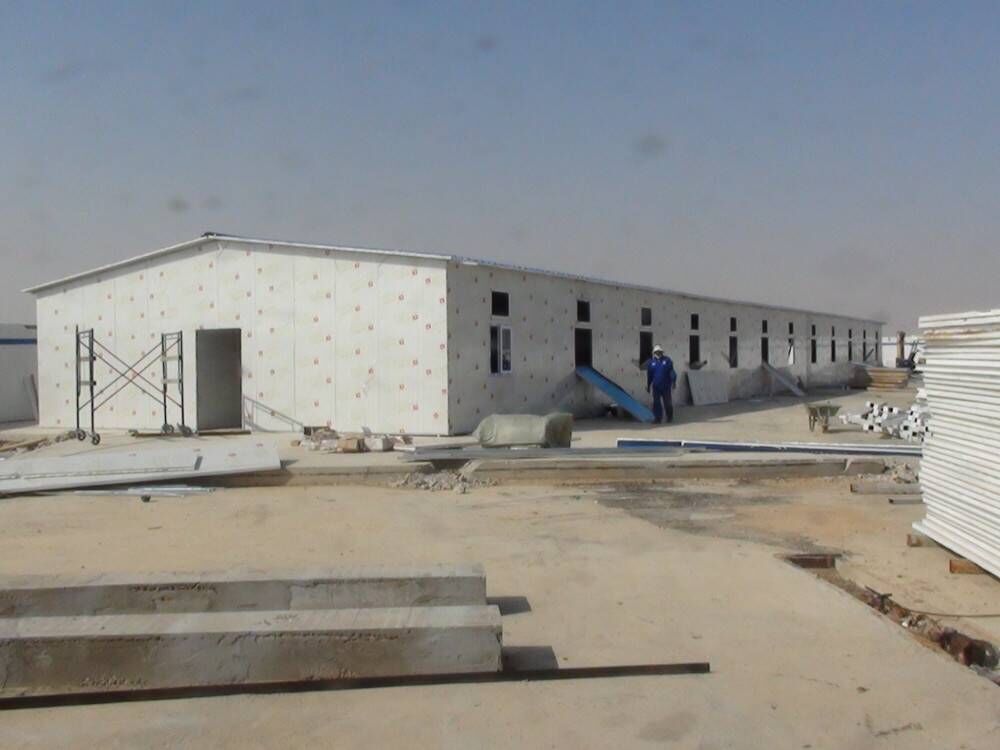
Lida Group’s new prefab house represents the culmination of three years of research and development, bringing together the company’s expertise in modular construction with breakthroughs in sandwich panel integration. The product is built on the principle of “integrated functionality,” where every component—from the sandwich panels to the structural frame—works in harmony to deliver superior performance, sustainability, and adaptability.
2.1 Core Technology: Proprietary Sandwich Panel System
At the heart of Lida Group’s new prefab house is its proprietary sandwich panel system, engineered to address the key pain points of traditional prefab and conventional construction. The panels feature a triple-layer design, combining two high-strength outer facings with a high-performance core, all manufactured in Lida’s state-of-the-art facilities using automated precision processes.
2.1.1 Panel Composition & Materials
- Outer Facings: The panels use 0.5mm thick aluminum-zinc color steel sheets (AZ150 coating) for the outer layer and 0.4mm galvanized steel for the inner layer, providing exceptional corrosion resistance (compatible with ISO 1461 standards) and structural rigidity. The outer facings are treated with a PE/PVDF coating, available in a range of customizable colors, to enhance weather resistance and aesthetics.
- Core Materials: Lida Group offers three core material options, tailored to different application requirements:
-
- Polyurethane (PU) Core: Ideal for cold climates, with a thermal conductivity of 0.022 W/(m·K) and R-value of 6.5 per inch, providing superior insulation. PU core panels also offer excellent fire resistance (Grade B1) and sound reduction (45 dB).
-
- Rock Wool Core: Designed for high-temperature or fire-sensitive environments (e.g., industrial facilities, offshore platforms), with a fire resistance rating of 4 hours (Grade A) and thermal conductivity of 0.038 W/(m·K). Rock wool is non-combustible, moisture-resistant, and eco-friendly.
-
- Bio-Based Seaweed Core: A sustainable alternative for eco-conscious projects, with a thermal conductivity of 0.030 W/(m·K) and 100% biodegradable composition. Derived from renewable seaweed resources, this core material reduces carbon emissions by 70% compared to synthetic alternatives.
- Adhesive Technology: The panels use a high-strength polyurethane adhesive (compatible with ASTM C976 standards) to bond the facings and core, ensuring structural integrity even under extreme stress (e.g., wind loads of up to 2.5 kN/m² or seismic activity up to Grade 8).
2.1.2 Key Technical Advantages of the Sandwich Panel System
Lida Group’s sandwich panel system offers four critical advantages over traditional building materials and conventional prefab panels:
- Integrated Functionality: Each panel combines structural support, thermal insulation, soundproofing, fire protection, and waterproofing, eliminating the need for separate installation of these components. This reduces construction time by 40% compared to traditional prefab houses and 60% compared to conventional buildings.
- Superior Energy Efficiency: The high R-value of the panels (up to 7.2 per inch for PU core) reduces energy consumption for heating and cooling by 50-70% compared to standard prefab units. For example, a 40 ft unit with PU core panels maintains an internal temperature of 22°C in external temperatures ranging from -30°C to 45°C without additional heating or cooling.
- Exceptional Durability: The aluminum-zinc facings and corrosion-resistant core materials extend the service life of the prefab house to 25 years—5 years longer than Lida’s previous container house models and 10 years longer than industry averages. The panels are also resistant to mold, mildew, and insect infestation.
- Lightweight yet Strong: The sandwich panels weigh 60% less than concrete walls and 30% less than traditional steel-framed prefab walls, reducing transportation costs by 25% and enabling easier on-site assembly. Despite their light weight, the panels have a compressive strength of 250 kPa and flexural strength of 150 kPa, meeting AISC (American Institute of Steel Construction) standards.
2.2 Structural Design: Modular Integration with Sandwich Panels
Lida Group’s new prefab house features a modular steel frame designed to seamlessly integrate with the sandwich panel system, creating a unified structure that balances flexibility and stability. The frame uses cold-formed steel (CFS) members with a thickness of 2.0-3.0mm, engineered to support vertical loads of 3.0 kN/m² and horizontal loads of 1.5 kN/m².
2.2.1 Modular Configuration Options
The prefab house is available in three standard modular configurations, all compatible with sandwich panel integration:
- Single-Unit Modules: 20 ft (6055 * 2435 * 2896 mm) and 40 ft (12192 * 2435 * 2896 mm) units, ideal for temporary housing, offices, or small-scale residential use.
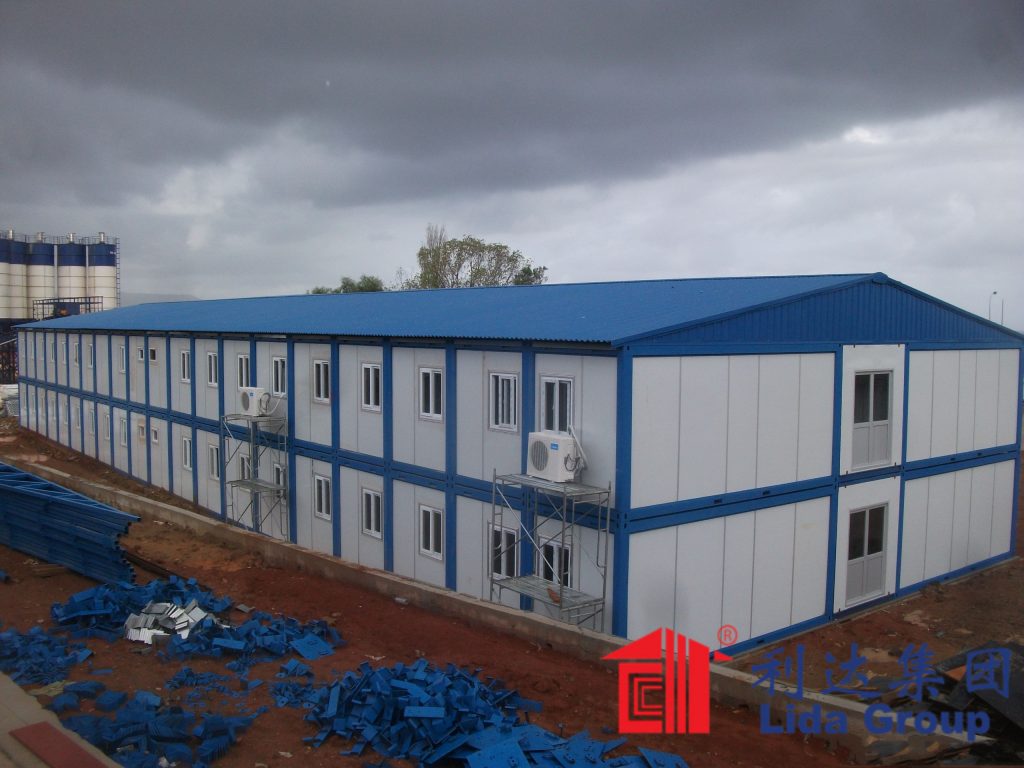
- Multi-Unit Combinations: Horizontal and vertical integration of up to 10 units to create larger structures, such as multi-story residential buildings, commercial complexes, or industrial facilities. The modular design allows for configurations ranging from 2-story duplexes to 5-story apartment blocks.
- Custom Modular Solutions: Tailored dimensions (width up to 3500 mm, length up to 15000 mm) for specialized applications, such as offshore crew quarters, disaster relief shelters, or pop-up retail spaces.
2.2.2 Structural Integrity & Safety Features
The integration of sandwich panels with the modular steel frame enhances the structural integrity and safety of the prefab house:
- Seismic Resistance: The flexible steel frame and rigid sandwich panels work together to withstand earthquakes up to Grade 8, meeting ISO 3010 standards.
- Wind Load Capacity: The aerodynamic design of the panels and interlocking frame connections enable the house to resist wind speeds of up to 280 km/h (Category 5 typhoons), making it suitable for coastal and offshore environments.
- Fire Safety: Depending on the core material, the house achieves a fire resistance rating of 2-4 hours (Grade A-B1), complying with ASTM E119 and EN 13501 standards. The rock wool core panels also prevent fire spread, with a flame spread index of less than 25.
- Waterproofing: The sandwich panels feature a tongue-and-groove edge design with EPDM rubber seals, ensuring watertightness even in heavy rain or marine environments. The panels are tested to withstand 100mm of rainfall per hour without leakage.
2.3 Manufacturing Process: Precision & Sustainability
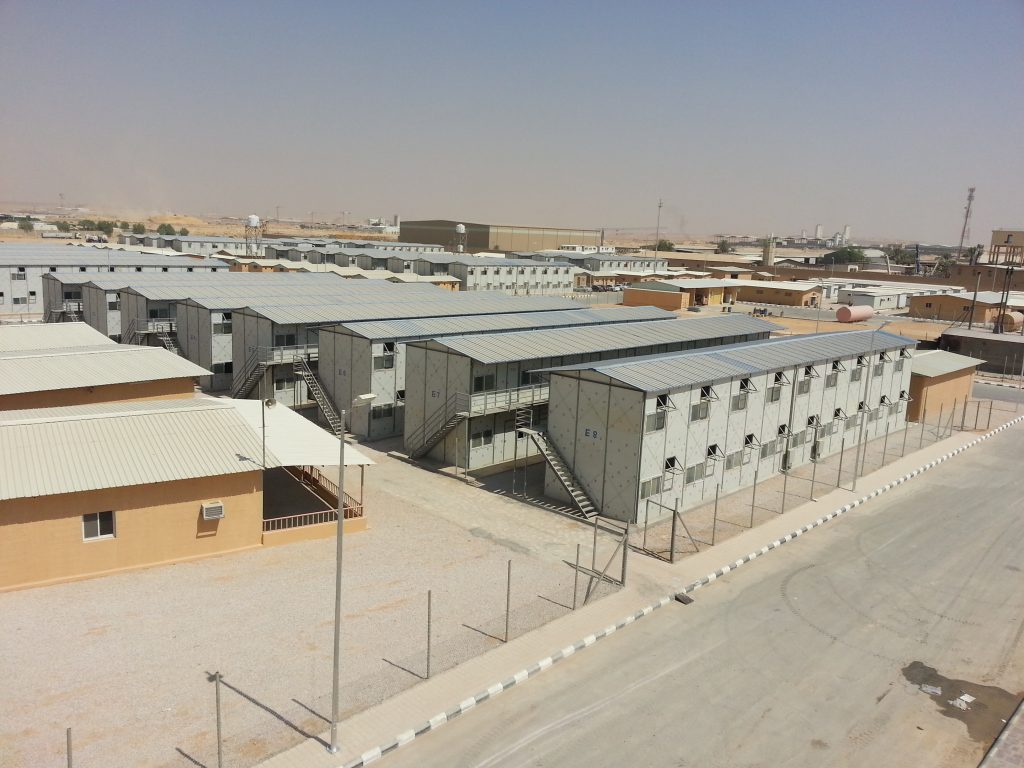
Lida Group manufactures the new prefab house in its 50,000 m² facility in Shandong, China, using intelligent production lines and automated processes to ensure quality and efficiency. The manufacturing process follows a six-step workflow, integrated with digital management systems to minimize waste and optimize sustainability:
- Material Sourcing & Inspection: All raw materials (steel, core materials, adhesives) are sourced from certified suppliers and undergo rigorous inspection to ensure compliance with international standards. The aluminum-zinc steel sheets are sourced from ArcelorMittal, while the PU core materials are supplied by BASF, ensuring consistent quality.
- Panel Fabrication: The sandwich panels are manufactured using automated continuous production lines, with AI-guided cutting and bonding processes. The precision of these machines reduces material waste to less than 3%—far below the industry average of 10%.
- Frame Manufacturing: The cold-formed steel frame is fabricated using CNC punching and bending machines, ensuring dimensional accuracy within ±0.5mm.
- Module Assembly: The sandwich panels are integrated with the steel frame in the factory, along with pre-installed electrical and plumbing systems. This “factory-finished” approach reduces on-site work by 80%.
- Quality Control Testing: Each module undergoes 12 quality control checks, including thermal performance testing, structural load testing, fire resistance testing, and waterproofing testing. Only modules that pass all tests are approved for shipment.
- Sustainable Packaging: The modules are packaged using recycled cardboard and reusable steel brackets, reducing packaging waste by 70% compared to traditional prefab units.

3. Product Specifications & Customization Capabilities
Lida Group’s new prefab house with sandwich panel technology is designed to meet the diverse needs of clients across industries, offering extensive customization options for design, materials, functionality, and aesthetics. The product’s modular nature and the versatility of the sandwich panel system enable tailored solutions for residential, commercial, industrial, and offshore applications.
3.1 Standard Product Specifications
The new prefab house comes with the following standard specifications, all optimized for performance and efficiency:
|
Specification Category
|
Details
|
|
Dimensions
|
Standard: 20 ft (605524352896 mm), 40 ft (1219224352896 mm) 2435-3500 mm, Length 6055-15000 mm, Height 2896-3500 mm
|
|
Structural Frame
|
Cold-formed steel (CFS) with 2.0-3.0 mm thicknessGalvanized finish for corrosion resistance
|
|
Sandwich Panels
|
Outer Facing: 0.5mm aluminum-zinc color steel (AZ150 coating)Inner Facing: 0.4mm galvanized steelCore Options: PU (0.022 W/(m·K)), Rock Wool (0.038 W/(m·K)), Seaweed (0.030 W/(m·K))>Panel Thickness: 100mm (standard), 150mm (optional for extreme climates)
|
|
Insulation Performance
|
R-value: 6.5-7.2 per inchThermal Conductivity: 0.022-0.038 W/(m·K)
|
|
Safety Ratings
|
Fire Resistance: 2-4 hours (Grade A-B1)ismic Resistance: Grade 8Wind Load Capacity: Up to 280 km/hing: IPX7 rating
|
|
Interior Finishes
|
Walls: 12mm gypsum board with paint finishoring: 18mm bamboo wood with PVC underlay Ceiling: 9.5mm gypsum board with recessed lighting
|
|
Utility Systems
|
Electrical: 110-220V, 50-60Hz, pre-installed sockets, switches, and distribution board Pre-installed pipes for kitchen and bathroom, compatible with low-flow fixtures: Natural cross-ventilation with adjustable windows
|
|
Installation Time
|
Single unit: 24-48 hours-unit complex (10 units): 7-10 days
|
|
Service Life
|
25 years (with minimal maintenance)
|
3.2 Customization Options
Lida Group offers four levels of customization for the new prefab house, ensuring that each project meets the unique requirements of clients:
3.2.1 Design & Layout Customization
Clients can collaborate with Lida’s design team to create custom layouts and architectural features, supported by 3D modeling software for visualizations. Key customization options include:
- Floor Plans: Tailored layouts for residential (bedrooms, bathrooms, kitchens, living areas), commercial (offices, retail spaces, cafes), industrial (workshops, control rooms), and offshore (crew quarters, laboratories) applications. For example, a residential client can opt for an open-concept living area with floor-to-ceiling windows, while an offshore client can design a layout with blast-resistant control rooms.
- Multi-Unit Configurations: Horizontal and vertical integration of modules to create larger structures, such as 3-story apartment buildings, multi-unit office complexes, or industrial warehouses. The modular design allows for flexible expansion or reconfiguration in the future.
- Architectural Features: Custom window and door placements (sliding windows, casement windows, glass doors, security doors), rooftop decks, balconies, awnings, and exterior cladding accents (wood, stone, or fiber cement) to enhance aesthetics and functionality.
- Accessibility Modifications: Wheelchair ramps, wide doorways (900mm minimum), accessible bathrooms, and grab bars for residential or commercial projects catering to individuals with disabilities.
3.2.2 Material & Component Customization
Clients can select from a range of materials and components to prioritize sustainability, durability, energy efficiency, or cost-effectiveness:
- Sandwich Panel Core Materials: Choice of PU (energy efficiency), rock wool (fire safety), or seaweed (sustainability) core, with optional thickness upgrades (150mm) for extreme climates.
- Facing Materials: Customization of outer facing materials, including recycled aluminum, fiber-reinforced plastic (FRP), or wood-effect steel sheets, to match the surrounding environment or brand identity.
- Roofing Systems: Flat roofs (standard), sloped roofs (for heavy rainfall regions), or solar-integrated roofs (with thin-film PV panels generating 200W/m²) for net-zero energy projects.
- Interior Finishes: Customizable wall paints, flooring materials (vinyl, carpet, or industrial-grade steel), countertops (granite, quartz, or recycled materials), and cabinetry (wood, PVC, or recycled plastic).
- Windows & Doors: High-performance options such as double-glazed windows (for enhanced insulation), blast-resistant steel doors (for industrial applications), or biometric security doors (for commercial projects).
3.2.3 Functional & Specialized Customization
Lida Group’s new prefab house can be tailored to meet specialized functional requirements for diverse industries:
- Offshore & Industrial Applications: Blast-resistant sandwich panels (12mm armor steel facings, API RP 2FB compliant), EMI-shielded control rooms, watertight bulkheads (rated for 20m wave submersion), and helicopter-evacuation-ready rooftop pads.
- Energy-Efficient Solutions: Solar PV integration, battery storage systems (10kWh-50kWh), hydrogen fuel cell backup power, and AI energy management systems to optimize energy usage and achieve net-zero energy status.
- Disaster Relief & Emergency Housing: Rapid-deployment modules (assembled in 24 hours), foldable designs for easy transportation, built-in first-aid stations, and flood-resistant foundations (elevated by 600mm) for post-disaster housing.
- Sustainable Upgrades: Rainwater harvesting systems (1,500-gallon storage tanks), greywater recycling systems (reducing water usage by 40%), and low-flow fixtures (faucets, showers, toilets) to minimize environmental impact.
3.2.4 Aesthetic Customization
The new prefab house offers extensive aesthetic customization to align with client preferences or project requirements:
- Exterior Colors: A range of standard and custom colors for the sandwich panel facings, including white, gray, brown, blue, and green, with optional matte or glossy finishes.
- Exterior Cladding Accents: Addition of wood, stone, or fiber cement cladding to select areas of the exterior, creating a modern or traditional aesthetic.
- Branding Integration: For commercial clients, custom logos, signage, or brand colors can be incorporated into the exterior design, making the prefab house suitable for pop-up shops, kiosks, or brand activations.
- Landscaping Compatibility: The modular design allows for integration with landscaping features such as vertical gardens, planters, or outdoor seating areas, enhancing the overall aesthetic appeal.
4. Quality Assurance & Certification
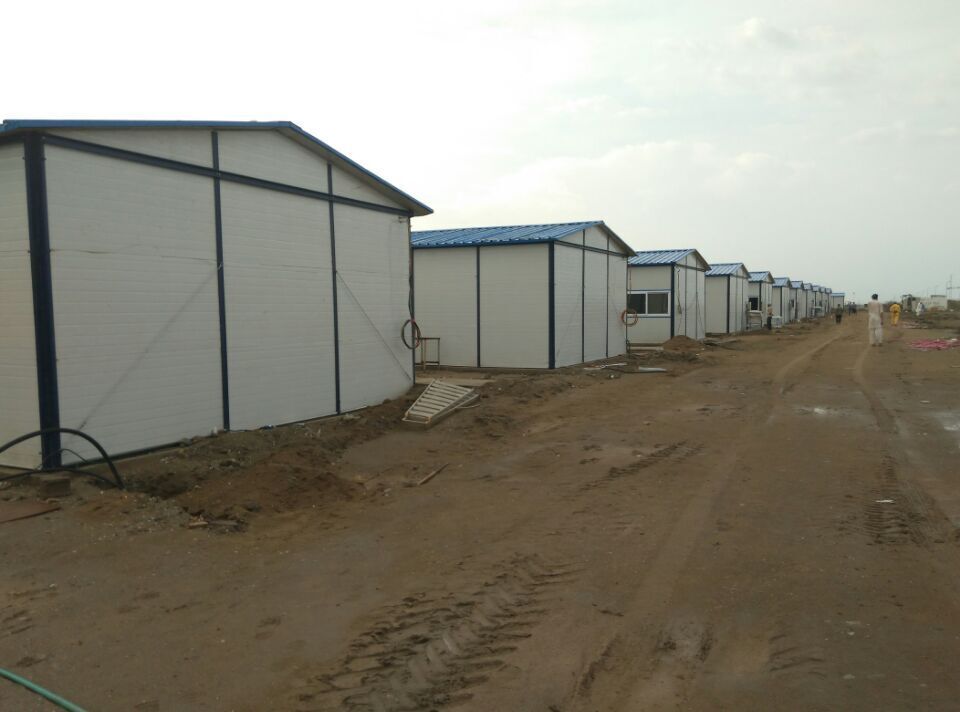
Lida Group’s commitment to quality is a cornerstone of its new prefab house with sandwich panel technology. The product undergoes rigorous testing and holds international certifications to ensure compliance with global safety, performance, and sustainability standards. This commitment to quality has earned Lida Group a reputation as a trusted supplier for projects worldwide, from offshore oil platforms to residential communities.
4.1 Key International Certifications
The new prefab house has obtained the following certifications, validating its quality, safety, and sustainability:
- ISO 9001:2015: Quality management system certification, ensuring consistent production processes and product quality.
- ISO 14001:2015: Environmental management system certification, verifying compliance with sustainable manufacturing practices.
- ISO 45001:2018: Occupational health and safety management system certification, ensuring safe working conditions during production and installation.
- DNV GL-OS-C 301: Offshore certification for modular buildings, validating compliance with offshore safety and environmental standards for oil and gas applications.
- EU Taxonomy Compliance: Certification under the EU Taxonomy for Sustainable Activities, recognizing the product’s contribution to climate change mitigation and circular economy goals.
- LEED Platinum Eligibility: The prefab house meets the requirements for LEED Platinum certification, the highest level of the U.S. Green Building Council’s (USGBC) sustainability rating system.
- Fire Safety Certifications: ASTM E119 (U.S.), EN 13501 (EU), and GB 8624 (China) certifications for fire resistance, with ratings up to 4 hours.
- Structural Certifications: Compliance with AISC (American Institute of Steel Construction) standards for steel framing and ISO 3010 for seismic resistance.
4.2 Rigorous Quality Control Processes
Lida Group’s quality control system encompasses every stage of production, from material sourcing to pre-shipment inspection, ensuring that each prefab house meets the highest standards of performance and reliability:
- Material Inspection: All raw materials are inspected upon arrival at the factory, with tests for corrosion resistance (for steel), thermal conductivity (for core materials), and adhesive strength (for panel bonding). Only materials that meet Lida’s strict specifications are approved for use.
- In-Process Quality Checks: During panel fabrication and frame manufacturing, automated systems and manual inspections monitor dimensional accuracy, material thickness, and bonding quality. Any defects are identified and corrected immediately.
- Performance Testing: Each module undergoes a battery of performance tests, including:
-
- Thermal performance testing in a climate chamber to verify insulation efficiency.
-
- Structural load testing to ensure compliance with vertical and horizontal load requirements.
-
- Fire resistance testing in a certified laboratory to validate fire safety ratings.
-
- Waterproofing testing using simulated rainfall to ensure no leakage.
-
- Sound transmission testing to verify soundproofing performance (45 dB minimum reduction).
- Pre-Shipment Inspection: Before shipment, each module is inspected by a third-party quality control agency to ensure compliance with client specifications and international standards. A detailed inspection report is provided to the client, including test results and quality assurance documentation.
- On-Site Quality Assurance: Lida Group’s certified installers oversee the on-site assembly of the modules, conducting final inspections to ensure the structure meets design specifications and safety standards. A post-installation quality report is provided to the client, along with a warranty certificate.
4.3 Warranty & After-Sales Support
To provide clients with peace of mind, Lida Group offers a comprehensive warranty and after-sales support package for the new prefab house:
- Product Warranty: A 10-year warranty on the structural frame and sandwich panels, covering defects in materials and workmanship. The warranty includes free replacement of defective components and on-site repair services.
- Systems Warranty: A 5-year warranty on electrical and plumbing systems, covering installation defects and component failures.
- Preventive Maintenance: Lida Group provides annual preventive maintenance services for the first 3 years, including inspection of the sandwich panels, frame, and systems, as well as cleaning and minor repairs.
- 24/7 Technical Support: Clients have access to 24/7 technical support via phone, email, or video call, with a team of experts available to address installation, maintenance, or troubleshooting questions.
- Spare Parts Supply: Lida Group maintains a global inventory of spare parts, ensuring fast delivery of replacement components (within 3-7 business days for most regions).
- Training Services: For industrial or offshore clients, Lida Group provides on-site training for staff on operation, maintenance, and emergency procedures related to the prefab house.
5. Real-World Applications & Case Studies
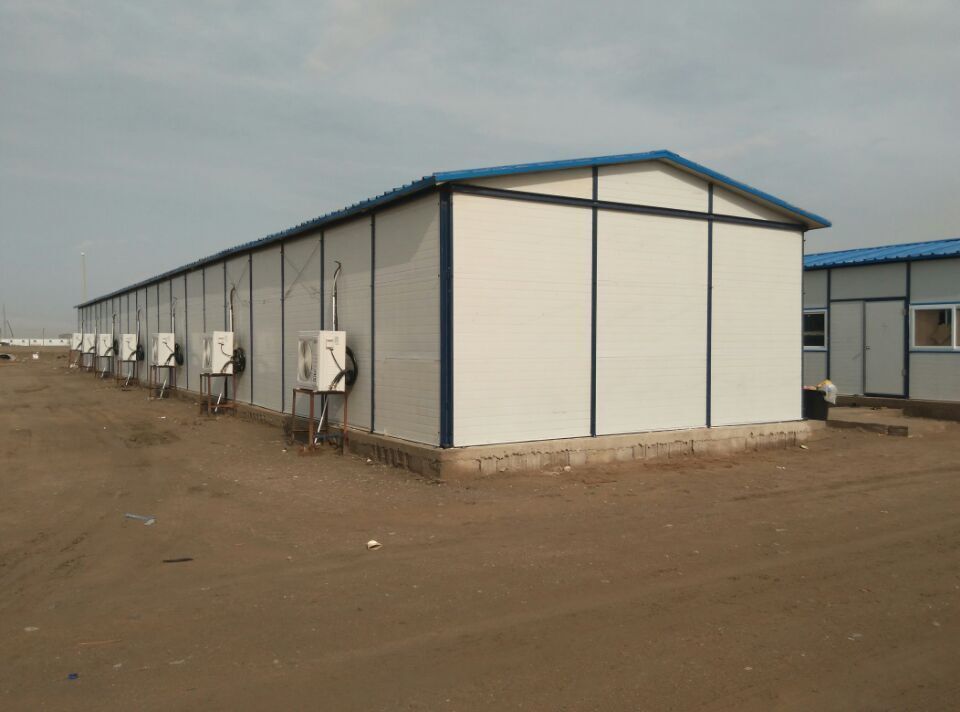
Lida Group’s new prefab house with sandwich panel technology has already been deployed in several high-profile projects worldwide, demonstrating its versatility, performance, and adaptability to diverse environments and industries. Below are three case studies that highlight the product’s real-world impact:
5.1 Case Study 1: Net-Zero Energy Residential Community (Germany)
Client: A German real estate developer focused on sustainable housing.
Challenge: Develop a 50-unit residential community in Berlin that meets EU net-zero energy standards, reduces carbon emissions by 80% compared to traditional housing, and is completed within 6 months.
Lida Group’s Solution: Customized 40 ft prefab house modules with PU core sandwich panels (150mm thickness) and solar-integrated roofs. Each module features an open-concept layout with 2 bedrooms, 1 bathroom, a kitchen, and a living area. Key customizations include:
- Solar PV panels (300W/m²) on the roof, generating 5,000 kWh of electricity per unit annually.
- Battery storage systems (20kWh) to store excess solar energy for nighttime use.
- Rainwater harvesting systems (1,500-gallon tanks) and low-flow fixtures to reduce water usage by 45%.
- Wood-effect steel facings to match the surrounding neighborhood’s aesthetic.
Results:
- The community was completed in 5 months—1 month ahead of schedule—due to the rapid installation of the prefab modules.
- Each unit achieves net-zero energy status, generating more energy than it consumes (surplus energy is fed into the grid).
- Carbon emissions are reduced by 85% compared to traditional housing, equivalent to removing 120 cars from the road annually.
- The project received LEED Platinum certification and EU Taxonomy compliance, setting a benchmark for sustainable residential development in Europe.
- Resident satisfaction is high, with 95% reporting lower energy bills (average savings of €1,200 per year) and greater comfort due to the superior insulation of the sandwich panels.
5.2 Case Study 2: Offshore Crew Quarters (Gulf of Mexico)
Client: An international oil and gas company operating offshore platforms in the Gulf of Mexico.
Challenge: Replace aging crew quarters on a semi-submersible rig with a solution that can withstand Category 5 hurricanes (wind speeds up to 280 km/h), meet blast-resistant requirements (API RP 2FB), and provide comfortable accommodation for 100 workers.
Lida Group’s Solution: 8-story stackable prefab house modules with rock wool core sandwich panels (12mm armor steel facings) and a reinforced steel frame. Key customizations include:
- Blast-resistant sandwich panels with 12mm armor steel facings, capable of withstanding 15 psi overpressure.
- EMI-shielded control rooms to protect electronics from electromagnetic interference.
- Watertight bulkheads rated for 20m wave submersion.
- Helicopter-evacuation-ready rooftop pads with anti-slip surfaces.
- Single-occupancy rooms with en-suite bathrooms, communal kitchens, and recreation areas.
Results:
- The modules were installed in 10 days, reducing downtime for the rig by 50% compared to traditional construction.
- The crew quarters survived Hurricane Idalia (2024) unscathed, with no structural damage or water leakage.
- The blast-resistant panels withstood a controlled test simulating an offshore explosion, protecting critical systems and ensuring worker safety.
- Worker comfort improved significantly, with 90% reporting better temperature regulation (due to the rock wool insulation) and reduced noise levels (45 dB sound reduction).
- Maintenance costs were reduced by 30% compared to the previous crew quarters, due to the durability of the sandwich panels and modular design.
5.3 Case Study 3: Disaster Relief Housing (Turkey-Syria Earthquake Zone)
Client: International Red Cross.
Challenge: Provide rapid-deployment emergency housing for 500 displaced families in the Turkey-Syria earthquake zone, where temperatures drop to -10°C in winter and infrastructure is severely damaged. The housing needed to be installed within 2 weeks, withstand aftershocks (up to Grade 7), and provide basic amenities.
Lida Group’s Solution: 20 ft prefab house modules with seaweed core sandwich panels (100mm thickness) and foldable design for easy transportation. Key customizations include:
- Foldable modules that can be transported in flat-pack kits (4 units per 40 ft shipping container), reducing transportation costs by 30%.
- Rapid-assembly design, allowing installation by unskilled labor in 4 hours per unit.
- Enhanced insulation (seaweed core) to maintain internal temperatures of 18°C in external temperatures of -10°C.
- Built-in first-aid stations and solar-powered lighting systems (no grid connection required).
- Flood-resistant foundations elevated by 600mm to protect against seasonal flooding.
Results:
- 500 modules were installed in 12 days, providing shelter for 2,500 displaced people ahead of the winter season.
- The modules withstood 12 aftershocks (up to Grade 7) without structural damage, ensuring the safety of residents.
- The seaweed core insulation maintained comfortable internal temperatures, reducing the risk of hypothermia.
- The solar-powered systems provided reliable lighting and charging for mobile phones, enabling communication with family members.
- The modules are reusable, with plans to relocate them to other disaster zones after the recovery effort in Turkey-Syria.

6. Sustainability: A Core Pillar of the New Prefab House
Sustainability is a central focus of Lida Group’s new prefab house with sandwich panel technology, aligning with global climate goals and the growing demand for eco-friendly construction solutions. The product’s design, materials, and manufacturing process prioritize circular economy practices, energy efficiency, water conservation, and waste reduction—making it one of the most sustainable prefab houses on the market.
6.1 Circular Economy Practices
Lida Group’s new prefab house is designed for reuse, recycling, and reduced environmental impact throughout its lifecycle:
- Recycled Materials: 90% of the steel used in the frame and sandwich panel facings is recycled, diverting 8 tons of steel from landfills per unit. The seaweed core panels are made from 100% renewable seaweed resources, a byproduct of the fishing industry.
- Reusability: The modular design and durable sandwich panels enable the prefab house to be disassembled, transported, and reassembled multiple times with minimal loss. A single module can be reused up to 5 times, reducing waste from demolition and new construction.
- Recyclability: At the end of its service life, 95% of the prefab house’s components (steel frame, sandwich panel facings, core materials) can be recycled. The seaweed core panels are biodegradable, further reducing environmental impact.
- Upcycling Potential: The modules can be repurposed for different applications over time—for example, a temporary office can be converted into a residential unit or a storage facility, extending the product’s lifecycle.
6.2 Energy Efficiency & Carbon Reduction
The new prefab house delivers significant energy savings and carbon reduction compared to traditional buildings and standard prefab units:
- Operational Carbon Reduction: The high R-value of the sandwich panels reduces energy consumption for heating and cooling by 50-70%, cutting operational carbon emissions by 60% compared to traditional housing. A 40 ft unit emits 2.5 tons of CO2e annually, compared to 6.2 tons for a traditional house of the same size.
- Embodied Carbon Reduction: The use of recycled materials and efficient manufacturing processes reduces embodied carbon (carbon emissions from production and construction) by 40% compared to standard prefab houses. The embodied carbon of a 40 ft unit is 8.5 tons of CO2e, compared to 14.2 tons for industry averages.
- Renewable Energy Integration: The solar-integrated roof option generates 5,000 kWh of clean electricity per unit annually, offsetting 4 tons of CO2e per year. For net-zero energy projects, this eliminates operational carbon emissions entirely.
- Passive Design Features: The sandwich panels’ thermal mass, combined with natural cross-ventilation and reflective facings, reduces the need for mechanical heating and cooling, further lowering energy use.
6.3 Water Conservation
Lida Group’s new prefab house includes several water-saving features to address global water scarcity:
- Rainwater Harvesting: The optional rainwater harvesting system collects and filters rainwater for non-potable use (irrigation, cleaning, and toilet flushing), reducing potable water usage by 30%.
- Greywater Recycling: The greywater recycling system treats wastewater from sinks, showers, and washing machines, making it suitable for irrigation. This reduces water usage by an additional 15%.
- Low-Flow Fixtures: Pre-installed low-flow faucets, showers, and toilets reduce water consumption by 20% compared to standard fixtures. A single unit with all water-saving features uses 50% less water than a traditional house of the same size.
- Leak-Proof Design: The sandwich panels’ tongue-and-groove edge design and EPDM rubber seals prevent water leakage, reducing water waste and the risk of mold growth.
6.4 Waste Reduction
The prefabricated nature of the new house and the efficiency of the manufacturing process drastically reduce waste compared to traditional construction:
- Factory Production Waste: AI-guided cutting and automated manufacturing processes reduce material waste to less than 3%, compared to 30% for traditional construction.
- On-Site Waste: The “factory-finished” modules require minimal on-site work, eliminating construction waste such as concrete scraps, wood offcuts, and packaging materials. On-site waste is reduced by 90% compared to traditional building projects.
- Packaging Waste: The use of recycled and reusable packaging materials reduces packaging waste by 70% compared to standard prefab units.
- Demolition Waste: The modular design allows for easy disassembly, reducing demolition waste by 85% compared to traditional buildings. Most components can be reused or recycled, rather than sent to landfills.
7. Market Impact & Future Trends
Lida Group’s launch of the new prefab house with sandwich panel technology comes at a critical time for the global construction industry, which is undergoing a profound transformation driven by urbanization, climate change, and technological innovation. The product is well-positioned to capitalize on key market trends and address the evolving needs of clients worldwide.
7.1 Key Market Drivers
The global prefab house market is projected to grow at a CAGR of 13.2% from 2024 to 2030, reaching a value of $180 billion by 2030. Key drivers of this growth include:
- Urbanization: Rapid urbanization in emerging economies (e.g., India, Brazil, Nigeria) is creating demand for affordable, rapid-deployment housing. Lida Group’s new prefab house offers a cost-effective solution for urban slum upgrading and temporary housing for migrant workers.
- Sustainability Regulations: Governments worldwide are implementing stricter sustainability regulations for construction, such as the EU’s Green Deal, China’s “Dual Carbon” goals, and the U.S.’s Inflation Reduction Act. Lida Group’s new prefab house, with its low carbon footprint and LEED Platinum eligibility, helps clients comply with these regulations while reducing operating costs.
- Offshore Energy Expansion: The global offshore oil and gas industry is investing in new platforms and upgrading existing infrastructure, creating demand for durable, blast-resistant, and rapid-deployment housing and control rooms. Lida Group’s offshore-customized modules are well-suited to this market.
- Disaster Relief Needs: Climate change is increasing the frequency and severity of natural disasters, creating a growing need for rapid-deployment emergency housing. Lida Group’s foldable, easy-to-install modules are ideal for disaster relief efforts.
- Labor Shortages: The construction industry is facing a global labor shortage, with many countries reporting a lack of skilled workers. Prefabricated construction reduces the need for on-site labor, making it an attractive solution for developers.
7.2 Competitive Advantage
Lida Group’s new prefab house offers several key competitive advantages over other prefab products and traditional construction:
- Superior Performance: The sandwich panel system delivers better insulation, durability, and safety than standard prefab panels and traditional building materials.
- Integrated Functionality: The combination of structural support, insulation, soundproofing, fire protection, and waterproofing in a single panel reduces construction time and costs.
- Extensive Customization: The modular design and range of material and functional options allow for tailored solutions for diverse industries and client needs.
- Sustainability Leadership: The product’s circular economy practices, energy efficiency, and waste reduction features set it apart from competitors, appealing to eco-conscious clients.
- Global Reach: Lida Group’s network of production facilities, local partners, and installers enables worldwide deployment, with timely delivery and installation even in remote regions.
7.3 Future Innovations & Developments
Lida Group is committed to continuous innovation, with plans to enhance the new prefab house with sandwich panel technology through ongoing research and development:
- Smart Home Integration: Future iterations will include IoT sensors, smart thermostats, remote monitoring systems, and AI energy management tools to optimize performance and user experience.
- 3D-Printed Components: Lida Group is exploring the use of 3D printing for custom interior components (e.g., cabinetry, countertops) to reduce waste and increase design flexibility.
- Biodegradable Core Materials: Research is underway to develop fully biodegradable core materials for the sandwich panels, further reducing environmental impact.
- Space-Saving Designs: Compact, foldable modules for urban environments with limited space, featuring transformable interiors that maximize functionality (e.g., fold-down beds, multi-purpose furniture).
- Zero-Emission Manufacturing: Lida Group aims to achieve 100% renewable energy use in its production facilities by 2027, further reducing the embodied carbon of the prefab house.
8. Conclusion
Lida Group’s launch of the new prefab house with sandwich panel technology marks a significant milestone in the evolution of modular construction. By merging the structural integrity of modular systems with the multi-functional benefits of high-performance sandwich panels, Lida Group has created a product that addresses the key pain points of traditional construction and standard prefab units—delivering superior energy efficiency, durability, customization, and sustainability.
The new prefab house stands out for its integrated functionality, with each sandwich panel combining structural support, thermal insulation, soundproofing, fire protection, and waterproofing in a single component. This reduces construction time by 40% and energy consumption by 50-70% compared to traditional buildings, while extending the service life to 25 years. The product’s modular design allows for extensive customization, making it suitable for diverse applications—from residential communities and commercial spaces to offshore crew quarters and disaster relief shelters.
Real-world case studies demonstrate the product’s performance in challenging environments, from net-zero energy residential communities in Europe to blast-resistant offshore modules in the Gulf of Mexico and rapid-deployment disaster relief housing in Turkey-Syria. These projects highlight the product’s versatility, reliability, and ability to meet the unique needs of clients across industries.
Sustainability is at the core of the new prefab house, with circular economy practices, energy efficiency, water conservation, and waste reduction integrated into every aspect of its design and manufacturing. The product’s use of recycled materials, reusability, and low carbon footprint align with global climate goals and help clients comply with increasingly strict sustainability regulations.
With international certifications, rigorous quality control processes, and comprehensive after-sales support, Lida Group’s new prefab house offers clients a reliable, cost-effective, and sustainable solution for their construction needs. As the global demand for flexible, efficient, and eco-friendly infrastructure continues to grow, Lida Group is well-positioned to lead the market with this innovative product.
In summary, Lida Group’s new prefab house with sandwich panel technology represents a paradigm shift in prefabricated construction—proving that sustainable, high-performance buildings can be affordable, rapid to deploy, and highly customizable. By combining technical innovation, sustainability, and customer-centric design, Lida Group is not just launching a new product; it is shaping the future of construction, one modular sandwich panel house at a time. Whether for residential, commercial, industrial, or offshore applications, this new offering from Lida Group is a game-changer that delivers value for clients, the environment, and society as a whole.
Related news
-
Customizable Prefab Mobile Container House Solutions from Lida Group
2025-11-24 17:02:44
-
Lida Group Delivers a Cost-Effective Prefab Construction Project
2025-11-24 15:51:11
-
Durable and Secure Temporary Container Building by Lida Group
2025-11-24 15:34:10
contact us
- Tel: +86-532-88966982
- Whatsapp: +86-13793209022
- E-mail: sales@lidajituan.com
