



Lida Group Launches New Prefab Dormitory with Low-Cost Durable Construction
2026-Feb-05 10:22:54
By Admin
In an era marked by rapid urbanization, booming construction industries, and a growing global demand for affordable, efficient, and sustainable housing solutions, prefabricated (prefab) construction has emerged as a transformative force reshaping the built environment. As cities expand, construction projects multiply, and communities seek cost-effective accommodation for workers, students, and displaced populations, the need for dormitories that combine affordability, durability, and quick deployment has never been more pressing. Addressing this critical market demand, Lida Group, a leading integrated construction enterprise with decades of expertise in prefabricated and steel structure buildings, has officially launched its new prefab dormitory, designed to redefine industry standards for low-cost, durable, and adaptable living spaces. This article explores the details of Lida Group’s new prefab dormitory, including its design philosophy, construction technologies, core features, competitive advantages, market implications, and the broader impact it is poised to have on the prefabricated construction industry and global housing solutions.
1. Introduction: The Rise of Prefab Construction and Lida Group’s Vision
The global construction industry is undergoing a profound transformation, driven by the need to address inefficiencies, cost escalations, environmental concerns, and the growing demand for rapid housing delivery. Traditional construction methods, characterized by on-site labor intensity, long project timelines, high material waste, and unpredictable costs, are increasingly being supplemented or replaced by prefabricated construction. Prefabrication involves manufacturing building components in a controlled factory environment before transporting and assembling them on-site, offering a range of advantages including faster construction, lower costs, improved quality control, reduced environmental impact, and enhanced durability. In recent years, the prefab construction market has experienced significant growth, fueled by urbanization, infrastructure development, and supportive government policies promoting sustainable and efficient building practices.
Against this backdrop, Lida Group has established itself as a pioneering force in the integrated construction sector, with a strong focus on prefabricated and steel structure buildings. Founded in 1993, Lida Group is a comprehensive high-tech enterprise integrating consulting, planning, design, production, construction, marketing, and service, dedicated to providing high-quality, cost-effective, and sustainable construction solutions to clients worldwide. With a corporate culture centered on integrity, professionalism, rigorousness, and collaborative service, the group has built a reputation for excellence, backed by a suite of international certifications including ISO9001 quality management system, ISO14001 environmental management system, and ISO45001 occupational health and safety management system, as well as EU CE certification (EN1090) that underscores its commitment to strict quality and safety standards.
Lida Group’s new prefab dormitory is a culmination of decades of industry experience, technological innovation, and a deep understanding of market needs. Designed to cater to a wide range of applications—including construction site dormitories, student housing, worker camps, temporary resettlement facilities, and remote area accommodations—the dormitory addresses two of the most pressing challenges in the housing sector: affordability and durability. By leveraging advanced prefabrication technologies, optimized material selection, and efficient manufacturing processes, Lida Group has created a product that delivers exceptional value without compromising on quality, safety, or comfort. This launch not only strengthens Lida Group’s position in the global prefab construction market but also contributes to the broader goal of making safe, affordable housing accessible to more people around the world.
2. Overview of Lida Group’s New Prefab Dormitory
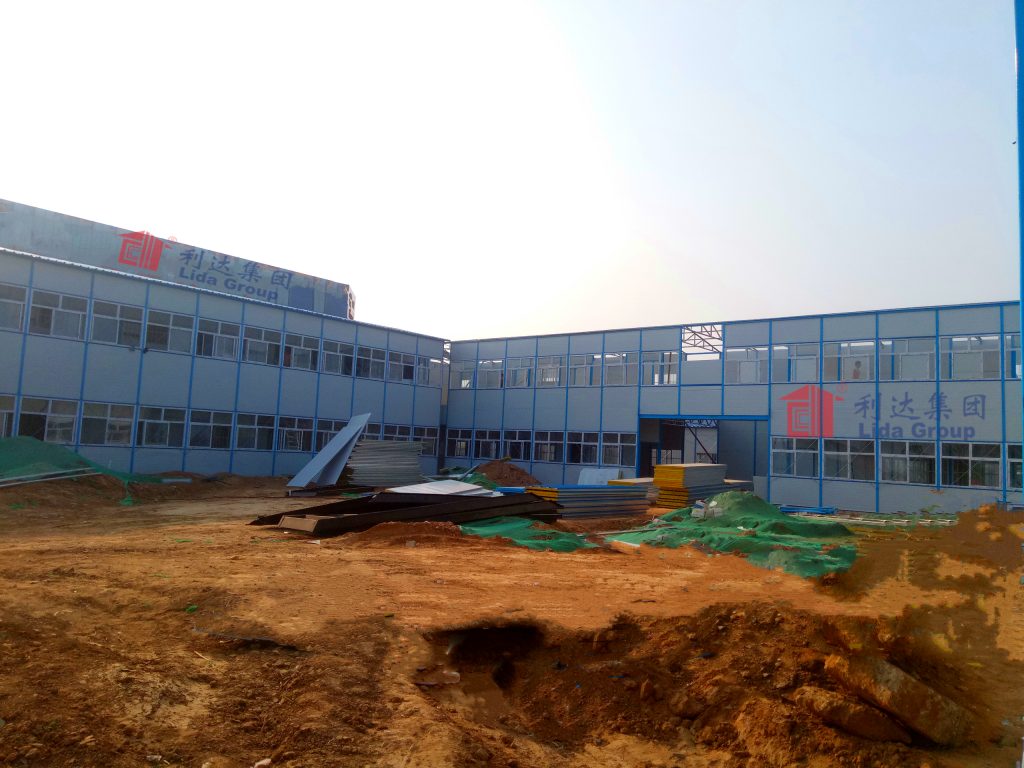
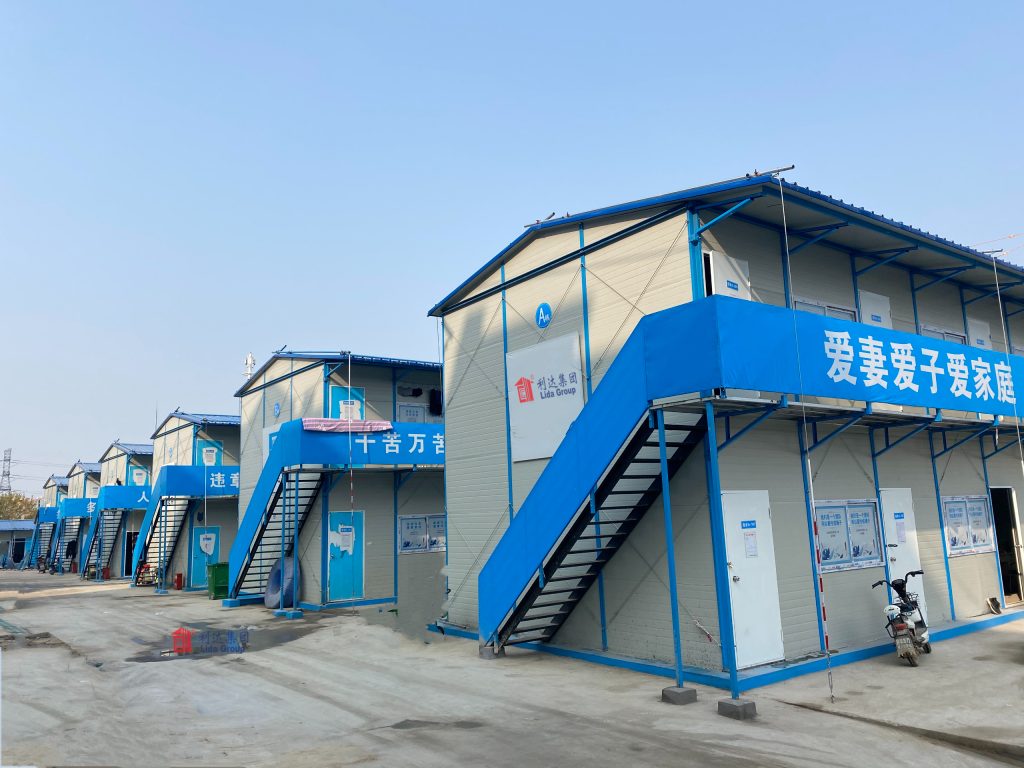
Lida Group’s new prefab dormitory is a modular, scalable housing solution that combines low-cost construction with long-term durability, designed to meet the diverse needs of different users and environments. Unlike traditional dormitories that require lengthy on-site construction, generate significant waste, and often suffer from poor durability, the new prefab dormitory is manufactured in a controlled factory setting, ensuring consistent quality and reducing construction time and costs. The dormitory is available in a range of configurations, from single-person rooms to multi-person suites, and can be easily customized to accommodate specific requirements, making it suitable for a variety of scenarios.
2.1 Core Design Philosophy
The design of Lida Group’s new prefab dormitory is guided by three core principles: cost-effectiveness, durability, and sustainability. The group recognizes that affordability is a key barrier to accessing quality housing for many users, particularly in construction, education, and remote work sectors. As such, every aspect of the dormitory’s design—from material selection to manufacturing processes—has been optimized to minimize costs without sacrificing performance. Durability is another critical focus, as dormitories are often subjected to heavy use, harsh environmental conditions, and frequent occupancy changes. The dormitory is engineered to withstand extreme weather, resist wear and tear, and maintain structural integrity over decades of use. Finally, sustainability is integrated into the design, with a focus on reducing carbon emissions, minimizing material waste, and using eco-friendly materials wherever possible, aligning with global efforts to promote green construction and achieve “dual carbon” goals.
2.2 Key Specifications and Configurations
Lida Group’s new prefab dormitory is built using modular construction techniques, with each module fabricated in the company’s advanced production facilities and then transported to the site for assembly. The modules are available in two standard sizes—20ft (6055 * 2435 * 2896 mm) and 40ft (12192 * 2435 * 2896 mm)—which are compatible with standard shipping containers, reducing transportation costs and improving logistics efficiency. These modules can be combined horizontally or vertically to create larger dormitory complexes, with flexible layouts that can be tailored to specific needs.
The dormitory offers a range of configurations to suit different user groups: Single-Person Rooms: Designed for individual workers or students, these rooms measure approximately 10-12 square meters, featuring a bed, desk, wardrobe, and private or shared bathroom facilities. The rooms are equipped with basic amenities including lighting, ventilation, and electrical outlets, ensuring comfort and functionality.Double-Person Rooms: Ideal for construction workers or students, these rooms measure 15-18 square meters, with two beds, desks, wardrobes, and shared bathroom facilities. The layout is optimized to maximize space, providing ample room for personal belongings and daily activities.Multi-Person Suites: Suitable for large groups, these suites combine multiple bedrooms (4-6 persons) with a shared living area, kitchenette, and bathroom facilities. These suites are particularly well-suited for worker camps or student dormitories, offering a balance of privacy and communal space.Custom Configurations: Lida Group also offers custom designs to meet specific requirements, such as accessible dormitories for people with disabilities, dormitories with enhanced insulation for extreme cold or hot climates, and dormitories equipped with additional amenities such as air conditioning, heating, and Wi-Fi infrastructure.
All configurations comply with international building codes (IBC) and local safety regulations, including fire safety standards, with features such as fire-rated doors, sprinkler systems, and smoke detectors to ensure the safety of occupants. The dormitory is also designed to be earthquake-resistant, with a structural design that can withstand seismic activity of up to 7 magnitudes, making it suitable for use in earthquake-prone regions.
2.3 Construction Materials and Technologies
The low cost and durability of Lida Group’s new prefab dormitory are largely attributed to its innovative use of materials and advanced construction technologies. The group has carefully selected materials that are both affordable and high-performance, ensuring long-term durability while keeping costs in check.
The main structural frame of the dormitory is made of high-quality steel, which offers exceptional strength, durability, and corrosion resistance. Lida Group uses hot-dip galvanized steel for the frame, which protects against rust and corrosion, even in harsh environments such as coastal areas or industrial zones. The steel frame is lightweight yet strong, reducing transportation costs and making on-site assembly faster and easier. Additionally, the steel is 100% recyclable, aligning with the dormitory’s sustainability goals.
For the walls, roof, and floor, Lida Group uses insulated composite panels, which combine affordability, durability, and energy efficiency. These panels consist of a core of lightweight insulation material (such as polyurethane foam or rock wool) sandwiched between two layers of steel or fiber-reinforced cement board. The composite panels offer excellent thermal insulation, reducing energy consumption for heating and cooling by up to 33% compared to traditional dormitories. They also provide sound insulation, ensuring a quiet living environment, and are resistant to water, fire, and mold, enhancing the dormitory’s durability.
The dormitory’s interior finishes are designed to be low-cost, easy to maintain, and eco-friendly. The walls are finished with lightweight, washable materials that resist stains and damage, while the floors are covered with durable vinyl or linoleum that is easy to clean. The windows are made of energy-efficient double-glazed glass, which provides thermal insulation and soundproofing, while also allowing natural light to enter the room, reducing the need for artificial lighting.
In terms of construction technologies, Lida Group leverages advanced prefabrication techniques in its state-of-the-art production facilities. The company operates large-scale production bases in Weifang and Guangzhou, with Weifang’s steel structure processing plant covering an area of 35,000 square meters, equipped with 7 automatic composite panel production lines, 15 purlin production lines, and 8 container modular housing production lines. These facilities enable the group to produce dormitory modules with high precision and consistency, reducing material waste and ensuring quality control. The modules are pre-assembled in the factory, with all electrical, plumbing, and interior finishes completed before transportation, minimizing on-site work and reducing construction time by 30%-50% compared to traditional construction methods.
3. Core Advantages of Lida Group’s New Prefab Dormitory
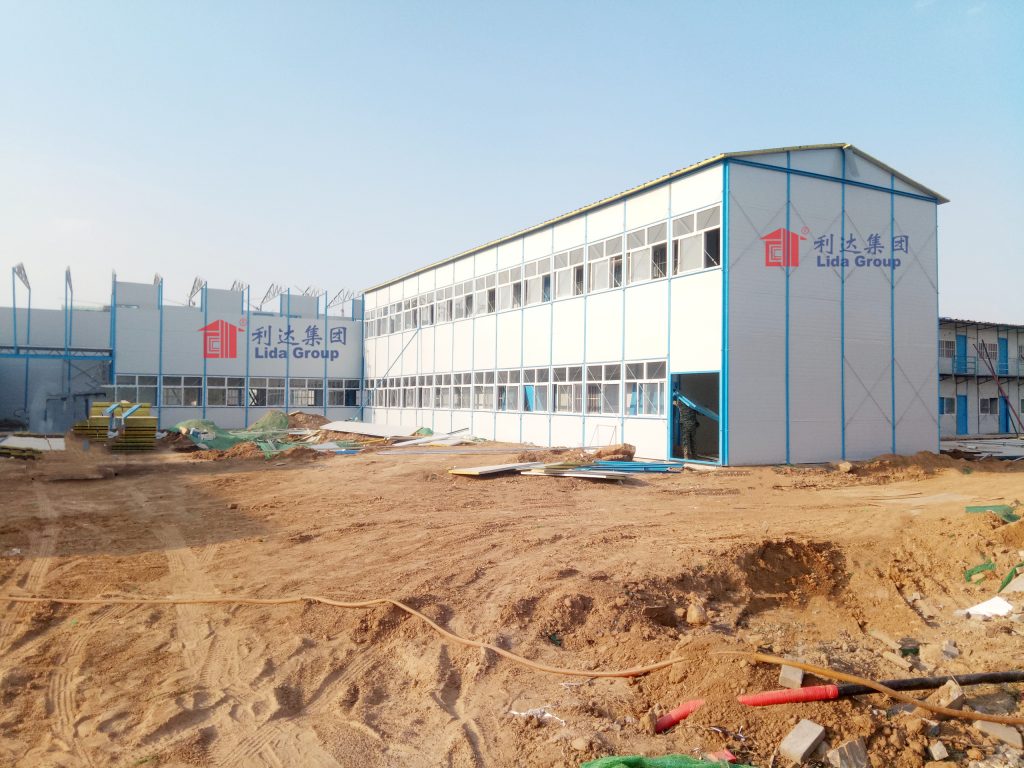
Lida Group’s new prefab dormitory stands out from traditional dormitories and other prefab housing solutions due to its unique combination of low cost, durability, flexibility, and sustainability. The following sections detail the key advantages of this innovative product.
3.1 Low-Cost Construction and Operation
One of the most significant advantages of Lida Group’s new prefab dormitory is its low construction cost. By leveraging modular prefabrication, optimized material selection, and large-scale production, the group has been able to reduce the total construction cost by 20%-30% compared to traditional concrete dormitories. The use of standard shipping container-sized modules reduces transportation costs, as the modules can be transported using standard shipping methods, eliminating the need for specialized transportation equipment. Additionally, the prefabrication process reduces on-site labor costs, as the modules require only a small team of workers to assemble on-site, compared to the large labor force needed for traditional construction.
The dormitory also offers low operational costs, thanks to its energy-efficient design. The insulated composite panels and double-glazed windows reduce energy consumption for heating and cooling, lowering utility bills for users. The durable materials and easy-to-maintain finishes reduce maintenance costs, as the dormitory requires minimal repairs over its lifetime. For example, the steel frame and composite panels are resistant to wear and tear, and the interior finishes are easy to clean and replace, reducing the need for frequent maintenance.
3.2 Exceptional Durability and Longevity
Durability is a key feature of Lida Group’s new prefab dormitory, designed to withstand the test of time and harsh conditions. The high-quality steel frame provides exceptional structural strength, able to withstand extreme weather conditions such as strong winds, heavy rain, snow, and even earthquakes. The hot-dip galvanized coating on the steel frame protects against rust and corrosion, ensuring the frame remains intact for decades. The insulated composite panels are water-resistant, fire-resistant, and mold-resistant, preventing damage from moisture and fire.
Unlike traditional dormitories, which often start to deteriorate after 10-15 years of use, Lida Group’s new prefab dormitory has a service life of 30-50 years, with proper maintenance. This longevity makes the dormitory a cost-effective investment for users, as it reduces the need for frequent replacement and reconstruction. The dormitory’s durability is also backed by Lida Group’s strict quality control processes and international certifications, ensuring that every module meets the highest standards of quality and safety.
3.3 Flexibility and Scalability
The modular design of Lida Group’s new prefab dormitory offers exceptional flexibility and scalability, making it suitable for a wide range of applications and user needs. The modules can be easily combined or reconfigured to create dormitories of different sizes and layouts, allowing users to adapt the dormitory to changing requirements. For example, a construction company can start with a small dormitory complex for a small team and expand it as the project grows, adding more modules as needed. Similarly, a school can customize the dormitory to accommodate different numbers of students, with layouts that suit their specific needs.
The dormitory is also highly portable, as the modules can be easily disassembled, transported to a new location, and reassembled. This portability is particularly beneficial for construction companies, which often need to move their worker accommodation from one project site to another. It also makes the dormitory suitable for temporary resettlement facilities, such as those used for disaster relief or refugee housing, where quick deployment and relocation are essential. Additionally, the modular design allows for easy customization, with options to add or remove amenities such as air conditioning, heating, and kitchen facilities, depending on the user’s needs.
3.4 Sustainability and Environmental Friendliness
Lida Group’s new prefab dormitory is designed with sustainability in mind, incorporating a range of eco-friendly features that reduce its environmental impact. The prefabrication process generates significantly less waste than traditional construction, as materials are cut and assembled in a controlled factory setting, minimizing off-cuts and scrap. The steel frame and composite panels are 100% recyclable, reducing the dormitory’s carbon footprint and contributing to a circular economy.
The dormitory’s energy-efficient design also reduces its environmental impact, as the insulated composite panels and double-glazed windows reduce energy consumption for heating and cooling, lowering carbon emissions. The use of eco-friendly interior finishes, such as low-VOC paints and materials, improves indoor air quality, creating a healthier living environment for occupants. Additionally, the dormitory’s durability and longevity reduce the need for frequent reconstruction, which further reduces resource consumption and waste. By choosing Lida Group’s new prefab dormitory, users can contribute to global efforts to promote green construction and achieve sustainable development goals.
3.5 Quick Deployment and Easy Installation
Another key advantage of Lida Group’s new prefab dormitory is its quick deployment and easy installation. Unlike traditional dormitories, which can take months or even years to construct, the prefab dormitory can be manufactured and installed in a matter of weeks. The modules are pre-assembled in the factory, with all electrical, plumbing, and interior finishes completed before transportation. Once the modules arrive on-site, they can be assembled in just 3-7 days, depending on the size of the dormitory complex.
This quick deployment is particularly beneficial for users who need accommodation urgently, such as construction companies starting a new project, schools expanding their student housing, or organizations responding to natural disasters. The easy installation also reduces the need for specialized skills or equipment, as the modules are designed to be assembled with basic tools and a small team of workers. Lida Group also provides on-site installation support, ensuring that the dormitory is installed correctly and efficiently, further reducing the burden on users.
4. R&D Process Behind the New Prefab Dormitory
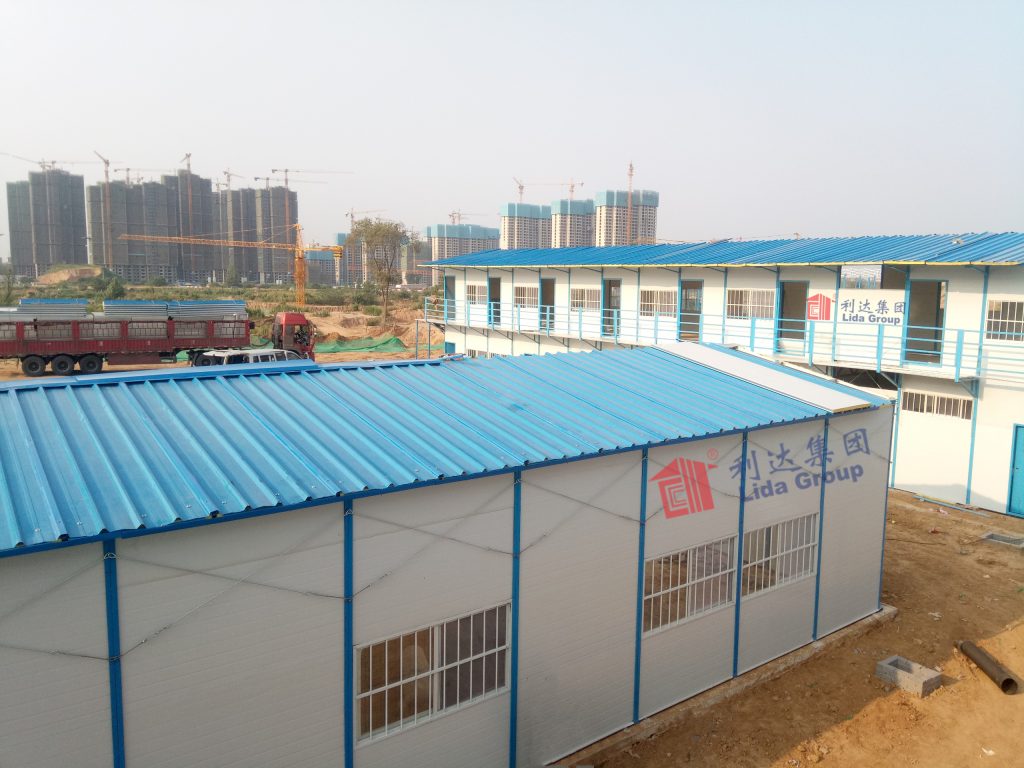
The development of Lida Group’s new prefab dormitory was a rigorous process that spanned several years, involving extensive research, testing, and innovation. The group’s R&D team, consisting of over 200 professional engineers and technical experts, worked closely with industry partners, research institutions, and users to identify the key challenges and needs in the dormitory market. The R&D process focused on addressing the main pain points of traditional dormitories and existing prefab solutions, including high cost, poor durability, inflexibility, and environmental impact.
4.1 Research and Market Analysis
The R&D process began with a comprehensive market analysis, aimed at understanding the needs and preferences of different user groups, including construction companies, schools, government organizations, and non-profits. The team conducted surveys and interviews with potential users, identifying their key requirements: affordability, durability, comfort, flexibility, and quick deployment. The team also analyzed the competitive landscape, studying existing prefab dormitory solutions and identifying their weaknesses, such as high cost, low durability, and limited customization options.
In addition, the team researched global trends in prefab construction and sustainable housing, including advances in materials, technologies, and policies. They studied successful case studies from around the world, such as the precast concrete dormitory at Georgia State University in the United States, which used insulated panels to reduce energy costs and construction time, and modular dormitory projects in Europe and Asia that focused on sustainability and scalability. This research provided valuable insights that guided the design and development of the new prefab dormitory.
4.2 Material and Technology Innovation
A key focus of the R&D process was material and technology innovation, aimed at reducing costs while improving durability and sustainability. The team tested a wide range of materials, comparing their performance, cost, and environmental impact. They ultimately selected hot-dip galvanized steel for the frame and insulated composite panels for the walls, roof, and floor, based on their combination of affordability, durability, and energy efficiency.
The team also invested in improving prefabrication technologies, optimizing the manufacturing process to reduce waste and improve efficiency. They upgraded the group’s production facilities, adding advanced equipment and automation technologies to ensure high precision and consistency in module production. The team also developed new assembly techniques, designed to make on-site installation faster and easier, reducing the need for specialized labor and equipment.
51. Testing and Quality Assurance
Before launching the new prefab dormitory, Lida Group conducted extensive testing to ensure its durability, safety, and performance. The modules were subjected to a series of rigorous tests, including structural strength tests, weather resistance tests, fire safety tests, and thermal insulation tests. The structural strength tests confirmed that the steel frame could withstand extreme loads and seismic activity, while the weather resistance tests demonstrated that the composite panels were water-resistant, wind-resistant, and snow-resistant. The fire safety tests confirmed that the dormitory met international fire safety standards, with features such as fire-rated doors and sprinkler systems that could contain and extinguish fires effectively.
The team also conducted long-term durability tests, monitoring the performance of the dormitory over a period of several years in different environmental conditions. These tests confirmed that the dormitory could maintain its structural integrity and performance over decades of use, with minimal maintenance. Additionally, the dormitory was certified by international organizations, including ISO and CE, ensuring that it meets the highest standards of quality and safety.
5. Market Impact and Future Prospects
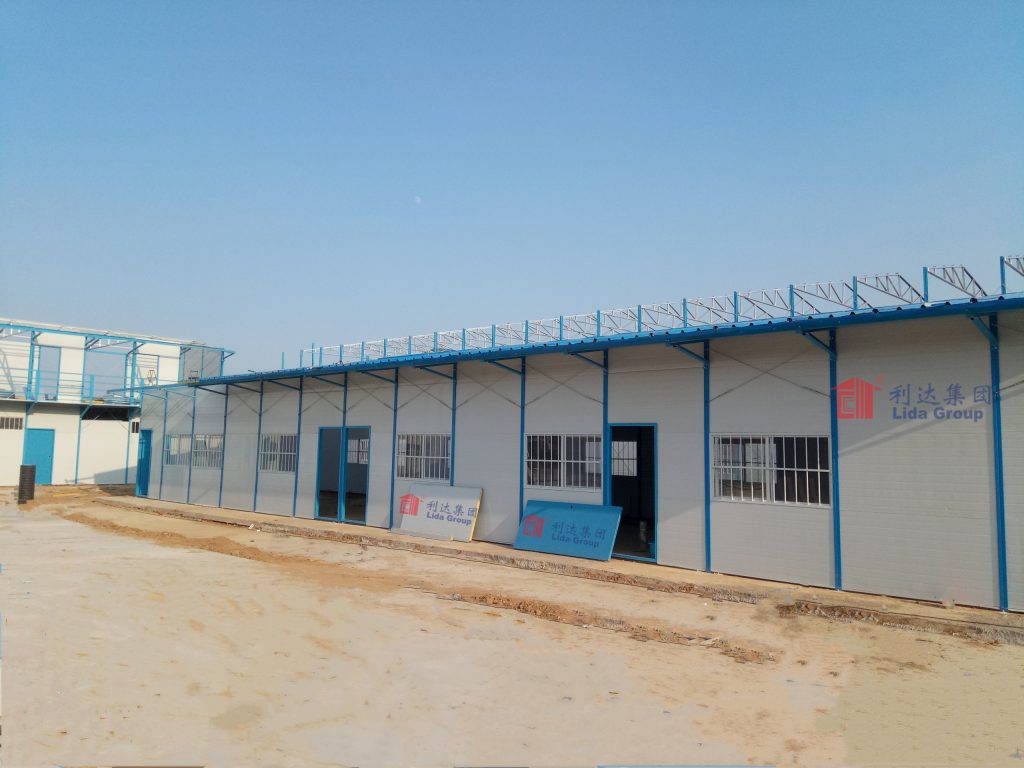
The launch of Lida Group’s new prefab dormitory is expected to have a significant impact on the global prefab construction market, addressing the growing demand for affordable, durable, and sustainable housing solutions. The dormitory’s unique combination of advantages makes it well-suited for a wide range of applications, and it is expected to gain traction among construction companies, schools, government organizations, and non-profits around the world.
5.1 Impact on Lida Group’s Business
The new prefab dormitory is a strategic product for Lida Group, expected to drive growth and expand its market share in the global prefab construction industry. The group’s existing market network, which covers 149 countries and regions worldwide, including North America, South America, Africa, Australia, Europe, and Asia, provides a strong foundation for the launch and promotion of the new dormitory. As a designated supplier for United Nations peacekeeping force camps, Lida Group also has a unique advantage in accessing the global humanitarian and disaster relief market, where the dormitory’s quick deployment and portability are highly valued.
The launch of the new dormitory is also expected to enhance Lida Group’s brand reputation as an innovator in the prefab construction sector. The group’s commitment to quality, affordability, and sustainability is reflected in the new product, and it is expected to attract new clients and strengthen relationships with existing ones. Additionally, the new dormitory is expected to contribute to the group’s revenue growth, as demand for affordable, durable housing solutions continues to rise globally.
5.2 Impact on the Prefab Construction Industry
Lida Group’s new prefab dormitory is expected to set a new standard for the prefab construction industry, inspiring other manufacturers to focus on cost-effectiveness, durability, and sustainability. The dormitory’s innovative use of materials and technologies demonstrates that prefab housing can be both affordable and high-quality, challenging the perception that prefab housing is inferior to traditional construction. This is likely to drive increased adoption of prefab construction methods in the dormitory and broader housing sector, leading to more efficient, sustainable, and affordable housing solutions.
The dormitory’s modular design and scalability are also expected to influence industry trends, with more manufacturers adopting modular construction techniques to meet the diverse needs of users. Additionally, the dormitory’s sustainability features align with global efforts to promote green construction and achieve “dual carbon” goals, likely to encourage other manufacturers to incorporate eco-friendly features into their products. Overall, the launch of Lida Group’s new prefab dormitory is expected to accelerate the transformation of the prefab construction industry, making it more efficient, sustainable, and inclusive.
5.3 Market Demand and Future Prospects
The global demand for affordable, durable, and quick-to-deploy dormitories is expected to remain strong in the coming years, driven by several key factors. Rapid urbanization in developing countries is leading to increased demand for construction workers, creating a need for worker dormitories. The growing number of students enrolling in schools and universities is also driving demand for student housing, particularly in developing countries where infrastructure is limited. Additionally, the increasing frequency of natural disasters and humanitarian crises is creating a need for temporary resettlement facilities, where the dormitory’s quick deployment and portability are highly valuable.
Lida Group’s new prefab dormitory is well-positioned to capitalize on this growing demand, with its unique combination of advantages. The group plans to expand its production capacity to meet the expected increase in demand, upgrading its existing production facilities and potentially building new ones in key regions around the world. The group also plans to strengthen its marketing and sales efforts, promoting the new dormitory to potential users in different sectors and regions.
In the future, Lida Group plans to continue innovating and upgrading the new prefab dormitory, incorporating new technologies and materials to further improve its performance, reduce costs, and enhance sustainability. The group is exploring opportunities to integrate smart technologies into the dormitory, such as smart lighting, heating, and security systems, to improve comfort and efficiency. Additionally, the group is researching new eco-friendly materials, such as recycled composites, to further reduce the dormitory’s environmental impact. By continuing to innovate, Lida Group aims to maintain its position as a leader in the prefab construction industry and contribute to the global goal of providing safe, affordable, and sustainable housing for all.
6. Conclusion
Lida Group’s launch of the new prefab dormitory with low-cost, durable construction marks a significant milestone in the prefab construction industry, offering a transformative solution to the global demand for affordable, high-quality housing. This innovative dormitory, built on decades of industry experience, technological innovation, and a deep understanding of market needs, combines cost-effectiveness, durability, flexibility, sustainability, and quick deployment, making it suitable for a wide range of applications, from construction worker camps to student housing and temporary resettlement facilities.
The new prefab dormitory’s core strengths lie in its optimized design, innovative use of materials and technologies, and strict quality control. By leveraging modular prefabrication, high-quality steel frames, and insulated composite panels, Lida Group has created a product that reduces construction costs by 20%-30% compared to traditional dormitories, while offering a service life of 30-50 years. The dormitory’s modular design provides exceptional flexibility and scalability, allowing users to adapt it to changing needs, while its sustainability features align with global efforts to promote green construction and achieve “dual carbon” goals.
The launch of this dormitory is expected to have a significant impact on both Lida Group and the broader prefab construction industry. For Lida Group, it represents a strategic opportunity to expand its market share, enhance its brand reputation, and drive revenue growth, leveraging its existing global market network and international certifications. For the industry, it sets a new standard for prefab dormitories, inspiring other manufacturers to focus on cost-effectiveness, durability, and sustainability, and accelerating the adoption of prefab construction methods.
Looking ahead, the future prospects for Lida Group’s new prefab dormitory are bright, as global demand for affordable, durable, and quick-to-deploy housing solutions continues to rise. With ongoing innovation, expanded production capacity, and strengthened marketing efforts, Lida Group is well-positioned to capitalize on this demand, maintaining its leadership in the prefab construction industry and contributing to the global goal of providing safe, affordable, and sustainable housing for all. This new prefab dormitory is more than just a product—it is a testament to Lida Group’s commitment to innovation, quality, and sustainability, and a step forward in creating a more inclusive and sustainable built environment.
Related news
-
Lida Group's Durable Mobile Dormitory Withstands Demanding Use
2026-01-29 17:38:54
-
Lida Group Engineers Durable Mobile Dormitories for Schools
2026-01-29 17:52:47
-
Discover Affordable Living with Cost-Effective Container House
2026-01-29 17:17:18
contact us
- Tel: +86-532-88966982
- Whatsapp: +86-13793209022
- E-mail: sales@lidajituan.com
