



**Introduction**
The global construction industry stands at a pivotal moment. Across continents, massive infrastructure projects—high-speed railways, highways, bridges, tunnels, and urban developments—are reshaping landscapes and connecting communities. Yet, behind every successful construction project lies a critical but often overlooked challenge: providing safe, comfortable, and efficient accommodation for the workforce that builds them. Construction site labor camps have historically been associated with substandard living conditions, slow deployment timelines, high costs, and significant environmental impact. Recognizing these persistent challenges, Lida Group, a world-leading provider of modular construction and container-based building solutions with over three decades of expertise, has officially launched its new Construction Site Labor Accommodation Solutions—a comprehensive product line engineered specifically to address the unique demands of modern construction projects.
Since its founding in 1993, Lida Group has established itself as a trusted global leader in the modular construction sector, with a proven track record of delivering high-quality building solutions to clients in 152 countries and completing over 5,000 projects across diverse industries. The company’s new construction site labor accommodation solutions represent a significant advancement in workforce housing technology, integrating advanced prefabrication techniques, modular design principles, and user-centric features to deliver turnkey camps that can be deployed rapidly, operated efficiently, and adapted flexibly to meet the evolving requirements of construction projects worldwide.
This article provides a comprehensive overview of Lida Group’s newly launched construction site labor accommodation solutions. We will examine the market drivers behind this launch, the technical specifications and engineering innovations that define the product range, the turnkey service model that ensures seamless delivery, real-world application examples, and the sustainability features that align with modern environmental standards. By the conclusion, it will be evident that Lida Group’s new solutions represent a transformative approach to construction workforce housing—one that prioritizes speed, efficiency, comfort, and sustainability.
**Chapter 1: Company Foundation—Three Decades of Modular Excellence**
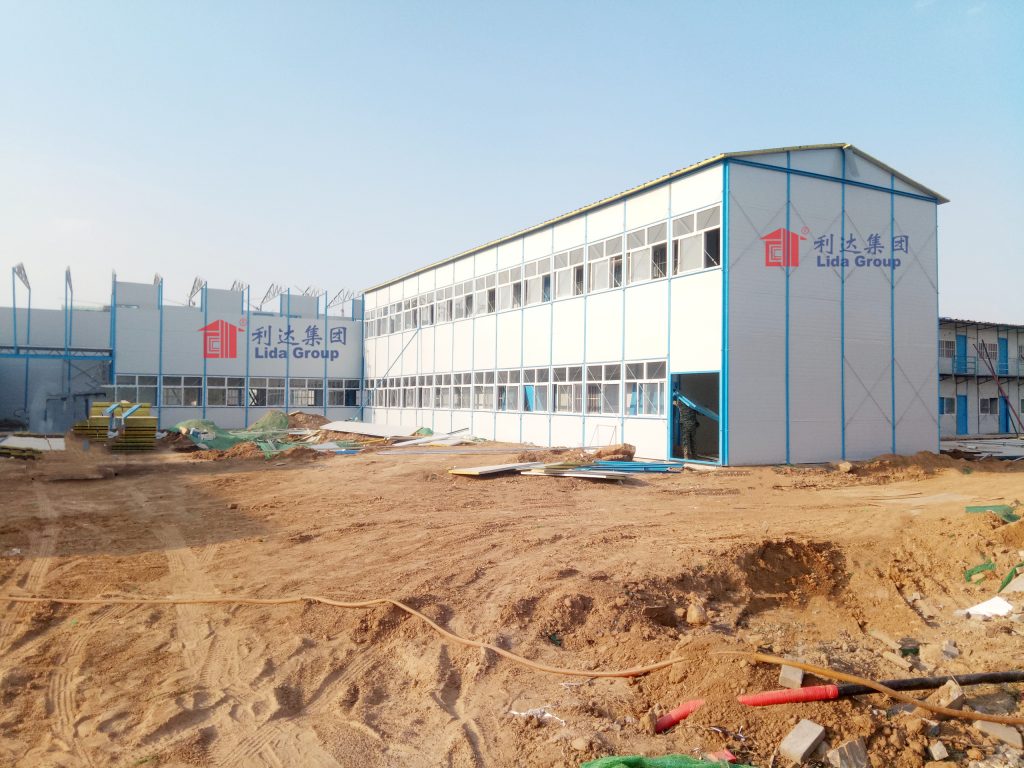
Lida Group’s entry into the construction site labor accommodation market is built upon a foundation of extensive experience and manufacturing capability. Founded in 1993 and headquartered in Qingdao, Shandong Province, the company has grown into one of China’s largest integrated building engineering enterprises, specializing in prefabricated houses, container camps, steel structures, and modular buildings.
The company’s manufacturing infrastructure is substantial. Lida Group operates six specialized container modular production lines and eight steel structure production lines across its facilities in Weifang, Qingdao, and Shouguang. This manufacturing capacity enables a monthly output of 100,000 square meters of prefabricated houses and 50,000 square meters of pre-engineered steel structures, ensuring that even large-scale construction projects—whether requiring 100 units or 1,000 units—can be delivered on schedule.
Quality assurance is fundamental to Lida Group’s operations. The company holds ISO9001 certification for quality management systems, ISO14001 for environmental management, and ISO45001 for occupational health and safety. CE certification (EN1090) confirms compliance with European Union standards for structural steel components. Additionally, the company has successfully passed third-party inspections by SGS, BV, and TUV—three of the world’s most respected inspection organizations.
Lida Group’s experience in the workforce accommodation sector is extensive. The company has served as a designated integrated camp supplier for the United Nations, delivering complex camp projects in South Sudan, Mali, and Sri Lanka. It has partnered with leading global construction firms including China State Construction, Saudi Aramco, Salini Italy, and the American CAT Group. This diverse portfolio has provided Lida Group with invaluable insights into the specific challenges of construction site workforce housing—insights that have directly informed the development of its new solutions.
**Chapter 2: The Market Imperative—Why Construction Sites Need Dedicated Solutions**
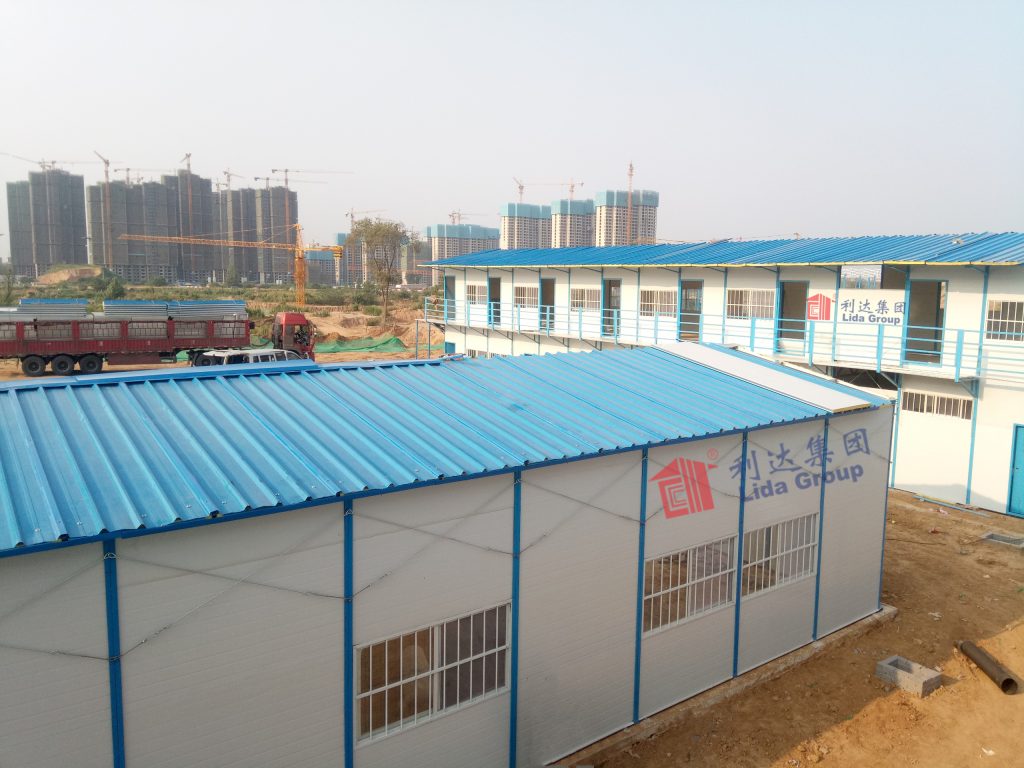
The launch of Lida Group’s new construction site labor accommodation solutions comes in response to urgent and growing market demands. Construction projects worldwide face a unique set of challenges that traditional workforce housing solutions struggle to address.
**2.1 The Challenge of Mobility**
Construction projects are inherently mobile. A highway project may advance 15 kilometers per month, a pipeline installation may traverse hundreds of kilometers, and a rail project may require workers to relocate multiple times over several years. Traditional site-built accommodation cannot keep pace with this mobility. Once constructed, it is fixed in place—requiring workers to commute long distances or requiring new camps to be built at each location. Lida Group’s new solutions address this through modular designs that can be disassembled, transported, and reassembled with minimal effort, enabling camps to “leapfrog” ahead of advancing construction crews.
**2.2 The Challenge of Remote Locations**
Many large-scale construction projects are located in remote regions with limited infrastructure, scarce labor resources, and harsh environmental conditions. Roads may be unpaved, local construction skills may be limited, and supply chains may be unreliable. Traditional on-site construction in these locations is challenging, costly, and time-consuming, as it requires transporting large quantities of raw materials and skilled labor to remote sites. Prefabricated container solutions, by contrast, are manufactured in factories and transported as complete or semi-complete units, minimizing on-site work and reducing reliance on local labor and resources.
**2.3 The Challenge of Fluctuating Workforce Sizes**
Construction workforce sizes rarely remain constant throughout a project. During peak phases, hundreds or thousands of workers may be required; during slower phases, the workforce may shrink significantly. Traditional camps that are sized for peak demand become underutilized during off-peak periods, representing wasted capital. Lida Group’s modular solutions offer scalability—camps can be expanded during peak periods and contracted during slower periods, ensuring that organizations only pay for the housing they need when they need it.
**2.4 The Challenge of Speed**
Construction timelines are often aggressive, with penalties for delays. Traditional workforce accommodation, which typically requires 6-12 months from design to occupancy, can become a critical path constraint. Lida Group’s new solutions dramatically compress this timeline. With a prefabrication rate exceeding 95%, a medium-sized camp (100-200 workers) can be deployed in 7-10 days, and a large-scale camp (300+ workers) can be operational within 14-20 days—representing a 70-80% reduction in installation time compared to traditional methods.
**2.5 The Challenge of Worker Welfare**
Construction workers often spend months away from their families, living in isolated environments. Poorly designed or low-quality housing—characterized by inadequate insulation, poor ventilation, cramped layouts, and insufficient hygiene facilities—leads to low morale, high turnover, and increased safety incidents. Lida Group’s new solutions are designed with worker welfare as a priority, integrating modern amenities, advanced insulation, and safety features to create a comfortable, dignified living environment that supports productivity and retention.
**Chapter 3: Product Overview—Comprehensive Solutions for Construction Sites**
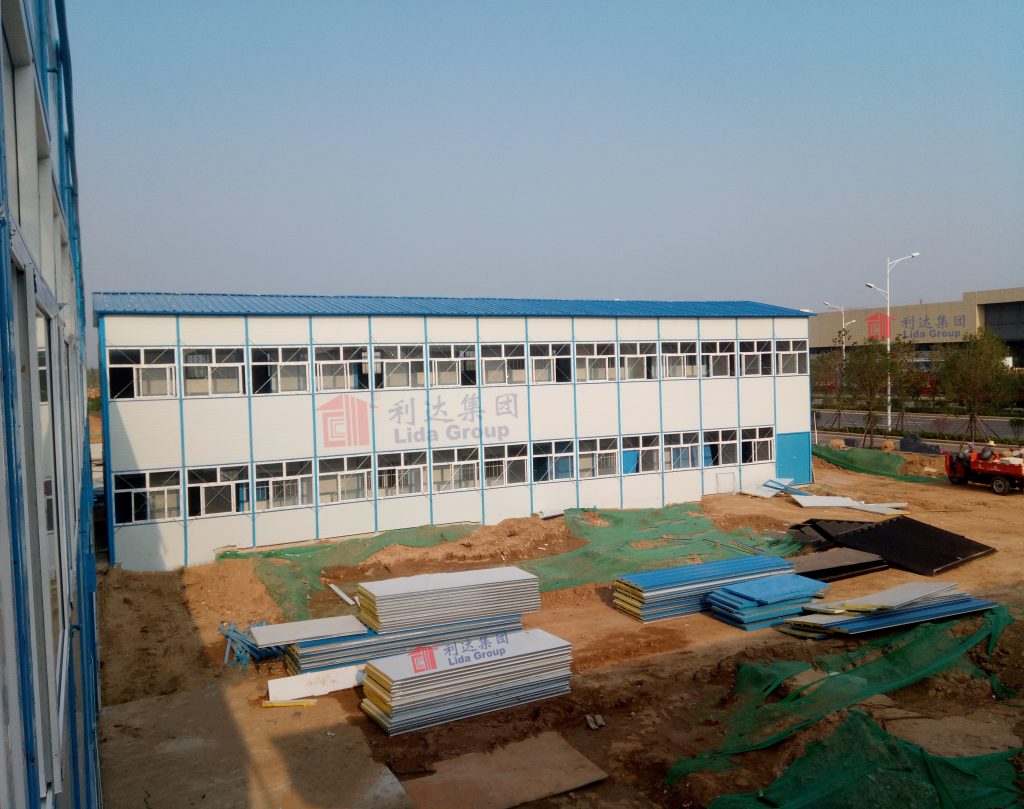
Lida Group’s new Construction Site Labor Accommodation Solutions comprise a comprehensive range of products designed to meet the full spectrum of construction workforce housing needs. The solutions are built around four core principles: rapid deployment, operational efficiency, flexible customization, and sustainable design.
**3.1 Core Accommodation Units**
The foundation of any construction site labor camp is the sleeping accommodation. Lida Group offers multiple unit configurations optimized for construction workforce needs:
– **Standard Sleeping Units:** Based on 20-foot and 40-foot container dimensions, these units provide complete, self-contained living spaces. A typical 20-foot unit (approximately 16 square meters) can be configured to accommodate 2-4 workers with bunk beds, or 1-2 workers with single beds. Each unit includes adequate storage, lighting, power outlets, and climate control systems.
– **Expandable Container Units:** Featuring sliding or folding mechanisms that allow sidewalls to extend outward, these units nearly double their transit width once on site, creating spacious interiors suitable for supervisory staff or longer-term assignments.
– **Multi-Story Stackable Units:** For construction sites where land area is limited, Lida’s units can be stacked up to three stories to maximize population density without expanding the physical footprint. Engineered connections enable safe stacking while maintaining structural integrity.
**3.2 Communal and Support Facilities**
A functional construction site camp requires more than just sleeping quarters. Lida Group’s solutions include a complete range of support facilities:
– **Dining Halls and Kitchens:** Commercial-grade kitchen modules equipped with industrial cooking equipment, walk-in refrigeration, and dining areas designed for efficient service. Capacities can be scaled to match camp population.
– **Sanitation Modules:** Dedicated bathroom and shower modules with industrial-grade fixtures, ventilation systems, and water-efficient technologies. For larger camps, separate male and female facilities can be provided.
– **Laundry Facilities:** Industrial washers and dryers sized for the camp population, with water recycling capabilities to reduce consumption.
– **Medical Clinics:** Fully equipped medical modules with examination rooms, treatment areas, and telemedicine capabilities—essential for construction sites located far from urban medical services.
– **Recreation and Office Spaces:** Modular units configured as recreation rooms, gyms, site offices, meeting rooms, and storage facilities.
**3.3 Rapid Deployment Features**
The speed of deployment is a defining characteristic of Lida Group’s new solutions. Key features enabling rapid deployment include:
– **High Prefabrication Rate:** Over 95% of camp components are fully prefabricated and pre-assembled in the factory, including electrical wiring, plumbing, insulation, and interior finishes.
– **Minimal Foundation Requirements:** Units can be placed on simple concrete slabs, gravel pads, screw piles, or even leveled ground—eliminating the need for complex foundation work.
– **Simplified Assembly:** Bolted connection systems eliminate the need for welding, allowing assembly with basic tools and minimal skilled labor. Color-coded components and detailed assembly instructions ensure intuitive placement.
– **Standardized Utility Connections:** Pre-installed electrical and plumbing systems feature quick-connect interfaces that enable utility hookup within hours of unit placement.
**Chapter 4: Engineering Excellence—Durability for Demanding Environments**
Construction sites are demanding environments. Workers may be located near active excavation, heavy machinery, or blasting operations. Sites may be exposed to extreme temperatures, high winds, heavy rain, or dust. Lida Group’s new solutions are engineered to withstand these conditions while maintaining occupant safety and comfort.
**4.1 Structural Integrity**
All units utilize high-strength galvanized steel frames constructed from Q235B grade steel—a material renowned for its high tensile strength and durability. The structural design parameters meet rigorous international standards:
– **Floor Live Load:** 2.0 KN/m², sufficient for standard residential and commercial occupancy
– **Roof Live Load:** 0.5 KN/m², accommodating snow accumulation and maintenance access
– **Wind Load Resistance:** 0.6 KN/m², equivalent to 120-150 mph wind speeds, suitable for cyclone-prone regions
– **Earthquake Resistance:** Grade 8 on the seismic intensity scale, providing superior performance in seismic zones
– **Stacking Capacity:** Up to three stories high
The steel frames are treated with a dual-layer anti-corrosion coating—including a galvanized layer and a fluorocarbon paint finish—that protects against rust, moisture, and chemical exposure, extending service life to 15-20 years with proper maintenance.
**4.2 Thermal and Acoustic Performance**
Construction site camps must provide comfortable interiors regardless of external conditions. Lida’s units incorporate advanced insulation systems:
– **Wall Panels:** 75mm fiberglass sandwich panels with density ≥50kg/m³, achieving Grade A fire-proof classification (non-flammable). The thermal conductivity coefficient is K=0.442 W/(m·K).
– **Roof Insulation:** 100mm fiberglass with aluminum foil, providing enhanced thermal protection where heat gain and loss are greatest.
– **Windows:** Double-glazed PVC sliding windows with 5mm glass panes, mosquito screens, and security bars.
– **Acoustic Performance:** The combination of steel mass, fiberglass insulation, and air gaps creates a sound barrier that reduces noise transmission from adjacent construction activities. Measured results show that with outdoor noise levels of 80 decibels, indoor levels drop to approximately 40 decibels.
**4.3 Climate-Specific Adaptations**
Lida Group’s solutions can be customized for specific climate conditions:
– **Cold Regions:** Enhanced insulation up to 100mm thickness, floor heating systems, triple-glazed windows, and trace heating for water lines.
– **Hot Regions:** Reflective roof coatings, increased insulation, high-capacity cooling systems, and shaded outdoor areas.
– **Coastal Regions:** Additional anti-corrosion treatments, moisture-proof materials, and elevated foundations.
– **Dust-Prone Environments:** Positive-pressure ventilation systems that maintain slight positive air pressure inside units, preventing dust infiltration, combined with HEPA filtration.
**Chapter 5: Turnkey Service—Seamless Delivery from Concept to Completion**
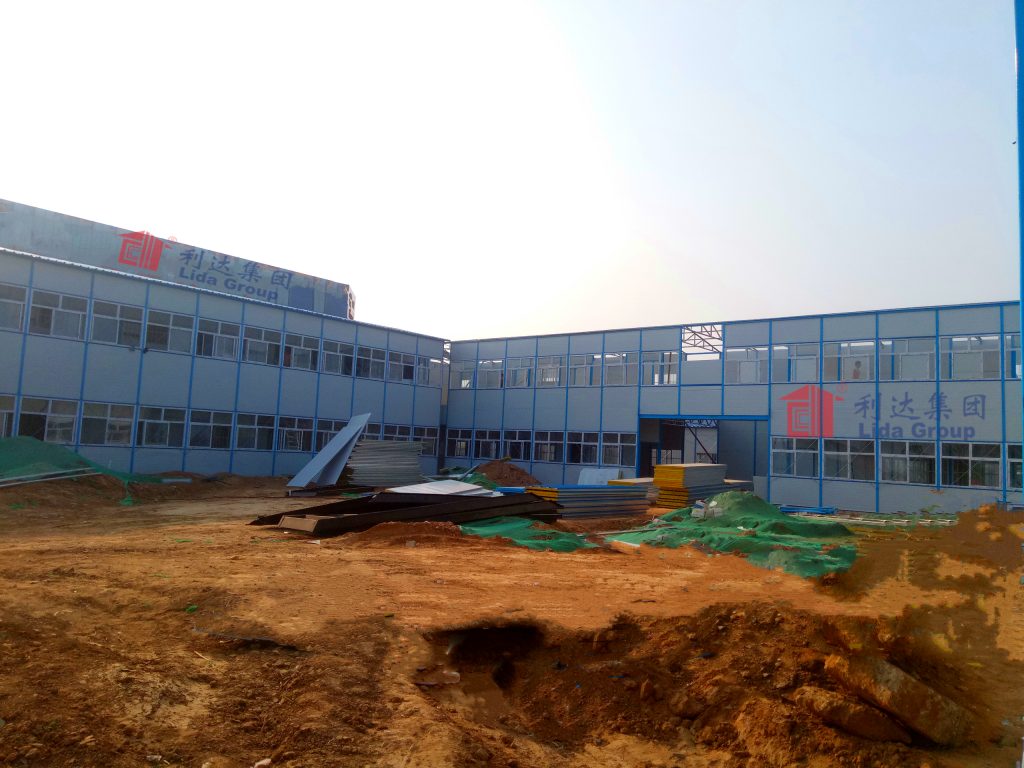
One of the defining features of Lida Group’s new construction site labor accommodation solutions is the comprehensive turnkey service model. Unlike providers that only supply container units, leaving organizations to manage the complex coordination of design, transportation, and installation, Lida Group manages every stage of the project lifecycle.
**5.1 Initial Consultation and Needs Assessment**
The turnkey process begins with a comprehensive consultation. Lida’s team of over 200 engineers, architects, and industry specialists works closely with the client to understand:
– Current and projected workforce size
– Project timeline and phasing
– Site location and environmental conditions
– Budget constraints
– Specific requirements for communal facilities
A detailed site analysis is conducted, including terrain assessment, transportation access evaluation, and utility availability review.
**5.2 Custom Design and Engineering**
Based on the needs assessment, Lida Group’s engineering team develops customized camp designs. This includes:
– **Site Layout:** Optimal arrangement of sleeping units, communal facilities, and circulation paths
– **Structural Engineering:** Foundation specifications, stacking configurations, and wind/seismic calculations
– **Utility Integration:** Power distribution, water supply, waste management, and communications systems
– **Compliance Review:** Ensuring designs meet local building codes and international standards
Digital tools including BIM (Building Information Modeling) and 3D renderings enable clients to visualize the completed camp before fabrication begins.
**5.3 Factory Prefabrication**
With designs finalized, production commences in Lida Group’s state-of-the-art manufacturing facilities. Key processes include:
– **Robotic Welding:** Achieving 0.2mm tolerances—precision impossible in field construction
– **CNC Cutting:** Precision cutting of insulation panels eliminating thermal bridging
– **Automated Coating:** Application of uniform 300µm zinc-aluminum protection coatings
– **Pre-assembly:** Installation of electrical wiring, plumbing, insulation, and interior finishes before shipment
The factory-controlled environment ensures consistent quality and eliminates weather-related delays.
**5.4 Global Transportation and Logistics**
Lida Group manages all aspects of transportation to the project site:
– **Sea Freight:** Coordination of shipping from manufacturing facilities to destination ports
– **Customs Clearance:** Handling of import documentation and customs procedures
– **Inland Transport:** Arrangement of trucking, rail, or barge transport to remote sites
– **Final Delivery:** For sites without road access, coordination of helicopter sling transport
The flat-pack design of many units maximizes shipping efficiency—a single 40-foot container can carry components for three to five complete units, reducing shipping costs by up to 70% compared to volumetric modules.
**5.5 On-Site Installation and Commissioning**
Lida Group provides experienced installation supervisors who travel to project sites to guide local crews through the assembly process. The installation process is streamlined for efficiency:
– **Foundation Installation:** Screw piles or concrete pads installed in 1-2 days
– **Unit Placement:** Mobile crane placement of units with laser-guided alignment
– **Utility Connections:** Pre-installed electrical and plumbing systems connected via quick-connect interfaces
– **Commissioning:** System testing and final inspection before occupancy
A medium-sized camp (100-200 workers) can be fully installed and operational within 7-10 days of component arrival.
**5.6 After-Sales Support**
Lida Group’s commitment extends beyond installation. After-sales support includes:
– **Maintenance Guidelines:** Comprehensive documentation for ongoing camp maintenance
– **Spare Parts Availability:** Readily available replacement components
– **Technical Support:** Remote and on-site support for troubleshooting
– **Training:** Operator training programs for camp maintenance staff
**Chapter 6: Real-World Validation—Construction Site Projects**
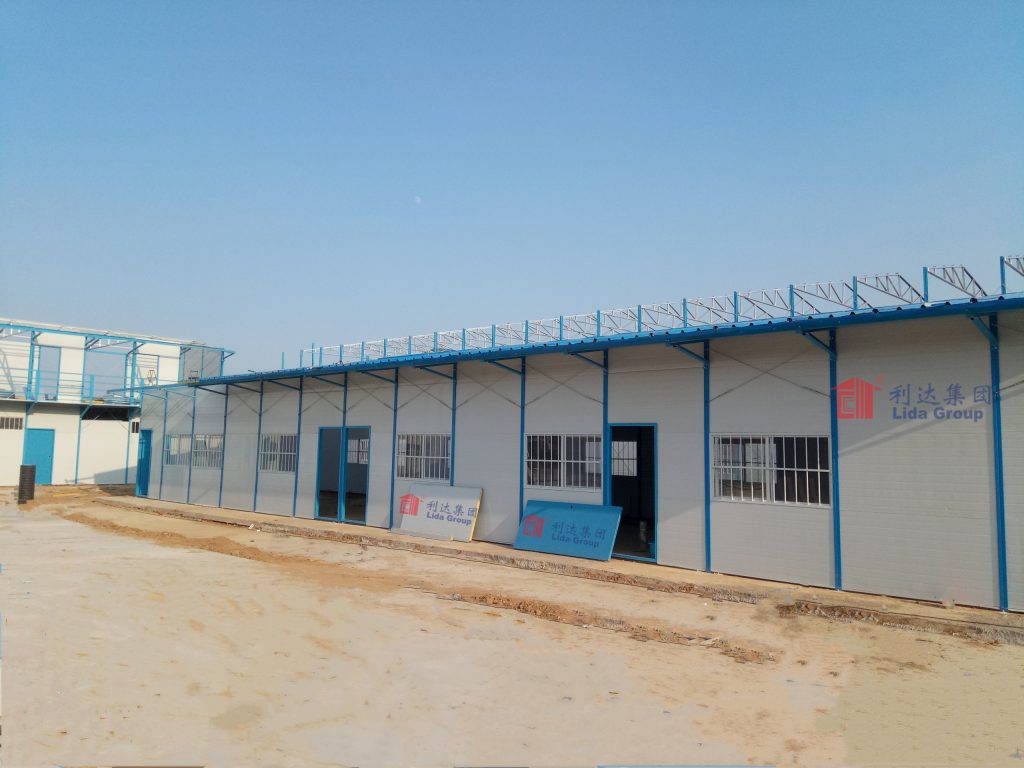
The effectiveness of Lida Group’s construction site labor accommodation solutions has been validated through successful deployment across multiple projects worldwide.
**6.1 Harbin Engineering University Qingdao Project—China**
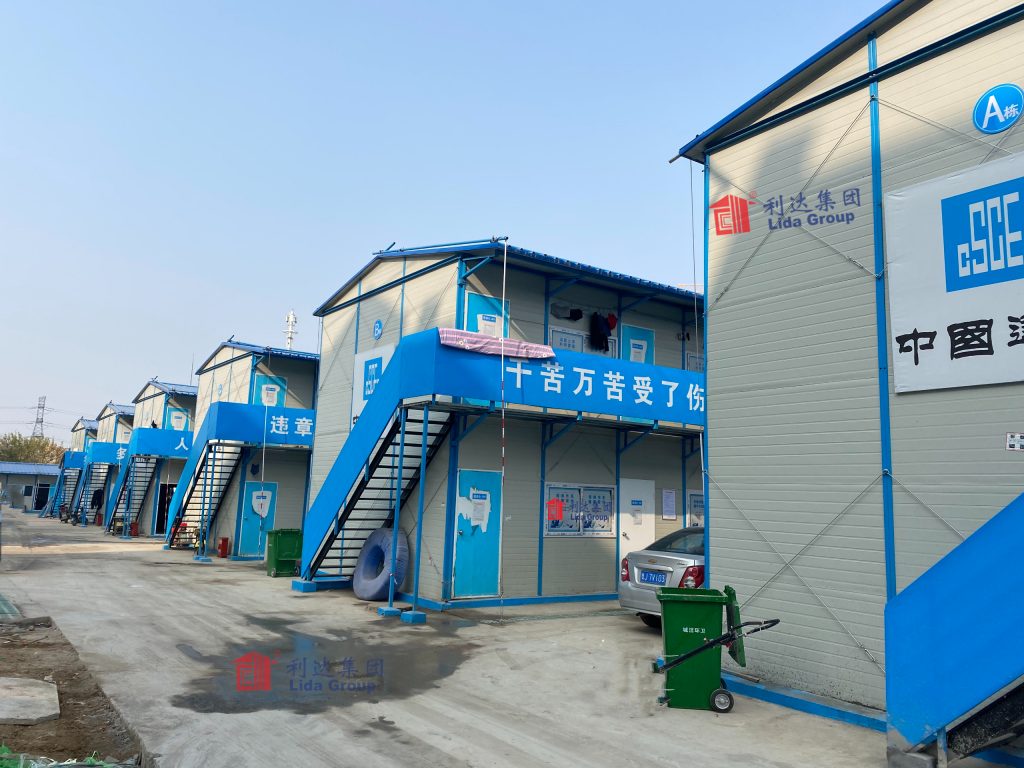
In a large-scale university construction project, Lida Group provided temporary workforce accommodation for China State Construction. The project utilized 106 container units and 8,000 square meters of prefabricated buildings to create a complete living complex including office areas, dormitory buildings, and dining facilities. The entire 15,000-square-meter camp was erected in just 7 days, supporting efficient execution of the 299,800-square-meter main construction project.
**6.2 Saudi Arabia Ministry of Interior Medical Building Project**
In a major Saudi Arabian construction project, Lida Group provided accommodation for 6,048 workers using double-layer prefabricated buildings. Each building measured 40.89 meters by 10.7 meters and was equipped with independent bathrooms and ventilation systems. The camp successfully supported construction activities in the harsh desert environment, with workers reporting high satisfaction with living conditions.
**6.3 Tanzania Hydropower Station Camp Project**
In Tanzania, Lida Group was responsible for constructing workforce accommodation for a major hydropower station project, covering a total area of 7,800 square meters. The project utilized Lida’s extensive experience in steel structure camp construction, with specialized personnel dispatched to Tanzania to supervise installation. The project was completed within 3 months and received high recognition from the client.
**6.4 Trans-Anatolian Pipeline Project—Turkey**
For a major pipeline construction project in Turkey, Lida Group provided mobile camp container complexes that advanced alongside the construction crews. As the pipeline progressed 23 kilometers monthly, the camp housing leapfrogged ahead—maintaining productivity while reducing crew transfer time from 3 hours to 20 minutes daily. The integrated medical unit handled altitude sickness cases on-site, while circadian-optimized sleeping modules reduced fatigue-related errors by 37%.
**6.5 Eastern Europe Modular Camp Housing Project**
In a remote mountainous region of Eastern Europe, Lida Group completed a modular steel camp housing project that combined prefabricated container houses and steel structure buildings. The project faced significant challenges: winter temperatures dropping to -20°C, snowstorms, tight timelines, and strict environmental regulations. The solution utilized steel frame structures with 8-grade earthquake resistance and wind resistance of 1.5 kN/m². Container units used EPS and rock wool sandwich panels with thicknesses from 75-150mm, supporting thermal performance in temperatures ranging from -45°C to 50°C. Prefabricated modules were manufactured in 25 days and shipped in 40-foot HQ containers. Six workers assembled each unit in 8 hours, and bolt-connected steel frames reduced on-site welding while cutting labor costs by 40%. The project achieved 30% faster completion compared to traditional construction methods.
**Chapter 7: Sustainability—Building Responsibly**
Lida Group’s new construction site labor accommodation solutions are designed with environmental responsibility as a core principle.
**7.1 Material Efficiency and Waste Reduction**
Factory prefabrication achieves material utilization rates exceeding 95%, compared to 70-80% for traditional site-built construction. Scrap steel, insulation offcuts, and packaging materials are recycled at the factory rather than sent to landfills. The use of steel—one of the most recycled materials on Earth—further reduces environmental impact.
**7.2 Energy Efficiency**
The high insulation values of Lida’s units reduce heating and cooling energy consumption by 30-50% compared to conventional construction. For off-grid applications, solar integration enables net-zero energy operation. Solar-ready roofs feature pre-engineered attachment points and concealed conduits, allowing easy installation of photovoltaic arrays.
**7.3 Water Stewardship**
Lida’s solutions incorporate water conservation features including:
– **Low-flow fixtures:** Reducing water consumption in showers, sinks, and toilets
– **Rainwater harvesting:** Collection and storage systems integrated into structural designs
– **Greywater recycling:** Treatment of wastewater from sinks and showers for reuse in flushing and landscaping
These features can reduce water consumption by up to 55% compared to conventional camps.
**7.4 Circular Economy**
The ability to assemble and disassemble units multiple times without damage aligns with circular economy principles. Units can be:
– **Relocated:** Moved to subsequent project sites rather than demolished
– **Reconfigured:** Adapted for different applications as needs change
– **Refurbished:** Upgraded for extended service life
– **Recycled:** Steel frames can be recycled at end of life with minimal waste
Documentation indicates that these units can be assembled and disassembled more than six times without loss of structural integrity.
**7.5 Carbon Reduction**
Lifecycle assessments indicate that Lida’s container-based camps can have a carbon footprint 30-50% lower than comparable conventional construction, due to reduced material usage, transportation efficiency, and operational energy savings.
**Chapter 8: The Future of Construction Site Workforce Housing**
As Lida Group continues to innovate, several trends are shaping the future of construction site labor accommodation.
**8.1 Smart Camp Technology**
Future camps will incorporate Internet of Things (IoT) sensors and building management systems that transform camps into intelligent environments. Features will include:
– **Air Quality Monitoring:** Continuous tracking of CO₂ levels, VOCs, and particulates
– **Predictive Maintenance:** Sensors that detect equipment issues before failures occur
– **Occupancy-Based Climate Control:** HVAC systems that adjust based on room occupancy
– **Centralized Management:** Dashboards enabling off-site monitoring of camp operations
**8.2 Enhanced Mobility Systems**
As construction projects become increasingly mobile, camps will evolve to match their pace. Future systems will feature:
– **Self-Transporting Units:** Integrated wheel systems enabling units to be repositioned without cranes
– **Rapid Deployment Mechanisms:** Further reduced assembly times through improved connection systems
– **Modular Utility Distribution:** Quick-connect utility corridors that move with advancing camps
**8.3 Advanced Materials**
Research into new materials promises further improvements in performance:
– **Phase-Change Materials:** Integrated into walls to passively regulate temperature, absorbing heat during the day and releasing it at night
– **Self-Healing Coatings:** Paints and coatings that repair minor scratches and corrosion automatically
– **Bio-Based Insulation:** Materials such as hempcrete offering lower embodied carbon
**8.4 Integration with Renewable Energy**
As construction projects increasingly prioritize sustainability, camps will become energy self-sufficient through:
– **Solar-Integrated Roofing:** Photovoltaic panels integrated into roof structures
– **Battery Storage:** Lithium-ion or flow battery systems for energy storage
– **Microgrid Control:** Intelligent systems optimizing power distribution from multiple sources
**Conclusion**
Lida Group’s launch of new Construction Site Labor Accommodation Solutions represents a significant advancement in workforce housing technology—one specifically engineered to address the unique challenges of modern construction projects. With over three decades of experience, comprehensive manufacturing capabilities, and a proven track record across 152 countries, Lida Group has positioned itself as the trusted partner for construction firms worldwide seeking efficient, reliable, and comfortable workforce housing.
The solutions are built on a foundation of engineering excellence. High-strength galvanized steel frames with dual-layer corrosion protection deliver structural integrity rated for magnitude 7 earthquakes, level 12 winds, and service lives exceeding 20 years. Advanced insulation systems with 75mm fiberglass walls and 100mm roof insulation achieve thermal performance that reduces heating and cooling energy consumption by 30-50% while maintaining interior comfort across extreme climate conditions. A prefabrication rate exceeding 95% enables deployment timelines that are 70-80% shorter than traditional methods—a small camp operational in 3-5 days, a medium camp in 7-10 days.
The turnkey service model ensures seamless delivery from concept to completion. Lida Group manages every stage of the project lifecycle—consultation, custom design, factory production, global logistics, on-site installation, and after-sales support—providing clients with a single point of contact and eliminating the fragmentation that plagues traditional procurement. This integrated approach reduces client effort, minimizes project timelines, and ensures consistent quality across all camp components.
The flexibility of the solutions addresses the unique demands of construction projects. Modular units can be expanded or contracted as workforce sizes fluctuate. Mobile designs enable camps to advance alongside pipeline and highway projects. Climate-specific adaptations ensure performance in environments ranging from arctic cold to desert heat. And the comprehensive range of communal facilities—dining halls, sanitation modules, medical clinics, recreation spaces—creates a complete living environment that supports worker welfare and productivity.
Real-world validation across continents confirms the effectiveness of these solutions. From the Harbin Engineering University project in China to the Saudi Ministry of Interior Medical Building, from the Tanzania hydropower station to the Trans-Anatolian Pipeline in Turkey, from the Eastern Europe modular camp to projects across Africa and the Middle East, Lida Group’s construction site accommodation has demonstrated its ability to deliver quality, speed, and value in diverse contexts.
Sustainability is woven into the fabric of the solutions. Material utilization exceeding 95% reduces waste compared to traditional construction. Energy efficiency lowers operational carbon emissions. Water conservation features reduce consumption by up to 55%. Reusability and recyclability align with circular economy principles. These features make Lida Group’s construction site labor accommodation not only a practical choice but also a responsible one.
For construction project managers, site supervisors, and organizational leaders facing the challenge of workforce housing, the message is clear: Lida Group’s new Construction Site Labor Accommodation Solutions offer a transformative alternative to traditional methods. They deliver the speed to meet aggressive project timelines, the durability to withstand harsh site conditions, the flexibility to adapt to changing workforce needs, and the comfort to support worker welfare and retention. They transform workforce accommodation from a project constraint into a strategic asset—enabling construction firms to focus on what they do best: building the infrastructure that powers our world.
As the global construction industry continues to expand into remote regions, tackle larger projects, and face tighter timelines, the demand for efficient, reliable workforce housing will only intensify. Lida Group, with its three decades of experience, comprehensive manufacturing infrastructure, global logistics network, and commitment to innovation, stands ready to meet that demand. The new Construction Site Labor Accommodation Solutions represent the culmination of this expertise—a comprehensive, turnkey solution designed to support construction projects wherever they may be, whatever challenges they may face, and however quickly they need to move.
Related news
-
Lida Group's Modular Modern Container Accommodation Ensures Comfort
2026-03-25 15:18:10
-
Lida Group Expands Range of Modular Modern Container Accommodation
2026-03-25 17:48:11
-
Durable and Flexible Easy Assembly Container House by Lida Group
2026-03-25 17:30:01
contact us
- Tel: +86-532-88966982
- Whatsapp: +86-13793209022
- E-mail: sales@lidajituan.com
