



Introduction: A New Era in Residential Architecture
In an age where sustainable living and personalized living spaces are becoming increasingly important, Lida Group has emerged as a pioneer in the housing industry with its groundbreaking launch of Customizable Free Design Container Apartments. This innovative housing solution represents a paradigm shift in how we conceptualize and construct residential spaces, blending sustainability, affordability, and personalization in a way that has never been seen before in the real estate market.
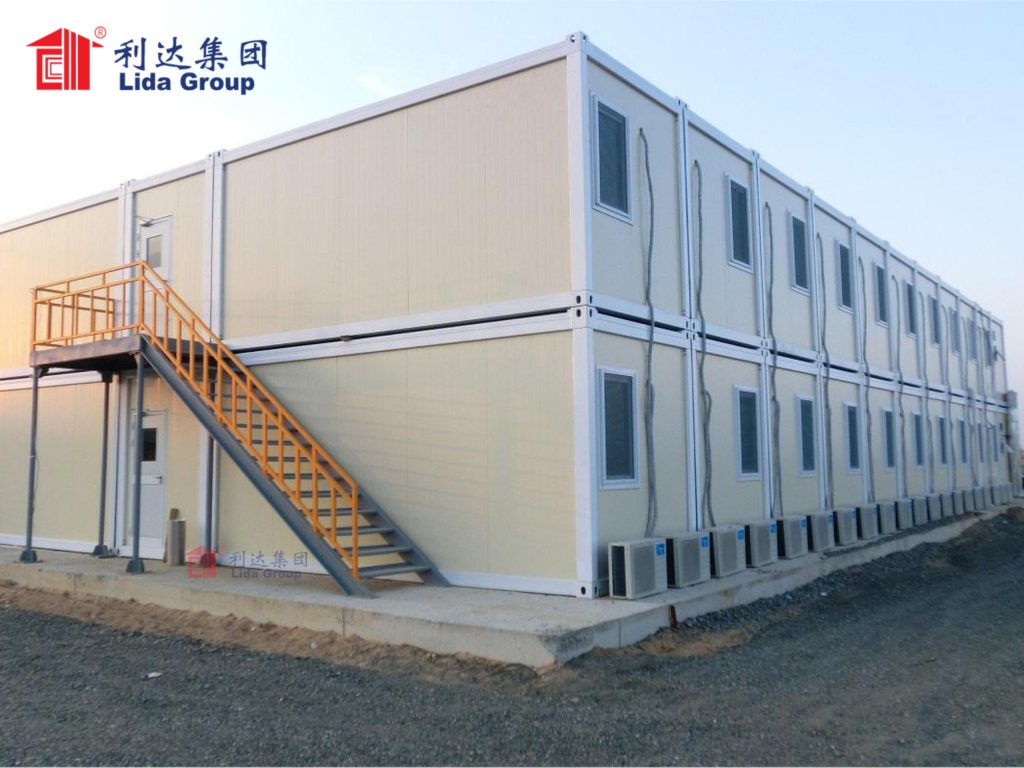
The Customizable Free Design Container Apartments (CFDCA) system is not merely a housing product; it’s a comprehensive lifestyle solution designed to empower residents with unprecedented freedom in creating their living environments. By utilizing modular container architecture, Lida Group has developed a system that allows for complete customization while maintaining the structural integrity and efficiency that container-based housing is known for.
This revolutionary approach to residential design addresses several critical challenges facing modern urban populations: the rising cost of housing, the need for sustainable building practices, the demand for personalized living spaces, and the increasing pressure on urban land resources. In a world where housing has become a significant financial burden for many, Lida Group’s CFDCA system offers a viable, cost-effective, and environmentally conscious alternative that is poised to transform the housing landscape globally.
The Genesis of Lida Group’s Innovation
Lida Group’s journey toward this groundbreaking innovation began with a simple yet profound realization: housing should not be a one-size-fits-all solution. The company’s founders, a group of architects, engineers, and sustainability experts, recognized that the traditional housing model, with its rigid floor plans and limited customization options, was failing to meet the evolving needs of modern residents.
The company’s research revealed that approximately 72% of homebuyers express dissatisfaction with the standard layouts of new housing developments, feeling constrained by the limited options available to them. This insight, combined with growing environmental concerns about the construction industry’s carbon footprint, became the catalyst for Lida Group’s mission to create a housing solution that is both environmentally responsible and deeply personalized.
The development of the CFDCA system took over three years of intensive research, prototyping, and testing. Lida Group’s team of experts collaborated with leading architects, sustainable materials specialists, and technology innovators to create a system that would revolutionize the housing industry. The result is a housing solution that not only meets the highest standards of sustainability but also offers unparalleled flexibility and personalization.
The Technology Behind CFDCA: A Comprehensive Overview
At the heart of Lida Group’s Customizable Free Design Container Apartments is a sophisticated, yet user-friendly, design platform that allows residents to create their ideal living space from the ground up. The system begins with a selection of standard container units, each designed to be structurally sound and environmentally efficient.
What sets CFDCA apart is its proprietary “Free Design” platform, a cloud-based application that guides users through the entire design process. This platform features an intuitive 3D interface that allows users to visualize their space in real-time as they make design choices. The platform includes a comprehensive library of customizable elements, from wall materials and finishes to furniture layouts and lighting options.
One of the most innovative aspects of the CFDCA system is its “Design DNA” feature. This unique technology analyzes the user’s preferences, lifestyle, and spatial requirements to suggest personalized design elements that would enhance their living experience. For example, if a user indicates they work from home, the system will suggest optimal workspace configurations and lighting solutions. If the user has children, it will recommend child-friendly storage solutions and safety features.
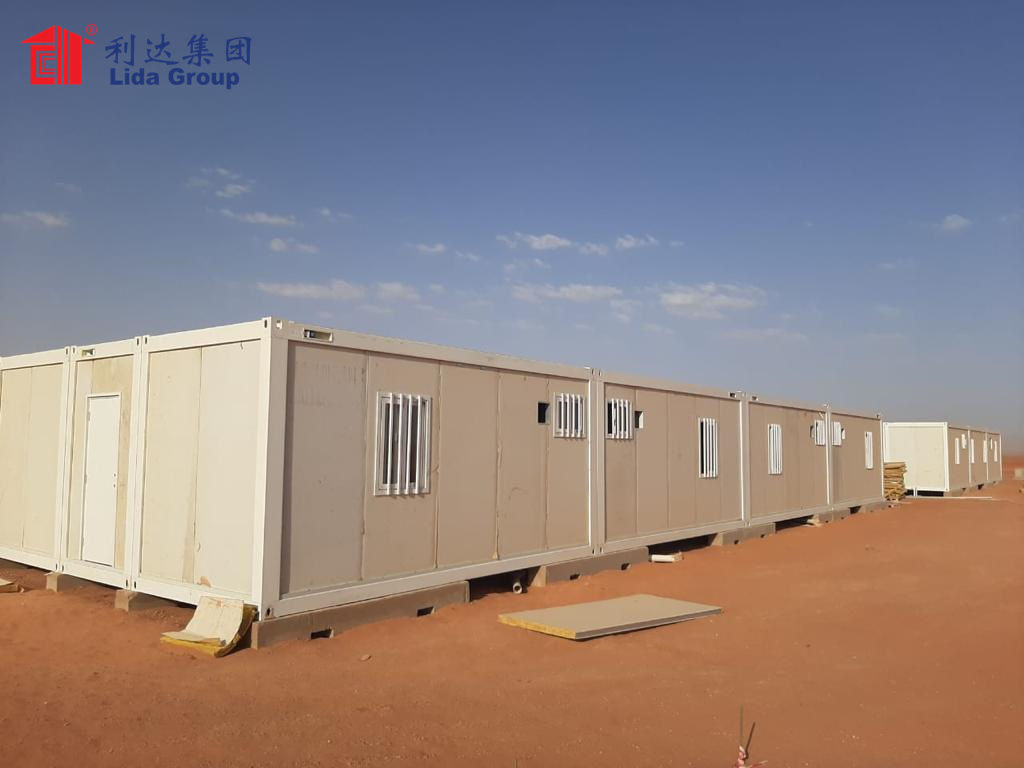
The containers themselves are engineered with sustainability at their core. Each unit is constructed using recycled steel containers that are retrofitted with high-performance insulation, energy-efficient windows, and solar-ready roofing. The containers are designed to be modular, allowing for easy expansion as the resident’s needs change over time.
Sustainability: A Core Principle of CFDCA
Sustainability is not merely an added feature of Lida Group’s CFDCA system; it is the foundation upon which the entire concept is built. The company has implemented a comprehensive sustainability framework that addresses every aspect of the housing solution, from materials and construction to energy use and end-of-life considerations.
The use of recycled steel containers as the primary building material is a significant sustainability win. Each container, which would typically be scrapped after its initial shipping life, is repurposed for residential use, diverting thousands of pounds of metal from landfills. The containers are also designed to be easily disassembled and recycled at the end of their residential life, ensuring a true circular economy approach.
Energy efficiency is another critical component of the CFDCA system. Each apartment is equipped with a smart energy management system that optimizes energy use based on the resident’s habits and the time of day. The system integrates with solar panels and battery storage solutions, allowing residents to generate and store their own clean energy. In many cases, CFDCA apartments are net-zero energy, meaning they produce as much energy as they consume over the course of a year.
Water conservation is also a priority. The apartments feature low-flow fixtures, rainwater harvesting systems, and greywater recycling systems that significantly reduce water consumption. In some locations, these systems can reduce water usage by up to 60% compared to conventional housing.
Lida Group has also implemented a comprehensive waste management system during construction. The modular nature of the CFDCA system allows for precise material ordering, reducing construction waste by up to 40%. Additionally, the company has established partnerships with local recycling facilities to ensure that any waste generated during construction is properly processed.
Customization: The Heart of CFDCA
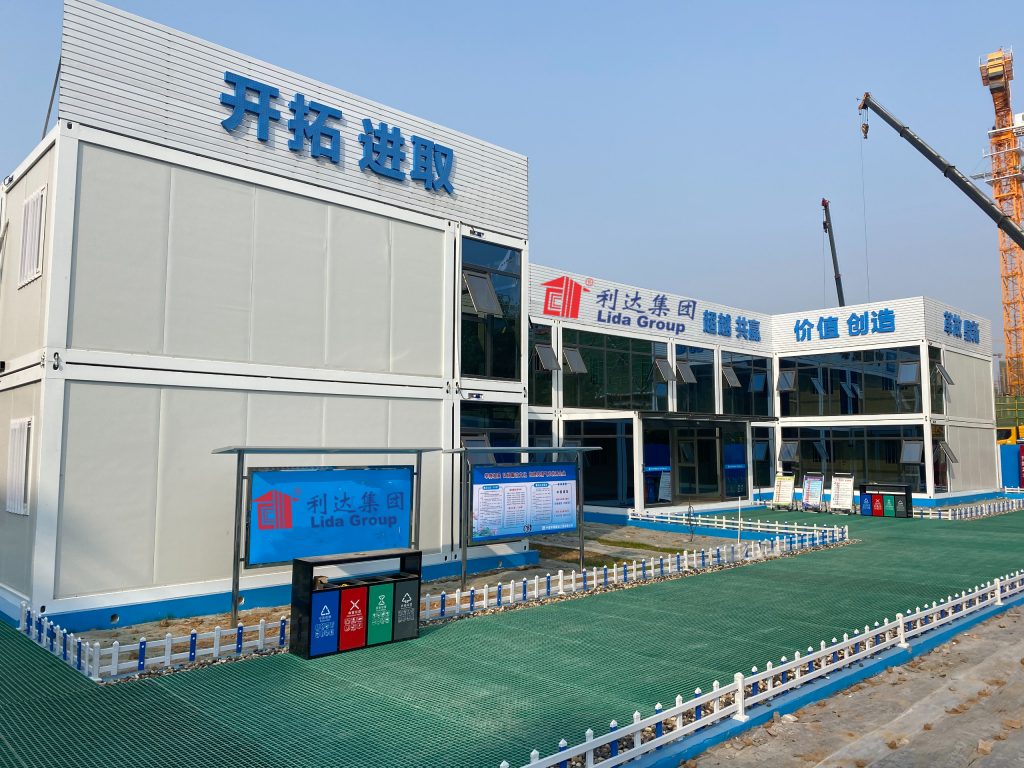
The true magic of Lida Group’s Customizable Free Design Container Apartments lies in the level of personalization it offers. Unlike traditional housing, where customization options are limited to a few pre-selected packages, the CFDCA system allows residents to create a living space that truly reflects their personality and lifestyle.
The customization process begins with a detailed consultation with a Lida Group design specialist. This consultation helps the resident identify their specific needs, preferences, and lifestyle requirements. Based on this information, the resident is guided through the Free Design platform, where they can explore various design options.
The platform offers a vast array of customization choices, including:
- Exterior Design: Residents can choose from a wide range of exterior finishes, from traditional paint colors to innovative materials like reclaimed wood and living walls.
- Interior Layouts: The modular nature of the containers allows for flexible interior layouts. Residents can choose to have open-plan living spaces, private bedrooms, or a combination of both.
- Material Selection: From flooring to countertops, residents can select from a variety of sustainable materials, each with its own aesthetic and functional properties.
- Smart Home Integration: The apartments come equipped with a comprehensive smart home system that can be customized to the resident’s preferences, from lighting and temperature control to security and entertainment.
One of the most impressive aspects of the CFDCA customization process is its ability to accommodate unique lifestyle needs. For example, a resident who works from home can create a dedicated workspace with optimal lighting and acoustics. A family with young children can incorporate child-friendly storage solutions and safety features. A resident with mobility challenges can design a space that accommodates their specific needs.
The Economic Impact: Affordable Housing for the Masses
The CFDCA system represents a significant breakthrough in affordable housing. By utilizing a modular, container-based construction method, Lida Group has dramatically reduced the cost of construction compared to traditional housing methods. The company estimates that CFDCA apartments are approximately 30% less expensive to build than conventional housing, making them accessible to a much wider range of potential residents.
This cost reduction is achieved through several factors. First, the modular nature of the system allows for more efficient construction processes, reducing labor costs. Second, the use of recycled containers as the primary building material significantly reduces material costs. Third, the streamlined design process reduces the need for extensive site preparation and foundation work.
The economic benefits extend beyond the initial purchase price. CFDCA apartments are designed to be energy-efficient, resulting in significantly lower utility bills for residents. The smart energy management system ensures that energy is used efficiently, while the solar-ready infrastructure allows residents to generate their own clean energy, further reducing costs.
Lida Group has also developed a flexible financing model to make the CFDCA system accessible to a wider range of potential residents. The company offers a variety of financing options, including low-interest loans and payment plans that allow residents to spread the cost over several years.
Social Impact: Creating Communities, Not Just Apartments
Beyond the individual benefits, Lida Group’s Customizable Free Design Container Apartments are designed to foster a sense of community among residents. The company has incorporated several features into the CFDCA system that encourage social interaction and community building.
One of the most significant community-oriented features is the shared common areas. Each CFDCA development includes a variety of shared spaces, such as community gardens, co-working areas, and recreational facilities. These spaces are designed to be flexible and adaptable, allowing residents to create their own community events and activities.
Lida Group has also developed a community platform that connects residents within each development. This platform allows residents to share resources, organize events, and collaborate on community projects. It has become a vital tool for fostering a sense of belonging and community spirit among residents.
The company has also worked with local organizations to create opportunities for residents to engage with their broader communities. For example, some CFDCA developments include spaces for local artists to showcase their work, or partnerships with local schools for educational programs.
Case Studies: Real-World Success Stories
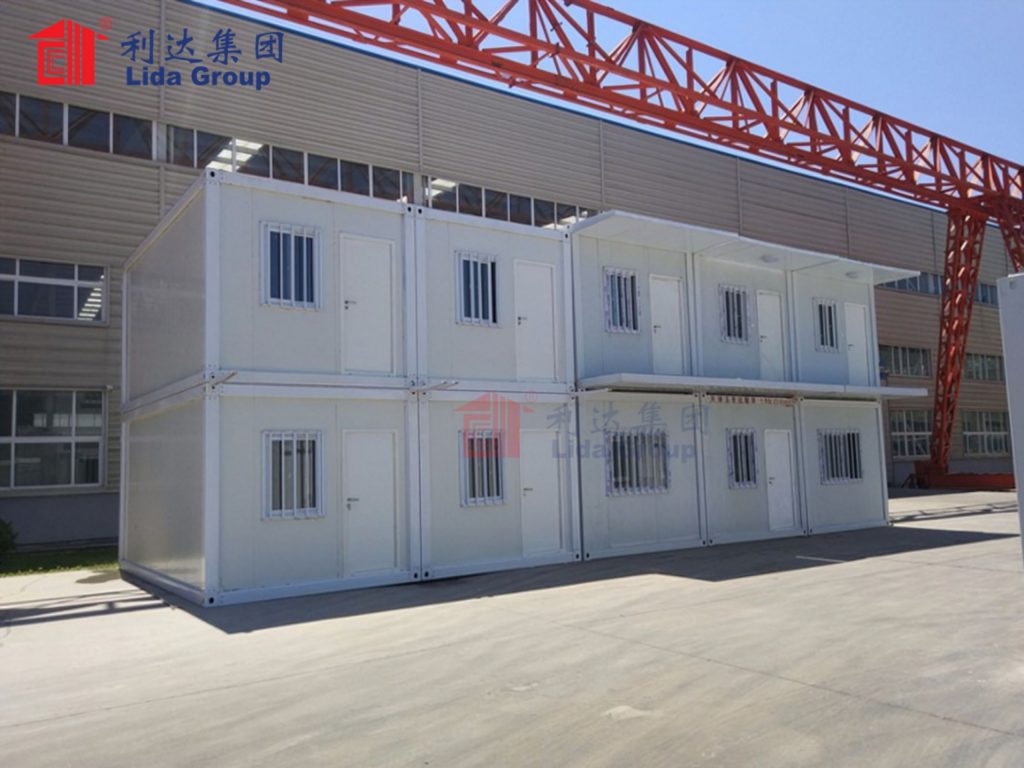
To illustrate the impact of the CFDCA system, let’s examine a few real-world examples of Lida Group’s developments:
Case Study 1: The Green Haven Community (Seattle, USA)
The Green Haven Community is a 50-unit CFDCA development in Seattle, Washington. This project was developed in partnership with the city’s housing authority to address the growing housing shortage in the region. The development features a mix of single-family and multi-family units, all designed with the CFDCA system.
The project has been a resounding success, with all units sold within six months of launch. Residents report high levels of satisfaction with their living spaces, particularly the level of customization available. The community has also developed a vibrant social scene, with residents organizing regular events and activities through the community platform.
Case Study 2: The EcoVillage Project (Tokyo, Japan)
The EcoVillage Project is a 100-unit CFDCA development in Tokyo, Japan. This project was developed in partnership with a major Japanese real estate developer to address the housing needs of young professionals in one of the world’s most expensive cities.
The project has been particularly successful in addressing the unique challenges of urban living in Tokyo. The compact, efficient design of the CFDCA units has allowed for a higher density of housing without sacrificing comfort or personalization. The smart energy management system has also been a significant draw for residents, with many reporting substantial reductions in their utility bills.
Case Study 3: The Coastal Living Community (Sydney, Australia)
The Coastal Living Community is a 75-unit CFDCA development in Sydney, Australia. This project was designed to address the housing needs of coastal communities, with a focus on sustainability and resilience to climate change.
The development features several unique sustainability features, including seawater cooling systems and stormwater management systems. The community has become a model for sustainable coastal living, with residents reporting high levels of satisfaction with their living environment.
Future Developments and Expansion
Lida Group is not resting on its laurels. The company has ambitious plans for the future, with several exciting developments on the horizon.
One of the most significant upcoming projects is the expansion of the CFDCA system to include commercial and retail spaces. The company is currently developing a new version of the system that will allow for the creation of mixed-use developments, combining residential, commercial, and retail spaces in a single, cohesive community.
Lida Group is also exploring the integration of advanced AI and machine learning technologies into the Free Design platform. These technologies will allow for even more personalized design recommendations based on the resident’s lifestyle, preferences, and even biometric data.
Another area of focus is the development of a global network of CFDCA communities. The company is working with partners in several countries to establish CFDCA developments in diverse markets, from urban centers in developed countries to rural communities in emerging economies.
Challenges and Solutions
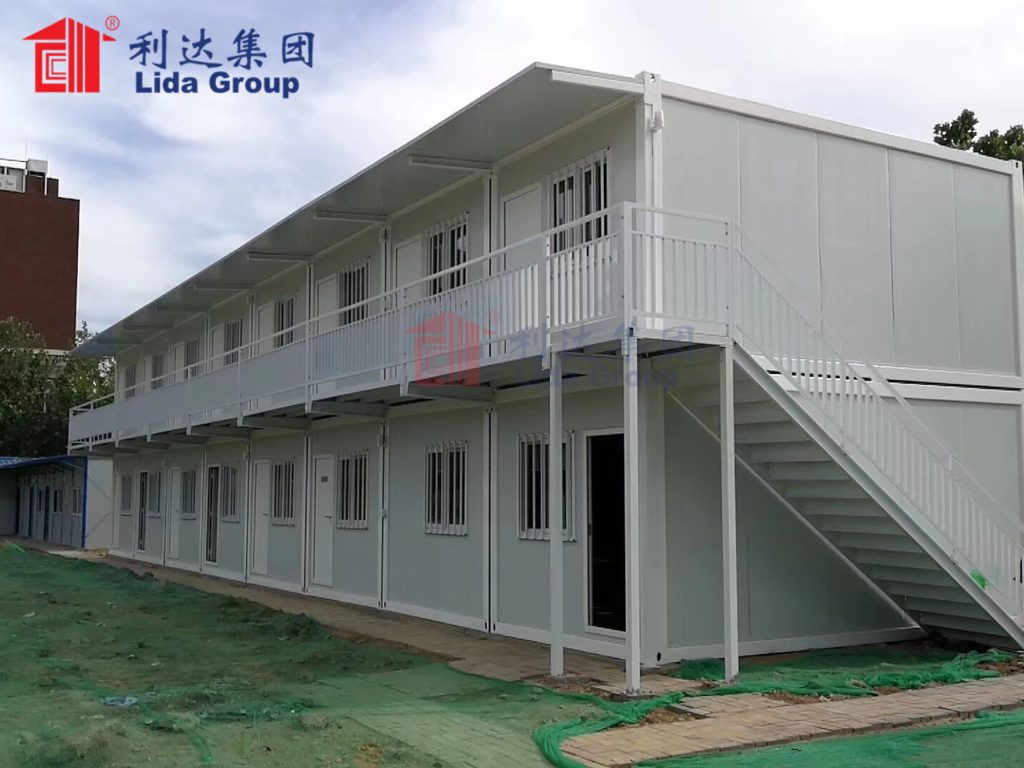
As with any groundbreaking innovation, Lida Group has faced several challenges in bringing the CFDCA system to market. One of the most significant challenges has been overcoming the stigma associated with container housing. Many people associate containers with temporary, low-quality housing, which has been a barrier to adoption.
To address this challenge, Lida Group has invested heavily in marketing and education. The company has created a comprehensive education campaign that highlights the sustainability, quality, and customization options of the CFDCA system. The company has also hosted numerous open houses and community events to allow potential residents to experience the apartments firsthand.
Another challenge has been navigating the regulatory landscape. Container housing is subject to different regulations in different jurisdictions, which has required Lida Group to work closely with local authorities to ensure compliance.
The company has addressed this by developing a flexible regulatory framework that can be adapted to the specific requirements of each jurisdiction. Lida Group has also worked with policymakers to advocate for changes to building codes that would facilitate the adoption of container-based housing.
Conclusion: A New Chapter in Housing
Lida Group’s Customizable Free Design Container Apartments represent a transformative moment in the housing industry. By combining sustainability, affordability, and personalization, the CFDCA system addresses some of the most pressing challenges facing modern housing markets around the world.
The company’s commitment to innovation, sustainability, and community has set a new standard for the industry. The CFDCA system is not just a housing product; it’s a vision for a better way of living. It empowers residents to create spaces that reflect their unique needs and lifestyles, while also contributing to a more sustainable future.
As the world continues to grapple with the challenges of urbanization, climate change, and housing affordability, the CFDCA system offers a compelling solution. It demonstrates that housing can be both beautiful and functional, affordable and sustainable, personalized and community-oriented.
Lida Group’s vision for the future of housing is not just about building homes; it’s about creating communities, fostering sustainability, and empowering individuals to shape their living environments. The Customizable Free Design Container Apartments are more than just a product—they are a testament to what is possible when innovation, sustainability, and human-centered design come together.
As the company continues to expand and refine its CFDCA system, it is poised to make a significant impact on the housing industry and the lives of millions of people around the world. The future of housing is here, and it’s customizable, sustainable, and free to design.
Related news
-
Redefining Affordability in Housing with Cost-Effective Prefab Construction
2025-12-16 17:05:35
-
Rapid Deployment of Prefab Mobile Container Houses by Lida Group
2025-12-16 15:55:28
-
Lida Group Champions Cost-Effective Prefab Construction Methods
2025-12-16 15:19:59
contact us
- Tel: +86-532-88966982
- Whatsapp: +86-13793209022
- E-mail: sales@lidajituan.com
