



Introduction: A New Era for Worker Accommodation
The global construction, mining, and energy sectors are the bedrock of modern development, driving progress and infrastructure across the most remote and challenging environments on Earth. However, one of the most persistent challenges faced by project managers in these industries is the provision of safe, comfortable, and dignified housing for their workforce. For decades, worker camps have been synonymous with rudimentary, hastily constructed barracks that offer little in the way of comfort, insulation, or sustainability. These traditional structures, often built from timber and corrugated metal, are not only time-consuming to erect but also frequently fail to meet modern standards for energy efficiency and environmental responsibility.
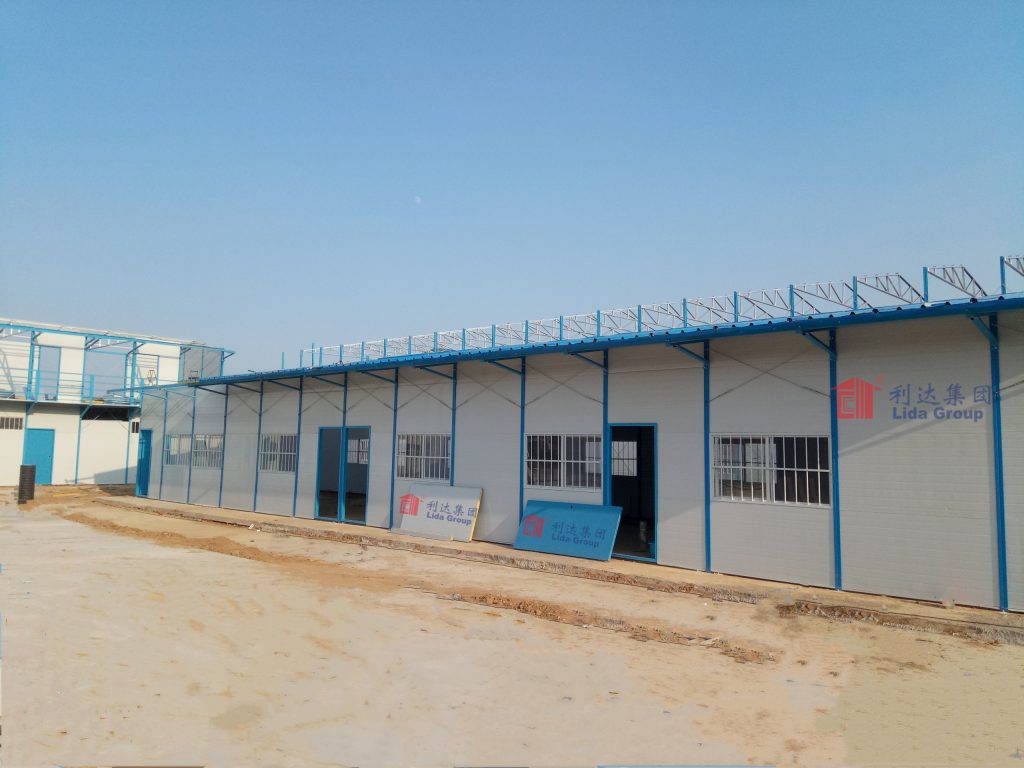
Addressing this long-standing issue, Lida Group, a global leader in prefabricated building solutions, has officially launched a groundbreaking new campsite worker dormitory. This innovative housing solution is constructed using advanced, eco-friendly sandwich panels, marking a significant departure from conventional building methods. This new product line is poised to redefine the standard for temporary and semi-permanent workforce housing, offering an unparalleled combination of rapid deployment, superior thermal performance, structural integrity, and a drastically reduced environmental footprint. This article delves into the specifics of Lida Group’s new launch, exploring the technology behind it, its multifaceted benefits, and its potential to reshape the future of remote workforce accommodation.
With over three decades of experience and a portfolio boasting more than 5,000 projects across 152 countries, Lida Group has established itself as a one-stop provider of camp housing solutions . This latest launch is not merely a new product but a culmination of the company’s extensive research and development into materials science and modular design, specifically aimed at meeting the evolving needs of a global workforce and the increasing demands for corporate sustainability.
The Core Technology: Understanding Eco-Friendly Sandwich Panels
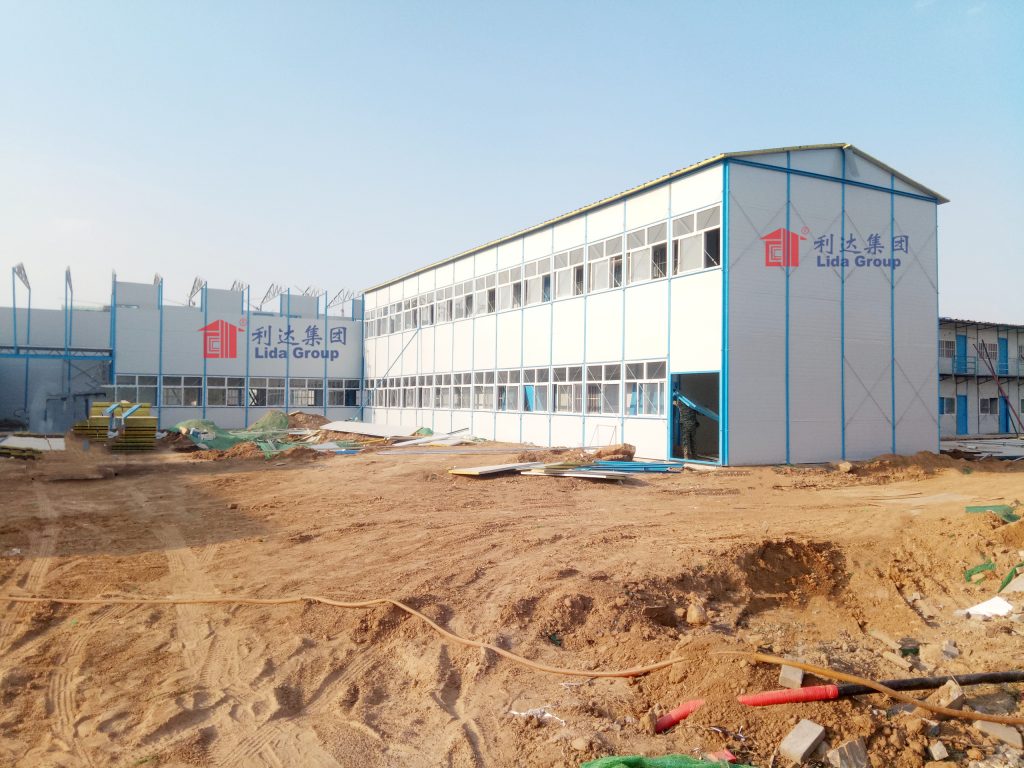
At the heart of Lida Group’s new worker dormitory is the sophisticated use of eco-friendly sandwich panels. To understand the significance of this launch, one must first appreciate the technology that makes it possible. A sandwich panel is a composite material made up of three layers: a lightweight, thick inner core bonded between two thin, rigid outer skins. This structure creates a building component that is incredibly strong, exceptionally lightweight, and highly insulating.
Lida Group has refined this technology over many years, primarily using galvanized steel for the outer and inner skins due to its durability, fire resistance, and 100% recyclability . The true innovation, however, lies in the core material and its configuration. For this new eco-friendly dormitory, Lida Group utilizes a variety of core materials, each selected for its specific performance and environmental characteristics:
1. Fiberglass : A standard and highly effective insulator, fiberglass cores provide excellent thermal and acoustic insulation. They are non-combustible, adding a critical layer of safety to the worker accommodations . The density of this core can be specified—for instance, a density of ≥50kg/m³ in wall panels ensures robust performance .
2. Rock Wool : For projects requiring even higher levels of fire resistance and acoustic dampening, rock wool is an ideal choice. Made from volcanic rock, it is incredibly resilient, can withstand temperatures beyond 1000°C, and provides superior soundproofing, making it perfect for noisy industrial environments .
3. Polyurethane and Polystyrene :These materials offer exceptional thermal insulation values in a very lightweight form. They are cost-effective and contribute to the energy efficiency of the building by maintaining stable internal temperatures, regardless of the external climate .
The term “eco-friendly” in this context is multifaceted. It refers not only to the materials themselves but also to the entire lifecycle of the building. The steel used is largely recycled and can be recycled again at the end of the structure’s life . The high-performance insulation drastically reduces the operational energy needed for heating and cooling. Furthermore, the precision manufacturing process generates minimal waste compared to traditional on-site construction. As one Lida Group representative noted, these panels are “almost 100% recyclable” and “deliver great environmental benefits” .
Unpacking the New Dormitory Design: Features and Specifications
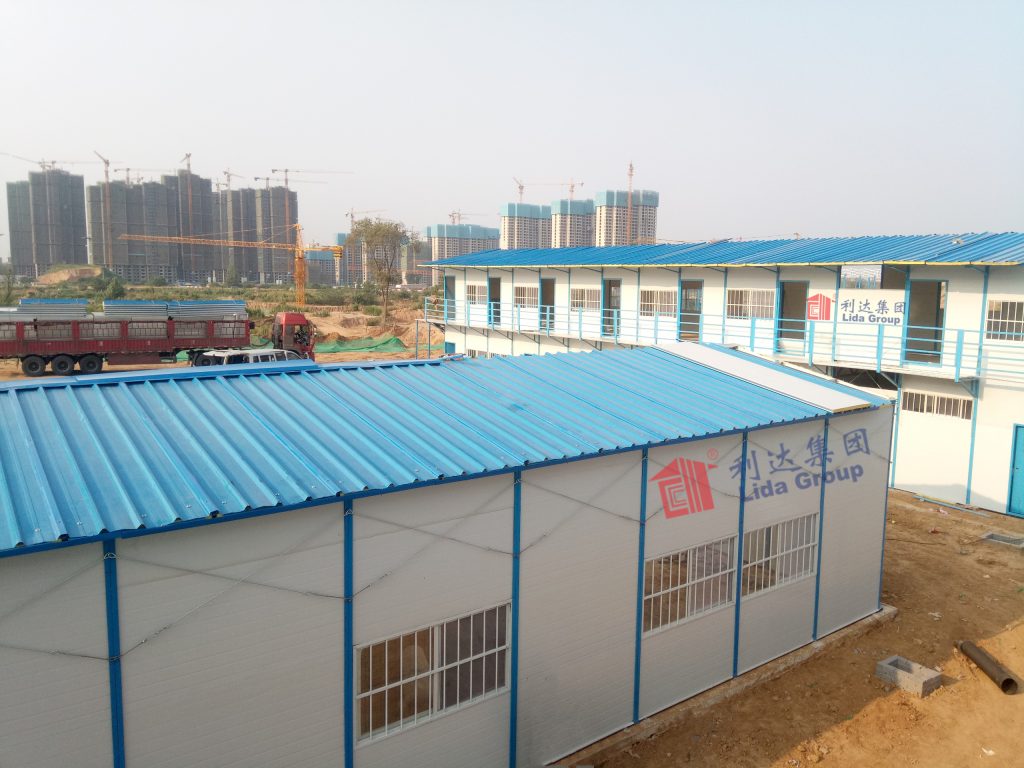
Lida Group’s newly launched campsite worker dormitory is not a single, rigid design but a flexible system built around standardized modular units. The most common modules are based on the dimensions of standard shipping containers, specifically the 20-foot (approximately 6055mm x 2435mm x 2896mm) and 40-foot (approximately 12192mm x 2435mm x 2896mm) formats . This standardization is key to the system’s efficiency, as it simplifies logistics, transport, and on-site assembly.
Modularity and Scalability:
The core strength of the design lies in its modular nature. Individual units serve as private bedrooms, shared bathrooms, laundry facilities, kitchens, or communal recreation areas. These units can be combined in virtually infinite configurations. They can be placed side-by-side to create large, open-plan spaces for dining or recreation, or stacked up to three stories high to form compact, multi-level dormitory blocks without compromising structural integrity . This scalability allows project managers to start with a small camp and expand it organically as the workforce grows, ensuring that capital is not tied up in unused space.
Technical Specifications and Durability:
Engineered to withstand the rigors of both transport and harsh environmental conditions, each unit is built on a robust galvanized steel frame. The floor system, for instance, is designed with a main frame of cold-formed steel up to 3.5mm thick, capable of bearing a live load of 2.0KN/m² . The structures are designed to meet stringent international standards, including:
– Wind Load Resistance: 0.6 KN/m², with some designs rated for winds up to 150 mph .
– Earthquake Resistance: Grade 8, ensuring the safety of occupants in seismically active zones .
– Fire Resistance: Grade 4 for the overall structure, with the sandwich panel cores achieving Grade A non-flammable status .
Interior Comfort and Livability:
Moving beyond mere structural resilience, Lida Group has placed a strong emphasis on the quality of life for the workers who will inhabit these spaces. The interior of a standard dormitory unit is finished with a flat, white-coated steel sheet that reflects light and creates a clean, bright environment. The flooring is typically a 1.5mm thick PVC leather in a neutral color, laid over an 18mm thick fiber cement board, providing a durable and easy-to-clean surface .
The use of sandwich panels with thicknesses ranging from 75mm to 100mm creates a highly effective thermal envelope. This means that in extreme climates—from the -45°C temperatures of a Siberian winter to the 50°C heat of a Middle Eastern summer—the interior remains habitable with minimal energy input . Double-glazed PVC sliding windows, complete with mosquito screens and security bars, allow for natural light and ventilation while keeping out pests and intruders .
Unmatched Speed of Deployment and Cost-Effectiveness
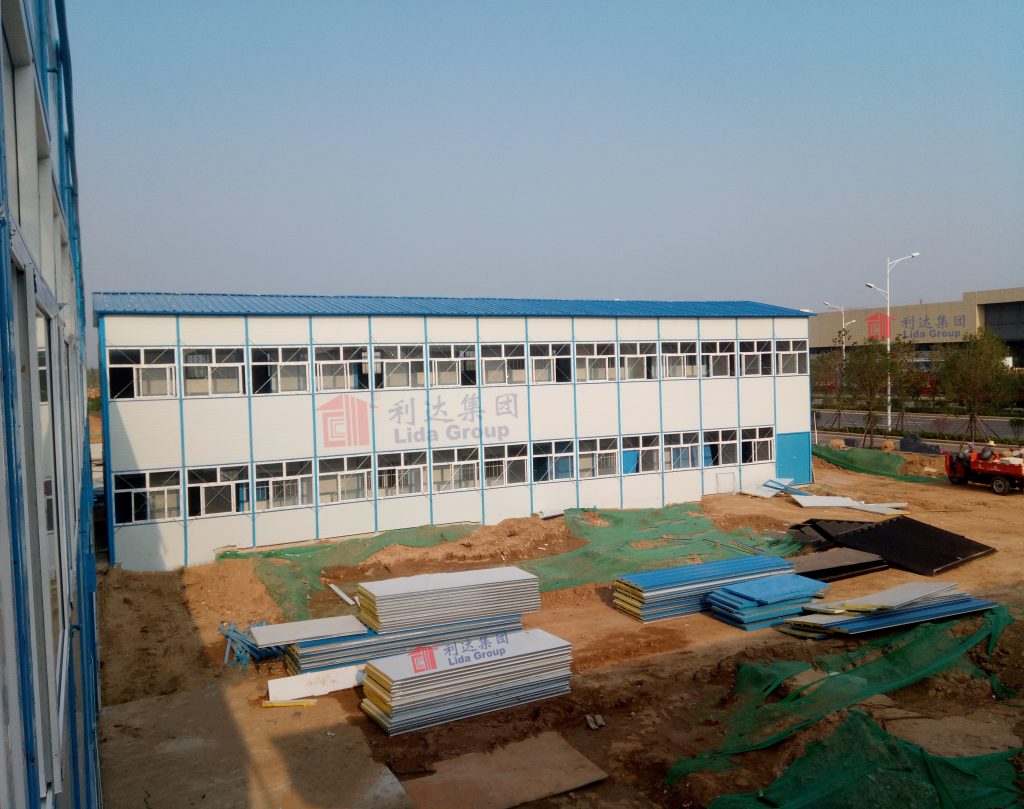
Time is money, especially in large-scale industrial projects where delays can result in significant financial losses. Lida Group’s flat-pack container house system directly addresses this pressure. The units are designed for maximum logistical efficiency. They can be shipped fully assembled for rapid placement, or in a “flat-pack” format, where the components are stacked flat. This flat-pack method can reduce shipping volumes by up to 40%, drastically cutting transportation costs, especially for projects in remote locations .
Once the materials arrive on site, assembly is remarkably fast. A small crew with basic tools and the provided instruction manual can erect a single unit in a matter of hours. For a recent project in Eastern Europe, six workers were able to assemble each unit in just eight hours . The connections are primarily bolt-on, requiring no welding and minimal heavy machinery, which further reduces labor costs and on-site hazards. Lida Group also provides experienced supervisors to guide installation, ensuring the project stays on schedule and meets quality standards .
This speed of construction translates directly into cost-effectiveness. By reducing on-site labor, shortening project timelines, and minimizing the need for expensive heavy equipment, the total cost of establishing a worker camp can be significantly lower than traditional construction methods. Comparative analyses by the company suggest that their container-based camp houses can be built at a cost of around $160 per square foot, compared to $400 per square foot for traditional log cabins or block-built structures, and in a fraction of the time (4-8 weeks vs. 6-12 months) .
Deep Dive into Environmental and Sustainability Benefits
The “eco-friendly” designation of the new dormitory is more than just a marketing term; it is embedded in every stage of the product’s lifecycle, from raw material sourcing to end-of-life decommissioning. This launch comes at a time when the construction industry is under immense pressure to decarbonize, and Lida Group’s solution offers a viable path forward.
1. **Reduced Carbon Footprint in Materials:** The primary raw material, steel, is one of the most recycled materials on the planet. Lida Group’s structures utilize galvanized steel with high recycled content. The manufacturing process for these panels is far less energy-intensive than producing traditional building materials like concrete and bricks. While Lida Group utilizes advanced steel forming techniques, the broader industry is moving towards materials like SSAB Zero™ steel (produced with fossil-free electricity and biogas), which can reduce the embedded carbon footprint of panels by up to 50% . Adopting such materials in the future aligns with Lida Group’s commitment to continuous improvement in sustainability.
2. **Operational Energy Efficiency:** The primary environmental impact of a building over its lifespan comes from the energy used to heat and cool it. The thick layer of insulation in the sandwich panels creates a building envelope with exceptional thermal performance. This is quantified by metrics like periodic thermal transmittance and time shift. Advanced panels, such as those incorporating Phase Change Materials (PCMs) and silica aerogels studied in recent research, can achieve a 16% lower thermal transmittance and a 92% longer time shift, meaning the interior stays cooler for much longer in hot weather . While Lida Group’s current standard panels offer excellent performance, the modular design allows for the integration of these advanced materials as client needs evolve. The result is a dramatic reduction in the need for diesel-powered generators for air conditioning, leading to lower fuel consumption, reduced emissions, and significant cost savings over the camp’s lifetime.
3. **Minimal Waste and Circularity:** Traditional construction is notoriously wasteful, with significant amounts of timber, concrete, and other materials ending up in landfills. Prefabrication in a controlled factory setting allows for precise cutting and assembly, minimizing offcuts and waste. Furthermore, the design-for-disassembly principle is central to Lida Group’s philosophy. The bolt-together structures can be easily dismantled without damaging the components. When a project ends, the entire camp can be taken down, packed flat, and either relocated to a new site or stored for future use. This circular approach eliminates the need for demolition and the associated waste, embodying the principles of a circular economy.
4. **Support for Off-Grid Capabilities:** The structural design of the dormitories makes them ideal platforms for integrating renewable energy systems. Roofs can be easily reinforced to support solar photovoltaic panels, and the electrical systems are designed to accommodate battery storage and inverter technologies . This allows remote camps to transition away from diesel generators entirely, operating on clean, silent solar power. Water management is also addressed; the robust roof structures can support rainwater harvesting systems, and the modular design can incorporate greywater recycling units, further reducing the camp’s strain on local water resources .
Enhancing Worker Well-being and Productivity
In today’s competitive labor market, attracting and retaining skilled workers for remote projects requires more than just competitive pay. The quality of accommodation is a critical factor in worker morale, health, and ultimately, productivity. Lida Group’s new dormitory design directly contributes to improved worker welfare.
The superior insulation of the sandwich panels ensures a stable, comfortable indoor climate, protecting workers from extreme weather and ensuring restful sleep. The acoustic dampening properties of materials like rock wool and fiberglass create quiet personal spaces, shielding occupants from the noise of industrial machinery or neighboring rooms. This leads to better rest and, consequently, a more alert and productive workforce.
The design also prioritizes health and hygiene. The durable, non-porous surfaces of the interior panels and PVC flooring are easy to clean and sanitize, reducing the risk of mold, bacteria, and disease transmission—a lesson that has become paramount in the post-pandemic world. The inclusion of secure windows and doors provides a sense of safety and personal security, which is essential for mental well-being in isolated locations.
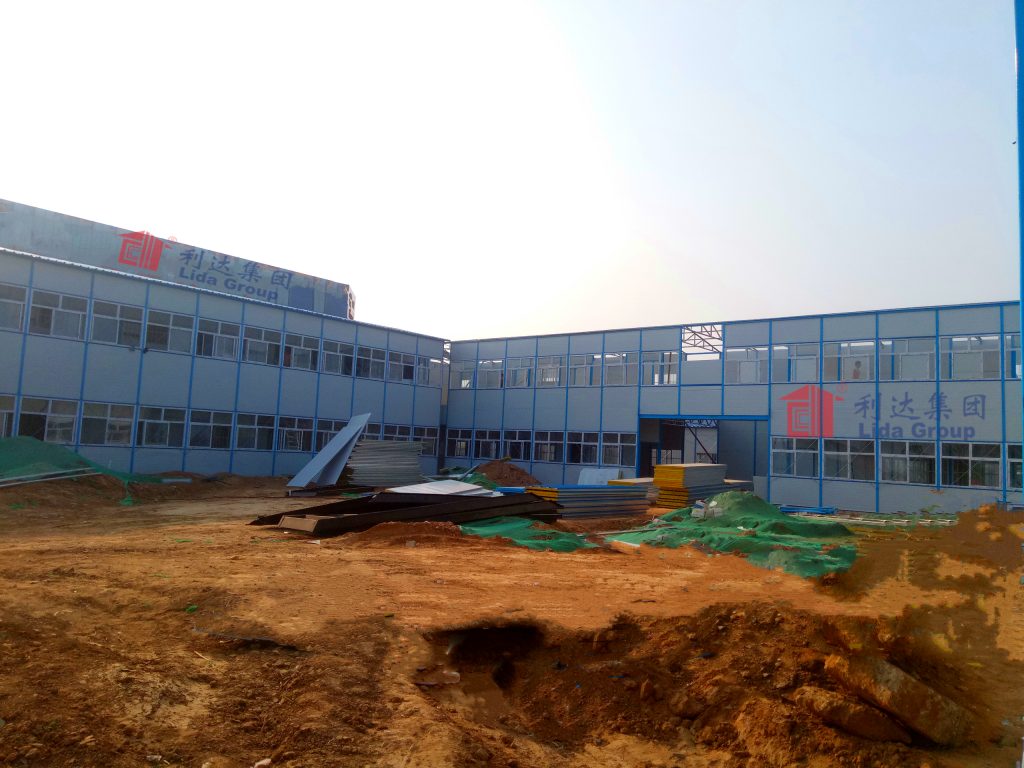
Furthermore, the modularity allows for the creation of high-quality communal facilities that foster a sense of community. By combining units, companies can create spacious, well-lit dining halls, fully-equipped kitchens, laundries, and recreational rooms featuring gym equipment or entertainment systems. These amenities transform a temporary work camp from a mere place to sleep into a liveable community, significantly boosting morale and reducing employee turnover. As one Lida Group case study shows, a luxury glamping site in New Zealand used these expandable units to create high-end accommodations with heated floors and ensuite bathrooms, demonstrating the potential for quality far exceeding the standard worker camp .
Global Expertise and Proven Track Record
The launch of this new eco-friendly dormitory is backed by Lida Group’s extensive experience and a proven track record of delivering complex camp projects worldwide. The company is not a newcomer to the field; it has been a trusted partner for some of the world’s most demanding organizations, including the United Nations, for which it is a designated integrated camp supplier .
**Notable Projects Include:**
– **United Nations Peacekeeping Forces:** Lida Group has delivered multiple integrated camp projects for UN peacekeeping forces in challenging locations such as South Sudan, Mali, and Sri Lanka. These projects required rapid deployment, extreme durability, and the integration of life-support systems in volatile environments . In 2013, for example, they delivered 600 sets of flat-pack container houses for a UN base in Bor Region, South Sudan, designed for rapid deployment and capable of withstanding harsh conditions while supporting combat training and disaster relief operations .
– **Cameron Highlands Hydroelectric Station, Malaysia:** Partnering with the Italian construction giant Salini Group, Lida Group provided a comprehensive camp solution covering 23,000 square meters. This project, set in a remote mountainous region, demanded high-quality prefabricated housing and steel structure villas for a multinational workforce, demonstrating the company’s ability to cater to diverse client needs .
– **Tanzania Power Station Project:** In a recent project completed in 2025, Lida Group delivered a 7,800 square meter camp for a power station project in Tanzania. By dispatching experienced supervisors to guide local installation teams, they ensured a flawless handover in just three months, showcasing their turnkey project management capabilities .
– **Eastern Europe Modular Camp:** A more recent project in Eastern Europe highlighted the system’s resilience. Facing snowstorms and temperatures as low as -20°C, Lida Group’s modular housing, equipped with thick rock wool and EPS sandwich panels, maintained superior thermal performance. The project achieved a 30% faster completion time than traditional methods, and the client specifically praised the design’s scalability and the “exceeded expectations” of its thermal performance .
These projects, along with partnerships with giants like Saudi Aramco and China State Construction, underscore Lida Group’s capability to manage logistics, navigate complex regulations, and deliver high-quality results under pressure . The company’s 12 overseas subsidiaries and six factories, spread across 185,000 square meters, provide the manufacturing muscle and global supply chain necessary to support projects anywhere in the world .
The Future of Workforce Housing: Innovation and Integration
The launch of the eco-friendly sandwich panel dormitory is not the end of the road for Lida Group, but a stepping stone towards an even more integrated and intelligent future for workforce housing. The company’s research and development efforts continue to focus on several key areas.
One area is the further enhancement of the sandwich panels themselves. Inspired by cutting-edge research, Lida Group is exploring the integration of Phase Change Materials (PCMs) into panel cores. PCMs absorb and release thermal energy to maintain a target temperature, acting as a “thermal battery” that could further reduce HVAC loads . Similarly, incorporating aerogels, which are among the best solid insulators known, could lead to even thinner panels with superior performance .
Another frontier is the “smart camp.” The standardized electrical systems within the modular units provide a perfect backbone for integrating Internet of Things (IoT) devices. This could include smart meters for real-time energy monitoring, environmental sensors for air quality and temperature control, and keyless entry systems for enhanced security. For project managers, this data translates into better resource management, predictive maintenance, and improved worker safety.
Lida Group is also focusing on aesthetics and customization. As the lines between temporary and permanent housing blur, there is a growing demand for camps that are not just functional but also pleasant to live in. The company offers customizable exteriors, including the use of reclaimed wood veneers, stone cladding, or a variety of paint colors to help the camp blend into its natural surroundings or reflect a company’s branding . Floor-to-ceiling windows and foldable decks, already available in their luxury glamping lines, are features that could eventually become standard in premium worker accommodation, further enhancing the connection to the outdoors and improving the quality of life .
Conclusion: A Benchmark in Sustainable and Humane Design
Lida Group’s launch of its new campsite worker dormitory constructed with eco-friendly sandwich panels represents a significant milestone in the evolution of prefabricated building solutions. It moves the conversation beyond simple shelter to encompass a holistic vision of what workforce housing can and should be: rapid to deploy, economical to operate, resilient in the face of nature, gentle on the environment, and conducive to human well-being.
By leveraging the inherent advantages of sandwich panel technology—strength, insulation, and modularity—Lida Group has created a product that directly addresses the most pressing challenges of remote project management. It offers a tangible solution for companies seeking to reduce their carbon footprint, comply with increasingly stringent environmental regulations, and meet the expectations of a modern workforce that demands dignity and comfort, even in remote locations.
The system’s design-for-disassembly and recyclability principles align perfectly with the principles of a circular economy, ensuring that today’s temporary camp does not become tomorrow’s environmental liability. From the frozen tundra of Siberia to the scorching deserts of the Middle East and the humid jungles of Southeast Asia, this adaptable, durable, and intelligent housing solution provides a foundation for success.
In conclusion, Lida Group has not merely launched a new product; it has set a new benchmark for the industry. By proving that sustainability, speed, cost-effectiveness, and worker comfort are not mutually exclusive but can be synergistically achieved through intelligent design and advanced materials, Lida Group is leading the charge towards a more responsible and humane future for global workforce accommodation. The eco-friendly sandwich panel dormitory is more than just a place to sleep; it is a testament to how innovative thinking can build a better, more sustainable world, one modular unit at a time.
Related news
-
Innovative Modular Container Dormitory for Remote Locations
2026-02-27 14:47:55
-
Lida Group's Easy Assembly Container House Saves Construction Time
2026-02-27 14:46:31
-
Cost-Effective Prefabricated Container Worker Camp Now Available
2026-02-27 14:40:07
contact us
- Tel: +86-532-88966982
- Whatsapp: +86-13793209022
- E-mail: sales@lidajituan.com
