



Lida Group Introduces Streamlined Prefab Apartment for Urban Development
2026-Jan-26 17:01:47
By Admin
Urbanization, a defining global trend of the 21st century, is reshaping the fabric of cities worldwide. As populations cluster in metropolitan areas—with the United Nations projecting 68% of the global population to reside in cities by 2050—urban developers face an unprecedented trilemma: meeting soaring housing demand, optimizing limited land resources, and adhering to stringent sustainability goals. Traditional construction methods, with their cumbersome workflows, prolonged timelines, and resource-intensive processes, are ill-equipped to resolve this conflict. A typical mid-rise residential building using conventional concrete structures takes 24 to 36 months to complete, occupies excessive construction space, and generates 30% of global construction waste. In response, prefabricated construction has emerged as a transformative solution, and Lida Group, a global leader in modular and steel structure building solutions with over three decades of expertise, is revolutionizing urban housing with its streamlined prefab apartment system. Designed for high-density urban contexts, this innovative system merges compact design, rapid deployment, and eco-friendly performance, redefining how cities build and accommodate their growing populations. This article explores how Lida Group’s streamlined prefab apartments are addressing urban development challenges, setting new standards for efficiency, sustainability, and livability in modern cities.
The Urban Housing Crisis: Why Streamlined Prefabrication Is Imperative
Cities across the globe are grappling with a confluence of housing challenges that demand innovative solutions. First, land scarcity in urban cores drives up real estate costs, making affordable housing inaccessible to millions. In megacities like Tokyo, Shanghai, and Mexico City, the cost of land per square meter exceeds $5,000, forcing developers to prioritize vertical density and space efficiency. Second, traditional construction exacerbates urban congestion and disruption—on-site work generates noise, dust, and heavy traffic, disrupting daily life for residents and businesses. A 2025 study by the International Union of Architects found that conventional mid-rise construction in urban areas increases local traffic by 40% and emits noise levels exceeding 75dB, well above the World Health Organization’s recommended threshold of 55dB for residential zones. Third, global climate commitments mandate a reduction in carbon emissions, and the construction sector—accounting for 39% of worldwide carbon emissions—must adopt greener practices.
Streamlined prefab apartments address these challenges by reimagining construction for urban contexts. Unlike bulky traditional buildings or generic prefabricated units, streamlined systems prioritize compact design, off-site manufacturing, and modular scalability—core attributes that align with urban constraints. The global streamlined prefab housing market is projected to grow at a CAGR of 9.1% through 2030, driven by demand from Asia-Pacific and European cities. Governments are also supporting this shift: Spain has allocated 68 billion euros from the EU’s recovery fund to promote energy-efficient building solutions, while Mexico City offers property tax reductions for green residential buildings, including prefabricated units. Lida Group’s streamlined prefab apartments are engineered to capitalize on these trends, offering a tailored response to the unique demands of urban development.
Core Innovations: Engineering Streamlined Prefabs for Urban Contexts
Lida Group’s streamlined prefab apartment system is distinguished by a suite of innovations that balance compactness, performance, and adaptability—critical for urban environments. At its core is a optimized light steel structure framework, refined over three decades of engineering, that delivers exceptional strength-to-weight ratios while minimizing spatial footprint. This design eliminates redundant structural components, allowing for thinner walls and more usable interior space, without compromising safety. The system also integrates modularity with precision manufacturing, ensuring that units can be stacked vertically (up to 18 stories) or connected horizontally to form dense residential complexes, all while reducing construction time by up to 65% compared to traditional methods.
Optimized Light Steel Structure: Strength in Compact Design
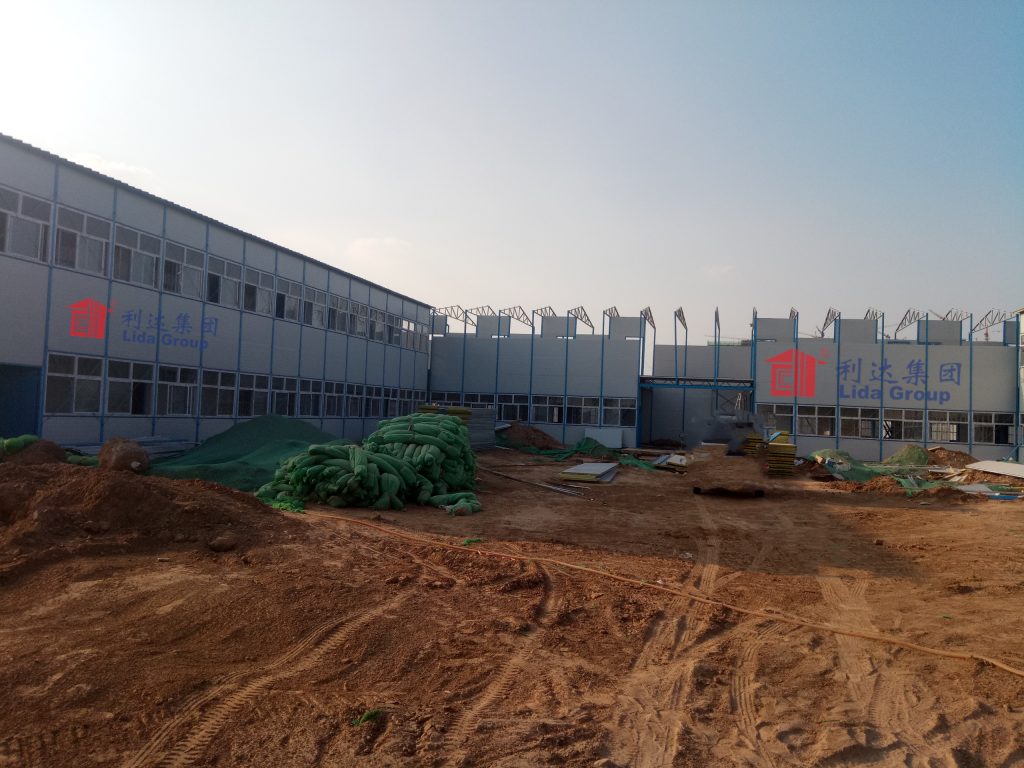
The light steel framework is the backbone of Lida’s streamlined apartments, engineered to maximize space efficiency without sacrificing durability. Unlike concrete structures that require thick load-bearing walls, Lida’s steel components—made from 92% recycled steel—are slim yet robust, with a tensile strength of 550 MPa. This allows for internal wall thicknesses of just 12cm, a 40% reduction compared to traditional brick walls, freeing up valuable interior space. For example, a 50㎡ streamlined apartment offers the same usable area as a 65㎡ conventional unit, a game-changer for space-constrained urban cores.
Structural resilience is uncompromised by the compact design. The steel framework undergoes hot-dip galvanization and epoxy coating, ensuring corrosion resistance and a service life of up to 50 years—even in humid urban environments like Singapore or coastal cities such as Dubai. The system can withstand wind speeds of up to 280 km/h and seismic events of magnitude 8.0, meeting the strictest building codes in earthquake-prone urban centers like Tokyo and Istanbul. Rigorous testing by SGS confirms that the structure maintains integrity after 15 cycles of assembly and disassembly, enabling future reconfiguration or relocation—an asset for dynamic urban planning.
Space-Efficient Modular Design: Tailored for Urban Living
Lida’s streamlined apartments redefine urban living through intelligent space design, addressing the demand for compact yet comfortable homes. Each standard module measures 6m×3.6m×2.9m, but the system’s “flexible grid” design allows for seamless combination of units to create diverse layouts: from 35㎡ studio apartments to 120㎡ three-bedroom units. Partition walls are lightweight and removable, enabling residents to reconfigure spaces as needs change—converting a home office into a nursery, for example—without structural modifications.
Interior space is further optimized through integrated, multi-functional fixtures. Lida partners with urban furniture designers to incorporate fold-down desks, wall-mounted storage, and hidden appliances, maximizing floor space while maintaining functionality. Kitchens feature compact, energy-efficient appliances and vertical storage solutions, while bathrooms use space-saving wet-room designs with prefabricated waterproof modules. These details ensure that even small units feel spacious and livable—a critical factor for urban dwellers. Additionally, the system prioritizes natural light and ventilation: floor-to-ceiling low-emissivity (Low-E) glass windows maximize daylight penetration, reducing reliance on artificial lighting, while cross-ventilation designs improve indoor air quality, a key benefit in polluted urban areas.
Sustainable Integration: Aligning with Urban Green Goals
Sustainability is embedded in every aspect of Lida’s streamlined prefab apartments, aligning with global urban green development agendas. Factory-controlled manufacturing reduces material waste by 55% compared to traditional on-site construction, as precision cutting and component reuse minimize scraps. A lifecycle analysis conducted by KTH Royal Institute of Technology found that Lida’s apartments generate 48% less embodied carbon than comparable concrete buildings, thanks to recycled steel materials and reduced on-site energy consumption.
The system integrates multiple green technologies to reduce operational carbon emissions. Roofs are pre-equipped with mounting systems for solar panels, tapping into renewable energy sources—critical in sun-rich urban areas like Mexico City, where average daily sunlight exposure reaches 5.5 hours. Walls incorporate 80mm rock wool insulation with a thermal conductivity of 0.038 W/(m·K), reducing heating and cooling costs by 45%. Water efficiency is also prioritized: pre-installed rainwater harvesting systems collect and treat rainfall for non-potable uses (e.g., irrigation, toilet flushing), reducing municipal water consumption by 70%—mirroring the performance of Mexico’s HSBC Building, a leader in urban water conservation. These features enable Lida’s apartments to meet international green building certifications, including LEED Gold and Spain’s ECOCASA standards, qualifying for government subsidies and tax incentives in many cities.
Rapid Urban Deployment: Minimizing Disruption
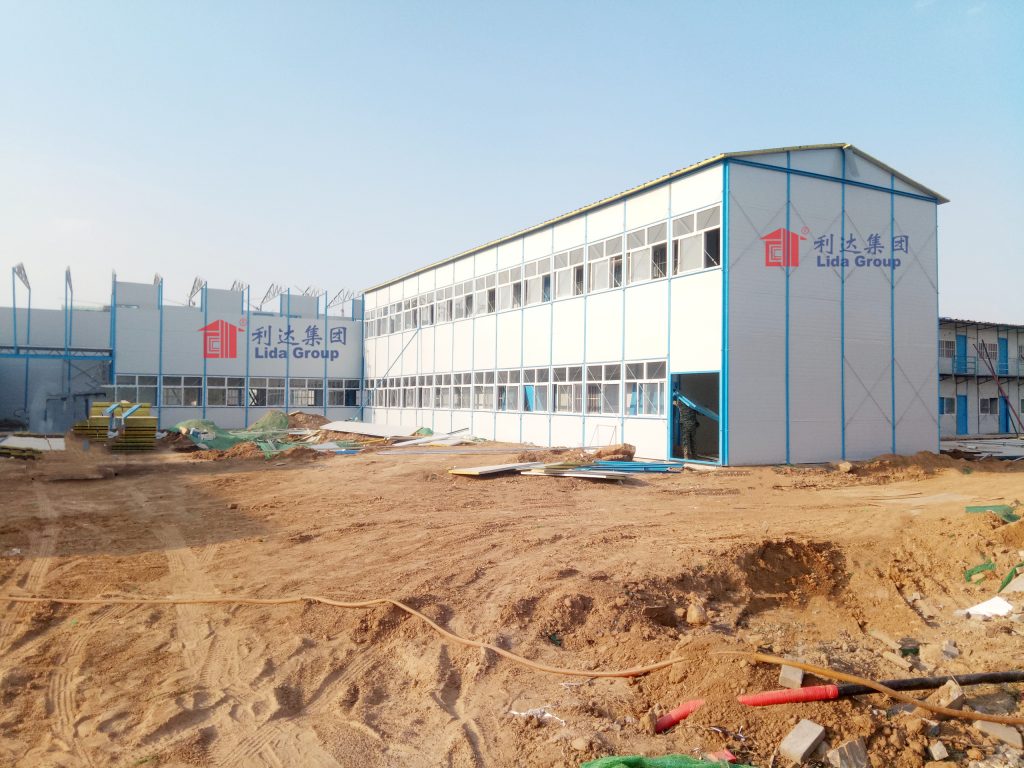
Urban construction requires solutions that minimize disruption to existing communities, and Lida’s streamlined system delivers on this through rapid, low-impact installation. The majority of construction—including structural assembly, interior finishing, and utility integration—occurs in controlled factory environments, reducing on-site work by 70%. Modules are transported to urban sites in compact batches (6-8 modules per truck), reducing construction traffic by 60% compared to traditional builds. On-site assembly leverages bolt-connected joints and pre-integrated utilities, eliminating the need for on-site welding, casting, or trench digging.
A team of 8 workers can complete the main structure of a 10-story, 120-unit apartment complex in just 14 weeks—less than half the time required for conventional construction. For urgent urban housing needs, such as post-disaster reconstruction or rapid urbanization, the system can be deployed even faster: a 20-unit emergency housing complex was installed in Mexico City in just 3 weeks following a 2024 flood, providing safe shelter for displaced families. On-site noise levels during assembly remain below 50dB, well within acceptable limits for residential areas, and dust emissions are negligible, thanks to factory-finished components. This rapid, low-disruption process makes Lida’s system ideal for urban infill projects, brownfield redevelopment, and tight construction sites in city centers.
Product Portfolio: Streamlined Solutions for Diverse Urban Scenarios
Lida Group’s streamlined prefab apartment portfolio is tailored to diverse urban development needs, from high-density luxury residences to affordable housing and mixed-use complexes. Each product line retains the core advantages of compact design, rapid deployment, and sustainability while addressing specific market demands.
Urban High-Density Residences
Designed for core urban areas with extreme land scarcity, Lida’s high-density streamlined apartments prioritize vertical expansion and space efficiency. A standout project is the 16-story residential tower in Tokyo’s Shibuya district, completed in 16 weeks using Lida’s modular system. The tower features 180 units (ranging from 38㎡ to 75㎡) with optimized layouts, soundproof walls (60 STC rating) to mitigate urban noise, and smart home systems. The building’s slim profile (12m wide) fits a narrow urban lot, while its modular structure allows for future vertical expansion. Residents benefit from shared rooftop gardens—integrated into the prefab design—that provide green space in a densely built area, improving quality of life.
Another notable project is a 12-story complex in Shanghai’s Pudong New Area, built to address affordable housing shortages. Lida’s streamlined apartments reduced construction costs by 28% compared to traditional methods, enabling the local government to offer units at 30% below market rates. The complex includes 220 units, shared community spaces, and underground parking, all constructed in 12 weeks with minimal on-site disruption.
Mid-Rise Mixed-Use Developments
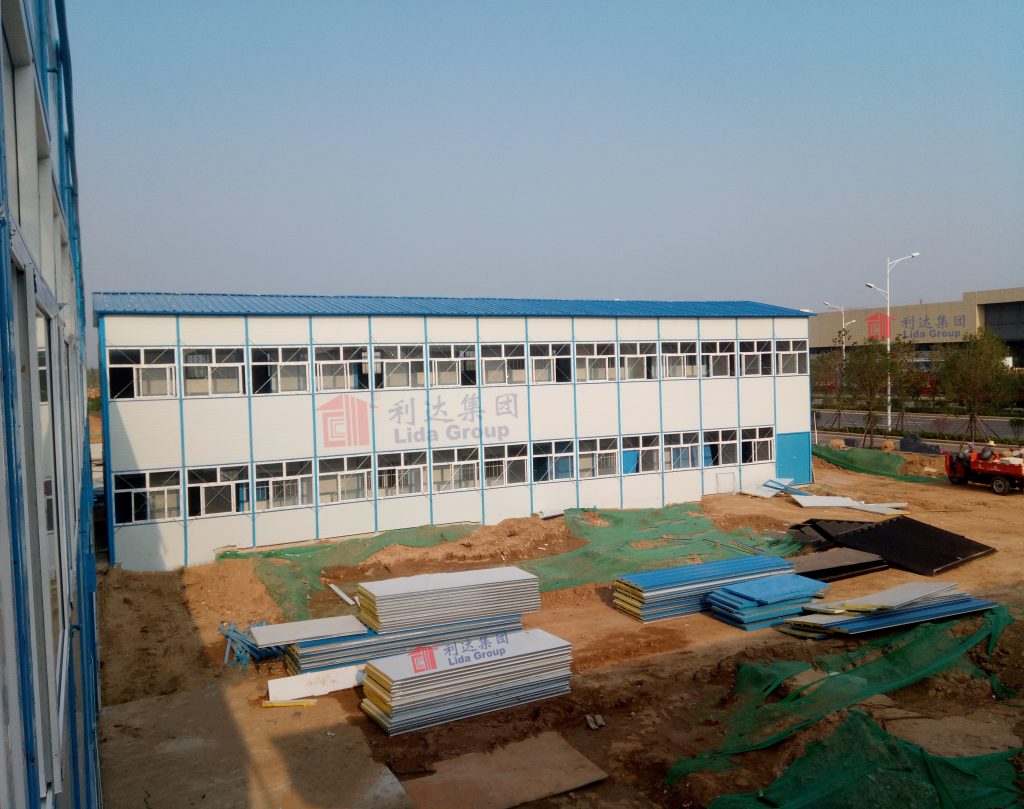
For urban renewal and suburban urbanization projects, Lida offers streamlined prefab apartments integrated with commercial and community spaces. A 8-story mixed-use development in Madrid, Spain, combines 90 residential units with ground-floor retail spaces and a community center, all built using Lida’s system. The project achieved LEED Gold certification, thanks to its solar panels, rainwater harvesting system, and energy-efficient design. The residential units feature compact layouts optimized for European urban living, with customizable finishes that reflect local architectural styles. The development was completed in 10 weeks, allowing retailers to open ahead of schedule and generating early rental income for the developer.
In Mexico City, Lida partnered with local developers to build a mixed-use complex in the Condesa neighborhood, blending 110 streamlined apartments with co-working spaces and a rooftop café. The project leverages solar energy (generating 30% of the building’s electricity) and water-saving systems, aligning with Mexico’s national goal to reduce greenhouse gas emissions by 36% by 2030. The prefab modules were customized to withstand Mexico City’s seismic activity and high altitude, demonstrating Lida’s ability to adapt to local urban conditions.
Flexible Urban Infill Units
For small urban lots and infill projects, Lida offers compact, standalone streamlined apartments that fit tight spaces. These units are ideal for converting underused urban areas—such as vacant lots or rooftop spaces—into residential housing. A project in Berlin’s Kreuzberg district transformed a 200㎡ vacant lot into a 4-unit apartment building using Lida’s modules. Each 45㎡ unit features a rooftop terrace, maximizing outdoor space, and is equipped with energy-efficient appliances and smart lighting. The building was completed in 5 weeks, with modules transported via narrow urban streets and assembled without heavy machinery.
These infill units are also designed for mobility: modules can be disassembled and relocated if urban planning needs change, reducing waste and increasing asset flexibility. A 6-unit infill project in Toronto was relocated to a new urban renewal site after 5 years of use, retaining 90% of its structural components—a stark contrast to traditional buildings, which are typically demolished and discarded.
Global Urban Impact: Case Studies and Market Adoption
Lida Group’s streamlined prefab apartments have made a tangible impact across major cities worldwide, adapting to diverse urban contexts, regulatory environments, and cultural preferences. These case studies highlight the system’s ability to resolve city-specific housing challenges while aligning with local sustainability goals.
Mexico City Affordable Green Housing
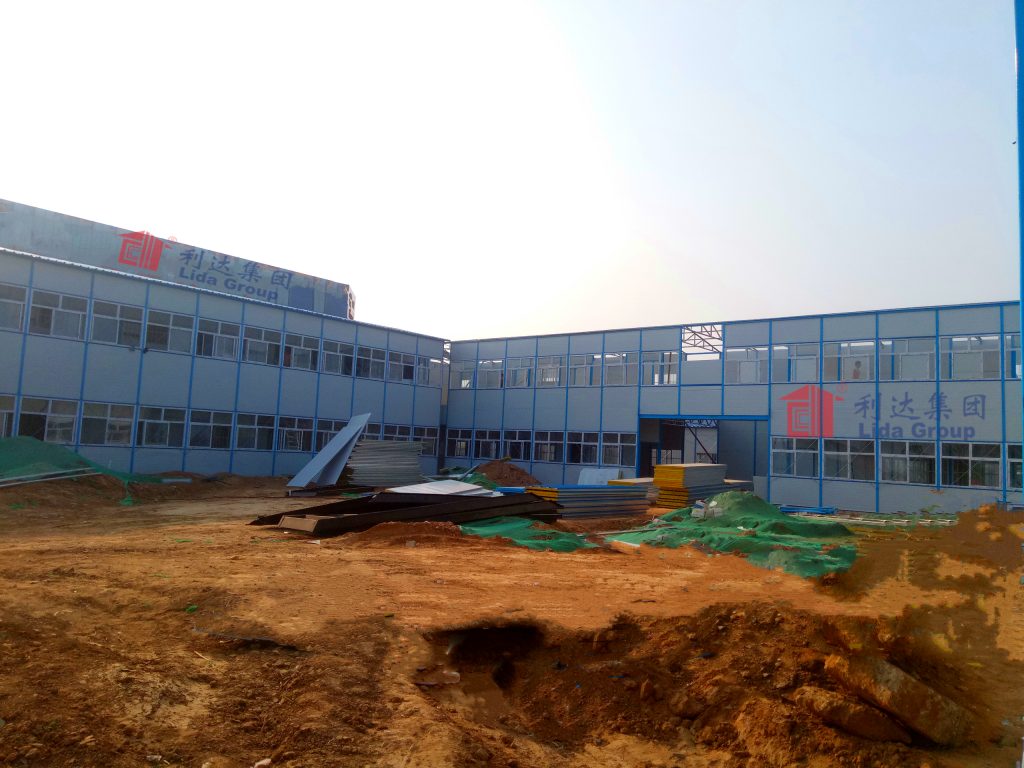
In response to Mexico City’s affordable housing crisis and climate commitments, Lida delivered 300 streamlined prefab apartments for a government-led housing project in the Iztapalapa district. The units feature solar water heaters, rainwater harvesting systems, and compact layouts optimized for large families. The project was completed in 12 weeks—60% faster than traditional construction—enabling 1,200 residents to move into safe, sustainable homes ahead of schedule. The apartments qualify for Mexico City’s green building tax减免, reducing monthly housing costs for residents by 15%. Post-occupancy surveys show 92% resident satisfaction, citing space efficiency, low utility bills, and quiet interiors as key benefits.
Tokyo Seismic-Resistant High-Rise
Tokyo’s strict seismic codes and land scarcity demand innovative residential solutions, and Lida’s streamlined system delivered a 14-story apartment tower in the Shinjuku district that meets both requirements. The tower’s light steel framework with shock-absorbing joints withstands magnitude 8.0 earthquakes, while its compact design fits a 15m×30m urban lot. The building’s 150 units include smart home technology that monitors seismic activity and adjusts building systems accordingly. The project was completed in 14 weeks, with modules transported during off-peak hours to minimize traffic disruption. It has since become a model for high-density, disaster-resilient housing in Tokyo.
Madrid Urban Renewal Project
As part of Madrid’s urban renewal initiative to revitalize aging neighborhoods, Lida supplied 120 streamlined prefab apartments for a redevelopment project in the Vallecas district. The units replaced dilapidated buildings, with modules designed to match the area’s traditional architectural style—featuring terracotta-inspired exterior finishes and wrought-iron details. The development includes shared green spaces, solar-powered lighting, and electric vehicle charging stations, aligning with Spain’s green building incentives. The project was completed in 9 weeks, minimizing disruption to existing residents, and has helped reduce the neighborhood’s carbon footprint by 40%.
Market Leadership: What Sets Lida’s Streamlined Prefabs Apart
Lida Group’s success in the urban streamlined prefab market stems from its unique combination of urban-centric design, global engineering expertise, and end-to-end service capabilities. Unlike competitors that offer generic prefab solutions, Lida tailors its apartments to the specific constraints of urban environments—space scarcity, regulatory complexity, and community disruption concerns.
The company’s end-to-end service model differentiates it from traditional contractors. Lida manages every stage of the project, from urban-specific design and engineering to factory production, transportation, on-site assembly, and post-construction maintenance. Its in-house logistics team specializes in urban transportation, navigating narrow streets, low bridges, and peak-hour restrictions to deliver modules on time. Local offices in 20+ countries ensure compliance with regional building codes—such as Tokyo’s seismic standards, Madrid’s energy regulations, and Mexico City’s green building certifications—while providing on-site support and training for local workers.
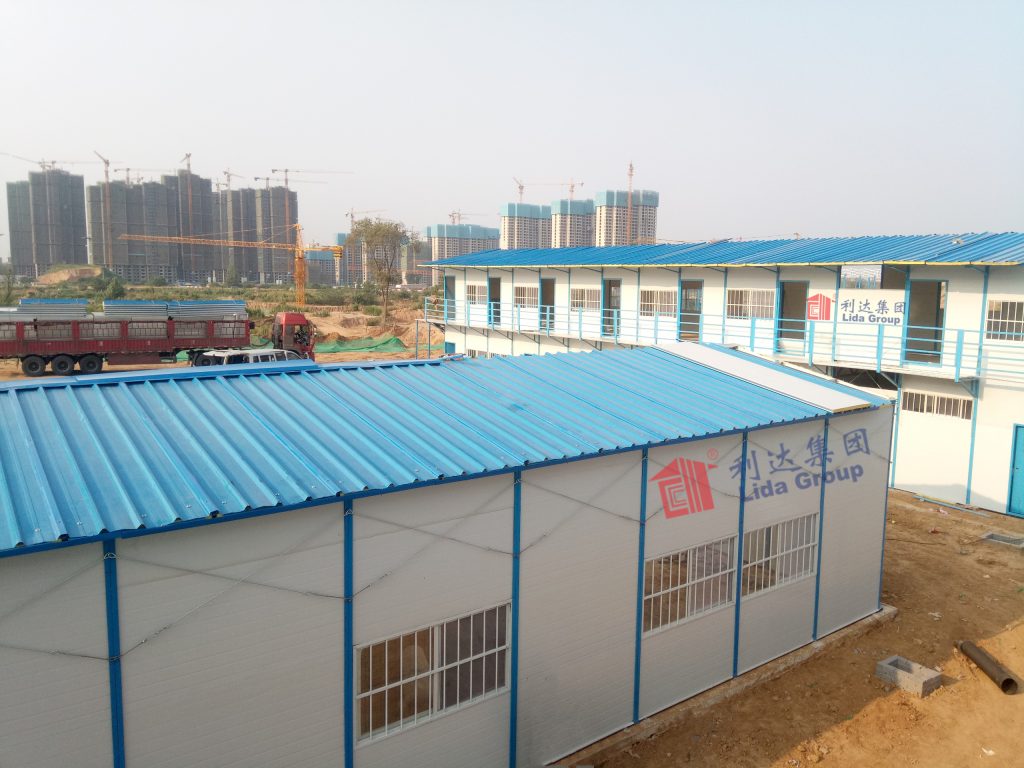
Quality control is rigorous, with each module undergoing 15+ inspections during production, including structural load testing, thermal performance analysis, and soundproofing verification. Lida’s manufacturing facilities produce over 800 streamlined modules daily, with strict adherence to ISO 9001, CE EN 1090, and LEED certification requirements. The company’s investment in R&D has yielded 200+ patents, including innovations in space-efficient structural design and integrated green technologies, ensuring its
streamlined apartments remain at the forefront of urban construction.
Future Outlook: Innovating for the Next Generation of Urban Housing
As cities evolve to meet the demands of growing populations and climate change, Lida Group is investing in innovation to enhance its streamlined prefab apartment system further. The company’s R&D team is focused on three key areas: smart urban integration, advanced materials, and circular economy design.
Smart integration is a top priority. Lida is embedding 5G-enabled IoT sensors into modules to monitor energy use, indoor air quality, and structural health in real time, enabling remote management and optimization. The company is also partnering with urban tech firms to develop AI-powered space management systems that automatically adjust lighting, temperature, and furniture configurations based on resident behavior, further improving efficiency and comfort. Additionally, modules are being designed for seamless integration with urban infrastructure, including smart grids and public transportation networks.
Advanced materials will drive further efficiency gains. Lida is developing carbon fiber-reinforced steel components that reduce module weight by 25% while increasing strength, enabling taller, slimmer buildings in dense urban areas. The company is also exploring bio-based insulation materials, such as hempcrete, to further reduce carbon emissions and improve indoor air quality. These materials will align with the circular economy goal of creating fully recyclable prefab units that can be disassembled and repurposed at the end of their lifecycle.
Market expansion plans focus on high-growth urban centers in North America, Europe, and Southeast Asia. Lida intends to establish local manufacturing facilities in Mexico City and Madrid to reduce logistics costs and shorten delivery times for regional urban projects. The company also aims to partner with more urban governments to deliver affordable, sustainable housing solutions, addressing the global urban housing crisis at scale.
Conclusion
Lida Group’s streamlined prefab apartment system represents a paradigm shift in urban housing, offering a targeted solution to the challenges of density, efficiency, and sustainability that define modern city development. By merging optimized light steel structures, space-efficient design, and integrated green technologies, Lida has created apartments that are not just compact—they are smarter, faster to build, and more livable than traditional urban housing. From Mexico City’s affordable green units to Tokyo’s seismic-resistant high-rises and Madrid’s urban renewal projects, these apartments have proven their ability to adapt to diverse urban contexts, resolving city-specific challenges while enhancing quality of life for residents.
Beyond their functional advantages, Lida’s streamlined prefab apartments embody a vision for the future of urban living—one where density and sustainability coexist with comfort and flexibility. The system’s ability to reduce construction time by 65%, cut carbon emissions by 48%, and maximize usable space addresses the urgent needs of growing cities, while its modularity and adaptability ensure it can evolve with changing urban planning goals. For developers, governments, and urban dwellers alike, this system offers a path forward: building more housing, using fewer resources, and creating more livable cities.
As urbanization accelerates and climate goals become more urgent, Lida Group’s streamlined prefab apartments are poised to play a central role in shaping the next generation of urban development. The company’s commitment to innovation, quality, and urban-centric design has established it as a leader in the prefab housing market, and its ongoing investments in smart technology and advanced materials will ensure it remains at the forefront of urban construction transformation. In a world where cities are the engines of growth, Lida’s streamlined prefab apartments are not just buildings—they are a catalyst for building better, greener, and more inclusive urban communities.
For cities seeking to balance growth with sustainability, Lida Group’s streamlined prefab apartment system is the definitive solution. It proves that urban housing can be compact without being cramped, efficient without sacrificing quality, and sustainable without compromising affordability—redefining what is possible in urban development.
Related news
-
Revolutionizing Housing with Modern Mobile Construction from Lida Group
2026-01-26 16:40:16
-
Build Faster with Our Easy Install Sandwich Panel House System
2026-01-26 16:54:08
-
Lida Group Unveils Innovative Prefab Apartment Solutions for Modern Living
2026-01-26 16:14:46
contact us
- Tel: +86-532-88966982
- Whatsapp: +86-13793209022
- E-mail: sales@lidajituan.com
