



Lida Group Introduces Steel Structure Building for Modern Farmhouses
2026-Feb-13 16:26:11
By Admin
As global rural revitalization initiatives gain momentum and the demand for high-quality rural housing continues to rise, modern farmhouses are undergoing a profound transformation—shifting from traditional, low-efficiency, and short-lived structures to sustainable, safe, and functional homes that blend rural aesthetics with industrial innovation. In this context, steel structure buildings have emerged as a game-changer in the modern farmhouse sector, addressing the long-standing shortcomings of traditional brick-and-concrete farmhouses, such as poor seismic resistance, prolonged construction cycles, high environmental impact, and low space utilization. Lida Group, a leading high-tech enterprise specializing in prefabricated steel structure construction in China, has recently made a significant stride in rural construction by officially introducing its innovative steel structure buildings tailored for modern farmhouses. This launch not only reflects Lida Group’s commitment to supporting rural revitalization but also redefines the standards of modern rural housing, offering a scalable, cost-effective, and eco-friendly solution that caters to the diverse needs of rural residents, farm operators, and rural tourism developers worldwide.
The introduction of Lida Group’s steel structure modern farmhouses is more than a product launch; it is a response to the evolving demands of rural communities in the 21st century. Today’s rural residents no longer settle for basic shelter—they seek homes that are safe, comfortable, energy-efficient, and aesthetically pleasing, while also adapting to the multifunctional needs of modern rural life, such as agricultural storage, home-based businesses, and rural tourism accommodation. Traditional brick-and-concrete farmhouses, however, struggle to meet these demands, as they are often time-consuming to build, vulnerable to natural disasters, and difficult to renovate or expand. Lida Group’s steel structure modern farmhouses, built on decades of technological accumulation and engineering expertise, address all these pain points, leveraging the unique advantages of steel structure technology to create farmhouses that are both practical and modern. This article explores the background of Lida Group’s new product launch, delves into the technical details and core advantages of its steel structure modern farmhouses, examines real-world application cases, analyzes the product’s impact on the rural construction industry and rural revitalization, and concludes with a outlook on the future of modern farmhouses powered by steel structure innovation.
1. Introduction: The Evolution of Modern Farmhouses and the Rise of Steel Structure Technology
Rural housing is the foundation of rural life, and its quality directly affects the well-being of rural residents and the development of rural areas. In recent years, with the deepening of rural revitalization strategies across the globe, especially in China, the construction of modern farmhouses has become a key focus of rural development. Governments and relevant institutions are actively promoting the upgrading of rural housing, encouraging the adoption of new building materials and construction technologies to improve the quality, safety, and sustainability of rural homes. This shift is driven by both policy guidance and market demand, as rural residents’ living standards improve and their expectations for housing quality rise.
Traditional farmhouses, predominantly built with brick-and-concrete structures, have long been the mainstay of rural housing. While these structures are relatively low-cost in terms of initial material investment, they come with significant drawbacks that hinder their adaptability to modern rural life. According to industry research, traditional brick-and-concrete farmhouses have an average construction cycle of 6–12 months, requiring a large number of on-site workers and generating substantial construction waste—accounting for nearly 40% of rural construction waste annually. Moreover, brick-and-concrete structures have poor seismic performance, with over 70% of rural brick-and-concrete houses in earthquake-prone areas failing to meet basic seismic fortification standards, posing severe safety risks to residents. Additionally, these structures have low thermal insulation performance, leading to high energy consumption for heating and cooling, and their rigid design makes renovation and expansion difficult, failing to accommodate the multifunctional needs of modern rural families, such as adding storage spaces for agricultural machinery or guest rooms for rural tourism.
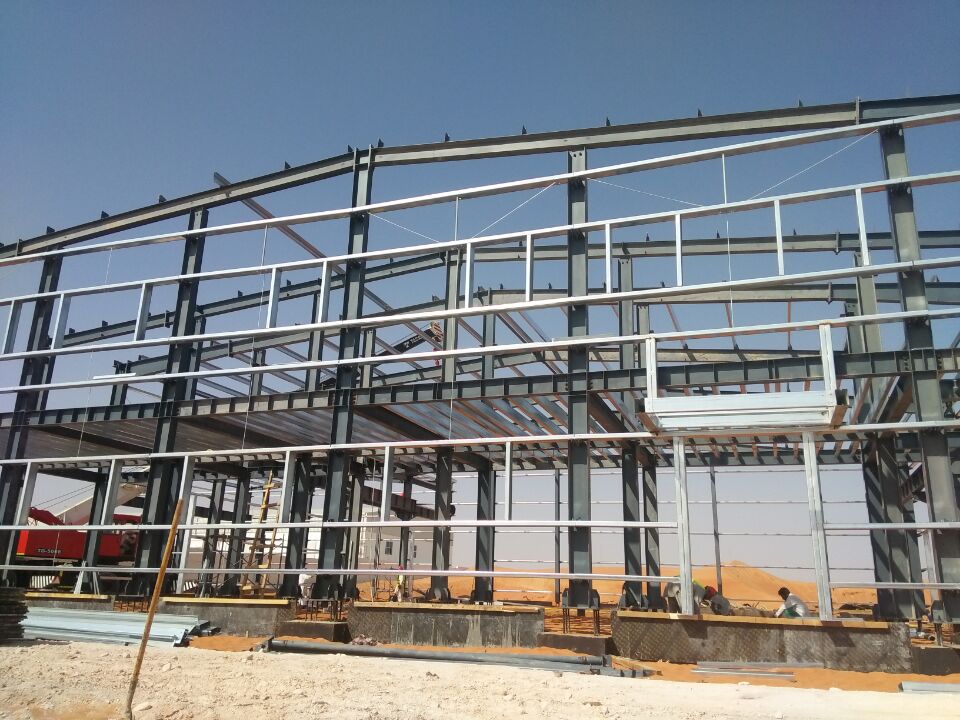
Against this backdrop, steel structure technology has emerged as an ideal alternative for modern farmhouse construction. Steel structure buildings, which use high-strength steel as the main structural material, offer a unique combination of advantages: superior seismic and wind resistance, rapid construction, high space utilization, energy efficiency, environmental friendliness, and flexibility in design and expansion. Unlike traditional brick-and-concrete structures, steel structure buildings are prefabricated in factories, reducing on-site construction time and waste, and their lightweight yet robust properties make them suitable for a variety of rural terrain and climate conditions. In China, the “14th Five-Year Plan for New Urbanization” explicitly proposes to “encourage rural housing to adopt new construction methods such as prefabricated steel structures,” and more than 20 provinces have introduced subsidy policies to promote the application of steel structure rural housing, providing strong policy support for the development of steel structure modern farmhouses.
Lida Group, with its long-standing expertise in steel structure construction and a deep understanding of rural housing needs, has seized this opportunity to develop and launch steel structure buildings specifically tailored for modern farmhouses. Drawing on its advanced production technology, strict quality control system, and rich project experience, Lida Group’s new product is designed to bridge the gap between traditional rural housing and modern living needs, offering a solution that is safe, efficient, sustainable, and affordable. This launch marks a new chapter in the integration of steel structure technology and rural construction, contributing to the upgrading of modern farmhouses and the advancement of rural revitalization.

2. About Lida Group: A Leader in Steel Structure Construction with Rural Development Commitment
2.1 Company Overview and Core Strengths
Founded in 1993, Lida Group is a leading high-tech enterprise specializing in the R&D, design, production, construction, and service of prefabricated steel structure buildings. Headquartered in Shandong, China, the group has developed into a comprehensive enterprise with multiple subsidiaries, including Weifang Henglida Steel Structure Co., Ltd. and Qingdao Lida Construction Facilities Co., Ltd., covering the entire industrial chain of steel structure construction. With decades of development, Lida Group has established a strong reputation in the global steel structure industry, serving clients in more than 100 countries and regions, including Southeast Asia, Africa, Europe, and Latin America.
Lida Group’s core strength lies in its integrated industrial chain layout and technological innovation capabilities. The group boasts a 73,000-square-meter modern production base, equipped with internationally advanced full sets of cold-formed thin-walled steel production lines imported from the United States, enabling the mass production of high-precision steel structure components. The factory has an annual production capacity of 100,000 tons of steel structure components and 500,000 square meters of prefabricated steel structure buildings, with specialized production lines for steel structures and prefabricated light steel integrated houses. Backed by a professional R&D and engineering team consisting of 50 technical engineers and 200 skilled workers, Lida Group is capable of providing one-stop solutions from project survey, conceptual design, and structural calculation to factory production, on-site installation, and after-sales service.
The group has obtained a series of international certifications, including ISO 9001 quality management system certification, ISO 14001 environmental management system certification, ISO 45001 occupational health and safety management system certification, and EU CE (EN1090) certification, and its production base has passed factory audits by international authoritative institutions such as SGS, TUV, INTERTEK, and BV. With steel structure engineering professional contracting qualification and general construction contracting qualification, Lida Group has been rated as a national high-tech enterprise and a provincial “specialized, refined, distinctive, and innovative” enterprise, solidifying its position as one of the most powerful integrated building engineering companies in China.
2.2 Lida Group’s Experience in Rural and Steel Structure Projects
Long before launching its steel structure modern farmhouses, Lida Group had accumulated rich experience in rural construction and steel structure projects, laying a solid foundation for its new product development. The group has successfully undertaken a number of key rural construction projects, including rural housing renovation projects, rural tourism supporting facilities, and agricultural industrial park buildings, demonstrating its in-depth understanding of rural housing needs and construction characteristics.
In rural housing projects, Lida Group has always focused on balancing safety, comfort, and affordability. For example, in the rural housing renovation project in Wanggezhuang, Qingdao, the group built light steel structure farmhouses for local residents, which were highly praised for their flexible design, good thermal insulation performance, and competitive price advantage compared to traditional brick-and-concrete houses and wooden houses. In the Qingdao World Horticultural Exposition project, Lida Group built light steel structure villas that perfectly integrated with the natural landscape, showcasing the aesthetic potential of steel structure buildings in rural and scenic areas.
In addition to rural projects, Lida Group has also undertaken a number of large-scale steel structure projects across different fields, including the Eastern European steel structure comprehensive camp project, the steel grid installation project of the National Football and Basketball Academy, and the Qingdao Metro Line 8 steel structure steel bar processing plant project. These projects have fully verified the group’s technical strength in steel structure design, production, and construction, especially in terms of seismic resistance, wind resistance, and large-span structure technology—experience that has been fully applied to the development of its steel structure modern farmhouses. For instance, the group’s experience in designing steel structures that can withstand magnitude 9 earthquakes and level 12+ hurricanes has been integrated into the farmhouse design, ensuring the safety of rural residents in areas prone to natural disasters.
2.3 Lida Group’s Commitment to Rural Revitalization and Sustainability
Supporting rural revitalization and promoting sustainable rural development is a core corporate responsibility of Lida Group. The group recognizes that modern farmhouses are not only residential spaces but also an important part of rural ecological, economic, and cultural development. As such, the development and launch of steel structure modern farmhouses are guided by two core concepts: people-oriented design and green sustainability.
In terms of sustainability, Lida Group’s steel structure modern farmhouses adhere to the principles of energy conservation, environmental protection, and circular economy. Steel, the main material used in the farmhouses, is 100% recyclable, reducing the consumption of non-renewable resources such as clay bricks (which cause serious damage to cultivated land) and minimizing construction waste. The group also uses eco-friendly, low-VOC adhesives and insulation materials in the farmhouses, ensuring indoor air quality and reducing environmental pollution. Additionally, the steel structure farmhouses are designed with high thermal insulation performance, reducing energy consumption for heating and cooling by up to 60% compared to traditional brick-and-concrete farmhouses, aligning with global “dual carbon” goals and national energy conservation policies.
In terms of people-oriented design, Lida Group focuses on meeting the diverse needs of rural residents. The farmhouses are designed to be flexible and adaptable, accommodating different family sizes, living habits, and functional needs—such as adding storage spaces for agricultural machinery, home workshops, or guest rooms for rural tourism. The group also pays attention to the integration of rural aesthetics, offering a variety of architectural styles (including North American, simple European, Chinese, and Southeast Asian styles) that blend with rural natural and cultural landscapes, avoiding the “urbanization” of rural housing and preserving rural characteristics.
3. Technical Details of Lida Group’s Steel Structure Modern Farmhouses
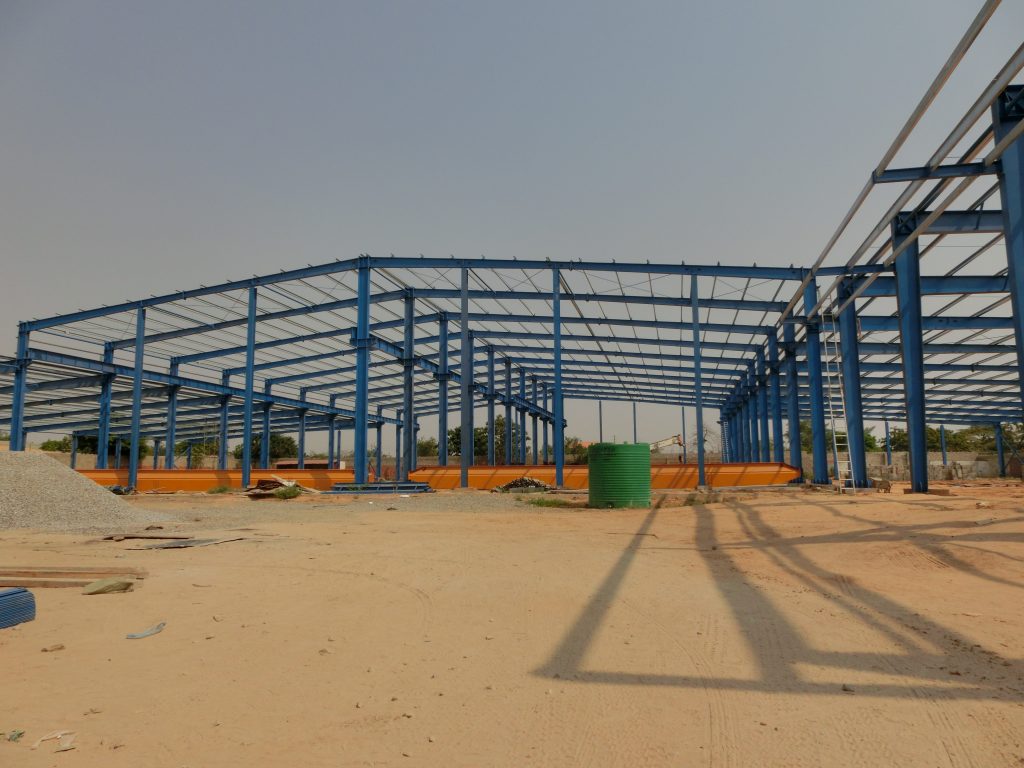
Lida Group’s steel structure modern farmhouses are the result of decades of technological innovation and engineering practice, integrating advanced steel structure technology, prefabricated construction methods, and modern design concepts. Unlike generic steel structure buildings, these farmhouses are specifically tailored for rural environments and rural living needs, with optimized technical parameters, structural design, and material selection. Below is a detailed breakdown of the core technical features of Lida Group’s steel structure modern farmhouses.
3.1 Core Structural Materials and Design
The structural stability and durability of steel structure farmhouses depend largely on the quality of steel materials and structural design. Lida Group selects high-quality steel materials and adopts scientific structural design to ensure the safety and longevity of its modern farmhouses.
For the main structural frame, Lida Group uses galvanized aluminum zinc G550 high-strength steel and Q235/Q355 carbon steel, which have excellent corrosion resistance, high strength, and good ductility. The steel is treated with hot-dip galvanizing and powder coating, forming a double protective layer that effectively resists rust and corrosion caused by rural humidity, rainwater, and agricultural chemicals, extending the service life of the farmhouse to over 50 years—far longer than the 20–30 year lifespan of traditional brick-and-concrete farmhouses. The steel components are processed using cold-formed thin-walled steel technology, which ensures high precision (with a dimensional error of less than ±0.5mm) and excellent structural performance, enabling the farmhouse to withstand a magnitude 9 earthquake and level 12+ hurricane, providing reliable safety protection for rural residents.
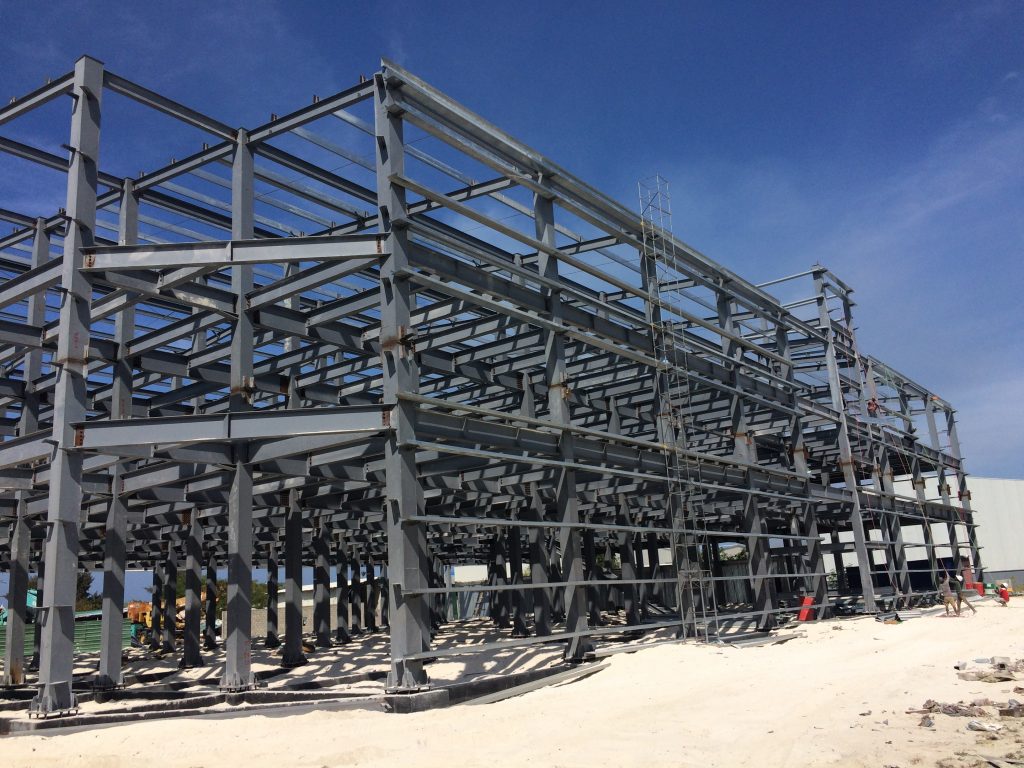
In terms of structural design, Lida Group adopts a modular and prefabricated design concept, dividing the farmhouse into standardized modules (such as wall modules, roof modules, and floor modules) that are prefabricated in the factory according to precise design drawings. The modules are connected using high-strength bolts and connectors, ensuring tight connection and structural stability. This modular design not only simplifies the on-site assembly process but also allows for flexible combination and expansion—rural residents can add or modify modules according to their changing needs, such as expanding the living area or adding a storage room or a home-based business space. The group also uses advanced 3D modeling and structural calculation software, which can meet international design standards (such as American, European, British, and Australian standards), ensuring the scientificity and rationality of the structural design.
3.2 Thermal Insulation, Sound Insulation, and Waterproofing Technology
One of the common misconceptions about steel structure buildings is that they are “cold in winter and hot in summer” and have poor sound insulation. Lida Group addresses these concerns through advanced thermal insulation, sound insulation, and waterproofing technology, ensuring that its steel structure modern farmhouses are as comfortable as, or even more comfortable than, traditional brick-and-concrete farmhouses.
For thermal insulation, Lida Group uses high-performance insulated sandwich panels for the walls and roof of the farmhouses. The sandwich panels consist of two outer layers of galvanized color steel and a central core of environmentally friendly insulation materials (such as EPS, PU, or rock wool), which can be customized according to the local climate. In cold regions, PU core sandwich panels (with a thermal conductivity of ≤0.023 W/m·K) are used to ensure excellent thermal insulation performance, while in moderate climates, EPS core sandwich panels (with a thermal conductivity of 0.028–0.033 W/m·K) are used to balance insulation and cost-effectiveness. The walls and roof are also sealed with high-temperature-resistant and waterproof sealants, preventing air leakage and further improving thermal insulation. As a result, Lida’s steel structure farmhouses can reduce winter heating energy consumption by up to 65% compared to traditional brick-and-concrete farmhouses, and summer cooling energy consumption by 40%, achieving significant energy savings.
In terms of sound insulation, the insulated sandwich panels and the airtight design of the farmhouse effectively block external noise (such as agricultural machinery noise and road noise) and internal noise transmission. The rock wool core sandwich panels, in particular, have a sound insulation effect of 21.5 dB, ensuring a quiet living environment for residents. For waterproofing, the roof adopts a slope design and high-quality waterproof rolls, and the wall panels are connected with waterproof connectors to prevent rainwater leakage. The group also conducts strict waterproof tests on all prefabricated modules before delivery, ensuring that the farmhouse is waterproof and moisture-proof, even in areas with heavy rainfall.
3.3 Prefabrication and On-Site Assembly Process
The prefabrication and on-site assembly process is a key advantage of Lida Group’s steel structure modern farmhouses, enabling rapid construction and reducing on-site construction costs and waste.
All components of the farmhouse (including steel frames, wall panels, roof panels, floors, and even internal fixtures) are prefabricated in Lida Group’s modern factory under strict quality control. The factory uses automated production equipment to cut, weld, and assemble the components, ensuring consistent quality and high precision. The prefabrication process also includes the installation of electrical wiring, water pipes, and internal decoration (such as wall cladding and flooring) in the modules, reducing on-site construction work to a minimum.
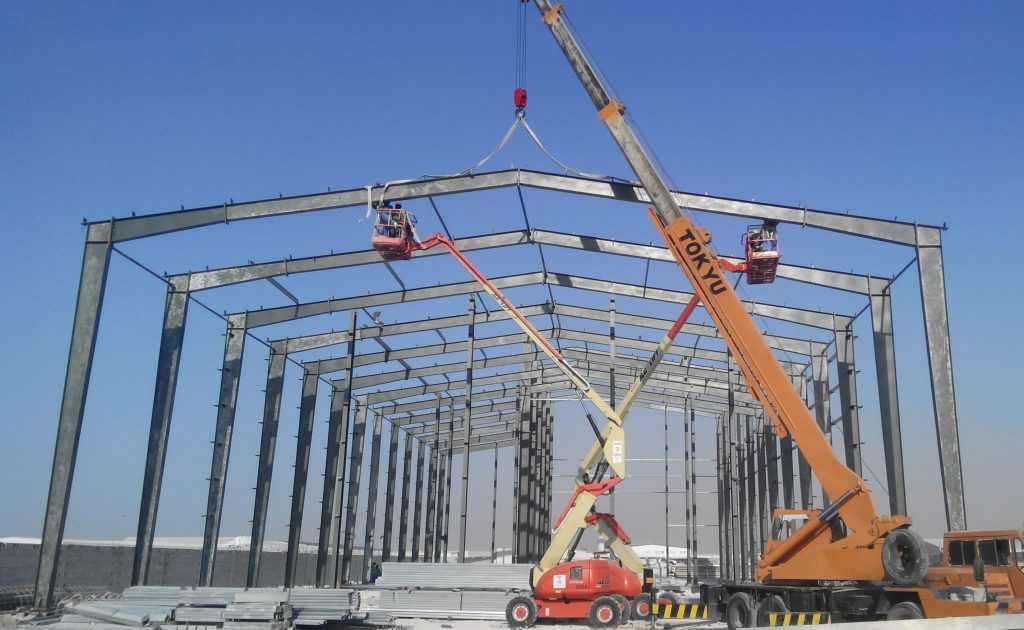
On-site assembly is simple and efficient. After the foundation (prefabricated concrete slabs) is completed on-site, a team of 4–7 skilled workers can assemble a 300-square-meter farmhouse in just 30 days, and the entire construction (including foundation, assembly, and decoration) can be completed in 4 weeks, ready for occupancy with full decoration. This is a significant improvement compared to the 6–12 month construction cycle of traditional brick-and-concrete farmhouses, reducing labor costs by 50% and avoiding delays caused by weather conditions (such as rain and snow) during on-site construction. The on-site assembly process generates almost no construction waste, as all components are prefabricated to precise dimensions, aligning with the concept of green construction.
3.4 Design Flexibility and Aesthetic Diversity
Lida Group’s steel structure modern farmhouses are designed to be flexible and aesthetically diverse, catering to the different preferences and needs of rural residents and adapting to various rural environments.
In terms of layout flexibility, the modular design allows for a variety of layout options, including one-story, two-story, and multi-story farmhouses, with living areas ranging from 60 square meters to 500 square meters or more. The internal space can be freely divided according to family needs, such as separate bedrooms, living rooms, kitchens, bathrooms, storage rooms, and home workshops. For rural tourism operators, the farmhouses can be designed with guest rooms, restaurants, and leisure areas to meet the needs of rural accommodation and catering services.
In terms of aesthetics, Lida Group offers a wide range of architectural styles, including North American, simple European, Chinese, Southeast Asian, Russian, and Mediterranean styles, as well as modern minimalist styles. The exterior of the farmhouses can be decorated with decorative materials such as face bricks, cultural stones, and wood grain panels, which are constructed using special techniques to ensure that the exterior effect is almost indistinguishable from traditional brick-and-concrete farmhouses, while also retaining the light and elegant characteristics of steel structure buildings. The group also provides customized design services, allowing rural residents to incorporate local cultural elements into the farmhouse design, such as integrating traditional rural architectural details into the modern design, achieving a perfect integration of modern aesthetics and rural culture.
4. Core Advantages of Lida Group’s Steel Structure Modern Farmhouses
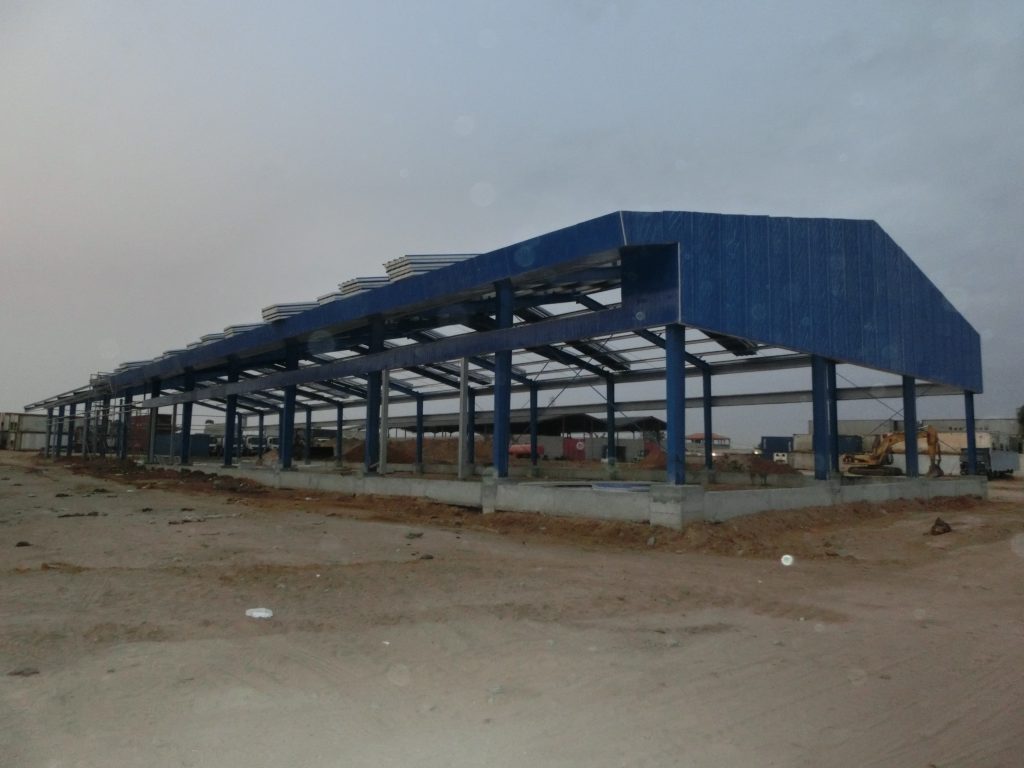
Compared to traditional brick-and-concrete farmhouses and other types of rural housing, Lida Group’s steel structure modern farmhouses have significant advantages in safety, efficiency, sustainability, comfort, and cost-effectiveness, making them an ideal choice for modern rural housing upgrading. These advantages are closely linked to the technical characteristics of the product and are verified by practical project experience.
4.1 Superior Safety and Durability
Safety is the top priority of rural housing, and Lida Group’s steel structure modern farmhouses excel in this regard. The high-strength steel structure frame has excellent seismic and wind resistance, capable of withstanding a magnitude 9 earthquake and level 12+ hurricane, which is far superior to the seismic resistance of traditional brick-and-concrete farmhouses (which typically can only withstand magnitude 6–7 earthquakes). In addition, steel is non-combustible, and the farmhouses are equipped with fire-resistant insulation materials and fire-fighting facilities, meeting national fire safety standards and reducing the risk of fire accidents.
The farmhouses also have excellent durability, with a service life of over 50 years, thanks to the corrosion-resistant treatment of the steel components and the high-quality materials used. Unlike traditional brick-and-concrete farmhouses, which are prone to cracks, peeling, and damage after 10–15 years of use, Lida’s steel structure farmhouses require minimal maintenance, with only occasional inspection and maintenance of the exterior decoration and connectors, reducing long-term maintenance costs by up to 40% compared to traditional farmhouses. The farmhouses have also been tested in practical projects, such as surviving local heavy rainfall without deformation or leakage, proving their reliability in harsh rural environments.
4.2 Rapid Construction and High Efficiency
The prefabricated and modular design of Lida Group’s steel structure modern farmhouses enables rapid construction, solving the problem of long construction cycles of traditional rural housing. As mentioned earlier, a 300-square-meter farmhouse can be fully constructed (including foundation and decoration) in just 4 weeks, which is 70–80% faster than traditional brick-and-concrete farmhouses. This rapid construction not only reduces the time that rural residents have to wait for their new homes but also minimizes the impact of construction on rural life and agricultural production.
The efficient construction process also reduces labor costs significantly. Traditional brick-and-concrete farmhouses require a large number of on-site workers (usually 10–15 workers for a 300-square-meter house), while Lida’s steel structure farmhouses only require 4–7 skilled workers for on-site assembly, reducing labor costs by 50%. This is particularly important in rural areas where young labor is scarce and labor costs are rising. Additionally, the factory prefabrication process eliminates weather-related delays, ensuring that the construction project can be completed on schedule, regardless of rain, snow, or other adverse weather conditions.
4.3 Environmental Protection and Energy Conservation
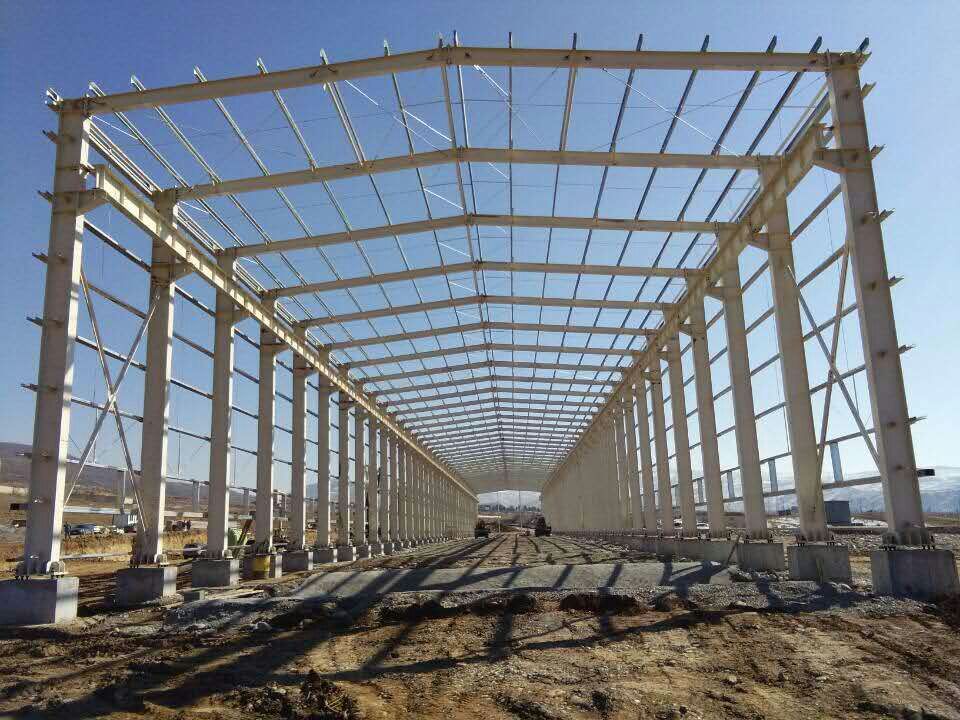
Lida Group’s steel structure modern farmhouses are green and sustainable, aligning with the concept of ecological rural development. First, the main material—steel—is 100% recyclable, and the scrap steel generated during production and construction can be fully recycled and reused, reducing the consumption of non-renewable resources such as clay bricks (which destroy cultivated land) and concrete (which consumes a large amount of sand and stone). The prefabrication process in the factory also reduces construction waste by over 80% compared to traditional on-site construction, minimizing environmental pollution in rural areas.
Second, the farmhouses are highly energy-efficient, thanks to the advanced thermal insulation technology and energy-saving design. The high-performance insulation materials and airtight structure reduce heating and cooling energy consumption by 40–60% compared to traditional brick-and-concrete farmhouses, helping rural residents save a great deal of energy costs annually. For example, a 100-square-meter steel structure farmhouse can save more than 30% of electricity per year compared to a traditional brick-and-concrete farmhouse of the same size. The group also offers optional photovoltaic roof systems for the farmhouses, allowing rural residents to generate their own electricity, further reducing reliance on grid power and achieving energy self-sufficiency in some cases.
4.4 High Space Utilization and Flexibility
Traditional brick-and-concrete farmhouses have thick walls (usually 24–37 cm), resulting in low space utilization. In contrast, Lida Group’s steel structure modern farmhouses use thin-walled steel frames and insulated sandwich panels (with a wall thickness of only 10–15 cm), increasing the actual usable area by up to 92%—8–10% higher than traditional brick-and-concrete farmhouses of the same size. This additional space can be used as a storage room, home workshop, or additional bedroom, meeting the multifunctional needs of modern rural families.
The modular design also provides great flexibility for future renovation and expansion. Rural residents can easily add or remove modules according to changes in family size, living habits, or economic conditions—for example, adding a second floor when the family grows, or adding a storage room for agricultural machinery when engaging in large-scale agricultural production. This flexibility avoids the need for costly and time-consuming demolition and reconstruction, making the farmhouse adaptable to the changing needs of modern rural life.
4.5 Cost-Effectiveness and Affordability
While the initial investment in steel structure farmhouses may be slightly higher than that of traditional brick-and-concrete farmhouses (the average cost is 1700–2500 yuan per square meter, excluding foundation costs), the long-term cost-effectiveness is significantly higher. First, the rapid construction reduces labor costs and shortens the investment return cycle—for rural tourism operators, the farmhouse can be put into use quickly, generating income earlier. Second, the low maintenance costs and long service life reduce the total cost of ownership over the lifespan of the farmhouse. Third, the energy-saving effect of the farmhouse reduces annual energy costs, further enhancing cost-effectiveness.
In addition, Lida Group leverages economies of scale in production to reduce the cost of steel components and modules, making the product more affordable for rural residents. Moreover, with the support of national and local rural housing subsidy policies (such as 200 yuan per square meter subsidy in Jiangsu Province and up to 50,000 yuan per household subsidy in Yunnan Province), the actual cost burden on rural residents is further reduced, making steel structure modern farmhouses accessible to more rural families.
5. Practical Application Cases of Lida Group’s Steel Structure Modern Farmhouses
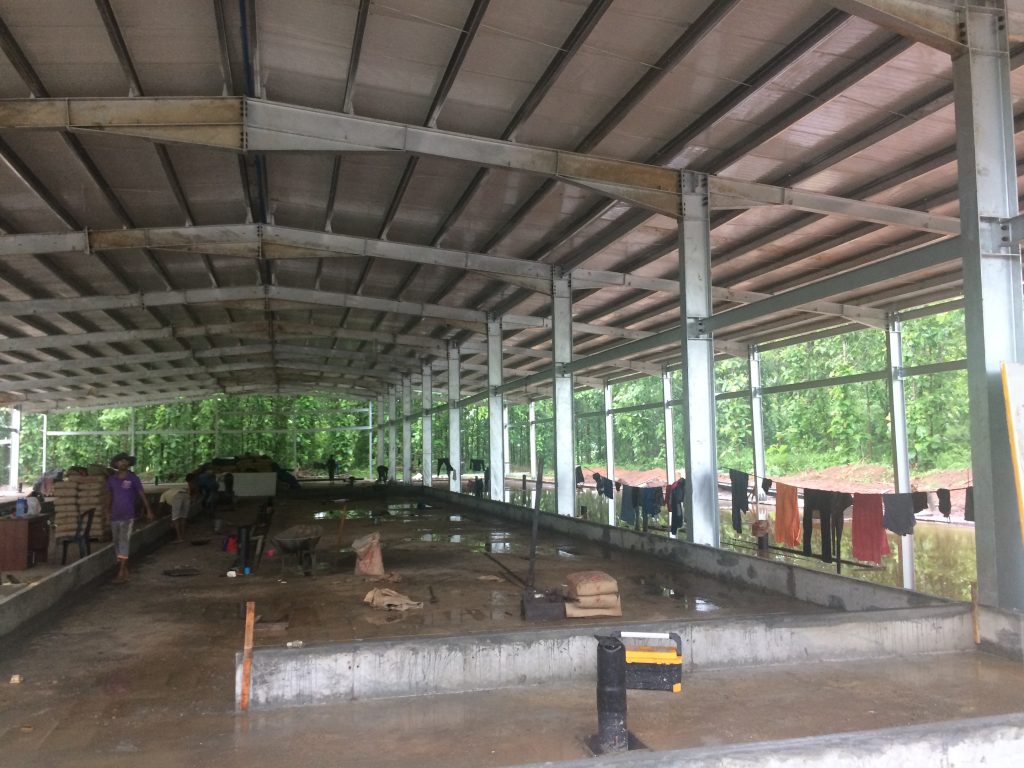
To fully demonstrate the practical value and application effect of its steel structure modern farmhouses, Lida Group has launched a number of pilot projects and practical applications across different regions and scenarios, including rural residential housing, rural tourism accommodation, and agricultural industrial park supporting housing. These cases have verified the product’s advantages in safety, comfort, efficiency, and cost-effectiveness, and have been widely recognized by rural residents, local governments, and industry insiders.
5.1 Case 1: Rural Residential Housing Project in Wanggezhuang, Qingdao
The rural residential housing project in Wanggezhuang, Qingdao, is a typical pilot project of Lida Group’s steel structure modern farmhouses, aimed at upgrading the living conditions of local rural residents. The project involved the construction of 50 steel structure farmhouses, with a total construction area of 6,000 square meters, covering 50 rural households.
The farmhouses in this project are two-story buildings with a construction area of 120 square meters each, adopting a simple European architectural style that blends with the local rural landscape. The main structural frame uses Q355 carbon steel, and the walls and roof use EPS core insulated sandwich panels (75 mm thick), ensuring excellent thermal insulation and sound insulation performance. The internal layout includes 3 bedrooms, 1 living room, 1 kitchen, 2 bathrooms, and 1 storage room, meeting the living needs of a family of 4–5 people. The farmhouses are also equipped with energy-saving windows and doors, solar water heaters, and other energy-saving facilities, further reducing energy consumption.
The construction of the project started in March 2024 and was completed in April 2024, with a total construction cycle of only 4 weeks—far shorter than the 8-month cycle of the traditional brick-and-concrete farmhouses that were originally planned. The project cost 2000 yuan per square meter, and with the local government’s subsidy of 200 yuan per square meter, the actual cost borne by each household was 1800 yuan per square meter, which was comparable to the cost of traditional brick-and-concrete farmhouses.
After moving into the new farmhouses, local residents highly praised the product. Mr. Wang, a resident of Wanggezhuang, said: “The new house is bright, spacious, and warm in winter and cool in summer. It’s much more comfortable than the old brick house. The construction was also very fast, and we didn’t have to wait long to move in. The storage room is also very practical for storing grain and agricultural tools.” The project has also been recognized by the local government as an excellent rural housing upgrading project, providing a model for other rural areas in Qingdao to promote steel structure modern farmhouses.
5.2 Case 2: Rural Tourism Farmhouse Project in Shandong Agricultural Industrial Park
With the development of rural tourism, there is an increasing demand for high-quality accommodation facilities in rural areas. Lida Group’s steel structure modern farmhouses are also widely used in rural tourism projects, thanks to their flexible design, beautiful appearance, and multifunctional features. The rural tourism farmhouse project in Shandong Agricultural Industrial Park is a typical example.
The project is located in a large-scale agricultural industrial park in Shandong, which integrates agricultural planting, picking, and rural tourism. Lida Group built 30 steel structure farmhouses for the park, with a total construction area of 4,500 square meters, including 20 guest room farmhouses, 5 restaurant farmhouses, and 5 leisure farmhouses. The farmhouses adopt a Chinese architectural style, with gray tiles, white walls, and wooden decorations, integrating perfectly with the agricultural landscape of the park.
The guest room farmhouses are one-story buildings with a construction area of 120 square meters each, including 4 guest rooms, 2 bathrooms, and a small living room, equipped with air conditioning, TV, and other modern facilities. The restaurant farmhouses are two-story buildings with a construction area of 200 square meters each, including a dining hall, private rooms, and a kitchen, capable of accommodating 100 people for dining at the same time. The leisure farmhouses are designed with courtyards and terraces, providing a comfortable space for tourists to relax and enjoy the rural scenery.
The project was completed in 5 weeks, and the farmhouses were put into use in June 2024. Since opening, the farmhouses have been well-received by tourists, with an average occupancy rate of over 80% during peak tourist seasons. The park operator said: “Lida’s steel structure farmhouses are not only beautiful and comfortable but also very durable and easy to maintain. The rapid construction allowed us to open the farmhouses in time for the tourist season, and the energy-saving effect has also reduced our operating costs. The farmhouses have become a major highlight of our rural tourism project.”
5.3 Case 3: Rural Housing Renovation Project in Earthquake-Prone Area, Yunnan
Yunnan is an earthquake-prone area in China, and the safety of rural housing is a major concern for the local government and residents. Lida Group’s steel structure modern farmhouses, with their excellent seismic performance, have been widely used in rural housing renovation projects in Yunnan, helping local residents build safe and reliable homes.
The rural housing renovation project in Yunnan covers 100 rural households in an earthquake-prone town, with a total construction area of 12,000 square meters. The farmhouses in this project are one-story and two-story buildings, with a construction area of 80–150 square meters each, adopting a simple and practical design that meets the living habits of local rural residents. The main structural frame uses galvanized aluminum zinc G550 high-strength steel, and the walls use rock wool core insulated sandwich panels, which not only have excellent seismic performance (able to withstand magnitude 9 earthquakes) but also good fire resistance and thermal insulation performance.
The project was supported by the local government’s “steel instead of brick” policy, with each household receiving a subsidy of up to 50,000 yuan. The construction started in January 2024 and was completed in February 2024, with a total construction cycle of 4 weeks. After the completion of the project, the local government conducted a seismic performance test on the farmhouses, confirming that they fully meet the seismic fortification standards for earthquake-prone areas.
Local residents expressed great satisfaction with the new farmhouses. Ms. Li, a resident of the town, said: “We used to live in an old brick house that was very unsafe. We were always worried about earthquakes. Now, with the new steel structure house, we feel much safer. The house is also warm in winter and cool in summer, and it’s very comfortable to live in.” The project has not only improved the safety of rural housing in the area but also set a model for rural housing renovation in earthquake-prone areas across the country.
6. Impact of Lida Group’s Steel Structure Modern Farmhouses on Rural Construction and Rural Revitalization
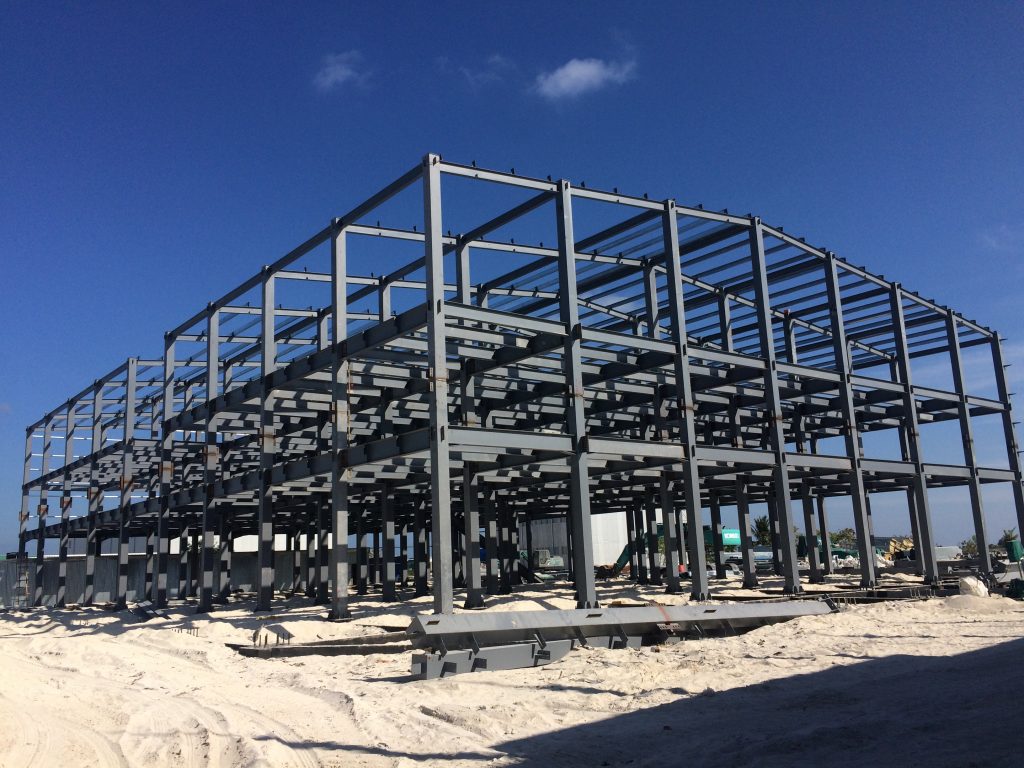
Lida Group’s launch of steel structure modern farmhouses has far-reaching implications for the rural construction industry and the advancement of rural revitalization. By introducing advanced steel structure technology into rural housing construction, the product not only upgrades the quality of rural housing but also drives the transformation and development of the rural construction industry, promotes rural ecological, economic, and cultural development, and contributes to the realization of rural revitalization goals.
6.1 Promoting the Upgrading of the Rural Construction Industry
Traditional rural construction is dominated by manual labor and backward construction methods, with low efficiency, poor quality, and high environmental impact. Lida Group’s steel structure modern farmhouses, with their prefabricated and modular construction methods, represent a new model of rural construction, promoting the industrialization, standardization, and modernization of the rural construction industry.
The popularization of steel structure modern farmhouses will drive the development of related industries in rural areas, such as steel component production, building material supply, and on-site installation services, creating new employment opportunities for rural residents. For example, Lida Group’s local partners in rural areas have set up steel component processing plants and installation teams, employing a large number of local rural laborers and increasing their income. At the same time, the promotion of steel structure technology will also promote the upgrading of rural construction teams, encouraging them to learn new construction technologies and improve their professional skills, thereby improving the overall level of the rural construction industry.
6.2 Supporting Rural Revitalization and Improving Rural Residents’ Well-Being
Rural revitalization focuses on improving the quality of life of rural residents and promoting comprehensive rural development. Lida Group’s steel structure modern farmhouses directly address the core needs of rural residents for safe, comfortable, and modern housing, improving their quality of life and sense of happiness.
First, the safety and durability of the farmhouses ensure that rural residents live in a safe environment, reducing the risk of property damage and personal injury caused by natural disasters such as earthquakes and hurricanes. Second, the comfort and energy efficiency of the farmhouses improve the living experience of rural residents, allowing them to enjoy a modern living environment that is comparable to urban residents. Third, the multifunctional design of the farmhouses supports rural residents in engaging in home-based businesses, such as handicraft production, agricultural product processing, and rural tourism services, increasing their income and promoting rural economic development.
In addition, the green and sustainable characteristics of the farmhouses promote the construction of ecological rural areas, reducing environmental pollution and protecting rural ecological resources. The use of steel instead of clay bricks also helps protect cultivated land, which is crucial for ensuring food security and promoting sustainable rural development.
6.3 Leading the Transformation of Modern Farmhouse Concepts and Setting Industry Standards
Before Lida Group launched its steel structure modern farmhouses, there were few high-quality, standardized modern farmhouse products in the market, and rural residents had limited awareness of steel structure rural housing. Lida Group’s product launch has helped change the traditional concept of rural housing, making rural residents realize that steel structure farmhouses can be safe, comfortable, and beautiful, and breaking the misconception that “steel structure buildings are cold and noisy”.
By virtue of its advanced technology, strict quality control, and rich project experience, Lida Group has set new standards for the modern farmhouse industry, including standards for structural safety, thermal insulation, sound insulation, construction efficiency, and environmental protection. These standards will guide other enterprises in the industry to improve their product quality and technical level, promoting the healthy and orderly development of the modern farmhouse industry. The group’s international certifications and global project experience also help promote Chinese steel structure modern farmhouses to the world, enhancing the influence of Chinese rural construction technology in the global market.
7. Challenges and Future Outlook
7.1 Current Challenges
Despite the significant advantages and positive market response of Lida Group’s steel structure modern farmhouses, there are still some challenges in their promotion and popularization.
First, the traditional concept of rural residents is difficult to change. Many rural residents still have a preference for traditional brick-and-concrete farmhouses, believing that “brick houses are more solid and durable,” and lack an understanding of the advantages of steel structure farmhouses. This requires Lida Group to strengthen publicity and promotion, through on-site demonstrations, project visits, and publicity materials, to let rural residents fully understand the characteristics and advantages of steel structure farmhouses.
Second, the supporting policies in some rural areas are not perfect. Although the state and many provinces have introduced subsidy policies for steel structure rural housing, some remote rural areas still lack specific implementation rules and subsidy funds, which increases the cost burden on rural residents and hinders the promotion of the product.
Third, the professional installation team in rural areas is insufficient. Steel structure modern farmhouses require skilled installation workers, but in many rural areas, there is a shortage of professional installation teams, which affects the construction efficiency and quality of the project. Lida Group needs to strengthen the training of installation teams, cooperate with local vocational schools and training institutions, and cultivate a group of professional installation workers for rural areas.
7.2 Future Outlook
With the deepening of rural revitalization strategies and the increasing demand for high-quality rural housing, the market prospect of Lida Group’s steel structure modern farmhouses is very broad. In the future, Lida Group will focus on the following aspects to promote the development and popularization of its steel structure modern farmhouses:
First, continue to strengthen technological innovation. The group will invest more resources in R&D, focusing on improving the thermal insulation, sound insulation, and waterproofing performance of the farmhouses, developing more environmentally friendly and energy-saving materials, and optimizing the modular design to meet the more diverse needs of rural residents. The group will also explore the integration of smart home technology into the farmhouses, adding functions such as intelligent lighting, temperature control, and security monitoring, creating smarter modern farmhouses.
Second, expand market promotion and policy coordination. Lida Group will strengthen cooperation with local governments, actively participate in rural housing renovation projects and rural revitalization projects, and strive for more policy support and subsidies for rural residents. The group will also carry out targeted publicity and promotion activities in rural areas, through rural fairs, village broadcasts, and WeChat groups, to improve the awareness and acceptance of steel structure modern farmhouses among rural residents.
Third, improve the industrial chain and after-sales service system. The group will expand its production capacity, optimize the supply chain, and reduce product costs to make steel structure modern farmhouses more affordable. At the same time, the group will improve its after-sales service system, establish local after-sales service centers in rural areas, provide timely maintenance and repair services for rural residents, and solve their worries about using steel structure farmhouses.
Fourth, promote international cooperation and export. Lida Group will leverage its global market experience, promote its steel structure modern farmhouses to rural areas in other countries and regions, especially in developing countries with large rural populations and urgent needs for rural housing upgrading. The group will adapt its products to local climate conditions and cultural characteristics, providing customized solutions for global rural residents, and contributing Chinese technology and Chinese solutions to global rural development.
8. Conclusion
Lida Group’s introduction of steel structure buildings for modern farmhouses marks a significant innovation in the rural construction industry, representing a new direction for the upgrading of modern rural housing. Against the backdrop of global rural revitalization and the increasing demand for high-quality rural housing, Lida Group, relying on its decades of expertise in steel structure construction, has developed a product that perfectly combines safety, efficiency, sustainability, comfort, and cost-effectiveness, addressing the long-standing shortcomings of traditional brick-and-concrete farmhouses and meeting the diverse needs of modern rural residents.
The steel structure modern farmhouses launched by Lida Group have obvious core advantages: superior seismic and wind resistance ensure the safety of rural residents; rapid prefabricated construction reduces construction time and labor costs; green and energy-saving characteristics promote ecological rural development; high space utilization and flexible design adapt to the multifunctional needs of modern rural life; and reasonable cost-effectiveness makes the product accessible to more rural families. These advantages have been fully verified by practical application cases in Qingdao, Shandong, Yunnan, and other regions, winning wide recognition from rural residents, local governments, and industry insiders.
Beyond the product itself, Lida Group’s launch of steel structure modern farmhouses has far-reaching implications for rural construction and rural revitalization. It promotes the industrialization, standardization, and modernization of the rural construction industry, drives the development of related industries, creates new employment opportunities for rural residents, and improves their quality of life and sense of happiness. The product also helps protect rural ecological resources, protect cultivated land, and promote sustainable rural development, aligning with the core goals of rural revitalization.
Although there are still some challenges in the promotion and popularization of steel structure modern farmhouses, such as traditional concept constraints, imperfect supporting policies, and insufficient professional installation teams, the broad market prospect and strong policy support provide a solid foundation for the product’s development. In the future, with continuous technological innovation, expanded market promotion, improved industrial chain, and strengthened after-sales service, Lida Group’s steel structure modern farmhouses will surely be widely popularized in rural areas at home and abroad, making greater contributions to the upgrading of modern farmhouses, the advancement of rural revitalization, and the realization of sustainable rural development.
In conclusion, Lida Group’s steel structure modern farmhouses are more than just a new type of rural housing—they are a symbol of the integration of industrial innovation and rural development, a catalyst for rural revitalization, and a guarantee for improving rural residents’ well-being. By adhering to the concepts of people-oriented design and green sustainability, Lida Group has created a high-quality, scalable, and affordable solution for modern rural housing, setting a new benchmark
Related news
-
Lida Group Completes Major Prefab Dormitory Using Innovative Sandwich Panels
2026-02-11 17:45:45
-
Engineered for Longevity: Low-Cost Durable Prefab Dormitories
2026-02-09 17:44:33
-
Lida Group's Easy Install Sandwich Panel House Saves Time and Money
2026-02-06 16:45:31
contact us
- Tel: +86-532-88966982
- Whatsapp: +86-13793209022
- E-mail: sales@lidajituan.com
