



Lida Group Introduces Next-Generation Modern Mobile Construction
2026-Jan-06 13:51:21
By Admin
The global construction industry is experiencing an unprecedented era of transformation, driven by the urgent need for efficiency, sustainability, and adaptability. As urbanization accelerates at a rate of 55% of the world’s population residing in cities by 2025—and projected to reach 68% by 2050—the demand for flexible, rapid-deployment building solutions has never been greater. Concurrently, the industry faces pressing challenges, including labor shortages, rising material costs, and stringent environmental regulations aimed at reducing carbon emissions, which account for 39% of global greenhouse gas emissions. In response to these shifts, modular and mobile construction has emerged as a transformative force, redefining how buildings are designed, manufactured, and deployed. At the forefront of this revolution is Lida Group, a leading provider of prefabricated construction solutions, which has unveiled its next-generation modern mobile construction system. This innovative offering integrates advanced lightweight materials, intelligent manufacturing processes, and modular design principles to deliver buildings that are highly portable, energy-efficient, and adaptable to diverse use cases. This article explores the technical innovations, core advantages, application scenarios, real-world implementations, and market impact of Lida Group’s next-generation modern mobile construction, shedding light on how this technology is reshaping the future of the global construction landscape.
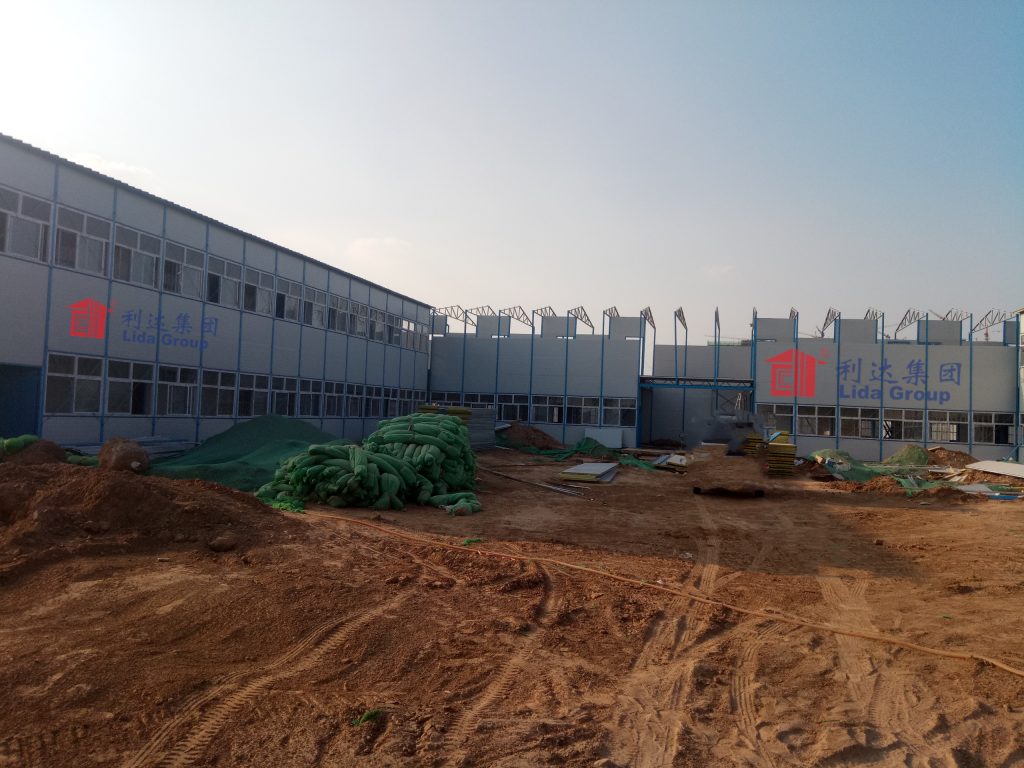
1. Overview of Lida Group and the Evolution of Mobile Construction
1.1 Lida Group: A Pioneer in Prefabricated Construction
Founded with a commitment to redefining construction through industrialization and innovation, Lida Group has established itself as a global leader in prefabricated building solutions. With decades of experience in lightweight steel structure technology, the company specializes in the research, development, production, and installation of modular buildings, mobile homes, and integrated prefabricated systems. Lida Group’s core strength lies in its ability to merge international advanced manufacturing standards with localized market needs, leveraging a full set of cold-formed thin-walled steel production lines and sophisticated structural design software that complies with multiple international building codes. Over the years, the company has expanded its product portfolio to cover residential, commercial, industrial, and emergency response applications, earning a reputation for quality, durability, and innovation. By prioritizing research and development, Lida Group has consistently pushed the boundaries of prefabricated construction, and its next-generation modern mobile construction system represents the culmination of years of technological advancement and industry insight.
1.2 The Evolution of Mobile Construction: From Temporary Shelters to High-Performance Buildings
Mobile construction, once limited to basic temporary shelters and portable cabins, has evolved dramatically over the past century. Early mobile structures, emerging in the mid-20th century, were primarily designed for portability and cost-effectiveness, with minimal consideration for comfort, energy efficiency, or durability. These structures were commonly used for construction site accommodations, military barracks, and emergency housing, but their functional limitations prevented widespread adoption in permanent or high-end applications. However, advancements in materials science, manufacturing technology, and digital design have transformed mobile construction from a niche solution to a mainstream alternative. The integration of lightweight yet high-strength materials, precision factory manufacturing, and modular assembly has enabled the development of mobile buildings that offer the same performance, comfort, and aesthetic appeal as traditional structures—while retaining the core advantage of portability.
In recent years, the global mobile construction market has witnessed robust growth, driven by increasing demand for flexible building solutions in both developed and developing regions. According to industry reports, the global modular and prefabricated construction market is projected to reach $18 trillion by 2030, with mobile construction accounting for a significant share of this growth. This expansion is fueled by factors such as urbanization, infrastructure development, disaster recovery needs, and the growing emphasis on sustainable building practices. Lida Group’s next-generation system builds on this evolution, addressing the limitations of traditional mobile structures and setting new standards for performance, adaptability, and sustainability.
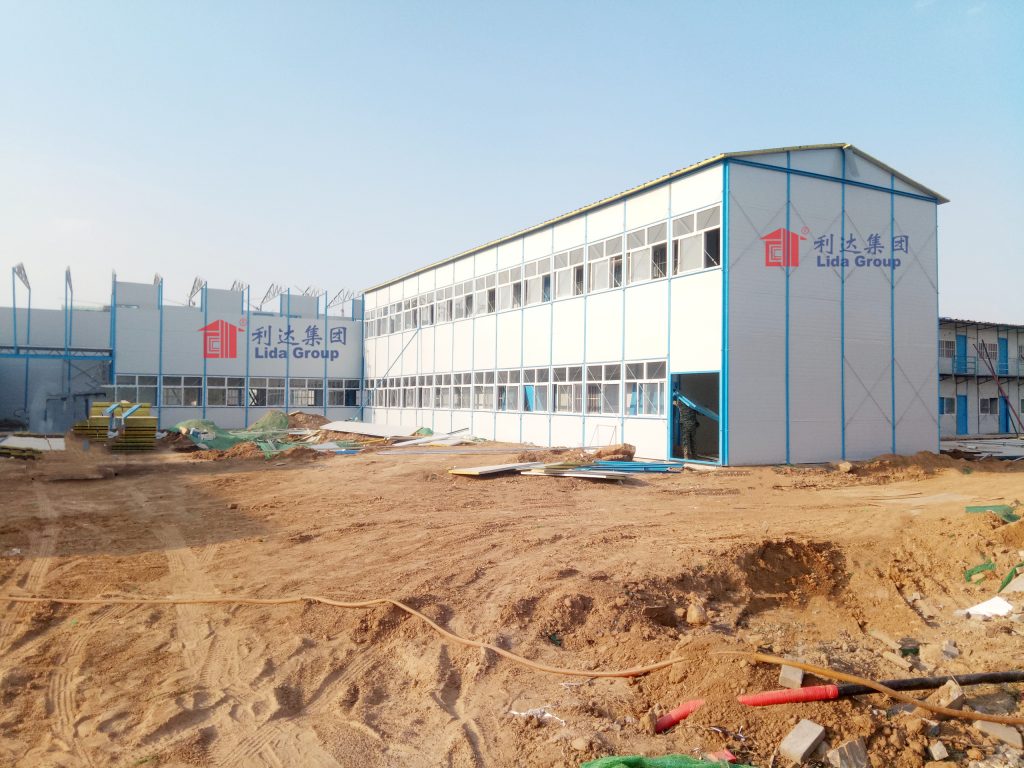
2. Technical Innovations of Lida Group’s Next-Generation Modern Mobile Construction
2.1 Advanced Lightweight Steel Structure System
At the heart of Lida Group’s next-generation mobile construction system is an advanced cold-formed thin-walled steel structure, a significant upgrade from the conventional steel framing used in traditional mobile buildings. This system utilizes high-strength galvanized steel with a yield strength of 350-550 MPa, offering exceptional structural integrity while maintaining a lightweight profile. The steel components are manufactured using precision automated production lines, which ensure dimensional accuracy within ±0.5mm—far exceeding the tolerance levels of on-site construction. This precision not only enhances structural stability but also enables seamless modular assembly.
The steel framing system features a optimized cross-sectional design, with web widths ranging from 75mm to 250mm to accommodate diverse load requirements. This flexibility allows the system to support structures of varying heights and spans, from single-story mobile homes to multi-story commercial buildings. Additionally, the galvanized steel undergoes a multi-layer anti-corrosion treatment, including zinc coating and PVDF (polyvinylidene fluoride) finishing, which provides long-term resistance to rust, UV radiation, and harsh environmental conditions. Tests show that this anti-corrosion system extends the service life of the structure to over 50 years, even in coastal or high-humidity regions—addressing a key limitation of traditional mobile buildings, which often suffer from premature degradation.
2.2 Intelligent Modular Design and Rapid Assembly Mechanisms
Lida Group’s next-generation system incorporates a proprietary intelligent modular design that redefines the efficiency of mobile building assembly. Unlike traditional mobile structures, which require extensive on-site modification, each module is prefabricated in a controlled factory environment, with all electrical, plumbing, and interior finishes installed prior to delivery. The modules feature a universal interlocking system, which enables quick and secure connection without the need for specialized tools or skilled labor. This snap-fit mechanism allows a team of 4-6 workers to assemble a 200-square-meter mobile building in less than 48 hours—a 70% reduction in construction time compared to traditional on-site methods.
The modular design also supports exceptional flexibility, with modules that can be easily combined, expanded, or reconfigured to meet changing needs. For example, a single-story mobile office can be expanded into a multi-story complex by adding vertical modules, or reconfigured into a residential space by modifying internal partitions. This adaptability is enhanced by the system’s compatibility with a range of auxiliary components, including prefabricated stairs, balconies, and roof extensions. Furthermore, Lida Group has integrated Building Information Modeling (BIM) technology into the design process, creating a digital twin of each project that optimizes module layout, material usage, and assembly sequencing. This digital integration reduces design errors by up to 80% and streamlines the entire project lifecycle from concept to completion.
2.3 Energy-Efficient Envelope and Sustainable Materials
Sustainability is a core focus of Lida Group’s next-generation mobile construction system, with a range of innovations designed to minimize environmental impact and reduce energy consumption. The building envelope features a high-performance insulation system, combining extruded polystyrene (XPS) foam with rock wool insulation to achieve a thermal conductivity of 0.028 W/(m·K). This insulation is integrated into the steel framing and enclosed by eco-friendly interior and exterior cladding materials, including FSC-certified wood panels and recycled metal sheets. The result is a building envelope that meets global green building standards, including LEED Silver and BREEAM Very Good, with heating and cooling energy consumption reduced by 40% compared to traditional mobile structures.
In addition to energy efficiency, the system prioritizes the use of sustainable materials throughout the supply chain. Over 85% of the components are made from recycled or recyclable materials, including galvanized steel (which is 100% recyclable) and low-VOC (volatile organic compound) interior finishes. Lida Group has also implemented a cradle-to-cradle design approach, ensuring that modules can be disassembled and reused multiple times without compromising structural integrity. This circular economy model reduces construction waste by up to 90% compared to traditional building methods, aligning with global efforts to achieve carbon neutrality in the construction industry.
2.4 Smart Integration and Intelligent Building Systems
To meet the demands of modern users, Lida Group’s next-generation mobile construction system is equipped with a suite of smart building technologies that enhance comfort, efficiency, and connectivity. Each module is pre-wired for integration with IoT (Internet of Things) sensors, which monitor indoor temperature, humidity, air quality, and energy usage in real time. These sensors are connected to a centralized smart control system, accessible via a mobile app or web portal, allowing users to remotely adjust heating, cooling, lighting, and security settings. For commercial applications, the system also supports energy management analytics, which help optimize resource usage and reduce operational costs.
The smart integration extends to safety and security features, including smoke detectors, carbon monoxide sensors, and smart locks that can be remotely monitored and controlled. In emergency situations, the system automatically triggers alarms and notifies relevant authorities, while the modular structure’s inherent fire resistance—achieved through rock wool insulation and fire-retardant steel treatments—provides additional protection. For off-grid applications, the system is compatible with renewable energy sources, such as solar panels and wind turbines, enabling self-sufficient operation in remote locations. This combination of smart technology and sustainability makes Lida Group’s mobile buildings suitable for a wide range of modern use cases.
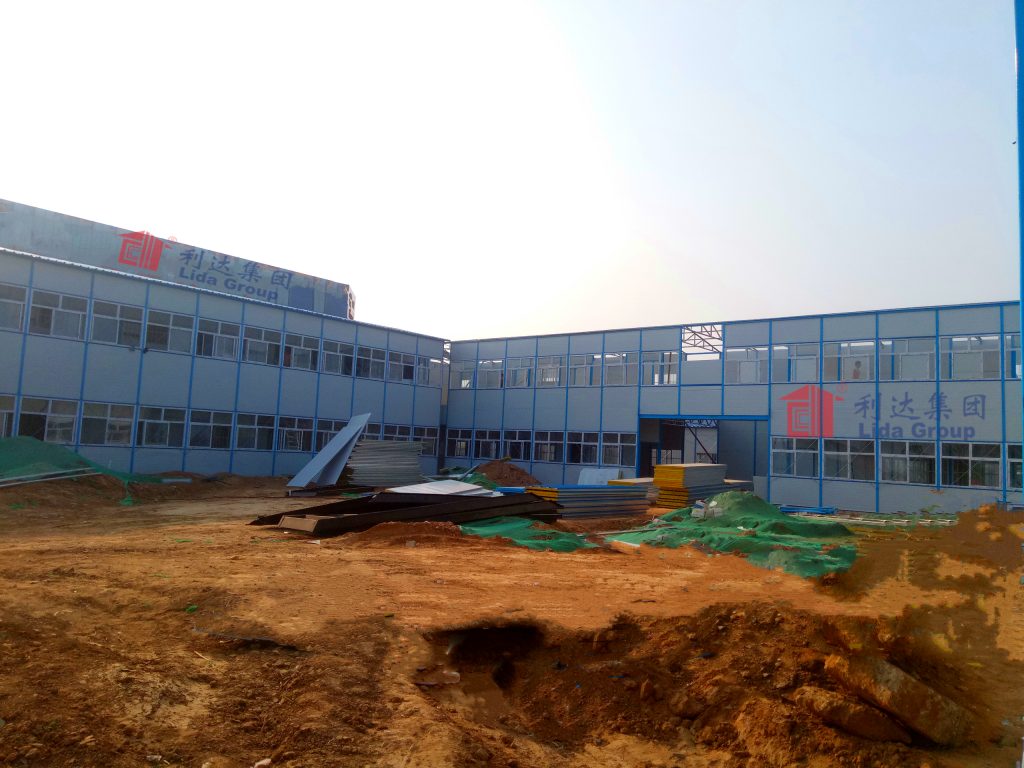
3. Core Advantages of Lida Group’s Next-Generation Mobile Construction
3.1 Unmatched Construction Efficiency and Rapid Deployment
One of the most significant advantages of Lida Group’s next-generation system is its unparalleled construction efficiency. The factory prefabrication process eliminates the delays associated with on-site construction, such as weather disruptions, material shortages, and labor bottlenecks. Modules are manufactured in parallel with site preparation, reducing the overall project timeline from months to weeks. For example, a mobile healthcare clinic designed for disaster relief can be manufactured, transported, and assembled in less than a week, enabling rapid response to humanitarian crises. This speed is particularly valuable in regions with urgent housing or infrastructure needs, such as post-disaster areas or rapidly urbanizing cities.
The rapid assembly mechanism further enhances efficiency, as modules can be connected without specialized equipment. This reduces reliance on skilled labor, which is increasingly scarce in the global construction industry. Studies show that Lida Group’s system reduces labor requirements by 60% compared to traditional construction methods, lowering labor costs and minimizing the risk of project delays due to labor shortages. Additionally, the precision of factory manufacturing ensures consistent quality, reducing the need for on-site repairs and rework—further streamlining the construction process.
3.2 Cost-Effectiveness Across the Project Lifecycle
Lida Group’s next-generation mobile construction system delivers significant cost savings throughout the entire project lifecycle. In the construction phase, the reduction in labor and time translates to direct cost savings of 20-30% compared to traditional buildings. The factory prefabrication process also minimizes material waste, as precise cutting and material planning reduce scrap to less than 5%—a fraction of the 15-20% waste generated in on-site construction. This not only lowers material costs but also reduces disposal fees and environmental impact.
In the operational phase, the energy-efficient design of the building envelope and smart energy management system reduces utility costs by 30-40% annually. The durable materials and anti-corrosion treatments also minimize maintenance requirements, with routine maintenance costs 50% lower than those of traditional mobile structures. Furthermore, the modular and reusable nature of the system extends its value beyond a single project—modules can be disassembled, transported to a new location, and reassembled, reducing the need for new construction and lowering the total cost of ownership. For businesses and organizations with dynamic space needs, this flexibility translates to significant long-term savings.
3.3 Superior Sustainability and Environmental Performance
As the construction industry strives to reduce its carbon footprint, Lida Group’s next-generation system offers a sustainable alternative to traditional building methods. The use of recycled materials, reduced waste, and energy-efficient design significantly lowers the environmental impact of each project. Life-cycle assessment (LCA) studies show that the system reduces carbon emissions by 35% compared to conventional mobile buildings and by 50% compared to traditional on-site construction. This is achieved through a combination of factors, including reduced transportation emissions (due to lightweight modules), lower energy consumption during operation, and the recyclability of components.
The system’s compatibility with renewable energy sources further enhances its sustainability credentials, enabling net-zero energy operation in suitable locations. For example, a mobile office equipped with solar panels and battery storage can operate entirely off-grid, eliminating reliance on fossil fuels. Additionally, the low-VOC materials and improved airtightness of the building envelope contribute to better indoor air quality, promoting occupant health and well-being. These sustainability features not only align with global environmental goals but also meet the growing demand for green buildings from governments, businesses, and consumers.
3.4 Exceptional Adaptability and Design Flexibility
Unlike traditional mobile buildings, which are often limited to basic designs and functions, Lida Group’s next-generation system offers exceptional adaptability and design flexibility. The modular design supports a wide range of architectural styles, from modern minimalist to traditional, with customizable exterior finishes, window layouts, and interior configurations. This allows the system to be tailored to diverse use cases, from residential homes and commercial offices to healthcare clinics and educational facilities.
The flexibility of the system is further enhanced by its ability to adapt to different site conditions. Modules can be installed on uneven terrain, in remote locations, or in urban areas with limited space, thanks to their lightweight design and minimal foundation requirements. For example, in mountainous regions, the system can be deployed without extensive site grading, reducing environmental disruption. In urban areas, modules can be stacked vertically to maximize space utilization, creating compact multi-story buildings. This adaptability makes Lida Group’s system suitable for use in almost any environment, from deserts and coastal regions to dense cities and rural areas.
3.5 Enhanced Durability and Safety
Lida Group’s next-generation mobile construction system is engineered to meet the highest standards of durability and safety. The cold-formed thin-walled steel structure provides exceptional resistance to extreme weather conditions, including strong winds (up to 120 km/h), heavy snow loads (up to 2.5 kPa), and seismic activity (up to magnitude 8.0). This makes the system suitable for use in disaster-prone regions, where structural integrity is critical.
The fire resistance of the system is another key safety feature, with the rock wool insulation and fire-retardant steel treatments ensuring that the structure meets ASTM E84 Class A and Euroclass B-S1, d0 fire safety standards. This provides occupants with ample time to evacuate in the event of a fire, while minimizing property damage. Additionally, the system’s airtight envelope and anti-corrosion treatments prevent moisture intrusion and mold growth, ensuring a healthy living and working environment. The combination of durability and safety makes Lida Group’s mobile buildings a reliable choice for both temporary and permanent applications.
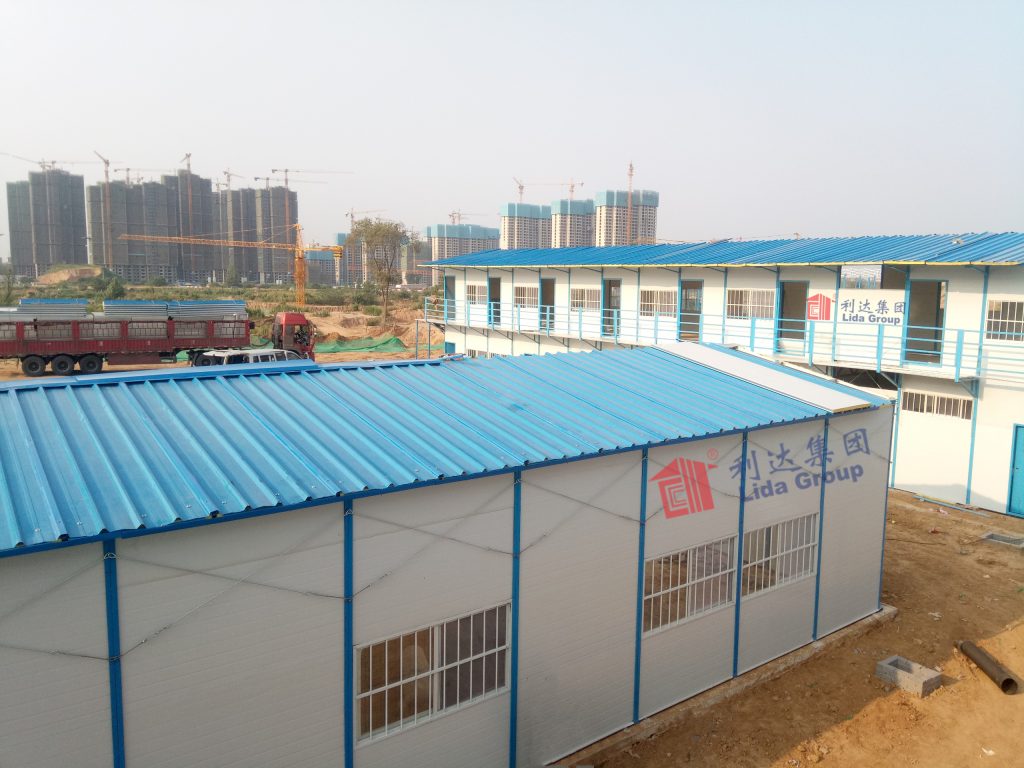
4. Application Scenarios of Lida Group’s Next-Generation Mobile Construction
4.1 Residential Construction
Lida Group’s next-generation mobile construction system is well-suited for a range of residential applications, addressing the global housing shortage and the demand for flexible living solutions. In urban areas, the system can be used to construct affordable housing units, micro-apartments, and student dormitories, where space is limited and rapid deployment is essential. The modular design allows for easy expansion, enabling families to add additional modules as their needs grow. In rural areas, the system is ideal for vacation homes, farmhouses, and remote residences, where traditional construction is often costly and time-consuming.
The system’s energy efficiency and sustainable design also make it popular for eco-friendly residential projects, such as off-grid homes and sustainable communities. For example, Lida Group has partnered with developers to construct a community of mobile homes in Europe, each equipped with solar panels, rainwater harvesting systems, and energy-efficient appliances. These homes have achieved net-zero energy consumption, while their modular design allows residents to customize their living spaces. The success of these projects demonstrates the system’s potential to transform residential construction, offering affordable, sustainable, and flexible housing solutions.
4.2 Commercial and Industrial Applications
In the commercial and industrial sectors, Lida Group’s next-generation system offers a range of benefits, including rapid deployment, cost savings, and flexibility. The system is commonly used to construct temporary and permanent offices, retail stores, exhibition halls, and industrial workshops. For example, construction companies often use mobile offices as on-site headquarters, which can be easily relocated as the project progresses. Retailers use modular pop-up stores to test new markets or capitalize on seasonal demand, while exhibition halls can be quickly assembled and disassembled for events.
The system is also suitable for industrial applications, such as warehouses, storage facilities, and production workshops. The durable steel structure and fire-resistant design make it ideal for storing materials and equipment, while the modular design allows for easy expansion as business needs grow. In the logistics sector, mobile warehouses can be deployed near shipping ports or distribution centers, reducing transportation costs and improving efficiency. Additionally, the system’s compatibility with smart technology makes it suitable for modern industrial facilities, where automation and connectivity are essential.
4.3 Emergency and Humanitarian Housing
Lida Group’s next-generation mobile construction system is a game-changer in emergency and humanitarian relief efforts, where rapid deployment and durability are critical. The system can be used to construct temporary shelters, healthcare clinics, and schools in post-disaster areas, providing immediate support to displaced populations. The lightweight modules can be transported by truck, ship, or aircraft to remote locations, and assembled in days—far faster than traditional construction methods.
For example, following a major earthquake in Southeast Asia, Lida Group deployed 50 mobile healthcare clinics and 200 shelter units within a week, providing medical care and housing to over 1,000 people. The clinics were equipped with essential medical equipment, smart monitoring systems, and energy-efficient lighting, enabling healthcare workers to deliver quality care in challenging conditions. The shelters were designed to be durable and comfortable, with insulation to protect against extreme temperatures and anti-corrosion treatments to withstand humid conditions. The success of this deployment highlights the system’s potential to save lives and support communities in crisis.
4.4 Tourism and Recreational Facilities
The tourism and recreational sectors benefit greatly from the flexibility and aesthetic appeal of Lida Group’s next-generation mobile construction system. The system can be used to construct eco-resorts, camping cabins, ski lodges, and beachfront villas, where design flexibility and environmental sustainability are key. The modular design allows developers to create unique and visually appealing structures that blend with the natural environment, while the lightweight construction minimizes environmental impact.
For example, a luxury eco-resort in Africa used Lida Group’s modules to construct 30 beachfront villas, each with a custom design that maximizes ocean views. The villas were equipped with solar panels, rainwater harvesting systems, and natural ventilation, ensuring sustainable operation. The modular design allowed the resort to expand gradually, adding villas as demand grew, without disrupting existing operations. Additionally, the system’s durability ensures that the villas can withstand the harsh coastal environment, including saltwater corrosion and strong winds. This application demonstrates how the system can meet the unique needs of the tourism industry, offering sustainable, flexible, and visually appealing solutions.
4.5 Specialized Applications
Beyond the mainstream applications, Lida Group’s next-generation mobile construction system is suitable for a range of specialized use cases, including healthcare facilities, educational institutions, and military barracks. In healthcare, the system can be used to construct mobile clinics, laboratories, and quarantine units, where cleanliness, safety, and rapid deployment are essential. The modular design allows for easy integration of medical equipment, while the airtight envelope and low-VOC materials ensure a sterile environment.
In education, the system is used to construct temporary and permanent classrooms, libraries, and administrative buildings, particularly in rural or underserved areas. The rapid deployment allows schools to expand quickly to meet growing enrollment, while the energy-efficient design reduces operational costs. For military applications, the system is ideal for barracks, command centers, and field hospitals, where portability, durability, and security are critical. The modular design allows for easy relocation as military needs change, while the robust steel structure provides protection against extreme weather and security threats.
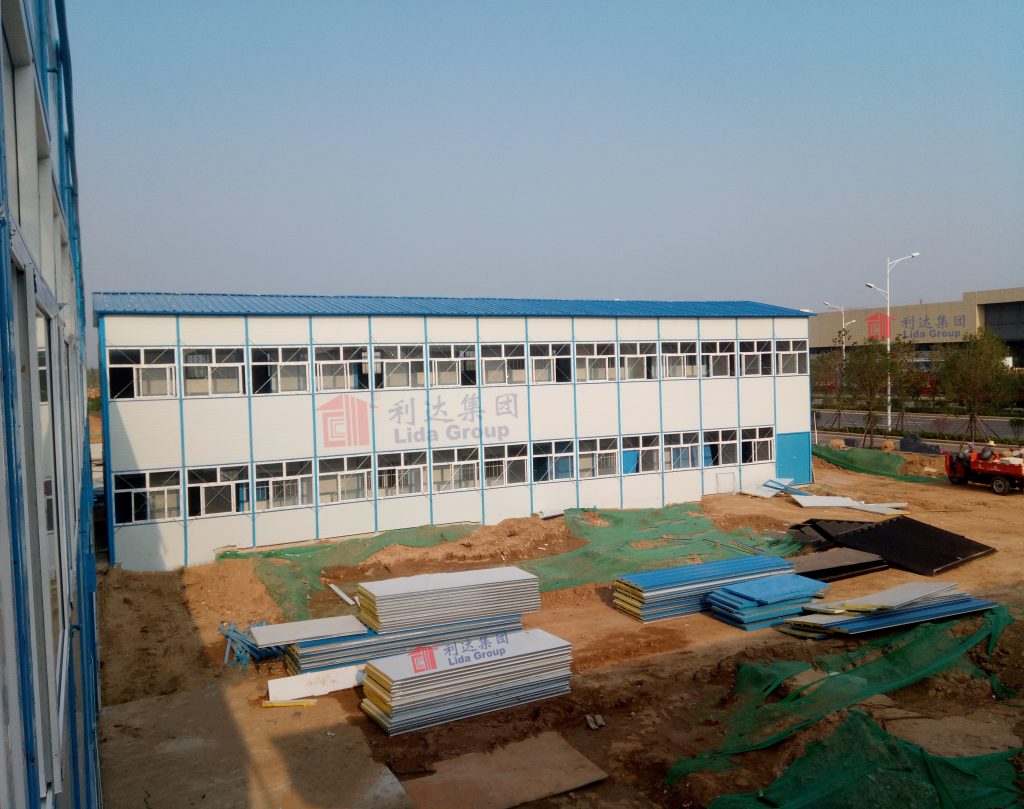
5. Case Studies: Successful Implementations of Lida Group’s Next-Generation Mobile Construction
5.1 Eco-Resort Development in Southeast Asia
A leading hospitality group in Southeast Asia partnered with Lida Group to develop a luxury eco-resort on a remote island, where traditional construction was logistically challenging and environmentally disruptive. The resort required 40 villas, a main lodge, a spa, and a restaurant, all designed to blend with the natural surroundings and operate sustainably. Lida Group’s next-generation mobile construction system was chosen for its rapid deployment, minimal environmental impact, and design flexibility.
The modules were manufactured in a factory in mainland Asia and transported to the island by ship. The assembly process took just 12 weeks, with a team of 8 workers completing the entire resort. Each villa featured a custom design with open-plan living spaces, large windows for natural light, and a private balcony with ocean views. The buildings were equipped with solar panels, battery storage, and rainwater harvesting systems, enabling net-zero energy operation. The use of recycled materials and low-VOC finishes ensured the resort met LEED Platinum certification standards.
The resort opened six months ahead of schedule, generating early revenue for the hospitality group. Guests praised the villas for their comfort, sustainability, and unique design, while the modular structure allowed the resort to add 10 additional villas the following year to meet growing demand. This case study demonstrates the system’s ability to deliver high-end, sustainable buildings in remote locations, with significant time and cost savings.
5.2 Emergency Housing Project in Central America
Following a category 5 hurricane in Central America, which displaced over 100,000 people, Lida Group partnered with international humanitarian organizations to deploy 500 mobile shelter units. The project required rapid deployment, durability to withstand future storms, and comfort for long-term occupancy. Lida Group’s next-generation system was selected for its ability to meet these requirements, with modules that could be transported quickly and assembled without specialized labor.
The shelter units were manufactured in Mexico and transported to the affected regions by truck. Each unit was 20 square meters, with two bedrooms, a kitchenette, and a bathroom, and could accommodate a family of four. The units featured a reinforced steel structure, hurricane-resistant windows, and insulation to protect against extreme temperatures. They were also equipped with solar-powered lighting and ventilation systems, ensuring basic comfort even in areas without access to electricity.
The entire deployment was completed in three weeks, providing immediate housing to over 2,000 people. The units proved durable during subsequent tropical storms, with no structural damage reported. After six months, many families were able to return to their homes, and the shelter units were relocated to another region affected by flooding, demonstrating the system’s reusability. This project highlights the system’s critical role in humanitarian relief efforts, providing safe, durable, and flexible housing in crisis situations.
5.3 Urban Affordable Housing Project in China
To address the growing housing shortage in Chinese cities, a local government partnered with Lida Group to construct a 500-unit affordable housing complex using the next-generation mobile construction system. The project required rapid deployment, cost-effectiveness, and compliance with national green building standards. Lida Group’s system was chosen for its ability to deliver on all these requirements, while offering residents flexible living spaces.
The complex consisted of 10-story buildings, with each floor composed of modular units. The modules were manufactured in Lida Group’s factory in Shandong, with all interior finishes, electrical, and plumbing installed prior to delivery. The assembly process took just four months, compared to the 12 months required for traditional construction. The buildings featured energy-efficient insulation, low-VOC materials, and smart energy management systems, reducing utility costs for residents by 30%.
The complex was completed under budget, with the government reporting a 25% cost savings compared to traditional affordable housing projects. Residents praised the units for their comfort, safety, and flexibility, with many noting the ability to customize their living spaces. The success of this project has led to the government approving additional affordable housing projects using Lida Group’s system, demonstrating its potential to address urban housing challenges at scale.
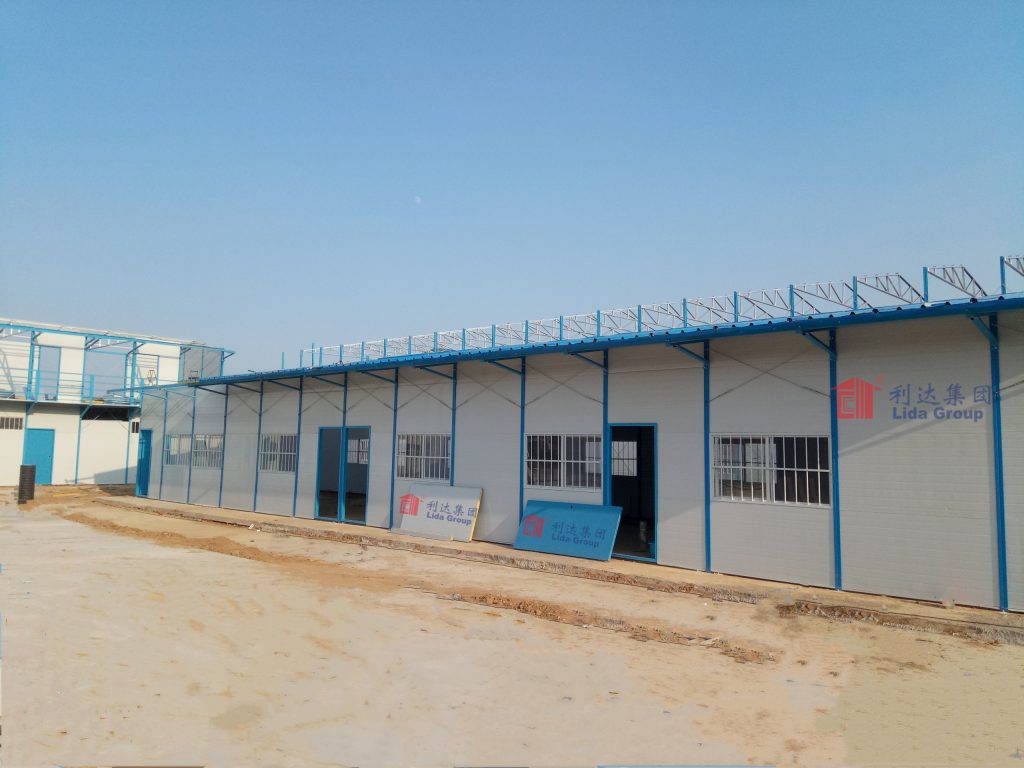
6. Market Trends and Future Outlook for Next-Generation Mobile Construction
6.1 Global Market Growth Drivers
The global market for next-generation mobile construction is poised for significant growth in the coming years, driven by a range of factors. Urbanization remains a key driver, with cities in Asia-Pacific, Africa, and Latin America requiring flexible, rapid-deployment housing and infrastructure solutions. According to the World Bank, over 60% of the world’s population will reside in cities by 2050, creating an urgent need for affordable and sustainable building solutions.
Government initiatives promoting sustainable construction and modular building are another major driver. Many countries have introduced policies and incentives to reduce carbon emissions in the construction industry, including tax breaks for green buildings and mandatory sustainability standards. For example, China’s 14th Five-Year Plan prioritizes the development of prefabricated construction, with a target of 30% of new buildings using prefabricated methods by 2025. Similarly, the European Union’s Green Deal includes measures to promote modular and sustainable construction, driving demand for innovative systems like Lida Group’s.
Labor shortages in the construction industry also contribute to market growth, as modular construction reduces reliance on skilled labor. The global construction industry is projected to face a shortage of 10 million workers by 2030, making systems that minimize labor requirements increasingly attractive. Additionally, the growing demand for flexible workspaces and remote living has increased interest in mobile and modular buildings, as businesses and individuals seek adaptable solutions.
6.2 Emerging Innovations and Future Developments
Lida Group is committed to continuous innovation, with several key developments planned for its next-generation mobile construction system. One area of focus is the integration of artificial intelligence (AI) and machine learning into the design and manufacturing process. AI-powered design tools will enable faster customization of modules, while machine learning algorithms will optimize production schedules and material usage, further reducing costs and waste.
Another area of innovation is the development of self-healing materials and advanced insulation systems. Lida Group is researching the use of bio-based materials, such as hemp and flax insulation, to further enhance sustainability. Additionally, the company is exploring the integration of photovoltaic (PV) panels directly into the building envelope, creating solar-powered modules that generate electricity while providing protection from the elements.
Automation and robotics are also key to future developments, with Lida Group planning to implement robotic assembly lines in its factories to increase production efficiency and precision. On-site automation, such as drone-assisted module placement and robotic connection, is also being explored, further reducing labor requirements and construction time. These innovations will position Lida Group at the forefront of the mobile construction market, enabling the company to meet the evolving needs of customers and the industry.
6.3 Challenges and Opportunities
Despite the promising growth prospects, the next-generation mobile construction market faces several challenges. One of the main challenges is the lack of uniform building codes and standards for modular and mobile buildings in some regions. This can create regulatory barriers and delays, particularly in countries where traditional construction methods are deeply entrenched. Lida Group is working with governments and industry organizations to develop standardized codes and certifications, ensuring that its system meets global safety and quality standards.
Consumer perception is another challenge, with some customers viewing mobile buildings as temporary or low-quality. To address this, Lida Group is investing in marketing and education campaigns, highlighting the durability, sustainability, and design flexibility of its next-generation system. The company’s successful case studies, particularly in high-end residential and commercial applications, are also helping to change consumer perceptions.
These challenges also present opportunities for growth and differentiation. By working with governments to develop standards, Lida Group can position itself as a leader in the industry and gain a competitive advantage. Additionally, the growing demand for sustainable and flexible building solutions provides an opportunity for the company to expand into new markets, particularly in emerging economies where urbanization and infrastructure development are accelerating. With its focus on innovation, sustainability, and customer-centric design, Lida Group is well-positioned to capitalize on these opportunities and shape the future of mobile construction.
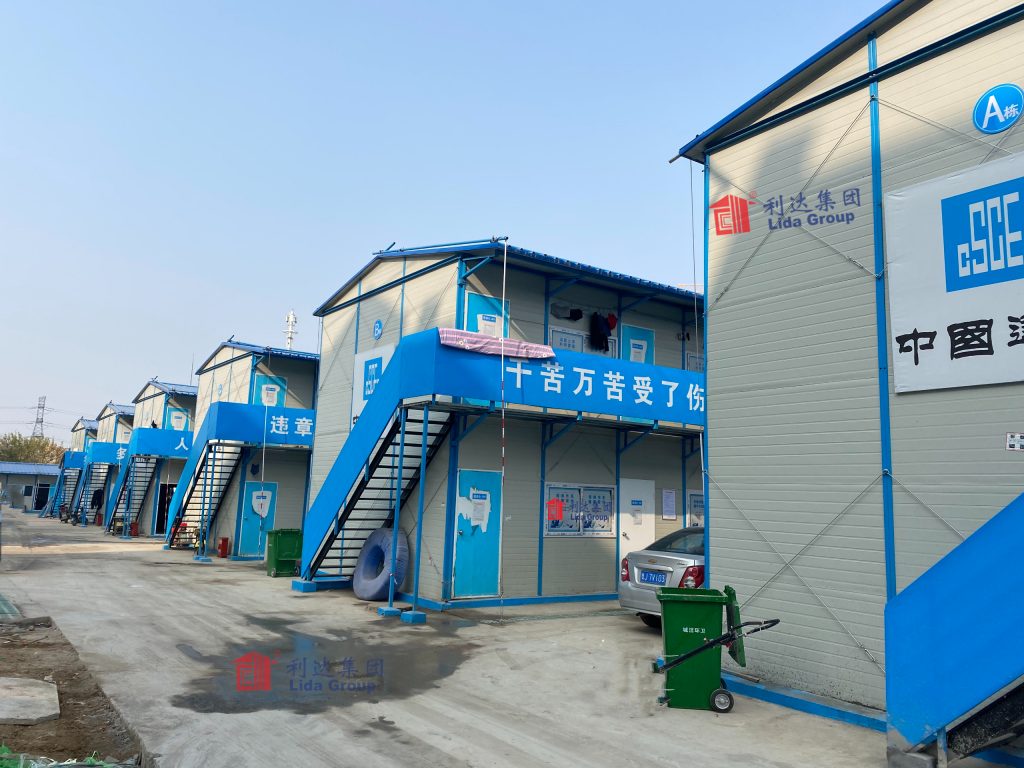
7. Conclusion
Lida Group’s next-generation modern mobile construction system represents a transformative innovation in the global construction industry, addressing the key challenges of efficiency, sustainability, adaptability, and cost-effectiveness. By integrating advanced lightweight steel structures, intelligent modular design, energy-efficient materials, and smart technology, the system redefines what is possible with mobile construction, offering a viable alternative to traditional building methods across a wide range of applications.
The core advantages of the system—rapid deployment, cost savings, sustainability, flexibility, and durability—make it suitable for residential, commercial, emergency, and specialized applications, as demonstrated by successful case studies around the world. From luxury eco-resorts and affordable urban housing to emergency shelters and healthcare clinics, Lida Group’s system delivers value across the project lifecycle, while minimizing environmental impact.
As the global construction industry continues to evolve, driven by urbanization, sustainability goals, and labor shortages, next-generation mobile construction is poised to play an increasingly important role. Lida Group’s commitment to innovation, research, and customer satisfaction positions the company as a leader in this growing market, with the potential to reshape the built environment for the better. By embracing this technology, governments, businesses, and organizations can address pressing housing and infrastructure needs, reduce carbon emissions, and create flexible, sustainable spaces that adapt to changing demands.
The future of construction is mobile, modular, and sustainable—and Lida Group’s next-generation modern mobile construction system is at the forefront of this revolution. With ongoing innovations in materials, automation, and smart technology, the system will continue to evolve, offering even greater value and possibilities for the global construction industry. As we look ahead, it is clear that mobile construction will no longer be viewed as a niche solution but as a mainstream, transformative force that builds a more efficient, sustainable, and inclusive world.
Related news
-
Innovative Prefab House Features Easy Install Sandwich Panel System
2026-01-06 13:34:03
-
Modern Mobile Construction Solutions Redefine Building Speeds
2026-01-05 17:30:56
-
Lida Group Launches Easy Install Sandwich Panel Prefab House
2026-01-05 15:49:31
contact us
- Tel: +86-532-88966982
- Whatsapp: +86-13793209022
- E-mail: sales@lidajituan.com
