



Lida Group Introduces Modern Prefab House with Easy Install Panels
2025-Dec-18 15:55:19
By Admin
Introduction: The Rise of Prefabricated Construction and Lida’s Innovation
In an era marked by rapid urbanization, climate change concerns, and the urgent need for efficient construction solutions, prefabricated buildings have emerged as a transformative force in the global construction industry. Unlike traditional on-site construction, which is often plagued by long lead times, excessive waste, and weather-related delays, prefabricated structures offer unparalleled efficiency, sustainability, and cost-effectiveness. At the forefront of this revolution stands Lida Group, a Chinese integrated construction giant with over three decades of expertise in steel structure and modular building solutions. In response to the growing demand for flexible, easy-to-assemble, and environmentally friendly housing, Lida Group has launched its modern prefab house series featuring innovative easy-install panels, redefining the standards of speed, durability, and adaptability in the prefabricated construction sector.
This article aims to provide a comprehensive overview of Lida Group’s modern prefab house with easy install panels, exploring the company’s background, the technical innovations behind the product, its performance parameters, real-world applications, market impact, and future prospects. By delving into the unique features of the easy-install panel system, comparing it with traditional construction methods and industry competitors, and analyzing customer feedback and project case studies, we will demonstrate how Lida Group’s offering is not just a building product but a catalyst for sustainable urban development and global housing solutions.
1. Company Overview: Lida Group’s Legacy of Excellence in Integrated Construction
1.1 Founding and Development
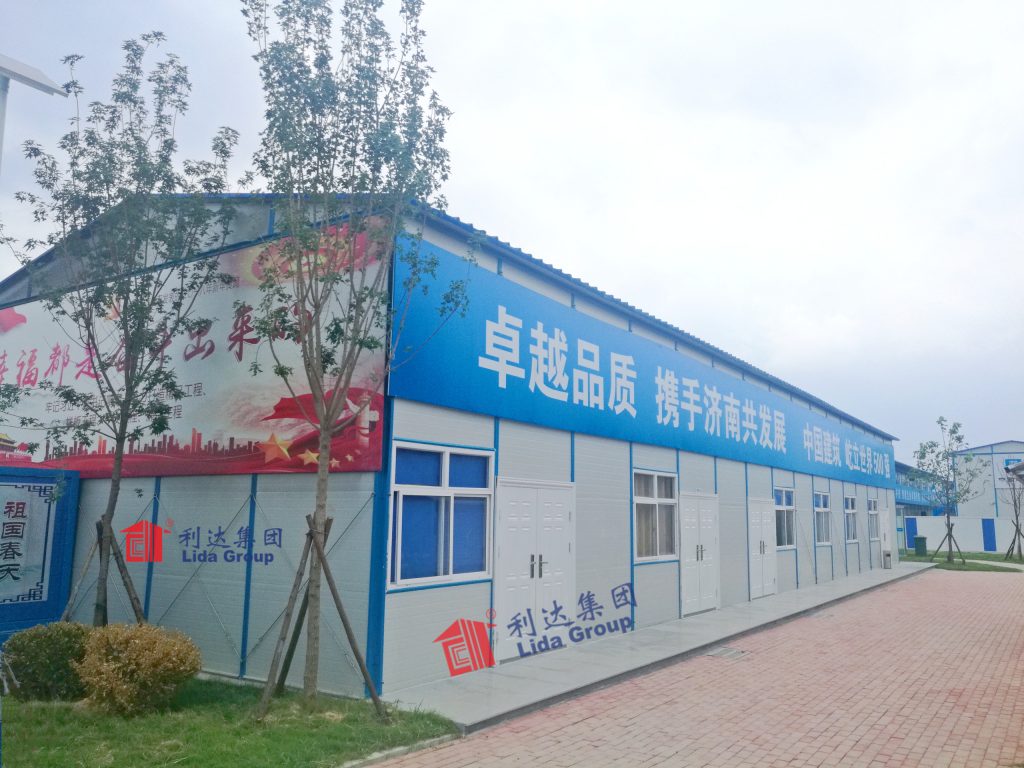
Established in 1993, Lida Group has evolved from a regional steel structure manufacturer into a global leader in integrated construction solutions. Headquartered in Qingdao, China, the company operates as a full-service provider encompassing design, production, construction, marketing, and after-sales support, with a diverse product portfolio including steel structure buildings, light steel villas, container houses, prefabricated camps, and modular facilities. Over the past three decades, Lida Group has adhered to the corporate philosophy of “Integrity, Dedication, Rigor, and Service,” earning a reputation for reliability and innovation in both domestic and international markets.
1.2 Global Presence and Certifications
Lida Group’s global footprint spans 149 countries and regions, with six domestic subsidiaries and overseas offices in key markets such as Saudi Arabia, Qatar, Russia, Sri Lanka, and Malaysia. The company’s commitment to quality is underscored by a suite of international certifications, including ISO9001 (Quality Management System), ISO14001 (Environmental Management System), ISO45001 (Occupational Health and Safety Management System), and the EU CE (EN1090) certification, as well as factory audits by renowned third-party institutions like BV, SGS, and TUV. These credentials have positioned Lida Group as a trusted partner for major projects worldwide, including being a designated supplier for United Nations peacekeeping force camps and a strategic collaborator with global construction giants such as China State Construction Engineering Corporation (CSCEC), China Railway Group Limited, and China Communications Construction Company (CCCC).
1.3 Production Capacity and Technological Strength
Lida Group boasts state-of-the-art manufacturing facilities in Weifang and Guangzhou, with a total production area exceeding 35,000 square meters. Its production lines include 7 automatic composite panel production lines, 15 purlin production lines, and 8 container modular housing production lines, enabling an annual steel structure processing capacity of 50,000 tons. The company’s technical team, comprising over 200 professional engineers and skilled workers, drives continuous innovation in prefabricated construction technology, focusing on lightweight materials, modular design, and efficient installation systems—key pillars of its modern prefab house with easy install panels.
2. Technical Breakdown: The Easy-Install Panel System of Lida’s Modern Prefab House
2.1 Core Design Philosophy
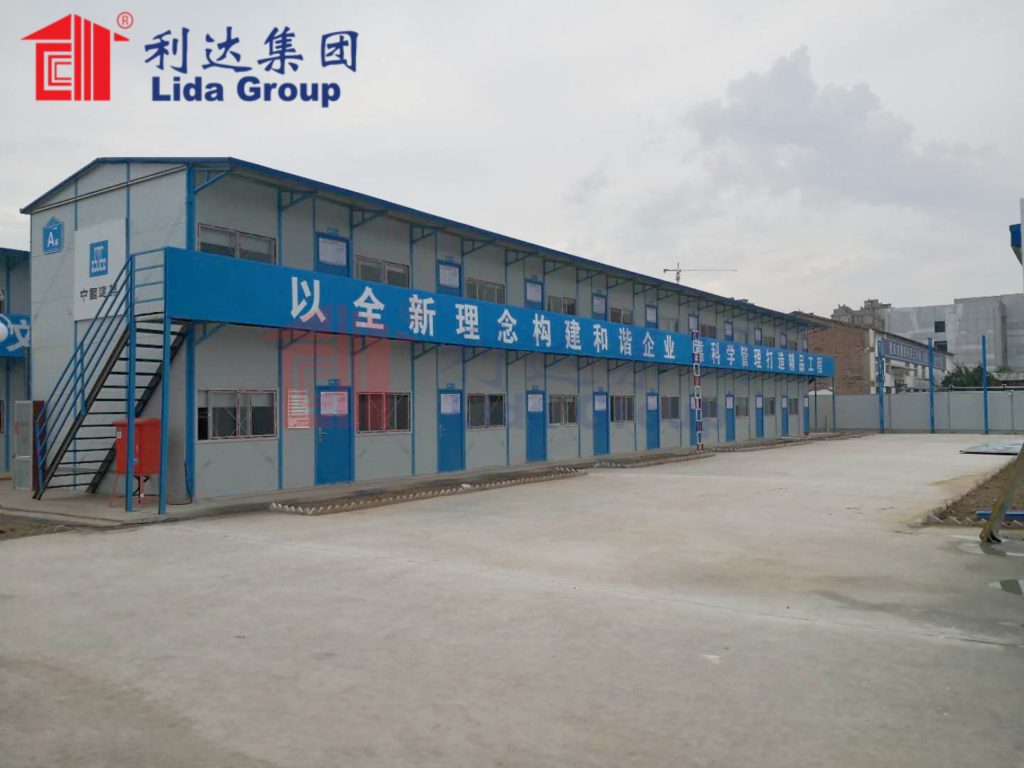
Lida’s modern prefab house is built on the principle of “factory prefabrication + on-site assembly,” minimizing on-site construction work and maximizing efficiency. The centerpiece of this design is the easy-install panel system, which integrates lightweight steel frames, high-performance sandwich panels, and innovative locking technology to simplify installation, reduce construction time, and ensure structural integrity. Unlike traditional construction methods that require complex on-site cutting, welding, and drilling, Lida’s prefab house components are precision-manufactured in factories according to standardized modules (1.8m as the base module) or custom specifications, allowing for flexible space combination and bolted connections that enable quick assembly and disassembly.
2.2 Material Composition of Easy-Install Panels
2.2.1 Structural Frame: High-Strength Light Steel
The structural skeleton of the prefab house is constructed from Q355-grade high-strength galvanized light steel, a material renowned for its exceptional durability, corrosion resistance, and load-bearing capacity. The steel components undergo hot-dip galvanization with a zinc coating of 275g/m² or aluminum-zinc coating of 150g/m²—exceeding industry standards (typically 0.55-1.5mm thickness and G90 yield strength) with a thickness range of 0.7-2mm and yield strength of 345MPa (G345) to 550MPa (G550)[superscript:10superscript:3superscript:9]. This material choice ensures a structural lifespan of over 50 years, with the ability to withstand 8-grade earthquakes and 11-grade winds (wind speed ≤125.5km/h), making the prefab house suitable for diverse geological and climatic conditions, from seismic zones to coastal areas.
2.2.2 Cladding Material: Energy-Efficient Sandwich Panels
The wall and roof panels are sandwich structures composed of an inner and outer layer of color steel sheets or fiber cement boards, with a core of high-density insulation material (such as polyurethane foam, rock wool, or glass wool). These panels offer excellent thermal insulation performance, with a heat transfer coefficient (U-value) of 0.35 Kcal/㎡hc for exterior walls and partitions, ensuring energy efficiency and comfortable indoor temperatures—3-5℃ warmer in winter and 2-4℃ cooler in summer compared to traditional brick-concrete structures. Additionally, the panels are environmentally friendly, non-toxic, and 100% recyclable, aligning with global “carbon neutrality” goals by reducing resource waste and carbon emissions.
2.2.3 Locking System: Drill-Free Installation
A key innovation of Lida’s easy-install panels is the integrated locking mechanism, inspired by advanced modular construction technology. The panels feature a tongue-and-groove design that eliminates the need for on-site drilling or screw fastening on the panel surface, reducing installation time and preventing water leakage. The locking system includes pre-reserved expansion gaps to accommodate thermal expansion and contraction, allowing the use of extra-long panels for large-span structures (up to 12 meters, surpassing the industry average of 6 meters) without compromising structural stability. This design not only simplifies installation but also enhances the building’s waterproofing performance, with a 100% water-proof guarantee when paired with complementary accessories such as aluminum connectors, rubber gaskets, and end caps.
2.3 Installation Process: Efficiency and Simplicity
The installation of Lida’s modern prefab house is designed to be user-friendly, requiring minimal specialized tools and labor. A typical 200-300㎡ prefab house can be assembled by a team of 7-8 workers in 30-45 days—60% shorter than the 8-12 months required for traditional brick-concrete construction. The installation process follows a streamlined workflow:
- Foundation Preparation: A simple concrete strip foundation or screw pile foundation is constructed, requiring no deep excavation or complex reinforcement—reducing foundation costs by 30% compared to traditional buildings.
- Component Delivery: Pre-manufactured steel frames, sandwich panels, and accessories are transported to the site in standardized packaging, minimizing damage and ensuring component integrity.
- Frame Assembly: The light steel keels are bolted together according to the pre-designed layout, forming the structural framework of walls, floors, and roofs. The modular design allows for flexible space combination, enabling the creation of dormitories, offices, kitchens, bathrooms, and other functional areas.
- Panel Installation: The sandwich panels are installed by aligning the locking grooves and securing them with bolts at the frame connections (no drilling through the panel surface). The roof panels are fitted with waterproof galvanized steel flashings and compressible foam to prevent water infiltration at joints.
- Finishing Work: Electrical wiring, plumbing, and interior/exterior decoration are completed using pre-installed conduits and modular fixtures, with the entire process conducted as dry construction—generating no construction waste and minimizing environmental impact.
For complex projects or first-time users, Lida Group provides comprehensive technical support, including installation manuals, on-site training, and remote guidance, ensuring smooth and efficient construction even in remote or harsh environments.
3. Performance Parameters and Product Advantages
3.1 Structural Performance
Lida’s modern prefab house meets rigorous international safety standards, with the following key performance parameters verified through third-party testing:
- Seismic Resistance: 8-grade (compatible with seismic intensity zones 7-8)
- Wind Resistance: 11-grade (wind speed ≤125.5km/h)
- Roof Live Load: 0.5kn/㎡
- Corridor Live Load: 2.0kn/㎡
- Structural Span: Up to 12 meters (enabling open-plan spaces without internal columns)
- Space Utilization Rate: Over 92% (10% higher than traditional brick-concrete buildings, as thin wall panels reduce space waste)[superscript:1superscript:10superscript:9]
3.2 Environmental and Energy Efficiency
As a green building product, Lida’s prefab house offers significant environmental advantages:
- Zero Construction Waste: Dry construction method eliminates on-site cutting and wet work, reducing construction waste by 90% compared to traditional buildings.
- Energy Conservation: The high-performance insulation system reduces energy consumption by 30-40% for heating and cooling, aligning with global energy efficiency standards.
- Sustainability: 100% of steel components and 80% of other materials are recyclable, reducing resource depletion and carbon emissions. The prefab house also supports renewable energy integration, such as solar panel installation on the roof.
- Low Carbon Footprint: The factory prefabrication process reduces transportation emissions by 40% and on-site emissions by 70%, contributing to “double carbon” goals.
3.3 Economic and Practical Advantages
Compared to traditional construction and competing prefabricated products, Lida’s modern prefab house offers compelling economic benefits:
- Short Construction Period: 30-45 days for a 200-300㎡ building, enabling earlier occupancy and investment return. For emergency projects (e.g., disaster relief), delivery can be completed in as little as 1-2 days for container-based structures.
- Cost Savings: 30% lower overall construction costs compared to traditional brick-concrete buildings, due to reduced labor, material waste, and foundation expenses. The reusable nature of components also lowers long-term maintenance and relocation costs.
- Flexibility and Mobility: The bolted connection design allows for disassembly, relocation, and reuse multiple times, making it ideal for temporary facilities (e.g., construction camps, event venues) and permanent residences alike. The modular design also supports future expansions or renovations without major structural modifications.
- Aesthetic Versatility: The prefab house can be customized in various architectural styles, including North American, European, Chinese, and Southeast Asian designs, with a wide range of exterior finishes (e.g., wood plastic panels, stone veneer, color steel) to meet diverse aesthetic preferences.

4. Global Application Cases: From Residential to Commercial and Emergency Use
Lida Group’s modern prefab house with easy install panels has been deployed in diverse scenarios worldwide, demonstrating its adaptability and reliability across residential, commercial, industrial, and emergency response applications.
4.1 Residential Construction: Rural and Urban Housing
In Hebei Handan, a villager Mr. Zhang opted for Lida’s light steel prefab house to build a 200㎡ three-story villa. Unlike his neighbor’s brick-concrete house, which took 8 months and exceeded the budget, Mr. Zhang’s villa was completed in 35 days from foundation to rough finish, with transparent costs and no need for on-site supervision. The house features open-plan living spaces, thermal insulation that keeps indoor temperatures stable in winter, and sound insulation that blocks external noise—receiving high praise from the family for its comfort and functionality.
In rural revitalization projects across China (e.g., Hunan Changde), Lida’s prefab houses have become a popular choice for farmers, offering a 30% cost reduction compared to traditional houses and government subsidies of up to 50,000 yuan per household. The houses are designed to adapt to rural lifestyles, with large yards, storage spaces, and energy-efficient systems that reduce monthly utility bills.
4.2 Emergency and Disaster Relief
Following the 2013 Ya’an earthquake in Sichuan, Lida Group responded rapidly by supplying prefab houses for post-disaster reconstruction. The houses’ 8-grade seismic resistance and quick installation (24 buildings completed in 2 months) made them a preferred choice for displaced residents, providing safe and comfortable temporary housing while permanent structures were being built. Similarly, during flood relief efforts in Hunan Wangcheng, Lida’s prefab houses were deployed as temporary shelters, hospitals, and command centers, demonstrating their ability to withstand harsh conditions and support emergency response operations.
4.3 Commercial and Public Facilities
Lida’s prefab houses have been used to construct a wide range of commercial and public buildings, including:
- Tourist Facilities: Scenic area restrooms, resorts, and retail stores (e.g., Qingdao International Horticultural Exposition retail pavilion, completed in 30 days with a modern design that blends with the natural environment)[superscript:9superscript:4].
- Educational and Medical Buildings: Schools and clinics in remote areas, such as a primary school in Sri Lanka built with Lida’s prefab panels. The school was completed in 45 days, accommodating 300 students with classrooms, offices, and a library—all featuring sound insulation and thermal comfort to support learning.
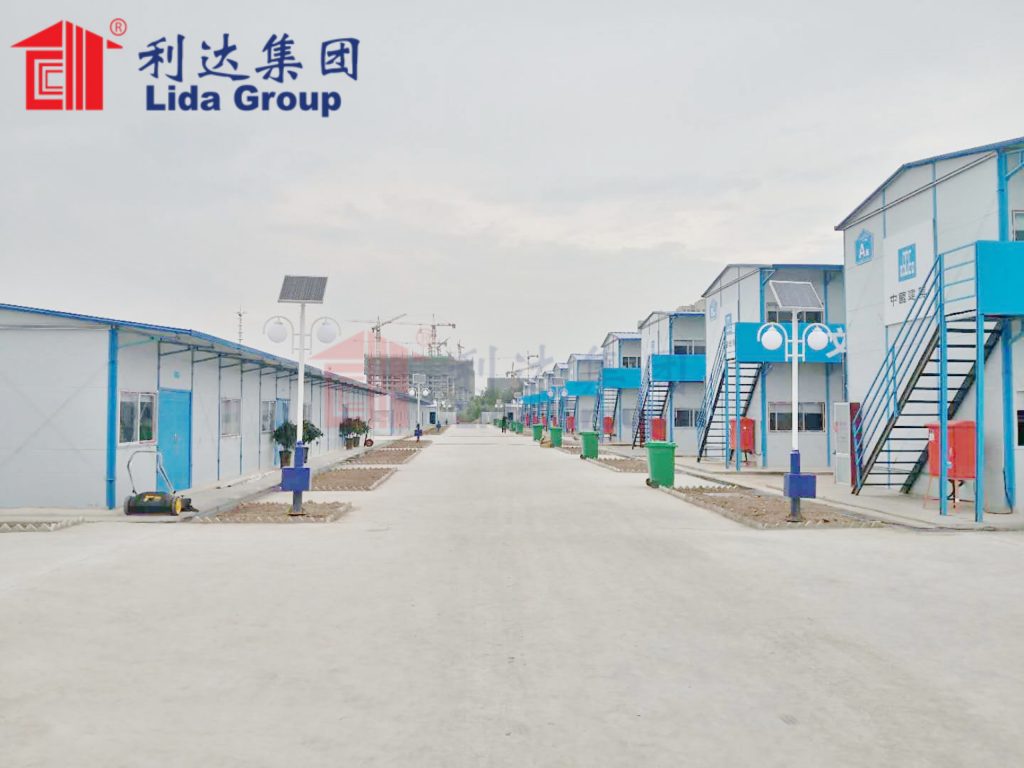
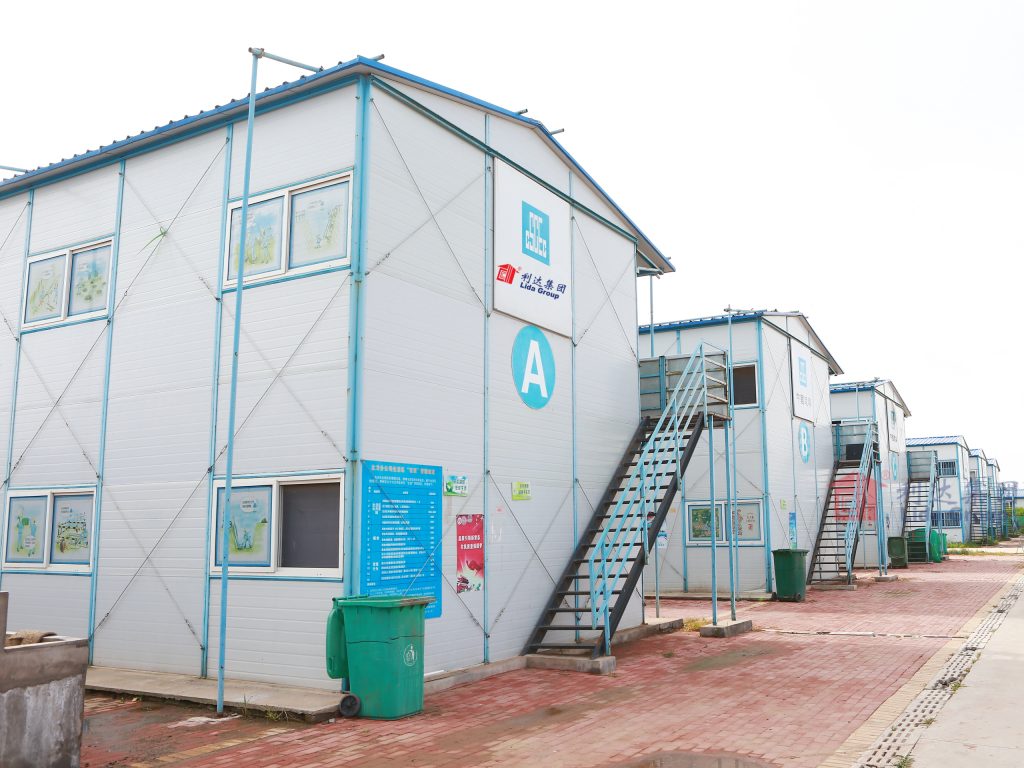
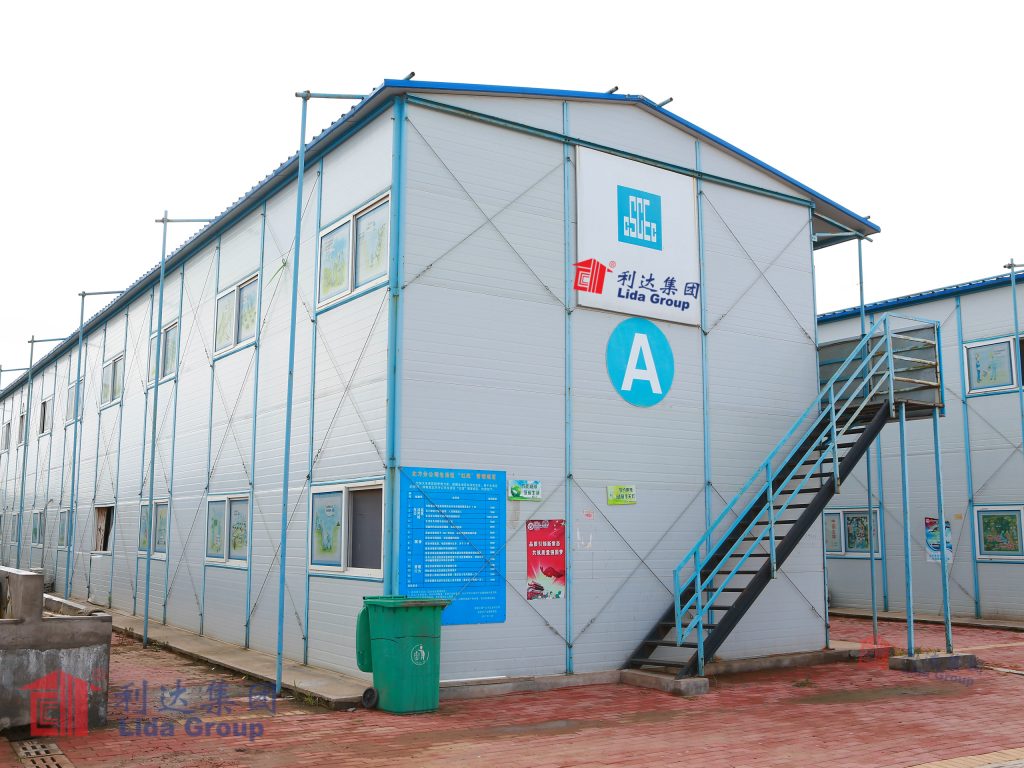
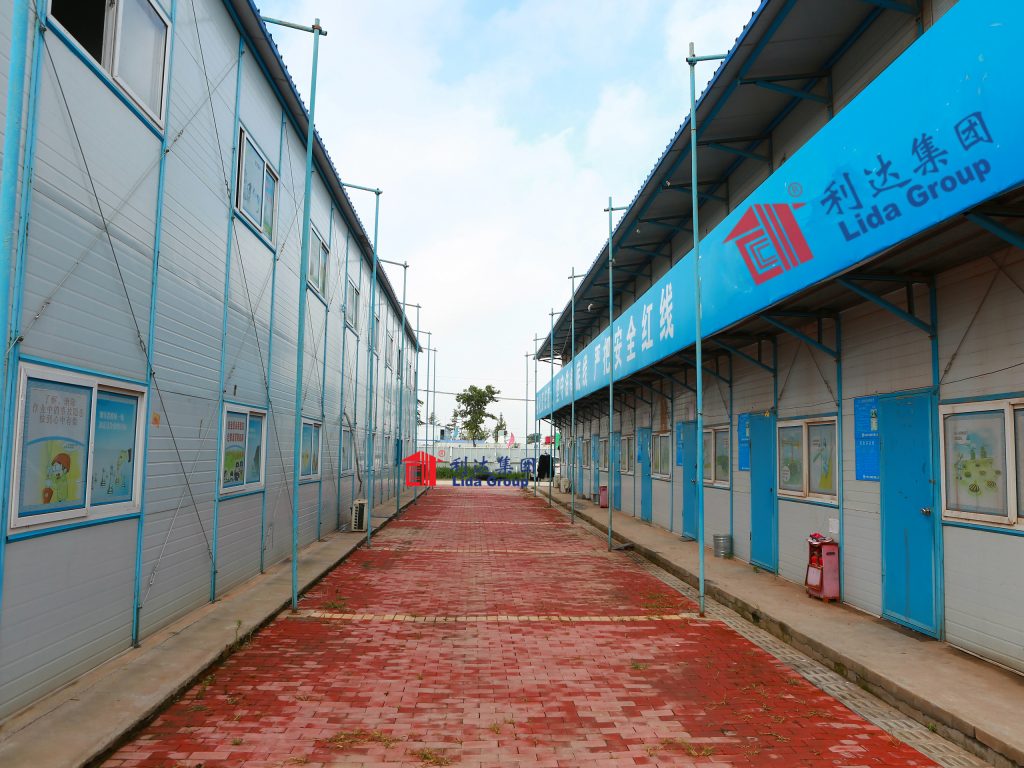
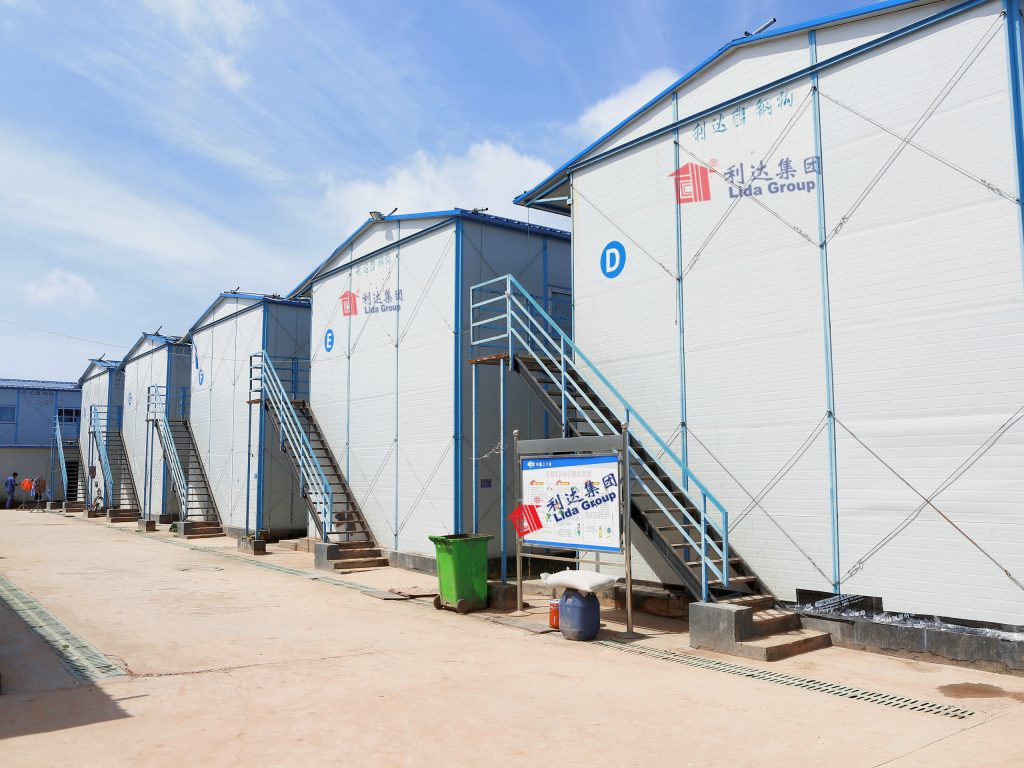
- Industrial Camps: Comprehensive construction camps for major infrastructure projects, such as oil fields in Saudi Arabia and railways in Russia. These camps include dormitories, canteens, recreational rooms, and medical facilities, all built with Lida’s easy-install panels to meet the needs of thousands of workers in remote locations.
4.4 International Peacekeeping and Humanitarian Aid
As a designated supplier for United Nations peacekeeping forces, Lida Group has provided prefab camp facilities for missions in conflict zones and disaster-stricken regions worldwide. These camps are designed to be rapidly deployable, durable, and self-sufficient, with easy-install panels enabling installation in harsh environments with limited construction resources. For example, a peacekeeping camp in Somalia was completed in 2 months, featuring 50 prefab houses for troops, medical stations, and command centers—withstanding extreme temperatures and sandstorms while providing a safe living environment.
5. Industry Trends and Market Competitiveness
5.1 The Global Rise of Prefabricated Construction
The prefabricated construction industry is experiencing unprecedented growth, driven by global trends such as urbanization, labor shortages, environmental regulations, and the need for efficient housing solutions. According to industry reports, the global prefabricated building market is expected to reach $350 billion by 2027, with a compound annual growth rate (CAGR) of 6.5%[superscript:6superscript:5]. In China, the government has identified prefabricated construction as a core component of “new infrastructure” and “green low-carbon transformation,” setting a target of over 30% of new buildings being prefabricated by 2025 (35% in provinces like Chongqing and Hunan). Policy support includes financial subsidies of up to 400 yuan per square meter and tax incentives for prefabricated building projects.
5.2 Lida Group’s Competitive Edge
In this rapidly growing market, Lida Group stands out due to its unique combination of technical expertise, global experience, and customer-centric approach:
- Technical Innovation: The easy-install panel system, with its drill-free locking design, high-strength materials, and modular flexibility, addresses key pain points of traditional prefabricated buildings (e.g., complex installation, poor waterproofing, limited design options)[superscript:8superscript:10].
- Global Experience: With projects in 149 countries, Lida Group has extensive experience adapting its products to diverse climatic, geological, and cultural conditions—from cold regions in Russia to tropical areas in Southeast Asia[superscript:2superscript:7].
- Quality Assurance: International certifications and strict quality control processes ensure that products meet the highest standards of safety, durability, and environmental performance[superscript:2superscript:7superscript:9].
- One-Stop Service: From design and production to installation and after-sales support, Lida Group offers a comprehensive service package that simplifies the construction process for customers, reducing coordination costs and project risks[superscript:7superscript:9].
Compared to competitors such as CIMC Modular Buildings (a leader in steel-concrete modular construction), Lida Group’s focus on light steel prefabrication offers greater flexibility, lower weight (reducing foundation costs), and faster installation—making it more suitable for residential, small-to-medium commercial, and emergency projects[superscript:5superscript:6]. While CIMC excels in high-rise modular buildings (up to 40 floors), Lida’s strength lies in its ability to deliver cost-effective, easy-to-install solutions for a wider range of applications[superscript:5].
6. Customer Feedback and Continuous Improvement
6.1 Positive Customer Experiences
Customer feedback from global projects highlights the key advantages of Lida’s modern prefab house:
- Efficiency: “We needed a temporary office for our construction project in Qatar, and Lida’s prefab house was installed in just 10 days—saving us months of waiting compared to traditional construction,” said a project manager from a European construction company[superscript:7superscript:9].
- Comfort: “Living in Lida’s light steel villa in Hebei, we’ve noticed a significant reduction in our heating bills. The house stays warm in winter without constant heating, and the sound insulation is better than our previous brick house,” commented a residential customer[superscript:11superscript:3].
- Durability: “Our prefab camp in Somalia has withstood sandstorms and extreme temperatures for three years with minimal maintenance. The panels are still in excellent condition, and there’s no sign of water leakage,” reported a UN peacekeeping official[superscript:7superscript:2].
6.2 Areas for Improvement and Future Innovations
Based on customer feedback, Lida Group is continuously refining its products to address specific needs:
- Aesthetic Customization: Some customers have requested more diverse interior decoration options (e.g., custom wall finishes, integrated smart home systems). Lida is expanding its range of modular interior fixtures and partnering with smart home providers to enhance customization[superscript:11superscript:4].
- Extreme Climate Adaptation: In extremely cold or hot regions, customers have suggested additional insulation or cooling solutions. Lida is developing specialized panels with enhanced thermal insulation (U-value ≤0.25 Kcal/㎡hc) and solar-powered ventilation systems to meet these needs[superscript:11superscript:6].
- Digitalization: Integrating BIM (Building Information Modeling) technology into the design and construction process to enable real-time project monitoring, virtual previews, and better coordination between components.
7. Future Outlook: Expanding Horizons in Prefabricated Construction
Looking ahead, Lida Group is well-positioned to capitalize on the growing global demand for prefabricated construction, with strategic plans focused on three key areas:
- Market Expansion: Strengthening presence in high-growth markets such as Southeast Asia, Africa, and Latin America, where urbanization and infrastructure development are driving demand for affordable, efficient housing solutions[superscript:2superscript:7].
- Product Innovation: Investing in R&D to develop more sustainable materials (e.g., recycled steel, bio-based insulation), integrated renewable energy systems (e.g., solar panels, geothermal heating), and smart prefab houses with IoT (Internet of Things) connectivity for energy management, security, and comfort control[superscript:6superscript:11].
- Industry Collaboration: Partnering with governments, NGOs, and construction companies to promote prefabricated construction in affordable housing, disaster relief, and rural revitalization projects—aligning with global sustainable development goals (SDGs) such as zero hunger, clean energy, and sustainable cities[superscript:6superscript:7].
Conclusion
Lida Group’s modern prefab house with easy install panels represents a significant advancement in the prefabricated construction industry, combining technical innovation, environmental sustainability, and practicality to address the evolving needs of global customers. By leveraging high-strength light steel, energy-efficient sandwich panels, and a drill-free locking system, Lida has created a product that offers rapid installation, exceptional durability, and cost savings—outperforming traditional construction methods and competing prefabricated solutions in key areas.
The company’s 30-year legacy of excellence, global presence in 149 countries, and commitment to quality and innovation have established it as a trusted leader in integrated construction. From residential villas and commercial facilities to emergency shelters and peacekeeping camps, Lida’s prefab houses have proven their adaptability and reliability across diverse scenarios, contributing to sustainable urbanization, disaster resilience, and affordable housing worldwide.
As the global construction industry continues to shift toward efficiency, sustainability, and modularity, Lida Group is poised to play a pivotal role in shaping the future of prefabricated construction. With ongoing investments in R&D, market expansion, and customer-centric innovation, the company is well-equipped to meet the growing demand for easy-to-install, environmentally friendly, and cost-effective building solutions—solidifying its position as a driving force in the global transition to modern, sustainable construction.
Related news
-
Durable and Scalable Prefab Mobile Container House Solutions
2025-12-17 16:25:46
-
Achieve Faster ROI with Cost-Effective Prefab Construction
2025-12-17 17:07:19
-
Lida Group Pioneers Modern Free Design Container Apartment Living
2025-12-17 17:28:37
contact us
- Tel: +86-532-88966982
- Whatsapp: +86-13793209022
- E-mail: sales@lidajituan.com
