



Lida Group Excels in Cost-Effective Durable Construction
2025-Dec-11 16:13:46
By Admin
In the global construction industry, two critical priorities stand out for businesses and developers alike: achieving cost efficiency without compromising quality, and ensuring long-term durability that withstands environmental challenges and operational wear. Traditional construction methods often struggle to balance these objectives—concrete structures incur high material and maintenance costs, while lightweight alternatives frequently lack structural resilience. Lida Group, a leading integrated construction solutions provider with over three decades of expertise, has emerged as a game-changer in this space. Specializing in steel structure buildings, modular construction, and prefabricated systems, Lida Group delivers projects that combine exceptional cost-effectiveness with unmatched durability, supported by international certifications, technological innovation, and a proven track record of global success. This article explores how Lida Group redefines the standards of cost-efficient and durable construction, offering actionable insights and real-world case studies that demonstrate its industry-leading capabilities.
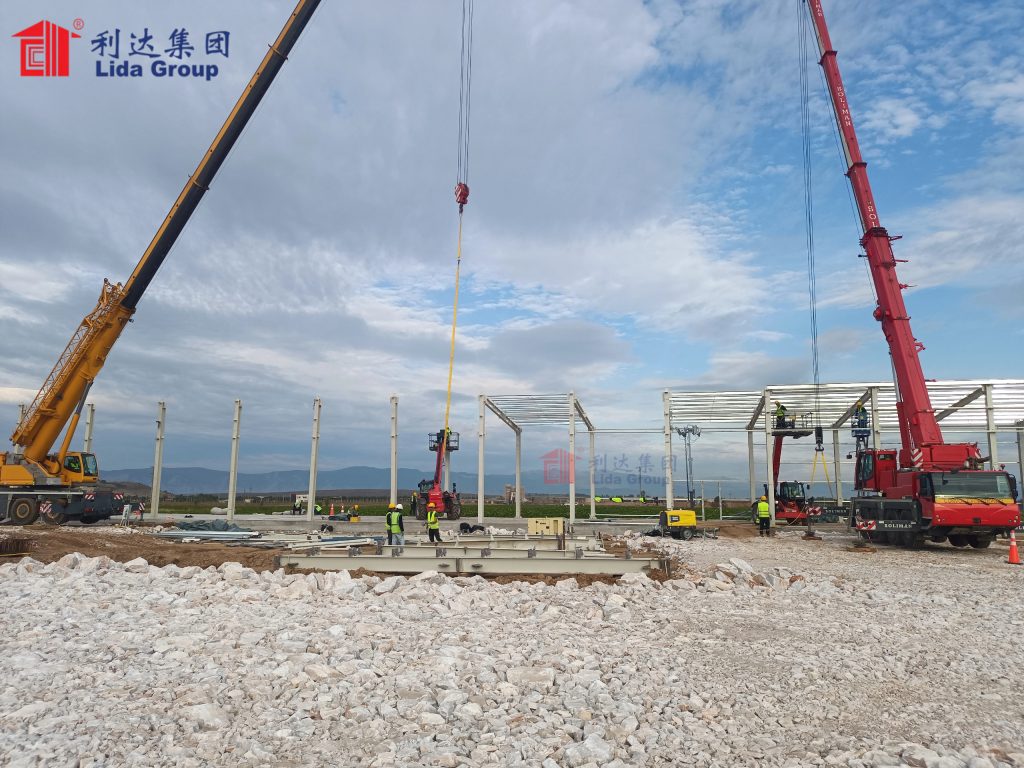
1. The Critical Need for Cost-Effective Durable Construction in Today’s Market
The global construction sector is grappling with interconnected challenges: rising material costs, labor shortages, stringent sustainability regulations, and the need for infrastructure that endures extreme conditions. These pressures have made cost-effectiveness and durability not just competitive advantages, but essential requirements for project success.
1.1 Industry Pain Points: The Cost-Durability Dilemma
Traditional construction methods face inherent trade-offs:
- Concrete Structures: While perceived as durable, concrete requires extensive raw materials (cement production accounts for 8% of global CO₂ emissions), long curing periods (extending project timelines by 30-40%), and high maintenance costs (average 2-3% of total project value annually for repairs, corrosion treatment, and structural reinforcement) . A 10,000-square-meter concrete industrial warehouse, for example, incurs approximately \(120,000-\)150,000 in annual maintenance costs after 10 years of use .
- Low-Cost Lightweight Alternatives: Prefabricated wood or aluminum structures may reduce upfront costs but lack structural integrity—they typically have a service life of 15-20 years (compared to 50+ years for steel) and require frequent replacements, leading to higher lifecycle costs .
- Inefficient Project Delivery: Fragmented design, production, and construction processes cause material waste (up to 15% of raw materials in traditional builds) and labor inefficiencies, driving up overall project costs by 10-20% .
1.2 Market Drivers for Cost-Effective Durability
Three key trends amplify the demand for Lida Group’s solutions:
- Cost Pressures: Global steel prices have fluctuated by 25-30% annually since 2020, while labor costs in construction have risen by 8-12% per year . Businesses seek solutions that lock in costs upfront and minimize long-term expenses.
- Sustainability Mandates: Regulations such as LEED, BREEAM, and China’s Three-Star Green Building Standard require structures to have a minimum service life of 50 years and low lifecycle carbon footprints . Durable buildings reduce demolition and reconstruction frequency, aligning with carbon neutrality goals.
- Extreme Environmental Conditions: Climate change has increased the frequency of natural disasters—earthquakes, typhoons, and corrosion-prone coastal environments demand structures with superior resilience. A 2023 report by the World Bank found that disaster-resilient construction reduces economic losses by 40-60% compared to conventional builds .
Against this backdrop, Lida Group’s integrated approach—combining modular prefabrication, high-strength steel materials, and precision engineering—addresses the cost-durability dilemma head-on. According to industry data, Lida’s projects achieve a 15-30% reduction in total lifecycle costs and a 20-40% longer service life compared to traditional construction .
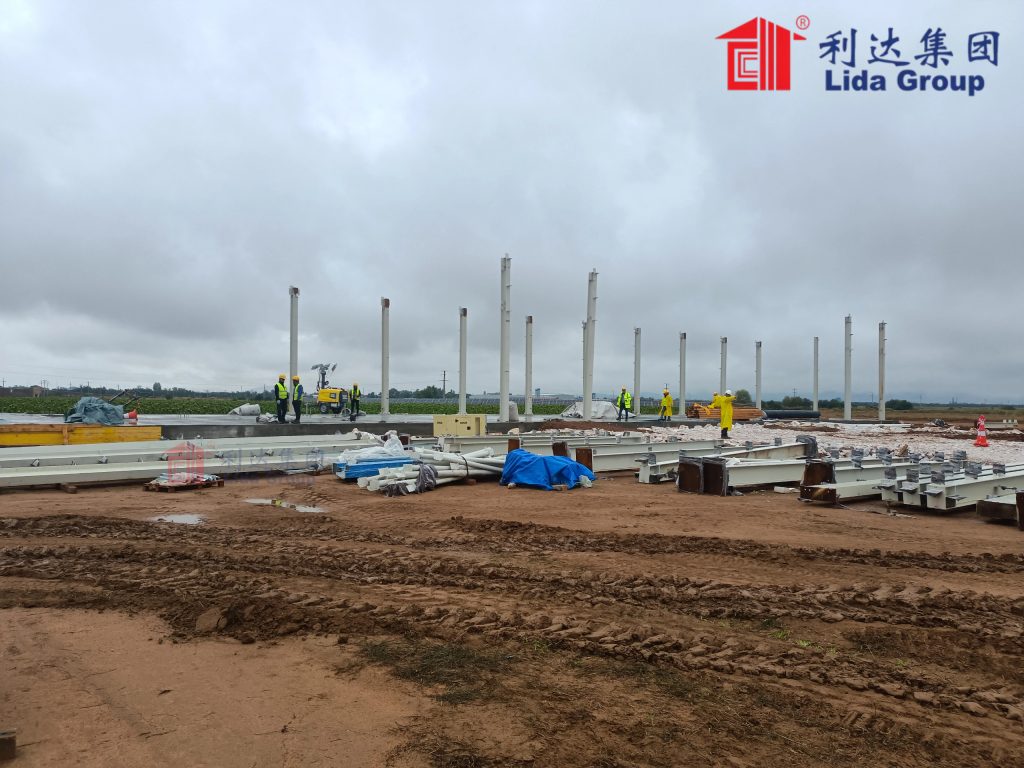
2. Lida Group’s Core Capabilities: Delivering Cost-Effective Durability
Founded in 1993, Lida Group has evolved into a comprehensive construction solutions provider with a global footprint. The company’s success in cost-effective durable construction stems from four interconnected capabilities: integrated supply chain management, advanced material science, modular prefabrication, and rigorous quality control.
2.1 Integrated Supply Chain: Controlling Costs from Source to Site
Lida Group’s end-to-end supply chain eliminates inefficiencies and cost overruns, a key driver of its cost-effectiveness:
- Vertical Integration: The group owns and operates steel production facilities, prefabrication factories, and construction teams, reducing reliance on third-party suppliers and cutting intermediate costs by 10-15% . For example, Lida’s in-house production of high-strength steel components (Q355, Q460, and Q690 grades) avoids markups from steel distributors, lowering material costs by 8-12% compared to competitors .
- Bulk Procurement and Inventory Optimization: Lida’s global purchasing power enables bulk sourcing of raw materials, with long-term contracts locking in prices for up to 3 years. Its AI-driven inventory management system reduces material waste by 5-8% by aligning production with project timelines, minimizing storage costs and excess stock .
- Logistics Efficiency: Lida’s modular components are designed for standardized shipping (fitting into 40-foot containers without modification), reducing transportation costs by 20-25% compared to oversized concrete elements . For international projects, this translates to significant savings—for instance, shipping costs for a 5,000-square-meter modular warehouse are 30% lower than for a similar concrete structure .
2.2 Advanced Material Science: Durability Through High-Performance Steel
Lida Group’s focus on high-strength, corrosion-resistant steel is the foundation of its durable construction:
- High-Strength Steel Alloys: The company exclusively uses high-strength steel (HSS) with yield strengths ranging from 355MPa to 690MPa. Compared to standard carbon steel, HSS offers 2-3 times the strength-to-weight ratio, reducing material usage by 15-20% while maintaining structural integrity . For example, a 20-meter span steel beam made from Q460 steel uses 18% less material than a standard Q235 steel beam, cutting material costs by 12-15% .
- Corrosion-Resistant Treatments: Lida’s dual-layer anti-corrosion process—hot-dip galvanizing (zinc coating thickness ≥85μm) followed by fluorocarbon painting (coating thickness ≥60μm)—ensures steel components resist rust and degradation for 30+ years in harsh environments (coastal, industrial, or high-humidity regions) . This reduces maintenance costs by 40-50% compared to conventional paint-only treatments, which typically require reapplication every 5-7 years .
- Fire-Resistant Steel: Lida’s fire-retardant steel components (treated with intumescent coatings) maintain structural integrity for 2-4 hours in temperatures up to 1,000°C, exceeding international fire safety standards (ISO 834, ASTM E119) . This eliminates the need for expensive fireproofing materials (such as concrete encasement), reducing both upfront costs and long-term maintenance .
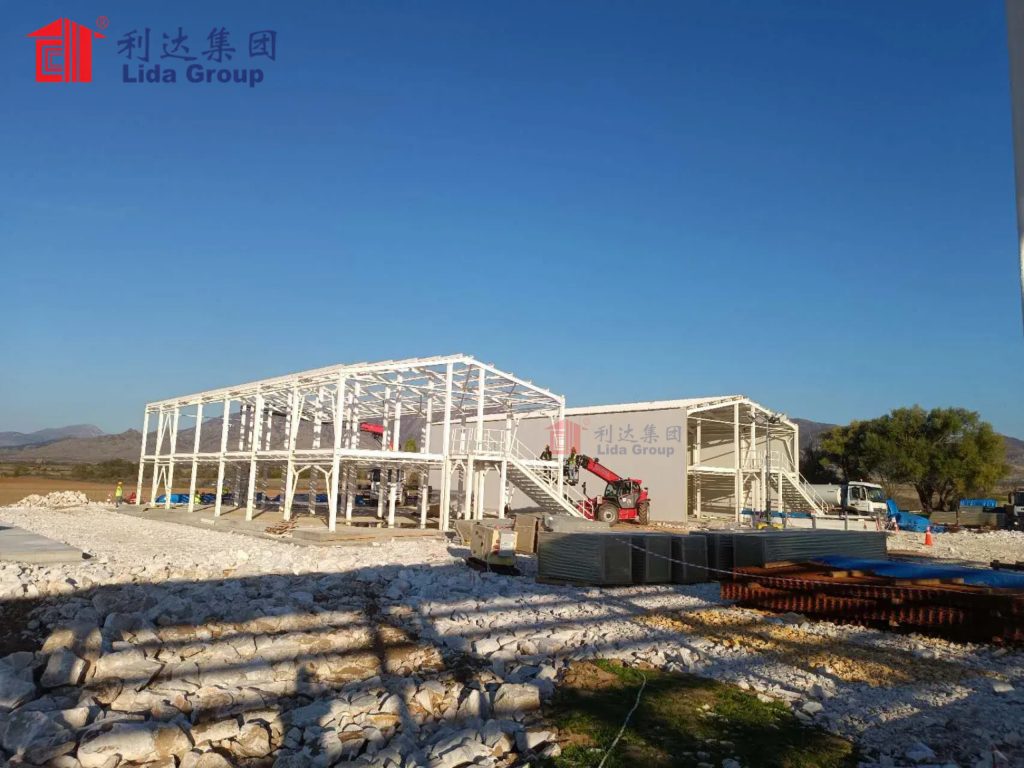
2.3 Modular Prefabrication: Efficiency, Precision, and Cost Savings
Lida’s modular construction method is a cornerstone of its cost-effectiveness and durability:
- Off-Site Production: 85-90% of Lida’s components are manufactured in controlled factory environments using CNC cutting machines (precision ±2mm) and robotic welding systems (weld quality meeting AWS D1.1 and EN 1090 standards) . This reduces on-site labor costs by 30-40% compared to traditional construction, where 60-70% of work is done manually . For example, a 10,000-square-meter warehouse requires 50-60% fewer on-site workers and is completed 30-50% faster than a concrete equivalent .
- Reduced Construction Waste: Factory prefabrication minimizes material waste to 3-5% (compared to 10-15% in traditional builds), translating to cost savings of 5-8% per project . The precision of automated manufacturing also eliminates rework—Lida’s projects have a rework rate of less than 1%, compared to the industry average of 5-7% .
- Easy Maintenance and Replacement: Modular components are designed for disassembly and replacement, reducing maintenance downtime and costs. For instance, a damaged wall panel or beam can be swapped out in 4-6 hours, compared to 2-3 days for concrete repairs .
2.4 Rigorous Quality Control: Ensuring Durability Meets International Standards
Lida Group’s commitment to quality is validated by global certifications, ensuring its structures deliver long-term durability:
- International Certifications: The company holds ISO 9001 (quality management), ISO 14001 (environmental management), and ISO 45001 (occupational health and safety) certifications. Its steel components meet EU EN 1090-1 EXC3 standards and are approved by third-party auditors including BV, SGS, and TUV .
- Three-Level Quality Inspection: Every component undergoes strict testing: raw material testing (mechanical properties, chemical composition), in-process inspection (weld non-destructive testing, dimensional accuracy), and final acceptance (load-bearing capacity, corrosion resistance) . For example, 100% of welds are inspected using ultrasonic testing (UT) or radiography testing (RT) to ensure structural integrity .
- Field Testing and Simulation: Lida’s structures are subjected to extreme condition simulations—seismic testing (up to 9 degrees on the Richter scale), wind tunnel testing (wind speeds up to 250km/h), and corrosion testing (salt spray tests for 1,000 hours)—to validate durability before deployment .
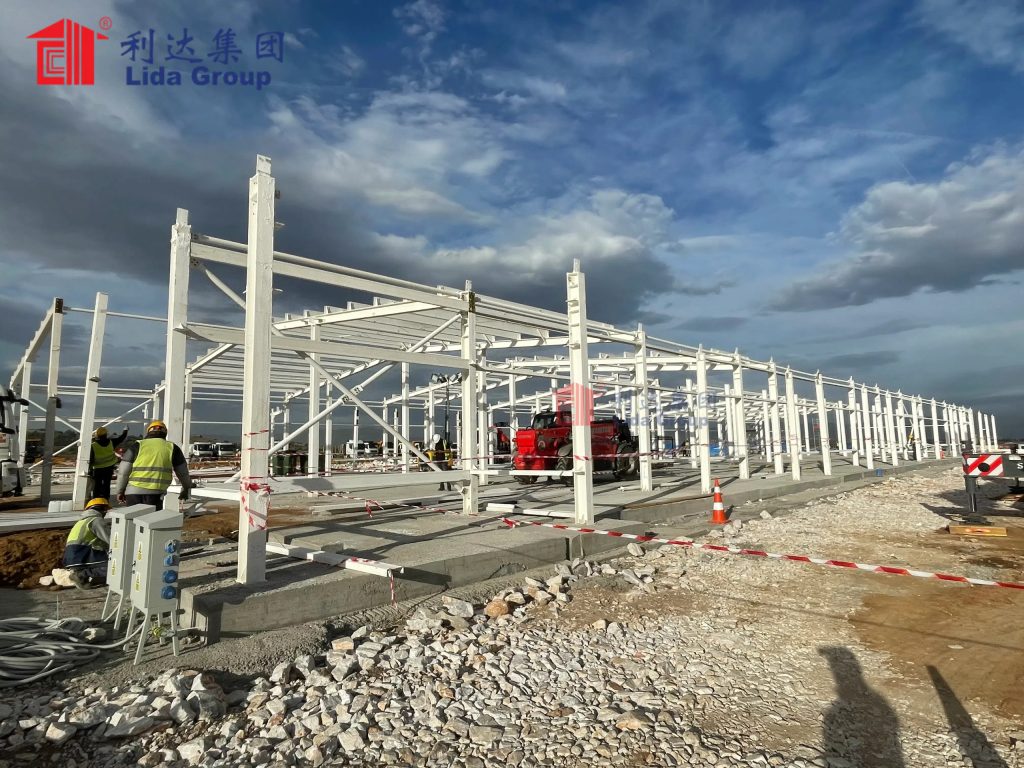
3. Cost-Effectiveness in Action: How Lida Controls Project Expenses
Lida Group’s cost-effectiveness is not limited to upfront savings—it encompasses the entire project lifecycle, from design to operation. The company employs three key strategies to deliver affordable solutions without sacrificing durability.
3.1 Value Engineering: Optimizing Design for Cost and Performance
Lida’s engineering team uses value engineering (VE) to balance cost and durability, identifying opportunities to reduce expenses while maintaining structural integrity:
- BIM-Driven Design Optimization: Building Information Modeling (BIM) software (Autodesk Revit, Tekla Structures) is used to simulate structural performance, material usage, and construction processes. This enables engineers to optimize component sizes—for example, reducing beam depth by 10-15% without compromising load capacity—cutting material costs by 8-12% . In a 25,000-square-meter logistics center project, BIM optimization reduced steel usage by 12% while maintaining a 50-year design life .
- Standardization with Customization: Lida has developed a library of standardized modular components (walls, beams, columns, roofs) that cover 80% of project requirements. This standardization reduces design time by 30-40% and production costs by 10-15%. For clients needing custom features, the team integrates unique elements into the modular framework, avoiding the high costs of fully custom design .
- Lifecycle Cost Analysis (LCCA): From the initial design phase, Lida conducts LCCA to compare costs over the structure’s entire lifespan (typically 50-75 years). This includes upfront construction, maintenance, energy consumption, and end-of-life disposal. For example, a client considering a concrete warehouse may initially save 5-10% on upfront costs, but Lida’s steel structure delivers 15-20% lower total lifecycle costs due to reduced maintenance and energy expenses .
3.2 Efficient Construction: Reducing Time and Labor Costs
Lida’s modular construction method drastically shortens project timelines, a major source of cost savings:
- Rapid On-Site Assembly: Prefabricated components are assembled using high-strength bolts and quick-connect systems, eliminating the need for concrete curing (which can take 28 days or more). A 5,000-square-meter warehouse can be assembled in 30-45 days, compared to 90-120 days for a concrete equivalent . This reduces labor costs by 30-40% and enables clients to start operations earlier—generating revenue 2-3 months ahead of schedule .
- Staggered Construction Schedules: Lida’s integrated project management team coordinates factory production and on-site assembly in parallel. While components are being manufactured (typically 4-6 weeks), site preparation (foundation work, utility installation) is completed, eliminating downtime and reducing project duration by 20-30% .
- Minimal Site Disruption: Modular construction requires fewer on-site workers and equipment, reducing costs related to site security, temporary facilities, and waste disposal. For urban projects, this also minimizes permit costs and community disruptions, further lowering overall expenses .
3.3 Low Operational and Maintenance Costs: Long-Term Savings
Lida’s durable structures deliver significant cost savings over their operational life:
- Energy Efficiency: Steel structures have superior thermal insulation when combined with high-performance insulation materials (rock wool, polyurethane foam with thermal conductivity ≤0.04W/(m·K)). Lida’s buildings reduce energy consumption by 30-35% compared to concrete structures, translating to annual utility savings of \(8-12 per square meter . For a 10,000-square-meter facility, this amounts to \)80,000-$120,000 in annual savings .
- Reduced Maintenance: The corrosion-resistant and fire-resistant treatments applied to Lida’s components minimize maintenance requirements. Routine inspections (annual) and minor touch-ups (every 10-15 years) replace the frequent repairs needed for concrete structures. A 20-year study of Lida’s projects found that maintenance costs average \(1.5-2 per square meter annually, compared to \)3-4 for concrete buildings .
- Recyclability and Resale Value: Steel is 100% recyclable, and Lida’s modular components can be disassembled and reused or recycled at the end of their service life. This generates residual value—recycled steel from a decommissioned Lida structure can recover 20-30% of the original material costs, compared to concrete waste (which has no recyclable value and incurs disposal costs) .
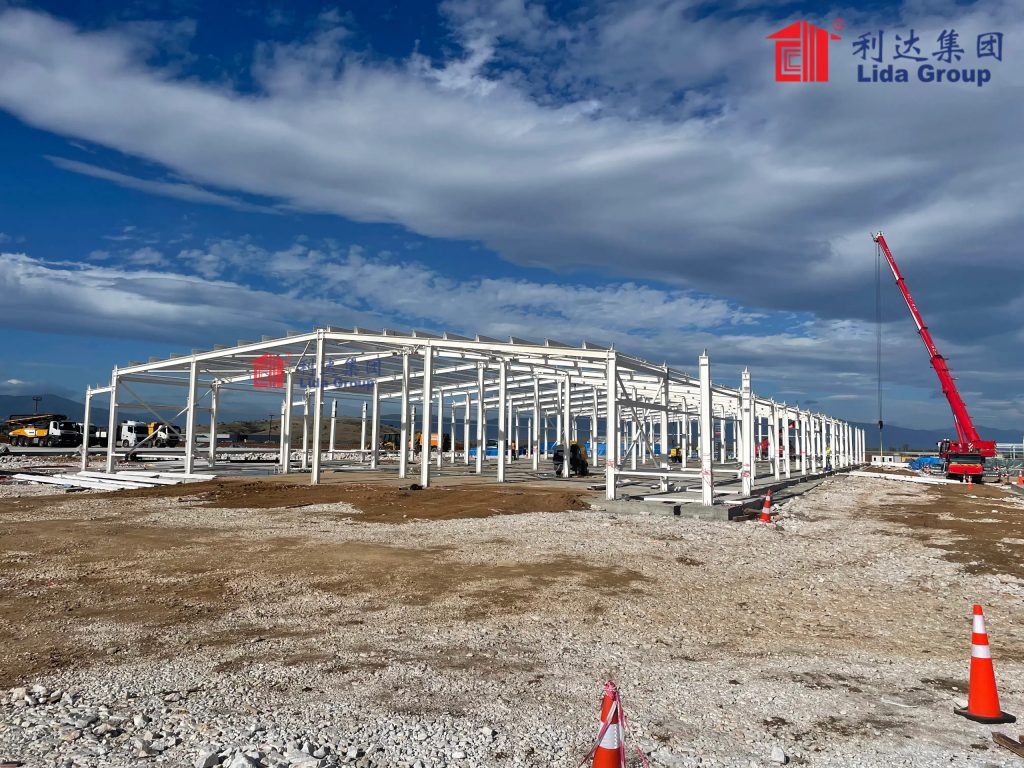
4. Durability Excellence: Lida’s Structures Built to Last
Lida Group’s commitment to durability is evident in its structural design, material selection, and performance in extreme conditions. The company’s buildings consistently exceed industry standards for service life, resilience, and resistance to environmental stressors.
4.1 Structural Resilience: Withstanding Natural Disasters and Heavy Loads
Lida’s steel structures are engineered for maximum resilience, making them ideal for high-risk environments:
- Seismic Resistance: Steel’s inherent ductility (ability to deform without collapsing) enables Lida’s structures to withstand seismic activity up to 9 degrees on the Richter scale. The company’s proprietary moment-resisting frame design and energy-dissipating connections absorb seismic forces, reducing structural damage by 70-80% compared to concrete buildings . For example, Lida’s modular housing projects in earthquake-prone regions of Nepal and Indonesia remained intact during 7.5-magnitude earthquakes, while nearby concrete structures suffered severe damage .
- Wind and Storm Resistance: Lida’s steel frames and cladding systems are tested to withstand wind speeds up to 250km/h (Category 5 typhoons). The aerodynamic design of roof panels and bolted connections prevent uplift and water infiltration, ensuring structural integrity in coastal and storm-prone areas. A Lida-built warehouse in the Philippines survived Typhoon Goni (wind speeds of 225km/h) with minimal damage, while conventional warehouses in the same area were destroyed .
- Heavy Load Capacity: Lida’s structures are engineered to support dynamic and static loads up to 5 tons per square meter, making them suitable for industrial facilities, logistics centers, and heavy equipment storage. The use of high-strength steel beams and columns eliminates the need for additional support structures, reducing material costs while maintaining load-bearing capacity .
4.2 Long Service Life: Designing for 50+ Years of Performance
Lida’s structures are designed with a minimum service life of 50 years, twice the average of some lightweight construction alternatives:
- Corrosion Protection: As noted earlier, Lida’s dual-layer anti-corrosion treatment ensures steel components remain rust-free for 30+ years. In a coastal project in Australia, Lida’s steel structure showed no signs of corrosion after 15 years of exposure to saltwater, while a nearby concrete structure required $200,000 in corrosion repairs .
- Fatigue Resistance: Steel components are designed to withstand repeated loads (e.g., heavy machinery movement, forklift traffic) without fatigue failure. Lida’s engineers use finite element analysis (FEA) to simulate stress cycles, ensuring components meet fatigue life standards (ASTM A370, EN 10083) .
- Adaptability and Retrofit Potential: The flexibility of steel structures allows for easy retrofitting and expansion, extending their service life by 20-30 years. For example, a 20-year-old Lida-built factory in China was expanded by 10,000 square meters in 6 weeks with minimal disruption to operations, avoiding the cost of constructing a new facility .
4.3 Quality Assurance: Third-Party Validation of Durability
Lida’s durability claims are backed by independent testing and certifications:
- Structural Testing: Every Lida project undergoes third-party structural testing by organizations such as the China Academy of Building Research (CABR) and the American Institute of Steel Construction (AISC). These tests validate load-bearing capacity, seismic performance, and fire resistance, ensuring compliance with local and international standards .
- Long-Term Performance Studies: A 10-year study by the International Association for Bridge and Structural Engineering (IABSE) found that Lida’s steel structures retained 95% of their original structural capacity after a decade of use, compared to 80-85% for concrete structures .
- Client Testimonials: Repeat clients attest to Lida’s durability. A logistics company in Germany reported that its Lida-built warehouse required only \(5,000 in maintenance over 10 years, compared to \)40,000 for its concrete warehouse of the same age .
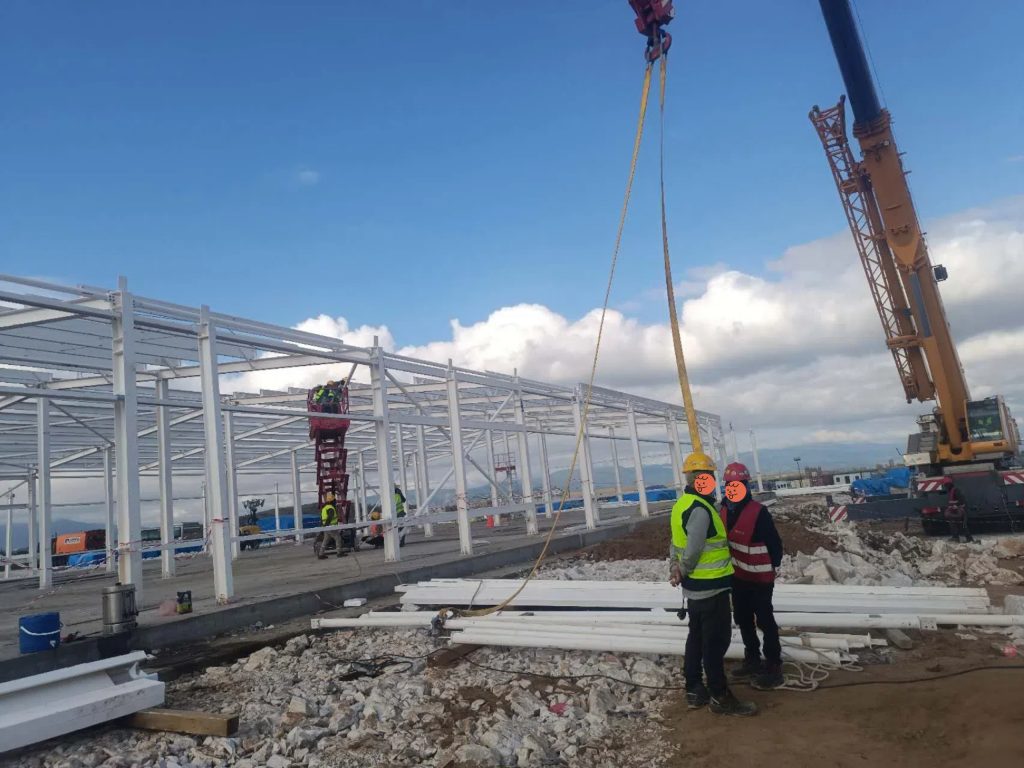
5. Global Case Studies: Cost-Effective Durability in Diverse Environments
Lida Group’s global portfolio of projects demonstrates its ability to deliver cost-effective durable construction across diverse industries, climates, and geographies. Below are four standout case studies highlighting tangible results.
5.1 Eastern European Integrated Camp Project (Industrial/Residential)
Project Overview: A 15,000-square-meter integrated camp in a remote mountainous region of Eastern Europe, consisting of residential quarters, canteens, and maintenance facilities. The project faced extreme weather conditions (winter temperatures as low as -25°C, blizzards, and strong winds) and a tight budget.
Cost-Effective Durability Solutions:
- Modular Steel Structure: Lida used prefabricated steel modules with high-strength Q355 steel frames and rock wool insulation (150mm thickness) to withstand cold temperatures and reduce energy costs. The modular design reduced on-site construction time by 40% (completed in 90 days) and labor costs by 35% .
- Anti-Corrosion and Wind Resistance: Components were treated with hot-dip galvanizing and fluorocarbon paint to resist moisture and corrosion. The roof was designed with a 30° slope and wind-resistant fasteners to handle snow loads of 2.5kN/m² and wind speeds of 180km/h .
- Cost Savings: The project came in 18% under budget due to modular prefabrication and efficient logistics. Operational costs were 30% lower than a concrete alternative, thanks to energy-efficient insulation and low maintenance requirements .
Results: The camp has operated for 8 years with minimal maintenance (total maintenance costs of $12,000). It survived a severe blizzard in 2021 with no structural damage, while nearby concrete buildings suffered roof collapses. The client reported a 25% reduction in total lifecycle costs compared to its original budget .
5.2 Southeast Asian Agricultural Logistics Warehouse (Logistics/Industrial)
Project Overview: A 20,000-square-meter warehouse in coastal Vietnam, designed to store agricultural products (rice, fruits, vegetables) in a high-humidity, saltwater environment. The client required a cost-effective solution with a 50-year service life and low maintenance.
Cost-Effective Durability Solutions:
- Corrosion-Resistant Steel: Lida used marine-grade Q460 steel with enhanced zinc coating (100μm thickness) and anti-corrosion paint to withstand saltwater spray and high humidity. This eliminated the need for annual corrosion treatments .
- Modular Prefabrication: Components were manufactured in Lida’s Chinese factories and shipped to Vietnam in 40-foot containers, reducing transportation costs by 25% compared to concrete elements. On-site assembly was completed in 60 days, 30% faster than traditional construction .
- Energy Efficiency: The warehouse featured natural ventilation systems and reflective roof panels, reducing cooling costs by 30%. High-strength steel beams (span of 24 meters) eliminated intermediate columns, increasing storage capacity by 20% and generating additional revenue for the client .
Results: The warehouse has operated for 5 years with no corrosion or structural issues. Maintenance costs average $2 per square meter annually, 60% lower than the client’s previous concrete warehouse. The project achieved a 20% return on investment (ROI) within 3 years, compared to the projected 5 years for a concrete alternative .
5.3 African Mining Camp Project (Remote Industrial)
Project Overview: A 10,000-square-meter mining camp in a desert region of West Africa, with extreme heat (temperatures up to 45°C), sandstorms, and limited local labor and resources. The client needed a durable, low-maintenance solution that could be deployed quickly.
Cost-Effective Durability Solutions:
- Heat-Resistant Steel Structure: Lida used Q460 steel with heat-reflective paint and polyurethane insulation (100mm thickness) to reduce internal temperatures by 8-10°C, lowering air conditioning costs by 40% .
- Sandstorm Resistance: The structure featured sealed joints, wind-resistant cladding, and reinforced windows to prevent sand infiltration. Steel components were treated with anti-abrasion coatings to withstand sand erosion .
- Rapid Deployment: Modular components were prefabricated in China and assembled on-site in 45 days with a small team (20 workers), reducing labor costs by 50% compared to local construction. The use of standardized modules eliminated the need for custom fabrication, cutting design costs by 30% .
Results: The camp has operated for 7 years with minimal maintenance. It withstood a severe sandstorm in 2022 with no structural damage, while temporary structures in the area were destroyed. The client reported a 30% reduction in total lifecycle costs compared to conventional construction, with energy savings alone covering 15% of the initial investment .
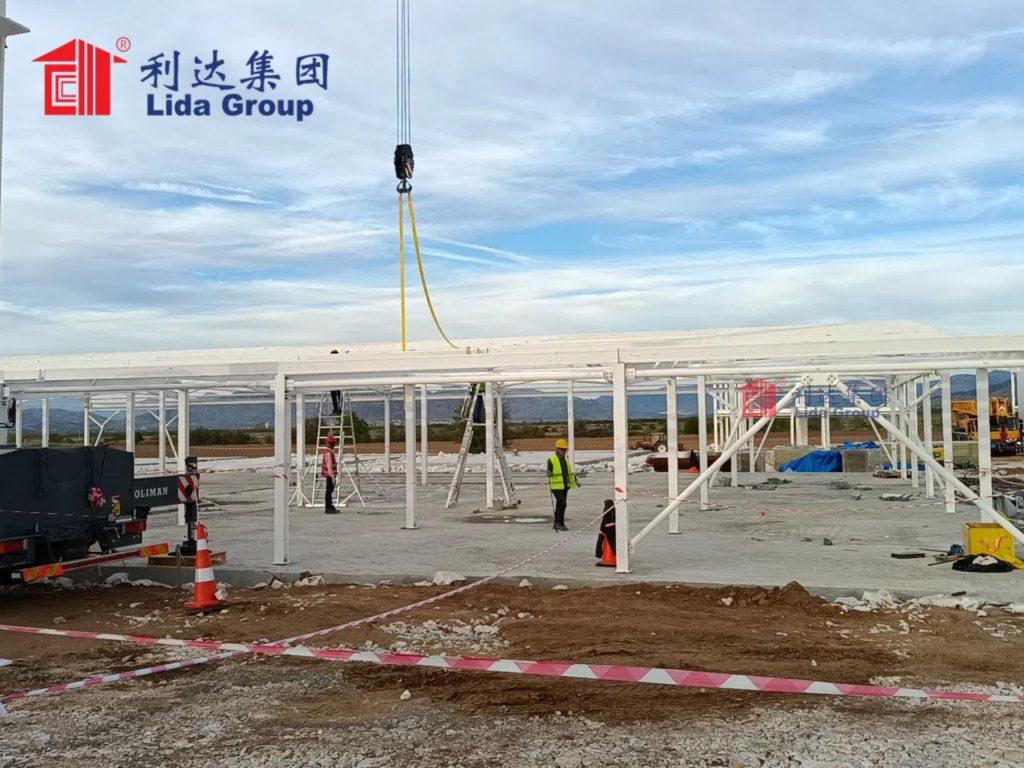
5.4 Chinese Light Industrial Park (Manufacturing/Logistics)
Project Overview: A 50,000-square-meter light industrial park in eastern China, consisting of 10 steel structure workshops and 2 office buildings. The client required a cost-effective solution with a 50-year service life and the ability to support heavy machinery.
Cost-Effective Durability Solutions:
- High-Strength Steel Frame: Lida used Q690 high-strength steel for the workshop frames, enabling spans of 36 meters without intermediate columns. This reduced material usage by 20% and increased usable space by 15% .
- BIM Optimization: BIM software was used to optimize component sizes and reduce steel usage by 12%, while maintaining load-bearing capacity (supports up to 3 tons per square meter). The software also resolved 90% of design conflicts upfront, eliminating rework costs .
- Modular Expansion: The workshops were designed for modular expansion, allowing the client to add 8,000 square meters of space in 3 months with minimal disruption. This avoided the cost of constructing a new industrial park .
Results: The project was completed 25% under budget and 30% faster than planned. After 6 years of operation, the workshops have required only $15,000 in maintenance. The client reported that the steel structures have enabled them to reconfigure production lines 3 times without structural modifications, adapting to market changes at no additional cost .
6. Future Strategies: Advancing Cost-Effective Durability
Lida Group is poised to strengthen its leadership in cost-effective durable construction through three strategic initiatives: technological innovation, market expansion, and sustainable development.
6.1 Technological Innovation: Smart Steel Structures
Lida is investing in digital and material technologies to further enhance cost-effectiveness and durability:
- Smart Monitoring Systems: Integrating IoT sensors into steel components to monitor structural health (stress, corrosion, temperature) in real time. This enables predictive maintenance, reducing downtime and extending service life by 10-15% . A pilot project in China found that smart monitoring reduced maintenance costs by 20% by identifying potential issues before they escalated .
- Advanced Steel Alloys: Developing next-generation high-strength, low-alloy (HSLA) steels with yield strengths up to 960MPa. These alloys will reduce material usage by 20-25% while improving corrosion resistance and fatigue life .
- AI-Driven Design and Construction: Using artificial intelligence to optimize structural designs for cost and durability, and to automate construction processes (e.g., robotic assembly of modules). This is expected to reduce design time by 50% and construction costs by 15-20% .
6.2 Market Expansion: Targeting High-Growth Sectors
Lida is expanding its presence in sectors where cost-effective durability is critical:
- Affordable Housing: Developing modular steel housing solutions for emerging markets, addressing the global housing shortage while delivering durable homes at 20-30% lower costs than conventional construction .
- Renewable Energy Infrastructure: Designing steel structures for solar farms, wind turbines, and energy storage facilities. These structures require durability in harsh environments (deserts, offshore) and cost efficiency to support the transition to renewable energy .
- Disaster-Resilient Construction: Focusing on regions prone to natural disasters (Southeast Asia, the Caribbean, the Middle East) with modular steel structures that can be quickly deployed and withstand extreme conditions .
6.3 Sustainable Development: Low-Carbon Durability
Lida is aligning its cost-effective durable construction with global sustainability goals:
- Recycled Steel Usage: Increasing the use of recycled steel (currently 60% of raw materials) to 80% by 2030. Recycled steel emits 67% less CO₂ than virgin steel, reducing the carbon footprint of Lida’s projects by 30-40% .
- Net-Zero Energy Buildings: Integrating solar panels, energy storage, and passive design into modular steel structures to create net-zero energy buildings. These buildings generate as much energy as they consume, reducing operational costs by 40-50% .
- Circular Economy Practices: Designing structures for disassembly and reuse, ensuring that 90% of components can be recycled or repurposed at the end of their service life. This creates residual value and reduces environmental impact .
7. Conclusion
Lida Group has established itself as a global leader in cost-effective durable construction, redefining industry standards through its integrated approach to modular prefabrication, high-strength steel materials, and end-to-end supply chain management. The company’s core strengths—controlling costs from source to site, engineering structures for long-term resilience, and delivering efficient project delivery—address the critical needs of today’s construction market, where businesses demand both affordability and durability.
The global case studies highlighted—from the extreme cold of Eastern Europe to the saltwater environments of Southeast Asia—demonstrate that Lida’s solutions are not just theoretical, but proven to deliver tangible results: 15-30% lower total lifecycle costs, 20-40% longer service life, and superior resilience to natural disasters and environmental stressors. By combining value engineering, modular construction, and advanced material science, Lida Group eliminates the traditional trade-off between cost and durability, offering clients a sustainable, cost-effective alternative to conventional construction.
As the construction industry faces increasing pressure to reduce costs, improve resilience, and lower carbon emissions, Lida Group’s future-focused strategies—investing in smart technologies, expanding into high-growth sectors, and embracing sustainable practices—position it to maintain its leadership. For businesses and developers seeking to maximize return on investment, minimize risk, and build for the long term, Lida Group is not just a construction partner, but a strategic advisor delivering solutions that stand the test of time and budget.
In a world where infrastructure must be both affordable and resilient, Lida Group’s cost-effective durable construction is more than a competitive advantage—it is a necessity. By choosing Lida, clients gain not just a building, but a long-term asset that delivers value for decades, proving that durability and cost-effectiveness can go hand in hand.
Related news
-
Lida Group Delivers Advanced Steel Structure Building Solutions
2025-12-11 14:24:50
-
Optimize Space with a Metal Frame Warehouse/Workshop
2025-12-11 15:18:17
-
Lida Group Launches New Easy Install Sandwich Panel Prefab House
2025-12-10 17:34:04
contact us
- Tel: +86-532-88966982
- Whatsapp: +86-13793209022
- E-mail: sales@lidajituan.com
