



In an era marked by surging student enrollment, aging campus infrastructure, and the urgent need for flexible, resilient educational solutions, universities and boarding schools worldwide are facing a critical challenge: how to provide safe, comfortable, and dignified housing for their students without the prohibitive costs, lengthy timelines, and environmental impact of traditional construction. The answer, increasingly, is being found not in brick and mortar, but in steel and innovation. Lida Group, a global pioneer in modular and container-based architecture, has emerged as a transformative force in this space with its purpose-engineered, durable mobile dormitories specifically designed for the unique demands of the academic environment. This article explores how Lida Group has reimagined student housing by combining industrial-grade durability with thoughtful, student-centric design to create a solution that is not just temporary, but truly transformative for modern educational institutions.
The Looming Crisis in Campus Housing
The pressure on campus housing is multifaceted and intensifying. In many regions, a demographic wave of high school graduates is colliding with a decades-long underinvestment in university infrastructure. At the same time, the expectations of today’s students have evolved dramatically. They no longer view their residence hall as merely a place to sleep; it is an integral part of their academic and social experience—a “living-learning” environment that should support their well-being, foster community, and provide a quiet, secure space for study.
Traditional construction methods are ill-equipped to respond to this dynamic challenge. Building a new dormitory from the ground up can take two to three years or more, a timeline that is simply too slow to address immediate capacity shortfalls. The process is also incredibly capital-intensive, often requiring hundreds of millions of dollars and complex financing structures that many institutions, particularly public universities and smaller private colleges, cannot easily manage. Furthermore, the construction process itself is disruptive to campus life, generating noise, dust, and traffic for an extended period.
This gap between need and capability has created a perfect storm, leading many institutions to turn to stop-gap measures like converting hotels into dorms or over-crowding existing facilities—solutions that compromise on quality, safety, and the overall student experience. It was this pressing need for a better alternative that inspired Lida Group to apply its expertise in durable, modular construction to the specific context of student life.
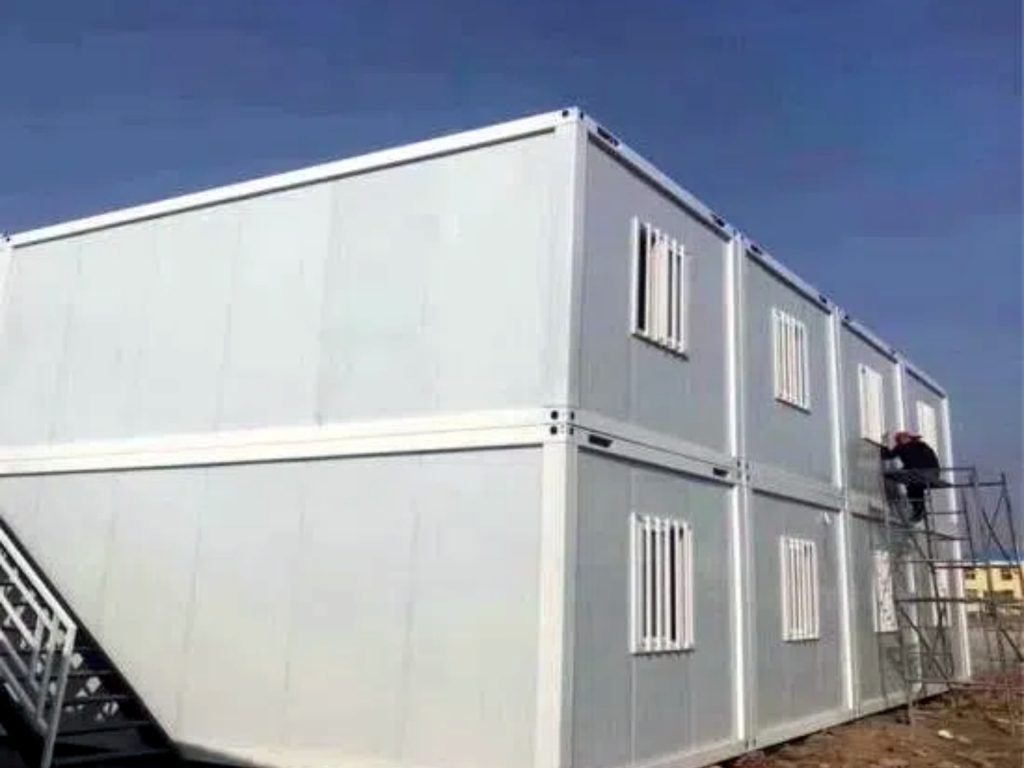
A Vision Beyond the Temporary: Redefining Modular Student Housing
Lida Group’s entry into the education sector was not about offering a cheap, disposable trailer. Their vision was far more ambitious: to create a new category of student housing that leverages the speed and flexibility of modular construction while delivering a permanent-quality living experience. They recognized that for a dormitory to be successful on a campus, it must be more than just four walls and a bed. It must be a home that fosters a sense of belonging, supports academic success, and reflects the values of the institution it serves.
To achieve this, Lida Group embarked on a deep research and development process, consulting with university administrators, facilities managers, student affairs professionals, and, most importantly, students themselves. They studied the daily rhythms of campus life, the spatial needs of a modern learner, and the long-term operational challenges faced by housing departments. The result is a product line of mobile dormitories that are not merely placed on a campus, but are thoughtfully integrated into its fabric.
The Engineering Pillars of a Campus-Ready Dormitory
At the heart of Lida Group’s success is its rigorous engineering philosophy. Their dormitories for schools are built on a foundation of industrial-strength durability, but this toughness is seamlessly blended with features that prioritize comfort, safety, and community. The key engineering pillars of their design are as follows:
1. The Unshakeable Structural Core
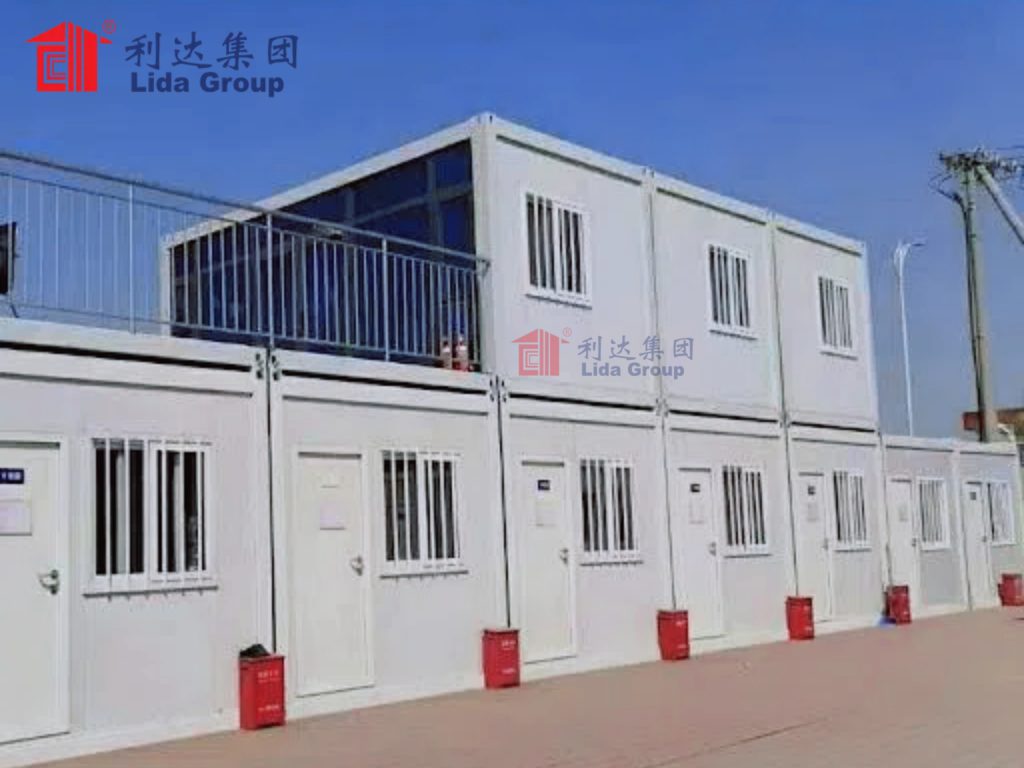
Every Lida Group school dormitory begins with a high-grade, one-trip shipping container. These containers, having made only a single ocean voyage, are structurally pristine, with minimal corrosion or damage. Their corten steel frames are engineered to withstand the immense stresses of maritime transport, making them an ideal, pre-fabricated structural module for a building that may need to last for decades.
Lida’s engineers do not treat the container as a static box but as a dynamic chassis. When creating openings for large windows, doors, or connecting multiple units into a larger suite, they employ advanced structural analysis software to model load paths and stress concentrations. Every cut is reinforced with high-tensile steel beams and plates, ensuring that the final structure is not just as strong as the original container, but is optimized for its new role as a human habitat. This robust core provides exceptional resistance to natural disasters like earthquakes and high winds, a critical safety feature for any campus building.
2. A High-Performance Building Envelope for Year-Round Comfort
One of the primary complaints about older dormitories is poor climate control—heating that is either too weak or too powerful, and rooms that become ovens in the summer. Lida Group has solved this problem with a meticulously engineered building envelope.
The interior walls, roof, and floor of the container are insulated with a hybrid system that combines closed-cell spray foam with rigid PIR (Polyisocyanurate) panels. This system achieves a very high R-value, effectively creating a thermal barrier that keeps heat in during the winter and out during the summer. A continuous vapor barrier is installed to prevent any condensation from forming within the wall assembly, which eliminates the risk of mold and mildew—a common health hazard in student housing.
The windows are double-glazed, low-emissivity (Low-E) units set in thermally broken aluminum frames. These windows not only provide excellent insulation but also offer superior sound attenuation, creating a quiet sanctuary for studying even in a bustling campus environment. The result is a dormitory room that maintains a consistent, comfortable temperature year-round, reducing the strain on HVAC systems and lowering the institution’s energy bills.
3. Student-Centric Interior Design and Layout
Durability is not just about the building’s shell; it’s also about creating an interior that can withstand the rigors of student life while promoting well-being. Lida Group’s interior design team specializes in creating spaces that are both functional and inspiring.
Their standard layouts are highly flexible. A single container can be configured as a comfortable private room for a graduate student or a faculty resident advisor. Two containers can be joined side-by-side or end-to-end to create a spacious double-occupancy room with a shared living area, or even a small apartment-style unit for a resident fellow. The interiors are finished with durable, easy-to-clean materials like vinyl plank flooring and washable wall panels, but these are chosen in warm, modern palettes to avoid an institutional feel.
Every room is designed with ample storage, ergonomic furniture, dedicated study areas with task lighting, and a full complement of power and data outlets, including USB ports. Large windows are strategically placed to maximize natural daylight, which has been shown to improve mood and academic performance. Privacy is a key consideration, with solid-core doors and well-designed partitions in shared units.
4. Integrated, Future-Proof Technology and Utilities
Modern students are digital natives, and their living space must support their connected lifestyle. Lida Group’s dormitories are pre-wired for high-speed fiber-optic internet and robust Wi-Fi coverage, ensuring that every student has seamless access to online learning resources and communication tools.
All electrical, plumbing, and HVAC systems are installed in the factory using commercial-grade components selected for their longevity and reliability. The plumbing uses PEX tubing, which is highly resistant to freezing and corrosion. The HVAC system is a quiet, energy-efficient mini-split unit that allows for individual climate control in each room—a feature that empowers students and reduces energy waste.
Utility connections are standardized and located at the base of each module, allowing for rapid and clean hook-up to the campus’s existing infrastructure. For new campus developments or remote locations, Lida can also provide integrated utility pods that house water heaters, electrical distribution panels, and even solar inverters, creating a completely self-sufficient housing block.
5. Designed for Community and Integration
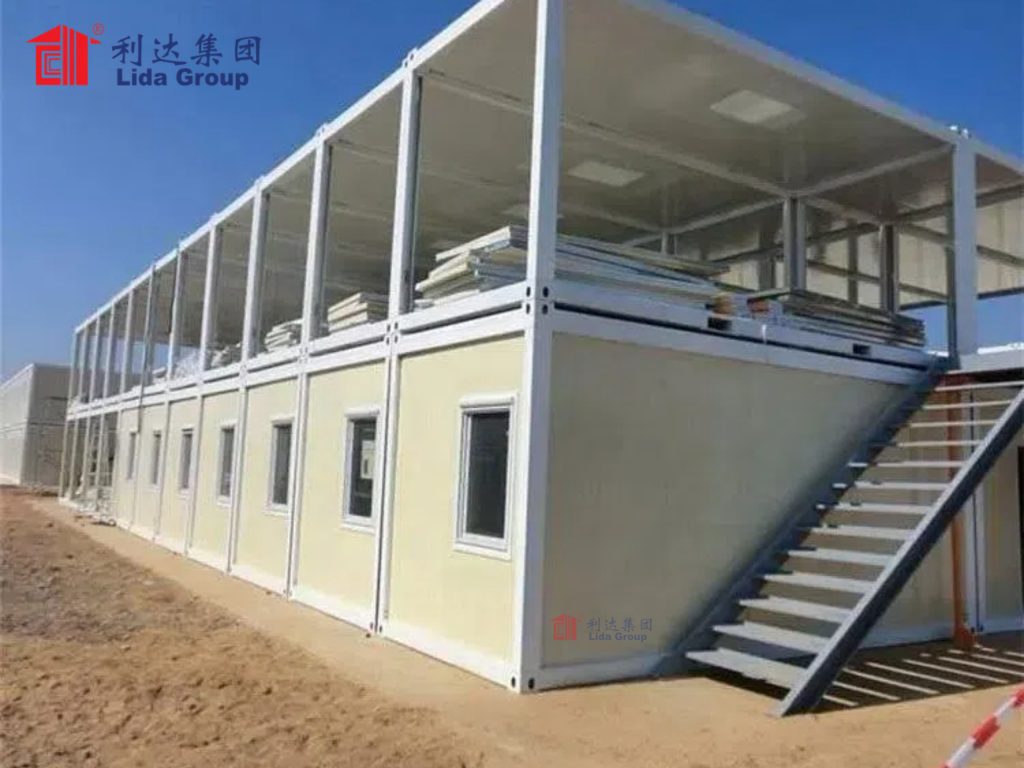
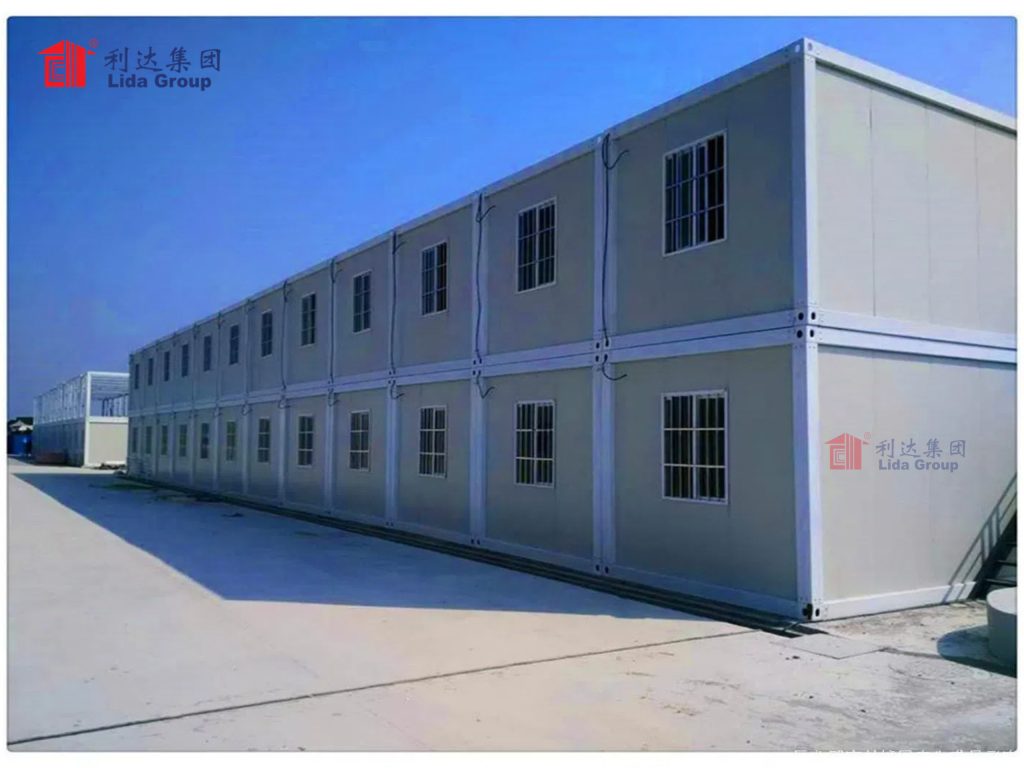
Lida Group understands that a dormitory is more than a collection of rooms; it is a social ecosystem. Their design philosophy extends beyond the individual unit to the broader campus context. Multiple dormitory modules can be arranged in a variety of configurations—linear rows, courtyards, or even multi-story stacks—to create a sense of place and community.
They can be seamlessly integrated with communal Lida-built modules that serve as shared kitchens, laundry rooms, study lounges, fitness centers, or even small cafés. The exteriors of the dormitories can be clad in materials that match the institution’s architectural vernacular—brick veneer, wood siding, or stucco—so that they blend in with the historic campus rather than standing out as an industrial afterthought. Landscaping, outdoor seating, and lighting are all considered as part of the master plan, turning a collection of modules into a vibrant residential neighborhood.
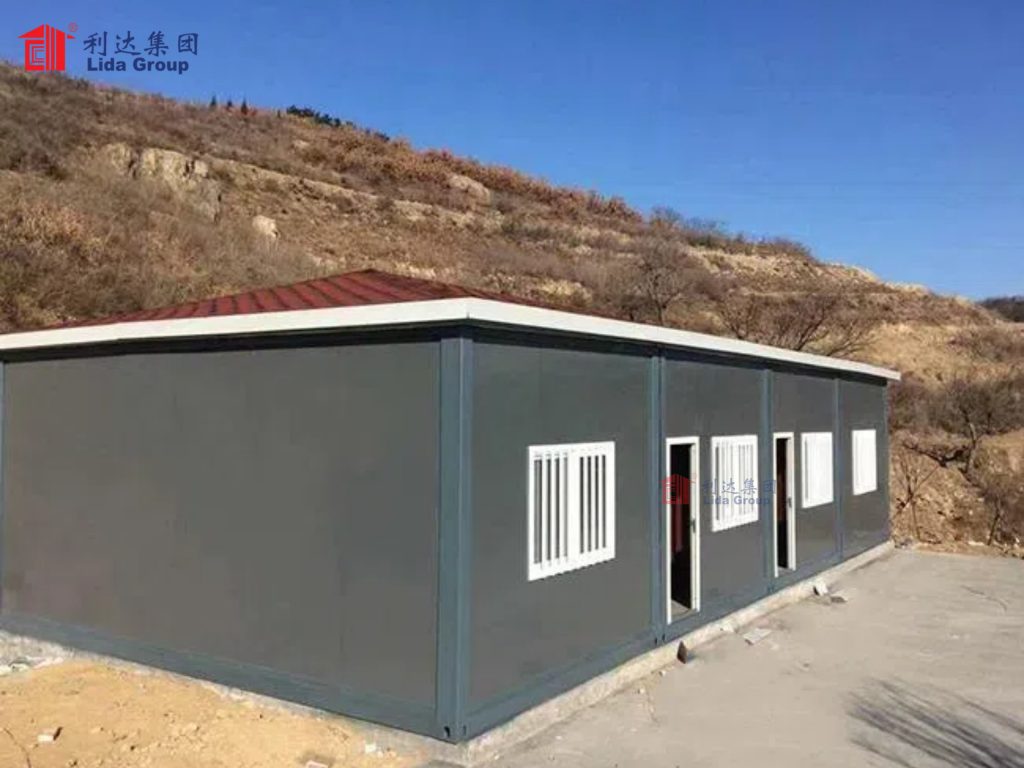
Operational Excellence: From Factory to Campus in Record Time
The benefits of Lida Group’s approach extend far beyond the physical product to the entire project delivery process. Their vertically integrated, factory-based manufacturing model offers educational institutions unprecedented speed, predictability, and cost control.
While a traditional dormitory project is mired in sequential phases—architectural design, permitting, site preparation, foundation work, framing, MEP rough-in, and finishing—Lida’s process is parallel and efficient. Site work (grading and foundation) can proceed simultaneously with the factory construction of the dormitory modules. Because the modules are built indoors, they are immune to weather delays, a major cause of cost overruns in conventional projects.
Once the modules roll off the production line, they are transported to the campus on flatbed trucks. A crane then places them onto their prepared foundations. Final utility connections and interior punch-list items are completed in a matter of days, not months. An entire dormitory complex that would traditionally take two years to build can be fully operational in as little as three to six months with Lida Group.
This speed is a game-changer. It allows a university to respond to an unexpected enrollment surge, replace a condemned building after a fire, or launch a new academic program with the confidence that student housing will be ready on day one. The fixed-price, turnkey nature of the contract also eliminates the financial risk of budget overruns, providing administrators with complete peace of mind.
Real-World Impact: Case Studies in Educational Transformation
The true measure of Lida Group’s success lies in its real-world applications. Across the globe, their durable mobile dormitories are making a tangible difference in the lives of students and the operations of their institutions.
-
A Public University in the American Midwest: Facing a record number of incoming freshmen and a state budget that couldn’t support a new $80 million dorm, the university partnered with Lida Group. In just five months, a 200-bed dormitory village was constructed on an underutilized parking lot. The project was completed on time and on budget, and the new residents reported higher satisfaction scores than those in the university’s oldest, most problematic residence halls. The university now views Lida as a strategic partner for its future housing needs.
-
An International Boarding School in Southeast Asia: This prestigious school needed to expand its campus to accommodate growing demand but was constrained by a dense urban site and strict heritage preservation rules. Lida Group delivered a three-story dormitory complex that used a stacked container design. The exterior was clad in a local hardwood to harmonize with the surrounding tropical landscape, and the rooftop featured a communal garden and study area. The project was lauded for its innovative design and rapid, non-disruptive construction.
-
A Technical College in Sub-Saharan Africa: With a mission to train the next generation of engineers and technicians, the college needed to house students from rural areas who had nowhere else to stay. Lida Group provided a series of robust, solar-powered dormitory units that were shipped to the remote site and assembled by a local crew with minimal training. The durability of the units has ensured they can withstand the region’s harsh climate and heavy use, providing a safe and stable home for students who are the first in their families to attend college.
These examples demonstrate that Lida Group’s solution is not a one-size-fits-all product, but a highly adaptable platform that can be tailored to meet the specific cultural, climatic, and financial contexts of any educational institution.
Sustainability: Building a Greener Future for Higher Ed
For universities with strong sustainability commitments, Lida Group’s dormitories offer a compelling environmental story. The core of each unit is a repurposed shipping container, giving a second life to a massive piece of industrial steel that would otherwise be scrapped. This act of upcycling saves thousands of kilograms of CO2 emissions per unit compared to producing new structural steel.
The factory-based construction process generates up to 90% less waste than a traditional site build, as materials are cut to precise specifications and any scrap is recycled on-site. The high-performance envelope and energy-efficient systems drastically reduce the building’s operational carbon footprint over its lifetime.
Furthermore, the modular nature of the design means the buildings are inherently flexible and reusable. If a campus’s needs change in 20 years, the dormitory modules can be unbolted, relocated to a new site, and repurposed as faculty housing, administrative offices, or even a startup incubator. This adaptability embodies the principles of a circular economy, making Lida’s solution a truly sustainable investment for the long term.
Conclusion: A New Chapter in Campus Living
In conclusion, Lida Group’s engineering of durable mobile dormitories for schools represents a paradigm shift in how we think about student housing. They have moved decisively beyond the outdated notion of “temporary” or “modular” as a compromise, instead delivering a product that is superior in quality, speed, sustainability, and value to many traditionally built alternatives.
By marrying the unyielding strength of industrial engineering with a deep empathy for the student experience, Lida Group has created a housing solution that is as resilient as it is welcoming, as efficient as it is inspiring. Their dormitories are not just buildings; they are enablers of educational missions, providing the stable, supportive, and modern living environment that today’s students deserve and that forward-thinking institutions require to thrive in a competitive landscape.
As the pressures on campus infrastructure continue to mount, Lida Group stands ready to partner with educational leaders to write a new chapter in campus living—one defined not by limitation, but by innovation, durability, and a profound commitment to the future of learning. Their mobile dormitories are more than just a place to sleep; they are a foundation for success, built to last for generations of students to come.
Related news
-
Lida Group Delivers Budget-Friendly Cost-Effective Container House
2026-01-29 17:32:05
-
Lida Group's Durable Mobile Dormitory Withstands Demanding Use
2026-01-29 17:38:54
-
Discover Affordable Living with Cost-Effective Container House
2026-01-29 17:17:18
contact us
- Tel: +86-532-88966982
- Whatsapp: +86-13793209022
- E-mail: sales@lidajituan.com
