



Lida Group Delivers Unmatched Value in Prefab Construction
2025-Dec-30 09:27:28
By Admin
The global construction industry is undergoing a profound transformation, driven by the urgent need for efficiency, sustainability, and cost-effectiveness. As urbanization accelerates, housing shortages intensify, and carbon neutrality goals become paramount, prefabricated construction has emerged as a transformative solution, reshaping the way buildings are designed, manufactured, and delivered. At the forefront of this revolution stands Lida Group, a pioneering high-tech enterprise with over three decades of expertise in steel structure prefabricated buildings. Founded in 1993, Lida Group has evolved from a regional manufacturer to a global integrated solutions provider, delivering unmatched value across the prefab construction lifecycle through technological innovation, rigorous quality control, optimized cost management, and sustainable practices. This article explores how Lida Group redefines value in prefab construction, empowering clients worldwide to build better, faster, and more sustainably.
The global prefabricated construction market is experiencing robust growth, fueled by rising demand for efficient and low-carbon building solutions. According to industry analysis by Technavio, the market is projected to expand by USD 74 billion at a compound annual growth rate (CAGR) of 8.9% between 2024 and 2029. This growth is driven by sectors ranging from healthcare and infrastructure to residential and commercial buildings, as stakeholders increasingly recognize prefab’s advantages in reducing construction time, minimizing waste, and ensuring consistent quality. Amid this competitive landscape, Lida Group distinguishes itself by delivering a unique blend of technical excellence, cost efficiency, global scalability, and end-to-end service—creating value that transcends mere product delivery to become a strategic partnership for clients worldwide. With operations spanning 155 countries and regions, and a track record of serving UN peacekeeping forces, Fortune 500 companies, and governments, Lida Group has solidified its position as a trusted leader in the global prefab industry.
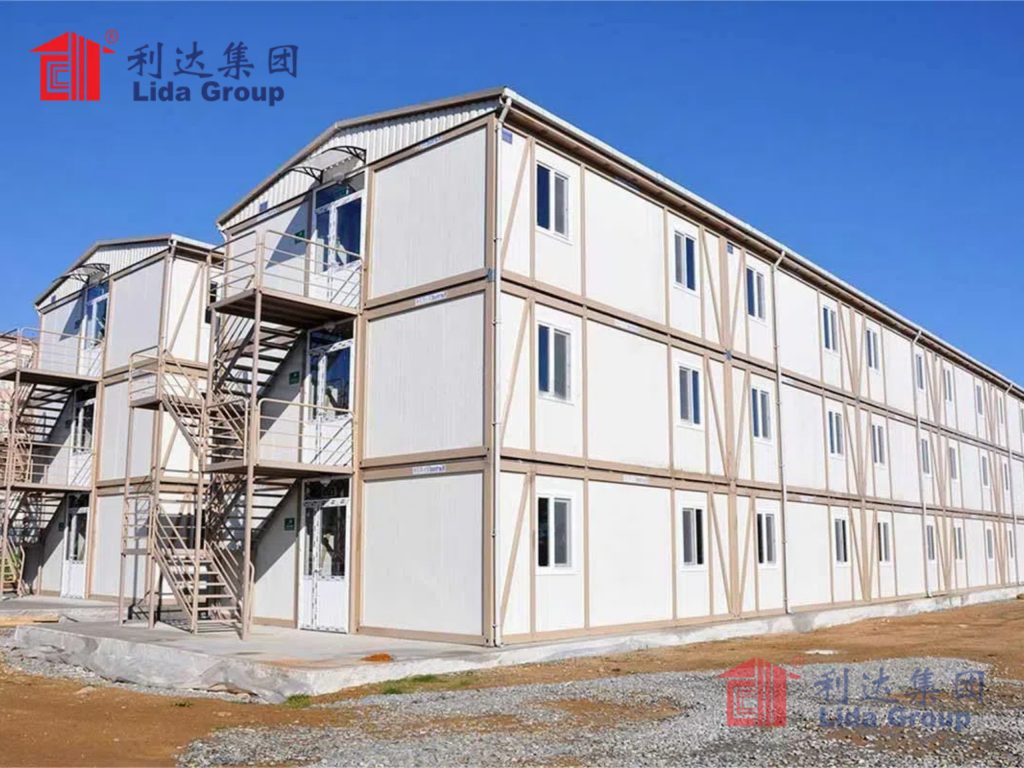
A Legacy of Excellence: Lida Group’s Foundation for Unmatched Value
Lida Group’s ability to deliver unmatched value stems from its three-decade commitment to building a comprehensive ecosystem of prefab construction capabilities. As an integrated enterprise covering consulting, planning, design, production, construction, marketing, and after-sales service, Lida eliminates silos across the project lifecycle, ensuring seamless coordination and optimized efficiency. This end-to-end approach allows the group to control quality at every stage, reduce intermediary costs, and tailor solutions to meet the unique needs of each client and project.
At the core of Lida’s operations are its state-of-the-art production bases in Weifang and Guangzhou, China. Equipped with automated production lines for container modules, composite panels, and light steel components, these facilities boast an annual steel structure processing capacity of 50,000 tons. The production process adheres to stringent international standards, with the group holding ISO9001 (quality management), ISO14001 (environmental management), ISO45001 (occupational health and safety), and EU CE (EN1090) certifications. Lida’s production bases have also passed rigorous audits by global authorities such as SGS, TUV, INTERTEK, and BV, ensuring that every component meets the highest quality and safety requirements for global markets. This commitment to quality has earned Lida recognition as a national emergency designated enterprise, a top 10 enterprise in China’s integrated housing industry for three consecutive years (2020-2022), and a “Specialized, Refined, Differential, and Innovative” enterprise.
Lida’s global footprint further enhances its value proposition. With overseas offices in key markets including Saudi Arabia, Qatar, Malaysia, and Chile, the group offers localized support, from navigating regional building codes to optimizing logistics and installation. This global-local integration allows Lida to deliver consistent quality while adapting to local conditions—whether it’s designing for the extreme heat of the Middle East, the seismic activity of Southeast Asia, or the cold climates of Northern Europe. Notable global projects include the 7,800-square-meter Tanzania Power Station Camp, completed in just three months with on-site technical guidance; the Malaysia Cameron Highlands Hydropower Camp; the Saudi King Saud University City; and UN peacekeeping camps in South Sudan, Mali, and Sri Lanka. These projects demonstrate Lida’s ability to deliver reliable, high-value solutions in diverse geographies and challenging environments.
Technological Innovation: The Engine of Unmatched Performance
Lida Group’s unmatched value in prefab construction is powered by continuous technological innovation, focusing on modular design, precision engineering, and smart integration. Unlike traditional construction methods that rely on on-site labor and manual processes, Lida’s prefab solutions leverage advanced technologies to enhance efficiency, durability, and adaptability—delivering superior performance at a lower cost.
Modular Design and Precision Splicing Systems
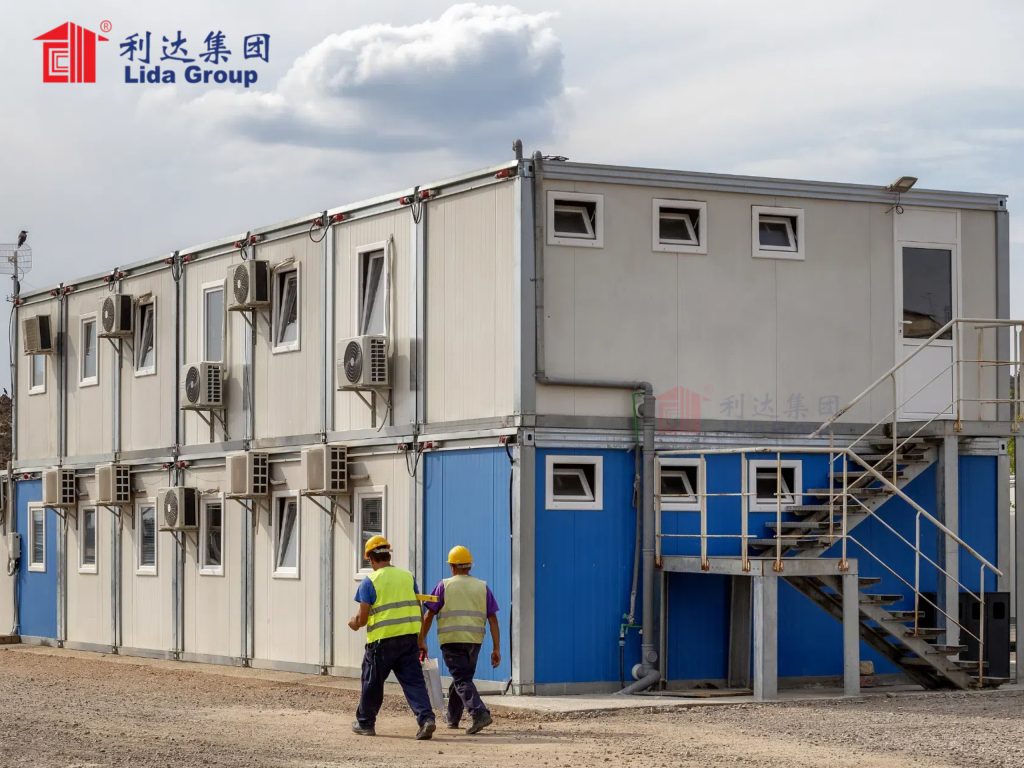
At the heart of Lida’s technical prowess is its modular design system, built on high-precision splicing technologies that eliminate the need for on-site welding and reduce installation time by up to 80%. The group employs two core splicing systems: tenon-and-mortise splicing and lock-and-buckle splicing, both engineered for speed, stability, and universality. The tenon-and-mortise system features pre-embedded alloy steel tenons with a snap-fit design, achieving 95% component universality that covers over 90% of project requirements. This universality minimizes customization costs and enables rapid assembly— a two-person team can install 3-4 modules per day, a fourfold increase in efficiency compared to traditional welding methods.
For high-density and multi-story projects, Lida’s lock-and-buckle splicing system offers ±1mm connection accuracy, supporting vertical stacking of up to 5 floors. This precision ensures structural stability while improving thermal insulation and soundproofing—addressing common pain points of early prefab buildings. The system’s airtight connections reduce heat loss by up to 40% and noise transmission by 35%, creating comfortable interiors that rival traditional buildings. In urban projects like the Sydney Metro Construction Dormitory, Lida used the lock-and-buckle system to reduce installation time from 28 days to 14 days, cutting labor costs by 30% while meeting Australia’s strict building codes.
BIM and Digital Twin Integration
Lida Group integrates Building Information Modeling (BIM) and digital twin technology throughout the design and construction process, optimizing every stage of the project lifecycle. BIM technology enables 3D modeling of prefab components, allowing for virtual testing of configurations, identification of potential conflicts, and optimization of material use. During the design phase, Lida’s engineers use BIM to simulate different modular combinations, ensuring that the final design meets client needs while maximizing efficiency and minimizing waste. Digital twin technology takes this a step further, creating a virtual replica of the physical building to monitor performance, predict maintenance needs, and enable remote adjustments.
This digital integration delivers tangible value for clients. For example, in the design of a 1,800-square-meter prefab office building, Lida’s BIM team identified over 200 potential node collisions, resolving them virtually before production began—eliminating costly on-site rework. The digital twin also allowed the client to monitor energy consumption and structural performance in real time, optimizing operational efficiency and extending the building’s lifespan. By leveraging these digital tools, Lida reduces project risks, shortens timelines, and delivers buildings that perform better over their entire lifecycle.
Advanced Material Innovation
Lida Group’s commitment to performance and sustainability is reflected in its innovative material choices, which balance durability, cost-effectiveness, and environmental responsibility. The group prioritizes recycled and eco-friendly materials, with recycled steel forming the core of its structural frames. According to life-cycle analysis, using recycled steel reduces greenhouse gas emissions by 60%-83% compared to virgin steel, as it eliminates the energy-intensive extraction and smelting processes . Lida’s use of recycled steel not only reduces carbon footprints but also lowers raw material costs by approximately 15%, passing savings on to clients.
For wall and roof panels, Lida uses composite materials such as rock wool insulation panels, aluminum foil-faced polyurethane foam, and glass fiber-reinforced plastic (GFRP). These materials offer superior thermal insulation, reducing energy consumption for heating and cooling by up to 40% compared to traditional steel sheets. Interior finishes use E0-grade formaldehyde-free boards and moisture-resistant flooring, ensuring healthy living environments while minimizing maintenance costs. In extreme climates, Lida adapts materials to local conditions—adding phase-change material (PCM) insulation layers for cold regions, reflective coatings for hot climates, and corrosion-resistant components for coastal areas. This material customization ensures that buildings perform optimally in any environment, delivering long-term value for clients.
Cost Efficiency: Delivering More for Less
Unmatched value in prefab construction requires balancing quality and performance with cost efficiency—and Lida Group excels at this through a holistic approach to cost management across design, production, transportation, and installation. By optimizing every stage of the project lifecycle, Lida delivers prefab solutions that are 30%-50% more cost-effective than traditional construction, without compromising on quality or functionality.
Design-Stage Cost Optimization
Lida’s cost management begins at the design stage, where the group leverages standardized modular design to minimize customization costs. With 95% component universality, Lida reduces the need for custom tooling and production runs, lowering design and manufacturing expenses. The group’s engineers work closely with clients to determine the optimal prefab rate and assembly rate—key factors that influence cost, according to hierarchical analysis of prefab cost drivers . By selecting the right balance of prefabrication and on-site work, Lida avoids over-engineering and unnecessary costs, ensuring that clients only pay for the features they need.
Integrated design is another critical cost-saving strategy. Lida’s design team coordinates across disciplines—architecture, structure, MEP (mechanical, electrical, plumbing)—to create cohesive solutions that eliminate redundant work. For example, pre-installing MEP components in factory modules reduces on-site labor costs by 40% and minimizes the risk of errors. This integrated approach ensures that every design decision contributes to cost efficiency, from component selection to module configuration.
Production and Supply Chain Optimization
Lida’s automated production lines are a key driver of cost efficiency, reducing labor costs and improving productivity. The group’s factories use robotic arms and automated assembly systems to produce components with consistent quality and minimal waste. Automation reduces human error by 90% and increases production efficiency by 50%, allowing Lida to scale production while lowering unit costs. Additionally, Lida’s large-scale production capacity enables bulk purchasing of raw materials, securing favorable pricing from suppliers and further reducing costs.
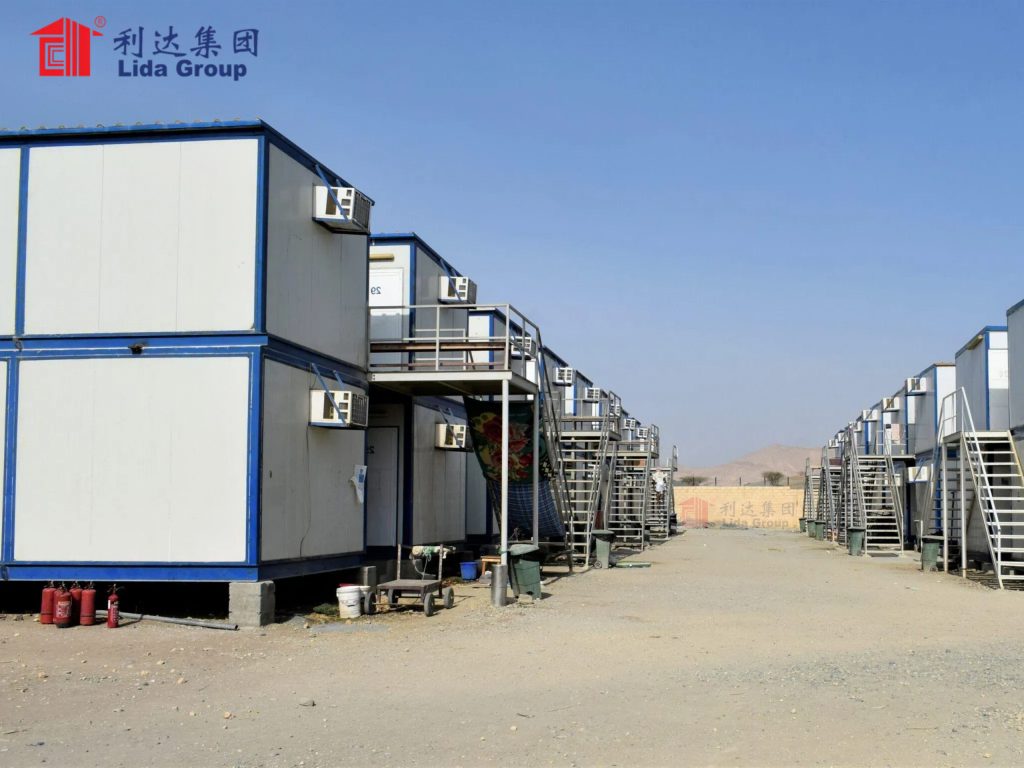
The group’s global supply chain network further enhances cost efficiency. Lida uses a “China Production + Local Assembly” model, where standardized modules are manufactured in its Chinese facilities and shipped to regional assembly centers. Folded container modules occupy 10 times less storage space than fully assembled units, allowing one 5-ton truck to transport 6 modules at a time—reducing transportation costs by more than 5 times. Local assembly also minimizes tariff barriers and labor costs, making Lida’s solutions competitive in emerging markets where transportation and import fees can inflate project costs.
Efficient On-Site Installation
Traditional construction’s high labor costs and lengthy timelines are major contributors to project expenses. Lida addresses this with its rapid assembly technologies, which reduce on-site labor requirements by 58% and shorten construction time by up to 80% . For example, the Tanzania Power Station Camp project—covering 7,800 square meters—was completed in just three months with a small team of Lida technicians and local workers. The tenon-and-mortise splicing system eliminated the need for skilled welders, reducing labor costs and accelerating installation. Lida’s on-site management team also optimizes scheduling and logistics, ensuring that components arrive on time and installation proceeds without delays—minimizing indirect costs such as site management fees and equipment rentals.
Sustainability: Value Beyond Construction
In today’s market, unmatched value must include sustainability—and Lida Group integrates green practices into every aspect of its prefab solutions, delivering environmental, social, and economic value for clients and communities. By prioritizing circular economy principles, renewable energy integration, and low-carbon construction, Lida helps clients meet global sustainability goals while reducing long-term operational costs.
Circular Economy and Waste Reduction
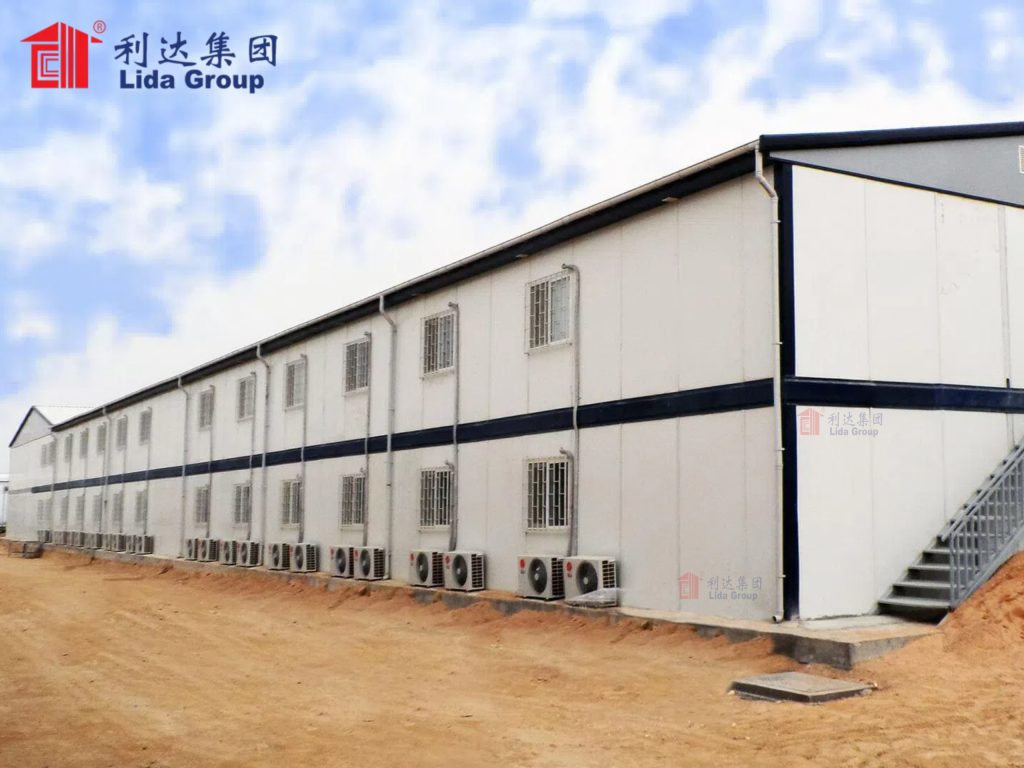
Lida’s prefab solutions are designed for reuse, repair, and recycling—core tenets of the circular economy. Modular components can be disassembled, relocated, and repurposed for new projects, extending their lifespan and reducing waste. For example, container modules used in construction camps can be relocated to new project sites or converted into residential units, avoiding the demolition and waste associated with traditional temporary structures. Lida’s production process also minimizes waste, with automated systems optimizing material use and recycling 94% of construction waste—far exceeding the industry average for traditional construction .
The group’s use of recycled materials further advances circularity. In addition to recycled steel, Lida incorporates recycled plastic into interior fixtures and reclaimed wood into finishes, reducing the demand for virgin materials. This approach not only lowers carbon emissions but also creates a market for recycled materials, contributing to a more sustainable supply chain.
Renewable Energy and Low-Carbon Operations
Lida integrates renewable energy solutions into its prefab buildings, enabling clients to reduce reliance on fossil fuels and lower utility costs. Building-integrated photovoltaic (BIPV) systems are installed on roofs and walls, converting solar energy into electricity to power lighting, HVAC, and appliances. Surplus energy is stored in lithium iron phosphate batteries, ensuring a stable power supply and enabling off-grid operation in remote areas. For example, Lida’s prefab units for UN peacekeeping camps in Mali are equipped with solar panels and battery storage, providing reliable energy in regions with limited grid access.
Lida’s commitment to low-carbon construction extends beyond materials and energy. The group’s production bases use energy-efficient equipment and LED lighting, reducing operational carbon emissions by 30%. Lida also calculates the carbon footprint of every project, providing clients with transparent reporting to support sustainability certifications such as LEED and BREEAM. By delivering low-carbon prefab solutions, Lida helps clients reduce their environmental impact while enhancing their brand reputation and meeting regulatory requirements.
Social Sustainability and Community Impact
Lida Group’s prefab solutions create social value by addressing critical community needs, from emergency housing to affordable residences. The group’s modular units are a staple of humanitarian aid efforts, providing safe shelter, medical clinics, and command centers in disaster-stricken and conflict-affected regions. After natural disasters such as the Turkey-Syria earthquake, Lida’s rapid-deployment prefab units deliver immediate housing and healthcare facilities, helping communities recover faster. In developing countries, Lida’s affordable prefab homes address housing shortages, providing low-income families with safe, comfortable residences at a fraction of the cost of traditional buildings.
Lida also contributes to local communities through job creation and capacity building. The group’s “local assembly” model hires and trains local workers, transferring skills and supporting economic development. In the Tanzania Power Station Camp project, Lida trained over 50 local workers in prefab assembly, creating long-term employment opportunities beyond the project’s completion.
Global Applications: Unmatched Value Across Sectors
Lida Group’s prefab solutions deliver unmatched value across a wide range of sectors, adapting to diverse needs and environments. From infrastructure camps and emergency housing to commercial buildings and residential complexes, Lida’s modular approach ensures that every project benefits from efficiency, quality, and cost savings.
Infrastructure and Industrial Camps
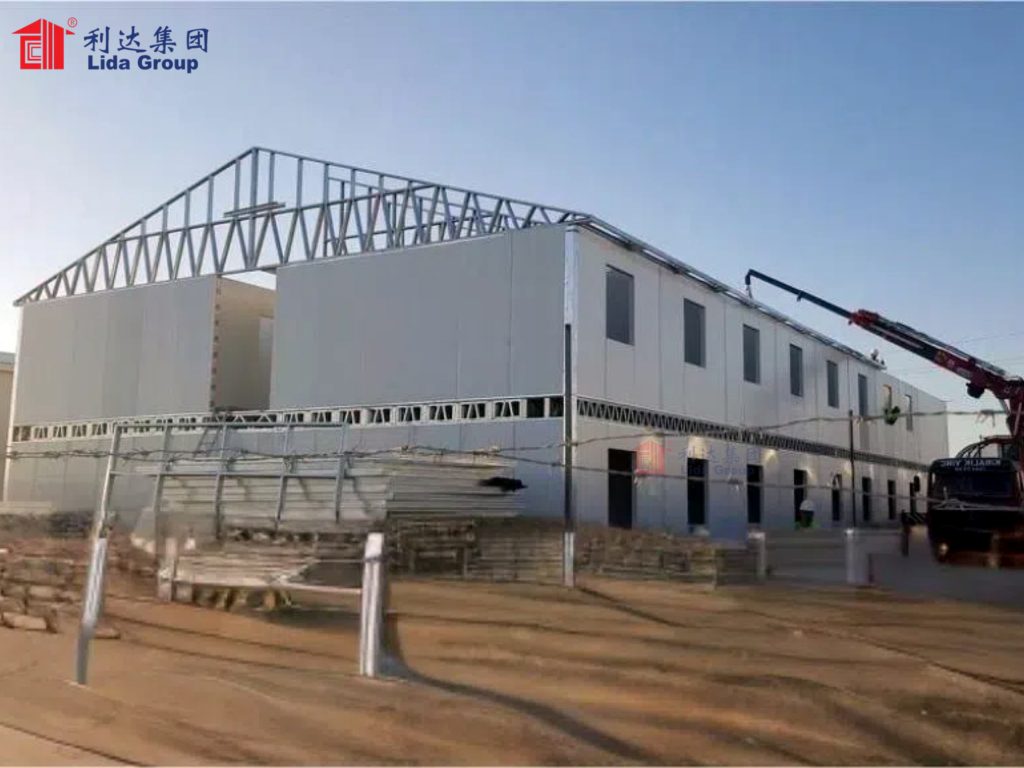
The infrastructure and industrial sectors are core markets for Lida, where rapid deployment and durability are critical. Lida’s prefab units serve as worker dormitories, offices, canteens, and storage facilities for railway, highway, mining, and energy projects. The Tanzania Power Station Camp project exemplifies this—Lida delivered 7,800 square meters of housing and facilities in three months, meeting the urgent needs of workers in a remote region. The modular units were designed to withstand Tanzania’s hot, humid climate and were later repurposed for another energy project, maximizing value for the client.
Emergency Response and Humanitarian Aid
Lida’s prefab units are trusted by UN peacekeeping forces and humanitarian organizations for their rapid deployment and durability. In conflict zones like South Sudan and Mali, Lida’s modular camps provide safe, secure housing for peacekeepers, with features such as blast-resistant walls and secure perimeters. During natural disasters, Lida’s units are deployed as temporary hospitals, shelters, and command centers—assembled in days to support relief efforts. The group’s ability to customize units for medical use, with antibacterial walls and isolation spaces, makes them invaluable in crisis scenarios.
Residential and Affordable Housing
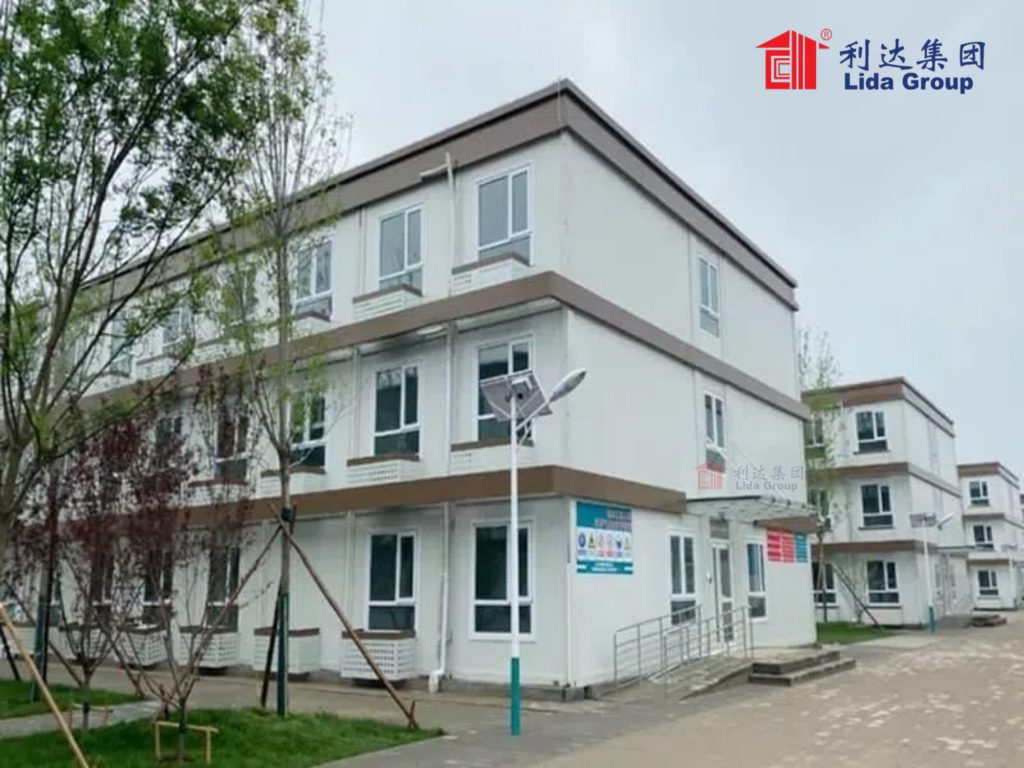
Lida’s prefab solutions address global housing shortages by delivering affordable, high-quality residences. In emerging markets like Indonesia and Chile, Lida’s light steel villas and container apartments provide low-income families with safe homes at 30%-50% lower cost than traditional construction. In urban areas, Lida’s multi-story prefab complexes maximize land use, creating high-density affordable housing with shared communal spaces. These projects are completed in months rather than years, allowing governments and developers to address housing needs quickly.
Commercial and Cultural Buildings
Lida’s prefab solutions are also transforming commercial and cultural spaces, from offices and retail stores to schools and community centers. The Saudi King Saud University City project features Lida’s modular classrooms and administrative buildings, completed ahead of schedule and within budget. Lida’s ability to customize designs to reflect local culture—incorporating traditional architectural elements into modular units—ensures that commercial and cultural buildings blend seamlessly with their surroundings while benefiting from prefab’s efficiency.
Challenges and Future Outlook: Sustaining Unmatched Value
Despite its strong market position, Lida Group faces challenges in sustaining its competitive edge, including global supply chain volatility, varying regional building codes, and price competition from low-cost manufacturers. Raw material price fluctuations—particularly for steel and composite materials—can impact profit margins, while inconsistent regulations across markets require ongoing adaptation. To address these challenges, Lida is doubling down on innovation, supply chain resilience, and localization.
Lida’s future innovation focus includes integrating artificial intelligence (AI) into production and operations, optimizing material use and predictive maintenance. The group is also expanding its use of recycled materials, aiming to increase recycled content to 80% by 2030. To strengthen supply chain resilience, Lida is diversifying its supplier network and establishing regional production hubs in Africa and Latin America, reducing transportation costs and tariff barriers. Localization efforts will also include partnering with regional architects and contractors to tailor solutions to local needs, ensuring compliance with building codes and cultural preferences.
Looking ahead, Lida Group is well-positioned to capitalize on the growing global demand for prefab construction. As governments worldwide tighten carbon emissions regulations and prioritize affordable housing, Lida’s sustainable, cost-effective solutions will become increasingly valuable. The group’s goal is to expand its global market share, particularly in high-growth regions like Africa and Southeast Asia, and establish itself as the benchmark for unmatched value in prefab construction.
Conclusion
Lida Group’s unmatched value in prefab construction is the result of three decades of innovation, quality commitment, and client-centricity. By integrating end-to-end capabilities—from design and production to global deployment and after-sales service—Lida delivers solutions that redefine efficiency, sustainability, and cost-effectiveness. The group’s technological prowess, including precision splicing systems, BIM integration, and advanced materials, ensures superior performance and durability. Its holistic cost management strategy, spanning design, supply chain, and installation, delivers tangible savings for clients without compromising quality. And its commitment to sustainability creates long-term value for the environment, communities, and clients alike.
In a global construction industry increasingly focused on speed, sustainability, and affordability, Lida Group stands out as a leader that delivers more than just buildings—it delivers strategic partnerships that drive success. From infrastructure camps in Tanzania to UN peacekeeping facilities in Mali, from affordable housing in Indonesia to commercial buildings in Saudi Arabia, Lida’s prefab solutions demonstrate that unmatched value is achievable through innovation, quality, and a relentless focus on client needs.
As the prefab construction market continues to grow, Lida Group’s commitment to innovation, sustainability, and localization will ensure it remains at the forefront, delivering unmatched value for clients worldwide. By redefining what’s possible in prefab construction, Lida is not just building structures— it’s building a more efficient, sustainable, and equitable future for the global built environment.
Related news
-
Streamlined Living with Easy Assembly Container Apartments
2025-12-29 17:54:02
-
Discover the Flexibility of Our Modern Mobile Container House
2025-12-29 17:45:03
-
Lida Group Champions Cost-Effective Prefab Construction Solutions
2025-12-29 17:33:00
contact us
- Tel: +86-532-88966982
- Whatsapp: +86-13793209022
- E-mail: sales@lidajituan.com
