



**Introduction**
In the rapidly evolving landscape of global construction and workforce management, the demand for efficient, scalable, and dignified accommodation solutions has never been more pressing. From remote mining operations in the Australian outback to post-disaster reconstruction zones in the Caribbean, the need for housing that can be deployed quickly, expanded seamlessly, and maintained cost-effectively defines the modern frontier of modular construction. At the forefront of this transformation stands Lida Group, a China-based integrated building engineering company that has, since its founding in 1993, established itself as a global leader in the design, manufacturing, and delivery of prefabricated and modular building solutions.
With over three decades of experience, Lida Group has redefined what is possible in workforce accommodation. The company’s scalable modular container accommodation systems represent a synthesis of industrial engineering, human-centered design, and environmental responsibility. These are not merely temporary shelters but sophisticated living environments engineered for durability, comfort, and rapid deployment across diverse global contexts. From urban micro-housing developments to remote camp facilities, from emergency medical infrastructure to luxury eco-resorts, Lida Group’s container-based solutions have proven their versatility across more than 152 countries and over 5,000 completed projects.
This article examines the comprehensive capabilities of Lida Group’s scalable modular container accommodation systems. We will explore the company’s product portfolio, the engineering standards that underpin their durability, the diverse applications across industries, the sustainability innovations that set them apart, and the real-world projects that demonstrate their impact. By the conclusion, it will be evident that Lida Group has established itself not merely as a manufacturer but as a comprehensive partner in integrated building solutions, delivering accommodation that meets the demands of a mobile, rapidly changing world.
**Chapter 1: The Lida Group Foundation—Experience and Expertise**
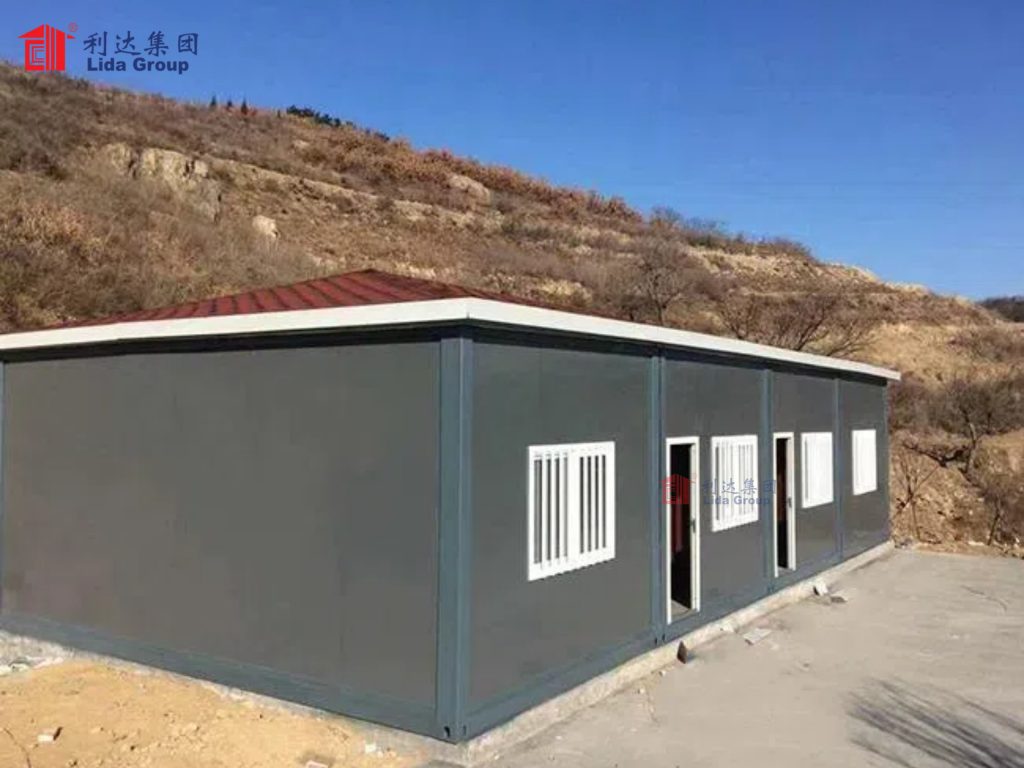
Understanding the success of Lida Group’s container accommodation systems requires an appreciation of the company’s deep-rooted expertise. Established in 1993 in Qingdao, Shandong Province, Lida Group began with a vision to transform how temporary and permanent structures are conceived and constructed. Over the ensuing three decades, the company has grown into one of the most powerful integrated building engineering enterprises in China, with a workforce that includes 50 engineers and 200 specialized overseas project supervisors.
The company’s manufacturing capabilities are substantial. Lida Group operates six dedicated container modular house production lines and eight steel structure production lines across its facilities in Weifang, Qingdao, and Shouguang. This infrastructure enables a monthly production capacity of 800 flat-pack container units, 100,000 square meters of prefabricated houses, and 50,000 square meters of pre-engineered steel structures. Such scale ensures that even large-scale projects—whether a 1,000-unit labor camp or a 30,000-square-meter commercial complex—can be delivered on schedule.
Crucially, Lida Group’s expertise extends beyond manufacturing. The company offers end-to-end services encompassing design, engineering, logistics, and on-site installation. This integrated approach eliminates the fragmentation that often plagues construction projects, where coordinating multiple vendors leads to delays and cost overruns. With Lida Group, clients work with a single partner from initial concept through to final handover—a model that has proven particularly valuable for complex, time-sensitive projects in remote or challenging environments.
**Chapter 2: Product Portfolio—A System for Every Need**
Lida Group’s container accommodation solutions are not a one-size-fits-all proposition. Rather, the company has developed a comprehensive product portfolio designed to address the specific requirements of different applications, from single-occupancy workforce housing to multi-story commercial developments.
**2.1 Residential Container Homes**
For individuals and families seeking affordable, modern housing, Lida’s residential container homes offer a compelling alternative to traditional construction. These units transform standard shipping containers into fully functional living spaces, complete with insulation, windows, interior finishes, and climate control systems. The 20-foot model provides approximately 16 square meters of living space, while 40-foot units offer expanded layouts suitable for small families. Customization options include kitchenettes, bathroom pods, and built-in storage solutions that maximize usable space.
**2.2 Expandable Container Homes**
One of the most innovative offerings in Lida’s portfolio is the expandable container home. These units feature sliding or fold-out sections that dramatically increase usable floor area once deployed on site. During transport, the units maintain a compact footprint, allowing for efficient shipping. Upon arrival, the expansion mechanisms are activated, doubling or even tripling the interior space. These units are particularly valuable for applications where space is at a premium during transport but generous living space is required on site—such as emergency housing deployments or seasonal worker accommodations.
**2.3 Flat Pack Container Homes**
For projects in remote locations or where shipping costs are a critical factor, Lida’s flat-pack container homes offer an elegant solution. These systems ship as disassembled components—wall panels, floor cassettes, roof sections, and structural columns—packed compactly into standard shipping containers. A three-bedroom home can often be shipped in a single 40-foot container, reducing transport costs by up to 70% compared to fully assembled units. On-site assembly is rapid, requiring only basic tools and minimal skilled labor.
**2.4 Modular Shipping Container Homes**
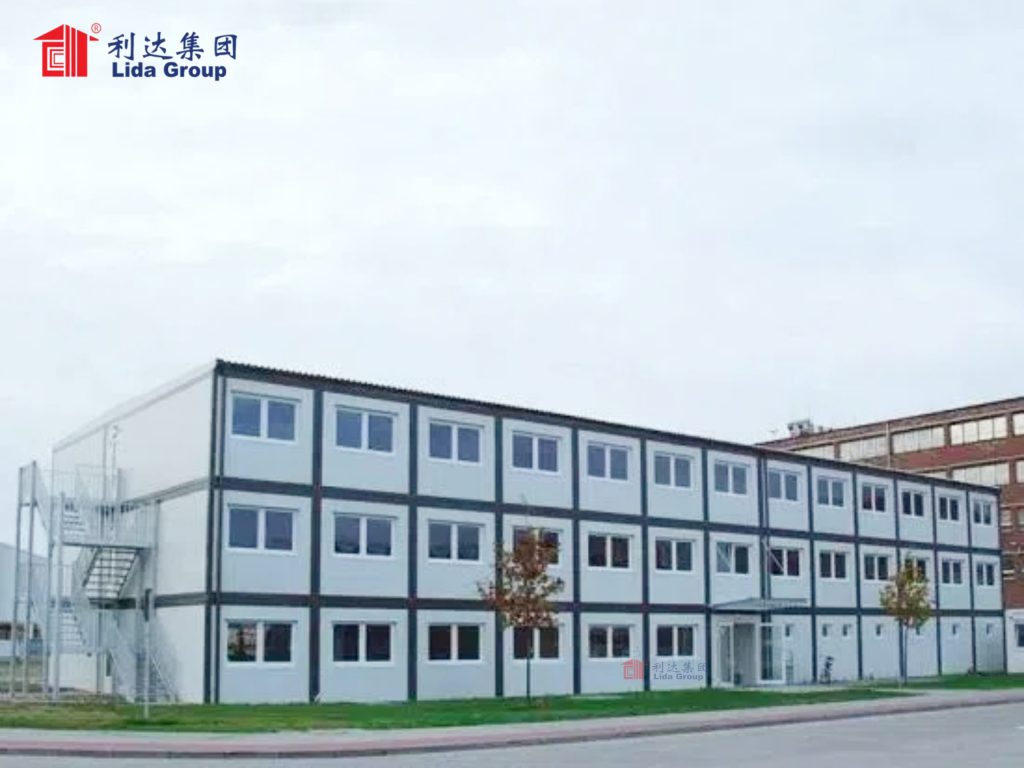
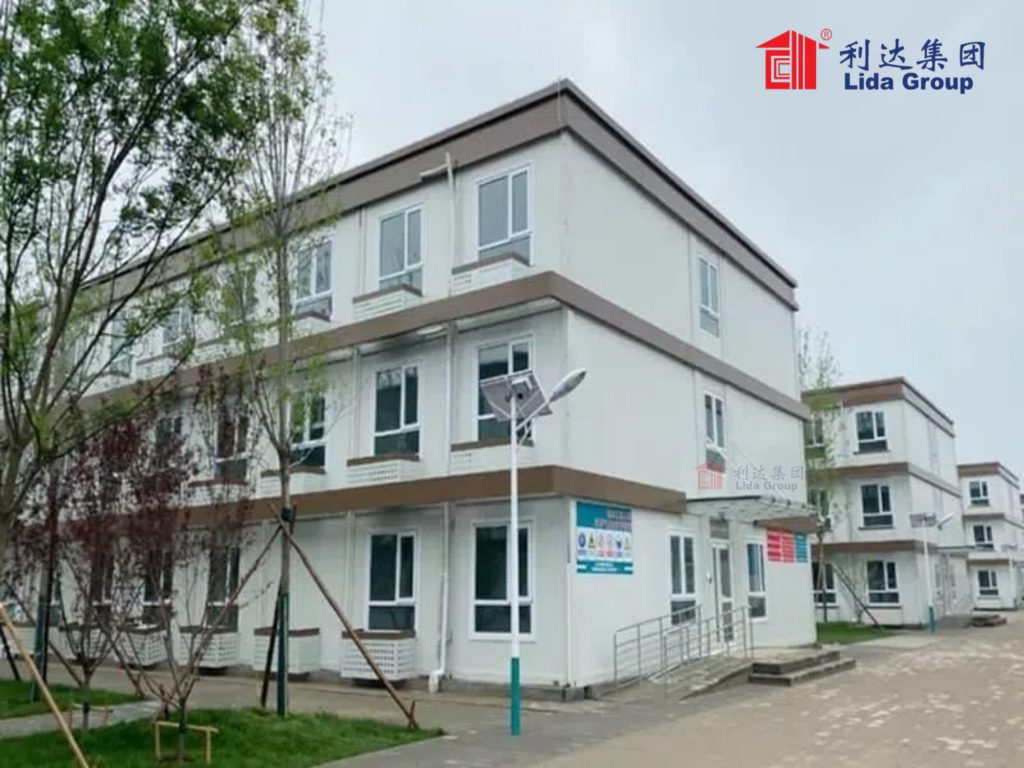
For larger-scale developments—apartment complexes, hotels, office buildings—Lida’s modular shipping container homes provide a scalable solution. Multiple container units are combined and stacked to create multi-story structures with generous floor plans. The modular design allows for architectural flexibility; units can be arranged in various configurations to suit site constraints and client preferences. This approach has been successfully applied in urban infill projects, student housing developments, and commercial mixed-use buildings.
**2.5 Office and Commercial Container Units**
Beyond residential applications, Lida manufactures specialized container units for commercial and industrial use. Office container buildings come pre-equipped with workstations, lighting, climate control, and optional restroom facilities—ideal for construction site offices, remote field operations, and temporary administrative centers. Retail container units can be customized with glass fronts, signage, and interior branding for pop-up stores, cafes, and market stalls.
**Chapter 3: Engineering Excellence—Materials and Durability**
The durability of Lida’s container accommodation systems stems from meticulous material selection and engineering precision. Each unit is designed to withstand the harshest environmental conditions while maintaining structural integrity over decades of service.
**3.1 High-Strength Steel Framework**
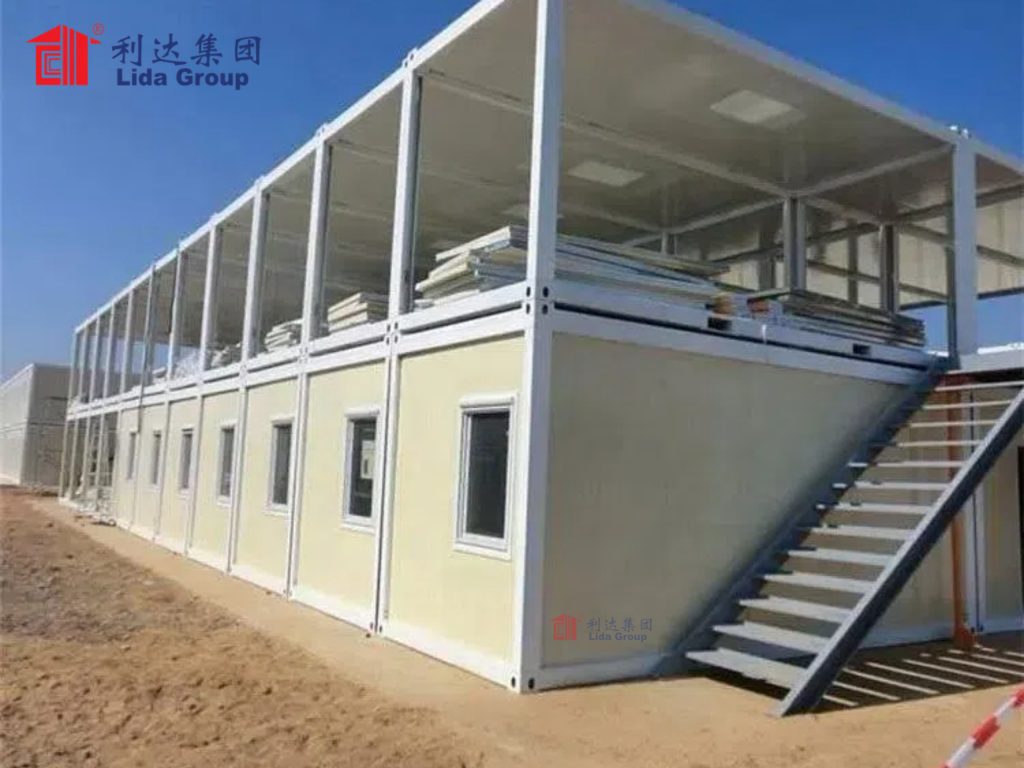
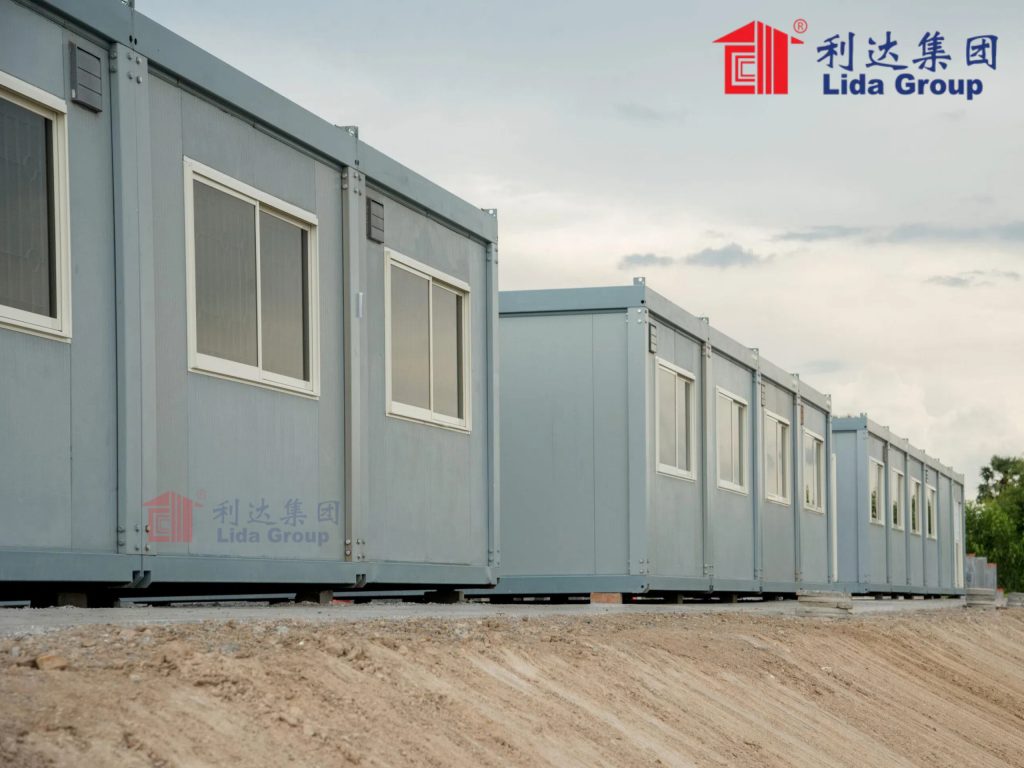
At the core of every Lida container unit lies a cold-rolled steel frame, a material chosen for its exceptional tensile strength and relatively lightweight properties. The steel is treated with rust-resistant coatings and often galvanized to prevent corrosion—a critical consideration for units deployed in coastal or high-humidity environments. The structural framework meets international shipping container standards, enabling stacking up to three stories high without compromising safety. Wind load resistance reaches 0.6 KN/m², and earthquake resistance meets Grade 8 standards, ensuring stability in seismic zones.
**3.2 Advanced Insulation Systems**
One of the primary challenges in container construction is managing thermal transfer—steel, while strong, is highly conductive. Lida addresses this through multi-layered insulation systems. Wall panels incorporate 75mm fiberglass sandwich insulation with a density of 50 kg/m³, achieving Grade A fire-proof classification (non-flammable). Roof systems utilize 100mm fiberglass insulation with aluminum foil facing, further enhancing thermal performance. These insulation layers not only regulate interior temperatures but also prevent condensation—a critical factor in avoiding internal corrosion and mold growth.
**3.3 Flooring and Interior Finishes**
Floor systems are engineered for both strength and comfort. The structural floor frame uses cold-formed steel with 3.5mm thickness, supporting an 18mm fiber cement board base with a live load capacity of 2.0 KN/m². Finished flooring options include 1.5mm PVC leather in standard configurations, with ceramic tile, laminated wood, or carpet available for upgraded specifications. Interior walls are lined with flat 0.4mm aluminum-zinc color steel sheet, providing a smooth, cleanable surface that meets hygiene requirements for healthcare and food service applications.
**3.4 Windows and Doors**
Double-glazed PVC sliding windows are standard, featuring 5mm double glass panes, mosquito screens, and security bars. This combination provides thermal insulation, noise reduction, and security. Entrance doors utilize insulated light steel construction measuring 850mm by 2030mm, with toilet doors sized at 700mm by 2030mm. All openings are pre-fabricated at the factory, ensuring precise fit and consistent quality.
**3.5 Electrical Systems**
Each container unit is pre-wired at the factory with a complete electrical system designed for 220V-250V service. The system includes CEE industrial plugs and sockets rated at 2P32A, with wiring sized appropriately: 6 mm² main power cable, 4 mm² AC cable, 2.5 mm² socket cable, and 1.5 mm² lighting cable. Five sockets are provided per unit, including one 16A outlet for air conditioning. LED lighting fixtures are standard, offering energy efficiency and long service life.
**3.6 Lifespan and Durability**
With proper maintenance, Lida’s container accommodation systems are engineered for extended service life. Residential and modular container homes are rated for 25 years or more; flat-pack and expandable units typically achieve 20+ years; and commercial applications such as site offices maintain functionality for 15-20 years. This longevity transforms what might be considered temporary structures into long-term assets with significant residual value.
**Chapter 4: Real-World Applications—Projects Across Continents**
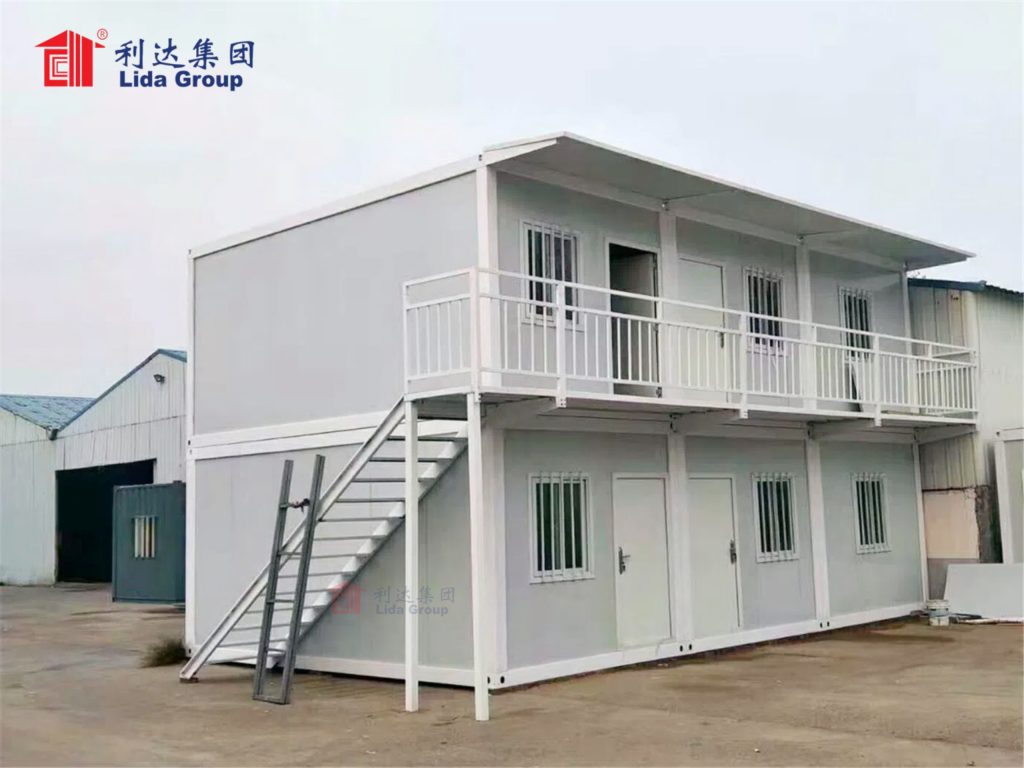
The technical specifications of Lida’s container accommodation systems are best understood through the lens of completed projects. Across multiple continents and industries, Lida has demonstrated the adaptability and reliability of its solutions.
**4.1 Urban Micro-Housing—European City Project**
In response to severe housing shortages in a major European city, Lida Group delivered a 30-unit container house micro-housing community in just 12 weeks—compared to the 6-8 months typical for traditional construction. The project utilized Lida’s residential container homes, each optimized for compact living with built-in storage and energy-efficient windows. Units were arranged to create shared green spaces and communal facilities, demonstrating that affordable housing need not compromise on quality of life. The project met all local building codes and earned praise from municipal authorities for its speed and quality.
**4.2 Tourism Development—Coastal Australian Resort**
For a tourism developer in Australia, Lida Group completed a 50-unit camp house resort in five weeks, timed to meet the summer tourist season. The container units were equipped with Lida’s patented anti-corrosion technology—one of the company’s 60+ patents—to withstand strong coastal winds and saltwater exposure. Each unit featured wood-grain exterior cladding that blended with the natural landscape, while interiors were finished to hotel standards with climate control systems adapted for tropical conditions. Solar panels and rainwater collection systems were integrated to reduce environmental impact.
**4.3 Emergency Response—Qingdao Huangdao Container Hospital**
Perhaps the most dramatic demonstration of Lida Group’s capabilities came during the pandemic, when the company partnered with the China Construction Eighth Engineering Bureau to deliver the Qingdao Huangdao Container Hospital Station. Covering 74,000 square meters with a construction area of 36,000 square meters, the project included 1,000 isolation container rooms, 126 staff dormitories, function halls, catering buildings, reception centers, and supporting infrastructure. The entire facility was delivered in just 12 days from start to completion—a testament to the efficiency of Lida’s modular systems and the company’s ability to mobilize at scale.
**4.4 Southeast Asian Accommodation Projects**
In a Southeast Asian country, Lida Group completed two significant container accommodation projects in 2025. The City Apartment Hotel Project utilized 33 modular container units configured as individual living spaces with private bathrooms, shared amenities, and reception facilities. Each unit featured customized color schemes and secondary roofing for enhanced weather resistance. Separately, the MTZ Project involved the on-site installation of 150 container housing units, shipped in flat-pack form and assembled by Lida’s team. These units were equipped with insulation, energy-efficient lighting, and double-glazed windows to minimize operational costs and environmental impact.
**4.5 West Africa Market Complex**
In a landmark project demonstrating Lida’s capability in challenging equatorial conditions, the company completed a 30,000-square-meter market complex in West Africa. The project transformed former cassava fields into a state-of-the-art facility featuring climate-controlled zones, multi-zone refrigeration, solar-thermal regulation, and air-quality monitoring systems. The design extended the shelf life of agricultural produce by up to 300%, directly benefiting 5,000 local farmers. Over 300 local workers were trained in specialized steel construction techniques, and the project established West Africa’s first steel maintenance cooperative. Despite persistent rainfall, the project was completed three months ahead of schedule.

**Chapter 5: Scalability—From Single Units to Large-Scale Camps**
A defining feature of Lida Group’s container accommodation systems is their inherent scalability. The modular nature of container construction allows projects to grow incrementally as needs expand—a critical advantage for industries where workforce populations fluctuate.
**5.1 The Plug-and-Play Model**
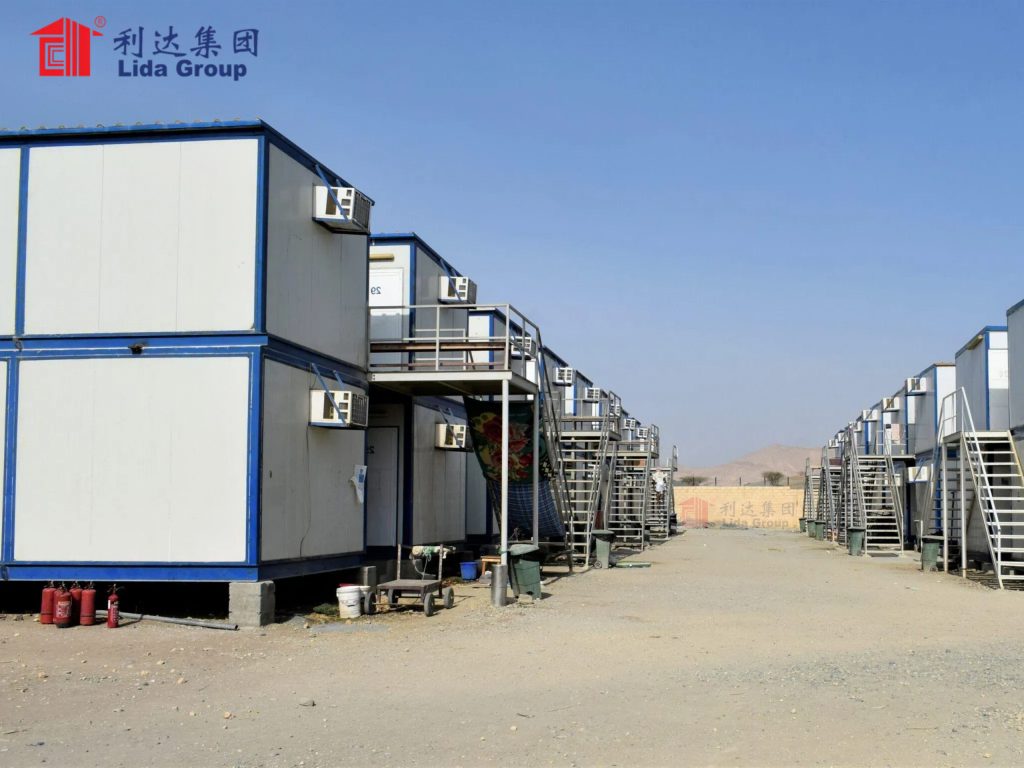
Lida’s container units are designed with standardized connection points for utilities and structural connections. This enables what the industry terms “plug-and-play” functionality: a camp can start with 50 units to house an initial construction crew and scale to 500 units as the project enters full operation. Additional units can be added without disrupting existing facilities, and the layout can be reconfigured as site conditions evolve.
**5.2 Stacking and Multi-Story Configurations**
The structural integrity of Lida’s steel frames supports stacking up to three stories, enabling high-density accommodations where land area is limited. Multi-story configurations are common in urban projects and large labor camps, maximizing population capacity without expanding the physical footprint. Inter-unit connections are secured with high-strength bolts, eliminating the need for welding and allowing for future disassembly and relocation.
**5.3 Flexibility Across Industries**
The scalability of Lida’s systems makes them suitable for a wide range of industries. In mining and oil and gas operations, where workforce numbers fluctuate with project phases, container camps can be expanded or contracted accordingly. In agriculture, seasonal worker housing can be deployed for harvest periods and stored during off-seasons. In construction, site accommodations can grow with the project and be redeployed to subsequent sites.
**Chapter 6: Sustainability and Environmental Responsibility**
In an era of increasing environmental awareness, Lida Group has positioned sustainability as a core principle of its operations. The company’s container accommodation systems deliver significant environmental benefits across their lifecycle.
**6.1 Material Efficiency and Waste Reduction**
By repurposing steel shipping containers or manufacturing new units using optimized panelized systems, Lida achieves material utilization rates exceeding 95%—far higher than traditional construction, where waste often reaches 20-30% of total materials. The prefabrication process ensures that components are cut and assembled with precision, eliminating the scrap generated by on-site cutting and fitting.
**6.2 Reduced Carbon Footprint**
Lida’s light steel structures use approximately 40% less material than comparable concrete construction. Combined with the transportation efficiency of flat-pack shipping—which can reduce freight volumes by up to 70%—the embodied carbon of a Lida container accommodation unit is significantly lower than traditional alternatives. For the West Africa market complex, embodied emissions were measured at 35% below industry standards.
**6.3 Energy Efficiency in Operation**
The high insulation values of Lida’s wall and roof systems dramatically reduce heating and cooling loads. Expanded polystyrene (EPS), polyurethane foam (PUR), and fiberglass insulation materials provide R-values that exceed conventional building standards in many climates. Double-glazed windows further minimize thermal transfer. These features translate directly into lower operational energy consumption—a critical consideration in remote locations where diesel generator fuel represents a major operational expense.
**6.4 Renewable Energy Integration**
Many Lida projects incorporate renewable energy systems. The West Africa market complex, for example, features solar-integrated roofing producing up to 1.2 MW daily. Rainwater harvesting systems sustain landscaping without drawing on municipal supplies, and greywater recycling reduces overall water consumption. These features are not afterthoughts but integrated design elements that reflect Lida’s commitment to sustainable infrastructure.
**6.5 Durability and Circular Economy**
A structure that lasts 25 years is inherently more sustainable than one that requires replacement every 10 years. Lida’s focus on durability—through corrosion-resistant coatings, high-quality insulation, and robust structural engineering—extends service life and reduces the need for replacement construction. Moreover, when a Lida container unit reaches the end of its useful life at one site, it can be disassembled, relocated, and repurposed elsewhere—a circular economy model that minimizes waste and maximizes asset value.
**Chapter 7: Certifications and Quality Assurance**
Lida Group’s commitment to quality is validated by an extensive portfolio of international certifications and third-party inspections.
**7.1 ISO and CE Certifications**
The company holds ISO9001 certification for quality management systems, ISO14001 for environmental management, and ISO45001 for occupational health and safety. CE certification (EN1090) confirms compliance with European Union standards for structural steel components—a requirement for projects in EU member states and a benchmark of quality recognized globally.
**7.2 Third-Party Inspections**
Lida Group has successfully passed inspections by SGS, TUV, and BV—three of the world’s most respected inspection, verification, and certification organizations. These independent assessments confirm that Lida’s manufacturing processes, materials, and finished products meet the highest international standards.
**7.3 Chinese Construction Qualifications**
Within China, Lida holds a Second Class Qualification for Steel Structure Professional Construction Contracting and a General Contracting Qualification of Construction Engineering. These qualifications enable the company to serve as a prime contractor for complex projects, managing all aspects of construction from foundation to final finishing.
**7.4 Industry Association Memberships**
Lida Group is a member of the China Steel Structure Association, the China Council for the Promotion of International Trade, and the China Building Metal Structure Association. These memberships reflect the company’s standing within the industry and its commitment to professional standards.
**Chapter 8: Global Reach and Logistics Network**
With products delivered to more than 152 countries and regions, Lida Group has developed a comprehensive logistics network capable of shipping container accommodation units to virtually any location on earth.
**8.1 Overseas Branch Offices**
To support international operations, Lida maintains overseas branch offices in strategic locations including Saudi Arabia, Qatar, Indonesia, and Chile. These local presences enable the company to provide responsive support, navigate regional regulations, and maintain relationships with local partners.
**8.2 Logistics Capabilities**
Lida’s logistics team manages all aspects of international shipping: sea freight booking, customs clearance, inland transport, and final site delivery. For projects in remote locations without road access, containers can be airlifted via helicopter. The company’s experience in complex logistics ensures that components arrive on site in the correct sequence and condition for efficient assembly.
**8.3 On-Site Installation Support**
Lida provides experienced installation supervisors who travel to project sites to guide local crews through the assembly process. These supervisors bring decades of field experience—Lida has been providing on-site installation guidance since 2004. For clients requiring comprehensive solutions, turnkey services are available, with Lida managing the entire project from foundation to final handover.
**Chapter 9: Humanitarian Commitment**
Beyond commercial applications, Lida Group has demonstrated a deep commitment to humanitarian causes, leveraging its rapid deployment capabilities to support communities in crisis.
**9.1 Disaster Response**
In the aftermath of natural disasters—earthquakes, floods, hurricanes—the need for rapid shelter is acute. Lida’s container accommodation systems can be deployed within days, providing safe, secure housing for displaced populations. The units are equipped with basic utilities including lighting, ventilation, and climate control, offering significantly better living conditions than tent shelters.
**9.2 Pandemic Response**
The Qingdao Huangdao Container Hospital project exemplifies Lida’s ability to respond to public health emergencies. The 12-day delivery of a fully functional medical isolation facility provided critical infrastructure during the pandemic, easing pressure on local healthcare systems and demonstrating the potential of modular construction for emergency healthcare applications.
**9.3 Community Empowerment**
Lida’s humanitarian commitment extends beyond providing shelter to building capacity within affected communities. The West Africa market complex project included training programs that equipped over 300 local workers with specialized construction skills, establishing a steel maintenance cooperative that will serve the region long after the project’s completion. This approach reflects Lida’s philosophy that infrastructure projects should leave lasting benefits beyond the physical structures.
**Chapter 10: The Future of Modular Accommodation**
As Lida Group looks toward the future, several trends are shaping the evolution of its container accommodation systems.
**10.1 Smart Technology Integration**
The next generation of Lida container units will increasingly incorporate smart building technologies. Sensors embedded in wall panels can monitor structural health, moisture levels, and energy consumption. IoT-enabled climate control systems adjust heating and cooling based on occupancy, reducing energy use by 20-30%. Remote security monitoring and access control systems enhance safety for occupants in remote locations.
**10.2 Advanced Materials**
Lida’s research and development efforts are exploring advanced materials to further enhance performance. Phase-change materials integrated into walls can absorb heat during the day and release it at night, passively regulating temperature. Self-healing coatings can protect steel surfaces from corrosion. Bio-based insulation materials such as hempcrete offer potential for even lower embodied carbon.
**10.3 Expanding Applications**
As container construction gains acceptance, new applications continue to emerge. Lida is seeing growing demand for container-based educational facilities—classrooms, libraries, computer labs—in underserved communities. Container retail spaces are increasingly popular for pop-up stores and seasonal markets. The company anticipates continued expansion into urban infill housing, where the compact footprint of container units can address density challenges in established neighborhoods.
**10.4 Circular Economy Models**
Lida is exploring new business models that align with circular economy principles. Leasing arrangements, where clients pay for use rather than purchase, are being piloted in some markets. Under such models, units are returned to Lida at the end of a project, refurbished, and redeployed—extending asset life and reducing the need for new manufacturing.
**Conclusion**
Lida Group’s scalable modular modern container accommodation systems represent a convergence of engineering excellence, manufacturing scale, and humanitarian purpose. Over three decades, the company has transformed from a regional manufacturer into a global leader in integrated building solutions, delivering over 5,000 projects across 152 countries. This journey reflects not only technical capability but a deep understanding of the diverse needs of clients—from mining companies requiring remote workforce housing to communities recovering from natural disasters.
The technical foundation of Lida’s success is evident in every aspect of its products. Cold-rolled steel frames provide structural integrity that withstands earthquakes, cyclones, and heavy snow loads. Advanced insulation systems deliver thermal comfort in climates ranging from equatorial humidity to arctic cold. Prefabricated electrical and plumbing systems ensure rapid installation and consistent quality. Certifications including ISO9001, ISO14001, ISO45001, and CE (EN1090) validate the company’s commitment to quality management, environmental responsibility, and worker safety.
But Lida Group’s achievements extend beyond technical specifications. The company has demonstrated an unparalleled ability to deliver at scale and under extreme time pressure. The Qingdao Huangdao Container Hospital project—1,000 isolation rooms and supporting facilities delivered in 12 days—stands as a testament to what is possible when modular construction is executed with precision and urgency. The West Africa market complex—30,000 square meters completed three months ahead of schedule despite challenging equatorial conditions—demonstrates the adaptability of Lida’s systems to diverse environments.
Sustainability is woven into Lida’s approach. Light steel structures use 40% less material than concrete alternatives. Flat-pack shipping reduces transport emissions by up to 70%. Solar integration, rainwater harvesting, and energy-efficient insulation minimize operational environmental impact. These features make Lida’s container accommodation systems not merely a practical choice but a responsible one.
Perhaps most significantly, Lida Group has shown that modular construction can serve humanitarian ends. From pandemic response to disaster relief, the company has deployed its capabilities to support communities in crisis. The training programs embedded in its projects build local capacity, ensuring that benefits persist long after construction is complete. This commitment to social responsibility—expressed in Lida’s founding principle of integrity and its vision of humanitarian engineering—distinguishes the company in a competitive industry.
Looking forward, the demand for flexible, rapidly deployable accommodation will only intensify. Urban housing shortages, the growth of remote work and travel, the increasing frequency of climate-related disasters, and the expansion of resource extraction into remote areas all point toward a future where modular container systems play an expanding role. Lida Group, with its three decades of experience, comprehensive manufacturing infrastructure, global logistics network, and commitment to innovation, is positioned to meet this demand.
For project managers seeking workforce housing that can scale with operations, for developers exploring sustainable urban infill, for governments responding to emergencies, and for businesses requiring flexible commercial space, Lida Group offers a proven solution. The company’s scalable modular modern container accommodation systems are more than buildings—they are platforms for productivity, stability, and growth. In a world of constant change, Lida Group delivers the structures that enable people to live, work, and rebuild, wherever they are needed.
Related news
-
Lida Group Unveils Modular Modern Container Accommodation Solutions
2026-03-24 10:23:12
-
Simplify Relocation with Easy Assembly Container House Systems
2026-03-24 16:55:03
-
Lida Group Sets New Benchmark in Steel Structure Construction
2026-03-23 17:41:39
contact us
- Tel: +86-532-88966982
- Whatsapp: +86-13793209022
- E-mail: sales@lidajituan.com
