



Lida Group Delivers Premium Metal Frame Warehouse for Logistics Hub
2026-Jan-28 15:45:37
By Admin
In the era of accelerated global supply chain integration, logistics hubs have become the core nodes connecting production, circulation, and consumption, bearing the critical tasks of cargo aggregation, sorting, storage, and distribution. The performance of storage facilities directly determines the operational efficiency, cost control, and service quality of logistics hubs. To meet the high standards of modern logistics hubs—such as large storage capacity, fast turnover, intelligent operation, and sustainable development—Lida Group, a global leader in prefabricated metal structure solutions, recently delivered a premium metal frame warehouse for a regional logistics hub in Southeast Asia. This landmark project integrates advanced structural design, intelligent construction technologies, and logistics-optimized configurations, setting a new benchmark for high-end metal frame warehouse applications in logistics hub scenarios. This article explores the project background, customized solutions, technical highlights, operational value, and industry impact of Lida Group’s premium metal frame warehouse, demonstrating how professional metal structure solutions empower the high-quality development of logistics hubs.
1. Project Background: The Urgent Demand for Premium Storage in Logistics Hubs
The Southeast Asian logistics hub in question is a key project integrating multimodal transportation (sea, land, and air), covering an area of 1.2 million square meters. It is positioned as a regional cargo distribution center, serving industries such as e-commerce, automotive parts, and fast-moving consumer goods (FMCG). With an expected annual cargo throughput of 8 million tons and a peak daily sorting capacity of 200,000 parcels, the hub has extremely high requirements for storage facilities:
First, space efficiency. Limited by land resources, the hub needs storage facilities that maximize vertical and horizontal space utilization to accommodate large-volume cargo while reducing land occupation. Second, operational flexibility. The hub handles diverse cargo types—from small e-commerce parcels to heavy automotive components—requiring adjustable storage zones and efficient cargo handling channels. Third, durability and safety. Located in a region with high temperature, high humidity, and frequent typhoons, the warehouse must withstand harsh environmental conditions and ensure the safety of high-value cargo. Fourth, intelligent integration. To achieve 24/7 automated operations, the warehouse needs to be compatible with automated storage and retrieval systems (AS/RS), warehouse management systems (WMS), and intelligent sorting equipment. Fifth, sustainability. In line with global carbon neutrality goals, the hub requires green and low-carbon storage solutions to reduce operational energy consumption and environmental impact.
After rigorous bidding and technical evaluation, Lida Group stood out due to its 30+ years of experience in metal structure engineering, proven track record in global logistics projects, and ability to provide one-stop customized solutions. The delivered premium metal frame warehouse covers an area of 85,000 square meters, with a total storage capacity of 150,000 cubic meters, becoming the core storage facility of the logistics hub. This project not only meets the immediate operational needs of the hub but also reserves space for future expansion, laying a solid foundation for the hub’s long-term development.
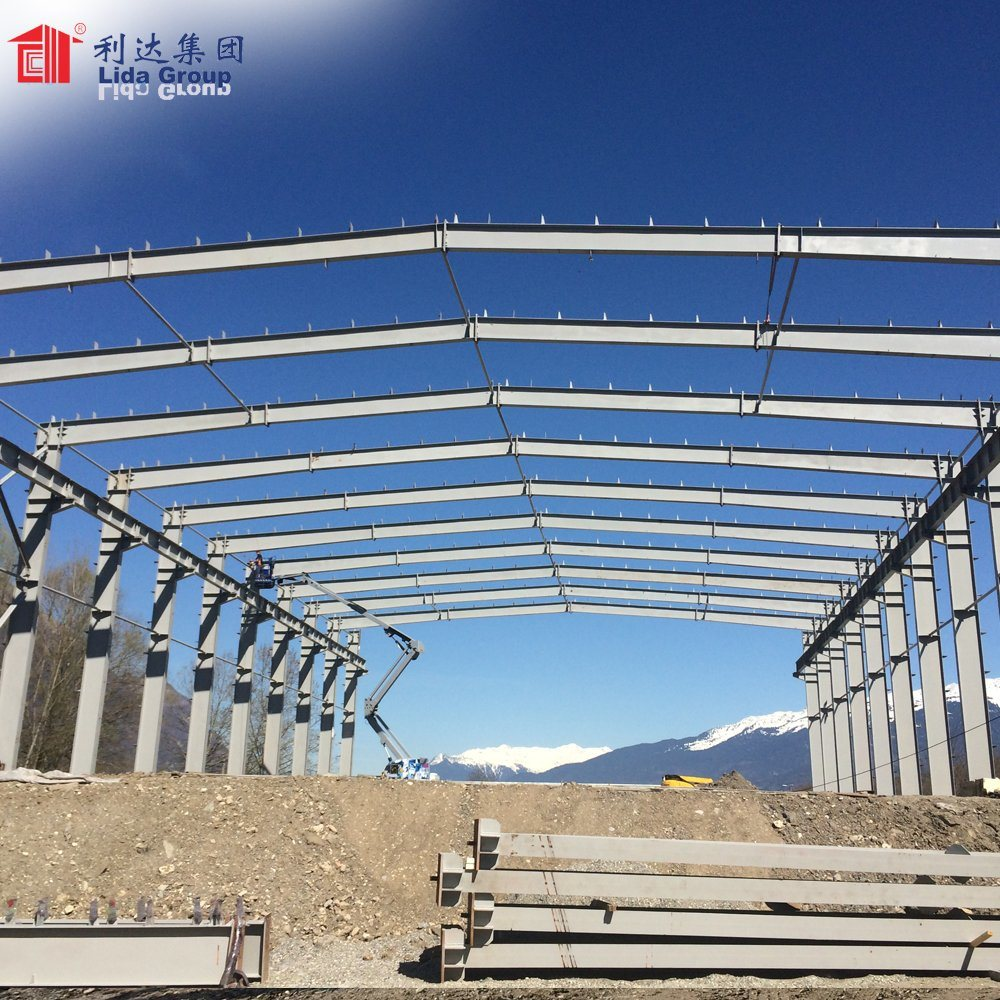
2. Customized Solutions: Tailoring Premium Metal Frame Warehouse for Logistics Hubs
Lida Group adhered to a customer-centric approach, conducting in-depth on-site investigations and demand analysis to develop a customized premium metal frame warehouse solution. The solution integrates structural optimization, material innovation, logistics-adapted design, intelligent technology integration, and green sustainability, forming a comprehensive system that meets the multi-dimensional needs of logistics hubs.
2.1 Structural Design: Balancing Space Efficiency and Logistics Adaptability
To maximize space utilization and adapt to the complex logistics operations of the hub, Lida adopted a high-strength metal frame structure with optimized clear-span and height design. The warehouse features a clear-span layout of 45 meters, eliminating internal columns to create unobstructed open spaces—providing sufficient room for the deployment of 18-meter-high AS/RS and large-tonnage forklifts. The ceiling height is designed to 22 meters, enabling vertical space development and increasing the storage density by 2.5 times compared to traditional concrete warehouses with the same floor area. The floor load-bearing capacity is customized to 5,000 kg per square meter, capable of accommodating heavy automotive components and stacked cargo, meeting the diverse storage needs of the hub.
In response to the logistics hub’s cargo handling needs, Lida optimized the warehouse’s functional zoning and traffic flow design. The warehouse is divided into three core zones: high-density storage zone, rapid sorting zone, and cross-docking zone, connected by 8-meter-wide internal channels to ensure smooth movement of forklifts and automated guided vehicles (AGVs). The cross-docking zone is equipped with 24 sets of professional loading and unloading platforms, adopting a separated design (loading on one side, unloading on the other) to minimize cargo handling distance and avoid traffic conflicts. The platform height is standardized to 1.2 meters, matching the height of standard container trucks, and equipped with hydraulic levelers to bridge the gap between the platform and the truck bed—reducing loading and unloading time by 35%.
2.2 Material Selection: Ensuring Durability and Premium Quality
Considering the harsh environmental conditions of the Southeast Asian region (high temperature, high humidity, typhoon, and salt spray), Lida selected high-quality materials to enhance the warehouse’s durability and service life. The main frame adopts Q460 high-strength low-alloy steel, which has a yield strength of 460 MPa—40% higher than traditional Q235 steel—while reducing the structural weight by 30%. This not only ensures the warehouse’s ability to withstand typhoon winds of up to 220 km/h and seismic intensity of 8 degrees but also optimizes the foundation load and construction cost.
For surface treatment, Lida adopted a two-step anti-corrosion process: hot-dip galvanization plus nano-ceramic coating. The hot-dip galvanization forms a dense zinc layer on the steel surface, preventing corrosion in humid and salty environments, while the nano-ceramic coating further reduces the corrosion rate to 0.003 mm per year—extending the component service life to over 30 years. The wall and roof cladding use PU composite insulation panels with a thermal conductivity of ≤0.025 W/(m·K), which can maintain the internal temperature at 25±5℃ without excessive air conditioning, reducing energy consumption by 28% compared to ordinary warehouses. The roof is made of color-coated aluminum-zinc steel sheets with high light reflectivity, effectively reducing solar radiation absorption and lowering the internal temperature by 3-5℃ in summer.
2.3 Logistics-Optimized Configuration: Enhancing Handling Efficiency
Lida integrated professional logistics design concepts into the warehouse construction, focusing on optimizing loading and unloading operations and internal cargo flow. The 24 loading and unloading platforms are designed as through-wall type, equipped with inflatable door seals to isolate external temperature and dust, ensuring a clean and stable internal environment. The platform perimeter area is designed in accordance with international standards: the centerline distance between parking spaces is 4.0 meters, providing sufficient space for truck door opening and forklift operation; the external maneuvering area is 35.5 meters long, meeting the turning and parking needs of 40-foot container trucks. The parking area is designed with a 5% slope to facilitate truck docking, and drainage facilities are installed to prevent water accumulation in rainy seasons.
To support the hub’s automated sorting operations, Lida reserved installation interfaces for intelligent equipment in the structural design. Embedded rails and fixing points are pre-installed in the floor and ceiling to accommodate AGVs, conveyor belts, and sorting robots, avoiding secondary construction and structural damage. The warehouse’s column-free design ensures that the movement path of automated equipment is not blocked, maximizing the efficiency of intelligent operations. Additionally, the warehouse is equipped with 12 sets of large-span overhead cranes with a lifting capacity of 10 tons, facilitating the handling of heavy cargo such as automotive engines and chassis.
2.4 Intelligent and Green Integration: Leading Sustainable Logistics
Lida integrated intelligent management systems and green energy solutions into the premium metal frame warehouse to align with the logistics hub’s digital and low-carbon development goals. The warehouse is equipped with a fully integrated intelligent management platform, connecting WMS, AS/RS, IoT sensors, and video monitoring systems. IoT sensors embedded in the structure and cargo racks monitor temperature, humidity, cargo weight, and structural stress in real time, with data transmitted to the cloud platform for analysis and early warning. The WMS system realizes automatic inventory counting, order processing, and cargo tracking, improving inventory accuracy to over 99.5% and reducing order processing time by 60%.
In terms of sustainability, the warehouse adopts a range of green technologies. The roof is equipped with a 10,000-square-meter photovoltaic power generation system, with a daily power generation capacity of 4,500 kWh—meeting 42% of the warehouse’s operational energy needs (such as lighting, ventilation, and equipment power). A rainwater harvesting system is installed around the warehouse, collecting and filtering rainwater for cleaning and greening, reducing water consumption by 30%. The warehouse’s natural ventilation design, combined with large-span metal structures, forms cross-ventilation channels, reducing reliance on mechanical ventilation by 50%. The use of 92% recycled steel in the frame structure reduces carbon emissions by 50% compared to virgin steel production, helping the logistics hub achieve its carbon reduction targets.
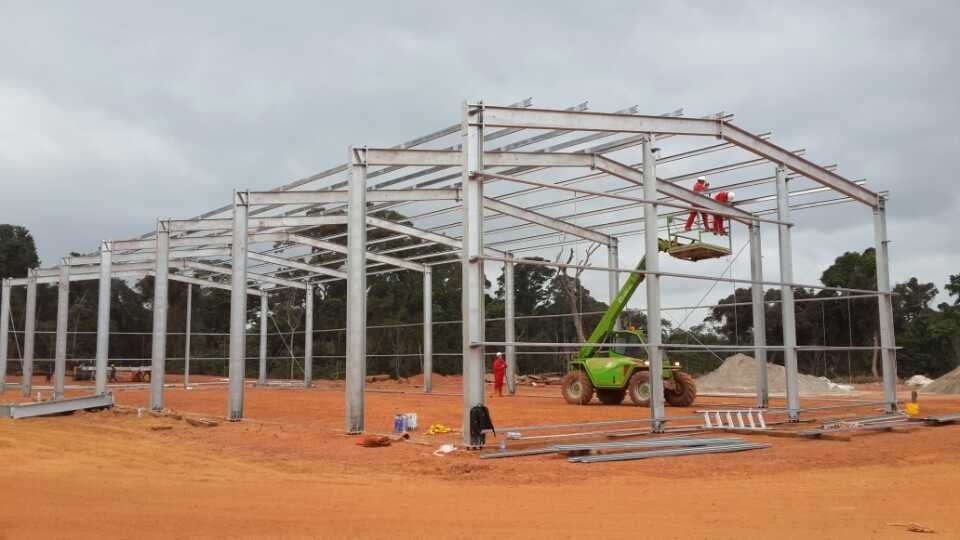
3. Technical Highlights: The Core Competitiveness of Lida’s Premium Delivery
The successful delivery of the premium metal frame warehouse relies on Lida Group’s advanced technical capabilities and rich project experience. A series of technical innovations and strict quality control measures ensure the warehouse’s premium performance, reliability, and operational efficiency.
3.1 Intelligent Construction: Ensuring Precision and Efficiency
Lida adopted BIM (Building Information Modeling) and digital twin technology throughout the construction process to achieve full-process visualization and precision control. The BIM model integrated structural design, equipment layout, and logistics flow, enabling clash detection and design optimization before construction—reducing construction errors to below 0.3% and rework rate by 45%. During the manufacturing phase, automated welding robots with laser guidance and real-time quality monitoring were used, achieving a weld qualification rate of over 99.8% and component dimensional accuracy within ±0.08 mm. The prefabrication rate of components reached 92%, with 85,000-square-meter components manufactured in Lida’s factory and transported to the site for assembly—shortening the on-site construction cycle to 14 weeks, 40% faster than traditional construction methods.
Digital twin technology created a virtual replica of the warehouse, integrating construction progress, equipment operation, and environmental data. This enabled real-time monitoring of construction quality and progress, allowing the project team to adjust construction plans in a timely manner and resolve potential issues. The application of intelligent construction technologies not only ensured the project was completed on time and with high quality but also laid a foundation for subsequent intelligent operation and maintenance.
3.2 Strict Quality Control: Guaranteeing Premium Performance
Lida implemented a full-lifecycle quality control system in line with ISO 9001, ISO 14001, and ISO 45001 standards. Raw materials underwent strict inspection, with each batch of steel tested for tensile strength, yield strength, and corrosion resistance. Components were inspected through non-destructive testing (ultrasonic testing and X-ray testing) to ensure no internal defects. During on-site assembly, laser alignment tools were used to position columns and beams with a tolerance of ±2 mm, ensuring structural stability. After construction, the warehouse underwent comprehensive performance tests, including load-bearing capacity, anti-typhoon resistance, thermal insulation, and airtightness—all indicators meeting or exceeding the logistics hub’s requirements.
In addition, Lida provided a 25-year quality warranty for the metal frame structure and a 10-year warranty for key components (such as insulation panels and anti-corrosion coatings), ensuring the warehouse’s long-term stable operation. The post-construction maintenance team conducts regular inspections and maintenance, using IoT data to predict potential faults and perform preventive maintenance—reducing unplanned downtime by 40%.
3.3 Customized Engineering Team: Ensuring Demand Alignment
Lida formed a dedicated project team consisting of structural engineers, logistics design experts, intelligent system specialists, and construction supervisors—all with over 10 years of experience in logistics warehouse projects. The team maintained close communication with the logistics hub operator, conducting 8 rounds of demand seminars and on-site investigations to refine the solution. During the construction phase, the team coordinated with multiple parties (suppliers, construction teams, equipment providers) to resolve cross-professional issues, ensuring the integration of structural design, logistics configuration, and intelligent equipment. The team also provided on-site training for the hub’s operation staff, covering equipment operation, maintenance, and emergency handling—ensuring the warehouse’s smooth commissioning and operation.
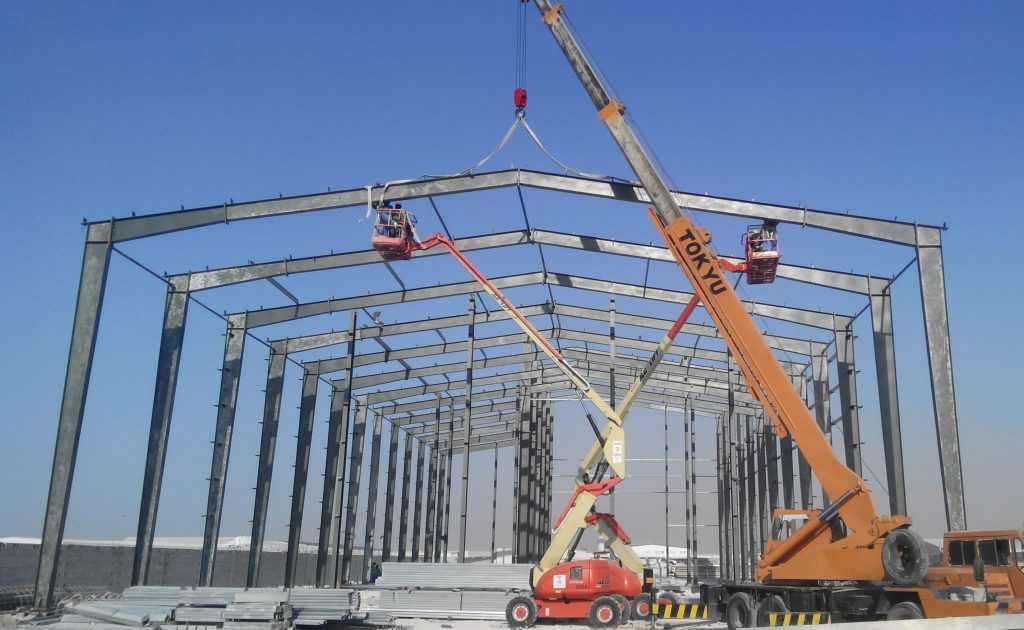
4. Operational Value: Empowering the Logistics Hub’s Efficient Development
Since its commissioning, Lida’s premium metal frame warehouse has significantly improved the operational efficiency and comprehensive competitiveness of the Southeast Asian logistics hub, delivering tangible economic and social value.
In terms of efficiency improvement, the warehouse’s high-density storage design and intelligent operation system have increased the hub’s storage capacity by 120% compared to the original plan, while reducing cargo handling time by 35%. The automated sorting and storage system enables 24/7 uninterrupted operations, with the daily cargo processing capacity increasing from 120,000 parcels to 200,000 parcels—meeting the hub’s peak demand during e-commerce promotion seasons. The optimized loading and unloading platform design reduces truck waiting time by 40%, improving the turnover efficiency of transportation vehicles.
In terms of cost reduction, the warehouse’s prefabricated construction and low maintenance costs reduce the hub’s initial investment by 15% and annual operational costs by 20%. The green energy solutions (photovoltaic power generation and rainwater harvesting) save the hub $280,000 in annual energy and water costs. The long service life of the metal structure (over 30 years) and recyclable materials reduce the hub’s long-term asset replacement costs, achieving cost optimization throughout the lifecycle.
In terms of sustainability, the warehouse’s carbon emissions are reduced by 500 tons per year compared to traditional warehouses, helping the logistics hub obtain LEED Gold certification. The green and intelligent image of the warehouse enhances the hub’s brand influence, attracting more high-end customers (such as international e-commerce platforms and automotive manufacturers) and promoting the regional logistics industry’s green transformation.
In terms of scalability, the warehouse’s modular design allows for easy expansion. The logistics hub plans to expand the warehouse by 30,000 square meters in 2027, and Lida’s modular components can be quickly assembled without disrupting the existing operations—supporting the hub’s business growth.
5. Industry Impact: Setting a Benchmark for Logistics Hub Storage Solutions
Lida Group’s delivery of the premium metal frame warehouse for the Southeast Asian logistics hub has far-reaching implications for the global logistics and metal structure industries, setting a benchmark for high-end storage solutions in logistics hub scenarios.
First, it demonstrates the advantages of metal frame structures in logistics hub applications. Compared to traditional concrete warehouses, metal frame warehouses have obvious advantages in space efficiency, construction speed, flexibility, and sustainability—perfectly matching the needs of modern logistics hubs. This project will drive more logistics hubs to adopt premium metal frame warehouses, promoting the upgrading of the logistics storage industry.
Second, it innovates the integration of metal structure design and logistics operations. Lida’s customized solution fully considers logistics hub characteristics, integrating loading and unloading platform design, automated equipment integration, and traffic flow optimization into the structural design—breaking the separation between traditional structural design and logistics needs. This integrated design concept will become a new trend in logistics warehouse construction.
Third, it promotes the digital and green transformation of the logistics storage industry. The integration of intelligent management systems and green energy solutions in the project provides a feasible path for logistics hubs to achieve digital operation and carbon reduction. Lida’s experience in this project will be replicated in other regions, accelerating the industry’s transformation towards intelligence and sustainability.
Fourth, it strengthens Lida Group’s global influence in the logistics warehouse field. This project adds a classic case to Lida’s global portfolio, demonstrating its ability to provide customized premium solutions for large-scale logistics hubs. It will help Lida expand its market share in Southeast Asia, Africa, and other emerging logistics markets, consolidating its position as a global leader in prefabricated metal structure solutions.
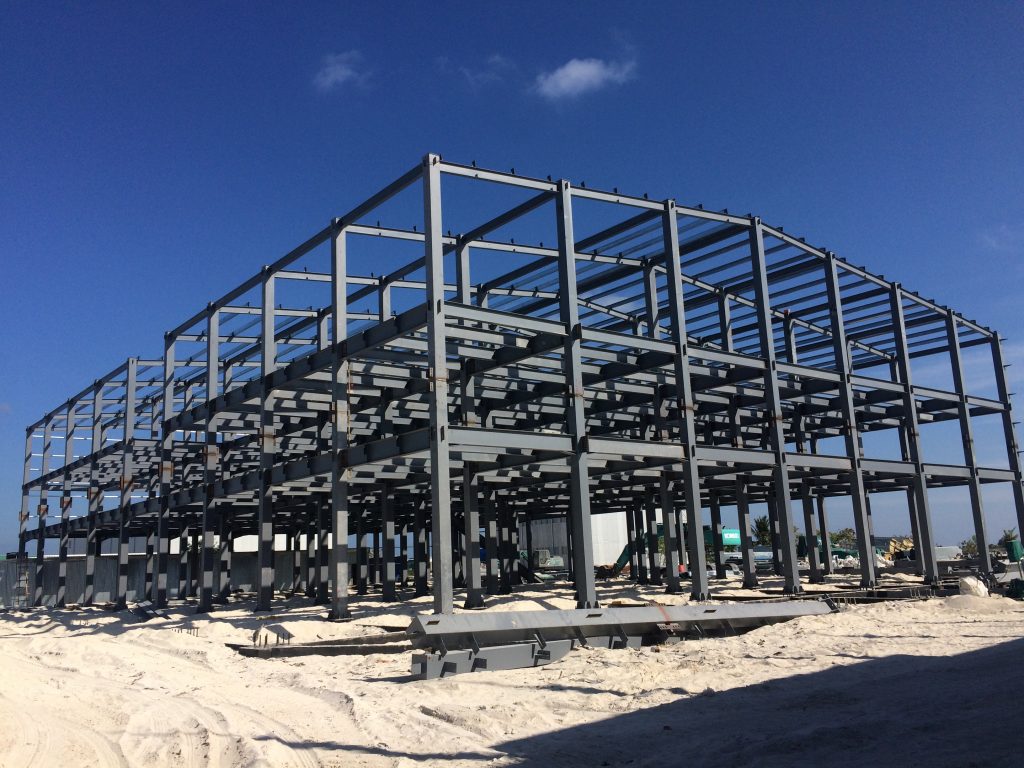
6. Conclusion: Premium Metal Frame Warehouses—The Core Engine of Modern Logistics Hubs
Lida Group’s successful delivery of the premium metal frame warehouse for the Southeast Asian logistics hub fully demonstrates the critical role of high-quality metal structure solutions in empowering modern logistics hubs. By integrating customized structural design, advanced materials, logistics-optimized configurations, intelligent technologies, and green sustainability, Lida has created a storage facility that balances efficiency, durability, intelligence, and environmental friendliness—meeting the multi-dimensional needs of the logistics hub and setting a new industry benchmark.
This project is not only a testament to Lida Group’s 30+ years of technical accumulation and project experience but also a reflection of its customer-centric and innovative development philosophy. From demand analysis and solution design to intelligent construction and post-construction maintenance, Lida provides a one-stop service that ensures the project’s success and delivers long-term value to the customer.
As global logistics continues to develop towards intelligence, efficiency, and sustainability, the demand for premium metal frame warehouses in logistics hubs will continue to grow. Lida Group will continue to invest in R&D, deepening the integration of metal structure technology with logistics operations, intelligent systems, and green energy—developing more advanced, customized solutions for global logistics hubs. By doing so, Lida will not only expand its global business but also contribute to the high-quality development of the global logistics industry, building a more efficient, resilient, and sustainable supply chain ecosystem.
In essence, Lida Group’s premium metal frame warehouse is more than a storage facility—it is a core engine driving the efficient operation of modern logistics hubs. It represents the future direction of logistics storage construction, where structural performance, logistics efficiency, intelligent technology, and sustainability are deeply integrated. For logistics hubs seeking to gain a competitive edge in the global supply chain, partnering with Lida Group to build premium metal frame warehouses is a strategic choice that delivers long-term value.
Related news
-
Lida Group Introduces Advanced Steel Structure Building Solutions
2026-01-27 17:54:07
-
Lida Group Achieves Milestone in Metal Frame Warehouse Construction
2026-01-27 17:31:20
-
Your Trusted Partner for Industrial Steel Structure Buildings
2026-01-27 17:45:49
contact us
- Tel: +86-532-88966982
- Whatsapp: +86-13793209022
- E-mail: sales@lidajituan.com
