



Lida Group Delivers Low-Cost Durable Building for Workforce Housing
2026-Feb-25 16:48:06
By Admin
In the global construction, mining, oil and gas, and infrastructure industries, workforce housing is a critical component that directly impacts project efficiency, worker well-being, and long-term profitability. For project owners, contractors, and enterprises operating in remote or challenging environments, the demand for workforce housing that balances two core priorities—affordability and durability—has never been more urgent. Traditional workforce housing solutions often force a painful trade-off: temporary board houses are cheap but flimsy, prone to rapid deterioration and frequent replacement; permanent brick-and-concrete structures are durable but prohibitively expensive, with lengthy construction cycles that delay project timelines and inflate budgets. This dilemma has long plagued the industry, wasting resources, increasing operational costs, and even compromising worker safety and retention.
Against this backdrop, Lida Group—an industry-leading enterprise with over three decades of experience in prefabricated construction and green building solutions—has emerged as a game-changer, delivering innovative low-cost, durable buildings specifically engineered for workforce housing. Founded in 1993 and headquartered in Shandong, China, Lida Group has built a comprehensive industrial chain covering research and development (R&D), production, transportation, installation, maintenance, and recycling, establishing itself as a one-stop solution provider for workforce housing worldwide. With a global footprint spanning 155 countries and regions, the group has completed over 5,000 projects, partnering with industry giants such as China State Construction, Saudi Aramco, and BHP, and even serving as a designated integrated camp supplier for the United Nations. Lida Group’s workforce housing solutions redefine the standards of affordability and durability, leveraging advanced prefabrication technology, optimized material selection, and rigorous quality control to deliver value that traditional housing simply cannot match—proving that cost-effectiveness and long-lasting performance can coexist without compromise.
To fully appreciate the transformative impact of Lida Group’s workforce housing, it is essential to first examine the industry pain points that have long hindered effective workforce accommodation. Construction and resource extraction projects—whether large-scale railways, remote mining sites, offshore oil fields, or infrastructure developments—often require housing for hundreds or even thousands of workers in locations with limited infrastructure, harsh weather conditions, and tight budget constraints. Traditional housing options fail to address these challenges effectively.
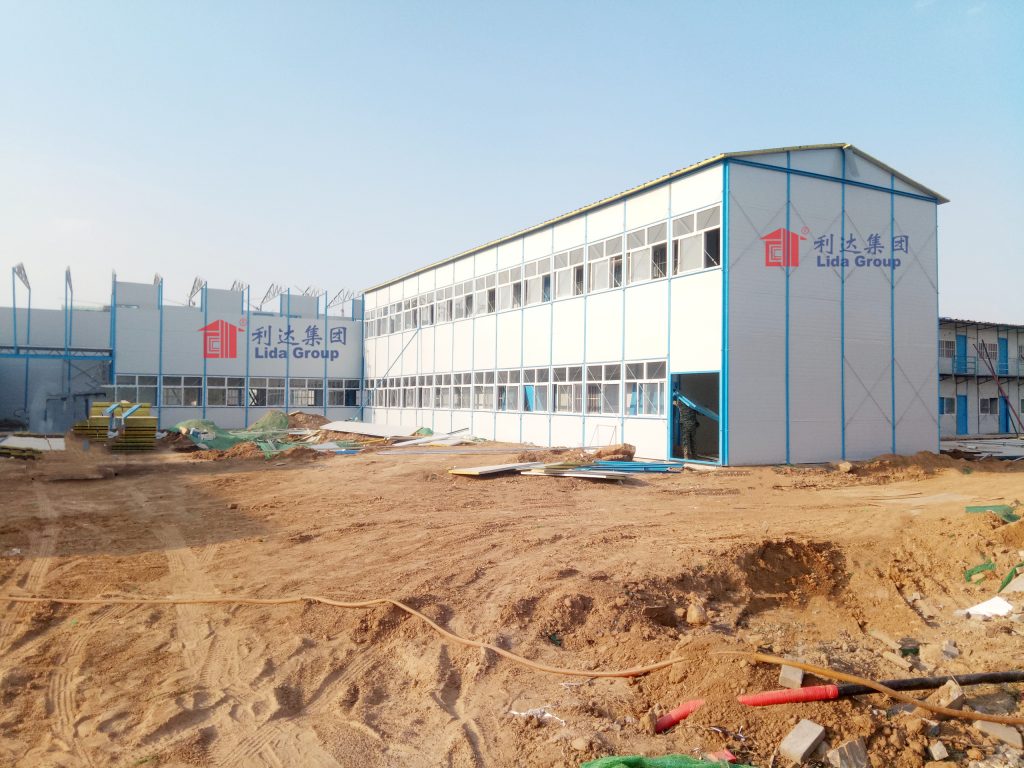
Temporary board houses, the most common traditional solution, are typically constructed with thin, low-quality steel sheets and minimal insulation. While they offer low upfront costs, their lack of durability becomes evident within months. These structures are vulnerable to corrosion, water leakage, and damage from strong winds or extreme temperatures, requiring frequent repairs that add up over time. In humid coastal areas or industrial regions, rust and mold quickly degrade the structure, compromising worker safety and comfort. Moreover, temporary board houses are rarely reusable; once a project ends, they are often discarded, resulting in resource waste and additional costs for new accommodation at the next site. For enterprises operating across multiple projects, this cycle of “build, use, discard” becomes a significant financial burden.
Permanent brick-and-concrete workforce housing, on the other hand, offers superior durability but at a prohibitive cost. Constructing such housing requires extensive on-site labor, large quantities of expensive materials, and a lengthy construction cycle—often 2-3 months for a single dormitory block. This delays worker deployment, extending project timelines and increasing overhead costs such as site management and equipment rental. Additionally, brick-and-concrete structures are not flexible; they cannot be disassembled or relocated, making them impractical for temporary or mobile projects. For remote sites or short-term projects, the high upfront cost and lack of reusability make this option economically unfeasible.
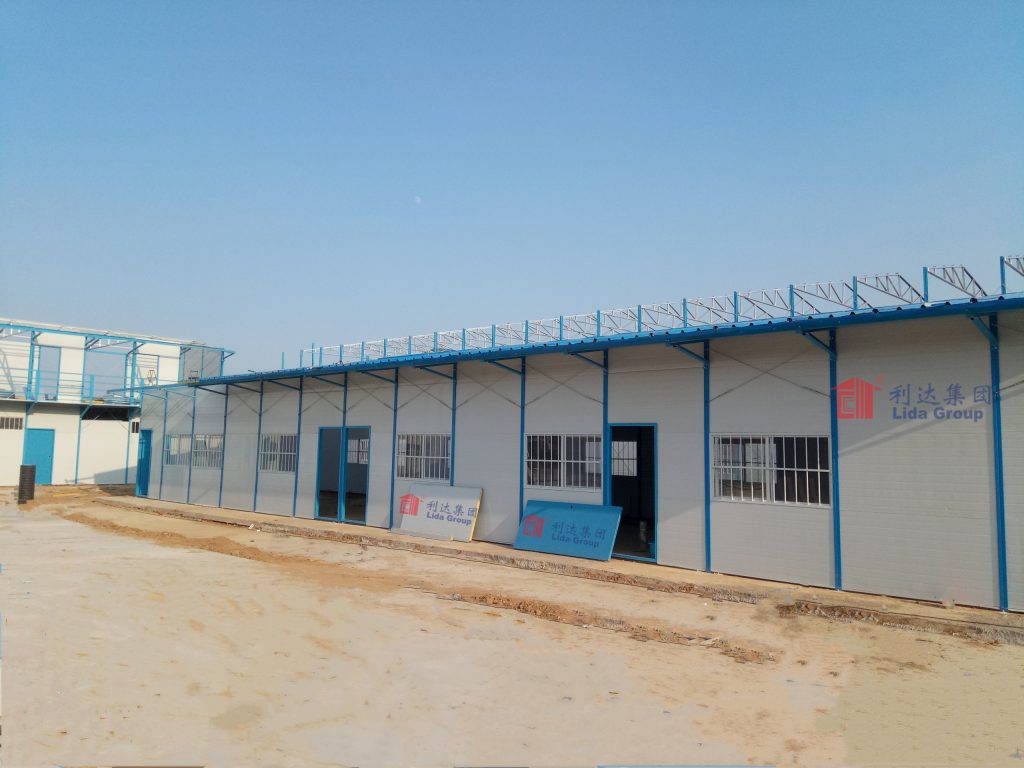
Lida Group’s workforce housing solutions are specifically designed to eliminate this trade-off, integrating the best aspects of temporary and permanent housing while addressing their inherent flaws. At the core of this innovation is the group’s advanced prefabrication technology, which shifts the majority of construction from on-site to a controlled factory environment. This approach ensures precision, efficiency, and consistency, while reducing costs, minimizing waste, and enhancing durability—all key to delivering low-cost, long-lasting workforce housing.
Lida Group’s ability to deliver low-cost workforce housing stems from three key strategic advantages: optimized production processes, efficient material usage, and economies of scale. Unlike traditional on-site construction, which is prone to waste, delays, and labor inefficiencies, Lida’s factory-based prefabrication process streamlines every step of production, driving down costs without sacrificing quality.
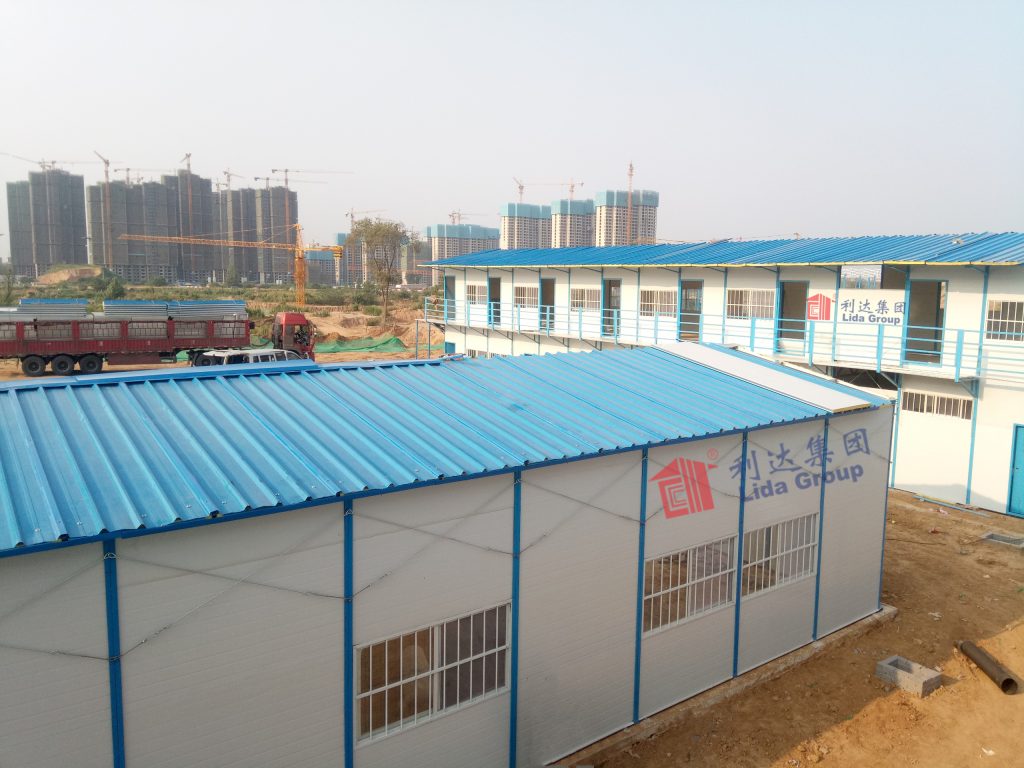
First, factory prefabrication minimizes material waste—a major cost driver in traditional construction. Traditional on-site construction typically generates 10-15% material waste due to manual errors, imprecise cutting, and over-ordering. In contrast, Lida Group uses computer-aided design (CAD) and advanced numerical control (NC) machinery to cut and fabricate components with millimeter precision, reducing waste to less than 3%. Any leftover materials—such as steel scraps—are recycled and reused in future production through the group’s patented Circusteel™ process, which diverts thousands of tons of steel from landfills annually and reduces carbon emissions by 72% compared to virgin steel. This closed-loop material management not only lowers material costs but also aligns with the group’s commitment to sustainability.
Second, Lida Group optimizes material selection to balance cost and performance. The group’s workforce housing primarily uses galvanized light steel frames (Q235 or Q345 steel) and high-performance sandwich panels—materials that are both affordable and durable. Galvanized light steel offers an exceptional strength-to-weight ratio, making it lighter and cheaper to transport than heavy steel or concrete, while its hot-dip galvanizing treatment provides superior corrosion resistance. The sandwich panels, used for walls and roofs, consist of two outer layers (fiber-reinforced cement or galvanized steel) and a middle insulation layer (polystyrene, polyurethane, rock wool, or fiberglass), which is cost-effective yet highly functional. These materials are sourced in bulk through long-term supplier partnerships, enabling Lida to secure competitive pricing and pass cost savings on to clients.
Third, streamlined production and installation processes reduce labor costs significantly. Traditional on-site construction requires a large workforce of skilled laborers for extended periods, with labor costs accounting for 30-40% of total project costs. Lida’s prefabricated components are fully manufactured in the factory, with only a small team of 6-8 certified installers needed on-site to assemble the modules. The assembly process is rapid: a typical workforce housing block accommodating 50 workers can be fully assembled in 5-7 days, compared to 2-3 months for traditional brick-and-concrete construction. This reduces labor costs by 50% or more, while also shortening the construction cycle and minimizing overhead costs such as site rental and equipment rental.
Long-term cost savings further enhance the affordability of Lida’s workforce housing. Unlike temporary board houses that require frequent repairs and replacement, Lida’s structures are designed for durability, reducing maintenance costs to less than 5% of the total construction cost annually. Additionally, the modular design allows for easy replacement of individual components (e.g., a damaged wall panel or window) without renovating the entire structure. Most importantly, Lida’s workforce housing is highly reusable—each module can be disassembled, transported to a new site, and reassembled up to 10 times, eliminating the need to build new housing for each project. For example, a construction company working on multiple infrastructure projects can reuse the same modules across sites, saving 60-70% of the cost of building new housing each time.
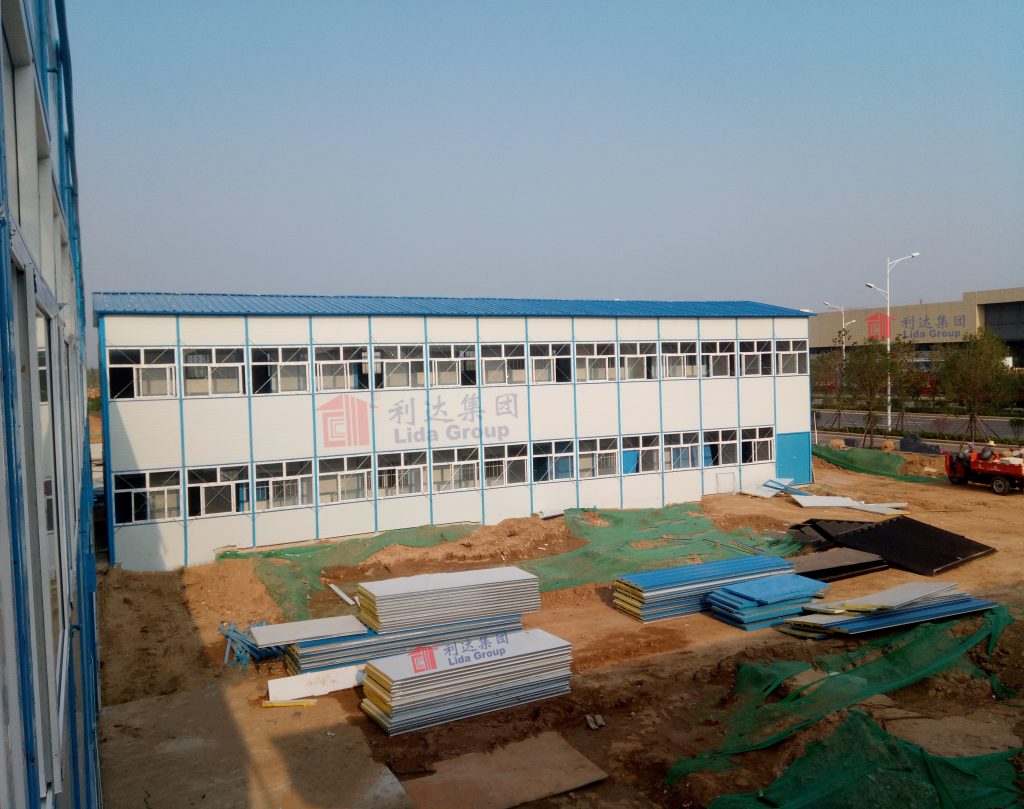
While affordability is a core advantage, Lida Group never compromises on durability—a critical factor for workforce housing, which must withstand harsh construction site conditions, extreme weather, and heavy use. Durability is integrated into every stage of Lida’s design, material selection, production, and installation processes, ensuring that its workforce housing has a service life of over 20 years, and in many cases, up to 50 years with proper maintenance.
Material selection is the foundation of Lida’s durability commitment. The galvanized light steel frames used in the structures are treated with a hot-dip galvanizing layer that provides a protective barrier against rust and corrosion, making them suitable for use in humid coastal areas, industrial regions, and harsh desert environments. For coastal or high-salt environments, Lida also offers nano-ceramic coatings to further enhance corrosion resistance. The sandwich panels are engineered for maximum durability: the outer fiber-reinforced cement layers are strong, fire-resistant, and moisture-proof, while the middle insulation layer provides additional structural support and thermal efficiency. These panels are bonded with high-strength adhesives to prevent delamination, even after years of exposure to extreme temperatures (ranging from -45°C to 50°C) and heavy use.
The modular structure of Lida’s workforce housing further enhances durability. The modules are connected using high-strength bolts and connectors, creating a rigid, stable structure that can withstand seismic activity of up to 8 magnitudes and wind speeds of up to 150 km/h—far exceeding international safety standards for workforce housing. Lida’s structures also feature a patented waterproof technology that replaces traditional self-tapping screw connections with a seamless bonding system, eliminating water leakage risks—a common flaw in traditional prefabricated housing. For fire safety, the sandwich panels and steel frames meet Class A fire protection standards, with rock wool insulation providing up to 4 hours of fire resistance, ensuring worker safety in case of fire.
Rigorous quality control is another cornerstone of Lida’s durability commitment. The group has implemented a strict three-level quality control system throughout the production and installation process, complying with ISO 9001:2015, EU CE (EN1090), and SGS, BV, TUV certifications. In the factory, every component undergoes rigorous testing, including material strength tests, corrosion resistance tests, waterproof tests, and thermal insulation tests. Advanced automated inspection systems—such as 3D scanning and laser measurement—ensure that each module meets precise dimensional standards, with errors kept below 2mm. During on-site installation, certified installers follow strict guidelines, and each connection point is inspected and reinforced. After installation, a comprehensive final inspection is conducted to verify that the housing meets all safety, durability, and quality standards.
Lida Group’s workforce housing is highly versatile, adaptable to a wide range of industries and environments—from construction sites and mining camps to oil and gas fields and military bases. The modular design allows for flexible customization, with options for single-story or multi-story structures, and layouts tailored to accommodate different numbers of workers (from small teams of 10 to large groups of 1,000+). Lida provides customized solutions based on local climate conditions: in cold regions, the housing is equipped with thickened insulation modules and floor heating systems; in hot and humid regions, it is optimized for ventilation and moisture resistance; in high-altitude regions, it includes oxygen supply systems; and in coastal regions, it features enhanced anti-corrosion materials.
The housing is also equipped with comprehensive supporting facilities to ensure worker comfort and well-being—critical for worker retention and productivity. Each unit includes sleeping quarters with metal bunk beds (with safety rails), wardrobes, desks, and chairs, as well as communal spaces such as restrooms, showers, kitchens, dining halls, and even recreation areas. The advanced insulation materials ensure a comfortable indoor temperature year-round (18-22°C in winter and 24-26°C in summer), reducing energy costs for heating and cooling by 40% compared to traditional housing. For remote sites, Lida can also integrate solar panels and smart microgrids to provide clean energy, reducing reliance on diesel generators and lowering operational costs.
To demonstrate the real-world impact of Lida Group’s low-cost, durable workforce housing, we highlight several successful global case studies, each showcasing how the group’s solutions have delivered tangible value to clients.
One notable case is the BHP Chilean copper mine project, where Lida Group replaced 200 temporary cabins with its prefabricated workforce housing made from 98% recycled steel sourced from on-site scrap. The mine required durable, eco-friendly housing that could withstand the harsh desert climate and reduce environmental impact. Lida’s solution diverted 8,400 tons of steel from landfills, reducing scope 3 emissions by 12% and aligning with BHP’s sustainability goals. The housing was equipped with solar panels and smart microgrids, generating 1.2 MWh of clean energy daily and reducing diesel use by 78%—saving the mine $420,000 annually in fuel costs. After 4 years of use, the housing remains in excellent condition, with minimal maintenance required, and the modules can be relocated as the mine expands.
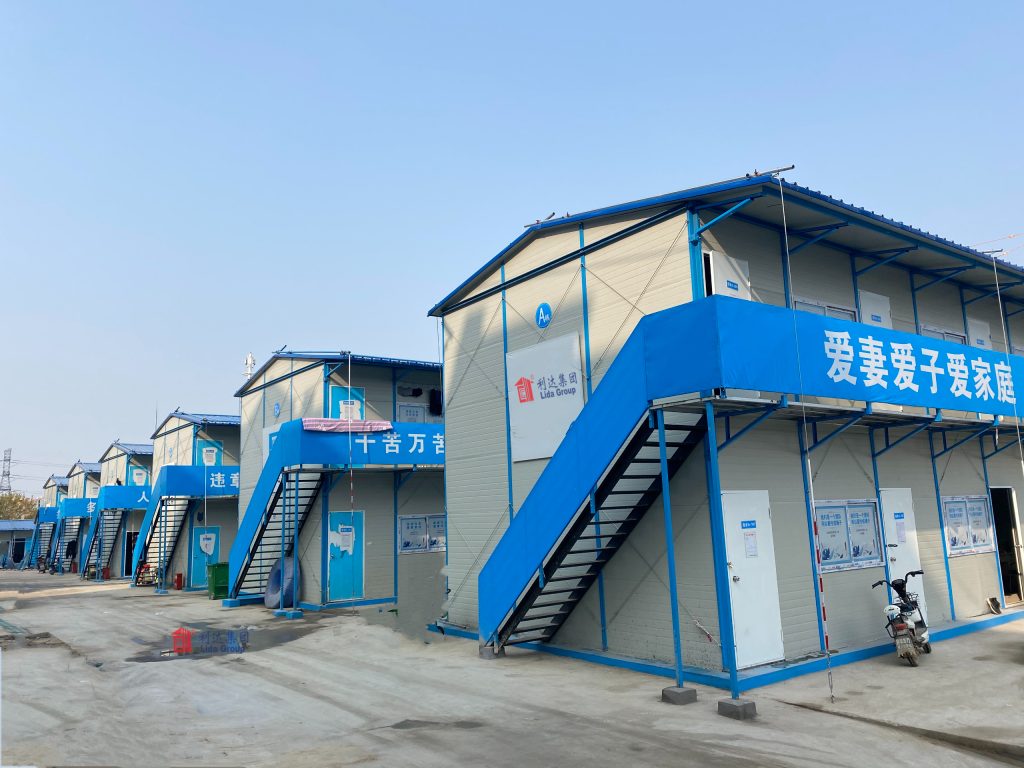
In the Ivory Coast Abidjan Port expansion project, Lida Group was tasked with building a large-scale workforce camp covering 27 hectares, including 28 dormitory blocks, 4 office buildings, and supporting facilities such as basketball courts and gyms. The project required low-cost, durable housing that could be built quickly to accommodate 1,200中外 workers. Lida’s prefabricated modules were produced in the factory in 25 days and assembled on-site in just 40 days—60% faster than traditional construction. The total cost of the camp was 35% lower than brick-and-concrete alternatives, and the modular design allowed for flexible layout adjustments to separate production and living areas. After 3 years of use, the housing remains structurally sound, with no major repairs needed, and has been praised for its comfort and durability by both local and international workers.
Another successful case is the Arctic mining camp project, where Lida Group delivered a 200-person workforce camp in a roadless region with extreme cold temperatures (-40°C) and strong winds. The challenge was to provide durable, warm housing that could be deployed quickly without extensive on-site infrastructure. Lida’s volumetric modular units were flown to the site by helicopter, with plug-and-play utility connections and foundation-free screw piles to minimize environmental disruption. The housing was equipped with thickened rock wool insulation and energy-efficient heating systems, ensuring a comfortable indoor temperature even in extreme cold. The total cost was 40% lower than traditional temporary housing, and the modules can be disassembled and reused for future mining projects in the region. After 2 years of use, the camp has withstood severe snowstorms and freezing temperatures without damage, proving its exceptional durability.
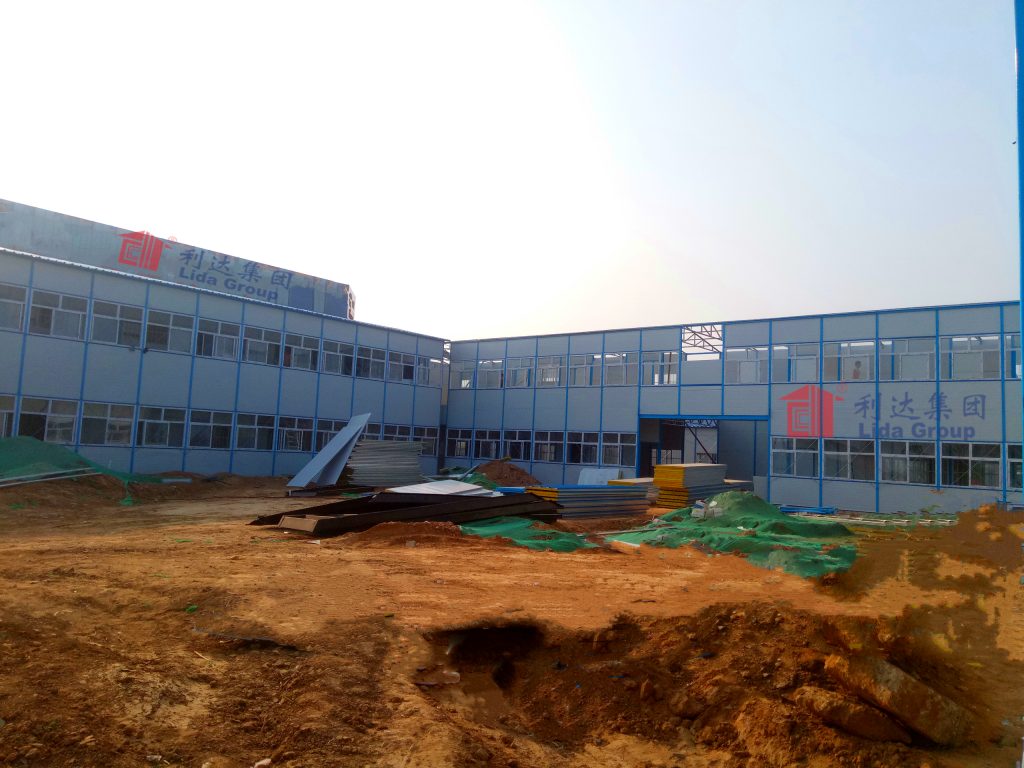
In Kenya, Lida Group delivered 100 low-cost workforce housing units for a rural construction project, where the client faced tight budget constraints and a need for durable housing that could withstand the hot, arid climate. Lida’s solution used affordable galvanized steel frames and EPS sandwich panels, with large windows for natural ventilation and shading to reduce cooling costs. The housing was assembled in just 30 days, with Lida training 50 local workers to assist with installation—creating local jobs and supporting economic development. The total cost per unit was 50% lower than traditional brick houses, and after 1 year of use, 98% of the units remain in perfect condition, with no major maintenance required. The client was able to reuse the modules for a subsequent construction project, further reducing costs.
Beyond delivering low-cost, durable housing, Lida Group provides a full-cycle service to ensure a seamless experience for clients—from pre-project planning to post-installation maintenance and recycling. The group’s professional team offers free on-site surveys, 3D layout design, and detailed quotes, tailoring solutions to the specific needs of each project (project scale, number of workers, climate, terrain). During production, clients receive real-time updates on progress, and modules are delivered in 40-foot high cube containers to ensure safe transportation worldwide. On-site, Lida provides installation supervision, training for local workers, and technical support to ensure smooth assembly. After installation, the group offers a 1-year warranty and 15 years of after-sales service, including online technical support, on-site maintenance, and free spare parts. When a project ends, Lida also provides module recycling and renovation services, helping clients reuse resources and reduce costs further.
The widespread adoption of Lida Group’s low-cost, durable workforce housing has had a profound impact on the global industry, driving positive change in how enterprises approach workforce accommodation. Firstly, it helps clients reduce costs and improve profitability by eliminating the trade-off between affordability and durability. The upfront cost savings from streamlined production and reduced labor, combined with long-term savings from low maintenance and reusability, make Lida’s solutions accessible to enterprises of all sizes—from large multinational corporations to small local contractors.
Secondly, Lida’s solutions improve worker safety and well-being, leading to higher retention rates and productivity. By providing a comfortable, safe, and durable living environment, enterprises can attract and retain skilled workers, reducing the costs associated with turnover and training. This is particularly critical in remote or harsh environments, where worker morale and safety are key to project success.
Thirdly, Lida’s workforce housing promotes sustainability, aligning with global efforts to reduce carbon emissions and resource waste. The group’s use of recycled materials, efficient material usage, and reusable modules reduces the environmental footprint of workforce housing, helping clients meet their sustainability goals. For example, Lida’s recycled steel process and energy-efficient design reduce carbon emissions by 40-72% compared to traditional housing.
Fourthly, Lida’s solutions accelerate project timelines by enabling rapid deployment of workers. The quick assembly of prefabricated modules ensures that workers can move on-site sooner, reducing project delays and improving efficiency. This is particularly valuable for time-sensitive projects, such as infrastructure developments or emergency response efforts.
Looking to the future, Lida Group remains committed to advancing its workforce housing solutions through continuous innovation and R&D. The group plans to increase its R&D investment to develop more advanced materials—such as lightweight, high-strength composites—and integrate smart technologies, including AI-driven energy management systems and real-time structural monitoring, to further reduce maintenance costs and improve safety. Lida also aims to expand its global market presence, focusing on developing countries in Asia, Africa, and Latin America where the demand for low-cost, durable workforce housing is growing rapidly. By strengthening partnerships with local governments, NGOs, and contractors, Lida will adapt its solutions to local climate conditions, building codes, and cultural needs, ensuring maximum value for local communities.
With its 30+ years of experience, comprehensive industrial chain, global service network, and commitment to quality and sustainability, Lida Group is well-positioned to remain a global leader in low-cost, durable workforce housing. As the global construction and resource extraction industries continue to prioritize cost control, durability, and sustainability, Lida’s innovative solutions will play an increasingly important role in shaping the future of workforce accommodation.
Summary
The global industry has long struggled with a critical dilemma in workforce housing: balancing affordability and durability. Traditional solutions—temporary board houses and permanent brick-and-concrete structures—force enterprises to choose between low upfront costs or long-term usability, resulting in wasted resources, increased costs, and compromised worker safety. Lida Group, a pioneering enterprise with over three decades of experience in prefabricated construction, has resolved this trade-off by delivering innovative low-cost, durable buildings specifically engineered for workforce housing, redefining the standards of value and performance in the industry.
Lida Group’s ability to deliver low-cost workforce housing is rooted in three key strategies: optimized factory prefabrication that reduces material waste to less than 3% (compared to 10-15% in traditional construction), cost-effective material selection (galvanized light steel frames and sandwich panels) sourced in bulk, and streamlined production and installation processes that reduce labor costs by 50% or more. Long-term cost savings are further enhanced by the housing’s reusability (up to 10 times) and low maintenance requirements, making it a highly cost-effective solution over its entire lifecycle.
Durability is integrated into every aspect of Lida’s workforce housing, from material selection to quality control. The use of galvanized light steel frames (Q235/Q345) and high-performance sandwich panels ensures resistance to corrosion, extreme weather, fire, and seismic activity, with a service life of over 20 years. Rigorous quality control processes—complying with ISO 9001, CE, and SGS certifications—ensure consistent performance, with modules built to withstand temperatures from -45°C to 50°C, wind speeds up to 150 km/h, and seismic activity up to 8 magnitudes.
Lida’s workforce housing is highly versatile, adaptable to diverse industries (construction, mining, oil and gas, military) and environments, with customizable layouts and supporting facilities to ensure worker comfort. Real-world case studies from Chile, the Ivory Coast, the Arctic, and Kenya demonstrate the tangible impact of Lida’s solutions, delivering cost savings of 35-50% compared to traditional housing, rapid deployment, and exceptional durability in harsh conditions.
Beyond product excellence, Lida Group provides a full-cycle service—from pre-project planning to post-installation maintenance and recycling—ensuring a seamless experience for clients. The group’s global presence, comprehensive industrial chain, and commitment to sustainability further enhance its value, helping clients reduce costs, improve worker well-being, and meet sustainability goals.
In conclusion, Lida Group’s low-cost, durable workforce housing represents a paradigm shift in how enterprises approach worker accommodation. By leveraging advanced prefabrication technology, optimized materials, and rigorous quality control, Lida has proven that affordability and durability can coexist—delivering value that traditional housing cannot match. As the global industry continues to prioritize cost control, durability, and sustainability, Lida Group will remain at the forefront, driving innovation and providing solutions that empower enterprises to succeed while improving the lives of workers worldwide. Lida’s commitment to quality, affordability, and sustainability makes it the trusted partner for workforce housing solutions across the globe.
Related news
-
New Prefab Worker Dormitory Combines Affordability and Durability
2026-02-25 16:35:01
-
Sustainable Housing: Eco-Friendly Sandwich Panel House by Lida Group
2026-02-24 17:55:11
-
Achieve Low-Cost Durable Building with Our Innovative Prefab Solutions
2026-02-14 16:38:15
contact us
- Tel: +86-532-88966982
- Whatsapp: +86-13793209022
- E-mail: sales@lidajituan.com
