



Lida Group Delivers Flexible Modern Mobile Building Projects
2025-Dec-24 17:52:24
By Admin
In the dynamic landscape of global construction, flexibility has emerged as a decisive competitive edge, driven by evolving user demands, unpredictable market shifts, and the need for adaptive spatial solutions. Traditional fixed construction, with its rigid designs, prolonged timelines, and site-specific limitations, can no longer keep pace with the requirement for buildings that adapt to changing functions, environments, and scales. As a global pioneer in prefabricated and mobile construction, Lida Group has redefined industry standards by delivering flexible modern mobile building projects that transcend these constraints. By integrating modular innovation, digital design tools, and user-centric engineering, Lida Group’s projects seamlessly adapt to diverse scenarios—from urban commercial spaces and remote industrial sites to emergency response and public infrastructure—while maintaining modern aesthetics, structural integrity, and operational efficiency. This article explores the core dimensions of flexibility in Lida’s projects, the technological and operational enablers, real-world project showcases, delivery advantages, and industry impact, illustrating how the company is reshaping the future of built environments through adaptive mobile solutions.
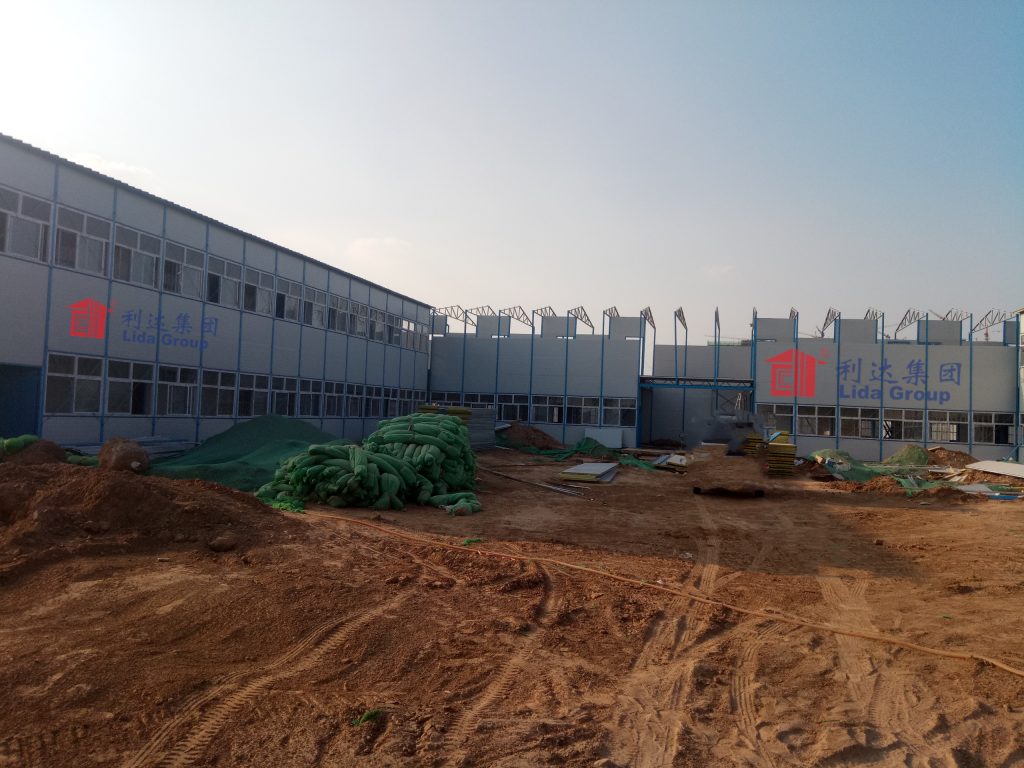
1. The Essence of Flexibility in Modern Mobile Building Projects
For Lida Group, flexibility in mobile building projects is not a single feature but a holistic design philosophy embedded in every stage of project delivery—from conceptualization to post-deployment adaptation. This philosophy encompasses four interconnected dimensions, each addressing a critical pain point of traditional construction and delivering tangible value to clients. Unlike conventional mobile structures that are limited to fixed functions or temporary use, Lida’s flexible projects are engineered to be versatile, scalable, and future-proof, ensuring long-term relevance across changing needs.
At its core, Lida’s flexibility-driven approach aligns with global trends in collaborative design and adaptive space use, as highlighted by industry research indicating that flexible buildings are 30% more cost-effective over their lifecycle than rigid counterparts. By prioritizing adaptability, Lida Group empowers clients to maximize asset utilization, reduce waste, and respond rapidly to market or environmental changes—key advantages in today’s fast-paced construction landscape. This client-centric flexibility has made Lida’s projects the preferred choice for businesses, governments, and organizations seeking agile building solutions that balance performance, aesthetics, and practicality.
1.1 Design Flexibility: Tailoring to Diverse Needs and Contexts
Design flexibility is the foundation of Lida Group’s mobile building projects, enabling customization to fit unique functional requirements, site constraints, and aesthetic preferences. Lida’s design team leverages parametric modeling and collaborative design platforms to create modular layouts that can be easily adjusted without compromising structural integrity or construction efficiency. Whether clients need a compact pop-up retail pod, a spacious industrial dormitory, or a specialized medical clinic, the modular design framework allows for rapid customization of floor plans, dimensions, and interior configurations.
Contextual adaptation is another key aspect of design flexibility. Lida’s projects seamlessly blend with their surroundings—whether nested in dense urban landscapes, integrated into natural eco-resorts, or deployed in remote industrial zones. For urban sites, designs prioritize compact footprints and vertical scalability; for natural settings, materials and forms are chosen to minimize environmental impact; for extreme climates, insulation and structural elements are optimized for durability. This contextual sensitivity ensures that mobile buildings enhance rather than disrupt their environments, a stark contrast to generic mobile structures that often feel disconnected from their surroundings.
1.2 Functional Flexibility: Adapting to Evolving Uses
Functional flexibility— the ability to switch between different uses without extensive rework— is a defining feature of Lida Group’s mobile building projects. This versatility is achieved through modular interiors, movable partitions, and integrated utility systems that support multiple functions. For example, a single mobile module can serve as a temporary office during weekdays, a community event space on weekends, and an emergency shelter in crises—all with minimal adjustments. This multi-functional capability reduces the need for multiple specialized structures, lowering capital expenditure and environmental impact.
Lida’s functional flexibility is reinforced by smart interior systems, such as sliding/folding partitions, adjustable lighting, and modular furniture that can be reconfigured in minutes. These elements are integrated into the building’s design from the outset, ensuring that functional changes do not require structural modifications. Industry data shows that such multi-functional mobile buildings deliver a 25% higher return on investment than single-use structures, as they adapt to evolving client needs over time.
1.3 Deployment Flexibility: Overcoming Site and Logistics Constraints
Deployment flexibility refers to the ability to transport, install, and relocate mobile buildings across diverse sites—from accessible urban lots to remote, infrastructure-poor regions. Lida Group’s projects excel in this dimension through lightweight modular components, adaptive foundation systems, and streamlined logistics planning. Modules are designed to fit into standard flatbed trucks, shipping containers, or even aerial transport (for emergency scenarios), ensuring accessibility to virtually any location.
On-site, adaptive foundation solutions—including adjustable steel piers, ground anchors, and portable concrete slabs—eliminate the need for extensive site preparation, enabling installation on uneven terrain, soft soil, or sloped land. This deployment agility reduces project timelines by 60% compared to traditional construction, as buildings can be installed in days rather than months. For clients with temporary or mobile operations—such as construction companies, event organizers, or disaster relief agencies—this flexibility translates to faster time-to-operation and greater logistical efficiency.
1.4 Scalability: Growing with Changing Requirements
Scalability is a critical component of flexibility, allowing Lida’s mobile buildings to expand or contract in line with evolving client needs. Through standardized modular connections and compatible component design, projects can be horizontally extended (by adding adjacent modules) or vertically stacked (by adding floors) without disrupting existing operations. This scalability ensures that buildings grow with businesses, communities, or projects—from a small 30㎡ office to a 200㎡ multi-module complex—while maintaining design consistency and structural stability.
Unlike traditional construction, which requires costly and time-consuming rework to expand, Lida’s scalable projects enable incremental growth, reducing upfront investment and minimizing waste. For example, a rural school project can start with 8 classroom modules and add additional units as enrollment grows, with each new module integrating seamlessly into the existing structure in just 2 days.
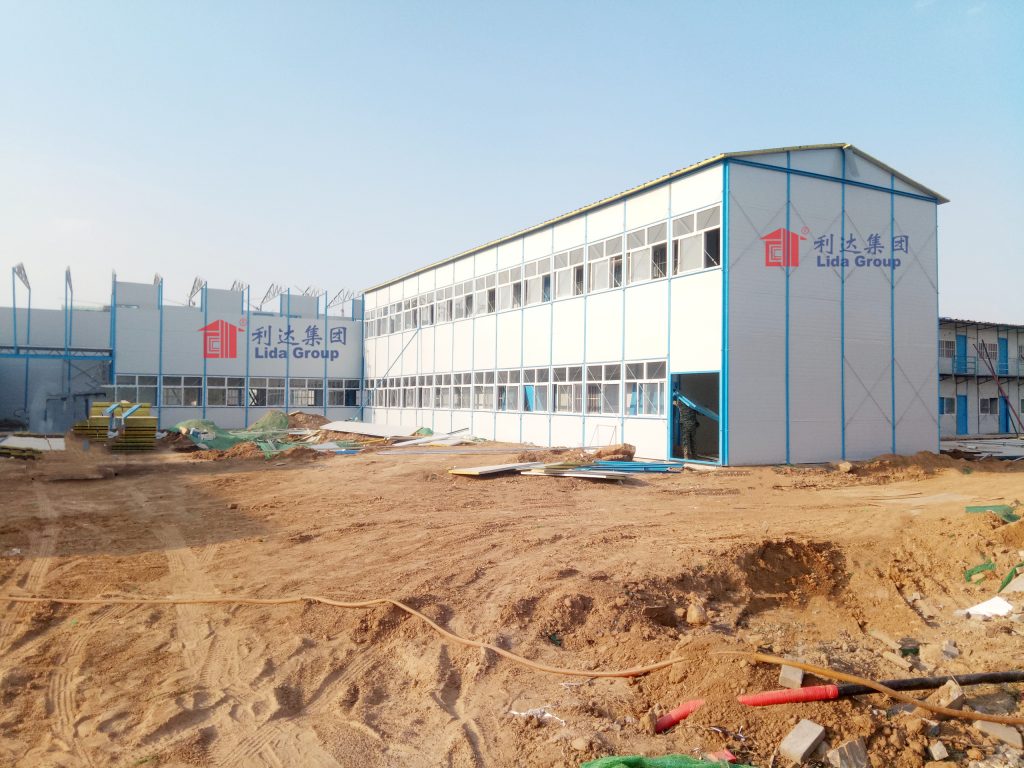
2. Technological and Operational Enablers of Flexible Project Delivery
Lida Group’s ability to deliver flexible modern mobile building projects is underpinned by advanced technologies and streamlined operational processes that bridge design ambition, manufacturing precision, and on-site efficiency. These enablers ensure that flexibility does not compromise quality, durability, or delivery speed—key concerns for clients seeking adaptive building solutions.
2.1 Modular Construction and Precision Manufacturing
Modular construction is the technical backbone of Lida’s flexible projects, enabling standardized production of components that can be assembled, disassembled, and reused in multiple configurations. Lida’s state-of-the-art factories, certified under ISO 9001 and ISO 14001, use automated production lines and CNC machining to manufacture modules with dimensional accuracy within ±0.2mm. This precision ensures that components fit seamlessly together, whether in the initial installation or subsequent reconfigurations.
Each module is a self-contained unit with integrated structural frames, insulation, utilities, and finishes, allowing for independent deployment or combination with other modules. Lida’s proprietary connection systems—including cam-lock joints and tongue-and-groove seams—enable tool-free assembly by general laborers, further enhancing deployment flexibility. The use of cold-formed thin-walled steel (CFS) frames ensures that modules are lightweight (30% lighter than traditional steel frames) yet robust, supporting both mobility and long-term durability.
2.2 Digital Design and Collaborative Platforms
Digitalization is a key enabler of design flexibility, with Lida Group leveraging Building Information Modeling (BIM), parametric design tools, and cloud-based collaborative platforms to optimize project customization and adaptation. BIM technology creates a digital twin of the project, allowing designers, clients, and contractors to visualize, test, and adjust configurations in real time—reducing errors and ensuring that flexible features meet functional requirements.
Parametric design software enables the rapid generation of multiple layout options, with algorithms optimizing for space utilization, structural performance, and aesthetic consistency. This tool is particularly valuable for custom projects, as it allows designers to adjust dimensions, curves, and component placements without starting from scratch. Cloud-based collaboration platforms facilitate real-time communication between teams, even across geographies, ensuring that client feedback is integrated quickly and accurately—accelerating the design process and enhancing project alignment with client needs.
To enhance post-deployment flexibility, Lida integrates QR code tracking into each module, linking physical components to their digital counterparts in the BIM model. This allows clients and maintenance teams to access component specifications, assembly guides, and maintenance records, simplifying reconfiguration, repairs, and upgrades over the building’s lifespan.
2.3 Adaptive Material Solutions
Material selection is critical to balancing flexibility, durability, and performance in Lida’s projects. The company uses high-performance sandwich panels with interchangeable cores (rock wool, polyurethane/PU, EPS) to adapt to diverse environmental conditions and functional needs. Rock wool core panels are ideal for fire-prone or high-temperature sites, PU core panels for superior insulation and water resistance, and EPS core panels for cost-effective, mild-climate applications.
Exterior materials are chosen for durability and aesthetic versatility, with matte-finish galvanized steel, wood-grain composites, and UV-resistant coatings that withstand harsh conditions while supporting design customization. Interior materials prioritize adaptability, with low-VOC, easy-to-clean surfaces and modular fixtures that can be rearranged or replaced without damaging the structure. All materials are selected for compatibility with modular manufacturing and reusability, supporting Lida’s sustainability goals while enhancing project flexibility.
2.4 Integrated Smart Systems
Smart technology integration enhances the functional flexibility of Lida’s mobile building projects by enabling automated adjustments and remote control of building systems. IoT sensors monitor temperature, humidity, occupancy, and structural integrity in real time, with data transmitted to a centralized platform. This allows clients to optimize energy use, adjust environmental conditions, and plan maintenance proactively—adapting the building to changing occupancy patterns or functional requirements.
For example, a multi-functional event space can automatically adjust lighting, HVAC, and partition positions based on the number of occupants or event type, while a remote industrial dormitory can use solar-powered smart systems to maintain comfortable conditions off-grid. These integrated smart systems not only enhance user experience but also extend the building’s flexibility by enabling data-driven adaptations to evolving needs.
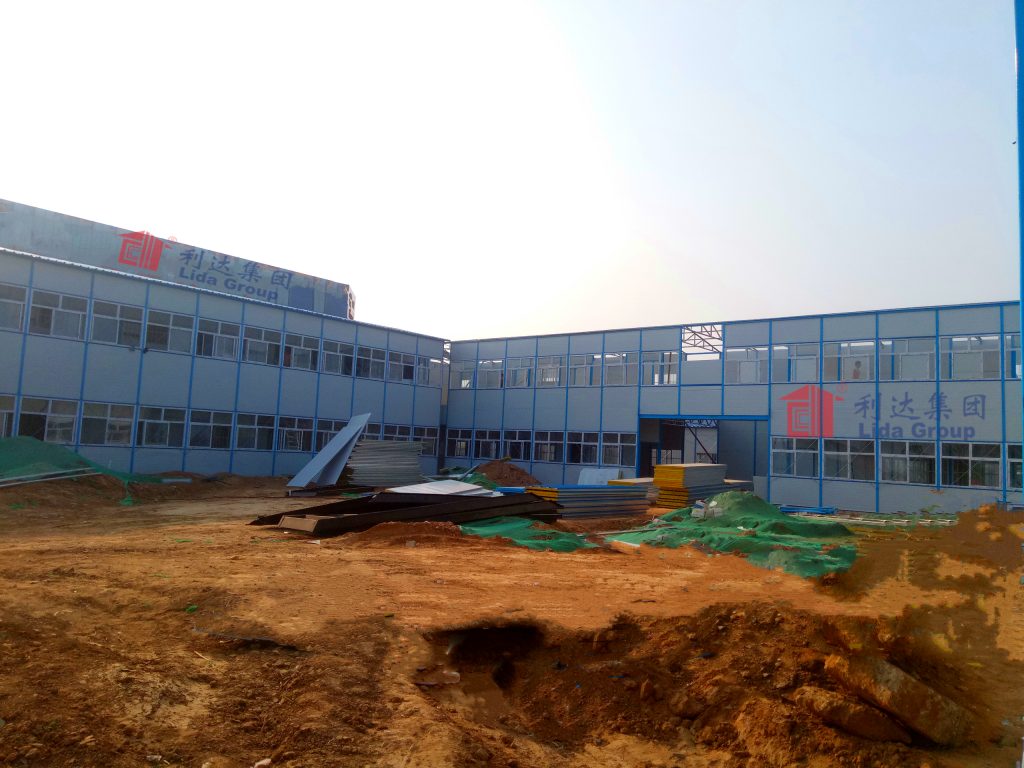
3. Real-World Flexible Project Showcases
Lida Group’s flexible modern mobile building projects have been deployed across six continents, demonstrating adaptability to diverse contexts, functions, and challenges. These case studies highlight how flexibility translates to tangible value for clients, from cost savings and speed-to-market to enhanced asset utilization and resilience.
3.1 Urban Pop-Up Commercial District: Adaptive Retail and Community Space
In a major European city’s downtown renewal project, Lida Group delivered a flexible mobile commercial district consisting of 25 modular units, designed to adapt to seasonal trends and community needs. The project featured 15 retail pods, 5 food and beverage stations, and 5 community event spaces, all built on a modular framework that allowed for reconfiguration every 3 months.
Design flexibility was prioritized to align with the city’s industrial heritage, with matte charcoal steel cladding, curved rooflines, and floor-to-ceiling glass panels that blended contemporary aesthetics with historical context. Functional flexibility was enabled by sliding partitions, modular POS systems, and integrated HVAC that adjusted to varying occupancy levels. Deployment flexibility was achieved through lightweight modules (120kg/m²) that were transported via small trucks and installed using portable cranes, minimizing disruption to surrounding businesses.
Over the project’s 2-year deployment, the district was reconfigured four times—expanding retail space during holiday seasons, converting pods to outdoor dining in summer, and hosting cultural events in winter. The client reported a 40% increase in foot traffic compared to traditional fixed retail spaces, attributed to the district’s dynamic adaptability. Post-deployment, the modules were disassembled and relocated to a suburban area, repurposed as a community center—demonstrating lifecycle flexibility and asset reuse.
3.2 Remote Lithium Mine Camp: Adaptive Industrial Accommodation
For a lithium mining project in the Kunlun Mountains (Central Asia), Lida Group delivered a flexible mobile camp consisting of 30 modules, designed to adapt to the site’s extreme climate (-30℃ winters, 40℃ diurnal temperature variations) and evolving workforce needs. The project included worker dormitories, medical clinics, offices, and storage facilities, all engineered for durability and scalability.
Deployment flexibility was critical for the remote site, with modules transported via high-altitude roads and installed using adjustable steel piers to navigate rocky, uneven terrain. Functional flexibility was enabled by modular dormitory units that could be reconfigured from 4-person to 2-person occupancy as the workforce size changed, and a medical clinic with interchangeable exam rooms and storage modules. Smart systems integrated solar panels, battery storage, and remote monitoring to maintain off-grid functionality in harsh conditions.
Over the mine’s 5-year operation, the camp was scaled horizontally by adding 10 additional modules to accommodate workforce growth, with each new unit integrating seamlessly into the existing infrastructure. The modules’ corrosion-resistant materials and weather-sealed joints ensured durability in sandstorms and extreme temperatures, with maintenance costs reduced by 60% compared to traditional fixed camps. Post-mine closure, the modules were relocated to a nearby construction site, repurposed as temporary offices—extending the asset’s lifecycle and reducing waste.
3.3 Post-Flood Emergency Response: Rapidly Adaptable Shelter and Healthcare
Following a catastrophic flood in South Asia, Lida Group deployed a flexible emergency response project consisting of 80 mobile modules, designed to adapt to the dynamic needs of displaced communities. The project included 60 shelter units, 10 medical clinics, 5 food distribution centers, and 5 administrative offices, all deployed within 72 hours of the disaster.
Deployment flexibility was paramount, with modules transported by helicopter and boat to inaccessible areas, installed using helical ground anchors to avoid sinking in muddy terrain. Functional flexibility allowed shelters to be reconfigured from family units to communal spaces, while medical clinics featured modular exam tables, storage systems, and integrated medical gas lines that adapted to changing patient volumes. The modules’ rock wool core panels provided fire resistance and insulation, while waterproof seals prevented water penetration in flood-prone areas.
As the emergency transitioned to recovery, the project adapted again—shelter units were converted to temporary classrooms, medical clinics to primary healthcare centers, and distribution centers to community markets. This adaptability reduced the need for additional post-disaster construction, saving the relief organization 35% in costs. After 18 months, the modules were disassembled and stored for future emergency use, demonstrating lifecycle flexibility and resilience.
3.4 Rural School Expansion: Scalable Educational Infrastructure
In a rural African region with growing enrollment, Lida Group delivered a flexible mobile school project consisting of 8 initial classroom modules, designed to scale with the community’s educational needs. The project prioritized contextual adaptation, with sand beige cladding that blended with the landscape, large windows for natural light, and sound-insulating rock wool panels to create a quiet learning environment.
Scalability was enabled by standardized modular connections, allowing the school to add 4 additional classrooms, 2 science labs, and a library over 3 years—each new module installed in 2 days with minimal disruption to ongoing classes. Functional flexibility was achieved through movable partitions that converted large classrooms into smaller group spaces, and modular furniture that adapted to different teaching styles. The project’s off-grid capabilities, including solar-powered lighting and rainwater harvesting, ensured resilience in areas with limited infrastructure.
The school’s flexible design allowed it to serve 300 students initially, expanding to 600 as modules were added. Local educators reported a 20% improvement in student engagement due to the adaptable learning spaces, while the modular approach reduced construction costs by 25% compared to traditional fixed schools. The project has since become a model for rural education infrastructure, demonstrating how flexible mobile buildings can address evolving community needs.
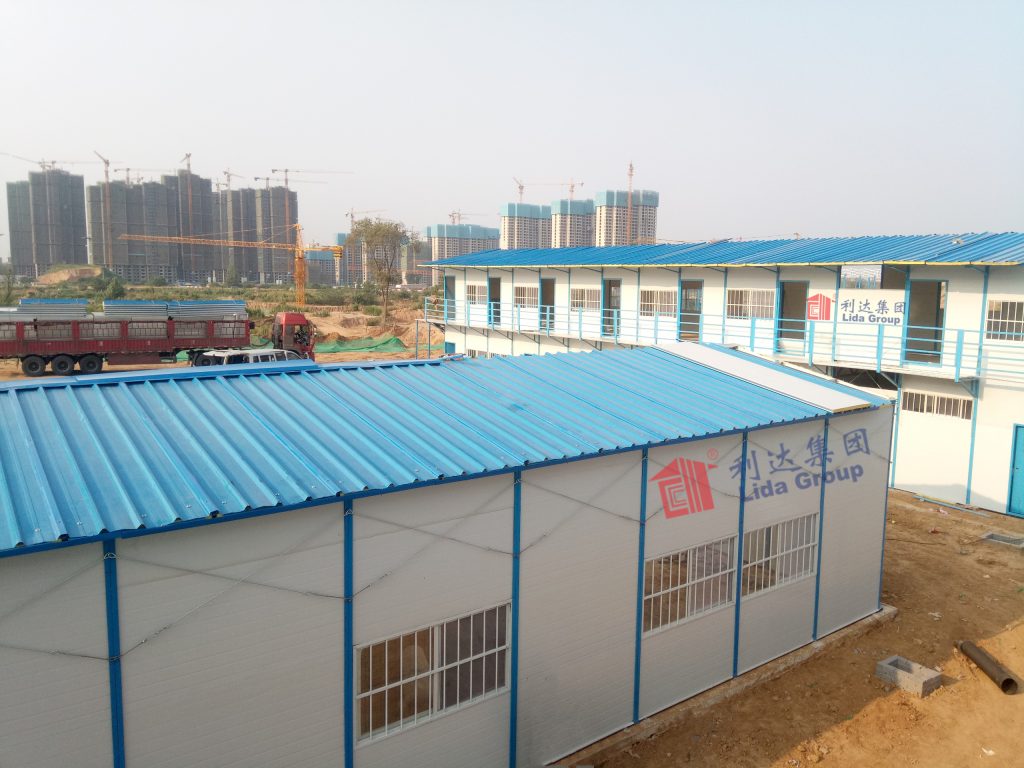
4. Project Delivery Advantages: Beyond Flexibility
Lida Group’s flexible mobile building projects deliver more than just adaptability—they offer a range of complementary advantages that enhance client value, including speed, sustainability, cost efficiency, and durability. These benefits position Lida’s projects as holistic solutions that address multiple construction challenges simultaneously.
4.1 Accelerated Delivery Timelines
Flexible modular design enables Lida to deliver projects in a fraction of the time required for traditional construction. Factory prefabrication eliminates on-site wet work and weather delays, while standardized components and tool-free assembly reduce on-site labor time. For example, a 100㎡ multi-module project can be designed, manufactured, and installed in 3–4 weeks, compared to 3–4 months for traditional construction. This speed-to-market is a critical advantage for clients with tight deadlines, such as event organizers, disaster relief agencies, or businesses expanding rapidly.
4.2 Sustainable and Circular Lifecycles
Flexibility and sustainability are inherently linked in Lida’s projects, as adaptable buildings reduce waste by extending asset lifecycles and enabling reuse. Factory production minimizes material waste to less than 5% (compared to 15–20% for traditional construction), while modular design allows components to be reused in multiple projects. For example, modules from the European pop-up district were repurposed three times, reducing landfill waste by 80%.
Integrated energy-efficient systems—including high-performance insulation, solar panels, and smart HVAC—reduce operational carbon emissions by 30–40% compared to traditional buildings. Lida’s take-back program ensures that end-of-life modules are recycled responsibly, with steel frames and core materials repurposed for new projects—supporting a circular economy and aligning with global sustainability goals.
4.3 Cost Efficiency
Flexible mobile projects deliver cost savings across the entire lifecycle. Upfront costs are reduced by standardized manufacturing and accelerated timelines, while operational costs are minimized by energy efficiency and low maintenance requirements. The ability to adapt and reuse buildings eliminates the need for costly new construction, with clients reporting 20–35% total cost savings compared to fixed structures. For example, the rural school project reduced long-term costs by 25% through scalable expansion, avoiding the need for a complete rebuild as enrollment grew.
4.4 Durability and Resilience
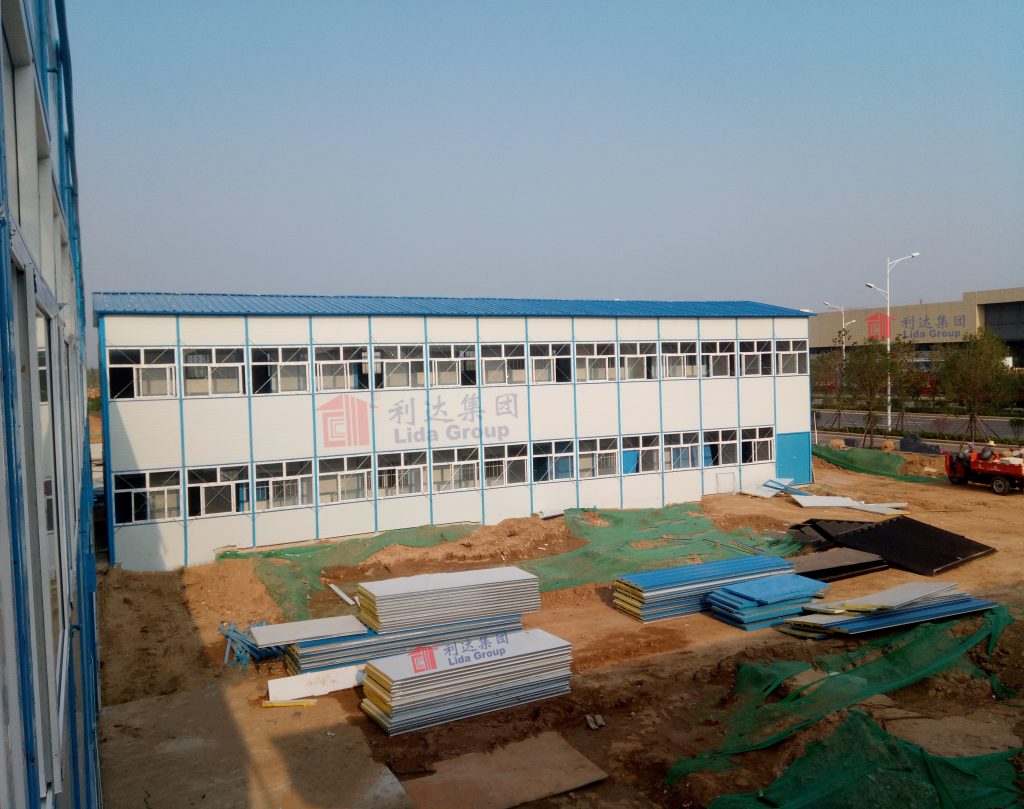
Lida’s flexible projects do not compromise on durability, with modules engineered to withstand extreme climates, natural disasters, and repeated assembly/disassembly. Galvanized CFS frames, weather-sealed joints, and high-performance materials ensure a 25–30 year lifespan, even in harsh environments such as coastal regions, deserts, and high altitudes. Rigorous testing to global standards (ISO 9001, seismic resistance, wind load) ensures that buildings maintain structural integrity during reconfiguration and relocation—proving that flexibility and durability can coexist.
5. Market Impact and Industry Transformation
Lida Group’s flexible modern mobile building projects are reshaping the global construction industry by challenging the perception that mobile structures are temporary or low-quality. Their success has driven industry-wide shifts in design priorities, delivery methods, and client expectations, positioning flexible mobile construction as a mainstream alternative to traditional fixed building.
5.1 Redefining Client Expectations
Lida’s projects have redefined what clients expect from mobile buildings—from functional necessity to adaptive asset. Businesses and organizations now demand buildings that grow with their needs, adapt to changing markets, and deliver long-term value, rather than temporary solutions. This shift has expanded the market for flexible mobile construction, with demand growing at a CAGR of 12% in urban commercial, industrial, and public sectors.
5.2 Driving Industry Innovation
Lida’s integration of modular design, digital tools, and smart systems has set a new standard for the industry, inspiring competitors to invest in flexible technologies. The company’s collaborative design approach and use of BIM and IoT have become benchmarks for efficient, client-centric project delivery, driving innovation in prefabricated construction worldwide. This innovation has also addressed critical industry challenges, including skilled labor shortages (by reducing reliance on specialized trades) and project delays (by accelerating delivery timelines).
5.3 Expanding Application Boundaries
Lida’s flexible projects have expanded the application of mobile construction beyond traditional use cases. Once limited to temporary sites and emergency housing, flexible mobile buildings now serve as permanent commercial spaces, industrial facilities, educational institutions, and healthcare centers. This expansion has created new market opportunities and positioned mobile construction as a viable alternative to traditional building in diverse sectors.
6. Challenges and Future Outlook
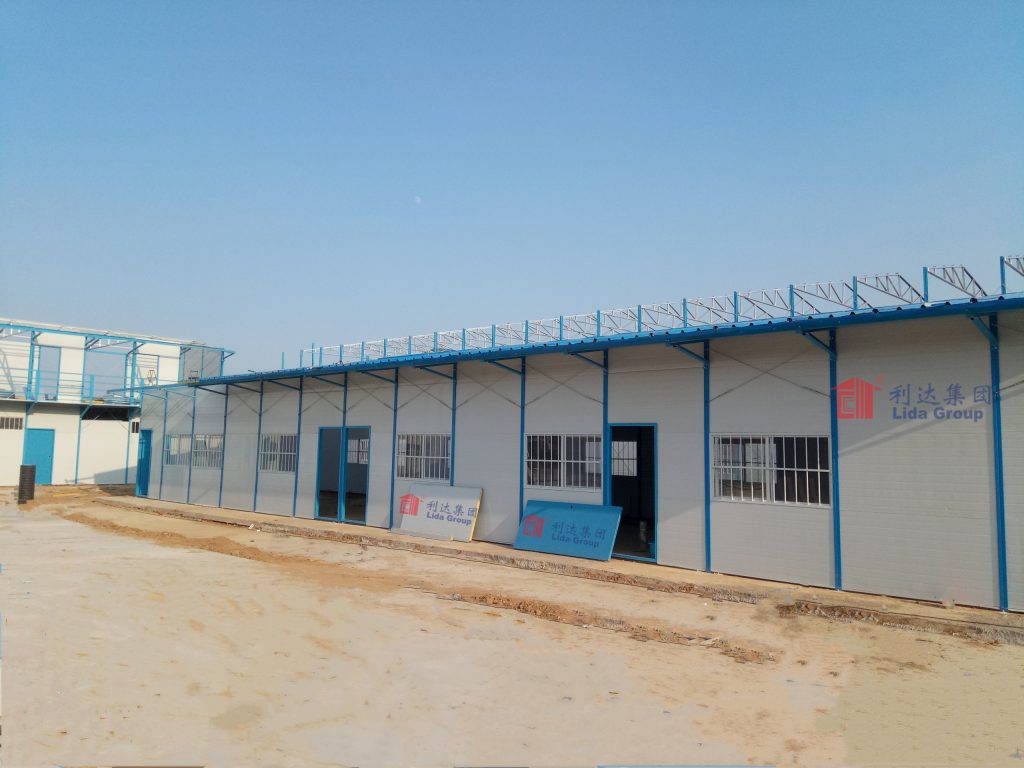
Despite their transformative impact, Lida Group’s flexible modern mobile building projects face some challenges in global adoption. Initial manufacturing costs for modular components are 15–20% higher than traditional building materials, limiting accessibility in price-sensitive markets. Additionally, some clients remain skeptical of the long-term durability of reconfigurable structures, though decades of real-world performance have gradually dispelled this myth.
Looking ahead, Lida Group plans to address these challenges and expand the potential of flexible mobile construction through three key initiatives:
Cost Optimization: Investing in 3D printing and automated assembly technologies to reduce modular production costs while maintaining precision. This will make flexible projects accessible to a broader range of clients, including small businesses and developing communities.
Advanced Smart Integration: Integrating AI-powered systems to enable predictive adaptations, where buildings automatically adjust to changing occupancy, weather, or functional needs. This will enhance functional flexibility while reducing operational costs.
Sustainable Material Innovation: Developing bio-based composite materials and recycled steel for modules, further reducing the carbon footprint of projects while maintaining durability. This aligns with global net-zero goals and enhances the environmental credentials of flexible mobile construction.
7. Conclusion
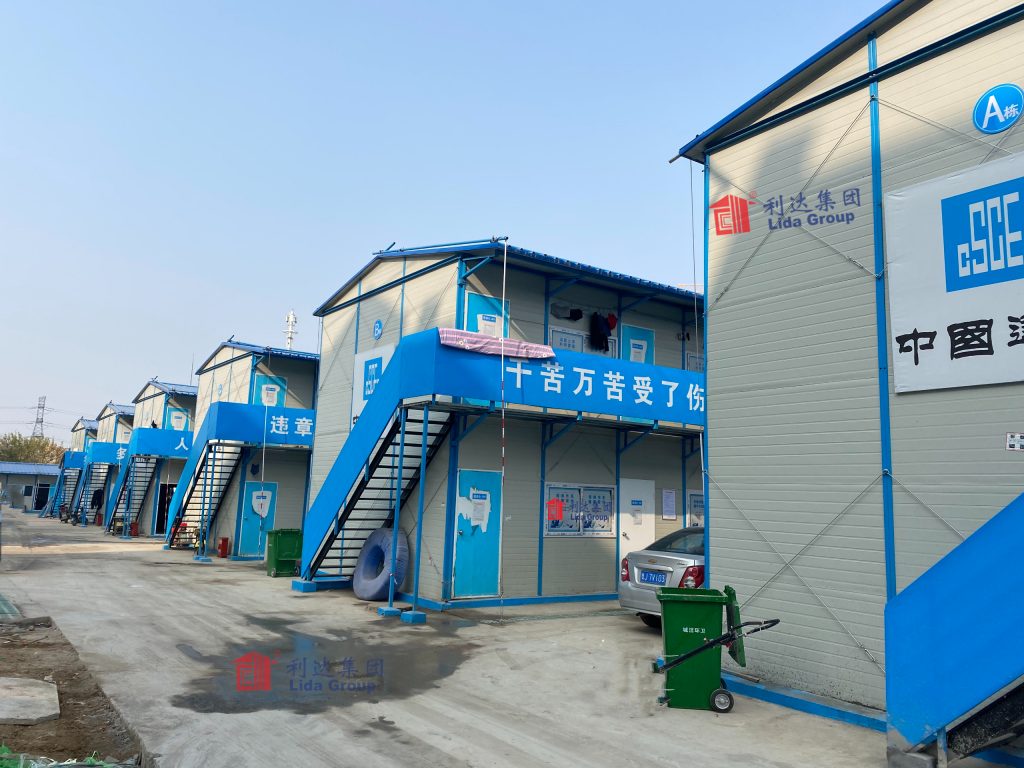
Lida Group’s flexible modern mobile building projects represent a paradigm shift in construction, proving that adaptability, performance, and aesthetics can coexist to deliver long-term value. By embedding flexibility into every dimension of project delivery—design, function, deployment, and scalability—Lida has redefined mobile buildings from temporary fixtures to dynamic assets that adapt to changing needs, environments, and markets.
The real-world success of these projects—from urban pop-up districts and remote industrial camps to emergency shelters and rural schools—demonstrates their versatility and resilience. By leveraging modular design, digital tools, and smart integration, Lida Group delivers projects that are faster to deploy, more sustainable, and more cost-effective than traditional fixed construction, while maintaining the durability and aesthetics required for permanent use.
As the construction industry continues to prioritize agility and sustainability, Lida Group’s flexible modern mobile building projects are poised to lead the way. By addressing cost challenges and integrating emerging technologies, Lida will expand the reach of flexible construction, inspiring a new generation of buildings that are responsive, efficient, and future-proof. For clients seeking to maximize asset value, reduce environmental impact, and adapt to an uncertain future, Lida’s flexible projects offer a proven, forward-thinking solution that reshapes the possibilities of built environments.
Related news
-
Speed and Strength: Our Easy Install Sandwich Panel Prefab House
2025-12-24 17:36:02
-
Lida Group Showcases Streamlined Modern Mobile Building Design
2025-12-24 17:25:56
-
Efficient Prefab House Built with Easy Install Sandwich Panels
2025-12-24 17:13:36
contact us
- Tel: +86-532-88966982
- Whatsapp: +86-13793209022
- E-mail: sales@lidajituan.com
