



Lida Group Delivers Excellence in High Quality Construction
2026-Jan-09 17:28:10
By Admin
In the global construction industry, where safety, durability, and precision are non-negotiable, the pursuit of high quality has become a defining factor for enterprise competitiveness. As urbanization accelerates and infrastructure demands grow more complex, traditional construction models often struggle to balance speed, cost, and quality—creating a gap that forward-thinking enterprises strive to fill. Lida Group, a Chinese high-tech construction enterprise founded in 1993, has emerged as a benchmark for quality excellence in the sector. With over three decades of expertise in steel structure, modular construction, and integrated project delivery, Lida Group has built a global reputation by prioritizing quality at every stage of the construction lifecycle. Operating in 155 countries and regions, the company has delivered thousands of high-quality projects across industrial, commercial, residential, and infrastructure sectors, proving that excellence in construction is not just a goal but a systematic practice rooted in rigorous standards, technological innovation, and customer-centricity. This article explores how Lida Group upholds and delivers excellence in high-quality construction, examining its quality management systems, technical safeguards, project execution capabilities, global case studies, and industry-leading practices.
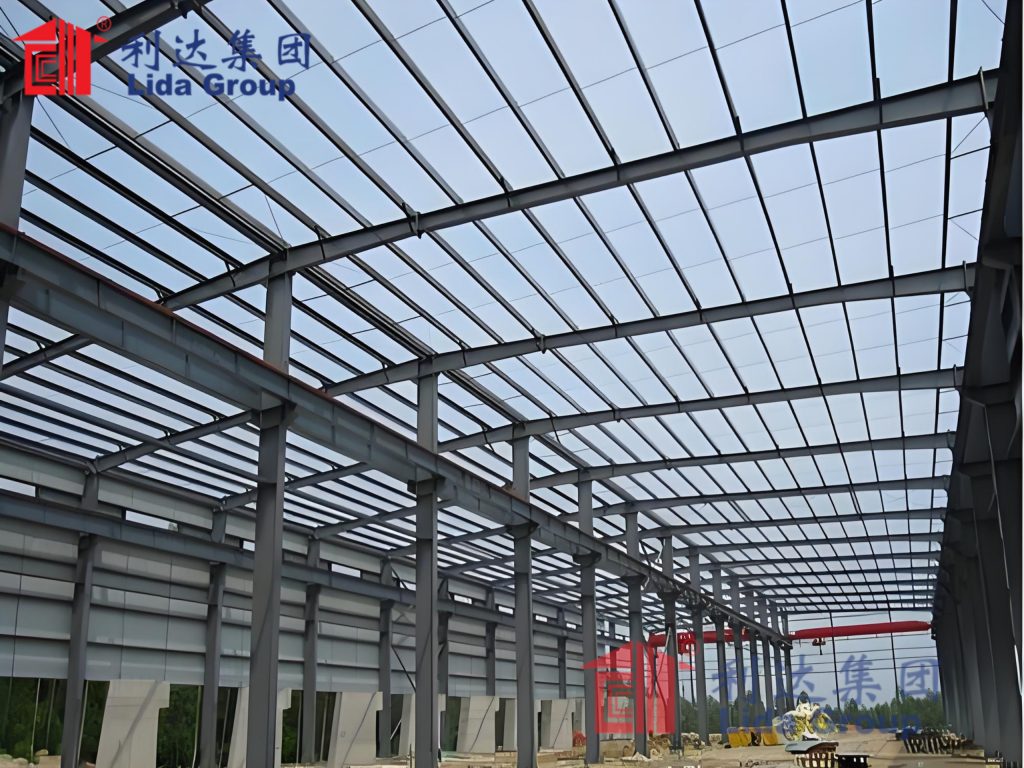
1. A Holistic Quality Management System: The Foundation of Excellence
High-quality construction is not achieved by accident—it requires a structured, end-to-end quality management system that integrates standards, processes, and accountability. Lida Group has established a comprehensive quality assurance framework aligned with international benchmarks, covering every phase from pre-construction planning to post-completion maintenance. This system is built on three core pillars: compliance with global standards, full-lifecycle process control, and continuous improvement, ensuring that every project meets or exceeds client expectations and regulatory requirements.
1.1 Adherence to International Standards and Certifications
Lida Group’s commitment to quality is underscored by its strict adherence to internationally recognized certifications, which serve as the backbone of its operational practices. The company holds ISO9001 Quality Management System certification, ISO14001 Environmental Management System certification, and ISO45001 Occupational Health and Safety Management System certification—three cornerstones of global construction excellence. These certifications mandate rigorous processes for risk assessment, process standardization, and performance monitoring, ensuring that quality is embedded in every operational decision.
Beyond these foundational certifications, Lida Group has obtained the EU CE (EN1090) certification for steel structure fabrication, a testament to its ability to meet the stringent quality requirements of the European market. The EN1090 standard specifies strict tolerances for steel components, welding quality, and material traceability—critical factors for structural safety in high-demand projects. For projects in seismic zones, the company complies with ASCE 7 (American Society of Civil Engineers) standards for structural design, while its cold storage facilities meet ISO 22000 food safety standards, demonstrating its versatility in adapting to sector-specific quality requirements. By aligning with global standards, Lida Group ensures that its projects are not only high-quality but also globally compatible, enabling seamless collaboration with multinational clients and compliance with local regulations.
1.2 Full-Lifecycle Quality Control Processes
Lida Group’s quality management system extends beyond certifications to encompass a full-lifecycle approach, with rigorous checks at every stage of construction. This proactive approach minimizes defects, reduces rework, and ensures consistent quality across all projects.
In the pre-construction phase, the company conducts detailed design reviews and feasibility studies using advanced simulation tools to identify potential quality risks before groundbreaking. Engineers verify design integrity, material compatibility, and constructability, while quality control teams develop customized quality plans tailored to the project’s unique requirements—whether it’s a high-rise commercial building, a remote mining camp, or a precision cold storage facility. Material sourcing is another critical环节 of pre-construction quality control: Lida Group partners with globally recognized steel suppliers and conducts strict incoming inspections for all materials, including tensile strength tests for steel, corrosion resistance checks for coatings, and insulation performance verification for thermal materials. Every batch of materials is assigned a unique traceability code, allowing full visibility into its origin, processing, and installation location—an essential practice for quality accountability.
During the construction phase, Lida Group implements real-time quality monitoring using digital tools and on-site inspections. Robotic welding systems, equipped with laser guidance, ensure weld quality meets AWS D1.1 standards (American Welding Society), with automated inspections capturing data on weld penetration, uniformity, and defect rates. For on-site assembly, precision laser leveling tools maintain floor flatness tolerances of 3mm/10m—critical for automated warehouse operations—while BIM (Building Information Modeling) technology enables clash detection to prevent coordination errors between structural, mechanical, and electrical systems. Quality control inspectors conduct daily audits, documenting every process and addressing deviations immediately, rather than waiting until project completion to resolve issues. This iterative approach ensures that quality is maintained throughout construction, not just at final handover.
Post-construction quality assurance is equally robust. Lida Group conducts comprehensive performance tests, including structural load testing, water tightness inspections, and thermal efficiency measurements, to verify that the project meets design specifications. The company also offers a comprehensive after-sales service package, including regular maintenance inspections, component replacement support, and technical consulting, ensuring that the project maintains its quality and performance over its lifecycle. For modular structures, this includes periodic checks of connection points, corrosion status, and mechanical systems, with proactive maintenance recommendations to extend the structure’s lifespan.
1.3 Continuous Improvement and Quality Culture
Excellence in quality requires a culture of continuous improvement, and Lida Group fosters this mindset across its organization. The company invests in regular training programs for its employees, covering quality standards, new technologies, and best practices. Engineers and construction teams participate in international workshops and certifications, staying updated on the latest advancements in construction quality management. On-site teams conduct weekly quality review meetings, analyzing defects, identifying root causes, and implementing corrective actions to prevent recurrence. This feedback loop is integrated into the company’s quality management system, driving incremental improvements in processes and performance.
Lida Group also leverages data analytics to optimize quality outcomes. AI-powered quality inspection systems, which use 3D vision algorithms and machine learning, collect and analyze data from thousands of projects to identify patterns in defects and process inefficiencies. This data-driven approach allows the company to refine its quality control processes, update training programs, and enhance material selection—ensuring that each project benefits from the lessons learned from previous work. By embedding quality into its organizational culture, Lida Group ensures that every employee, from senior management to on-site workers, takes ownership of delivering excellence.
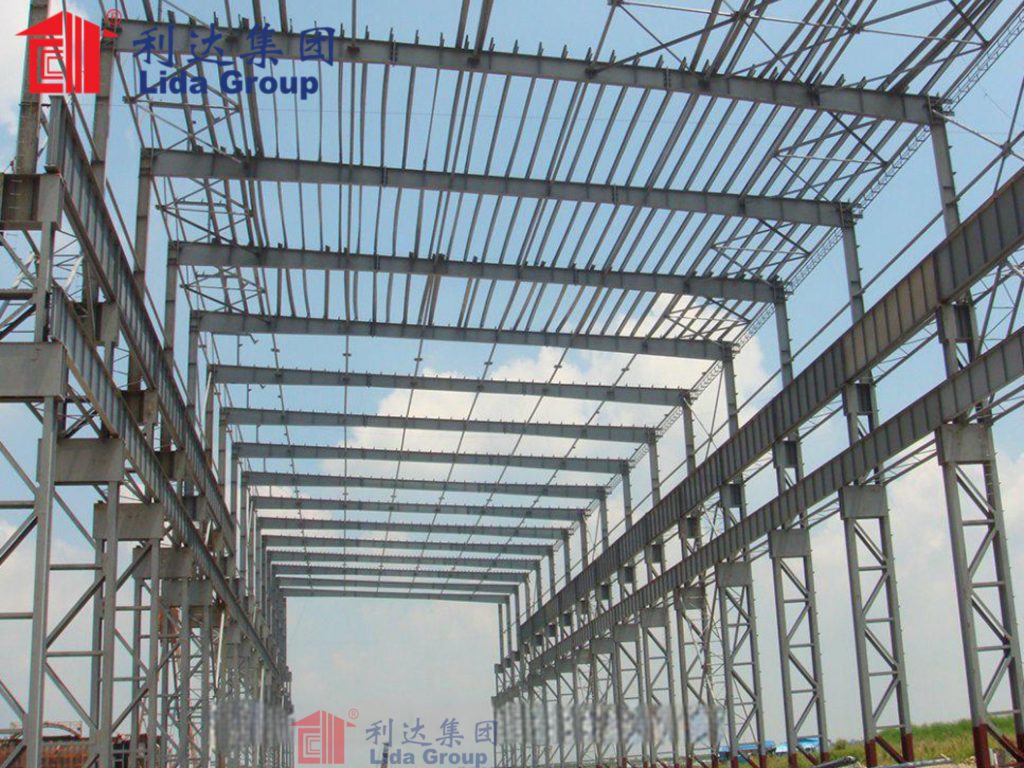
2. Technological Innovation: Empowering Precision and Quality
Technological innovation is a key enabler of Lida Group’s high-quality construction capabilities. The company invests heavily in research and development (R&D), with over 60 patents in steel structure design, construction technology, and quality control. By integrating cutting-edge technologies into its processes, Lida Group achieves levels of precision, consistency, and performance that are unattainable with traditional construction methods. This section explores the core technologies that empower the company’s quality excellence.
2.1 Digital Twin and Computational Engineering for Design Quality
Digital twin technology is at the forefront of Lida Group’s design quality assurance. Before construction begins, the company creates a virtual replica of the project—integrating structural, mechanical, and electrical systems—to simulate its performance under real-world conditions. This digital twin allows engineers to test structural integrity against seismic events, extreme temperatures, and long-term wear, identifying potential weaknesses and optimizing designs before any physical work begins. For example, in seismic zones, the digital twin simulates earthquake forces to verify that moment-resisting steel frames and flexible connections can absorb energy without collapsing, ensuring compliance with strict safety standards.
Computational fluid dynamics (CFD) is another critical tool for quality design, particularly for temperature-controlled facilities such as pharmaceutical warehouses and cold storage units. Lida Group uses CFD to optimize airflow patterns, ensuring uniform temperature distribution with ±0.3°C stability— a requirement for storing sensitive goods. Vibration analysis, integrated into the digital design process, ensures that structures can accommodate precision manufacturing equipment, maintaining micron-level stability for high-tech production lines. By using these computational tools, Lida Group eliminates costly design flaws and ensures that the final structure performs exactly as intended, laying the groundwork for high-quality construction.
2.2 Intelligent Manufacturing for Component Quality
The quality of construction components directly impacts the overall project quality, and Lida Group’s state-of-the-art manufacturing facilities set new standards for precision and consistency. The company’s intelligent production lines are equipped with robotic systems, automated coating machines, and CNC (Computer Numerical Control) equipment, all working in tandem to produce components with exceptional accuracy.
Robotic welding cells assemble primary steel frames with a tolerance of just 0.2 millimeters—far exceeding industry standards—ensuring that every component fits perfectly during on-site assembly. Automated zinc-aluminum coating systems apply a uniform 300µm layer of protection, resistant to chemical exposure and extreme weather, with computerized monitoring to ensure consistent thickness and adhesion. CNC machines, guided by laser technology, notch connection points with 99.97% interchangeability across global projects, allowing for seamless on-site assembly and reducing the risk of fitment issues. These technologies not only improve component quality but also eliminate human error, ensuring that every piece meets Lida’s rigorous standards.
AI-powered quality inspection systems further enhance component quality. These systems use 3D vision cameras and a vast database of industrial defects to detect even the smallest flaws—such as micro-cracks in steel or uneven coating application—that would be invisible to the human eye. The self-learning algorithm continuously improves its detection capabilities by analyzing new data, ensuring that quality standards are consistently raised. For critical components, such as load-bearing steel trusses, Lida Group conducts additional non-destructive testing (NDT), including ultrasonic and magnetic particle inspections, to verify structural integrity.
2.3 Modular Construction: Ensuring Consistency and Quality Control
Lida Group’s modular construction approach is a game-changer for quality consistency. The company’s “factory prefabrication + on-site assembly” model allows 80-90% of components to be manufactured in controlled factory environments, where quality can be closely monitored and maintained—unlike traditional on-site construction, which is vulnerable to weather, labor variability, and environmental factors.
In factory settings, modular components—from wall panels to roof trusses—are built to precise specifications, with standardized processes and rigorous quality checks at every step. This eliminates the variability of on-site construction, where different workers may apply different techniques, leading to inconsistent quality. Once manufactured, modules are transported to the site for bolted assembly, eliminating the need for complex on-site welding or concrete pouring—processes that are prone to defects in uncontrolled environments. The modular approach also reduces on-site labor requirements, minimizing the risk of human error and ensuring that assembly is completed by highly trained technicians.
Beyond consistency, modular construction enhances quality durability. Lida Group’s modular components are designed for disassembly and reuse, with robust connection points and corrosion-resistant materials that maintain their integrity over multiple deployments. For example, the company’s modular container buildings, used in mining camps and disaster relief shelters, are built with 98% recycled steel and nano-ceramic coatings, providing ten years of corrosion protection—far longer than traditional temporary structures. This durability is a hallmark of Lida’s quality commitment, ensuring that projects deliver long-term value to clients.
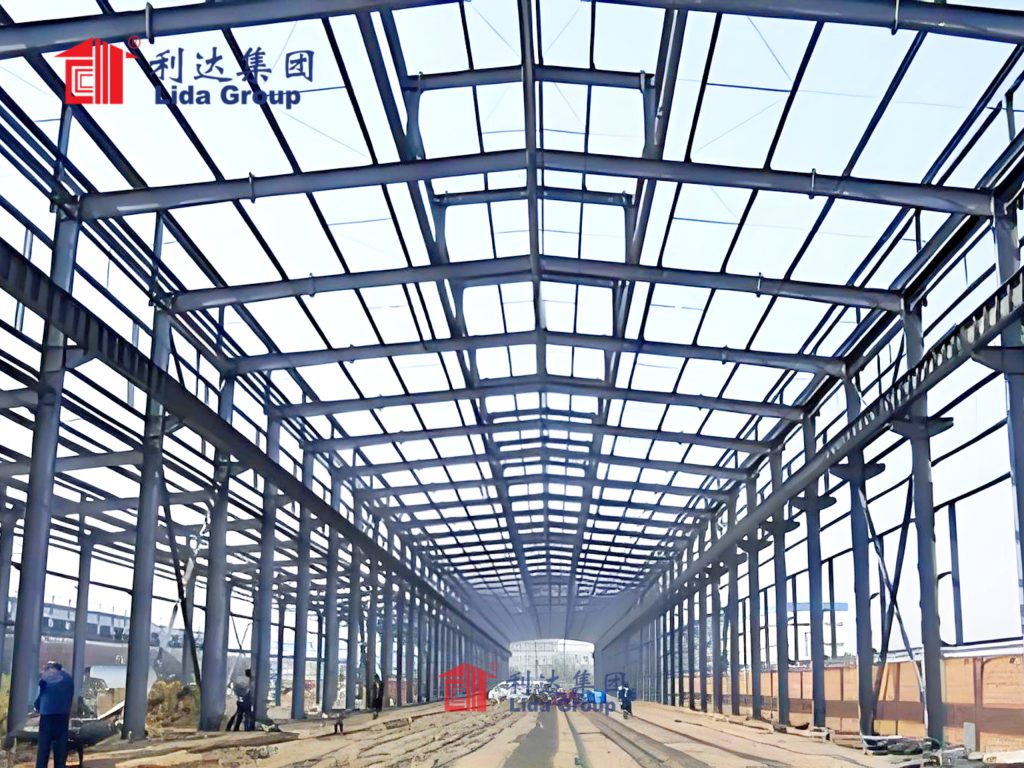
3. High-Quality Construction Across Diverse Sectors: Global Project Case Studies
Lida Group’s commitment to quality excellence is not theoretical—it is proven through thousands of successful projects across diverse sectors and challenging environments. From industrial warehouses to remote mining camps, the company’s high-quality construction practices adapt to the unique requirements of each project, delivering consistent excellence regardless of location or complexity. This section highlights key global projects that showcase Lida’s quality capabilities.
3.1 Rio Tinto Bulk Storage Warehouse: Precision Quality for Industrial Demands
Rio Tinto, one of the world’s largest mining companies, required a 25,000㎡ bulk storage warehouse with exceptional structural integrity, precision, and speed—critical for supporting its mining operations and meeting tight production deadlines. Conventional construction methods were deemed too slow and risky for achieving the required quality standards, so Rio Tinto partnered with Lida Group for its integrated quality and speed capabilities.
Lida Group’s approach centered on digital twin design and modular fabrication to ensure quality precision. The digital twin simulated the warehouse’s performance under heavy loads (supporting 50-ton crane systems) and vibration from equipment, optimizing the steel structure for stability and durability. Components were manufactured in Lida’s factories with robotic welding and laser-guided precision, ensuring that the high-strength S550MC steel frame met strict tolerances. On-site assembly was completed in just 11 months—half the industry standard timeline—with 37 days to spare, thanks to the modular approach and prefabricated components.
The final warehouse exceeded Rio Tinto’s quality expectations: vibration-damped floors maintained micron-level stability for precision equipment, the steel structure withstood extreme weather conditions, and the facility’s thermal efficiency reduced energy costs by 40%. Post-completion inspections verified that every weld met AWS D1.1 standards, and the structure complied with global industrial safety regulations. This project demonstrated Lida’s ability to deliver high-quality industrial construction that balances speed, precision, and durability.
3.2 West African Large-Scale Farmers Market: Quality in Tropical Environments
In West Africa’s agricultural belt, Lida Group was tasked with building a 30,000-sqm farmers market complex that could withstand harsh tropical conditions—95% humidity, unstable laterite soils, and extreme temperature fluctuations—while maintaining high quality and supporting local agricultural livelihoods. The project required not only structural durability but also quality features that extended the shelf life of perishables and ensured long-term usability.
Lida Group addressed these challenges with a focus on climate-adaptive quality construction. Hybrid pile-raft foundations were used to adapt to shifting soils, with rigorous load testing to ensure structural stability. The steel frame was fabricated in humidity-controlled workshops to prevent premature rusting, with galvanized components and nano-ceramic coatings providing corrosion resistance in the humid environment. Thermal-break technology was integrated into the walls and roof, separating external heat from cool interiors and extending the shelf life of perishables by 300%—a critical quality feature for the market’s functionality.
The project was completed three months ahead of schedule, with quality checks verifying every aspect of construction: from foundation stability to thermal efficiency, and from electrical safety to structural integrity. Beyond meeting technical quality standards, the market’s design incorporated quality-of-life features, such as shaded walkways and proper ventilation, enhancing usability for farmers and shoppers. This project showcased Lida’s ability to deliver high-quality construction that adapts to challenging environments and meets the unique needs of local communities.
3.3 BHP Chilean Copper Mine Container Buildings: Sustainable Quality
BHP, a global mining giant, sought to replace 200 temporary cabins at its Chilean copper mine with high-quality, sustainable modular buildings that aligned with its environmental goals. The project required quality construction that used recycled materials, reduced carbon emissions, and withstood the mine’s harsh conditions—including salt spray, extreme temperatures, and heavy equipment vibration.
Lida Group delivered modular container buildings made from 98% recycled steel sourced from on-site scrap, diverting 8,400 tons of steel from landfills and reducing carbon emissions by 12%. The quality of the recycled steel was verified through rigorous tensile strength and corrosion resistance tests, ensuring it met the same standards as virgin steel. The buildings featured solar-ready roofs with preinstalled mounting systems for 400W panels, intelligent microgrids, and water recycling systems—all integrated with high-quality construction to ensure reliability and performance.
Quality inspections confirmed that the buildings could withstand the mine’s harsh conditions: nano-ceramic coatings prevented corrosion from salt spray, vibration-damped floors reduced equipment noise, and insulated walls maintained comfortable temperatures in extreme weather. The modular design also allowed for easy expansion and relocation, ensuring long-term value and adaptability. This project demonstrated Lida’s ability to combine sustainable practices with high-quality construction, delivering solutions that meet both environmental and technical requirements.
3.4 Eastern Europe Modular Steel Camp: Quality in Extreme Cold
In a remote mountainous region of Eastern Europe, Lida Group built a modular steel camp to support infrastructure projects in harsh winter conditions—with temperatures dropping to -20°C, heavy snowfall, and strict environmental regulations. The project required high-quality construction that ensured thermal efficiency, structural stability in snow loads, and minimal environmental impact.
Lida’s solution combined steel structure buildings with insulated container modules, designed for extreme cold. The steel frame was engineered to withstand heavy snow loads and 150 km/h wind gusts, with quality checks verifying structural integrity through snow load simulation tests. Insulated walls with aerogel insulation achieved R-40 thermal values, reducing heating costs by 40% and ensuring comfortable living conditions. Components were manufactured off-site to minimize on-site disruption to the fragile ecosystem, with on-site assembly completed in just ten days—thanks to the modular design and precise component quality.
Post-construction quality inspections confirmed that the camp met all thermal efficiency, structural safety, and environmental standards. The modular design also allowed for easy expansion, with components that maintained quality consistency even as the camp grew. This project highlighted Lida’s ability to deliver high-quality construction in extreme climates, balancing operational needs with environmental responsibility.

4. Leading the Industry: Quality as a Driver of Sustainable Growth
Lida Group’s commitment to high-quality construction has not only earned it global recognition but also positioned it as a leader in shaping the future of the construction industry. The company’s focus on quality is closely tied to sustainability and innovation, driving growth while setting new industry standards. By prioritizing quality, Lida Group is redefining what it means to be a responsible and successful construction enterprise.
4.1 Setting Industry Benchmarks for Quality
With over 60 patents in steel structure design and construction, Lida Group is at the forefront of developing quality-focused construction technologies. The company’s innovations, such as AI-powered quality inspection systems, modular construction methods, and digital twin design, have become benchmarks for the industry, inspiring other enterprises to adopt similar practices. Lida Group also actively participates in industry associations and standard-setting bodies, sharing its expertise to raise global construction quality standards. By collaborating with governments, multinational corporations, and industry partners, the company helps shape regulations and best practices that prioritize quality, safety, and sustainability.
4.2 Quality and Sustainability: A Synergistic Approach
Lida Group recognizes that high-quality construction and sustainability are mutually reinforcing. Durable, high-quality structures have a longer lifespan, reducing the need for frequent replacements and minimizing environmental impact. The company’s use of recycled materials, energy-efficient designs, and modular construction methods—all core to its quality practices—also drive sustainability. For example, its modular container buildings, built with 98% recycled steel, not only deliver high quality but also reduce carbon emissions by 72% compared to traditional structures. By integrating sustainability into its quality management system, Lida Group delivers projects that are both long-lasting and environmentally responsible.
4.3 Capacity Building and Quality Dissemination
Beyond delivering high-quality projects, Lida Group is committed to building local capacity to uphold quality standards. In emerging markets, such as Africa and Southeast Asia, the company provides training programs for local workers, covering steel fabrication, modular assembly, and quality control. These programs empower local communities to participate in high-quality construction projects, creating sustainable livelihoods and ensuring that quality practices are adopted locally. For example, in the West African farmers market project, Lida Group established training bays for steel fabrication techniques and digital literacy, equipping local workers with the skills to maintain and expand the facility. This capacity-building approach ensures that Lida’s quality legacy extends beyond individual projects, driving long-term improvement in global construction standards.
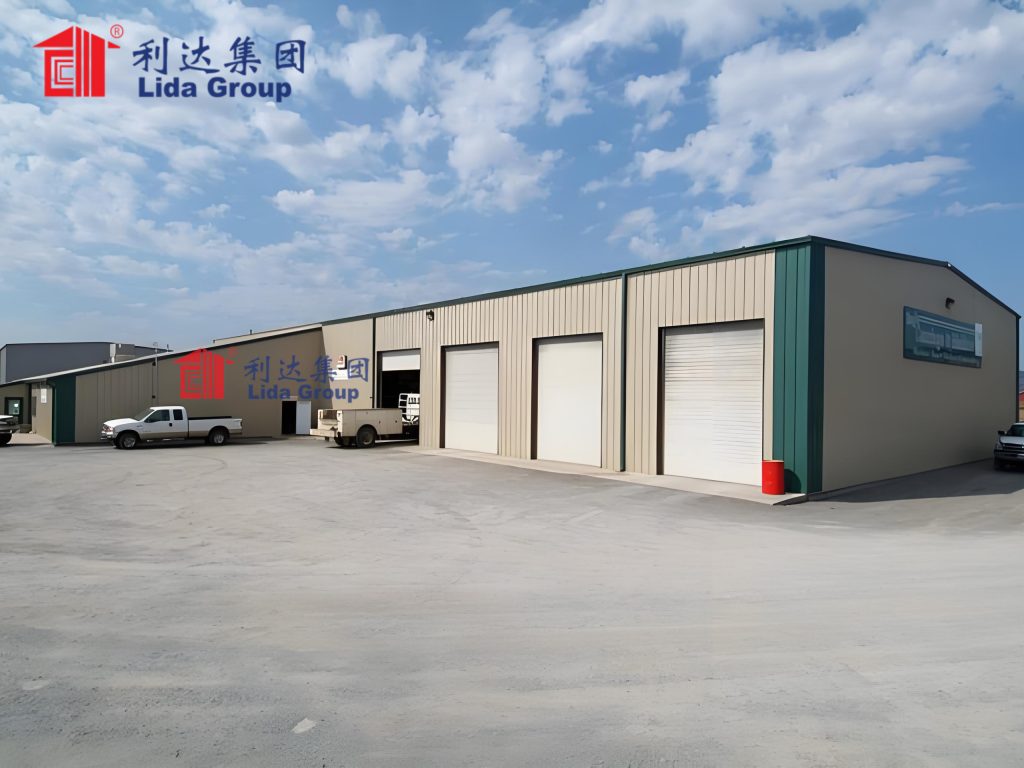
5. Conclusion
Lida Group’s excellence in high-quality construction is the result of a systematic, forward-thinking approach that integrates rigorous standards, technological innovation, and customer-centricity. For over three decades, the company has demonstrated that quality is not a one-time achievement but a continuous commitment—embedded in every phase of the construction lifecycle, from design to maintenance. By adhering to global standards, leveraging cutting-edge technologies, and adapting to diverse sectoral and environmental needs, Lida Group has set a new benchmark for quality in the global construction industry.
At the core of Lida’s success is its holistic quality management system, which ensures compliance, process control, and continuous improvement. This system is empowered by technological innovations—digital twin design, intelligent manufacturing, and modular construction—that deliver precision, consistency, and durability. The company’s global project portfolio, from the Rio Tinto warehouse to the West African farmers market, showcases its ability to deliver high-quality construction in even the most challenging conditions, meeting and exceeding client expectations.
Lida Group’s commitment to quality also extends to industry leadership and sustainability. By setting benchmarks, sharing expertise, and building local capacity, the company is driving the global construction industry toward higher quality standards and more sustainable practices. In an era where infrastructure demands are growing more complex and environmental concerns are paramount, Lida Group’s focus on quality excellence positions it as a trusted partner for organizations seeking durable, efficient, and responsible construction solutions.
As the construction industry continues to evolve, Lida Group remains at the forefront, proving that high-quality construction is not just about building structures—it’s about building trust, value, and a sustainable future. For clients, partners, and communities worldwide, Lida Group delivers more than buildings; it delivers excellence—one high-quality project at a time. In a world where quality matters more than ever, Lida Group stands as a testament to the power of prioritizing excellence in every aspect of construction.
Related news
-
Lida Group Sets New Standard in Steel Structure Construction
2026-01-09 15:31:25
-
Innovative Metal Frame Building Solutions by Lida Group
2026-01-09 15:51:49
-
Streamline Your Build with Lida Group's Mobile Construction Methods
2026-01-09 14:06:27
contact us
- Tel: +86-532-88966982
- Whatsapp: +86-13793209022
- E-mail: sales@lidajituan.com
