



Lida Group Delivers a Cost-Effective Prefab Construction Project
2025-Nov-24 15:51:11
By Admin
Introduction: The Economic Revolution of Prefab Construction in Global Markets
In an era where construction budgets are under increasing pressure, and project timelines grow ever tighter, prefabricated (prefab) construction has emerged as a transformative solution for cost-conscious clients across industries. From residential developments to commercial complexes and emergency infrastructure, prefab buildings offer unparalleled efficiency, reducing both upfront expenses and long-term operational costs. At the forefront of this economic revolution is Lida Group, a China-based leader with nearly three decades of experience in modular construction. Founded in 1993, Lida Group has evolved from a specialized container house manufacturer to a global provider of engineered prefab solutions, serving clients in over 100 countries. What distinguishes Lida Group in the competitive prefab market is its ability to deliver cost-effective projects without compromising on quality, durability, or sustainability. This article explores how Lida Group achieves exceptional cost efficiency through innovative design, advanced manufacturing, supply chain optimization, and real-world project execution—proving that prefab construction can redefine economic viability in the built environment.
Traditional construction methods are plagued by cost overruns, labor inefficiencies, and material waste, often leading to projects exceeding budgets by 20% or more. Prefab construction addresses these pain points by shifting 80-90% of construction activities to controlled factory environments, where precision manufacturing minimizes errors, reduces waste, and streamlines production. Lida Group has mastered this model, leveraging its ISO-certified facilities, vertically integrated operations, and continuous research and development to drive down costs at every stage of the project lifecycle. From material selection and component fabrication to transportation and on-site assembly, Lida’s cost-saving strategies are engineered into every prefab solution, delivering tangible value to clients ranging from small businesses to multinational corporations and government agencies.
The demand for cost-effective prefab construction has never been higher. Urbanization, population growth, and the need for rapid infrastructure development in emerging markets have created a pressing need for affordable, scalable building solutions. At the same time, rising labor costs, supply chain disruptions, and environmental regulations have made traditional construction increasingly unsustainable. Lida Group’s prefab projects address these challenges head-on, offering clients a way to reduce construction costs by 30-50% compared to conventional methods, while cutting project timelines by 40-60%. Whether it’s a modular office complex, a residential development, or an emergency shelter, Lida’s cost-effective prefab solutions deliver on time, within budget, and to the highest quality standards.
Company Overview: Lida Group’s Foundation for Cost-Effective Prefab Solutions
To understand how Lida Group delivers cost-effective prefab projects, it’s essential to examine the company’s core capabilities, manufacturing infrastructure, and commitment to operational efficiency. Lida Group’s success in cost reduction is built on three pillars: vertical integration, standardized production, and continuous innovation—all supported by global certifications and a proven track record of delivering large-scale projects.
Vertical Integration: Controlling Costs from Design to Installation
Lida Group’s vertically integrated business model is a key driver of cost efficiency. Unlike many prefab manufacturers that outsource design, manufacturing, or installation, Lida manages every stage of the project in-house, from initial concept and engineering to factory production, logistics, and on-site assembly. This end-to-end control eliminates the inefficiencies and additional costs associated with third-party contractors, ensuring seamless coordination and consistent quality.
Lida’s vertical integration begins with its design and engineering team, which uses advanced Building Information Modeling (BIM) software to optimize prefab components for cost, weight, and manufacturability. By designing modules that are easy to fabricate, transport, and assemble, Lida reduces waste and minimizes the need for custom modifications. The company’s ISO 9001:2015-certified factories in China feature automated production lines that can manufacture up to 2000 prefab units per month, leveraging economies of scale to drive down unit costs. Lida’s in-house logistics team manages transportation, using optimized packaging and routing to reduce shipping expenses—for example, stacking up to 10 flat-pack modules in a single 40HQ container, cutting transportation costs by 60% compared to shipping fully assembled structures. Finally, Lida’s trained installation teams ensure rapid on-site assembly, reducing labor costs and minimizing downtime.
Standardization and Modularization: Reducing Complexity, Lowering Costs
Standardization is another cornerstone of Lida Group’s cost-effective prefab approach. The company has developed a portfolio of standardized prefab modules—including 20ft and 40ft container-based units, flat-pack panels, and foldable structures—that can be easily combined, expanded, or customized to meet client needs. By reusing proven designs and components across multiple projects, Lida reduces engineering time, minimizes material waste, and lowers production costs.
Lida’s standardized modules are designed with interchangeable parts, allowing clients to mix and match components to create unique configurations without incurring the high costs of custom design. For example, a client seeking a modular office complex can select from standardized office modules, meeting room units, and restroom pods, all of which fit together seamlessly. This modular approach also simplifies maintenance and repairs, as replacement parts are readily available and easy to install. Lida’s commitment to standardization does not compromise flexibility—clients can still customize finishes, layouts, and features to align with their brand or functional requirements, but these customizations are integrated into the standardized module design, avoiding the cost overruns associated with fully custom construction.
Research and Development: Innovating for Cost Efficiency
Lida Group’s investment in research and development (R&D) is critical to its ability to deliver cost-effective prefab projects. The company allocates 6% of its annual revenue to R&D, focusing on innovative materials, manufacturing processes, and construction techniques that reduce costs while enhancing performance. This commitment to innovation has resulted in 42 patents for prefab technologies, including advanced insulation systems, lightweight structural components, and efficient assembly methods.
One of Lida’s key R&D breakthroughs is the development of high-performance, low-cost materials that replace expensive traditional alternatives. For example, the company’s use of recycled steel for structural frames reduces material costs by 25% compared to virgin steel, while its aerogel-enhanced insulation panels deliver superior thermal performance at a lower cost than conventional insulation. Lida has also pioneered automated manufacturing processes, such as robotic welding and precision cutting, which reduce labor costs by 30% and minimize material waste by ensuring precise component fabrication. Additionally, Lida’s collaboration with universities and research institutions—such as Harbin Institute of Technology and Weihai Vocational College—has led to innovations in prefab structural systems that reduce the weight of modules by 15%, lowering transportation and installation costs.
Cost-Saving Mechanisms: How Lida Group Delivers Economic Prefab Projects
Lida Group’s cost-effective prefab solutions are the result of a holistic approach to cost reduction, addressing every aspect of the project lifecycle from material sourcing to long-term maintenance. Below is a detailed breakdown of the key mechanisms that enable Lida to deliver prefab projects at a fraction of the cost of traditional construction.
Material Efficiency: Reducing Waste and Sourcing Economically
Material costs account for 40-50% of total construction expenses, making material efficiency a critical driver of cost savings. Lida Group optimizes material usage through three key strategies: precision manufacturing, waste reduction, and strategic sourcing.
In Lida’s factories, prefab components are manufactured with computer-controlled precision, ensuring that materials are cut, shaped, and assembled to exact specifications. This eliminates the waste associated with on-site cutting and fitting, which typically results in 15-20% material waste in traditional construction. Lida’s waste rate is less than 5%, thanks to automated production lines and standardized designs that minimize offcuts and scrap. For example, the company’s precast concrete components are cast in reusable steel molds, reducing formwork waste by 80% compared to traditional wood formwork. Additionally, Lida repurposes waste materials—such as steel scrap and concrete offcuts—into secondary products, further reducing material costs and environmental impact.
Lida also achieves material cost savings through strategic sourcing and bulk purchasing. The company has established long-term partnerships with leading material suppliers, enabling it to negotiate favorable pricing for steel, concrete, insulation, and other key components. By purchasing materials in bulk—often for multiple projects simultaneously—Lida secures volume discounts that are passed on to clients. For example, Lida’s bulk purchasing of galvanized steel reduces material costs by 18-22% compared to small-scale purchases. The company also prioritizes locally sourced materials where possible, reducing transportation costs and supporting regional supply chains.
Construction Timeline Reduction: Saving Time = Saving Money
Construction timelines have a direct impact on project costs, with delays leading to increased labor expenses, financing costs, and lost revenue. Lida Group’s prefab construction method drastically reduces project timelines, delivering significant cost savings to clients.
Prefab components are manufactured in Lida’s factories while site preparation is underway, enabling parallel work that cuts overall project time by 40-60%. For example, a 10,000-square-meter office complex that would take 12-18 months to build with traditional methods can be completed in 4-6 months with Lida’s prefab solution. This accelerated timeline reduces labor costs by minimizing the number of man-hours required on-site, and it also allows clients to occupy or lease the building sooner, generating revenue faster.
Lida’s rapid assembly process further contributes to timeline reduction. Prefab modules are designed for easy on-site installation, with interlocking connections and boltless assembly that require minimal tools and labor. A typical 20ft prefab module can be installed and secured in less than 2 hours, compared to days of on-site construction for a similar traditional structure. Lida’s installation teams are trained to work efficiently, with standardized assembly procedures that eliminate delays caused by miscommunication or inconsistent work practices. For large-scale projects, Lida deploys multiple installation crews to work simultaneously, further accelerating completion.
Labor Cost Optimization: Reducing On-Site Labor Requirements
On-site labor costs are a major expense in traditional construction, accounting for 30-35% of total project costs. Lida Group’s prefab approach reduces on-site labor requirements by shifting construction activities to factory settings, where labor is more efficient and less expensive.
In Lida’s factories, skilled workers use automated tools and production lines to manufacture prefab components, achieving higher productivity than on-site workers who must contend with weather conditions, limited space, and inconsistent workflows. Factory labor productivity is typically 3-4 times higher than on-site productivity, reducing the total number of labor hours required to complete a project. For example, manufacturing a prefab wall panel in a factory takes 2-3 hours, compared to 8-10 hours of on-site construction for a similar wall.
On-site, Lida’s prefab modules require only a small team of installation workers to assemble, rather than the large crew needed for traditional construction. A typical prefab project requires 50-70% fewer on-site workers than a traditional project of the same size. This not only reduces direct labor costs but also lowers indirect costs such as worker accommodation, transportation, and insurance. Additionally, Lida’s standardized assembly process means that on-site workers do not need specialized skills, further reducing labor costs by expanding the pool of available workers.
Long-Term Operational Savings: Lowering Maintenance and Energy Costs
Lida Group’s cost-effective prefab solutions deliver savings beyond the initial construction phase, with long-term operational benefits that reduce ongoing expenses for clients. These savings are achieved through energy-efficient design, durable materials, and low-maintenance components.
Lida’s prefab buildings are engineered for maximum energy efficiency, with advanced insulation systems, airtight envelopes, and energy-efficient windows and doors. The company’s aerogel-enhanced insulation panels achieve R-50 thermal resistance, reducing heating and cooling costs by 30-40% compared to traditional buildings. Double-glazed windows with thermal breaks minimize heat transfer, while LED lighting and energy-efficient HVAC systems further reduce energy consumption. For example, Lida’s modular office buildings have an average energy use intensity (EUI) of 60 kBTU/sq ft/year, compared to 90 kBTU/sq ft/year for conventional offices.
Durability is another key factor in long-term cost savings. Lida’s prefab structures are built with high-quality materials such as triple-galvanized steel frames and fire-resistant composite panels, which have a service life of 15-20 years—far longer than the 5-10 year lifespan of many temporary traditional structures. This durability reduces maintenance costs by minimizing the need for repairs and replacements. For example, Lida’s steel frames are resistant to corrosion, rot, and pest infestation, eliminating the need for regular painting or treatment. The company’s prefab components are also designed for easy maintenance, with accessible mechanical systems and replaceable parts that reduce repair time and costs.
Technical Innovations Driving Cost Efficiency
Lida Group’s cost-effective prefab projects are supported by a range of technical innovations that optimize performance while reducing costs. These innovations span material science, structural engineering, manufacturing processes, and digital technology, ensuring that Lida’s prefab solutions are both economical and high-performing.
Advanced Material Technologies
Lida Group’s use of advanced materials is a key driver of cost efficiency, delivering superior performance at a lower cost than traditional alternatives. One of the company’s most significant material innovations is the use of ultra-high-performance concrete (UHPC) for precast components. UHPC is a fiber-reinforced concrete that offers 5-10 times the strength of conventional concrete, allowing Lida to design thinner, lighter components that reduce material usage and transportation costs. UHPC also has excellent durability and resistance to weathering, reducing maintenance costs over the structure’s lifetime.
Another innovative material used by Lida is recycled steel for structural frames. Recycled steel costs 25% less than virgin steel and has a lower carbon footprint, aligning with Lida’s sustainability goals. The company’s triple-galvanized steel frames are treated with a zinc coating that prevents corrosion, extending the service life of the structure and reducing maintenance costs. Lida also uses composite wall panels made from recycled materials, such as plastic and glass fiber, which are lighter and more affordable than traditional building materials while offering comparable insulation and structural performance.
Modular Integrated Construction (MiC) Technology
Lida Group has adopted Modular Integrated Construction (MiC) technology, a cutting-edge prefab method that represents the next generation of modular construction. MiC involves manufacturing fully finished modules in factories, including all interior fittings, electrical systems, plumbing, and fixtures. These modules are then transported to the site and assembled into complete buildings, reducing on-site work to a minimum.
MiC technology delivers significant cost savings by eliminating the need for on-site finishing work, which is often time-consuming and expensive. Lida’s MiC modules are completed in factories with precise quality control, ensuring that finishes are consistent and free from defects. This reduces rework costs and ensures that the building is ready for occupancy immediately after assembly. MiC also reduces construction time by up to 80% compared to traditional methods, as demonstrated by Lida’s recent project in Dubai, where a 5-story office building was assembled in just 10 days.
Digitalization and BIM Integration
Digitalization is a critical enabler of cost efficiency in Lida’s prefab projects, with Building Information Modeling (BIM) software playing a central role. BIM is a digital representation of the building’s physical and functional characteristics, allowing Lida’s design and engineering teams to optimize every aspect of the prefab solution for cost, performance, and constructability.
Lida uses BIM to create 3D models of prefab modules, enabling precise material quantification and waste reduction. The software allows teams to simulate the manufacturing and assembly processes, identifying potential issues before production begins and avoiding costly rework. BIM also facilitates collaboration between design, manufacturing, and installation teams, ensuring that everyone is working from the same digital model and reducing communication errors. For example, Lida’s BIM models include detailed information about each component’s dimensions, weight, and installation requirements, allowing the logistics team to optimize transportation and the installation team to plan assembly sequences efficiently.
Lida also uses digital tools for project management, including real-time tracking of production and installation progress. This visibility allows the company to identify and address delays quickly, ensuring that projects stay on schedule and within budget. Digital quality control systems, such as automated inspection of prefab components using computer vision, further reduce costs by identifying defects early in the manufacturing process.
Automated Manufacturing Processes
Lida Group’s factories are equipped with state-of-the-art automated manufacturing equipment that drives down costs by increasing productivity, reducing waste, and improving quality. Automated welding robots, for example, produce consistent, high-quality welds on steel frames, reducing labor costs by 30% and eliminating the need for rework due to faulty welds. Precision cutting machines ensure that components are manufactured to exact specifications, minimizing material waste and ensuring that modules fit together seamlessly during assembly.
Lida also uses automated concrete casting systems for precast components, which improve the consistency and quality of concrete while reducing labor requirements. These systems can cast multiple components simultaneously, increasing production capacity and lowering unit costs. Automated painting and finishing lines ensure that prefab modules have a uniform, durable finish, reducing the need for on-site painting and touch-ups.
The integration of automation and digitalization in Lida’s factories creates a “smart manufacturing” environment that optimizes production schedules, reduces downtime, and minimizes costs. For example, the company’s Manufacturing Execution System (MES) uses real-time data to adjust production processes, ensuring that resources are used efficiently and that components are produced on time.
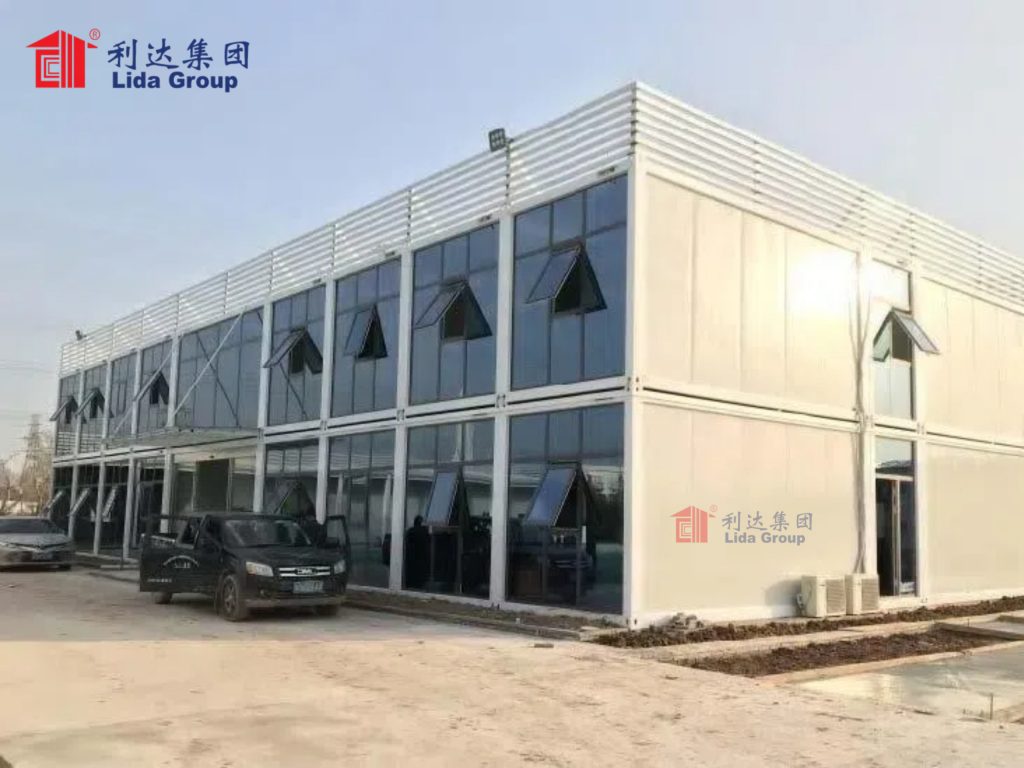
Project Applications: Cost-Effective Prefab Solutions Across Industries
Lida Group’s cost-effective prefab projects span a wide range of industries, demonstrating the versatility and economic viability of modular construction. From residential developments to commercial spaces, emergency housing to industrial facilities, Lida’s prefab solutions deliver tailored, cost-efficient results for every application.
Residential Construction: Affordable Housing for Mass Markets
The global shortage of affordable housing has created a pressing need for cost-effective construction solutions, and Lida Group’s prefab residential projects are addressing this challenge head-on. Lida’s modular housing units are designed to be affordable, scalable, and quick to deploy, making them ideal for low-income housing developments, student dormitories, and workforce accommodation.
Lida’s residential prefab modules are standardized but customizable, allowing clients to create a variety of floor plans and configurations. Each module includes essential features such as bedrooms, bathrooms, kitchens, and living spaces, all fully finished in the factory. The modules are designed for easy stacking, enabling the construction of multi-storey apartment buildings at a fraction of the cost of traditional construction. For example, Lida’s 20ft residential module costs approximately \(15,000-\)20,000, compared to \(30,000-\)40,000 for a similar traditional unit.
One notable residential project is Lida’s affordable housing development in Nairobi, Kenya, where the company delivered 500 prefab housing units for low-income families. The project was completed in 6 months, compared to the 18 months required for traditional construction, and cost 40% less than a conventional housing development of the same size. The units feature energy-efficient insulation, rainwater harvesting systems, and durable materials that withstand Kenya’s climate, reducing long-term operational costs for residents.
Commercial and Office Spaces: Cost-Efficient Work Environments
Commercial and office clients are increasingly turning to prefab construction to reduce costs and accelerate project delivery, and Lida Group’s prefab commercial solutions are meeting this demand with innovative, cost-effective designs. Lida’s modular office buildings are designed to be flexible, scalable, and aesthetically pleasing, offering clients a cost-efficient alternative to traditional office construction.
Lida’s commercial prefab modules can be configured into open-plan offices, private offices, meeting rooms, and break areas, with customizable finishes that align with the client’s brand. The modules are equipped with modern amenities such as HVAC systems, electrical wiring, and data cabling, all installed in the factory. This reduces on-site work and ensures that the office is ready for occupancy within weeks of installation.
A standout commercial project is Lida’s modular office complex for a tech startup in Berlin, Germany. The project consisted of 20 prefab modules assembled into a 3-story office building with 3,000 square meters of floor space. The project was completed in 4 weeks, compared to 12 weeks for traditional construction, and cost 35% less. The office features soundproof meeting pods, rooftop gardens, and energy-efficient systems that reduce operational costs by 30% compared to conventional offices. The modular design also allows the startup to expand the office easily as the company grows, adding additional modules without disrupting operations.
Emergency and Disaster Relief Housing: Rapid, Cost-Effective Shelter
In the aftermath of natural disasters, rapid deployment of affordable shelter is critical, and Lida Group’s prefab emergency housing solutions are designed to meet this urgent need. Lida’s flat-pack and foldable prefab units are lightweight, portable, and easy to assemble, making them ideal for disaster relief operations.
Lida’s emergency housing units are cost-effective, with a unit cost of \(5,000-\)8,000, compared to \(15,000-\)20,000 for traditional emergency shelters. The units are designed for rapid deployment, with 10 flat-pack units fitting into a single 40HQ container, reducing transportation costs. They can be assembled by unskilled workers in 2-3 hours per unit, allowing relief organizations to set up shelters quickly.
A notable disaster relief project is Lida’s emergency housing deployment in the Philippines following a typhoon. The company delivered 200 flat-pack prefab units within 3 weeks, providing shelter for 1,000 displaced people. The units cost 50% less than traditional emergency shelters and were able to withstand future storms thanks to their wind-resistant design. The prefab units included basic sanitation systems, solar-powered lighting, and thermal insulation, ensuring that displaced families had a safe, comfortable place to live while permanent homes were rebuilt.
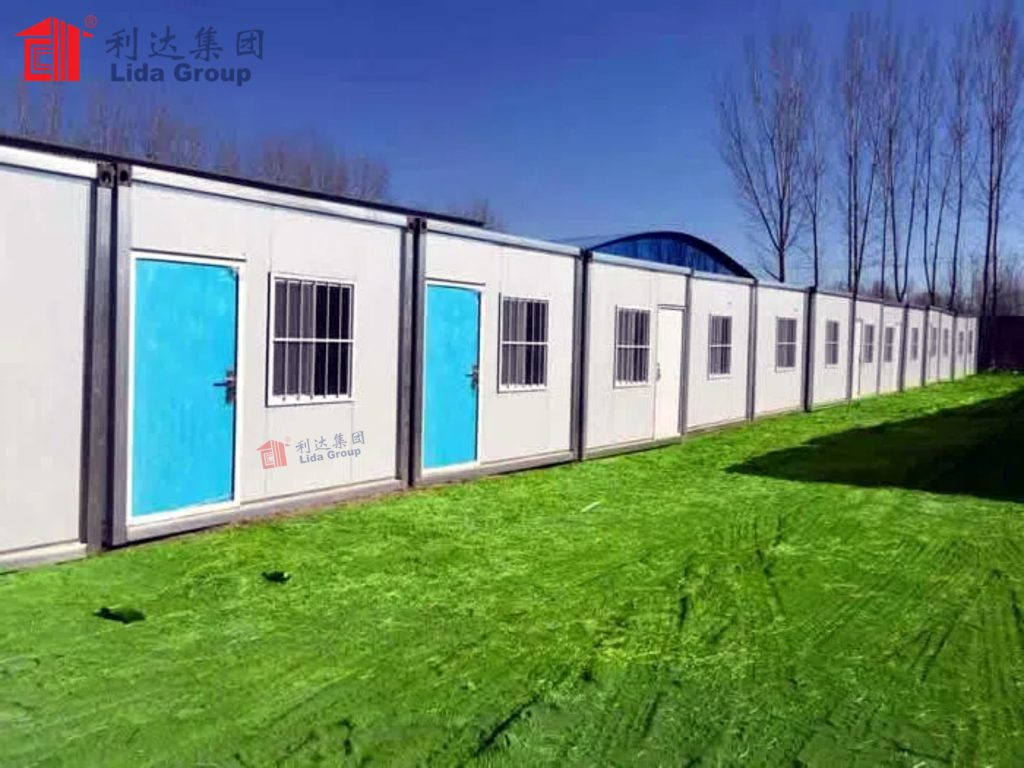
Industrial and Manufacturing Facilities: Cost-Efficient Production Spaces
Industrial clients require large, durable, and cost-effective spaces for manufacturing, warehousing, and logistics, and Lida Group’s prefab industrial solutions are meeting these needs with modular designs that prioritize efficiency and affordability. Lida’s prefab industrial buildings are designed to be large-span, high-clearance structures that can accommodate heavy equipment and large volumes of goods.
Lida’s industrial prefab modules are manufactured with high-strength steel frames and durable cladding materials, ensuring that the buildings can withstand the rigors of industrial use. The modules are designed for rapid assembly, with large components that can be installed quickly, reducing construction time by 50% compared to traditional industrial buildings. The modular design also allows for easy expansion, enabling industrial clients to scale their facilities as production needs grow.
A standout industrial project is Lida’s prefab warehouse for a logistics company in Dubai, United Arab Emirates. The project consisted of 30 prefab modules assembled into a 10,000-square-meter warehouse with a clear height of 8 meters. The project was completed in 8 weeks, compared to 24 weeks for traditional construction, and cost 40% less. The warehouse features high-load flooring, energy-efficient lighting, and a durable cladding system that withstands Dubai’s extreme heat, reducing long-term maintenance costs.
Case Studies: Cost-Effective Prefab Projects by Lida Group
To illustrate the cost-saving impact of Lida Group’s prefab solutions, let’s examine three detailed case studies that showcase the company’s ability to deliver economic, high-quality projects across diverse industries and environments.
Case Study 1: Affordable Housing Development in Nairobi, Kenya
Challenge: The Kenyan government sought to address the country’s affordable housing shortage by constructing 500 low-income housing units. The project required a cost-effective solution that could be completed quickly, within a budget of $10 million, and that would withstand Kenya’s tropical climate.
Solution: Lida Group proposed a prefab modular housing solution using standardized 20ft and 40ft modules. The modules were manufactured in Lida’s factory in China, with fully finished interiors including bedrooms, bathrooms, kitchens, and living spaces. The modules were designed with energy-efficient insulation, rainwater harvesting systems, and durable, low-maintenance materials. The prefab modules were shipped to Nairobi in 50 40HQ containers, with 10 modules per container, reducing transportation costs. On-site assembly was carried out by a team of 20 local workers trained by Lida’s installation experts, with each module installed in 2-3 hours.
Cost Savings: The project was completed in 6 months, compared to the 18 months required for traditional construction, resulting in labor cost savings of \(2.5 million. The prefab solution cost \)8 million, coming in $2 million under budget—a 20% cost reduction compared to traditional construction. The energy-efficient design of the units reduces monthly utility costs for residents by 30%, delivering long-term savings. The government was so impressed with the results that it has ordered an additional 1,000 units from Lida Group.
Case Study 2: Modular Office Complex in Berlin, Germany
Challenge: A fast-growing tech startup in Berlin needed a 3-story office building with 3,000 square meters of floor space. The company required the project to be completed within 4 weeks to accommodate its expanding team, with a budget of $1.5 million. The office needed to be flexible, scalable, and aesthetically pleasing, with modern amenities and a low environmental impact.
Solution: Lida Group designed a modular office complex using 20 prefab modules, each measuring 3m × 6m. The modules were manufactured in Lida’s factory in Poland, with custom finishes including glass walls, soundproof partitions, and rooftop gardens. The modules were equipped with HVAC systems, electrical wiring, data cabling, and LED lighting, all installed in the factory. The modules were transported to Berlin by truck, with 5 modules per truck, reducing transportation costs. On-site assembly was carried out by a team of 10 Lida installation workers, who assembled the modules into a 3-story building in 4 weeks. The modular design allowed for easy expansion, with additional modules able to be added to the building as the startup grows.
Cost Savings: The project was completed on time and within budget, with a total cost of \(1.5 million. Traditional construction of a similar office building would have cost \)2.3 million, representing a 35% cost reduction. The energy-efficient design of the office reduces monthly utility costs by 30%, saving the startup an estimated $15,000 per year. The modular design also allows the startup to avoid the cost of relocating to a larger office as it grows, as additional modules can be added to the existing building.
Case Study 3: Prefab Warehouse in Dubai, United Arab Emirates
Challenge: A logistics company in Dubai needed a 10,000-square-meter warehouse with a clear height of 8 meters to accommodate its growing inventory. The project required a cost-effective solution that could be completed within 8 weeks, with a budget of $2 million. The warehouse needed to be durable enough to withstand Dubai’s extreme heat (temperatures up to 50°C) and high winds, and it needed to have low long-term maintenance costs.
Solution: Lida Group designed a prefab warehouse using 30 high-strength steel modules, each measuring 5m × 10m. The modules were manufactured in Lida’s factory in the UAE, with durable cladding materials that reflect sunlight and reduce heat absorption. The modules were designed with high-load flooring capable of supporting heavy forklifts and pallets, and they included energy-efficient lighting and ventilation systems. The modules were transported to the site by truck, with 3 modules per truck, and assembled by a team of 15 Lida installation workers in 8 weeks. The modular design allowed for easy expansion, with additional modules able to be added to the warehouse as the company’s inventory grows.
Cost Savings: The project was completed on time and within budget, with a total cost of \(2 million. Traditional construction of a similar warehouse would have cost \)3.3 million, representing a 40% cost reduction. The warehouse’s energy-efficient design reduces monthly utility costs by 25%, saving the company an estimated \(30,000 per year. The durable materials and low-maintenance design reduce annual maintenance costs by 50%, saving an additional \)20,000 per year. The company estimates that the prefab warehouse will deliver a return on investment within 3 years.
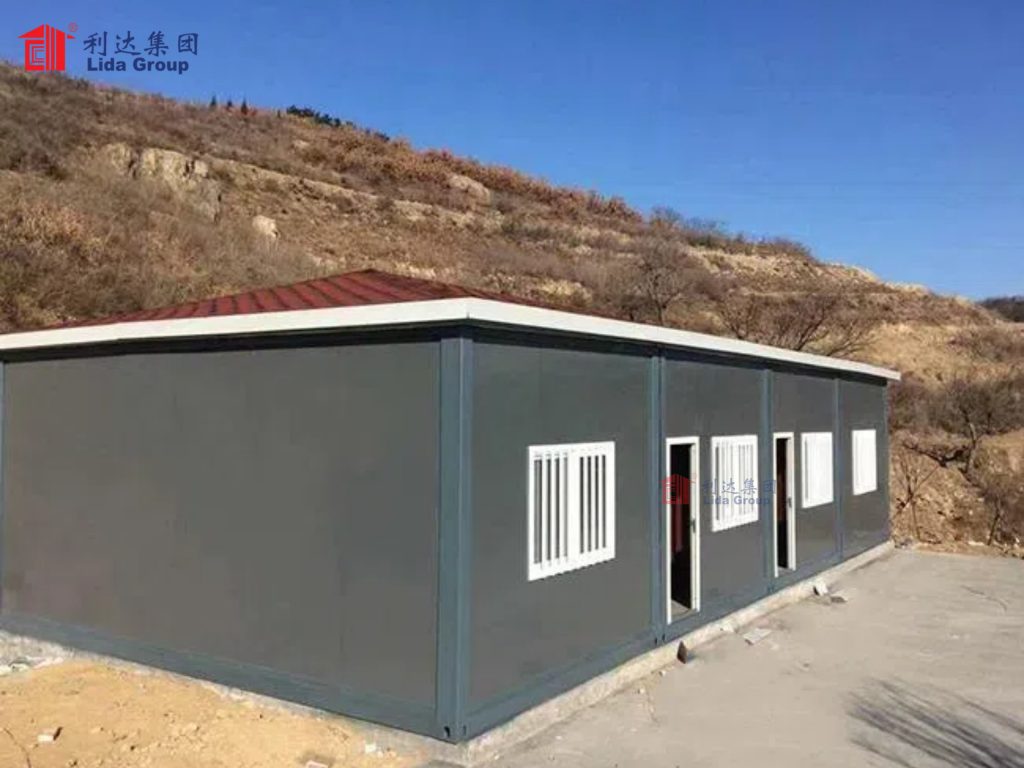
Environmental Sustainability: Cost-Effectiveness Meets Eco-Friendliness
Lida Group’s cost-effective prefab solutions are not only economically viable but also environmentally sustainable, delivering a double benefit to clients. The company’s prefab construction method reduces the environmental impact of building projects while lowering costs, aligning with the growing demand for sustainable, cost-efficient construction.
Reduced Carbon Footprint
Prefab construction reduces carbon emissions by minimizing on-site construction activities, which are a major source of greenhouse gas emissions. Lida’s factory-based manufacturing process is more energy-efficient than on-site construction, with centralized energy systems that reduce carbon emissions by 30-40%. The company’s use of recycled materials—such as recycled steel and recycled plastic composite panels—further reduces carbon emissions by diverting waste from landfills and reducing the need for virgin resources. For example, Lida’s use of recycled steel reduces carbon emissions by 1.8 tons per ton of steel used, compared to virgin steel production.
Lida’s prefab buildings also have a lower carbon footprint over their lifecycle due to their energy-efficient design. The company’s advanced insulation systems and airtight envelopes reduce energy consumption for heating and cooling, lowering carbon emissions from energy use. Additionally, Lida’s prefab structures are designed for reuse and relocation, extending their lifecycle and reducing the need for new construction, which further reduces carbon emissions.
Waste Reduction
Traditional construction generates significant amounts of waste, with an average of 2-3 tons of waste per 100 square meters of building space. Lida Group’s prefab construction method reduces waste by 80-90% compared to traditional construction, thanks to precision manufacturing and standardized designs. In Lida’s factories, prefab components are cut and assembled to exact specifications, minimizing offcuts and scrap. Any waste that is generated is recycled or repurposed, further reducing environmental impact.
The waste reduction achieved by Lida’s prefab solutions also delivers cost savings to clients. By minimizing material waste, Lida reduces the amount of material that needs to be purchased, lowering upfront material costs. Additionally, the reduction in waste disposal costs—such as landfill fees and transportation costs for waste—further contributes to cost savings.
Energy Efficiency
Lida Group’s prefab buildings are engineered for maximum energy efficiency, delivering cost savings to clients while reducing environmental impact. The company’s aerogel-enhanced insulation panels achieve R-50 thermal resistance, reducing heat loss in cold climates and heat gain in warm climates. Double-glazed windows with thermal breaks minimize heat transfer, while LED lighting and energy-efficient HVAC systems further reduce energy consumption.
Lida’s energy-efficient prefab buildings have been certified by international green building standards such as LEED and BREEAM, validating their environmental performance. For example, Lida’s modular office building in Berlin achieved LEED Gold certification, thanks to its energy-efficient design, use of recycled materials, and waste reduction during construction. The energy savings delivered by these buildings reduce monthly utility costs for clients, while also reducing carbon emissions and environmental impact.
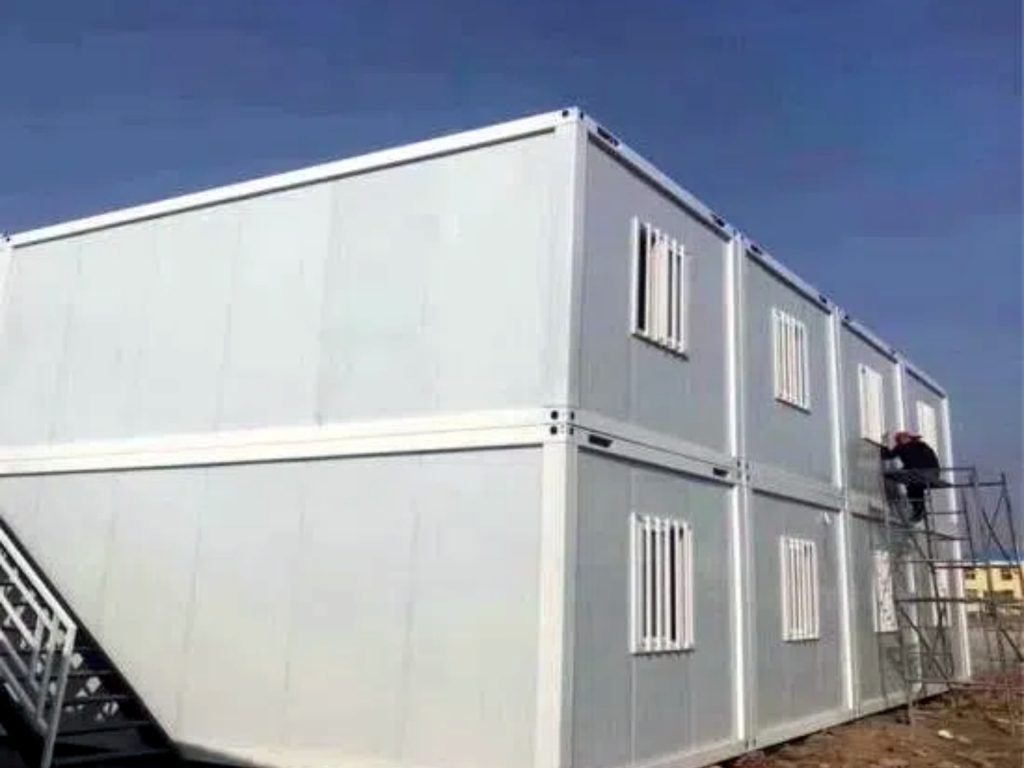
Conclusion: Lida Group’s Leadership in Cost-Effective Prefab Construction
Lida Group’s cost-effective prefab projects represent a paradigm shift in the construction industry, proving that economic viability does not have to come at the expense of quality, durability, or sustainability. For nearly three decades, the company has pioneered innovations in modular construction, delivering solutions that reduce costs at every stage of the project lifecycle—from material sourcing and manufacturing to transportation, installation, and long-term operation.
The key to Lida’s success lies in its holistic approach to cost reduction, which combines vertical integration, standardization, material efficiency, and technical innovation. By controlling every aspect of the project in-house, Lida eliminates the inefficiencies and additional costs associated with third-party contractors. Standardized designs and modular components reduce complexity and waste, while advanced materials and automated manufacturing processes drive down production costs. The result is prefab solutions that deliver 30-50% cost savings compared to traditional construction, without compromising on quality or performance.
Lida Group’s cost-effective prefab projects are versatile, spanning residential, commercial, emergency, and industrial applications. From affordable housing developments in Kenya to modular office complexes in Berlin, the company’s prefab solutions have proven their ability to meet the unique needs of clients across industries and environments. Real-world case studies demonstrate that Lida’s prefab projects are completed faster, within budget, and with lower long-term operational costs than traditional construction.
In addition to cost savings, Lida’s prefab solutions deliver significant environmental benefits, including reduced carbon emissions, waste reduction, and energy efficiency. This alignment of cost-effectiveness and sustainability positions Lida Group as a leader in the transition to a more sustainable construction industry.
As the demand for cost-effective, sustainable construction continues to grow, Lida Group is well-positioned to lead the market. The company’s global presence, manufacturing capacity, and commitment to innovation ensure that it can adapt to emerging trends and meet the evolving needs of clients worldwide. Whether it’s a small office expansion, a large-scale residential development, or an emergency shelter deployment, Lida Group’s cost-effective prefab solutions offer a reliable, efficient, and sustainable alternative to traditional construction.
In a world where construction costs are rising and environmental concerns are becoming increasingly urgent, Lida Group’s cost-effective prefab projects stand as a testament to the power of modular construction. By combining engineering excellence, operational efficiency, and environmental responsibility, Lida Group is redefining what is possible in the built environment—delivering projects that are affordable, high-quality, and sustainable. For clients seeking to maximize value and minimize costs, Lida Group is the partner of choice for cost-effective prefab construction projects.
Related news
-
Achieve Sustainability with Cost-Effective Prefab Construction
2025-11-21 16:36:15
-
Lida Group Expands Its Prefab Mobile Container House Portfolio
2025-11-21 17:55:44
-
Durable and Secure Temporary Container Building by Lida Group
2025-11-24 15:34:10
contact us
- Tel: +86-532-88966982
- Whatsapp: +86-13793209022
- E-mail: sales@lidajituan.com
