



In the relentless pursuit of efficiency, sustainability, and cost-effectiveness within the global construction industry, the adoption of innovative materials and methodologies is not just an advantage—it is a necessity. Among the most transformative developments in modern building science is the rise of sandwich panel construction, a technique that encapsulates the principles of strength, insulation, and speed in a single, integrated system. Lida Group, a pioneering force in the prefabricated and modular building sector, has once again demonstrated its leadership by successfully completing a landmark commercial facility, the “Apex Logistics Hub,” utilizing this advanced approach. This project stands as a powerful testament to how sandwich panel technology can revolutionize project timelines, operational performance, and long-term value, setting a new benchmark for the industry. This article provides a comprehensive examination of this project, delving into the science of sandwich panels, the detailed execution of the Apex Hub, and the profound implications of this construction method for the future of the built environment.
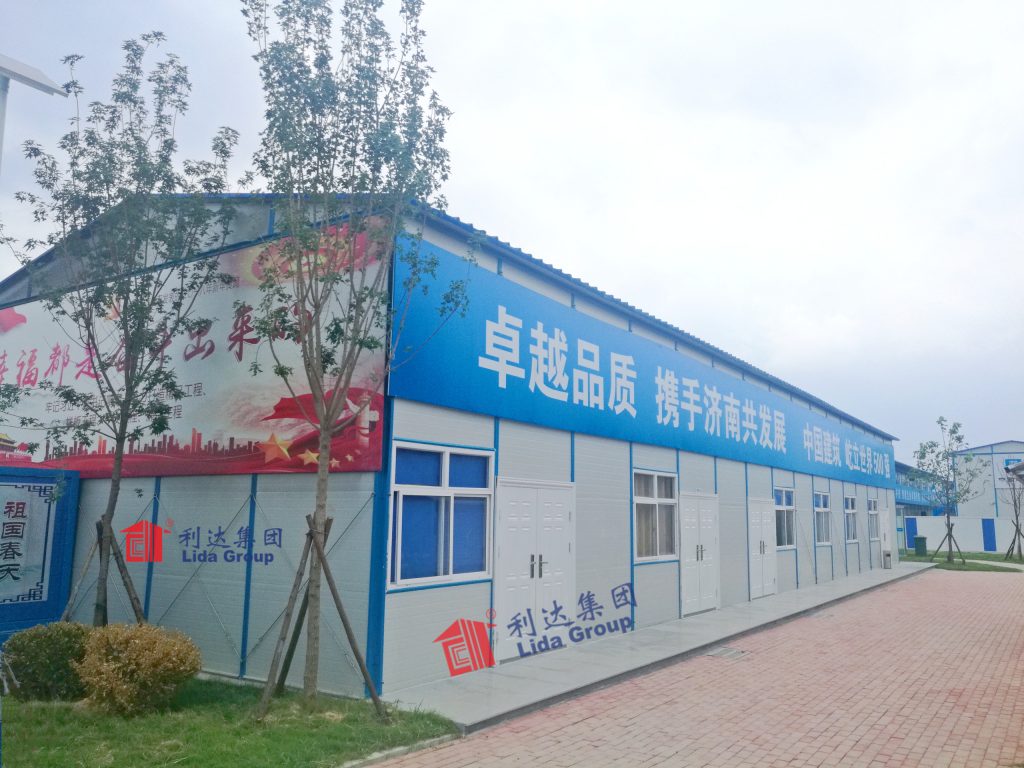
**I. The Project: The Apex Logistics Hub**
Before dissecting the “how,” it is essential to understand the “what.” The Apex Logistics Hub is a 15,000-square-meter state-of-the-art distribution center located on the outskirts of a major metropolitan area. Commissioned by a global e-commerce leader, the project came with a stringent set of requirements that made traditional construction methods a less viable option:
* **An Aggressive Timeline:** The client needed the facility operational within four months to capitalize on the upcoming peak seasonal demand—a timeline virtually impossible to meet with conventional brick-and-mortar or even standard steel-frame construction.
* **Superior Environmental Control:** As a hub for a wide variety of goods, including electronics and sensitive materials, the building required consistently regulated internal temperatures and humidity levels to protect inventory.
* **High Energy Efficiency:** The client, committed to ambitious corporate sustainability goals, demanded a building with minimal operational energy consumption for heating and cooling, a significant cost factor for large, single-story spaces.
* **Durability and Low Maintenance:** The facility needed to withstand the rigors of 24/7 operations, including frequent vehicle traffic and internal material handling, with minimal downtime for repairs and upkeep.
Faced with these challenges, Lida Group proposed a design and build solution centered entirely on the use of advanced sandwich panel technology for the entire building envelope—walls and roof.
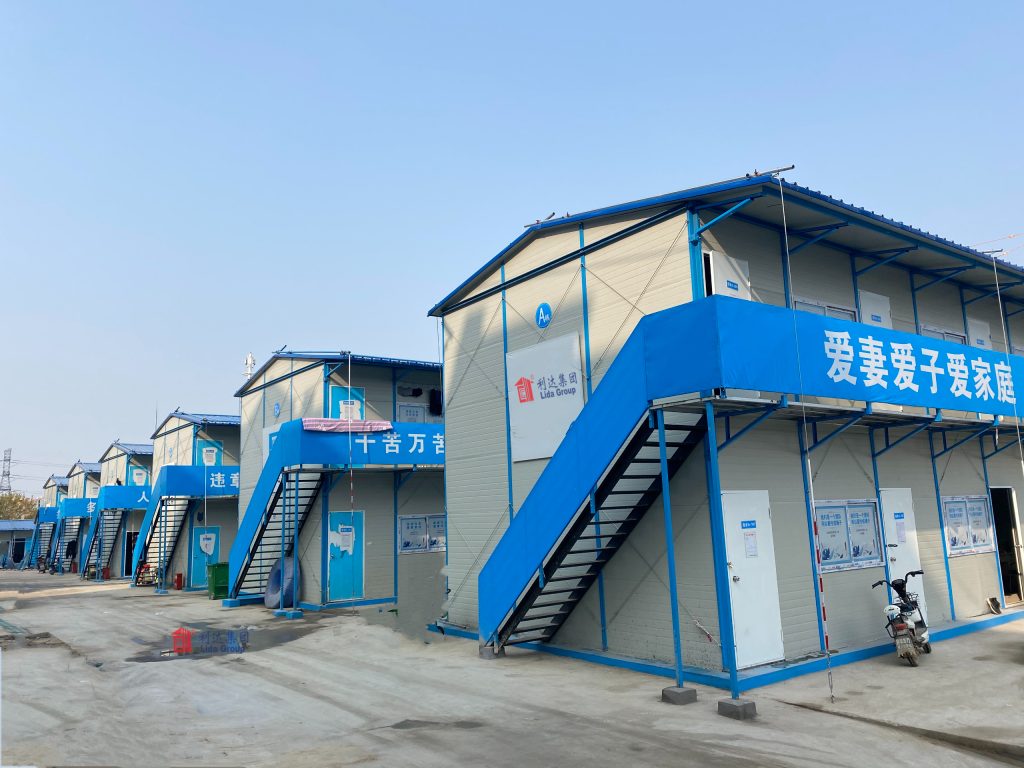
**II. Deconstructing the Technology: The Science and Superiority of Sandwich Panels**
To appreciate the success of the Apex project, one must first understand the fundamental engineering of sandwich panels. At its core, a sandwich panel is a composite structure, ingeniously simple in concept yet highly sophisticated in its performance.
**A. The Tripartite Structure**
The name is perfectly descriptive: the panel consists of three layers, much like a sandwich.
1. **The Outer Skins (The “Bread”):** These are typically made from durable, high-strength materials. The most common choices are:
* **Galvanized Steel:** Offers excellent strength, durability, and corrosion resistance. It is often coated with a color-finish paint system (e.g., PVDF or HDPE) for enhanced weather resistance and aesthetic appeal.
* **Aluminum:** Lighter than steel and highly resistant to corrosion, making it ideal for certain chemical or marine environments.
* **Other Composites:** Materials like Fiber Cement Board (for enhanced fire resistance) or Glass Reinforced Plastic (GRP) can also be used for specific applications.
2. **The Core (The “Filling”):** This is the insulating heart of the panel, trapped between the two skins. The core material defines many of the panel’s key properties. The primary types used are:
* **Expanded Polystyrene (EPS):** A cost-effective option with good insulating properties (R-value). It is lightweight and moisture-resistant.
* **Polyurethane (PUR) / Polyisocyanurate (PIR):** These are the premium choices. PIR, in particular, offers superior fire resistance and a higher R-value per unit of thickness compared to EPS. This means a thinner PIR panel can provide the same insulation as a much thicker EPS panel, maximizing interior space.
* **Mineral Wool:** A non-combustible (A2-s1, d0 fire rating) core, making it the mandatory choice for buildings with the highest fire safety requirements, such as those with high occupant loads or storing high-value goods.
3. **The Bonding Agent:** The integrity of the panel relies on a continuous, high-strength adhesive that bonds the core to the inner and outer skins under controlled factory conditions. This creates a composite material where the components work synergistically, resulting in properties greater than the sum of their parts.
**B. The Engineering Advantages: A Synergistic Effect**
The combination of these elements creates a building material with unparalleled benefits:
* **High Strength-to-Weight Ratio:** The rigid core stabilizes the thin skins, preventing them from buckling. This creates a panel that is exceptionally strong and rigid yet remarkably lightweight. This reduces the load on the primary structural frame and foundations, leading to cost savings.
* **Superior Thermal Insulation:** The core material is a continuous layer of insulation. Unlike traditional construction where insulation is placed between studs (creating thermal bridges), the sandwich panel provides an unbroken thermal barrier. This drastically reduces heat transfer, leading to massive energy savings and a stable internal climate.
* **Rapid Installation:** This is one of the most significant advantages. Sandwich panels are manufactured to exact dimensions in a factory and arrive on-site as ready-to-install elements. They are simply fixed to the structural frame, dramatically accelerating the enclosure of the building. A building that would take weeks to enclose with traditional methods can be made weather-tight in days.
* **Aesthetic and Hygienic Qualities:** The factory-finished steel skins provide a clean, modern, and consistent appearance. The smooth, non-porous interior surfaces are easy to clean and maintain, and they do not support the growth of mold or mildew, which is crucial for facilities like the Apex Hub.
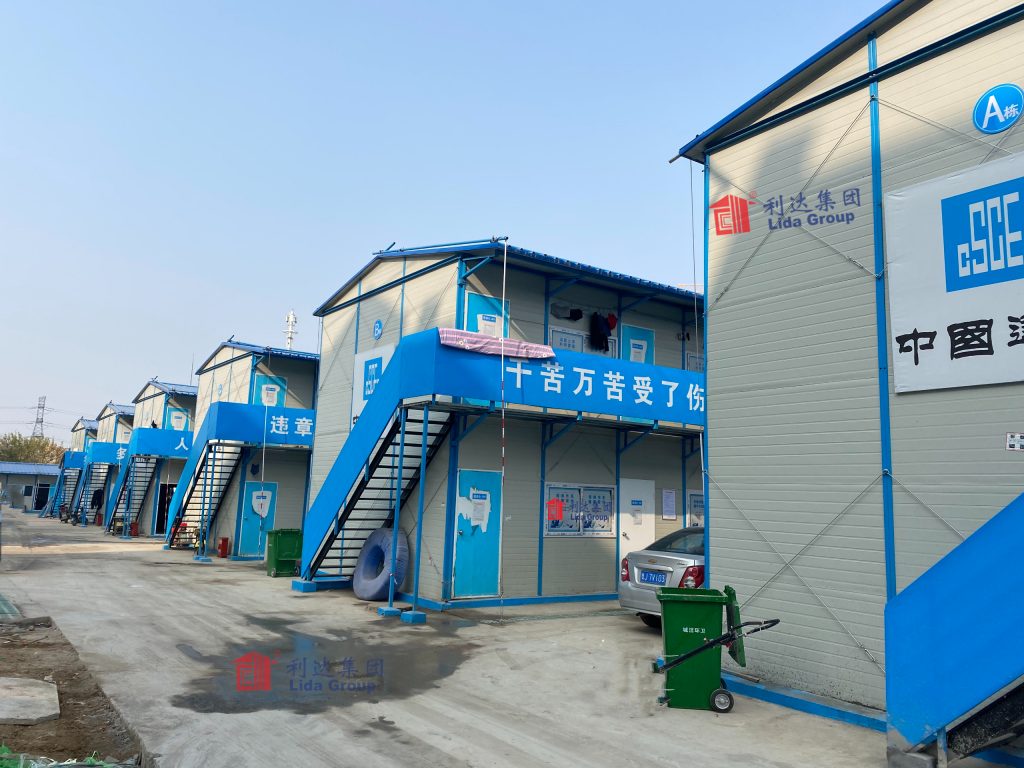
**III. Project Execution: From Concept to Completion with Sandwich Panels**
The delivery of the Apex Logistics Hub can be broken down into distinct, overlapping phases, all streamlined by the choice of sandwich panels.
**Phase 1: Collaborative Design and Engineering**
Lida Group’s engineers worked in close collaboration with the client and the sandwich panel manufacturer from the outset. This integrated approach was critical.
* **Digital Prototyping:** The entire building was modeled in Building Information Modeling (BIM) software. This allowed for precise detailing of every panel, including their dimensions, placement, and the integration of elements like doors, windows, and ventilation systems. Clash detection within the BIM model prevented costly on-site errors.
* **Performance Specification:** Based on the client’s requirements for temperature control and energy efficiency, the team calculated the required U-value (thermal transmittance) for the building envelope. This directly informed the choice of a 120mm thick PIR-cored panel for the walls and a 150mm thick PIR panel for the roof, achieving an exceptionally low U-value that would form the basis of the building’s energy efficiency.
* **Logistical Planning:** The delivery schedule for the panels was meticulously planned. Panels were sequenced for arrival on-site to match the installation progress, minimizing the need for on-site storage and handling.
**Phase 2: Off-Site Manufacturing and On-Site Preparation**
This phase highlights the core principle of modern construction: moving value-added work from the unpredictable construction site to the controlled factory environment.
* **Factory Production:** While the site was being prepared, the sandwich panels were being manufactured in Lida Group’s automated facility. Under strict quality control, the steel coils were unrolled, formed into their profile (e.g., trapezoidal for the roof, micro-rib for the walls), coated, and continuously laminated with the liquid PIR foam. The foam expanded and cured, creating a perfect, monolithic bond with the skins. Each panel was then cut to length, and any necessary openings for utilities were pre-punched. This process ensured every panel was identical, met all specifications, and was produced with near-zero material waste.
* **Parallel Site Work:** Concurrently, on-site work proceeded rapidly. The foundation was poured, and the primary steel frame was erected. Because the building envelope would be provided by the structural panels themselves, the primary frame was simpler and faster to erect than in a traditional build.
**Phase 3: The Installation Sprint**
With the structural frame in place, the installation of the sandwich panels began—the most visually dramatic phase of the project.
* **Wall Panel Installation:** The wall panels were lifted into place by a small team using mobile cranes. Starting from a corner, panels were positioned vertically and secured to the structural steel columns using specialized, color-matched fasteners. The joint between each panel features an integrated tongue-and-groove or shiplap mechanism, which, when combined with a factory-applied sealant tape, created a continuous, airtight, and watertight seal. The speed was remarkable; the entire 15,000 sqm wall system was installed and sealed in under three weeks.
* **Roof Panel Installation:** The roof panels were installed in a similar fashion, running from the eaves to the ridge. The long, continuous panels minimized the number of transverse joints, which are potential leak points. The panel joints were sealed with high-performance mastics and special end caps to ensure complete weather integrity.
* **Integration of Openings:** Pre-fabricated curtain wall sections, roller shutter doors, and personnel access doors were seamlessly integrated into the panel system. Because these were designed for this specific type of construction, their installation was straightforward and did not compromise the integrity of the envelope.
**Phase 4: Final Commissioning and Handover**
The rapid enclosure of the building allowed interior trades to begin work much earlier than in a traditional project.
* **Internal Fit-Out:** With the building sealed against the elements, the installation of the internal mezzanine flooring, lighting, sprinkler systems, and material handling equipment proceeded uninterrupted.
* **Performance Testing:** A blower door test was conducted on the completed envelope to quantify its airtightness. The results exceeded expectations, confirming the effectiveness of the panel jointing system. The building’s HVAC system was commissioned and, due to the high-performance envelope, was found to be significantly undersized compared to a conventional building of the same scale, resulting in lower upfront equipment costs and dramatically reduced long-term energy consumption.
The Apex Logistics Hub was completed and handed over to the client two weeks ahead of the already aggressive four-month schedule, fully compliant with all performance specifications.
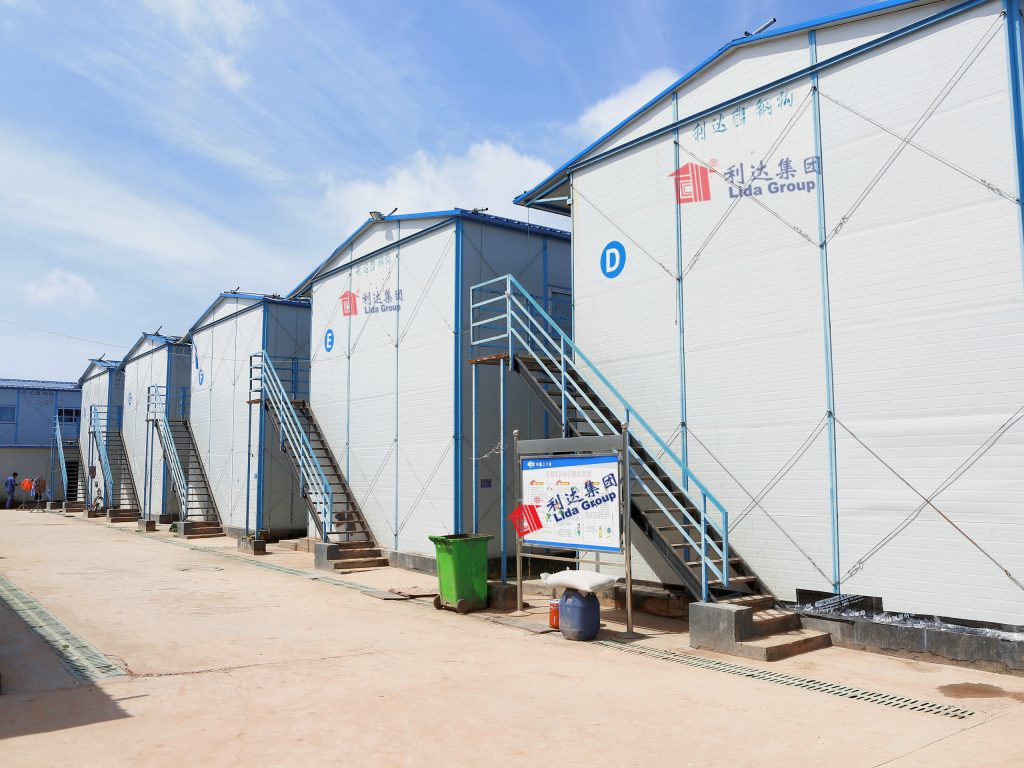
**IV. Quantifiable Outcomes and Benefits Realized**
The use of sandwich panel construction delivered tangible, measurable benefits to the client:
* **Time Savings:** The project was completed approximately 50% faster than a comparable conventional build. This early operational start translated into millions of dollars in revenue for the client during the critical sales season.
* **Energy Performance:** Initial utility bills showed a 60% reduction in energy consumption for climate control compared to the client’s other, traditionally-built facilities of a similar size. This directly supports their sustainability targets and reduces operational expenditure.
* **Cost Certainty and Reduction:** The precision of factory manufacturing minimized on-site waste and rework. The accelerated timeline reduced general conditions costs (site supervision, equipment rental, etc.). The overall project was delivered 15% under the budget that had been estimated for a conventional structure.
* **Durability and Low Maintenance:** The robust, coated steel surfaces have proven highly resistant to impact and corrosion. The client has reported near-zero maintenance costs related to the building envelope in the first year of operation.
#### **V. Broader Implications for the Construction Industry**
The success of Lida Group’s Apex project is not an isolated incident but a signifier of a broader shift.
* **A Challenge to Conventional Wisdom:** It challenges the long-held belief that faster construction means lower quality. In this case, speed, quality, and performance were mutually reinforcing.
* **The Rise of Integrated Solutions:** It underscores the move away from sourcing individual materials (insulation, cladding, vapor barrier) towards adopting integrated, performance-based systems like sandwich panels.
* **Sustainability at the Core:** The energy efficiency inherent in the sandwich panel system makes it a powerful tool for reducing the operational carbon footprint of buildings, which is a critical component of global efforts to combat climate change. Furthermore, the reduction in material waste and the potential for disassembly and reuse at the end of the building’s life contribute to a circular economy.
**Conclusion: Setting a New Standard for Modern Construction**
In conclusion, Lida Group’s successful completion of the Apex Logistics Hub using advanced sandwich panel construction is a landmark achievement that powerfully validates the efficacy of this building method. The project serves as an irrefutable case study in how modern, off-site manufacturing techniques can overcome the most pressing challenges of time, cost, quality, and sustainability that have long plagued the construction industry.
The sandwich panel, with its simple yet brilliant composite design, proved to be more than just a wall or roof material; it was the key to an integrated project delivery system. It enabled unparalleled speed without compromising on structural integrity, delivered world-class thermal performance that will yield energy savings for decades, and provided a durable, low-maintenance asset for the client. By moving the complex work of creating a high-performance building envelope from the construction site to a quality-controlled factory, Lida Group demonstrated a smarter, more efficient, and more reliable way to build.
The Apex Logistics Hub is more than a warehouse; it is a statement. It declares that the future of construction lies in materials and methods that are intelligent, systemic, and performance-driven. Lida Group has not just built a distribution center; they have built a compelling argument for the widespread adoption of sandwich panel technology, setting a new standard that the rest of the industry will be pressed to follow.
Related news
-
Lida Group's Prefab House Offers Superior Energy Efficiency
2025-11-25 17:34:03
-
Versatile Temporary Mobile Building for Any Application
2025-11-25 17:48:17
-
Rapid Deployment with Our Temporary Mobile Building Units
2025-11-25 17:04:47
contact us
- Tel: +86-532-88966982
- Whatsapp: +86-13793209022
- E-mail: sales@lidajituan.com
