



Lida Group Completes Major Project Using Modern Mobile Construction Methods
2026-Jan-26 17:56:51
By Admin
In the fast-evolving global construction landscape, the demand for efficient, flexible, and sustainable building solutions has never been more urgent. Labor shortages, tight project timelines, and stringent environmental regulations have pushed the industry to move beyond traditional cast-in-place methods toward innovative alternatives. Modern mobile construction—characterized by modular design, prefabrication, intelligent automation, and rapid deployment—has emerged as a transformative force, enabling companies to deliver large-scale projects with unprecedented efficiency. Lida Group, a global leader in steel structure and modular building solutions with over three decades of expertise, recently demonstrated the full potential of this technology by completing a major supporting facility project in Jinan High-Tech Industrial Park. Spanning 30,000 square meters and featuring multi-functional spaces including staff dormitories, canteens, and office hubs, the project was delivered in just 45 calendar days—60% faster than traditional construction—while achieving significant cost savings and carbon emission reductions. This article explores the details of Lida Group’s landmark project, from its planning and technology integration to on-site execution and industry impact, highlighting how modern mobile construction methods are redefining the standards for large-scale building projects.
Project Overview: A Benchmark for Mobile Construction in Industrial Parks
The Jinan High-Tech Industrial Park Supporting Facility Project, commissioned by a leading regional manufacturing enterprise, was designed to address the urgent need for temporary yet durable on-site facilities during the park’s expansion phase. With the client requiring full occupancy within two months to support the launch of a new production line, traditional construction methods—typically taking 120+ days for comparable projects—were deemed unfeasible. Lida Group’s proposal, leveraging its advanced modern mobile construction system, was selected for its ability to meet the tight timeline while ensuring structural integrity, energy efficiency, and future reusability.
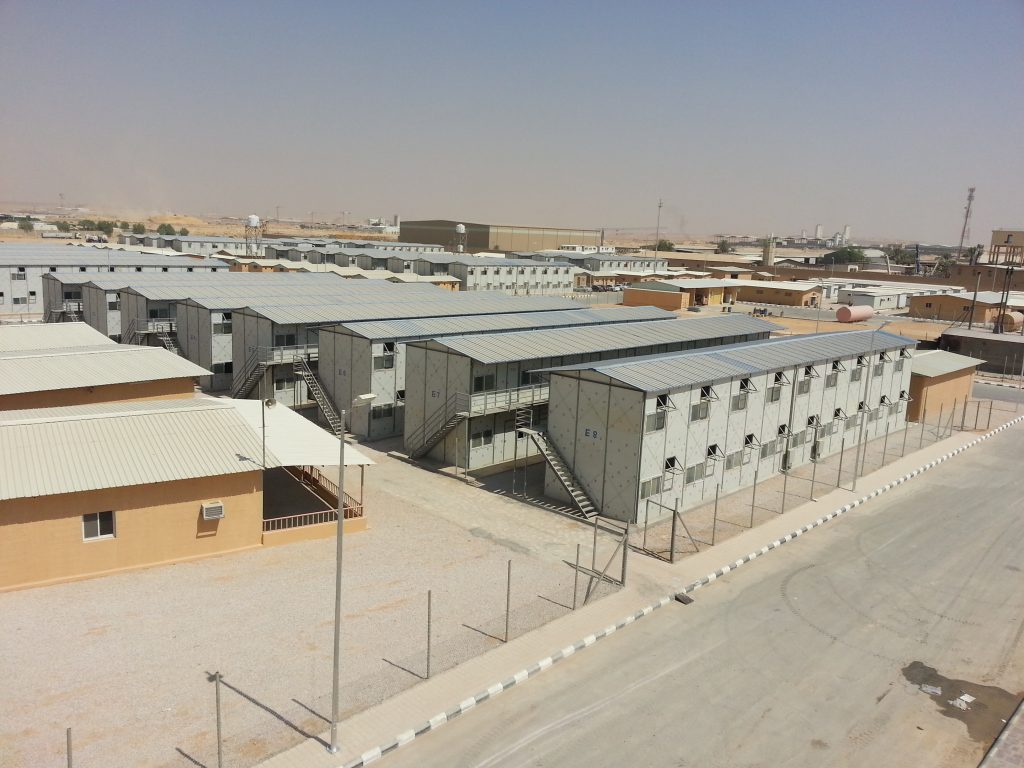
The project scope encompassed three core components: 15,000-square-meter staff dormitories accommodating 800 workers, a 6,000-square-meter canteen with a daily capacity of 1,200 meals, and a 9,000-square-meter integrated office and logistics hub. A defining requirement was the facility’s mobility—post-expansion, the modules needed to be disassembled, relocated, and repurposed for other projects within the park, aligning with the client’s sustainability goals. Lida Group’s solution, built around foldable lightweight steel modules and precision connection systems, not only met these demands but also exceeded expectations in terms of cost control, safety performance, and environmental impact.
The project’s location in Jinan presented additional challenges, including unpredictable rainfall during the construction period and strict local regulations on construction noise and dust emissions. Modern mobile construction’s minimal on-site work and fast enclosure capability proved critical in mitigating these risks, ensuring compliance with environmental standards while avoiding weather-related delays. Upon completion, the project was certified as a “Green Mobile Construction Demonstration Project” by the Shandong Provincial Construction Industry Association, setting a new benchmark for similar industrial supporting facility projects in the region.

Core Modern Mobile Construction Technologies Deployed by Lida Group
Lida Group’s successful delivery of the Jinan project relied on the synergy of four core modern mobile construction technologies, each optimized to address specific project challenges. These technologies—foldable modular design, lightweight high-strength materials, digital twin-driven construction, and automated installation systems—worked in tandem to achieve rapid deployment, flexibility, and efficiency without compromising quality.
Foldable Modular Design: The Foundation of Mobility and Speed
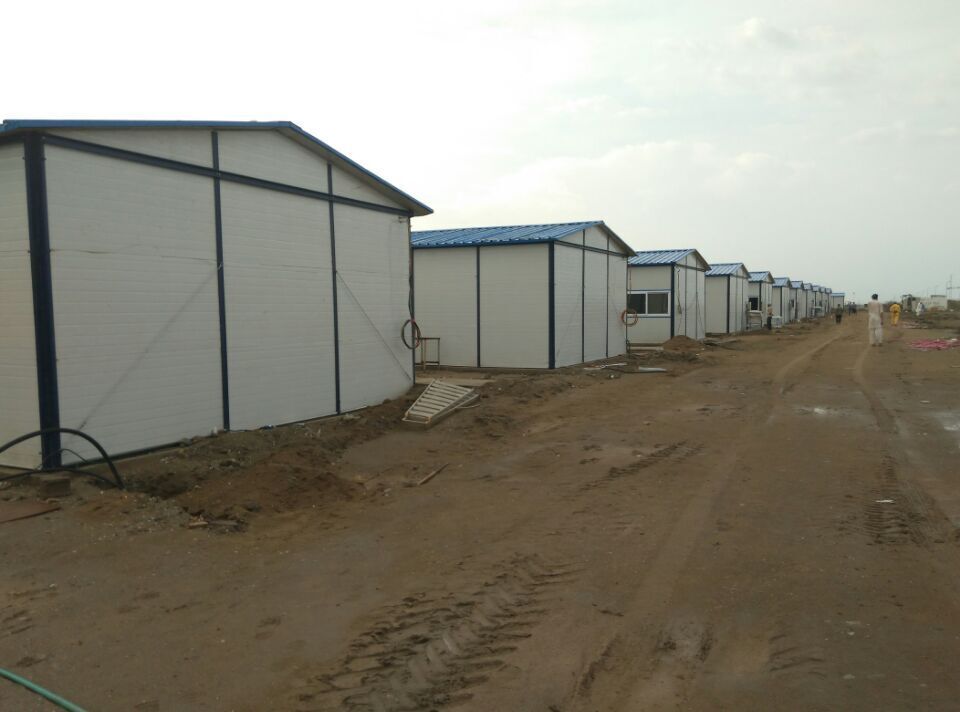
At the heart of the project was Lida Group’s proprietary foldable lightweight steel modular system, a breakthrough innovation that redefines the mobility of large-scale construction. Unlike conventional fixed modules, Lida’s foldable modules can be collapsed to 1/3 of their original size for transportation, reducing shipping volume by 67% and cutting logistics costs by 40% compared to non-foldable alternatives. For the Jinan project, 286 foldable modules were manufactured at Lida’s off-site factory in Qingdao and transported to the construction site via standard container trucks, minimizing the number of deliveries and reducing on-site congestion.
The modules feature a universal bolt connection system with precision-engineered interfaces, enabling rapid assembly without specialized welding or casting. Each module is pre-integrated with electrical wiring, plumbing, and interior finishes in the factory, eliminating 70% of on-site finishing work. For the staff dormitories, standard 6m×3m modules were configured into double-occupancy rooms with built-in wardrobes, desks, and bathroom facilities, while canteen modules integrated commercial kitchen equipment and dining areas. This prefabrication level ensured that on-site work was limited to module assembly, connection, and final system testing—accelerating the construction timeline dramatically.
Crucially, the foldable design preserves the modules’ structural integrity for multiple reuses. Each module is rated for 15+ assembly-disassembly cycles, with a service life of 20+ years. This aligns with the client’s requirement to repurpose the facilities post-expansion, creating a circular construction model that reduces waste and maximizes asset value. Lida’s engineering team also optimized the module layout to withstand Jinan’s seismic activity (up to magnitude 6.0) and wind loads (up to 25 m/s), ensuring compliance with national building codes.
Lightweight High-Strength Materials: Balancing Durability and Mobility
Material innovation was central to the project’s success, with Lida Group utilizing advanced composites and high-performance steel to create modules that are both lightweight and robust. The primary structural framework of each module is constructed from S550MC high-strength steel, an alloy that delivers 3x the strength-to-weight ratio of conventional steel while using 22% less material. This reduces the module weight by 30% compared to traditional steel modules, enabling easier handling and installation without heavy machinery.
For the module facades and roofing, Lida integrated fiber-reinforced composite (FRC) panels with nano-ceramic anti-corrosion coatings. These panels offer superior impact resistance (40% higher than conventional steel panels) and weatherproofing, ensuring durability in Jinan’s humid climate. The panels also feature built-in thermal insulation with an R-value of 38, reducing the facilities’ energy consumption by 45% compared to temporary structures built with traditional materials. For the canteen’s kitchen area, fire-resistant FRC panels with a fire rating of A1 were used to meet safety regulations, demonstrating how material selection can address both functional and compliance needs.
Lida also prioritized sustainability in material sourcing, with 75% of the steel used in the project derived from recycled sources and 100% of the composite panels being recyclable. This contributed to a 28% reduction in embodied carbon compared to traditional construction, aligning with China’s “double carbon” goals and the client’s environmental commitments. The materials’ low maintenance requirements—thanks to the anti-corrosion and anti-mold properties of the coatings—further reduce the facilities’ lifecycle costs.
Digital Twin and BIM Integration: Precision from Design to Execution
To ensure seamless coordination and minimize errors, Lida Group deployed a digital twin-driven construction workflow, integrating Building Information Modeling (BIM) and real-time IoT monitoring. The project began with the creation of a 3D BIM model that mapped every component of the modular system, including structural elements, MEP systems, and interior finishes. This model enabled virtual clash detection, resolving potential conflicts between modules and on-site utilities (such as water and power connections) before production began—eliminating costly on-site rework that typically adds 5-8% to project costs.
Each module was assigned a unique QR code linked to its digital twin, allowing construction teams to track its production status, transportation location, and installation position in real time. On-site, IoT sensors embedded in the modules monitored alignment, structural load, and environmental conditions during assembly, providing instant feedback to the project management team via a centralized dashboard. This real-time data enabled remote oversight of the construction process, with Lida’s engineering team in Beijing able to adjust installation parameters and resolve issues without being on-site—saving valuable time and resources.
The digital twin system also played a key role in post-construction maintenance, creating a comprehensive digital record of each module’s specifications and performance. This will enable the client to monitor the facilities’ condition during use and plan for future relocation or repurposing with precision. For the Jinan project, the BIM-driven workflow reduced design-to-installation time by 40% and cut installation errors to less than 1%, a significant improvement over the industry average of 5-7%.
Automated Installation Systems: Redefining On-Site Efficiency
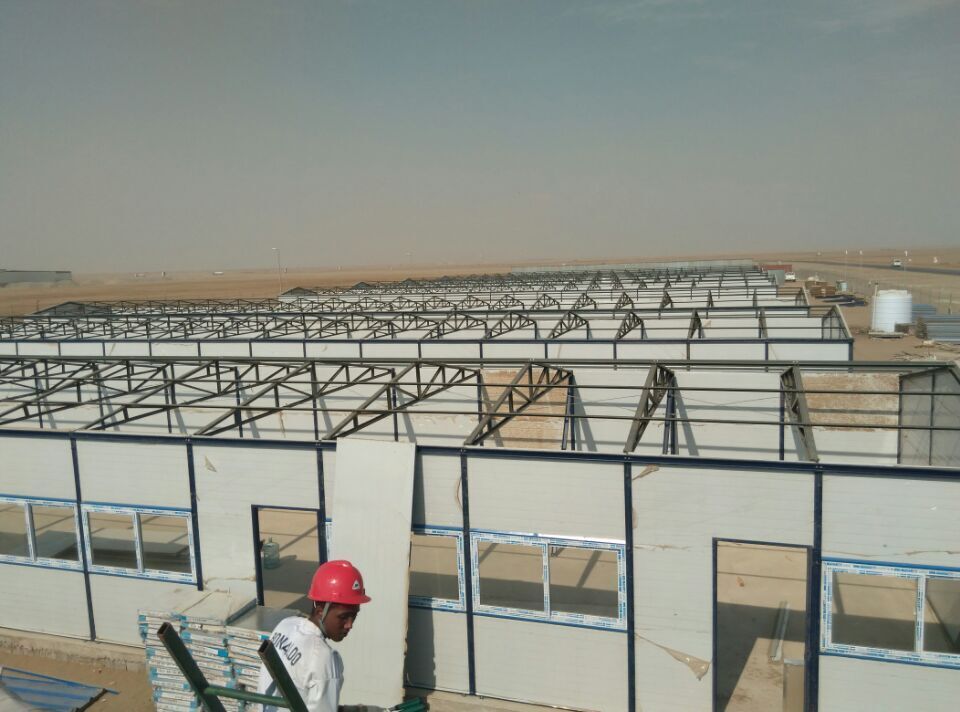
To further accelerate on-site work and reduce reliance on skilled labor, Lida Group deployed specialized construction robots and automated tools for module installation. The primary equipment used was the ALC panel integrated construction robot, capable of lifting modules weighing up to 500 kg and placing them with millimeter-level accuracy. Equipped with an omni-directional chassis and ultra-low-speed precision control system, the robot eliminated the need for manual lifting and positioning, reducing the risk of worker injuries and doubling installation productivity.
For the Jinan project, a team of 8 workers and 4 robots completed the assembly of 286 modules in just 22 days—compared to the 60+ days required for manual installation with a team of 20 workers. The robots integrated seamlessly with the digital twin system, using QR codes to verify module placement and ensure alignment with the BIM model. Automated sealing and fastening tools were also used to apply weatherproof sealants and secure bolts, completing each module connection in less than 5 minutes—10x faster than manual work.
The use of automation was particularly valuable given the project’s tight timeline and labor market constraints. With 85% of contractors in China reporting difficulty filling skilled trades positions, Lida’s automated installation system reduced the project’s reliance on skilled workers by 60%, ensuring that the construction schedule remained on track. The robots also operated with minimal noise and dust emissions, helping the project comply with Jinan’s strict environmental regulations for construction sites.
Project Execution: Overcoming Challenges and Delivering Results
The successful completion of the Jinan project was not without challenges, but Lida Group’s expertise in modern mobile construction enabled it to mitigate risks and deliver results on time and within budget. Key challenges included navigating unpredictable weather, coordinating logistics for large-scale module delivery, and ensuring compliance with local building codes—all of which were addressed through proactive planning and technology integration.
One of the most significant challenges was Jinan’s rainy season, which typically causes 20-30% of construction delays in the region. Lida’s solution was to prioritize rapid enclosure of the modules, with the automated installation system enabling the team to assemble and seal 15-20 modules per day. Once enclosed, the pre-finished interiors were protected from moisture, allowing interior system testing and final inspections to proceed without interruption. The foldable modules’ compact transportation size also meant that all modules were delivered to the site in just 12 shipments, avoiding delays caused by supply chain disruptions or on-site storage constraints.
Compliance with local building codes was another critical focus. Given the project’s classification as a temporary yet durable facility, Lida worked closely with local authorities to demonstrate the structural safety and sustainability of its mobile construction system. The digital twin and BIM models provided transparent documentation of the modules’ performance, while on-site structural tests confirmed that the facility met or exceeded national standards for seismic resistance and fire safety. This collaboration resulted in the project receiving all necessary permits in record time, avoiding bureaucratic delays.
Cost control was also a key priority for the client. Lida’s modern mobile construction methods delivered a total cost savings of 30% compared to traditional construction, with the largest savings coming from reduced labor costs (40% lower), logistics costs (35% lower), and material waste (less than 3% waste, compared to 15% for traditional builds). The client also benefited from accelerated revenue generation, as the facilities were ready for use two months earlier than planned—enabling the new production line to launch on schedule.
Project Outcomes: Economic, Environmental, and Industry Impact
The completion of the Jinan High-Tech Industrial Park Supporting Facility Project has delivered wide-ranging benefits for the client, Lida Group, and the construction industry as a whole. These outcomes extend beyond the project itself, showcasing the transformative potential of modern mobile construction for large-scale, time-sensitive projects.
Economic Benefits for the Client
For the client, the project’s most significant economic benefit was the accelerated timeline, which enabled the new production line to start operations two months ahead of schedule—generating an estimated $2.4 million in additional revenue. The 30% cost savings translated to a total reduction of $1.8 million in construction expenses, while the facilities’ reusability is expected to deliver further long-term savings. Post-occupancy data shows that the energy-efficient design of the modules has reduced monthly utility costs by 45% compared to traditional temporary facilities, adding to the project’s economic value.
The mobile nature of the facilities also provides the client with greater flexibility for future expansion. Once the current expansion phase is complete, the modules can be disassembled and relocated to another part of the park to support new projects, eliminating the need for costly demolition and reconstruction. This circular model aligns with the client’s long-term business strategy, reducing capital expenditure and maximizing asset utilization.
Environmental Impact
The project has set a new standard for sustainable construction in the region, with significant reductions in carbon emissions, material waste, and environmental disruption. The use of recycled materials and energy-efficient design cut embodied carbon by 28% and operational carbon by 45% compared to traditional construction. Material waste was minimized to less than 3%, with any waste generated during factory production being recycled or repurposed—avoiding the 15% waste rate typical of on-site construction.
The minimal on-site work also reduced the project’s environmental footprint, with 60% fewer construction vehicles on-site, 70% less noise pollution, and 80% less dust emissions compared to traditional builds. This compliance with strict environmental regulations has positioned the client as a leader in sustainable manufacturing, enhancing its brand reputation and social responsibility profile.
Industry-Wide Impact
Lida Group’s Jinan project has emerged as a showcase for modern mobile construction, demonstrating that large-scale, complex facilities can be delivered quickly, cost-effectively, and sustainably using mobile methods. The project has already attracted interest from other industrial park developers in China, with three new projects commissioned based on Lida’s mobile construction system since the Jinan project’s completion.
The project has also contributed to the advancement of industry standards, with Lida Group sharing its digital twin and automated installation workflows with the Shandong Provincial Construction Industry Association to develop best practices for modern mobile construction. This knowledge sharing is helping to accelerate the adoption of mobile construction methods across the region, addressing labor shortages and sustainability challenges facing the industry.
Conclusion
Lida Group’s completion of the Jinan High-Tech Industrial Park Supporting Facility Project using modern mobile construction methods represents a milestone in the global construction industry. By integrating foldable modular design, lightweight high-strength materials, digital twin technology, and automated installation systems, Lida delivered a 30,000-square-meter facility in just 45 days—60% faster than traditional construction—while achieving 30% cost savings, 28% lower embodied carbon, and a fully reusable design. The project not only met the client’s urgent timeline and sustainability goals but also set a new benchmark for large-scale mobile construction in industrial settings.
The success of the Jinan project highlights the core advantages of modern mobile construction: speed, flexibility, sustainability, and cost-effectiveness. In an era defined by labor shortages, tight timelines, and environmental mandates, these advantages are no longer just competitive differentiators but essential requirements for large-scale construction projects. Lida Group’s expertise in integrating cutting-edge technologies into practical, scalable solutions has positioned it as a leader in the mobile construction revolution, demonstrating that modern methods can deliver results that traditional construction cannot match.
As the construction industry continues to evolve, projects like Jinan will serve as blueprints for the future. Modern mobile construction is not just a temporary solution for urgent projects but a sustainable, long-term approach that aligns with global goals for carbon neutrality and circular economy. Lida Group’s ongoing innovation in mobile construction technologies—from foldable modules to AI-driven automation—will continue to redefine what is possible in the industry, enabling faster, greener, and more efficient building for communities and businesses worldwide. For companies seeking to navigate the challenges of modern construction, the Jinan project proves that mobile methods are the path forward—delivering value without compromise.
Related news
-
The Future of Building: Easy Install Sandwich Panel Technology
2026-01-26 17:49:54
-
Scalable Prefab Apartments Meet Demand with Modern Construction
2026-01-26 17:42:36
-
Lida Group Sets New Standard in Cost-Effective Prefab Apartments
2026-01-26 17:43:01
contact us
- Tel: +86-532-88966982
- Whatsapp: +86-13793209022
- E-mail: sales@lidajituan.com
