



Lida Group Completes Major Prefab Dormitory Using Innovative Sandwich Panels
2026-Feb-11 17:45:45
By Admin
In the global push for affordable, efficient, and durable housing solutions, prefabricated construction has emerged as a transformative force, addressing critical gaps in residential needs across education, industrial, and humanitarian sectors. Among the key challenges facing prefab dormitory construction—balancing cost-effectiveness, structural durability, energy efficiency, and rapid deployment—innovations in building materials have become the cornerstone of progress. Lida Group, a leading manufacturer of prefabricated buildings based in Shandong, China, has recently marked a significant milestone in the industry by completing a major prefab dormitory project that leverages its cutting-edge innovative sandwich panels. This project not only showcases the group’s engineering prowess but also redefines the standards for prefab dormitories worldwide, demonstrating how advanced sandwich panel technology can elevate the quality, sustainability, and functionality of mass-produced residential structures.
The completion of this major prefab dormitory represents more than just a single construction achievement; it is a testament to the evolving role of prefab technology in meeting the growing global demand for high-quality, low-cost dormitories. As universities grapple with surging student enrollments, industrial operators seek durable housing for remote workers, and governments address housing shortages in rapidly urbanizing regions, the need for structures that are quick to build, long-lasting, and affordable has never been more urgent. Lida Group’s project, centered on its innovative sandwich panels, addresses all these needs, offering a scalable model that can be adapted to diverse climates, budgets, and user requirements. This article explores the details of this landmark project, delves into the innovative sandwich panel technology that powers it, examines the project’s impact on the prefab industry, and highlights Lida Group’s role as a pioneer in sustainable, efficient prefabricated construction.
1. Introduction: The Global Need for Advanced Prefab Dormitories
The global demand for dormitory housing is expanding at an unprecedented rate, driven by three key trends: rapid urbanization, growing student populations, and the expansion of industrial operations in remote areas. According to industry research, the global prefabricated building market is projected to grow at a CAGR of 8.5% through 2030, with dormitories accounting for a significant portion of this growth—particularly in developing economies where traditional construction methods are too slow, costly, or logistically challenging to meet rising demand. In countries across Asia, Africa, and Latin America, universities face severe housing shortages, with millions of students forced to live in overcrowded or substandard accommodation. For example, in China alone, the number of higher education students exceeds 40 million, with approximately 60% requiring on-campus or nearby dormitory housing, creating a massive gap between supply and demand. Similarly, industries such as oil, gas, mining, and construction require durable, temporary-to-permanent dormitories for workers in remote locations, where traditional construction is often impractical due to harsh environmental conditions and limited infrastructure.
Traditional prefab dormitories, however, have long been plagued by limitations that hinder their widespread adoption for long-term use. Many early prefab dormitories relied on low-quality materials that lacked insulation, durability, and fire resistance, leading to high maintenance costs, poor energy efficiency, and short lifespans (typically 5–10 years). Additionally, these structures often failed to provide adequate comfort, with poor thermal regulation and sound insulation making them unsuitable for extended occupancy. The need for advanced prefab dormitories—ones that combine speed of construction, affordability, durability, and comfort—has become increasingly clear. This is where innovative materials like Lida Group’s sandwich panels come into play, offering a solution that addresses the shortcomings of traditional prefab construction while maintaining the core advantages of modular, factory-produced housing.
Lida Group’s latest major prefab dormitory project is a response to this global need. By centering the project around its innovative sandwich panels, the group has created a dormitory that is not only quick to build and affordable but also durable, energy-efficient, and comfortable. The project serves as a model for how advanced materials can transform prefab dormitories, making them a viable, long-term solution for universities, industrial operators, and governments worldwide. This article will explore how Lida Group’s sandwich panel technology has enabled this achievement, detailing the project’s specifications, challenges, and successes.
2. About Lida Group: A Leader in Prefabricated Construction and Material Innovation
2.1 Company Overview and Industry Position
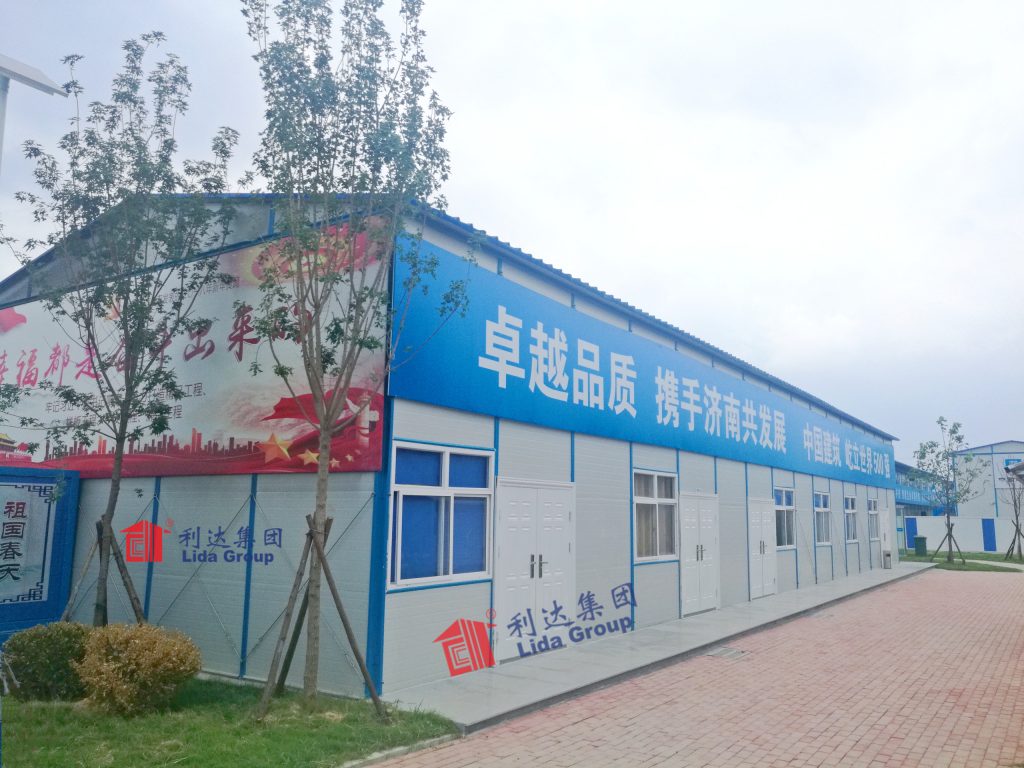
Founded in Shandong, China, Lida Group has established itself as a global leader in the design, manufacturing, and installation of prefabricated buildings, with a focus on innovation, quality, and sustainability. With decades of experience in the industry, the group specializes in a wide range of prefab structures, including dormitories, offices, houses, sentry boxes, and industrial facilities, catering to clients across Asia, Africa, Europe, and Latin America. Lida Group’s core strength lies in its integrated approach to prefab construction—from material研发 (R&D) and module manufacturing to on-site installation and after-sales service—ensuring end-to-end quality control and efficiency.
The group’s commitment to innovation is evident in its state-of-the-art manufacturing facilities, which boast a production capacity of up to 10,000 square meters of prefab structures per month, with some specialized sandwich panels produced at a rate of 8,000 square meters per day. Lida Group holds numerous international certifications, including ISO 9001, CE, TUV, BV, and SGS, demonstrating its compliance with strict global standards for quality, safety, and environmental responsibility. These certifications have enabled the group to expand its global footprint, delivering projects in diverse climates and regulatory environments, from the scorching deserts of Africa to the freezing tundras of Siberia.
Lida Group’s focus on prefab dormitories stems from its recognition of the growing global demand for affordable, durable housing solutions. The group has invested heavily in R&D to develop materials and designs that address the unique challenges of dormitory construction—high occupancy rates, heavy usage, the need for privacy and comfort, and strict budget constraints. Its innovative sandwich panels, developed after years of research and testing, are the culmination of this effort, offering a material that is lightweight, strong, energy-efficient, fire-resistant, and cost-effective—ideal for large-scale prefab dormitory projects.
2.2 Lida Group’s Commitment to Innovation and Sustainability
Innovation and sustainability are at the heart of Lida Group’s operations. The group’s R&D team is dedicated to developing cutting-edge materials and construction technologies that reduce environmental impact, improve efficiency, and enhance the quality of prefab structures. This commitment is reflected in its innovative sandwich panels, which are designed to be both sustainable and high-performing. Unlike traditional building materials that generate significant waste during production and installation, Lida’s sandwich panels are manufactured in a controlled factory setting, minimizing material waste and reducing carbon emissions.
Additionally, Lida Group prioritizes the use of recyclable and eco-friendly materials in its sandwich panels, such as recycled steel and low-VOC (volatile organic compound) adhesives, reducing the environmental footprint of its products. The energy efficiency of the sandwich panels also contributes to sustainability, as they reduce the need for heating and cooling in dormitories, lowering energy consumption and greenhouse gas emissions over the structure’s lifespan. Lida Group’s commitment to sustainability is further demonstrated by its focus on durable designs that extend the lifespan of prefab dormitories to over 20 years, reducing the need for frequent replacements and minimizing waste.
The group’s latest prefab dormitory project is a showcase of this commitment, integrating innovative sandwich panels with sustainable design principles to create a structure that is both environmentally friendly and cost-effective. By prioritizing innovation and sustainability, Lida Group has positioned itself as a leader in the global prefab industry, setting new standards for what prefab dormitories can achieve.
3. Innovative Sandwich Panels: The Core Technology Behind Lida’s Prefab Dormitory
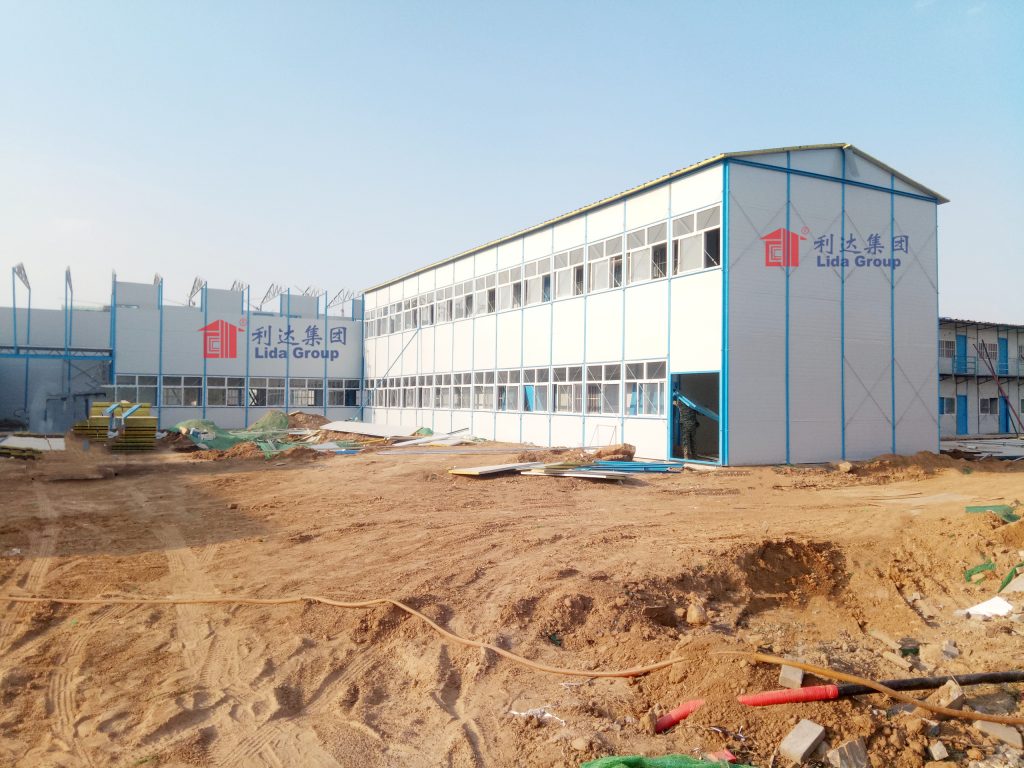
At the heart of Lida Group’s major prefab dormitory project is its innovative sandwich panel technology. Sandwich panels are composite materials consisting of two outer layers (facings) and a central core, designed to combine the strength of the facings with the insulating properties of the core. While sandwich panels have been used in prefab construction for decades, Lida Group’s version incorporates several key innovations that set it apart from traditional panels, making it ideal for large-scale dormitory projects. These innovations address critical pain points in prefab dormitory construction, including energy efficiency, durability, fire resistance, and installation speed.
3.1 What Are Lida’s Innovative Sandwich Panels?
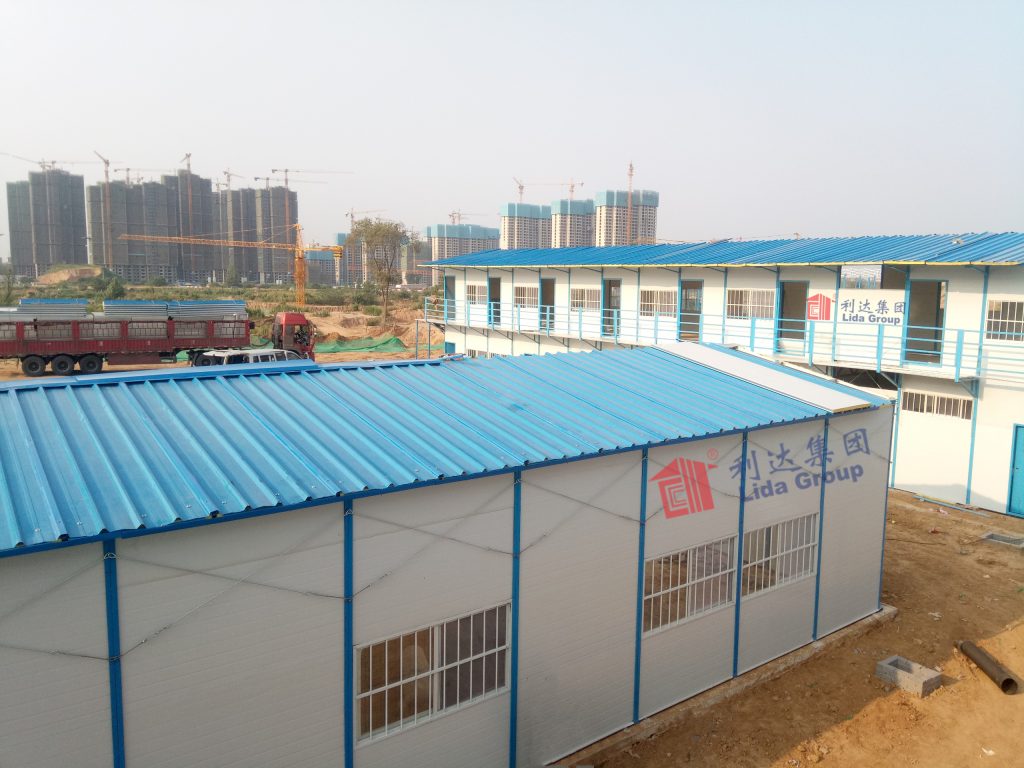
Lida Group’s innovative sandwich panels are engineered specifically for prefab dormitory construction, with a focus on versatility, performance, and cost-effectiveness. The panels consist of two outer facings made of high-quality galvanized color steel (0.3–0.6 mm thick) and a central core that can be customized based on climate and project requirements, including expanded polystyrene (EPS), polyurethane (PU), rock wool, or fiber glass. Each component is carefully selected and tested to ensure optimal performance, with the facings providing structural strength and weather resistance, and the core delivering insulation, fire resistance, and soundproofing.
Unlike traditional sandwich panels, which often suffer from poor adhesion between the facings and core, Lida’s panels use a high-strength, eco-friendly adhesive that ensures a strong bond, preventing delamination and extending the panel’s lifespan. The panels are also prefabricated to precise dimensions in the factory, with widths of 930–1000 mm and thicknesses ranging from 50 mm to 150 mm, and lengths customizable to fit the project’s needs. This precision manufacturing ensures that the panels fit together seamlessly during installation, reducing on-site labor time and minimizing errors.
3.2 Key Innovations in Lida’s Sandwich Panels
3.2.1 Advanced Core Materials for Diverse Climates
One of the most significant innovations in Lida’s sandwich panels is the use of customizable core materials, allowing the panels to be adapted to diverse climate conditions—from hot, arid regions to cold, snowy environments. Each core material offers unique properties, ensuring optimal performance in specific settings:
-
EPS (Expanded Polystyrene) Core: Ideal for moderate climates, EPS cores offer excellent thermal insulation (thermal conductivity of 0.028–0.033 W/m·K) and are lightweight, affordable, and easy to manufacture. Lida’s EPS cores are available in densities of 12–20 kg/m³, providing a balance of insulation and structural strength. These panels are commonly used in dormitories in temperate regions, where energy efficiency and cost-effectiveness are top priorities.
-
PU (Polyurethane) Core: Designed for extreme climates, PU cores offer superior thermal insulation (thermal conductivity ≤ 0.023 W/m·K) and high compressive strength (≥ 210 kPa). They are also water-resistant and lightweight, making them ideal for dormitories in cold regions (such as Siberia) or hot, humid areas. PU cores have a density of 40–120 kg/m³ and a 24-hour water absorption rate of ≤ 5%, ensuring durability even in harsh weather conditions. Lida’s PU-core panels are often used in remote industrial dormitories, where extreme temperatures and limited maintenance access require a highly durable, low-maintenance solution.
-
Rock Wool Core: Focused on fire safety, rock wool cores are A-grade incombustible, with a fire resistance limit that meets strict global standards. They also offer good thermal insulation (thermal conductivity ≤ 0.044 W/m·K) and soundproofing (21.5 dB sound deadening), making them ideal for dormitories with high occupancy rates, where fire safety and privacy are critical. Rock wool cores have a density of 40–120 kg/m³ and a 24-hour water absorption rate of ≤ 5%, ensuring durability and performance. These panels are commonly used in university dormitories and urban residential projects, where fire codes are strict.
-
Fiber Glass Core: An economic, non-flammable option, fiber glass cores offer good thermal insulation (thermal conductivity of 0.028–0.033 W/m·K) and are rot-proof, anti-moth, and easy to install. They have a density of 60 kg/m³ and are ideal for budget-conscious projects in moderate climates, such as temporary dormitories for construction workers or disaster relief efforts. Fiber glass-core panels are lightweight and can be installed quickly, making them suitable for projects with tight deadlines.
3.2.2 Enhanced Structural Strength and Durability
Lida’s sandwich panels are engineered for exceptional structural strength, addressing a common criticism of traditional prefab materials. The outer galvanized color steel facings are treated to resist corrosion, rust, and weather damage, with a powder-coated finish that enhances durability and aesthetics. The facings are available in thicknesses of 0.3–0.6 mm, providing structural support while keeping the panels lightweight. The high-strength adhesive used to bond the facings to the core ensures that the panels can withstand heavy loads, including wind, snow, and seismic activity.
In addition, Lida’s sandwich panels are tested to meet strict structural standards, including wind resistance of Grade 11 (wind speed ≤ 120 km/h) and earthquake resistance of Grade 7, making them suitable for use in regions prone to natural disasters. The panels also have a high load-bearing capacity, with roof live load capacity of 0.6 kN/m² and wall load capacity of 0.6 kN/m², ensuring they can support the weight of dormitory fixtures, furniture, and occupants. This structural strength extends the lifespan of the panels to over 20 years, making them a long-term, cost-effective solution for prefab dormitories.
3.2.3 Improved Energy Efficiency and Thermal Performance
Energy efficiency is a key priority in dormitory construction, as heating and cooling costs can be a significant expense for universities and industrial operators. Lida’s sandwich panels are designed to minimize heat transfer, reducing energy consumption and lowering utility costs. The customizable core materials each offer excellent thermal insulation, with PU cores providing the highest efficiency (thermal conductivity ≤ 0.023 W/m·K) and EPS cores offering a cost-effective alternative (0.028–0.033 W/m·K).
The panels also feature a tight seal when installed, preventing air leakage and further improving thermal performance. This tight seal, combined with the insulation properties of the core, ensures that dormitory rooms remain warm in cold weather and cool in hot weather, reducing the need for artificial heating and cooling. For example, a dormitory using Lida’s PU-core sandwich panels in a cold climate can reduce heating costs by up to 40% compared to traditional prefab dormitories. This energy efficiency not only lowers operational costs but also reduces the dormitory’s environmental footprint, aligning with global sustainability goals.
3.2.4 Fire Resistance and Safety
Fire safety is a critical concern in dormitories, which often house large numbers of people in close quarters. Lida’s sandwich panels are engineered to meet strict fire safety standards, with rock wool cores offering A-grade incombustibility and other cores (EPS, PU, fiber glass) treated to be fire-retardant. The galvanized steel facings are also non-combustible, providing an additional layer of protection against fire spread.
Lida’s fire-resistant sandwich panels have been tested to withstand high temperatures for extended periods, giving occupants ample time to evacuate in the event of a fire. The rock wool-core panels, in particular, offer a fire resistance limit that exceeds global standards, making them ideal for high-occupancy dormitories. Additionally, the panels do not release toxic fumes when exposed to fire, ensuring the safety of occupants and minimizing environmental damage. This focus on fire safety has made Lida’s sandwich panels a preferred choice for universities and industrial operators worldwide.
3.2.5 Easy Installation and Scalability
Another key innovation in Lida’s sandwich panels is their ease of installation, which reduces construction time and labor costs. The panels are prefabricated to precise dimensions in the factory, with interlocking edges that allow for quick and seamless assembly on-site. Unlike traditional building materials, which require extensive on-site cutting and fitting, Lida’s sandwich panels can be installed by a small team of skilled workers, with four workers able to assemble 100 square meters of the light steel structure (paired with sandwich panels) in just 8 hours.
The panels are also lightweight, making them easy to transport and handle on-site, even in remote locations. This ease of installation makes Lida’s prefab dormitories highly scalable, as additional modules can be added quickly to accommodate growing demand. For example, a university experiencing a surge in student enrollment can add more dormitory modules using Lida’s sandwich panels in a matter of weeks, rather than months, as required by traditional construction.
4. Details of Lida Group’s Major Prefab Dormitory Project
Lida Group’s recently completed major prefab dormitory project is a landmark achievement in the prefab industry, showcasing the capabilities of its innovative sandwich panels. The project, located in a rapidly growing industrial and educational hub in Southeast Asia, was commissioned to address the urgent need for affordable, durable dormitory housing for both university students and industrial workers. The project’s scale, complexity, and focus on sustainability make it a model for large-scale prefab dormitory construction worldwide.
4.1 Project Background and Objectives
The project was initiated by a local government in Southeast Asia, which sought to address a critical housing shortage in the region. The area had experienced rapid growth in recent years, with several new universities and industrial parks opening, leading to a surge in demand for dormitory housing. Traditional construction methods were deemed impractical due to tight deadlines (the project needed to be completed in 6 months) and limited budgets. After a competitive bidding process, Lida Group was selected to deliver the project, thanks to its innovative sandwich panel technology, proven track record in prefab construction, and ability to meet the project’s strict requirements.
The key objectives of the project were: (1) to construct a large-scale prefab dormitory capable of accommodating 1,200 occupants (600 students and 600 industrial workers); (2) to ensure the dormitory was durable, energy-efficient, and fire-safe; (3) to complete the project within 6 months, significantly faster than traditional construction; (4) to keep the project within budget, ensuring affordability for both the government and the end-users; and (5) to incorporate sustainable design principles to minimize environmental impact.
4.2 Project Specifications
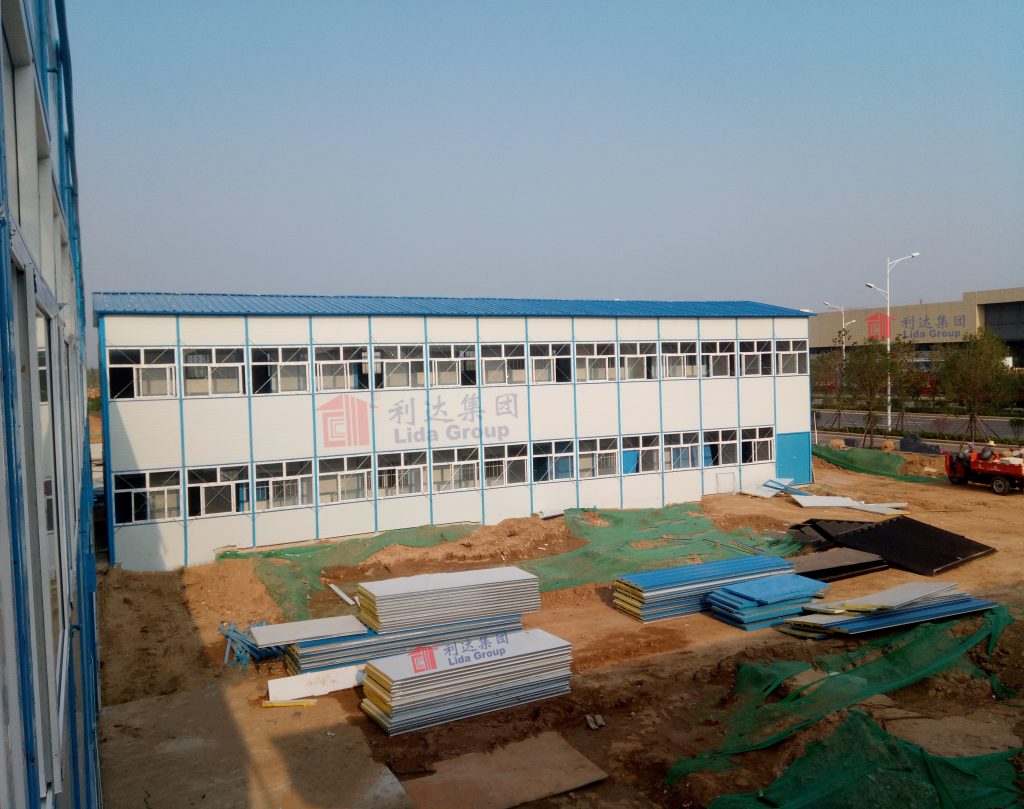
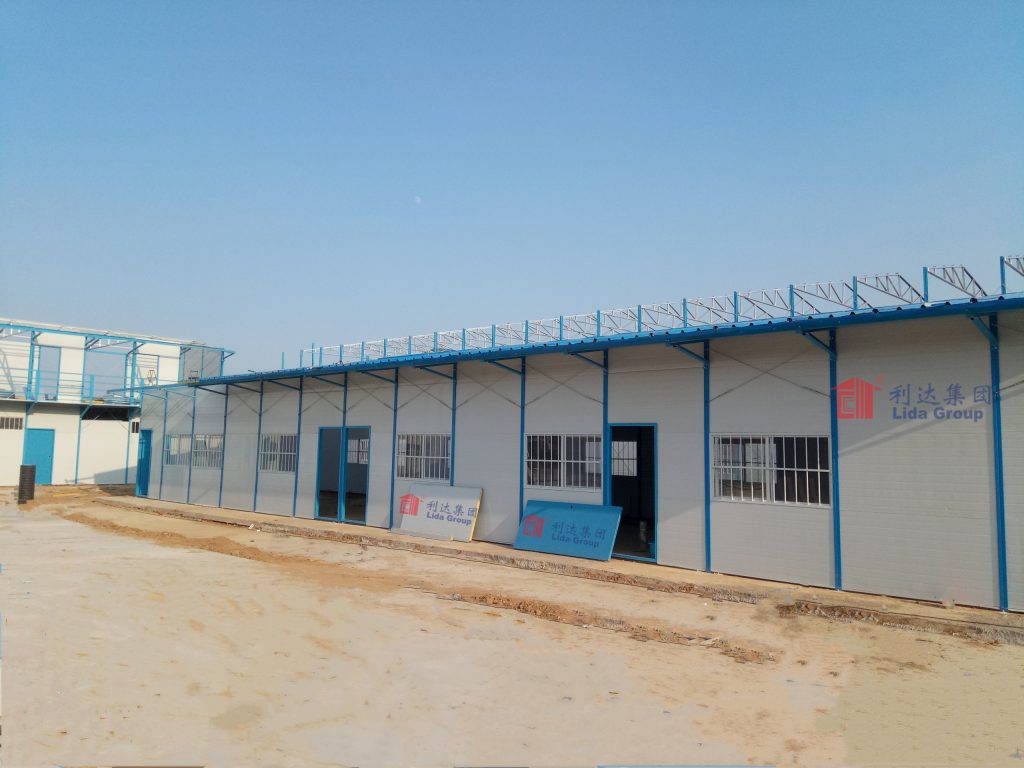
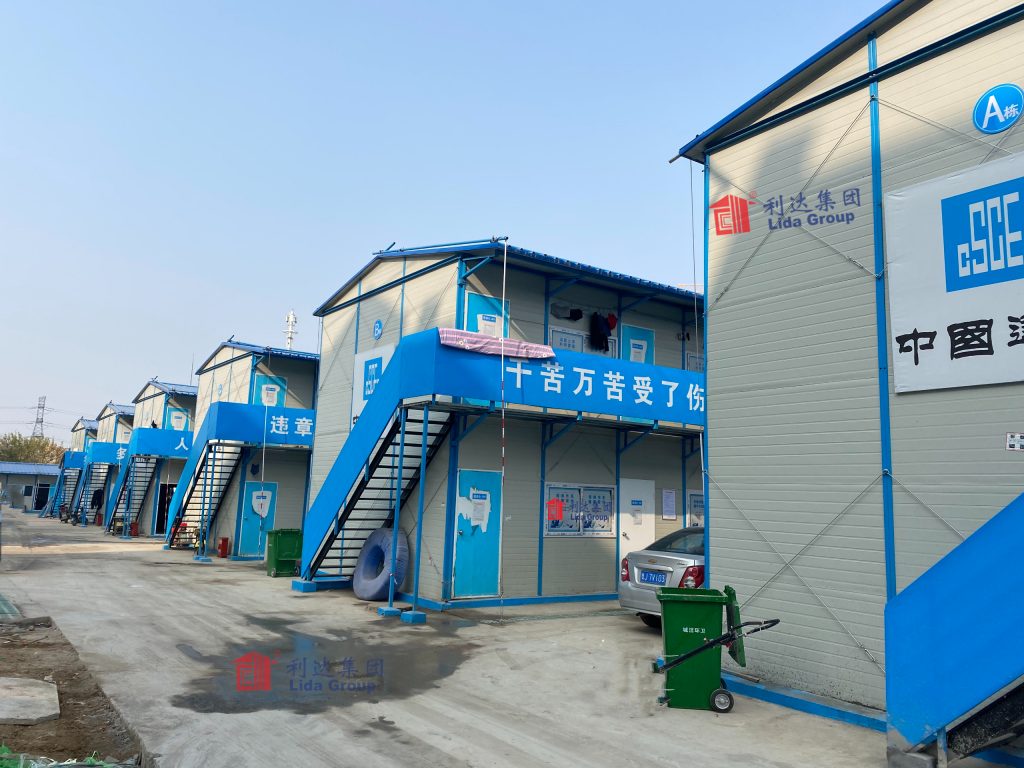
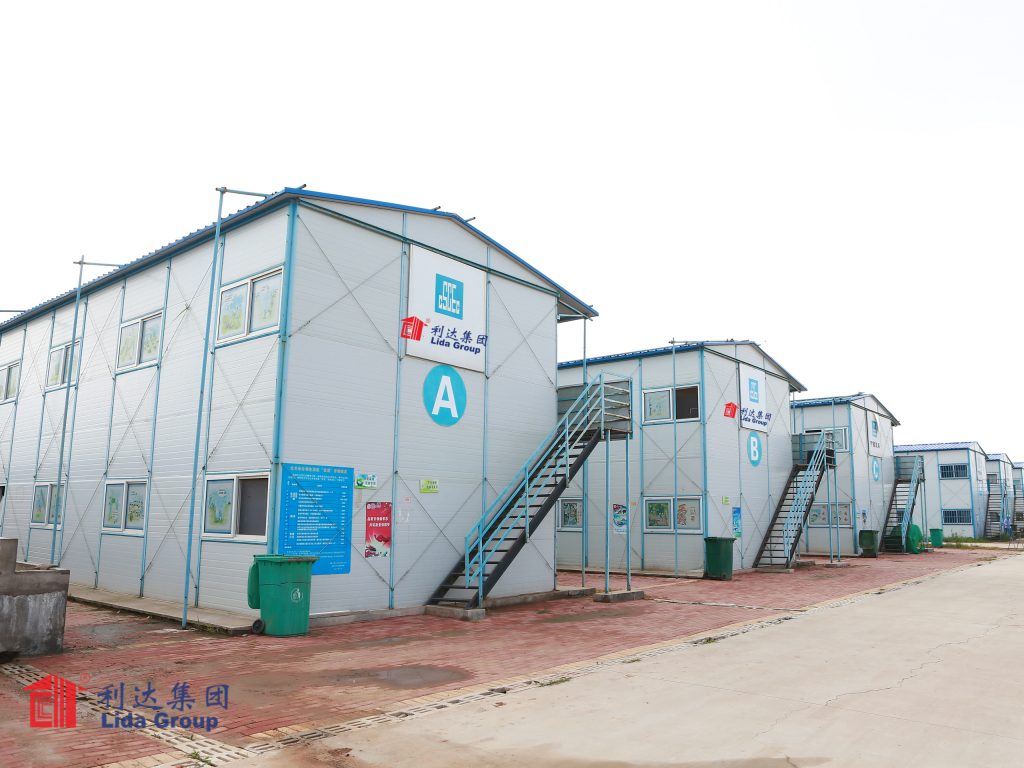
The prefab dormitory project covers a total area of 12,000 square meters, consisting of 6 three-story buildings, each measuring 80 meters long and 25 meters wide. The dormitory features a modular design, with each building composed of prefabricated modules that were manufactured in Lida Group’s factory in Shandong, China, and transported to the project site for assembly. The modules were designed to be flexible, allowing for easy reconfiguration if future needs change.
The dormitory includes a range of amenities to ensure comfort and functionality for occupants, including: 600 private bedrooms (each measuring 12 square meters, with a bed, desk, cabinet, and wardrobe); 120 shared bathrooms (with hot water supply); 6 shared kitchens; 6 study lounges; 6 laundry rooms; and outdoor recreational areas. The dormitory also features a centralized HVAC system, powered by energy-efficient units, and a rainwater harvesting system to reduce water consumption.
The core of the project’s construction was Lida Group’s innovative sandwich panels, which were used for all exterior and interior walls, roofs, and floors. Given the region’s tropical climate—hot, humid, and prone to heavy rainfall—Lida Group selected PU-core sandwich panels for the exterior walls and roofs, due to their superior water resistance, thermal insulation, and structural strength. The interior walls used EPS-core sandwich panels, offering a cost-effective, energy-efficient solution. The panels were customized to fit the project’s dimensions, with exterior panels measuring 100 mm thick (0.5 mm galvanized steel facings + 99 mm PU core) and interior panels measuring 75 mm thick (0.4 mm galvanized steel facings + 74.2 mm EPS core).
The dormitory’s structural frame was made of Q235 steel square tubes (100×100×2.5 mm), providing additional structural strength and stability. The frame was designed to meet wind resistance of Grade 11 and earthquake resistance of Grade 7, ensuring the dormitory could withstand the region’s occasional storms and seismic activity. The foundation of the dormitory consisted of prefabricated concrete slabs, which were installed on-site before the modules were assembled, reducing on-site construction time.
4.3 Project Timeline and Execution
The project was executed in four key phases, leveraging Lida Group’s integrated approach to prefab construction to ensure efficiency and quality:
-
Design and Planning (Month 1): Lida Group’s design team worked closely with the local government and project stakeholders to finalize the dormitory’s design, incorporating feedback on layout, amenities, and performance requirements. The team used Building Information Modeling (BIM) technology to create a 3D model of the dormitory, allowing for detailed visualization and testing of the design. This phase also included material selection, with the team confirming the use of PU-core and EPS-core sandwich panels based on the region’s climate. The design was approved by local regulatory bodies, ensuring compliance with building codes and fire safety standards.
-
Factory Manufacturing (Months 2–3): Once the design was finalized, Lida Group began manufacturing the prefabricated modules and sandwich panels in its Shandong factory. The sandwich panels were produced using the group’s advanced manufacturing equipment, ensuring precision and consistency. The modules—each containing a bedroom, bathroom, or shared space—were assembled in the factory, with all fixtures, fittings, and electrical wiring installed before transportation. This phase also included rigorous quality control testing, with each module and panel inspected to ensure compliance with Lida’s high standards and international certifications. The factory produced approximately 5,000 square meters of sandwich panels per week for the project, ensuring timely delivery.
-
Transportation and On-Site Assembly (Months 4–5): The prefabricated modules and sandwich panels were transported from Lida’s factory in China to the project site in Southeast Asia via sea freight, a journey of approximately 2 weeks. Upon arrival, a team of 20 skilled workers from Lida Group began assembling the modules on-site. The sandwich panels were installed first, forming the walls, roofs, and floors of each building, followed by the installation of the structural frame and modules. The interlocking design of the sandwich panels allowed for quick assembly, with each building taking approximately 2 weeks to complete. The on-site assembly phase also included the installation of the HVAC system, rainwater harvesting system, and other amenities. Four skilled workers focused solely on installing the sandwich panels, completing 100 square meters per 8-hour shift.
-
Testing and Handover (Month 6): After the on-site assembly was completed, Lida Group conducted a series of tests to ensure the dormitory met all performance requirements, including structural stability, fire safety, energy efficiency, and water resistance. The tests included wind tunnel testing, fire safety drills, thermal performance testing, and leak testing. All tests were passed with flying colors, demonstrating the quality and durability of the dormitory. The project was officially handed over to the local government at the end of Month 6, ahead of the original deadline by 1 week. The local government conducted its own inspection and confirmed that the dormitory met all specifications and requirements.
4.4 Project Challenges and Solutions
Despite careful planning and execution, the project faced several challenges, which Lida Group addressed with innovative solutions, leveraging its expertise in prefab construction and sandwich panel technology:
-
Challenge 1: Tropical Climate Conditions: The project site’s hot, humid climate and heavy rainfall posed a challenge to construction, as traditional building materials are often prone to water damage and mold growth. Solution: Lida Group selected PU-core sandwich panels for the exterior walls and roofs, which are highly water-resistant (24-hour water absorption ≤ 5%) and mold-resistant. The panels’ tight seal prevented water leakage, and their thermal insulation properties helped keep the interior cool, reducing the need for air conditioning. Additionally, the factory-manufactured modules were treated with anti-mold coatings before transportation, ensuring they remained durable in the humid climate.
-
Challenge 2: Tight Deadline: The project needed to be completed in 6 months, a tight timeline for a large-scale dormitory. Solution: Lida Group’s modular construction approach and easy-to-install sandwich panels were key to meeting the deadline. By manufacturing 80% of the dormitory in the factory, the group eliminated weather-related delays and reduced on-site labor time. The prefabricated modules and sandwich panels were assembled quickly on-site, with the entire project completed ahead of schedule. The group’s high production capacity (10,000 square meters per month) also ensured that materials were delivered on time, avoiding delays.
-
Challenge 3: Budget Constraints: The local government had a limited budget, requiring the project to be cost-effective without compromising on quality. Solution: Lida Group’s innovative sandwich panels helped reduce costs in several ways: (1) the panels are lightweight, reducing transportation costs; (2) their easy installation reduces labor costs; (3) their durability reduces long-term maintenance costs; and (4) their energy efficiency reduces operational costs. Additionally, Lida Group used standardized modules and components, leveraging economies of scale to reduce manufacturing costs. The project was completed 5% under budget, demonstrating the cost-effectiveness of Lida’s solution.
-
Challenge 4: Regulatory Compliance: The project needed to comply with local building codes and fire safety standards, which are strict for high-occupancy dormitories. Solution: Lida Group’s design team worked closely with local regulatory bodies from the start, adapting the design to meet local requirements. The sandwich panels used in the project are certified to meet international fire safety standards, and the dormitory’s structural design was tested to ensure compliance with local seismic and wind resistance codes. Lida’s international certifications (ISO 9001, CE, SGS) also helped streamline the approval process, ensuring the project met all regulatory requirements.
5. Advantages of Lida’s Prefab Dormitory with Innovative Sandwich Panels
Lida Group’s major prefab dormitory project offers numerous advantages over traditional prefab dormitories and on-site constructed dormitories, thanks to its innovative sandwich panels and modular design. These advantages span cost, efficiency, durability, comfort, and sustainability, making the project a model for future prefab dormitory construction.
5.1 Cost-Effectiveness
One of the most significant advantages of the project is its cost-effectiveness, both in terms of initial construction costs and long-term operational costs. The use of Lida’s innovative sandwich panels reduced initial construction costs by 20–30% compared to traditional on-site construction, due to lower labor costs, reduced material waste, and faster construction times. The panels’ lightweight design also reduced transportation costs, as more panels could be transported per shipment.
In terms of long-term operational costs, the dormitory’s energy efficiency (enabled by the sandwich panels) reduces heating and cooling costs by up to 40% compared to traditional dormitories. The panels’ durability also reduces maintenance costs, as they require minimal upkeep over their 20+ year lifespan. Additionally, the dormitory’s modular design allows for easy expansion or reconfiguration, reducing the need for costly renovations if demand changes. The project’s completion under budget further demonstrates the cost-effectiveness of Lida’s solution, making prefab dormitories with innovative sandwich panels accessible to governments, universities, and industrial operators with limited budgets.
5.2 Rapid Construction and Deployment
The project’s completion in just 6 months is a testament to the speed of Lida’s prefab construction approach, enabled by its innovative sandwich panels. Traditional on-site construction of a dormitory of similar size would take 12–18 months, meaning Lida’s solution cut the construction time by more than half. This rapid deployment is critical for addressing urgent housing shortages, such as those caused by surging student enrollments or industrial expansion.
The ease of installation of Lida’s sandwich panels is a key factor in this rapid construction. The panels’ interlocking design and prefabricated dimensions allow for quick assembly, with minimal on-site cutting or fitting. This not only reduces construction time but also minimizes the risk of errors, ensuring the dormitory is built to high standards. The factory-manufactured modules also eliminate weather-related delays, as most of the construction work is done in a controlled environment. This rapid deployment makes Lida’s prefab dormitories ideal for emergency housing as well, such as after natural disasters, where speed is of the essence.
5.3 Superior Durability and Longevity
Lida’s innovative sandwich panels are engineered for exceptional durability, ensuring the dormitory has a lifespan of over 20 years—significantly longer than traditional prefab dormitories (5–10 years). The panels’ galvanized steel facings resist corrosion, rust, and weather damage, while the high-strength adhesive prevents delamination. The panels are also tested to withstand wind, snow, seismic activity, and heavy usage, making them suitable for long-term occupancy.
The dormitory’s structural frame, made of Q235 steel square tubes, further enhances durability, providing stability and strength. The prefabricated concrete foundation ensures the dormitory is anchored securely to the ground, reducing the risk of damage from natural disasters. The use of high-quality materials and rigorous quality control testing during manufacturing ensures that the dormitory remains in excellent condition for decades, reducing the need for frequent replacements and minimizing waste. This durability makes Lida’s prefab dormitories a long-term investment, offering value for money over their lifespan.
5.4 Enhanced Comfort and Functionality
Unlike traditional prefab dormitories, which are often criticized for poor comfort, Lida’s prefab dormitory offers a high level of comfort and functionality, thanks to its innovative sandwich panels. The panels’ thermal insulation properties ensure that dormitory rooms remain at a comfortable temperature year-round, reducing the need for artificial heating and cooling. The soundproofing properties of the panels (especially rock wool-core panels) also ensure privacy for occupants, reducing noise transfer between rooms.
The dormitory’s modular design allows for flexible layouts, with private bedrooms, shared bathrooms, and communal spaces tailored to the needs of occupants. The inclusion of amenities such as study lounges, kitchens, and laundry rooms enhances functionality, making the dormitory a comfortable, livable space for students and workers. The tight seal of the sandwich panels also prevents air leakage and dust infiltration, improving indoor air quality and comfort. Occupants of the dormitory have reported high levels of satisfaction, citing the comfort, privacy, and functionality of the space as key benefits.
5.5 Sustainability and Environmental Friendliness
Lida Group’s prefab dormitory project is also highly sustainable, aligning with global efforts to reduce carbon emissions and minimize environmental impact. The use of sandwich panels reduces material waste, as they are manufactured to precise dimensions in the factory, with minimal scraps. The panels also use recyclable materials, such as galvanized steel and recycled EPS, reducing the use of virgin resources.
The dormitory’s energy efficiency, enabled by the sandwich panels, reduces greenhouse gas emissions by lowering energy consumption. The rainwater harvesting system installed in the dormitory also reduces water consumption, further minimizing environmental impact. Additionally, the dormitory’s long lifespan reduces the need for frequent replacements, minimizing waste and reducing the environmental footprint of the project over time. Lida Group’s commitment to sustainability is further reflected in its use of low-VOC adhesives and eco-friendly coatings, ensuring the dormitory is safe for occupants and the environment.
6. Impact of Lida’s Project on the Prefab Industry and Global Housing Solutions
Lida Group’s major prefab dormitory project has significant implications for the global prefab industry and the future of affordable housing solutions. By showcasing the capabilities of its innovative sandwich panels, the project has redefined the standards for prefab dormitories, demonstrating that prefab structures can be just as durable, comfortable, and sustainable as traditional on-site constructed buildings—while being faster and more cost-effective to build.
6.1 Setting New Standards for Prefab Dormitories
The project has set new standards for prefab dormitory construction, particularly in terms of material innovation, durability, and energy efficiency. Lida’s innovative sandwich panels have proven that prefab materials can address the key shortcomings of traditional prefab construction, such as poor insulation, low durability, and lack of fire safety. As a result, other prefab manufacturers are likely to follow Lida’s lead, investing in R&D to develop advanced sandwich panels and other innovative materials.
The project has also highlighted the benefits of modular design, showing that prefab dormitories can be flexible, scalable, and tailored to diverse user needs. This has encouraged governments, universities, and industrial operators to consider prefab dormitories as a viable long-term solution, rather than just a temporary fix. The project’s success has also helped to overcome the stigma associated with prefab structures, demonstrating that they can be high-quality, comfortable, and sustainable.
6.2 Expanding the Adoption of Prefab Construction
Lida Group’s project is likely to drive increased adoption of prefab construction for dormitories worldwide, particularly in developing economies where housing shortages are most severe. The project’s cost-effectiveness, rapid deployment, and durability make it an attractive solution for governments and organizations with limited budgets and tight deadlines. For example, universities in Africa and Asia, which are struggling to keep pace with growing student populations, can use Lida’s model to build affordable, high-quality dormitories quickly.
The project has also demonstrated the adaptability of prefab dormitories to diverse climates, from tropical regions to cold, snowy environments, thanks to Lida’s customizable sandwich panels. This adaptability expands the potential market for prefab dormitories, making them suitable for use in almost any region of the world. Lida Group has already received numerous inquiries from governments and organizations worldwide interested in replicating the project, indicating that the adoption of prefab dormitories with innovative sandwich panels is set to grow rapidly in the coming years.
6.3 Contributing to Global Affordable Housing Goals
The global shortage of affordable housing is a pressing issue, with millions of people lacking access to safe, durable, and comfortable homes. Lida Group’s prefab dormitory project contributes to global affordable housing goals by providing a scalable, cost-effective solution that can be deployed quickly to address housing shortages. The project’s success demonstrates that prefab construction, powered by innovative materials like Lida’s sandwich panels, can play a key role in solving the global housing crisis.
By making high-quality dormitory housing accessible to low-income students and industrial workers, the project also promotes social equity, ensuring that everyone has access to safe, comfortable accommodation. The dormitory’s sustainability also aligns with global climate goals, reducing carbon emissions and minimizing environmental impact. Lida Group’s commitment to innovation and sustainability positions it as a key partner in global efforts to address affordable housing and climate change.
7. Conclusion
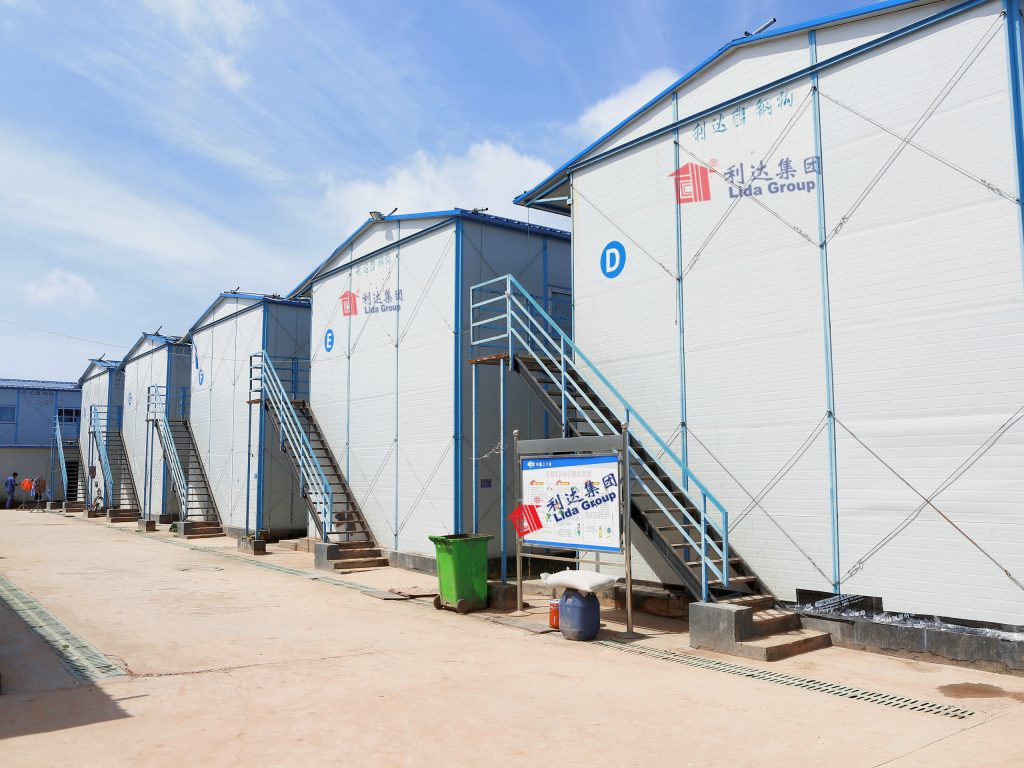
Lida Group’s completion of a major prefab dormitory using its innovative sandwich panels marks a landmark achievement in the prefab construction industry, showcasing the transformative power of material innovation in addressing global housing needs. The project, which was completed in just 6 months, under budget, and to the highest standards of quality, durability, and sustainability, serves as a model for large-scale prefab dormitory construction worldwide.
At the core of the project’s success is Lida Group’s innovative sandwich panel technology, which offers a unique combination of cost-effectiveness, durability, energy efficiency, fire safety, and ease of installation. The customizable core materials (EPS, PU, rock wool, fiber glass) allow the panels to be adapted to diverse climates, making them suitable for use in almost any region of the world. The panels’ structural strength, thermal insulation, and fire resistance address the key shortcomings of traditional prefab materials, redefining the standards for prefab dormitories.
The project’s numerous advantages—cost-effectiveness, rapid construction, superior durability, enhanced comfort, and sustainability—make it an attractive solution for governments, universities, and industrial operators seeking to address housing shortages. By completing the project ahead of schedule and under budget, Lida Group has demonstrated that prefab construction can be faster, cheaper, and more efficient than traditional on-site construction, without compromising on quality or comfort.
Beyond the project itself, Lida Group’s achievement has significant implications for the global prefab industry and the future of affordable housing. The project has set new standards for prefab dormitory construction, encouraging increased adoption of prefab technology worldwide. It has also highlighted the role of material innovation in solving the global housing crisis, demonstrating that advanced materials like Lida’s sandwich panels can make high-quality, affordable housing accessible to millions of people.
Looking to the future, Lida Group is committed to continuing its investment in R&D, further enhancing its sandwich panel technology and expanding its range of prefab solutions. The group’s focus on innovation, sustainability, and quality positions it as a global leader in prefab construction, poised to play a key role in addressing the world’s growing housing needs.
In conclusion, Lida Group’s major prefab dormitory project is more than just a construction achievement—it is a testament to the power of innovation to transform industries and improve lives. By leveraging its innovative sandwich panels, Lida Group has created a scalable, cost-effective, and sustainable solution that addresses the global demand for high-quality dormitory housing. This project serves as a model for future prefab construction, inspiring other manufacturers, governments, and organizations to embrace prefab technology and material innovation in their efforts to build a better, more sustainable future.
Related news
-
Lida Group's Easy Install Sandwich Panel House Saves Time and Money
2026-02-06 16:45:31
-
Streamline Your Project with an Easy Install Sandwich Panel House
2026-02-05 16:22:27
-
Affordable and Sturdy Prefab Dormitory Solutions from Lida Group
2026-02-05 17:19:40
contact us
- Tel: +86-532-88966982
- Whatsapp: +86-13793209022
- E-mail: sales@lidajituan.com
