



Lida Group Champions Cost-Effective Prefab Construction Solutions
2025-Dec-29 17:33:00
By Admin
In the global construction industry, a paradigm shift is underway—from labor-intensive, time-consuming traditional building methods to efficient, sustainable prefabricated solutions. As cities grapple with rapid urbanization, housing shortages, and the urgent need for carbon neutrality, prefabricated construction has emerged as a game-changer, offering faster deployment, lower environmental impact, and enhanced scalability. At the forefront of this transformation is Lida Group, a leading integrated provider of prefabricated building solutions with over three decades of expertise. By combining cutting-edge technology, optimized supply chains, and customer-centric design, Lida Group has established itself as a champion of cost-effective prefab construction, delivering high-quality, affordable buildings that address the evolving needs of markets worldwide.
The global prefabricated buildings market is experiencing robust growth, driven by a confluence of economic, environmental, and social factors. According to industry reports, the market was valued at $165.85 billion in 2024 and is projected to expand at a compound annual growth rate (CAGR) of 7.5% to reach $239.23 billion by 2029. This growth is fueled by increased demand for residential and commercial spaces, rising environmental awareness, supportive government policies, and the need for rapid construction in infrastructure and emergency response projects. Amid this expansion, cost remains a critical barrier for many developers and governments—especially in emerging economies. Lida Group’s ability to balance cost efficiency with quality and sustainability has positioned it as a trusted partner, redefining what affordable prefab construction can achieve.
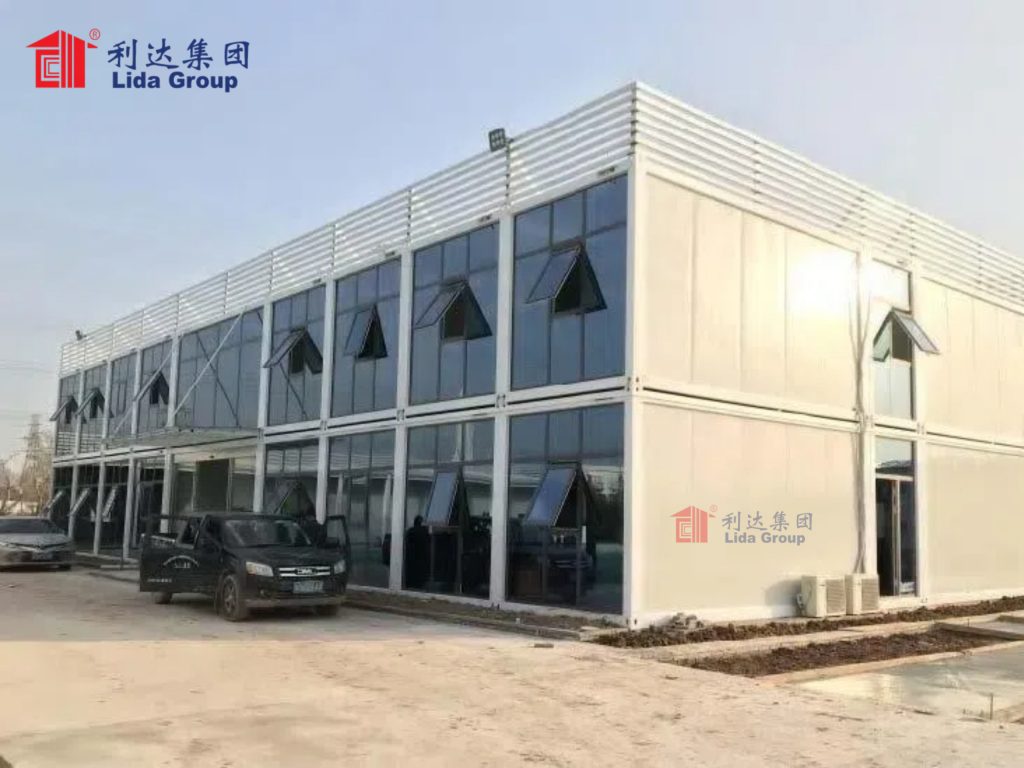
Lida Group: A Legacy of Innovation in Prefab Construction
Founded in 1993, Lida Group has evolved from a regional steel structure manufacturer to a global leader in prefabricated building solutions, with a comprehensive portfolio spanning steel structure buildings, light steel villas, container houses, and movable plank houses. Headquartered in China, the group operates state-of-the-art production bases in Weifang and Guangzhou, equipped with automated production lines for container modules, composite panels, and light steel components. These facilities boast an annual steel structure processing capacity of 50,000 tons, enabling large-scale production that drives down unit costs while ensuring consistent quality.
Over the years, Lida Group has earned a reputation for reliability and compliance, holding international certifications including ISO9001 (quality management), ISO14001 (environmental management), ISO45001 (occupational health and safety), and the EU CE (EN1090) standard. As a designated supplier for UN peacekeeping camps, the group’s products are exported to more than 149 countries and regions, spanning Southeast Asia, the Middle East, Africa, and Latin America. This global footprint has not only solidified Lida’s market position but also provided invaluable insights into regional construction needs, allowing it to tailor cost-effective solutions for diverse climates, regulations, and budgets.
Lida’s commitment to innovation is embedded in its corporate strategy. The group invests heavily in research and development (R&D), with a dedicated team of engineers focusing on modular design, material optimization, and construction efficiency. This R&D focus has resulted in a range of proprietary technologies that form the backbone of its cost-effective solutions, from precision splicing systems to eco-friendly material blends. By integrating R&D, production, construction, and after-sales service into a one-stop platform, Lida eliminates intermediary costs and streamlines project delivery, passing savings on to customers.
The Science of Cost Efficiency: Lida’s Core Strategies
Cost-effectiveness in prefabricated construction is not merely about cutting corners—it requires a holistic approach that optimizes every stage of the building lifecycle, from design and production to transportation and installation. Lida Group has refined this approach through three core strategies: standardized modular design, optimized supply chain management, and efficient on-site assembly. Together, these strategies reduce waste, minimize labor requirements, and shorten project timelines, delivering tangible cost savings without compromising quality.
Standardized Modular Design: Reducing Customization Costs
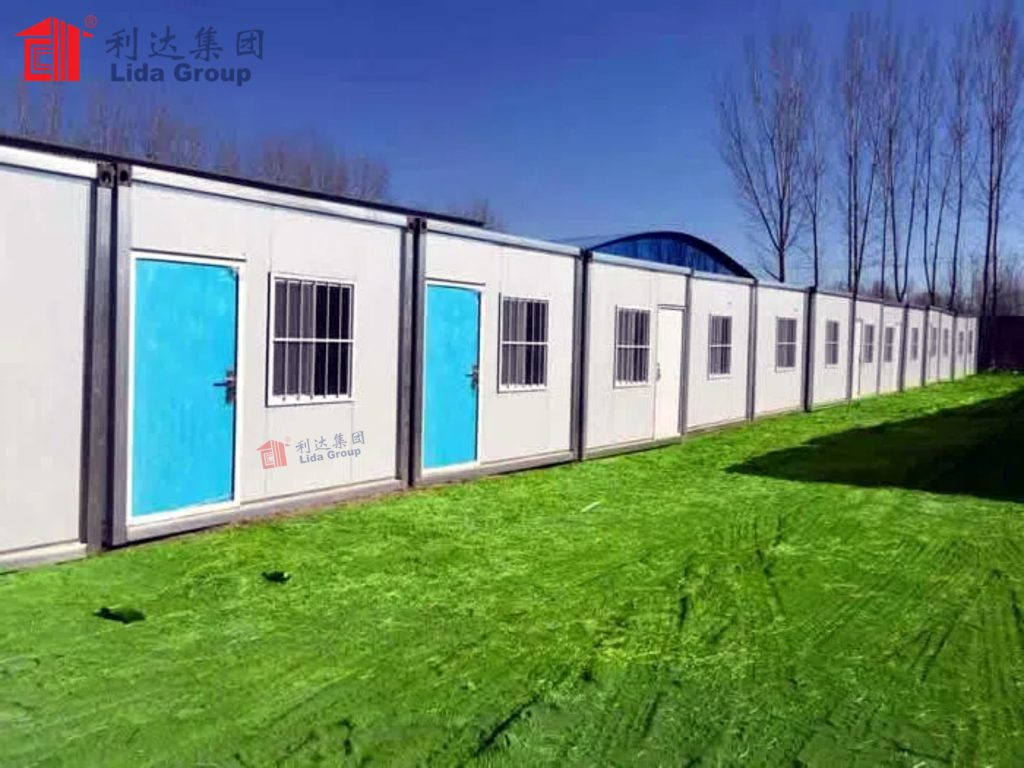
A key challenge in prefab construction is balancing customization with cost efficiency. Lida Group addresses this by leveraging a standardized modular design system, where 95% of components are universal across its product lines. This high component universality covers over 90% of project requirements, eliminating the need for costly custom tooling and production runs. For example, Lida’s container house modules share common frames, wall panels, and connection components, allowing for mass production that lowers per-unit costs by up to 30% compared to fully customized solutions.
Despite standardization, Lida retains flexibility through modular combination. Customers can mix and match standardized modules to create spaces of varying sizes and functions—from single-unit worker dormitories to multi-story commercial buildings—without incurring additional design costs. This approach is particularly valuable for large-scale projects, such as construction camps or social housing developments, where consistency and speed are paramount. In an Indonesian mining camp project, Lida deployed 500 standardized container modules to create worker housing, reducing design and production time by 40% and achieving a total cost savings of 25% compared to traditional construction.
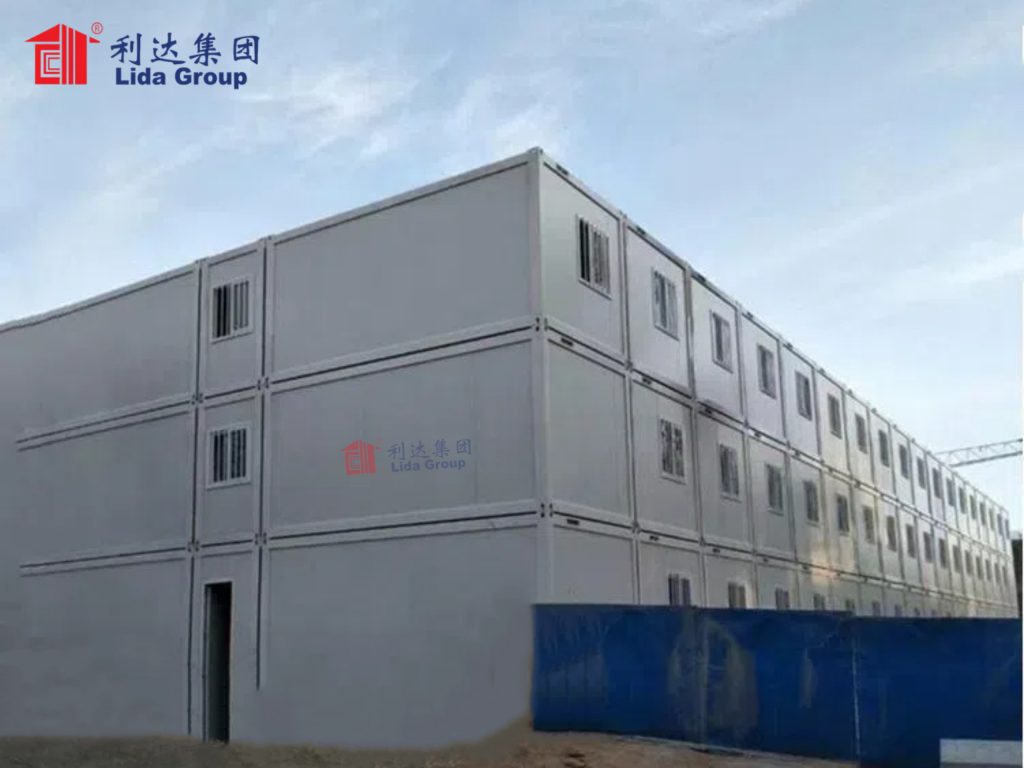
Optimized Supply Chains: From Raw Materials to Global Delivery
Supply chain efficiency is a cornerstone of Lida’s cost strategy. The group has established long-term partnerships with global suppliers of recycled steel, composite materials, and insulation products, securing bulk pricing and stable inventory. By prioritizing recycled materials—such as recycled steel for frames—Lida not only reduces environmental impact but also cuts raw material costs by approximately 15% compared to using virgin steel. Recycled steel retains the same structural integrity as virgin steel while eliminating the energy-intensive extraction and smelting processes, aligning cost savings with sustainability goals.
Lida’s global logistics network further enhances cost efficiency. The group uses a “China Production + Local Assembly” model, where standardized modules are manufactured in its Chinese facilities and shipped to regional assembly centers. This model reduces transportation costs by minimizing the volume of goods shipped—folded container modules, for example, occupy 10 times less storage space than fully assembled units, allowing one 5-ton truck to transport 6 modules at a time. Local assembly also reduces labor costs and tariff barriers, making Lida’s solutions competitive in emerging markets where transportation and import fees can inflate project costs.
Efficient On-Site Assembly: Minimizing Labor and Time Costs
Traditional construction’s high labor costs and lengthy timelines are major contributors to project expenses. Lida Group addresses this with advanced assembly technologies that eliminate on-site welding and reduce installation time by up to 70%. The group’s primary assembly systems—tenon-and-mortise splicing and lock-and-buckle splicing—enable precision connection of prefabricated modules with minimal skilled labor.
The tenon-and-mortise splicing system, adopted for most of Lida’s container and light steel products, uses pre-embedded alloy steel tenons that snap into place, requiring only basic tools for installation. A two-person team can assemble 3-4 modules per day, a fourfold increase in efficiency compared to traditional welding methods. For a 50-unit worker dormitory, this translates to a 35-day installation period reduced to just 12 days, cutting labor costs by over 40%. The lock-and-buckle system, used for multi-story projects, offers ±1mm connection accuracy, enabling vertical stacking of up to 5 floors without compromising stability, further optimizing space and cost efficiency.
Lida’s assembly efficiency also reduces indirect costs, such as site management fees, equipment rentals, and weather-related delays. By completing on-site work in days or weeks rather than months, customers avoid prolonged overhead expenses, making prefab solutions significantly more cost-effective than traditional construction in time-sensitive projects.
Material Innovation: Balancing Cost, Durability, and Sustainability
Material selection is critical to Lida’s cost-effective approach—each material is chosen to maximize durability, minimize maintenance costs, and reduce upfront expenses. The group’s product lines feature a range of innovative material blends that outperform traditional options at a lower cost, addressing the common misconception that affordable prefab buildings are low-quality.
For wall and roof panels, Lida uses composite materials such as rock wool insulation panels, aluminum foil-faced polyurethane foam, and bamboo fiber boards. These materials offer superior thermal insulation compared to traditional steel sheets, reducing energy consumption for heating and cooling by up to 40% over the building’s lifecycle. While the upfront cost of composite panels is marginally higher than standard steel, the long-term energy savings and reduced maintenance costs deliver a lower total cost of ownership. For example, a Lida container house in the Middle East, equipped with composite insulation panels, achieves a 35% reduction in monthly energy bills compared to conventional container structures.
Interior finishes prioritize health and cost efficiency, with E0-grade formaldehyde-free boards and moisture-resistant flooring becoming standard. These materials eliminate the need for post-construction ventilation and reduce the risk of mold or damage, lowering maintenance costs for customers. Lida also integrates recycled materials into interior fixtures, such as recycled plastic countertops and reclaimed wood accents, further reducing material expenses while enhancing sustainability credentials.
Importantly, Lida’s material choices are tailored to regional climates, avoiding over-engineering and unnecessary costs. In flood-prone regions, for example, modules are elevated on prefabricated steel supports using corrosion-resistant materials, while in cold climates, additional insulation layers are added without compromising cost targets. This regional customization ensures that customers only pay for the features they need, maximizing cost efficiency.
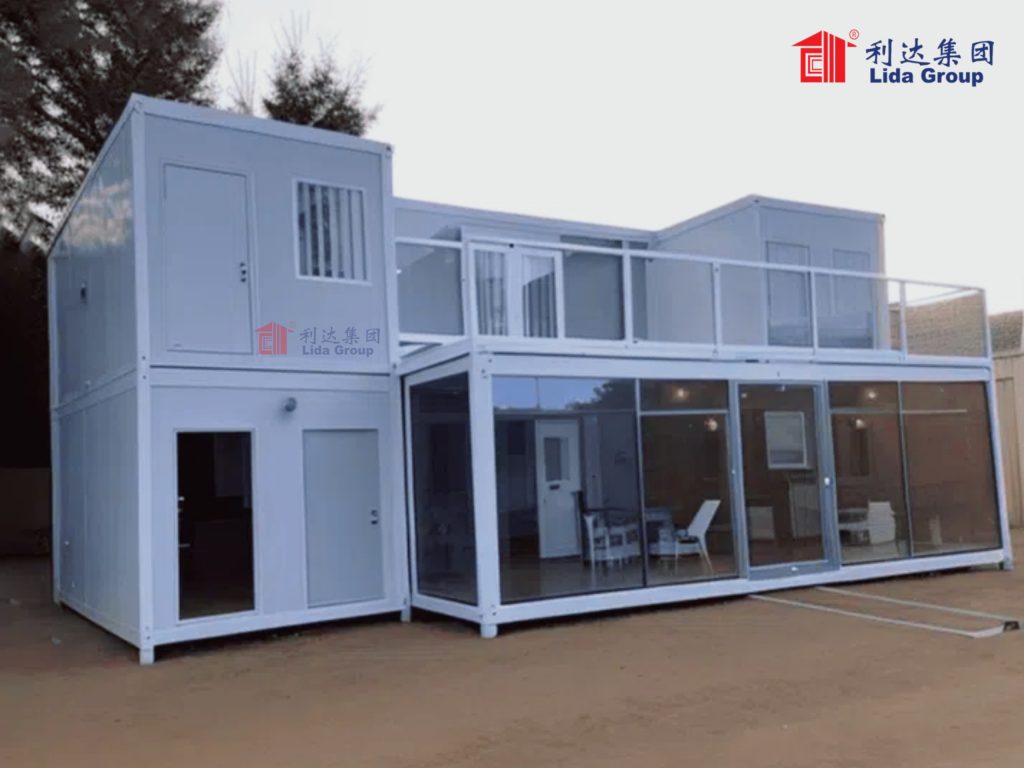
Diversified Applications: Cost-Effective Solutions Across Sectors
Lida Group’s cost-effective prefab solutions are not limited to a single sector—they cater to diverse needs, from infrastructure camps and emergency housing to urban affordable residences and cultural tourism projects. Each application leverages the group’s core cost-saving strategies while addressing sector-specific requirements, demonstrating the versatility of its approach.
Infrastructure and Construction Camps
The construction and infrastructure sectors are Lida’s core markets, where rapid deployment and low cost are critical. For railway, highway, mining, and port projects, Lida provides modular worker dormitories, offices, canteens, and storage facilities that can be installed quickly and relocated after project completion. A 50-unit dormitory for a Southeast Asian railway project, for example, was completed in 12 days using Lida’s tenon-and-mortise modules, compared to 45 days for a traditional camp. The modules were later relocated to another section of the railway, reducing the project’s total housing costs by 40% through reuse.
Lida’s infrastructure solutions prioritize durability and low maintenance, with corrosion-resistant steel frames and weatherproof panels that withstand harsh on-site conditions. This reduces repair and replacement costs over the project’s lifespan, further enhancing cost efficiency for developers and contractors.
Emergency Response and Post-Disaster Reconstruction
In emergency situations—such as natural disasters, pandemics, or conflicts—cost-effective and rapid housing is a matter of life and death. Lida’s prefab solutions are a staple of international aid efforts, with the group supplying UN peacekeeping forces and relief organizations with modular shelters, medical clinics, and command centers. These units can be transported in bulk and assembled within hours, providing safe, functional spaces when traditional construction is impossible.
After the 2023 Turkey-Syria earthquake, Lida deployed 1,000 container modules to create temporary housing and medical facilities. The standardized design allowed for quick assembly by local workers with minimal training, reducing labor costs and accelerating relief efforts. The modules’ durability ensured they could serve as long-term housing during reconstruction, avoiding the need for costly temporary structures. This project demonstrated how Lida’s cost-effective solutions deliver both immediate and long-term value in crisis scenarios.
Urban Affordable and Social Housing
Housing shortages are a global crisis, with over 1.1 billion people living in slums or informal settlements. Lida’s prefab solutions offer governments and social organizations an affordable way to address this deficit, with construction costs 30-50% lower than traditional brick-and-mortar buildings. In Chile, which has integrated container housing into national social housing programs, Lida’s light steel villas and container apartments provide low-income families with safe, comfortable homes at a fraction of the cost of conventional housing.
Lida’s urban housing solutions are designed for density and scalability, with multi-story modular buildings that maximize land use in crowded cities. A pilot project in Shanghai converted a former industrial site into a 200-unit community for young professionals, using Lida’s lock-and-buckle modules. The project was completed in three months, with monthly rents 30% lower than nearby traditional apartments, thanks to reduced construction and labor costs. The community’s shared communal spaces and solar-powered lighting further lower operational costs for residents, making affordable housing accessible without sacrificing quality of life.

Cultural Tourism and Remote Lodging
The cultural tourism sector is increasingly turning to prefab construction for its low environmental impact and cost efficiency. Lida’s modular solutions are transformed into boutique homestays, glamping sites, and resort accommodations, with customizable exteriors that blend with natural surroundings. A mountain resort in Yunnan Province, China, used 50 of Lida’s container modules to create an eco-friendly glamping site, with large windows and local material accents. The easy assembly process reduced construction-related damage to the forest ecosystem and cut project costs by 25% compared to traditional lodge construction. After the tourism season, the modules can be disassembled and stored, minimizing year-round maintenance costs.
In remote areas with limited infrastructure—such as national parks or rural communities—Lida’s solutions offer a cost-effective way to develop lodging and facilities. The modules’ ability to be transported to inaccessible locations and assembled without complex on-site work eliminates the need for expensive infrastructure upgrades, making tourism development feasible in previously underserved regions.
Global Market Strategy: Tailoring Cost Efficiency to Regional Needs
Lida Group’s global success stems from its ability to adapt its cost-effective solutions to regional market conditions, addressing unique challenges such as climate, regulations, and economic constraints. The group’s regional offices—in Saudi Arabia, Qatar, Malaysia, Chile, and other key markets—enable localized operations, ensuring that solutions comply with local building codes and leverage regional labor and material resources.
Emerging Markets: Affordability and Rapid Deployment
Southeast Asia, Africa, and Latin America are high-growth markets for Lida, driven by rapid urbanization, infrastructure development, and housing shortages. In these regions, cost is the primary consideration, and Lida’s standardized modules and local assembly model deliver maximum value. For example, in Indonesia, where infrastructure projects require large-scale worker housing, Lida’s tenon-and-mortise modules are assembled locally using regional labor, reducing costs by 15% compared to fully imported solutions. In Africa, the group partners with international aid organizations to deliver low-cost housing for refugee camps and rural communities, using recycled materials to further lower expenses.
Lida also adapts its products to regional climates in emerging markets. In the hot, humid Middle East, modules are equipped with enhanced insulation and solar-powered cooling systems, reducing energy costs for customers. In cold African highlands, additional insulation layers and energy-efficient heating solutions are integrated without increasing costs, ensuring comfort and affordability.
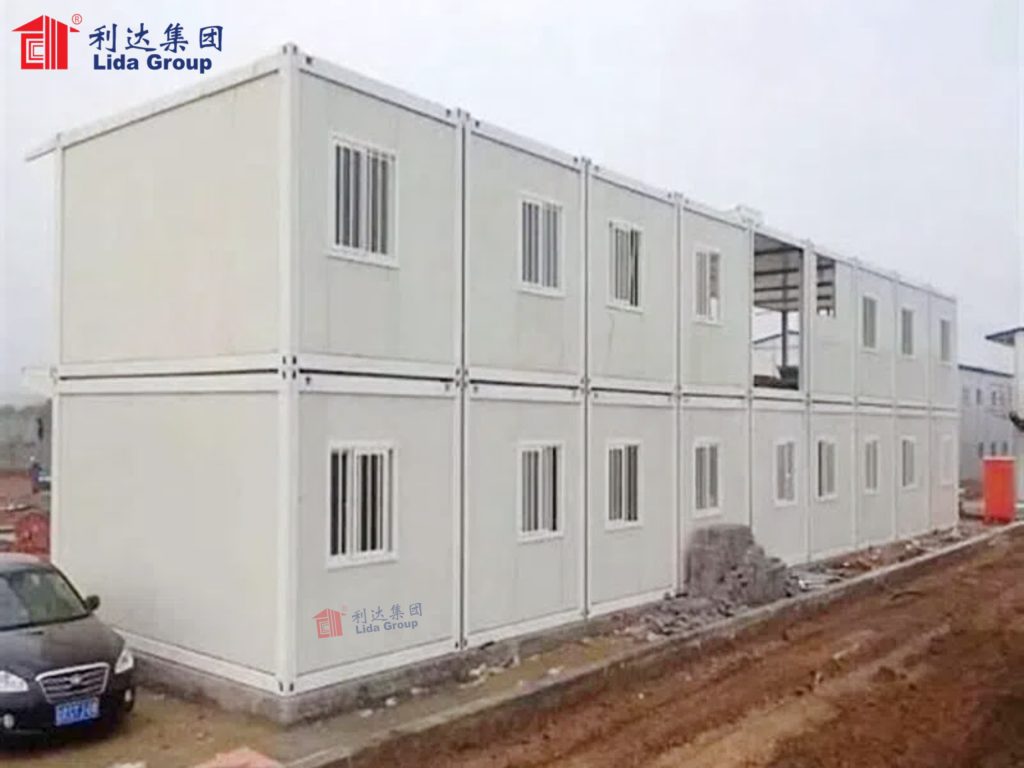
Developed Markets: Sustainability and Customization
In North America and Europe, where green building standards and customization are prioritized, Lida’s cost-effective solutions focus on sustainability and design flexibility. The group’s products comply with strict standards such as LEED (U.S.) and BREEAM (Europe), leveraging recycled materials and energy-efficient technologies to meet environmental requirements. While customization costs are higher in these markets, Lida’s modular design system minimizes expenses by using standardized core components with customizable exteriors and interiors.
In Europe, Lida partners with local architects to create luxury prefab homes and eco-resorts, integrating smart home technologies and renewable energy systems. These projects demonstrate that cost efficiency does not mean compromising on design or sustainability—Lida’s solutions deliver high-end finishes at a lower cost than traditional custom homes, thanks to efficient production and assembly.
Challenges and Future Outlook: Sustaining Cost Leadership
Despite its strong market position, Lida Group faces challenges in maintaining its cost leadership, including global supply chain volatility, price competition from low-cost manufacturers, and inconsistent building codes across regions. Raw material price fluctuations—particularly for steel and composite materials—can impact profit margins, while low-cost competitors in emerging markets often cut corners on quality to undercut prices. Additionally, varying regional regulations require ongoing adaptation, increasing compliance costs for cross-border projects.
To address these challenges, Lida is doubling down on R&D to further optimize costs. The group is investing in AI and BIM (Building Information Modeling) technologies to streamline design and production, reducing errors and material waste. AI algorithms analyze assembly data to identify inefficiencies, while BIM enables digital simulation of projects, ensuring optimal component use. Lida is also expanding its recycled material sourcing, aiming to increase the use of recycled content in its products to 80% by 2030, further reducing raw material costs and environmental impact.
The future of Lida’s cost-effective prefab solutions is closely tied to global trends. As governments worldwide tighten carbon emissions regulations, prefabricated construction’s sustainability advantages will drive demand, and Lida’s eco-friendly, low-cost solutions are well-positioned to benefit. The group plans to expand its product line to include specialized solutions for healthcare, education, and military applications, leveraging its modular platform to enter niche markets with minimal additional costs.
Lida also aims to strengthen its regional assembly networks, particularly in Africa and Latin America, to reduce transportation costs and enhance local responsiveness. By partnering with local suppliers and contractors, the group can further optimize supply chains and create jobs, building long-term trust in emerging markets.
Conclusion
Lida Group’s leadership in cost-effective prefab construction is a testament to its ability to combine innovation, efficiency, and customer-centricity. By optimizing every stage of the building lifecycle—from standardized design and supply chain management to efficient assembly and material innovation—Lida delivers high-quality solutions that are accessible to a wide range of customers, from governments and aid organizations to developers and individuals. The group’s global footprint and regional customization capabilities ensure that its cost-effective approach translates across diverse markets, addressing the unique challenges of each region while maintaining core principles of quality and sustainability.
In a global construction industry increasingly focused on affordability and sustainability, Lida Group’s solutions are more relevant than ever. The group’s legacy of innovation, combined with its commitment to R&D and global collaboration, positions it to lead the next phase of prefab construction growth. While challenges such as supply chain volatility and price competition persist, Lida’s proactive strategies—including AI integration, recycled material expansion, and regional network development—will enable it to sustain its cost leadership and continue redefining the possibilities of affordable prefab construction.
Ultimately, Lida Group’s cost-effective prefab solutions are more than just buildings—they are a catalyst for positive change, addressing housing shortages, accelerating infrastructure development, and advancing global carbon neutrality goals. As the group expands its reach and refines its technologies, it will continue to champion a future where high-quality, sustainable construction is accessible to all, proving that cost efficiency and excellence do not have to be mutually exclusive.
Related news
-
Easy Assembly Container Apartments Redefine Rapid Housing
2025-12-29 16:08:55
-
Lida Group Unveils Next-Gen Modern Mobile Container House
2025-12-29 15:02:27
-
Experience Lasting Quality with a Lida Group Metal Frame House
2025-12-26 17:54:53
contact us
- Tel: +86-532-88966982
- Whatsapp: +86-13793209022
- E-mail: sales@lidajituan.com
