



Lida Group Champions Cost-Effective Prefab Construction Methods
2025-Dec-16 15:19:59
By Admin
Introduction
In an era marked by urbanization, infrastructure expansion, and growing pressure to reduce carbon footprints, the construction industry stands at a crossroads. Traditional building methods—characterized by labor-intensive processes, material waste, and prolonged timelines—are increasingly incompatible with modern demands for affordability, sustainability, and speed. Prefabricated (prefab) construction has emerged as a transformative solution, and at the forefront of this revolution is Lida Group, a global leader in integrated building systems. For over a decade, Lida Group has specialized in modular, factory-manufactured construction, pioneering cost-effective methods that deliver exceptional value without compromising quality, safety, or environmental responsibility. This article explores how Lida Group has redefined cost efficiency in prefab construction, examining its technical innovations, multi-dimensional cost-saving strategies, global project successes, and role in shaping the future of the architecture, engineering, and construction (AEC) industry.
The global prefab construction market is experiencing unprecedented growth, driven by policy support, technological advancements, and shifting consumer preferences. According to the 2025 Global Prefabricated Construction Industry Investment Report, the market size is projected to exceed $2.1 trillion, with a year-on-year growth rate of 12.8%. Asia-Pacific dominates the sector with a 47.3% market share, while Europe and North America lead in technical standardization and low-carbon innovation. A key trend is the rising demand for cost-effective solutions: over 85 countries have integrated prefab construction into national industrial upgrading plans, offering subsidies and tax incentives to promote its adoption. Within this landscape, Lida Group has distinguished itself by focusing on “affordability without compromise,” leveraging its full industrial chain capabilities to deliver projects that cut costs by 30-50% compared to traditional construction—all while meeting international quality and safety standards.
1. The Foundations of Lida’s Cost-Effective Prefab Model
1.1 Core Philosophy: System Integration Over Fragmented Production
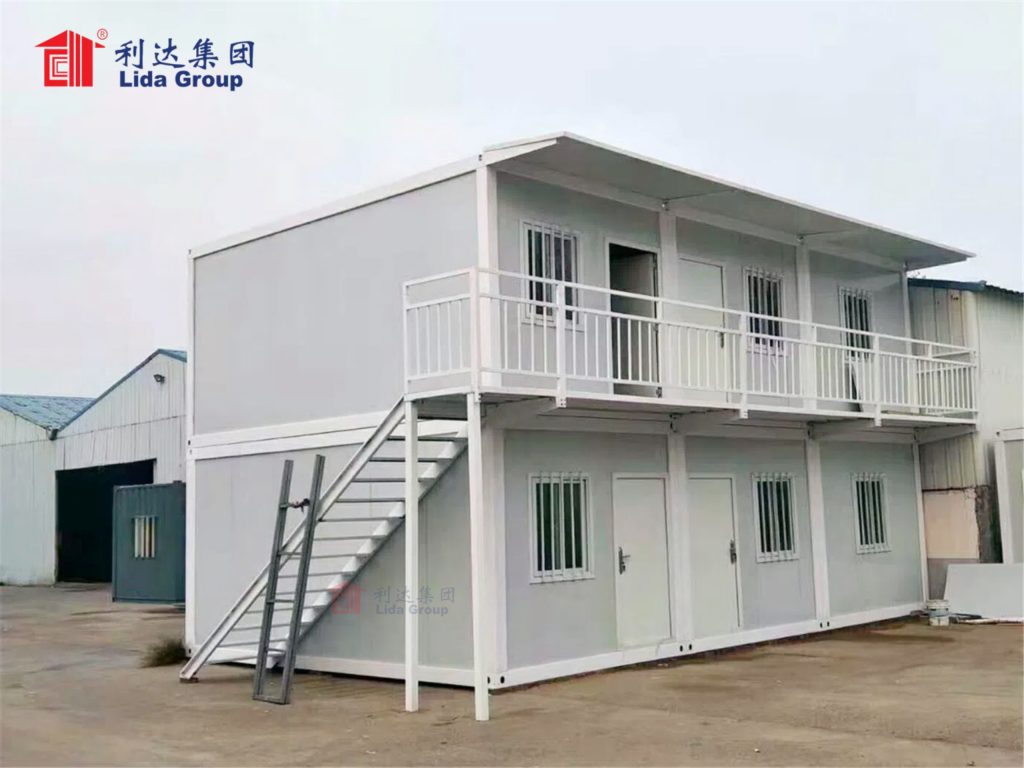
Lida Group’s cost advantage stems from its holistic approach to prefab construction, which transcends mere component prefabrication to embrace full-system integration. Unlike conventional prefab builders that focus on isolated parts (e.g., walls, roofs), Lida integrates five critical building systems—structural, envelope, mechanical/electrical/plumbing (MEP), interior finishing, and smart technology—into modular units manufactured in controlled factory environments. This integration eliminates the inefficiencies of on-site coordination, reduces material waste, and streamlines the construction process from design to occupancy.
At the heart of this model is Lida’s “factory prefabrication + on-site assembly” framework. By producing 90% of building components in its standardized manufacturing facilities, Lida minimizes the variables that drive up costs in traditional construction: weather delays, skilled labor shortages, and on-site material 损耗 (waste). For example, Lida’s light steel frame modules—used in everything from residential villas to industrial camps—are precision-engineered with CNC (computer numerical control) machinery, ensuring dimensional accuracy within ±2mm. This precision eliminates rework, a major cost driver in on-site construction, where errors can add 10-15% to project budgets.
1.2 Full Lifecycle Cost Optimization
Lida Group’s cost-effectiveness extends beyond initial construction to encompass the entire building lifecycle. The company’s prefab solutions are designed to reduce long-term expenses related to energy consumption, maintenance, and disposal—creating value that accumulates over decades. This lifecycle approach addresses a critical shortcoming of traditional construction, where low upfront costs often mask high operational and maintenance (O&M) expenses.
Key to this strategy is the durability and reusability of Lida’s prefab components. The company’s light steel structures, treated with galvanization and color coating, exhibit exceptional corrosion resistance and can withstand up to 10 disassembly and reassembly cycles with a reuse rate exceeding 98%. In contrast, traditional brick-and-concrete buildings generate massive waste when demolished, with recycling rates below 30% and disposal costs that can account for 15% of a project’s total budget. For clients such as construction firms and government agencies, this reusability translates to significant savings: a modular camp used for a 2-year infrastructure project can be disassembled, transported, and reassembled for a new site at a fraction of the cost of building anew.

2. Technical Innovations Driving Cost Efficiency
2.1 Modular Design: Standardization with Flexibility
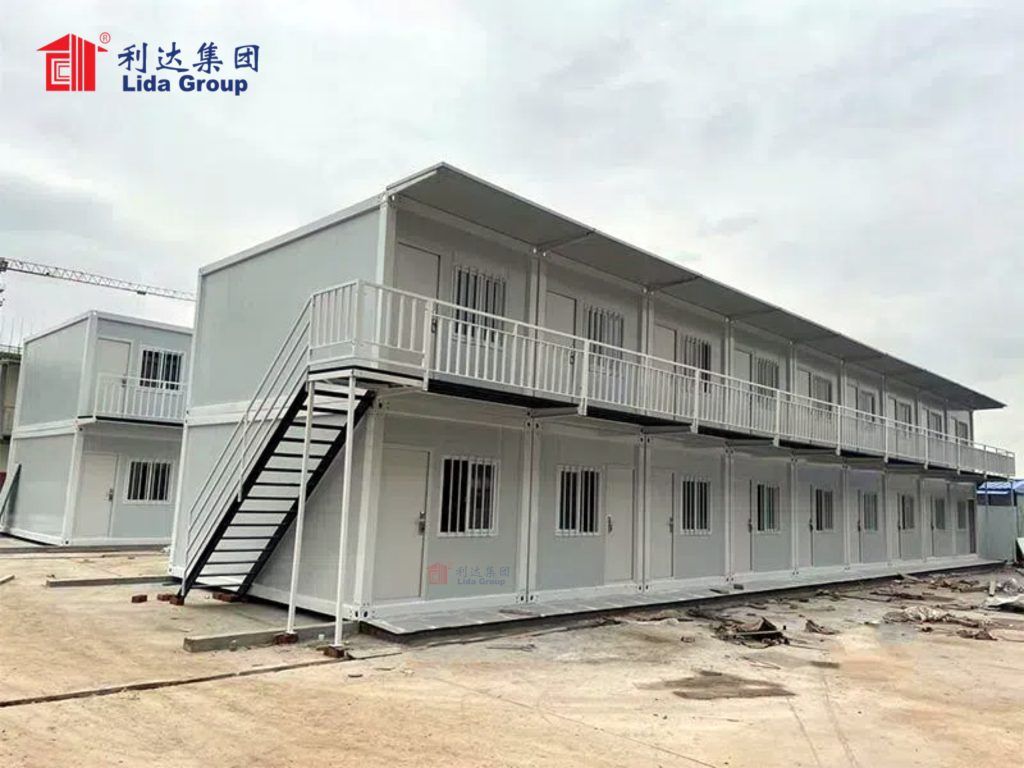
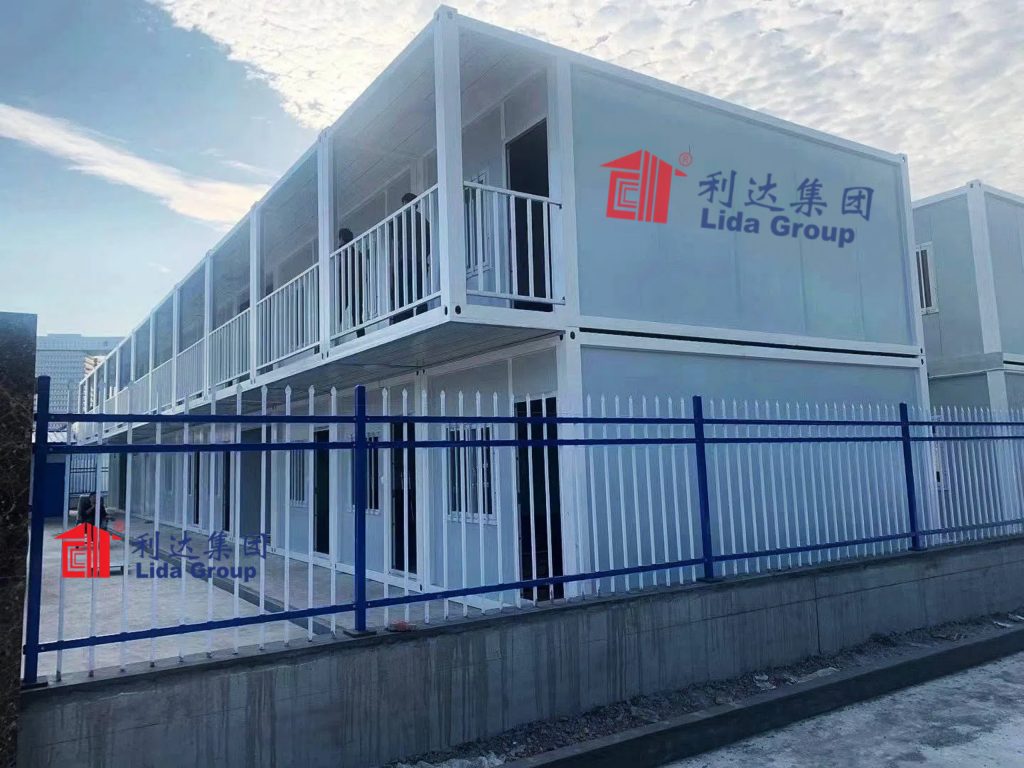
Lida Group’s modular design system is a cornerstone of its cost-saving success. The company has developed a library of standardized modules (e.g., 18㎡ residential units, 24㎡ office spaces) that can be combined horizontally or vertically to create custom buildings—from single-story houses to multi-story apartments and large-scale industrial camps. This standardization reduces design complexity, lowers production costs through economies of scale, and accelerates project timelines.
For instance, Lida’s standard residential modules share 90% of their components, allowing the company to negotiate bulk discounts with material suppliers and optimize production line efficiency. A 50-unit residential project using these modules requires 30% fewer unique parts than a custom-designed prefab building, cutting material procurement costs by 15-20%. Yet, flexibility is not sacrificed: modules can be customized with different exterior finishes (e.g., brick veneer, wood cladding) and interior layouts to meet client preferences or local building codes. In a rural housing project in Hubei, China, Lida used 200 standard modules to create 6 distinct 户型 (unit types), from one-bedroom apartments to three-bedroom villas, while maintaining a 45-day construction cycle for 50 buildings—far faster than the 6-month timeline for traditional 砖混 structures.
2.2 Light Steel Structure Technology: Strength Without the Cost
Lida Group’s adoption of light steel framing (LSF) technology is a key differentiator in cost and performance. Unlike traditional steel or concrete structures, LSF uses cold-formed thin-walled steel sections that are lightweight, high-strength, and cost-effective. The material’s high strength-to-weight ratio reduces foundation requirements—critical in areas with poor soil conditions—while its light weight lowers transportation costs by up to 40% compared to heavy steel components.
Moreover, LSF’s thermal efficiency contributes to long-term cost savings. Lida’s light steel modules are insulated with high-performance sandwich panels (e.g., polystyrene, rock wool) that have a thermal conductivity as low as 0.038 W/(m·K), significantly reducing heating and cooling costs. A 100㎡ Lida prefab house consumes 2,000-3,000 yuan annually in energy costs, compared to 5,000-8,000 yuan for a traditional brick house of the same size. Over a 20-year lifespan, this translates to savings of 60,000-100,000 yuan—more than offsetting any initial cost premium.
2.3 BIM and Digital Construction: Precision and Efficiency
Lida Group leverages Building Information Modeling (BIM) technology to optimize every stage of the prefab process, from design to maintenance. BIM is a digital representation of a building’s physical and functional characteristics, enabling cross-disciplinary collaboration, clash detection, and process simulation—all of which reduce errors and cut costs.
In the design phase, Lida’s engineers use BIM software to model modular components, ensuring compatibility and identifying potential conflicts (e.g., MEP 管线 interference) before production begins. This clash detection reduces design changes by 70%, a critical saving given that on-site modifications can increase project costs by 5-10%. During production, BIM data is integrated with CNC machinery, enabling automated cutting, drilling, and assembly of components with precision exceeding manual labor. For a large-scale industrial camp project in Africa, BIM optimization reduced material waste to just 5%—far below the 15-20% waste rate in traditional construction—and shortened the production cycle by 25%.
Post-construction, BIM serves as a digital twin for facility management, allowing clients to track component performance, schedule maintenance, and plan renovations efficiently. This digital lifecycle management reduces O&M costs by 20-30% by minimizing unplanned downtime and extending the lifespan of critical systems.
3. Multi-Dimensional Cost-Saving Mechanisms
3.1 Material Cost Reduction: Efficiency in Sourcing and Usage
Lida Group’s material cost advantages are built on three pillars: strategic sourcing, multi-functional materials, and waste minimization. The company’s scale—with annual production capacity exceeding 4.3 million cubic meters of prefab components—enables it to negotiate preferential rates with global suppliers of steel, insulation, and finishing materials. By centralizing procurement for projects across Asia, Africa, and Europe, Lida achieves volume discounts of 10-15% on key materials, which are passed on to clients.
Lida also reduces material costs by using multi-functional components that eliminate the need for separate systems. For example, the company’s sandwich panels integrate structural support, insulation, soundproofing, and waterproofing into a single product, replacing traditional materials such as brick, insulation batts, and roofing felt. A 50㎡ Lida prefab house requires just 2-3 ten thousand yuan in material costs, compared to 4-6 ten thousand yuan for a traditional brick house of the same size—a 50% reduction. This multi-functionality also simplifies installation, as fewer components need to be transported and assembled on-site.
Waste minimization further enhances material cost efficiency. In Lida’s factories, precision cutting and automated assembly reduce material waste to 5% or less, compared to 15-20% in traditional construction. Scraps of steel and insulation are recycled in-house, with steel recovery rates exceeding 95%—generating additional cost savings and supporting sustainability goals.
3.2 Labor Cost Optimization: Reducing Dependency on Skilled Workers
Traditional construction is heavily reliant on skilled labor, which accounts for 30-40% of total project costs and is subject to shortages and wage inflation. Lida Group’s prefab model addresses this challenge by shifting labor from on-site to factory environments, where tasks are standardized, automated, and less dependent on highly skilled workers.
Factory production of modular components requires 30% fewer workers than on-site construction, and the skills required are more easily trainable. For example, assembling light steel frames in a factory can be done by semi-skilled workers with basic training, whereas traditional bricklaying requires years of experience. This reduces labor costs by 20-30% and mitigates the risk of delays due to labor shortages.
On-site assembly is equally efficient. A skilled Lida installation team can assemble a 1,000㎡ modular camp in 1-2 weeks, compared to 2-3 months for a traditional brick structure of the same size. The labor cost for the prefab camp is approximately 10-15 ten thousand yuan ,versus 30-40 ten thousand yuan for the traditional building—a 60% reduction. In a high-profile overseas port expansion project, Lida constructed a 28-building camp for 800 workers in just 15-20 days, with labor costs accounting for only 12% of the total budget—well below the industry average of 25-30%.
3.3 Construction Timeline Compression: Saving Time = Saving Money
Time is a critical cost driver in construction, with delays leading to increased labor costs, financing charges, and lost revenue. Lida Group’s prefab methods compress project timelines by 30-70% compared to traditional construction, delivering substantial indirect cost savings.
The key to this speed is parallel processing: while site preparation (e.g., foundation work) is underway, modular components are being manufactured in the factory. This eliminates the sequential nature of traditional construction, where each phase must be completed before the next begins. For example, in a residential project, Lida can produce modules in 2-3 weeks while the foundation is being laid, and then assemble them on-site in 1-2 weeks—resulting in a total construction time of 4-6 weeks, compared to 3-6 months for a traditional house.
This timeline compression is particularly valuable for commercial and infrastructure projects, where early occupancy or project completion translates to revenue generation or cost avoidance. A logistics company that commissions a Lida prefab warehouse can start operations 3 months earlier than with traditional construction, generating additional revenue of hundreds of thousands of dollars. For government agencies overseeing emergency housing projects—such as post-disaster shelters—Lida’s rapid deployment capability (e.g., 3-hour on-site assembly of single modules) can save lives while reducing the cost of temporary accommodations.
4. Global Case Studies: Proving Cost-Effectiveness in Action
4.1 Industrial Camps: Supporting Large-Scale Infrastructure
Lida Group’s modular industrial camps have become the preferred choice for major infrastructure projects worldwide, thanks to their cost efficiency, rapid deployment, and adaptability to harsh environments. One notable example is a port expansion project in West Africa, where Lida was tasked with constructing a 27-hectare camp to house 800 construction workers. The project site featured complex lagoon wetland terrain, which would have made traditional construction expensive and logistically challenging.
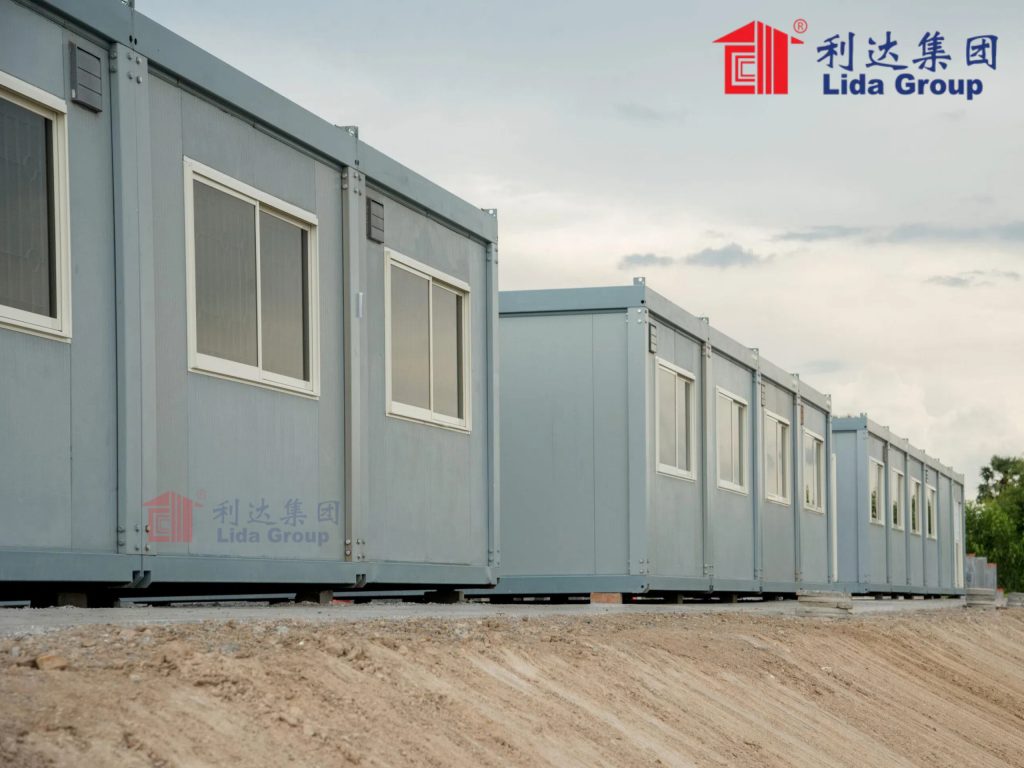
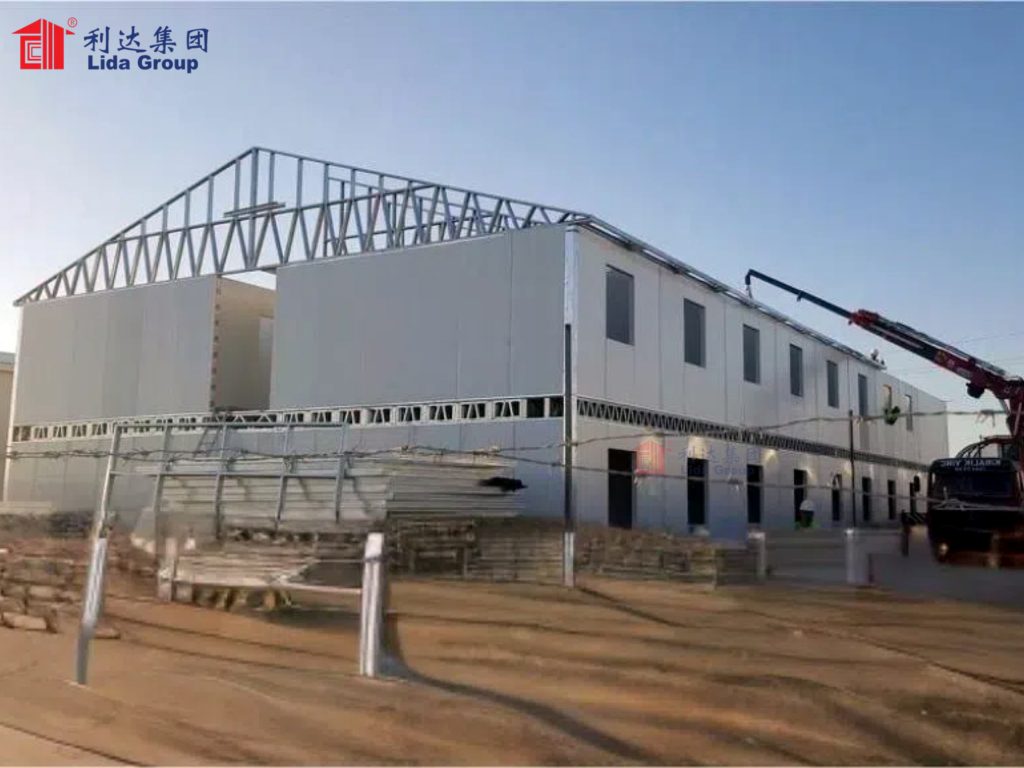
Lida’s solution was a modular camp consisting of 28 dormitory buildings, 4 office blocks, and full amenities (e.g., kitchens, bathrooms, recreational facilities). All modules were manufactured in China and transported to the site, where they were assembled on specially designed foundations to accommodate the wetland soil. The entire camp was delivered in just 18 days—70% faster than the projected 3-month timeline for traditional construction. The total cost was 40% lower than a brick-and-concrete alternative, with savings coming from reduced labor costs (no need for local skilled workers), minimized material waste (98% of components were used), and lower transportation costs (lightweight modules reduced shipping fees).
The camp’s durability and reusability further enhanced its cost-effectiveness. After the port project was completed, the modules were disassembled and transported to another infrastructure site in the region, avoiding the need for new construction and saving the client an additional 60% in costs. The camp’s 10-level wind resistance and superior waterproofing—enabled by Lida’s patented roof design—also ensured minimal maintenance costs during its 5-year usage period.
4.2 Rural Housing: Affordable Solutions for Rural Revitalization
In China, Lida Group has played a key role in the national rural revitalization strategy, providing cost-effective prefab housing solutions that balance affordability, comfort, and cultural compatibility. In a village in Hubei Province, the local government sought to replace dilapidated traditional houses with modern, safe residences for 50 families—while keeping costs within the villagers’ budgets.
Lida proposed a modular light steel villa solution, offering standardized 150-300㎡ apartment type that incorporated traditional architectural elements (e.g., sloped roofs, wooden facades) to align with local aesthetics. The modules were manufactured in Lida’s nearby factory, reducing transportation costs, and assembled on-site in just 45 days. The total cost per house was 10-15% higher than traditional brick and concrete construction upfront, but the lifecycle cost was 30% lower due to reduced energy consumption and maintenance needs.
The villagers benefited from immediate cost savings: the prefab houses required no additional insulation or renovation, as all MEP systems, interior finishes, and fixtures were pre-installed in the factory. Annual energy costs for heating and cooling were reduced by 50% compared to their old houses, saving each family 3,000-5,000 yuan per year. The project was recognized as a “Beautiful Livable Village” model by the Chinese government, demonstrating how prefab construction can deliver affordable, high-quality housing for rural communities.
4.3 Commercial and Public Buildings: Efficiency for Urban Development
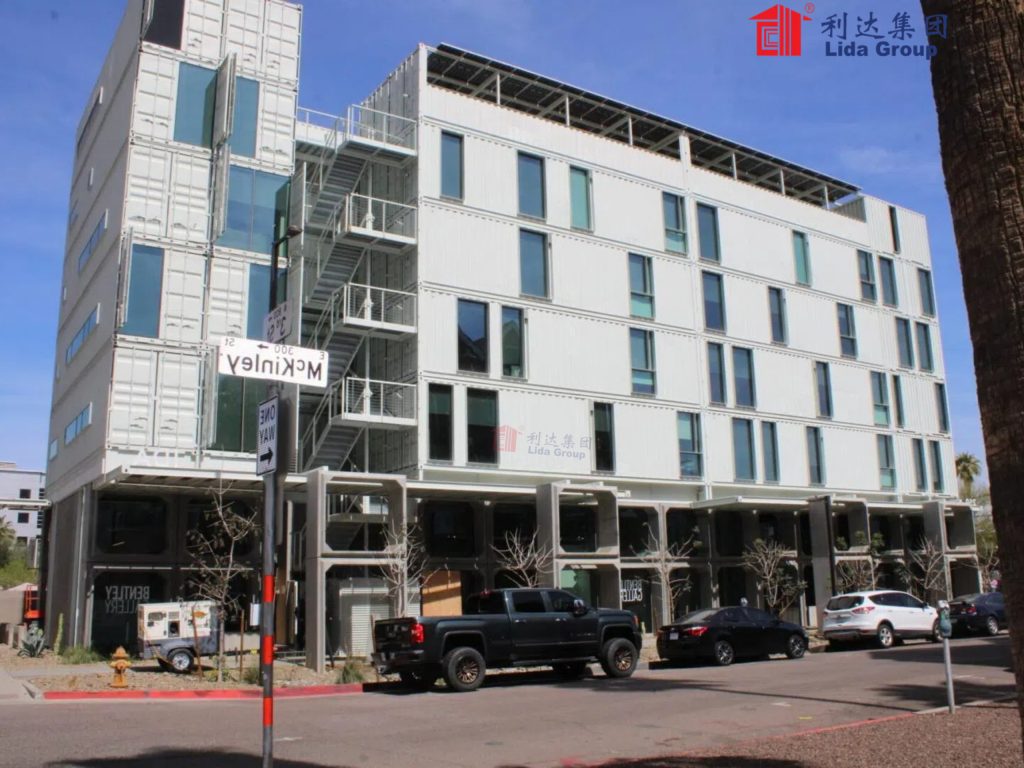
Lida Group’s cost-effective prefab methods are not limited to residential and industrial projects—they also excel in commercial and public buildings, where speed and flexibility are critical. In Guangzhou, China, Lida was commissioned to build a 200,000㎡ resettlement community for residents displaced by a major transportation hub project. The client required the project to be completed in 6 months to ensure timely relocation, with strict cost constraints.
Lida’s solution involved using modular light steel structures with a factory prefabrication rate of 80%. The community included 1,200 residential units, 2 schools, and 3 commercial buildings, all constructed from standardized modules that were assembled on-site like “building blocks.” The use of BIM technology optimized the design, reducing material waste to 4% and eliminating on-site design changes. The project was completed 2 weeks ahead of schedule, with a total cost that was 25% lower than the traditional concrete alternative.
The resettlement community’s cost-effectiveness extended beyond construction: the light steel structure increased indoor usable space by 5-8% compared to concrete buildings, allowing for larger apartments and additional commercial rental space—generating ongoing revenue for the client. The buildings’ energy-efficient design also reduced utility costs for residents by 35%, improving quality of life while lowering long-term expenses.
5. Sustainability: Cost-Effectiveness Meets Environmental Responsibility
In today’s construction industry, cost-effectiveness is increasingly tied to sustainability. Clients and regulators alike demand solutions that reduce carbon emissions, minimize waste, and conserve resources—all of which Lida Group’s prefab methods deliver, while creating additional cost savings.
5.1 Carbon Footprint Reduction
Lida’s prefab construction reduces carbon emissions by 30-40% compared to traditional building methods, primarily through three channels: reduced energy consumption in production, minimal on-site emissions, and material recyclability. The company’s factories use renewable energy (e.g., solar panels) for 20% of their electricity needs, and the precision manufacturing process reduces energy waste by 30% compared to on-site construction. On-site assembly generates no concrete pouring or brick firing—major sources of CO2 emissions—and the use of lightweight materials reduces transportation-related emissions by 40%.
Moreover, Lida’s steel components are 95% recyclable, and the company’s take-back program ensures that end-of-life modules are disassembled and recycled, rather than sent to landfills. This not only reduces environmental impact but also creates cost savings: recycling steel saves 74% of the energy required to produce new steel, and clients can earn revenue from recycled materials. For example, a Lida industrial camp recycled after 10 years can generate 15-20% of its original material cost through steel recycling—offsetting disposal fees and creating a circular economy.
5.2 Waste Minimization
As noted earlier, Lida’s prefab methods reduce construction waste to just 5%, compared to 15-20% for traditional construction. This waste reduction translates to direct cost savings: waste disposal fees can account for 5-10% of a project’s budget, and minimizing waste eliminates the need to purchase additional materials to replace those lost to damage or over-cutting. In a 10,000㎡ commercial project, Lida’s waste minimization strategy saved the client over $50,000 in disposal fees and material replacement costs.
5.3 Compliance with Green Building Standards
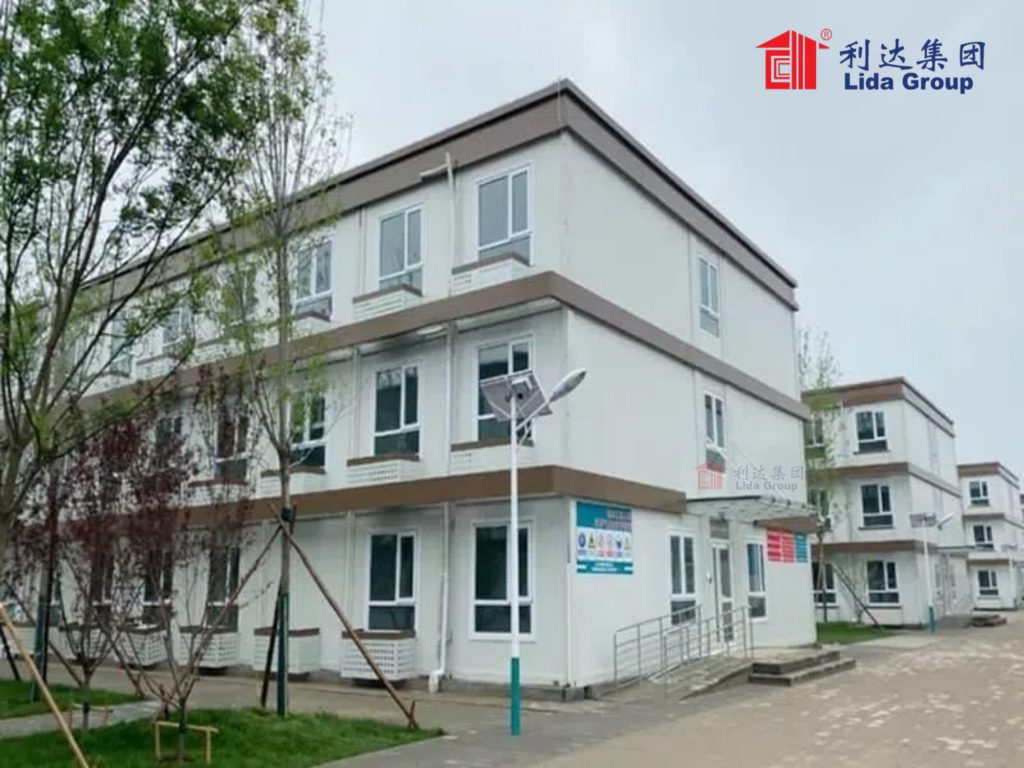
Lida’s prefab solutions meet or exceed global green building standards, such as China’s Green Building Three-Star Certification and the International Living Future Institute’s Living Building Challenge. This compliance not only enhances the company’s market competitiveness but also unlocks additional cost savings for clients, such as tax incentives, subsidies, and lower insurance premiums. For example, a Lida prefab office building in Qingdao, China, earned Green Building Three-Star Certification, qualifying the client for a 10% reduction in property taxes and a $100,000 government subsidy—offsetting 5% of the project’s total cost.
6. Overcoming Industry Challenges: Lida’s Competitive Edge
Despite the many advantages of prefab construction, the industry faces challenges that can erode cost-effectiveness: supply chain disruptions, lack of standardization, and client skepticism about prefab quality. Lida Group has addressed these challenges through strategic investments in its supply chain, advocacy for industry standards, and a proven track record of delivering high-quality projects.
6.1 Supply Chain Resilience
Lida has built a global supply chain network with 50+ strategic partners, ensuring stable access to materials at competitive prices. The company maintains inventory buffers for critical components (e.g., steel frames, sandwich panels) and uses digital supply chain management tools to predict and mitigate disruptions. During the 2021 global steel shortage, Lida’s long-term contracts with steel suppliers allowed it to secure materials at pre-shortage prices, while competitors faced price increases of 20-30%—enabling Lida to maintain its cost advantage and deliver projects on budget.
6.2 Advancing Industry Standardization
As a member of the China Steel Structure Association and other industry bodies, Lida Group actively participates in the development of prefab construction standards. The company has contributed to 10+ national and international standards, covering modular design, material specifications, and installation procedures. This standardization reduces ambiguity and risk for clients, lowers costs by eliminating customizations, and improves interoperability between components—all of which enhance the cost-effectiveness of prefab construction as a whole.
6.3 Building Trust Through Quality and Certification
To address client skepticism about prefab quality, Lida Group has obtained a suite of international certifications, including CE, SGS, and ISO 9001. The company’s products undergo rigorous testing for structural safety, fire resistance, and thermal performance—with results published publicly to demonstrate transparency. For example, Lida’s light steel modules have been tested to withstand 8 级 earthquakes and 10 级 winds, exceeding the safety requirements of most countries. This proven quality gives clients confidence that Lida’s cost-effective solutions do not compromise on safety or durability, reducing the risk of costly post-construction issues.
7. The Future of Cost-Effective Prefab Construction: Lida’s Vision
As the global construction industry continues to evolve, Lida Group is poised to lead the next wave of innovation in cost-effective prefab construction. The company’s future focus will be on three key areas: digitalization, material innovation, and market expansion.
7.1 Digitalization and Smart Construction
Lida is investing in advanced digital technologies, such as artificial intelligence (AI) and the Internet of Things (IoT), to further optimize cost efficiency. AI-powered design tools will enable automated module optimization, reducing material usage by an additional 5-10% and shortening design cycles by 20%. IoT sensors embedded in modular components will provide real-time data on performance and maintenance needs, reducing O&M costs by 15-20% and extending building lifespans.
7.2 Material Innovation
The company is partnering with research institutions to develop next-generation materials that are lighter, stronger, and more cost-effective. For example, Lida is exploring the use of carbon fiber-reinforced polymer (CFRP) in modular components, which would reduce weight by 30% while increasing strength, further lowering transportation and foundation costs. The company is also developing bio-based insulation materials that are cheaper than traditional options and have a negative carbon footprint—creating additional sustainability-related cost savings.
7.3 Market Expansion
Lida Group plans to expand its presence in high-growth markets, such as Southeast Asia, Latin America, and Africa, where demand for affordable housing and infrastructure is soaring. The company will leverage its modular design flexibility to adapt to local building codes and cultural preferences, while maintaining its cost advantage through standardized production. In Southeast Asia, for example, Lida is launching a line of low-cost prefab houses tailored to the region’s tropical climate, with prices 20% lower than local competitors—targeting the growing middle class and government affordable housing programs.
Conclusion
Lida Group’s success in championing cost-effective prefab construction methods is the result of a holistic, innovation-driven approach that integrates technical excellence, lifecycle thinking, and sustainability. By focusing on system integration, modular design, and digitalization, the company has redefined what cost-effectiveness means in the construction industry—delivering projects that are not only cheaper upfront but also save money over their entire lifespan, while meeting the highest standards of quality, safety, and environmental responsibility.
The global case studies highlighted in this article—from industrial camps in Africa to rural housing in China—demonstrate that Lida’s prefab methods deliver tangible cost savings of 30-50% compared to traditional construction, without compromising on performance or adaptability. These savings come from multiple sources: reduced material waste, lower labor costs, compressed timelines, and minimal maintenance expenses. Moreover, Lida’s focus on sustainability adds a layer of value that is increasingly critical in today’s market—reducing carbon emissions, minimizing waste, and unlocking regulatory incentives and cost savings.
As the global construction industry continues to shift toward prefab and modular solutions, Lida Group is well-positioned to remain a leader. The company’s investments in digitalization, material innovation, and market expansion will further enhance its cost advantage, enabling it to meet the growing demand for affordable, sustainable buildings worldwide. For clients, regulators, and industry stakeholders, Lida Group’s model proves that cost-effectiveness and quality are not mutually exclusive—and that prefab construction is not just a trend, but the future of efficient, responsible building.
In a world where infrastructure needs are growing, resources are limited, and climate change is a pressing concern, Lida Group’s cost-effective prefab methods offer a path forward—one that delivers value for clients, protects the environment, and builds a more sustainable future for all.
Related news
-
Custom-Designed Steel Structure Building by Lida Group
2025-12-12 17:55:22
-
Experience Ultimate Flexibility with Free Design Container Apartments
2025-12-15 17:07:03
-
Lida Group Unveils Innovative Prefab Mobile Container House Series
2025-12-15 16:09:53
contact us
- Tel: +86-532-88966982
- Whatsapp: +86-13793209022
- E-mail: sales@lidajituan.com
