



Innovative Temporary Mobile Building Solutions by Lida Group
2025-Nov-25 15:48:51
By Admin
Introduction: Redefining Temporary Construction in a Dynamic World
In an era marked by rapid urbanization, global industrial expansion, and increasing demands for flexibility and sustainability, the construction industry is undergoing a paradigm shift. Traditional brick-and-mortar structures, once the cornerstone of built environments, are often ill-equipped to address the urgent, temporary, or mobile needs of modern societies—whether for remote workforce accommodation, disaster relief, industrial projects, or eco-tourism. This is where Lida Group, a pioneering force in modular and prefabricated construction, has emerged as a transformative leader. For over three decades, Lida Group has redefined the concept of temporary mobile buildings, blending cutting-edge engineering, sustainable practices, and unparalleled adaptability to deliver solutions that meet the diverse needs of clients across 80+ countries. From integrated labor camps for mining and oil projects to rapid-deployment disaster shelters, luxury glamping resorts, and industrial warehouses, Lida Group’s innovative offerings are not just structures—they are dynamic, future-ready spaces that balance functionality, cost-effectiveness, and environmental responsibility.
This article explores the full spectrum of Lida Group’s temporary mobile building solutions, delving into the company’s history, core product lines, technological innovations, industry-specific applications, global case studies, sustainability initiatives, and the competitive advantages that have solidified its position as a global leader in modular construction. By examining the engineering precision, design flexibility, and real-world impact of Lida’s offerings, we uncover how the company is shaping the future of temporary and semi-permanent construction—one modular unit at a time.
1. Company Overview: Three Decades of Engineering Excellence
Founded in 1993 in Weifang, Shandong Province, China, Lida Group began as a small steel workshop with a simple mission: to deliver high-quality, cost-effective construction solutions. What started as a local enterprise has since evolved into a global powerhouse, specializing in the design, production, and installation of prefabricated structures, modular buildings, and steel-framed complexes. Today, Lida Group stands as China’s #1 supplier for wholesale steel warehouse and workshop buildings, with a reputation for excellence in temporary and mobile building solutions that span residential, commercial, industrial, and humanitarian sectors.
Over the past 30 years, Lida Group has invested heavily in research and development (R&D), manufacturing infrastructure, and global expansion. The company’s state-of-the-art factories produce over 1,000 tons of steel monthly, leveraging robotic welding arms for 0.1mm precision and Building Information Modeling (BIM) technology to eliminate design clashes before production begins. This commitment to industrialization and precision has enabled Lida to deliver turnkey solutions that meet the most stringent international standards, including ISO 14064-3 certification for carbon emissions reduction and compliance with seismic, fire, and wind-resistance regulations across diverse climates.
Lida Group’s global footprint is a testament to its success: the company serves clients in sectors such as construction, oil and gas, mining, disaster relief, hospitality, education, healthcare, and urban development. Its one-stop service model—encompassing design, manufacturing, logistics, installation, and 24/7 multilingual support—has made it a trusted partner for global giants, including BHP, Rio Tinto, and leading automotive manufacturers, as well as humanitarian organizations and small-to-medium enterprises. At the core of Lida’s philosophy is the belief that temporary buildings should not be compromising—they should be durable, adaptable, sustainable, and tailored to the unique needs of each client.
2. Core Product Lines: Versatile Solutions for Every Need
Lida Group’s temporary mobile building solutions are built on a modular, prefabricated framework that prioritizes flexibility, speed, and efficiency. The company’s product portfolio is diverse, encompassing four primary lines that can be customized, combined, or reconfigured to suit virtually any application: container houses, prefabricated panel buildings, steel structure buildings, and rapid-deployment temporary shelters. Each product line is engineered to address specific challenges, from remote site accommodation to industrial storage, while sharing core advantages such as fast construction, cost-effectiveness, and environmental sustainability.
2.1 Container Houses: Repurposed Innovation
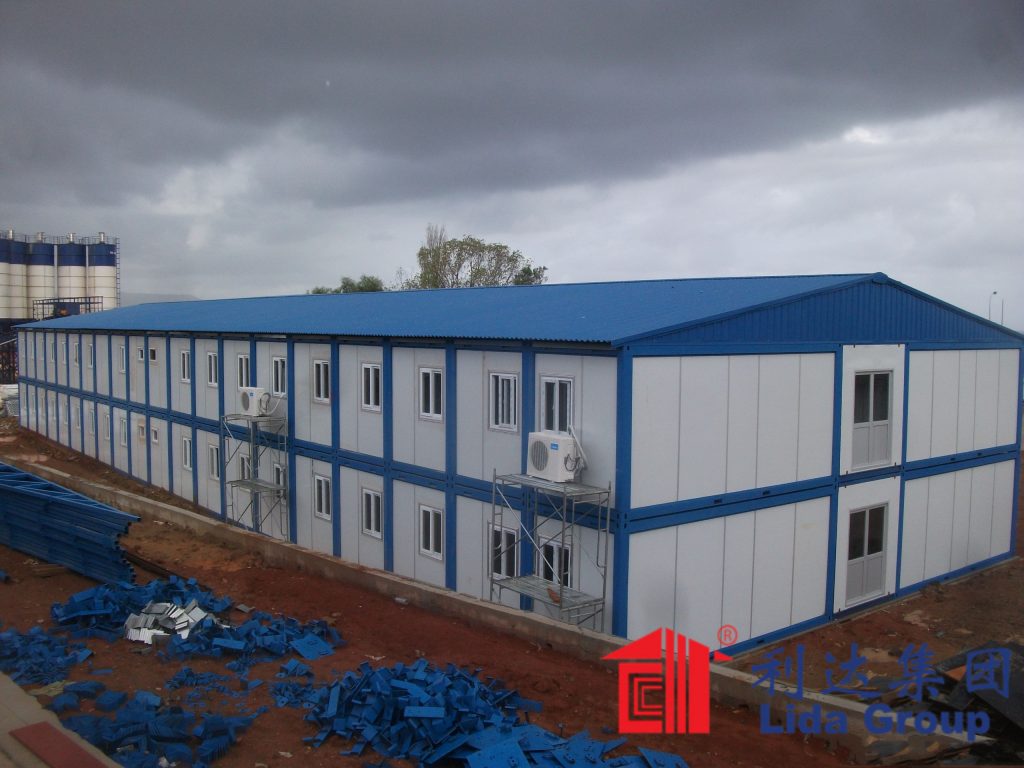
Lida Group’s container houses are a hallmark of modular design, transforming repurposed shipping containers into robust, versatile spaces for living, working, and leisure. These units leverage the inherent strength of steel containers—originally built to withstand harsh maritime conditions—and enhance them with modern insulation, structural reinforcements, and customizable features. The result is a product that balances durability, portability, and affordability, making it ideal for a wide range of applications.
Key Features and Specifications
- Structural Integrity: Built with 98% recycled steel (via Lida’s patented Circusteel™ process), container houses are resistant to earthquakes, hurricanes (up to 150 km/h winds), corrosion, and fire. The steel frames can support vertical stacking (up to 4 levels) and horizontal expansion, allowing for the creation of complex, multi-unit complexes.
- Insulation and Comfort: Walls and roofs are fitted with sandwich panels featuring insulation options (polystyrene, polyurethane, rock wool, or fiber glass) tailored to climate needs—from arctic cold to desert heat. This ensures thermal efficiency, reducing energy consumption by up to 40% compared to traditional structures.
- Customization: Container houses are fully customizable in size (20ft, 40ft, or expanded models) and layout. Options include slide-out bedrooms, foldable decks, retractable glass walls, and integrated amenities such as kitchens, bathrooms, and office spaces.
- Portability: Designed for easy relocation, units can be transported via truck, ship, or airlifted (for remote sites) and assembled without heavy machinery. Flat-pack systems allow for disassembly and reuse, extending the lifecycle of each unit.
Applications
- Residential: Single-family homes, vacation cabins, multi-story apartment complexes, and student dormitories.
- Commercial: Pop-up stores, cafés, co-working spaces, and glamping resorts (with luxury upgrades like heated floors and rooftop hot tubs).
- Industrial: Worker dormitories, site offices, equipment storage, and maintenance facilities for mining, oil and gas, and construction projects.
- Humanitarian: Rapid-deployment shelters for disaster relief (e.g., post-earthquake housing) and refugee camps, capable of accommodating 6–8 people per unit.
2.2 Prefabricated Panel Buildings: Speed and Affordability
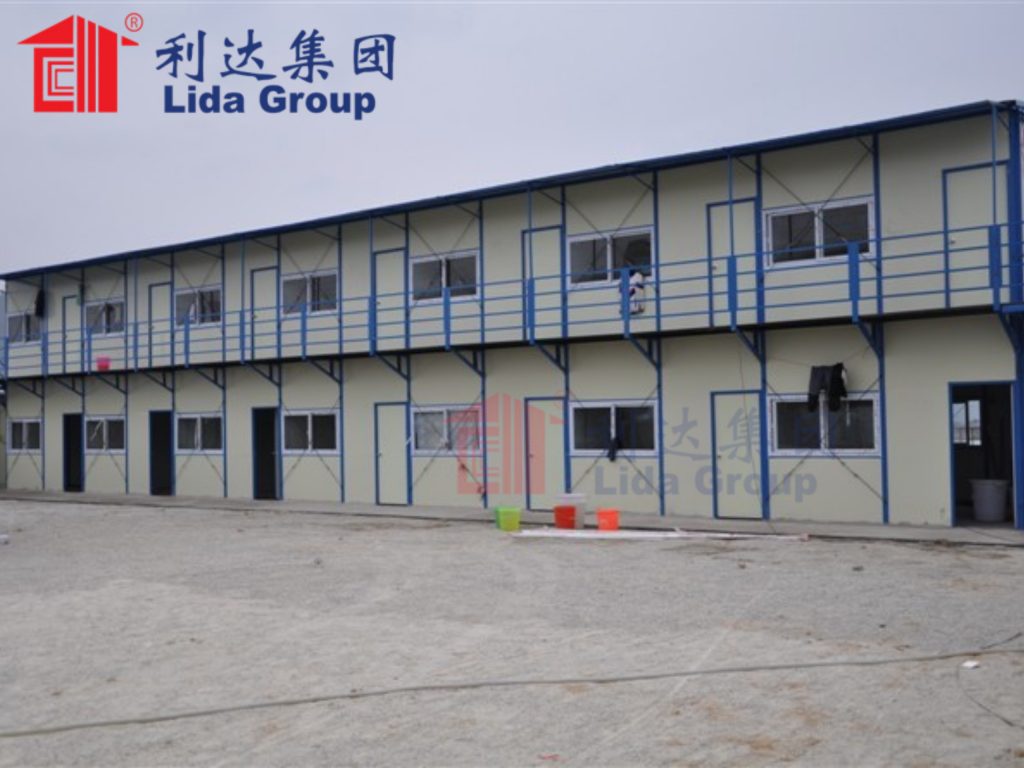
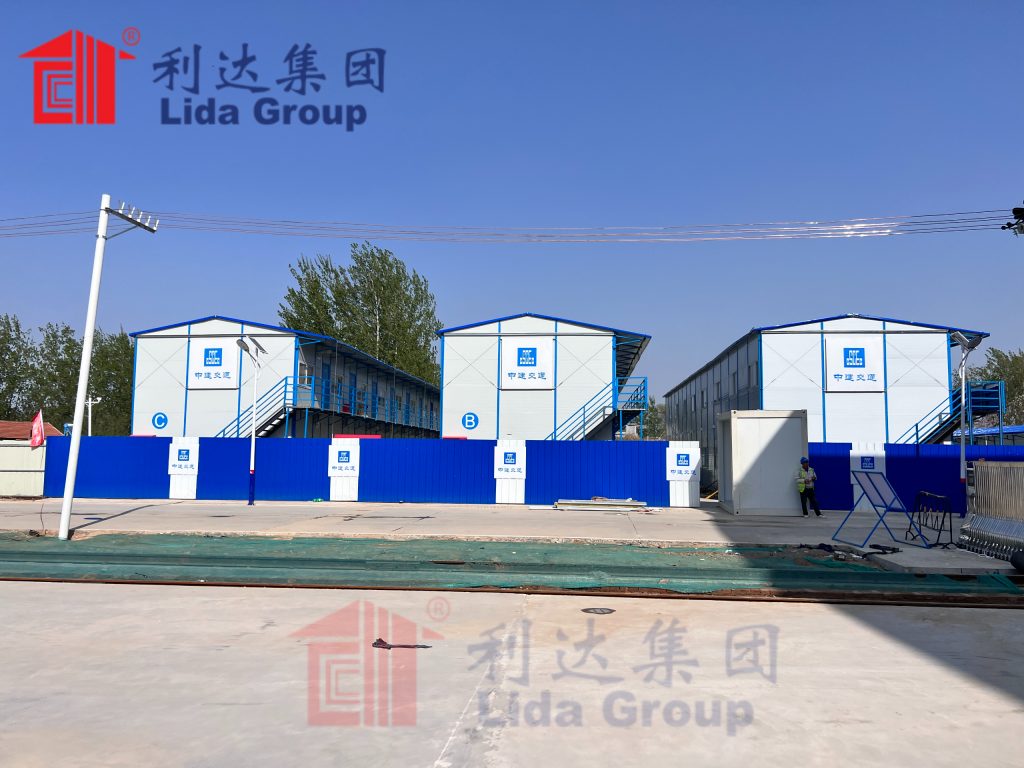
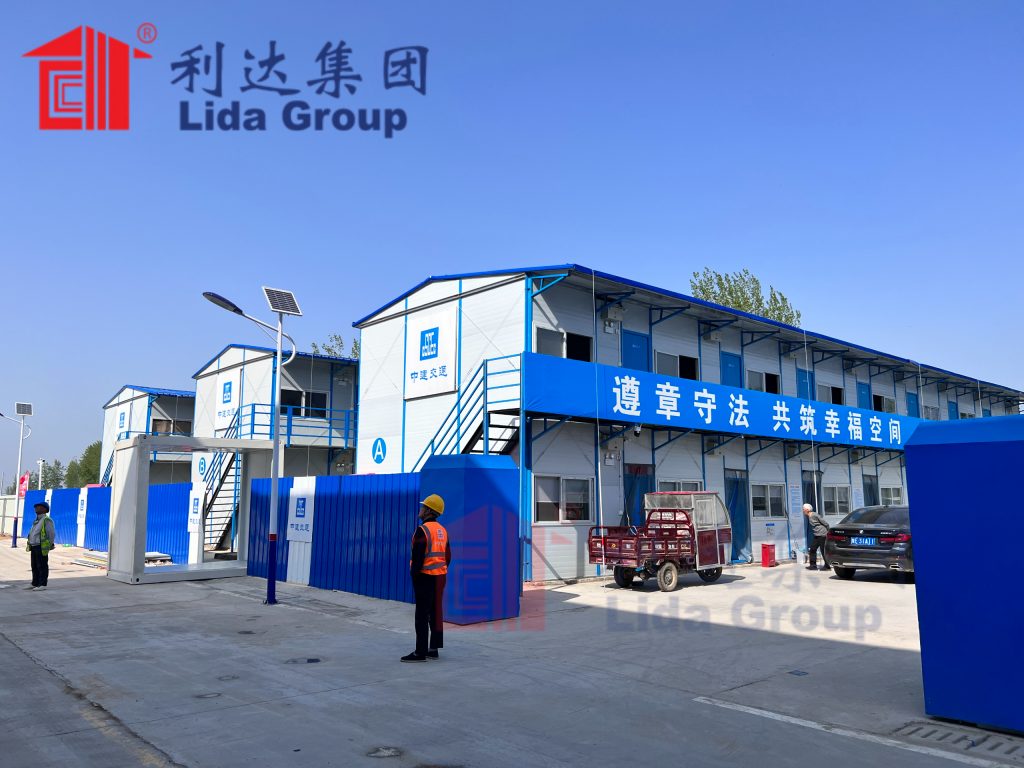
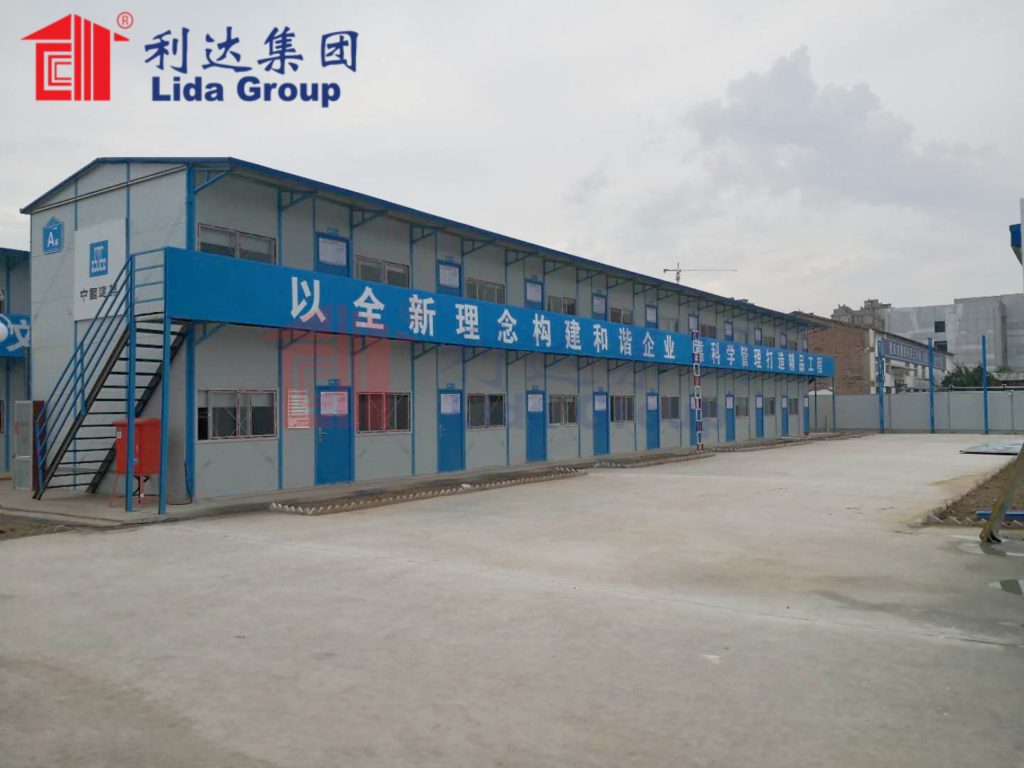
Lida’s prefabricated panel buildings (also known as prefab houses) are designed for projects that demand fast installation and cost efficiency without sacrificing quality. These structures feature lightweight steel frames and composite sandwich panels for walls and roofs, manufactured off-site and assembled on-site in a fraction of the time required for traditional construction.
Key Features and Specifications
- Rapid Construction: Prefabricated panel buildings can be assembled 50% faster than brick-and-mortar structures. A 1,000 sqm complex can be installed in as little as 2–3 weeks, from production to completion.
- Cost-Effectiveness: With an average price range of USD 50–120 per sqm, prefab houses are significantly more affordable than traditional buildings. The use of standardized components reduces material waste and labor costs.
- Durability: Light steel frames (square steel tubes for columns, C-channel steel for roof trusses) provide structural stability, with a service life of up to 25 years. Panels are fire-resistant, waterproof, and resistant to termites and rot.
- Modularity: Units can be linked together to form larger spaces (e.g., dormitories, classrooms, or medical centers) or reconfigured for changing needs. They are also easy to expand or relocate, making them ideal for temporary projects.
Applications
- Education: Temporary classrooms and school buildings for rural or underserved communities.
- Healthcare: Mobile clinics, medical centers, and quarantine facilities, equipped with sterile environments and medical equipment hookups.
- Construction: On-site offices, meeting rooms, and worker accommodations for large-scale infrastructure projects.
- Institutional: Administration buildings, prayer rooms, and recreation centers for labor camps and remote communities.
2.3 Steel Structure Buildings: Strength for Industrial Use
Lida Group’s steel structure buildings are engineered for heavy-duty industrial applications, combining robust frameworks with modular design to deliver warehouses, workshops, and factories that are both durable and adaptable.
Key Features and Specifications
- Structural Capacity: Light steel frames can support heavy loads (up to 20-ton cranes) and span large areas (without internal columns), making them ideal for industrial operations. Reinforced foundations and shock-absorbing joints ensure stability in seismic zones and high-vibration environments (e.g., manufacturing plants).
- Speed of Construction: A 50,000 sqm warehouse can be completed in 12–16 weeks, compared to 12+ months for concrete structures. Prefabricated components reduce on-site labor and minimize disruption to surrounding areas.
- Sustainability: Steel structures use 92% recycled steel, reducing carbon emissions by 50% compared to concrete. They are also energy-efficient, with options for solar panel integration and rainwater harvesting systems.
- Customization: OEM customization allows for tailored designs, including door placements (for forklift access), fireproof cladding (for chemical plants), and ventilation systems (for industrial processes).
Applications
- Industrial: Warehouses, factories, manufacturing plants, and assembly lines (e.g., automotive workshops).
- Commercial: Event venues, exhibition halls, and storage facilities.
- Infrastructure: Maintenance depots, power stations, and transportation hubs.
2.4 Temporary Shelters: Rapid-Deployment Solutions
Lida’s temporary shelters are specialized for emergency response and remote site applications where speed and mobility are critical. These lightweight, portable structures are designed to be airlifted or transported via truck to inaccessible areas and assembled in hours.
Key Features and Specifications
- Ultra-Fast Assembly: Shelter kits include pre-cut components and easy-to-follow instructions, allowing a team of 4–6 people to assemble a unit in 4–6 hours.
- Durability: Despite their lightweight design, shelters are wind-resistant (up to 120 km/h) and waterproof, with insulation for extreme temperatures (from -30°C to 50°C).
- Functionality: Configurable as medical bays, sanitation facilities, or living quarters, with options for solar power integration and water purification systems.
- Compact Storage: When disassembled, shelters can be stored in a small footprint, making them easy to transport in bulk for large-scale emergencies.
Applications
- Disaster Relief: Post-earthquake, flood, or hurricane housing; emergency medical centers; and temporary schools.
- Remote Work Sites: Field research stations (e.g., wildlife conservation camps in Kenya) and military outposts.
- Temporary Events: Festival accommodations, construction site shelters, and emergency response command centers.
3. Technological Innovations: Driving Excellence in Modular Construction
Lida Group’s leadership in temporary mobile buildings is underpinned by a commitment to innovation. The company invests heavily in R&D to develop cutting-edge technologies that enhance the performance, sustainability, and adaptability of its products. Below are key technological advancements that set Lida apart from competitors:
3.1 Circusteel™ Process: Sustainable Steel Production
Lida’s patented Circusteel™ process revolutionizes the use of steel in modular construction by prioritizing circular economy principles. The process involves sourcing 98% of steel from industrial scrap, diverting over 180,000 tons of steel from landfills annually. This not only reduces waste but also lowers carbon emissions by 72% per ton compared to virgin steel, earning ISO 14064-3 certification for greenhouse gas reduction. Offcuts from manufacturing are melted and reused onsite, creating a closed-loop system that minimizes environmental impact.
3.2 Smart Energy Integration
To address the energy needs of remote and off-grid sites, Lida has integrated smart energy solutions into its modular buildings:
- Solar-Ready Roofs: All container and prefab units are designed with pre-installed solar channels, capable of supporting 400w solar panels per 40ft unit. A 120-unit complex can generate 1.2 MWh of solar energy daily—enough to power offices, dormitories, and electric vehicles.
- AI-Powered Microgrids: Smart systems balance solar power, battery storage, and grid (or diesel generator) backup to ensure reliable energy supply. This reduces dependency on diesel generators, which account for 28% of mining and remote site emissions.
- Atmospheric Water Harvesters: Patented technology extracts up to 500 liters of water per day from desert air, addressing water scarcity in arid regions (e.g., mining sites in Australia’s outback).
3.3 Building Information Modeling (BIM)
Lida uses BIM technology to optimize the design and construction process. BIM creates 3D digital models of buildings, allowing engineers to simulate structural performance, identify design clashes, and customize layouts before production begins. This reduces errors, shortens lead times, and ensures that each project meets client specifications and local regulations. For large-scale projects (e.g., integrated labor camps), BIM enables the creation of comprehensive floor plans and renderings, giving clients a clear visual of the final product.
3.4 Pile-Free Foundations and Eco-Friendly Design
To minimize environmental disruption in sensitive areas (e.g., wildlife habitats or fragile ecosystems), Lida has developed pile-free foundations for modular buildings. These use geotextile mats to stabilize units without excavation, preserving soil integrity and reducing habitat destruction. Additionally, green roof options (planted with native vegetation) help restore local ecosystems and improve thermal insulation.
3.5 Water Recycling Systems
Lida’s modular buildings incorporate water-saving technologies to address scarcity in remote and industrial sites:
- Greywater Loops: Filter and reuse shower and sink water for non-potable needs (e.g., cleaning, irrigation), reducing freshwater consumption by 85%.
- AI Leak Detection: Acoustic sensors pinpoint pipe failures within 15 seconds, preventing water waste and reducing maintenance costs.
4. Industry-Specific Solutions: Tailored to Sector Needs
Lida Group’s temporary mobile buildings are not one-size-fits-all—they are tailored to the unique challenges of each industry. Below are key sector-specific solutions, highlighting how Lida’s products address industry pain points:
4.1 Mining Industry: Sustainable and Resilient Camps
The mining industry faces growing pressure to decarbonize, with a target of 45% emission reduction by 2030 (ICMM 2024). Traditional mining camps are often reliant on diesel generators, single-use materials, and disruptive construction, making them unsustainable. Lida’s modular solutions address these challenges with:
- Sustainable Materials: 98% recycled steel reduces carbon emissions and diverts waste from landfills. For example, BHP’s Chilean copper mine replaced 200 temporary cabins with Lida’s container buildings, recycling 8,400 tons of steel and cutting Scope 3 emissions by 12%.
- Energy Independence: Solar-ready roofs and microgrids reduce diesel use by up to 78%. Zambia’s Lumwana mine uses 120 Lida container buildings to generate 1.2 MWh of solar energy daily, saving $420,000 annually in fuel costs.
- Water Efficiency: Greywater loops and atmospheric water harvesters eliminate the need for water truck deliveries. Rio Tinto’s Australian outback camp reduced freshwater withdrawals from 28,000 l/day to 4,200 l/day using Lida’s systems.
- Mobility: Relocatable units allow camps to be moved as mining operations expand, minimizing habitat destruction. Pile-free foundations protect endangered flora and fauna.
4.2 Oil and Gas Industry: Remote Site Accommodation
Oil and gas projects often require accommodation in remote, harsh environments (e.g., deserts, offshore platforms). Lida’s solutions are engineered for these conditions:
- Extreme Weather Resistance: Container houses and prefab buildings are designed to withstand high winds (150 km/h), extreme temperatures (-30°C to 50°C), and corrosion from saltwater (for offshore sites).
- Rapid Deployment: Units can be airlifted to offshore platforms or remote desert sites and assembled in days, ensuring workers have safe accommodation quickly.
- Modular Camps: Integrated labor camps include accommodation, kitchens, dining halls, clinics, and recreation facilities, supporting 50–500 workers. Customizable layouts ensure compliance with safety regulations (e.g., fire exits, emergency shelters).
4.3 Construction Industry: On-Site Support
Large-scale construction projects (e.g., hydroelectric dams, highways) require temporary facilities for workers and operations. Lida’s prefab buildings and container houses provide:
- On-Site Offices: Fully equipped with meeting rooms, desks, and high-speed internet, designed to withstand construction site vibrations.
- Worker Dormitories: Comfortable accommodation with insulation, ventilation, and sanitation facilities, improving worker retention and productivity.
- Storage and Maintenance: Steel structure warehouses for equipment storage and maintenance workshops, with high-load capacity and easy access for forklifts.
- Cost Savings: Prefab buildings reduce construction time and costs, allowing projects to stay on budget. For example, a hydroelectric project in Southeast Asia used Lida’s prefab camp, cutting accommodation costs by 35% compared to traditional construction.
4.4 Disaster Relief and Humanitarian Aid
In the aftermath of natural disasters (e.g., earthquakes, floods, or hurricanes), rapid access to safe shelter is critical. Lida’s temporary shelters and container houses are designed for humanitarian use:
- Rapid Deployment: Flat-pack shelter kits can be airlifted and assembled in hours, providing immediate housing for displaced populations. After the 2023 Morocco earthquake, 200 Lida units housed 1,200 people within two weeks.
- Durability: Shelters are wind-resistant, waterproof, and fireproof, protecting occupants from harsh conditions. They are also easy to clean and maintain in unsanitary environments.
- Multi-Purpose Use: Units can be configured as medical bays, clinics, or schools, addressing multiple needs in disaster zones. Integrated sanitation facilities (showers, toilets) help prevent the spread of disease.
4.5 Hospitality and Tourism: Glamping and Eco-Resorts
The rise of eco-tourism and glamping has created demand for sustainable, portable accommodation that blends with natural surroundings. Lida’s container houses and expanded prefab units offer:
- Luxury Customization: Options include retractable glass walls (for 360° views), heated floors, ensuite bathrooms, and rooftop decks with hot tubs.
- Sustainability: Solar power, rainwater harvesting, and recycled materials align with eco-tourism values, attracting environmentally conscious travelers.
- Mobility: Glamping resorts can relocate units to new sites (e.g., seasonal locations) or expand capacity during peak seasons. A luxury glamping site in New Zealand uses Lida’s expandable container units, achieving a 40% occupancy increase due to their unique design.
5. Global Case Studies: Real-World Impact
Lida Group’s temporary mobile building solutions have been deployed in projects across six continents, demonstrating their versatility and performance in diverse environments. Below are three standout case studies that highlight the company’s innovation and impact:
5.1 BHP Chilean Copper Mine: Sustainable Worker Camp
Challenge: BHP needed to replace 200 outdated, diesel-powered worker cabins at its Chilean copper mine with a sustainable solution that reduced emissions and waste. The site is remote, with extreme temperatures and limited access to water and electricity.
Solution: Lida Group supplied 200 container houses made from 98% recycled steel (sourced from on-site scrap). Each unit was equipped with solar panels, greywater recycling systems, and insulation for extreme temperatures. The camp included accommodation, a dining hall, a clinic, and recreation facilities.
Results:
- Recycled 8,400 tons of steel, diverting waste from landfills.
- Reduced Scope 3 emissions by 12% and diesel use by 75% (via solar power).
- Cut water consumption by 80% through greywater loops.
- Assembled in 6 weeks, 50% faster than traditional construction.
- Improved worker satisfaction with comfortable, climate-controlled accommodation.
5.2 Morocco Earthquake Relief: Rapid-Deployment Shelters
Challenge: After the 2023 Morocco earthquake, over 300,000 people were displaced, requiring immediate shelter in remote mountainous regions. Access to the area was limited, and traditional construction was impractical.
Solution: Lida Group airlifted 200 flat-pack temporary shelters to the disaster zone. Each shelter was designed to accommodate 6–8 people, with fire-resistant walls, waterproof roofs, and basic sanitation facilities. The units could be assembled by local workers without heavy machinery.
Results:
- Shelters were assembled in 4 hours per unit, providing housing for 1,200 people within two weeks.
- Withstood post-earthquake aftershocks and heavy rainfall.
- Modular design allowed for future expansion (e.g., adding medical bays and schools).
- Low maintenance requirements reduced long-term humanitarian costs.
5.3 European Automotive Manufacturer: Modular Workshop
Challenge: A leading European car manufacturer needed a 150,000 sqft workshop for robotic assembly lines to launch a new electric vehicle (EV) model. The project had an 8-month deadline, and the workshop needed to withstand high vibrations from machinery.
Solution: Lida Group designed a steel structure building with reinforced foundations and shock-absorbing joints. The building was prefabricated in China as 500+ modules, shipped to Europe, and assembled on-site. The design included custom door placements for forklift access and fireproof cladding.
Results:
- Completed in 14 weeks, meeting the 8-month deadline (6 weeks ahead of schedule).
- Withstood vibrations from robotic assembly lines without structural damage.
- Reduced construction costs by 30% compared to traditional concrete buildings.
- Steel structure is recyclable, aligning with the manufacturer’s sustainability goals.
6. Sustainability: A Core Commitment
Sustainability is at the heart of Lida Group’s operations, driving every aspect of product design, manufacturing, and deployment. The company recognizes that temporary buildings have a unique role to play in reducing the construction industry’s environmental footprint—by minimizing waste, using recycled materials, and promoting circularity. Below are Lida’s key sustainability initiatives:
6.1 Circular Economy Practices
- Recycled Materials: 92–98% of steel used in container houses and steel structures is recycled, diverting millions of tons of industrial scrap from landfills annually. Offcuts from manufacturing are melted and reused onsite, creating a closed-loop system.
- Reusability: All modular units are designed for disassembly and reuse. Container houses and prefab buildings can be relocated and repurposed multiple times, extending their lifecycle beyond a single project.
- Waste Reduction: Prefabrication reduces on-site waste by 70% compared to traditional construction, as components are manufactured to precise specifications in controlled factory environments.
6.2 Carbon Emissions Reduction
- Low-Carbon Manufacturing: Lida’s factories use energy-efficient machinery and solar power to reduce operational emissions. The Circusteel™ process reduces carbon emissions by 72% per ton of steel compared to virgin steel production.
- Energy-Efficient Designs: Insulated panels, solar integration, and smart microgrids reduce the operational carbon footprint of buildings. For example, mining camps using Lida’s solar-ready units cut diesel emissions by up to 78%.
- ISO Certification: Lida Group holds ISO 14064-3 certification for carbon emissions accounting and verification, ensuring transparency in its sustainability efforts.
6.3 Water and Resource Conservation
- Water-Saving Technologies: Greywater recycling, atmospheric water harvesters, and leak detection systems reduce water consumption by up to 85%, critical for arid and remote sites.
- Energy Independence: Solar power and microgrids reduce reliance on fossil fuels, conserving natural resources and lowering operating costs for clients.
6.4 Ecosystem Protection
- Minimal Site Disruption: Pile-free foundations and relocatable units reduce excavation and habitat destruction, particularly in sensitive areas like mining sites and wildlife reserves.
- Green Roofs: Native vegetation on roof panels helps restore local ecosystems, improve air quality, and reduce heat absorption (lowering energy use for cooling).
7. Competitive Advantages: Why Choose Lida Group?
In a crowded modular construction market, Lida Group stands out for its combination of experience, innovation, and customer-centric approach. Below are the key competitive advantages that make Lida the preferred partner for global clients:
7.1 Three Decades of Experience
With 30 years in the industry, Lida Group has the expertise to navigate complex projects, diverse regulatory environments, and challenging climates. Its track record of delivering 10,000+ projects across 80+ countries demonstrates its reliability and ability to meet client needs.
7.2 One-Stop Service Model
Lida offers end-to-end solutions, from design and manufacturing to logistics, installation, and after-sales support. This integrated approach eliminates the need for multiple contractors, reducing project complexity and ensuring accountability. Services include:
- Custom design (using BIM technology) tailored to client requirements, budget, and location.
- Global logistics and shipping (including customs clearance) to deliver units to any site.
- On-site installation by trained teams, with minimal disruption to operations.
- 24/7 multilingual support to address issues quickly.
7.3 Customization and Flexibility
Lida’s modular designs are fully customizable, allowing clients to tailor every aspect of their buildings—size, layout, amenities, and materials—to their specific needs. Whether a luxury glamping resort or a remote mining camp, Lida’s solutions adapt to diverse requirements.
7.4 Quality and Durability
Lida’s commitment to quality is evident in its manufacturing processes: robotic welding for precision, strict quality control checks, and compliance with international standards (e.g., ISO, CE, and ASTM). Products are tested for durability in extreme conditions, ensuring long service life and minimal maintenance.
7.5 Cost and Time Efficiency
Lida’s prefabricated and modular approach reduces construction time by 50% and costs by 30–40% compared to traditional buildings. The use of standardized components, bulk manufacturing, and efficient logistics further lowers costs for clients.
7.6 Global Reach and Local Expertise
Lida Group operates in 80+ countries, with a network of local partners and distributors that provide on-the-ground support. This global-local approach ensures that clients receive solutions tailored to local regulations, climate, and cultural needs.
8. Conclusion: Shaping the Future of Temporary Mobile Construction
Lida Group’s innovative temporary mobile building solutions are more than just structures—they are a response to the dynamic needs of a changing world. By blending modular design, sustainable practices, and cutting-edge technology, Lida has redefined what temporary buildings can be: durable, adaptable, cost-effective, and environmentally responsible. From mining camps that reduce carbon emissions to disaster shelters that save lives, Lida’s products have a tangible impact across industries and communities worldwide.
Over the past 30 years, Lida Group has established itself as a global leader in modular construction, driven by a commitment to innovation, quality, and customer satisfaction. Its core product lines—container houses, prefabricated panel buildings, steel structure buildings, and temporary shelters—offer versatile solutions for residential, commercial, industrial, and humanitarian applications. With a focus on circular economy practices, carbon reduction, and resource conservation, Lida is also leading the way in sustainable construction, helping clients meet their environmental goals while reducing costs.
Looking ahead, Lida Group is poised to continue shaping the future of temporary mobile construction. As demand for flexible, sustainable buildings grows—driven by urbanization, industrial expansion, and climate change—Lida’s modular solutions will play an increasingly critical role in creating resilient, adaptable built environments. With ongoing investments in R&D (e.g., advanced energy storage, 3D-printed components, and AI-driven design), Lida is committed to pushing the boundaries of innovation, delivering even more efficient, sustainable, and user-centric solutions for its clients.
In a world where change is constant, Lida Group’s temporary mobile buildings provide stability, flexibility, and hope—proving that temporary does not have to mean compromised. For businesses, governments, and organizations seeking solutions that balance functionality, sustainability, and value, Lida Group is more than a supplier—it is a partner in building a better future.
Related news
-
Lida Group Launches New Prefab House with Sandwich Panel Technology
2025-11-25 15:32:50
-
Customizable Prefab Mobile Container House Solutions from Lida Group
2025-11-24 17:02:44
-
Durable and Secure Temporary Container Building by Lida Group
2025-11-24 15:34:10
contact us
- Tel: +86-532-88966982
- Whatsapp: +86-13793209022
- E-mail: sales@lidajituan.com
