



Innovative Prefabricated Container Apartment Solutions Now Available
2026-Jan-29 13:12:55
By Admin
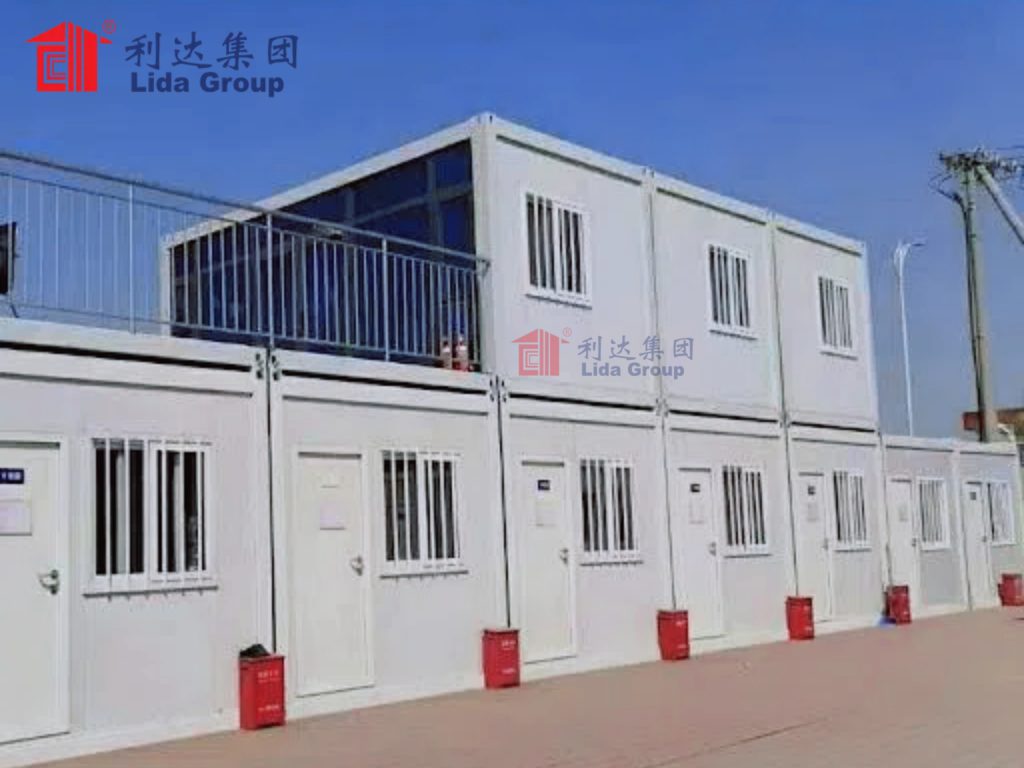
The global urban housing crisis has reached a critical juncture, with 1.6 billion people worldwide lacking adequate shelter and cities struggling to keep pace with population growth projections. Traditional construction methods—plagued by prolonged timelines, excessive waste, high carbon footprints, and rigid designs—can no longer address the urgent need for affordable, sustainable, and adaptable housing. In response, innovative prefabricated container apartment solutions have evolved from experimental concepts to commercially viable, widely available options. Today’s offerings integrate folding structures, solar energy autonomy, smart technology, and modular flexibility, delivering turnkey dwellings that cater to diverse needs, from urban affordable housing to extreme-environment settlements. This article explores the cutting-edge technologies, real-world applications, market dynamics, and practical advantages of the prefabricated container apartment solutions that are reshaping modern living.
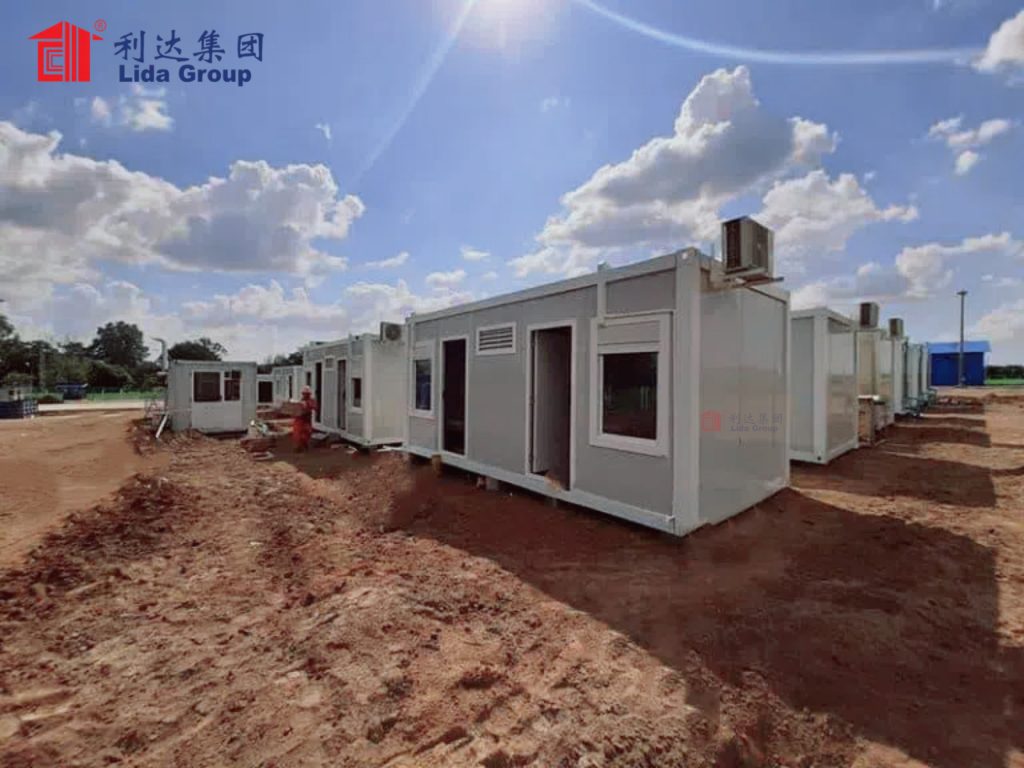
1. Technological Breakthroughs: Redefining Container Apartment Performance
Modern prefabricated container apartments have transcended the limitations of early repurposed shipping containers through targeted technological innovations. Today’s solutions prioritize efficiency, comfort, and resilience, leveraging factory precision and advanced materials to create dwellings that outperform traditional buildings in key metrics. From space-expanding designs to energy-self-sufficient systems, these technologies are now fully commercialized and accessible to developers, governments, and individuals globally.
1.1 Folding Modular Systems: Space Efficiency and Logistics Optimization
Folding container technology stands out as one of the most transformative innovations in current container apartment solutions. Unlike fixed-size containers, folding models feature a centralized functional unit with detachable, collapsible sections that double the usable space upon deployment. The core of this technology lies in high-strength hinge systems and lightweight yet durable components, enabling seamless expansion and collapse without requiring skilled labor. Upon arrival at the site, walls and flooring unfold simultaneously, with pre-installed interior elements (including wiring, plumbing, and fixtures) ready for immediate use—slashing on-site construction time by up to 70% compared to traditional modular units.
These folding solutions address a longstanding challenge of container housing: logistics efficiency. A single 40-foot shipping container can transport 20 sets of folded container panels, increasing space utilization by 2-3 times compared to traditional prefabricated modules. This optimization translates to significant cost savings: leveraging free trade agreements like ASEAN’s ATIGA and point-to-point direct shipping services, cross-border logistics costs are reduced by 40%-50%, with cargo damage rates controlled below 2%. For global projects—from Southeast Asian infrastructure developments to Middle Eastern oil camps—this logistics advantage enables end-to-end integration of production, transportation, and installation, making folding container apartments a cost-competitive option for large-scale deployments.
Manufacturers like Wellcamp have standardized folding container designs, offering units in various sizes with three core components: steel or aluminum frames for structural integrity, wood or lightweight plastic panel shells for insulation, and multi-functional shell doors that serve as entry points and weather barriers. These standardized systems ensure compliance with global building codes, with assembly precision reaching ±2mm per meter—critical for multi-story stacking and long-term durability.
1.2 Solar Energy Integration: Off-Grid Autonomy and Sustainability
Solar-powered container apartment solutions have become a mainstream offering, addressing both energy costs and environmental sustainability. Modern systems integrate thin-film photovoltaic (PV) panels, high-capacity battery storage, and smart energy management controllers to achieve near-total or complete energy autonomy. A standard 20-foot container retrofitted with a 5kW solar array generates 18-22 kWh of electricity daily—sufficient to power LED lighting, refrigeration, air conditioning, and other household appliances. Advanced bifacial solar panels, which harvest light from both sides, and automatic tracking systems boost efficiency by 35% compared to fixed installations, making these solutions viable even in regions with moderate sunlight.
Dubai’s 2025 solar container village exemplifies the real-world application of this technology. Built in preparation for COP 28, the $47 million project houses 1,200 residents in a desert environment, overcoming extreme heat, sand accumulation, and water scarcity. The apartments feature self-cleaning PV panel coatings to resist sand buildup, phase-change material insulation to regulate internal temperatures, and atmospheric water generators to supplement water supplies—all powered by 100% renewable energy. This development proves that solar-integrated container apartments can thrive in harsh climates while eliminating reliance on grid electricity.
From a financial perspective, solar container solutions offer compelling long-term value. A basic 320 sq ft unit costs approximately $28,000 upfront (including container modification, solar system, and interior finishes), but homeowners save an average of $43,000 over 15 years in energy bills and maintenance compared to conventional housing. Breakeven points are achievable as early as year 8, particularly in sun-rich regions like California, Australia, and the Middle East. For off-grid communities or disaster relief scenarios, this energy autonomy eliminates the need for temporary power sources, ensuring immediate habitability.
1.3 Structural Resilience and Smart Integration
Today’s prefabricated container apartments meet rigorous safety standards through advanced structural engineering. Leading solutions use full penetration welding and ISO Twistlock connectors, with each joint capable of withstanding 25 tons of load—enabling resistance to magnitude 8 earthquakes and category 12 typhoons (150km/h winds). This resilience makes them suitable for extreme environments: 120 containers forming a 130,000-square-meter living area in Abu Dhabi’s oil camps have operated stably for 25 years under desert heat and sandstorms, while Nordic polar research station modules maintain structural integrity at -40℃.
Smart technology integration further enhances usability, with most available solutions featuring BIM (Building Information Modeling) + 5G collaborative systems for precise on-site assembly. Single modules can be hoisted and positioned in just 28 minutes, with digital software enabling pre-project design optimization to avoid installation errors. Interior smart systems, including remote energy management and IoT monitoring, allow residents to adjust environmental parameters (temperature, lighting, security) via mobile devices, reducing energy consumption by up to 28%.
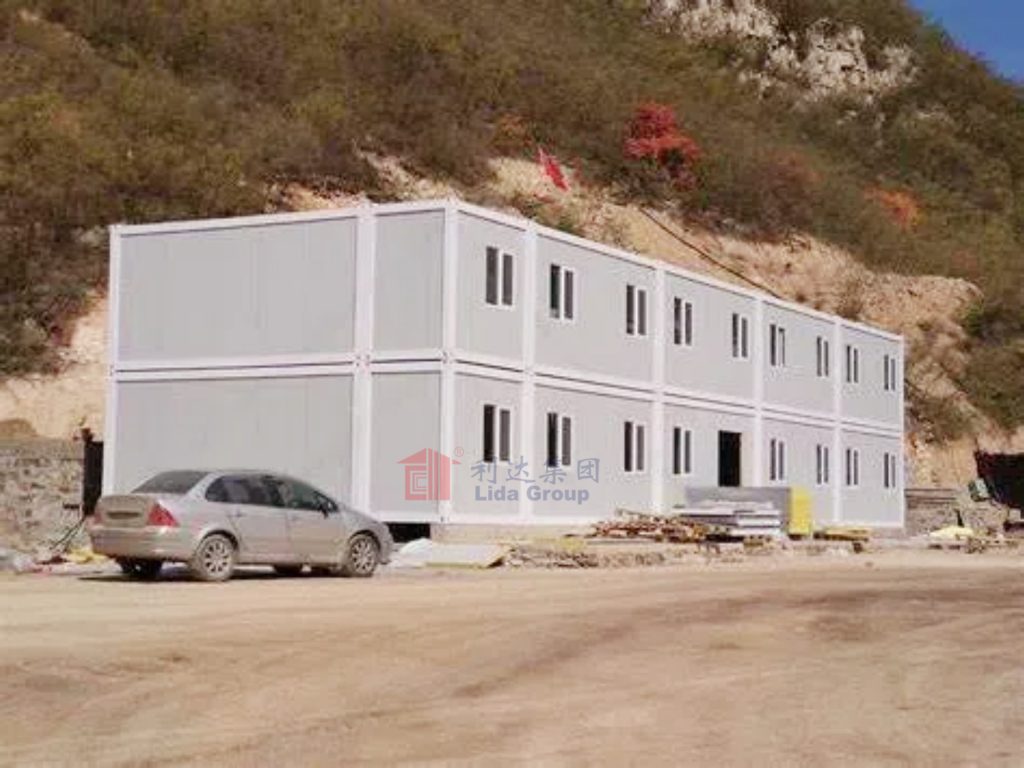
2. Diverse Application Scenarios: Tailored Solutions for Every Need
The versatility of innovative container apartment solutions has expanded their adoption across diverse sectors, from social housing to luxury tourism. Unlike generic prefabricated buildings, today’s offerings are tailored to specific use cases, with customizable designs that balance functionality, aesthetics, and cost. Below are key application areas where these solutions are now widely deployed.
2.1 Affordable and Supportive Housing
Container apartments have emerged as a game-changer for affordable housing initiatives, addressing shortages in densely populated cities. A standout example is LOHA Architects’ Isla Intersections project in South Los Angeles, which transformed a half-acre triangular plot (formerly a traffic median) into 54 supportive housing units for formerly homeless residents. Each 45-square-meter apartment is constructed from three welded steel containers, featuring a bedroom, kitchen, living area, and bathroom. The modular approach shortened the project timeline from 45 months to 30 months, reducing labor costs by 30%.
The design prioritizes community integration, with staggered two-to-five-story container “towers” surrounding internal courtyards and ground-floor spaces for retail, job training, and support services. A rooftop farm and edible garden supply local farmers’ markets, addressing food insecurity in South Los Angeles—a region classified as a “food desert.” This project demonstrates how container solutions can revitalize underused urban land while providing dignified, affordable housing. Similar initiatives have been launched globally: Shenzhen’s Youth Apartment Program offers 28-square-meter container units at rents 40% below market rates, with an 89.3% resident satisfaction rate.
2.2 Cultural Tourism and Experiential Living
The industrial aesthetic of container apartments, combined with their modular flexibility, has made them a popular choice for cultural tourism projects seeking unique, low-impact accommodations. South Africa’s Whale Bay Container Hotel uses cantilevered container designs to create ocean-view suites, commanding $800 per night with a 92% occupancy rate. The rapid construction process minimized disruption to the coastal landscape, aligning with eco-tourism principles.
In China’s Yunnan Province, a ancient town renovation project merged container modules with traditional rammed earth techniques, expanding 20-square-meter containers into 40-square-meter LOFT homestays. These internet-famous accommodations offer a blend of modern comfort and cultural heritage, delivering a 40% higher return on investment than traditional guesthouses. Huazhu Group’s “Mobile Living Lab” initiative has taken this concept further, deploying themed pop-up container communities in 12 Chinese cities, attracting over 50,000 visitors per event and generating significant revenue from experiential services and derivatives.
2.3 Extreme Environments and Emergency Response
The durability and rapid deployment of container apartment solutions make them indispensable for emergency housing and extreme-environment settlements. During the 2024 global health crisis, German manufacturers delivered modular mobile ICU units built from containers, with negative pressure isolation systems installed in just 6 hours—3,000 units were deployed worldwide to expand healthcare capacity. In Ecuador’s post-earthquake reconstruction, 200 earthquake-resistant container homes were delivered in 15 days, equipped with reclaimed water systems achieving 80% annual water savings.
For permanent extreme-environment use, specialized solutions are available. Arctic research stations use container modules with enhanced insulation and heating systems to maintain livable conditions at -40℃, while desert installations incorporate solar shading and heat-reflective coatings. These solutions are not just temporary fixes: the Abu Dhabi oil camp housing has operated for 25 years, demonstrating long-term viability in harsh conditions.
2.4 Flexible Commercial and Temporary Spaces
Businesses and governments are leveraging container apartments for flexible commercial and temporary needs, thanks to their “Lego-style” expandability. Australia’s STACK Innovation Center uses 32 container module combinations to accommodate offices, meeting rooms, and leisure spaces, adapting to a growing team of 1,000 employees from an initial 3-person startup. In China’s Xiongan New Area, a 5,000-square-meter temporary office complex achieved “7-day design, 15-day construction, 3-day relocation”—enabling dynamic adjustment to urban development timelines.
These flexible solutions eliminate the space waste and high renovation costs associated with traditional buildings. For event organizers, pop-up container apartments serve as temporary housing for staff and attendees, with quick disassembly and relocation reducing environmental impact and operational costs.+
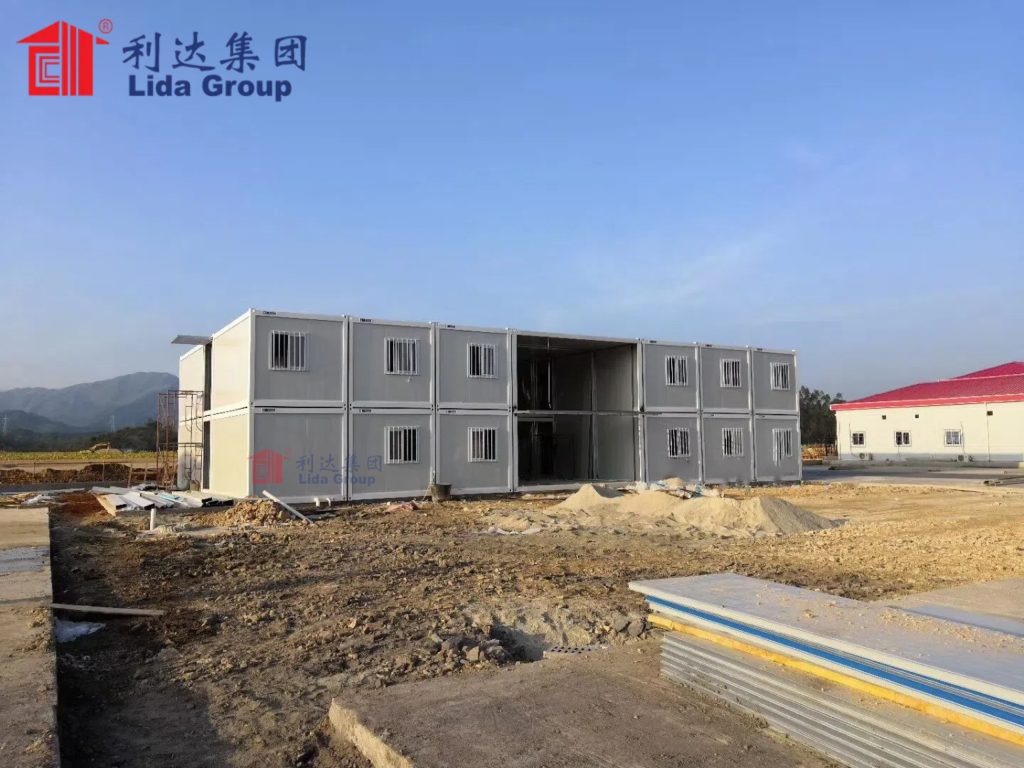
3. Market Availability and Global Deployment
Innovative prefabricated container apartment solutions are no longer niche products—they are widely available through a global network of manufacturers, suppliers, and service providers. The market has seen explosive growth, driven by policy support, increasing demand for sustainable housing, and advancements in production scalability. Below is an overview of the current market landscape and key players.
3.1 Market Growth and Key Suppliers
The global prefabricated container apartment market reached $18 billion in 2025, with a projected compound annual growth rate (CAGR) of 29% to reach $32 billion by 2027. China leads the market, with exports rising 29.4% year-on-year to $870 million in 2024, primarily to Southeast Asia, the Middle East, and Africa. Key manufacturers include CIMC Group, Broad Homes, and Wellcamp, which offer standardized and customizable solutions for residential, commercial, and emergency use.
These suppliers provide end-to-end services, from design and factory prefabrication to transportation, installation, and post-sales maintenance. Wellcamp specializes in folding container systems, offering rapid delivery and assembly for global projects. CIMC integrates smart technology and solar energy into its units, catering to high-end residential and commercial clients. Broad Homes focuses on affordable housing solutions, with modular units certified to LEED Gold and Platinum standards.
3.2 Policy Support and Market Drivers
Governments worldwide are implementing policies to accelerate the adoption of container apartment solutions. In China, the 14th Five-Year Plan mandates that prefabricated buildings account for 30% of new construction by 2025, with container modules identified as a priority. Local governments offer floor area ratio incentives, approval green channels, and subsidies of up to 200 RMB per square meter for modular projects. Internationally, the EU exempts LEED-certified container projects from carbon emission trading fees, while Australia and Singapore provide tax breaks for modular construction.
Market demand is further fueled by the construction industry’s shift toward sustainability. Container apartments reduce embodied carbon by 65% and construction waste by over 80% compared to traditional buildings, aligning with global net-zero goals. Their affordability and rapid deployment also address post-pandemic housing shortages and urban renewal needs, making them a preferred choice for public and private developers.
3.3 Global Case Studies: Scalable Success
The global deployment of container apartment solutions showcases their scalability and adaptability. In Amsterdam, a three-story container apartment complex was assembled in just 72 hours, setting an industry record for speed. The project used BIM+5G technology to ensure precision, with 95% of components prefabricated in a factory. In Perth, Australia, the Ibis Hotel project used container modules to complete a 17-story building in 4 months—60% faster than traditional construction.
In Southeast Asia, folding container apartments are being deployed in urban slum renewal projects, with the ASEAN ATIGA tariff preference reducing logistics costs for regional shipments. In Kenya, solar-powered container homes are providing off-grid housing for rural communities, addressing both shelter and energy access challenges. These global case studies demonstrate that container solutions are not just technologically innovative but also logistically and financially viable across diverse regions.
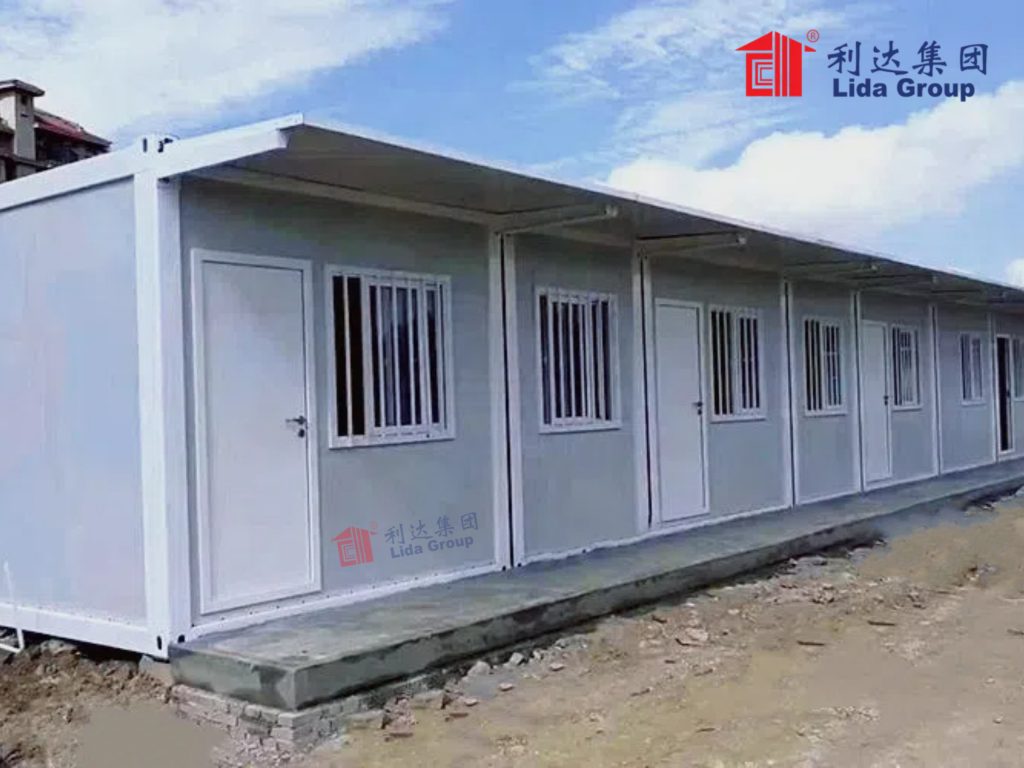
4. Challenges and Optimization Opportunities
While innovative container apartment solutions are widely available, they face persistent challenges that limit broader adoption. Addressing these issues will further enhance their competitiveness and market penetration.
4.1 Current Limitations
Energy efficiency remains a concern for substandard or poorly optimized units. A Belgian family of four living in a 48-square-meter container reported annual electricity costs soaring from €250 to €2,100 due to inadequate insulation—highlighting the need for standardized thermal solutions. Industry fragmentation is another issue: small and medium-sized manufacturers often lack quality control, leading to inconsistent product performance and delivery delays.
Social perception barriers persist, with many associating container housing with temporariness or low quality. This stigma limits adoption in high-end residential markets, despite the aesthetic and functional improvements of modern solutions. Logistical costs also remain a challenge in remote regions, where transportation accounts for 20% of project budgets. Additionally, the low penetration of EPC (Engineering, Procurement, Construction) general contracting models (35% globally) hinders project efficiency and coordination.
4.2 Optimization Strategies
Manufacturers and policymakers are implementing strategies to address these challenges. Standardization of insulation and energy systems—such as 150mm-thick polyurethane insulation layers (thermal conductivity 0.022W/(m·K)) and double-glazed Low-E glass—ensures consistent energy efficiency. Industry associations are developing unified quality standards to reduce fragmentation, while marketing campaigns highlighting the design flexibility and sustainability of container apartments aim to shift public perception.
Logistical costs are being reduced through foldable designs and regional production hubs, which minimize transportation distances. The adoption of EPC models is being promoted through policy incentives, streamlining project management and improving efficiency. Future innovations, such as carbon-negative designs and blockchain-enabled supply chain transparency, will further enhance the sustainability and reliability of container apartment solutions.
Conclusion
Innovative prefabricated container apartment solutions have evolved from experimental concepts to accessible, high-performance housing options that address the most pressing challenges of modern urban living. Today’s offerings—integrating folding modular systems, solar energy autonomy, structural resilience, and smart technology—deliver speed, sustainability, and flexibility that traditional construction cannot match. From Los Angeles’ supportive housing to Dubai’s desert solar villages, these solutions are being deployed globally, proving their viability across diverse climates, cultures, and use cases.
The market for these solutions is expanding rapidly, driven by policy support, sustainability goals, and growing demand for affordable housing. While challenges such as energy efficiency standardization, social perception, and logistical costs remain, ongoing optimizations and technological advancements are addressing these barriers. As manufacturers refine their offerings and governments strengthen supportive policies, container apartment solutions will play an increasingly central role in shaping sustainable, inclusive urban communities.
In essence, the availability of these innovative solutions marks a paradigm shift in housing—one that prioritizes adaptability, sustainability, and accessibility. For cities grappling with population growth, climate change, and housing shortages, prefabricated container apartments are not just a temporary fix but a long-term, scalable solution that redefines what modern living can be. As they become more integrated into urban landscapes, they will continue to transform how we build, live, and interact with our built environment.
Related news
-
Modern Prefabricated Container Apartments Redefine Modular Living
2026-01-28 17:46:25
-
Engineering Excellence in Every High-Quality Construction Project
2026-01-28 17:29:09
-
Lida Group Delivers Premium Metal Frame Warehouse for Logistics Hub
2026-01-28 15:45:37
contact us
- Tel: +86-532-88966982
- Whatsapp: +86-13793209022
- E-mail: sales@lidajituan.com
