



Innovative Prefab Mobile Container House for Flexible Living
2025-Nov-27 11:53:34
By Admin
In an era marked by remote work proliferation, nomadic lifestyles, and the need for adaptable living spaces, the concept of “home” has undergone a profound transformation. No longer confined to permanent structures tied to a single location, modern living demands flexibility, mobility, and customization—qualities that traditional construction struggles to deliver. Enter the innovative prefab mobile container house: a modular solution that merges the durability of shipping containers with cutting-edge design, smart technology, and sustainable practices to redefine flexible living.
At the forefront of this revolution is Lida Group, a global leader in prefabricated construction with over three decades of expertise. The company’s latest line of prefab mobile container houses embodies the future of flexible living, offering seamless mobility, expandable spaces, and multi-functional design that adapts to diverse needs—from digital nomads seeking portable homes to families requiring temporary housing, and emergency responders needing rapid-deployment shelters. This comprehensive article explores the technological innovations, design breakthroughs, real-world applications, and market impact of these innovative dwellings, demonstrating how they are reshaping the way we live, work, and connect with our environments.
1. The Rise of Flexible Living: Market Drivers and Consumer Needs
The global shift toward flexible living is fueled by a confluence of societal, economic, and technological factors that have redefined what people expect from their living spaces. Remote work, which surged by 159% between 2005 and 2021 (Global Workplace Analytics), has untethered millions from traditional office environments, enabling them to work from anywhere. This has given rise to a growing cohort of digital nomads—estimated to reach 1 billion by 2035 (Nomad List)—who prioritize mobility and affordability without sacrificing comfort.
Urbanization and housing shortages have further amplified the demand for flexible solutions. In cities like Tokyo, New York, and Mumbai, skyrocketing real estate prices have made permanent housing unattainable for many, while the rise of short-term work assignments and temporary relocations has increased the need for transitional living spaces. Additionally, natural disasters and humanitarian crises—such as the 2023 Turkey-Syria earthquakes and ongoing conflicts in South Sudan—have highlighted the critical need for rapid-deployment, durable shelters that can adapt to emergency situations.
The global prefab mobile container house market is responding to these demands with robust growth, projected to reach $4.5 billion by 2030 with a compound annual growth rate (CAGR) of 12.8% (Grand View Research). This expansion is driven by three core consumer needs:
- Mobility: The ability to relocate homes easily without sacrificing structural integrity or comfort.
- Adaptability: Spaces that can be reconfigured, expanded, or repurposed to meet changing needs—from solo living to family accommodation, or from residential to workspace.
- Sustainability: Eco-friendly solutions that minimize carbon footprint, reduce waste, and promote energy efficiency.
Lida Group’s innovative prefab mobile container houses address all three needs, leveraging modular design, advanced materials, and smart technology to deliver a living solution that is both versatile and responsible. As the lines between work and life blur, and as people increasingly seek freedom from fixed locations, these dwellings are emerging as the ultimate enabler of flexible living.
2. Technological Innovations: The Engineering Behind Flexible Living
The flexibility of modern prefab mobile container houses is made possible by a suite of technological innovations that transform ordinary shipping containers into intelligent, adaptable homes. Lida Group’s engineering breakthroughs span structural design, material science, mobility systems, and smart integration—each component working in tandem to deliver a seamless, flexible living experience.
2.1 Modular and Expandable Structural Design
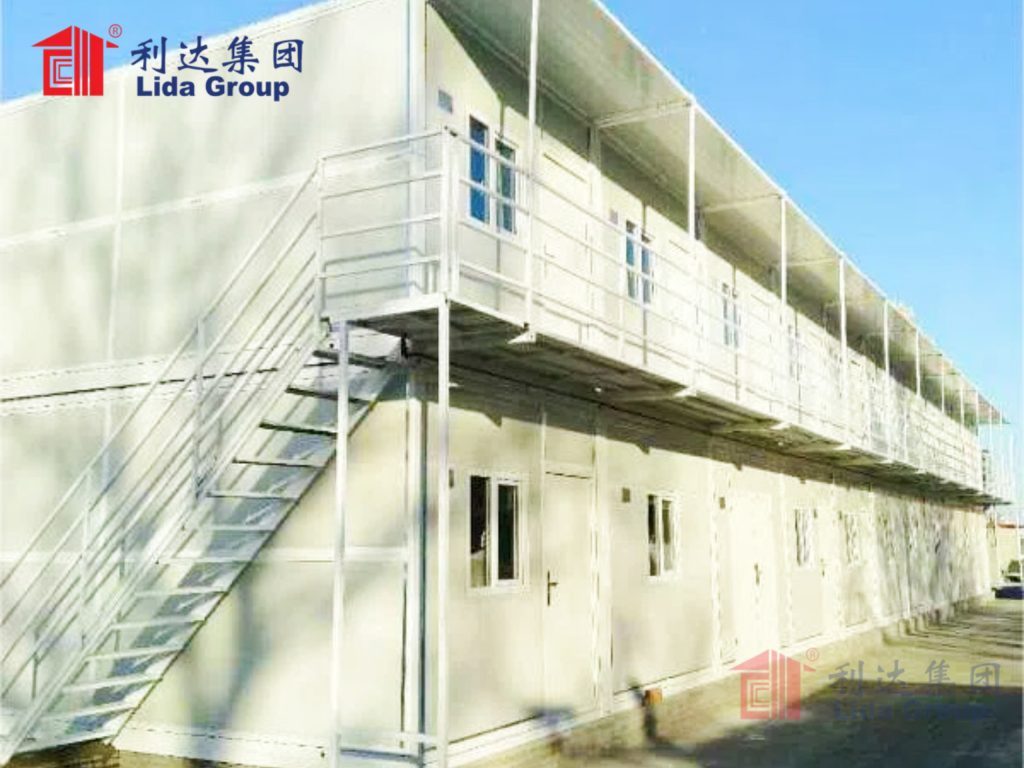
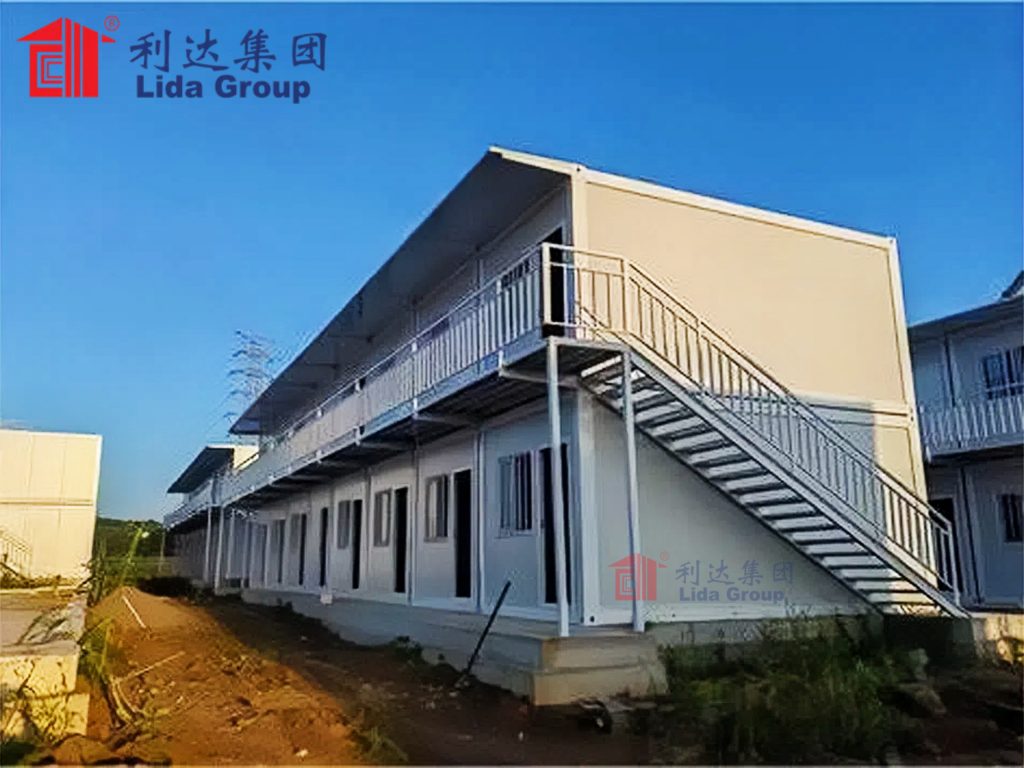
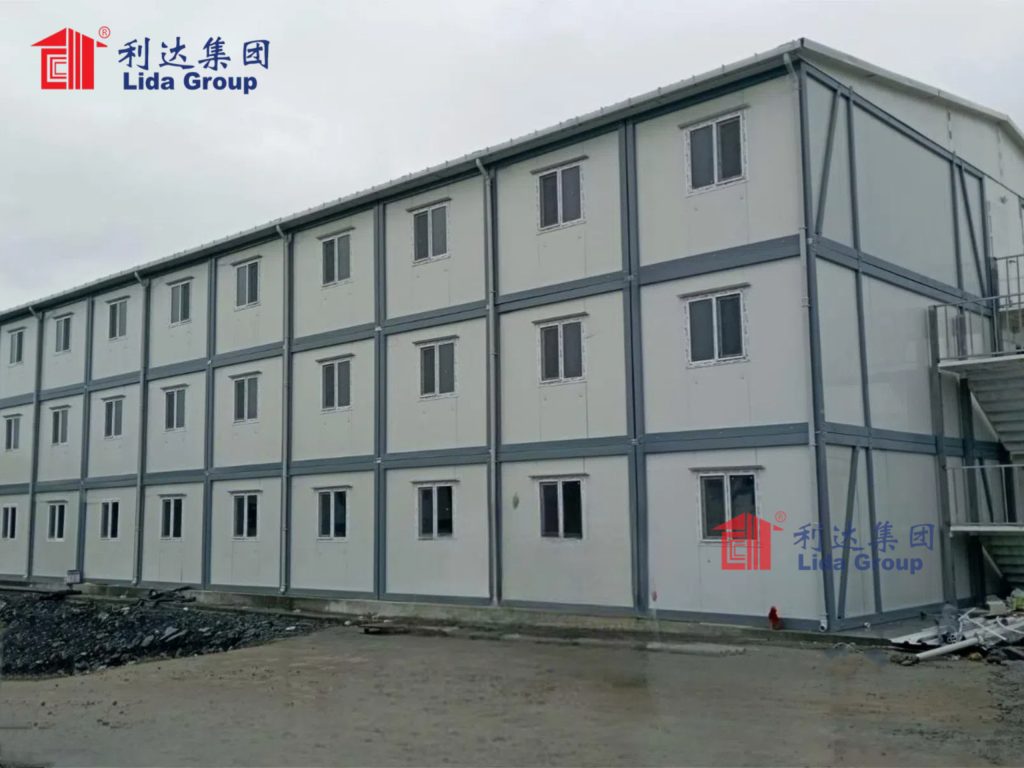
At the core of Lida’s innovative approach is its modular structural design, which allows container homes to be easily expanded, reconfigured, or stacked to maximize space and adaptability. The company’s flagship models—available in 20ft (6055mm × 2435mm × 2896mm) and 40ft (12192mm × 2435mm × 2896mm) configurations—feature a lightweight yet durable Q235 steel frame that supports vertical stacking up to three stories and horizontal expansion through interlocking modules.
A key innovation is the hydraulic expandable system, which allows 20ft containers to double their floor space in under 10 minutes with the push of a button. This technology, inspired by military deployment systems, enables the container’s side walls to slide outward, creating additional living space without compromising structural integrity. For example, Lida’s LD-Expand 20 model expands from 14.8 square meters to 29.6 square meters, accommodating a living room, bedroom, kitchen, and bathroom—all in a unit that remains portable and easy to transport.
The structural frame is engineered to withstand extreme conditions, including 8-grade earthquakes, 4-grade fire resistance (up to 3 hours), and wind loads of 0.6kN/m², making it suitable for deployment in diverse climates and environments. Reinforced corner pillars (210mm × 150mm × 30mm) and galvanized steel components (≥40g/m² zinc coating) ensure corrosion resistance and a service life of 20+ years, even with frequent relocation.
2.2 Advanced Mobility and Deployment Systems
Mobility is a defining feature of Lida’s prefab mobile container houses, enabled by innovative transportation and deployment systems that eliminate the need for heavy machinery or specialized equipment. The containers are designed to be compatible with standard shipping methods—trucks, trains, and ships—allowing for global transportation at a fraction of the cost of traditional mobile homes.
For on-site mobility, select models are equipped with integrated wheel systems that allow the container to be moved within a property without disassembly. These hydraulic wheels, which retract when the container is in use, can support weights of up to 12 tons and are compatible with most terrain types, from urban lots to rural landscapes. For remote locations, Lida offers a “flat-pack + local assembly” option, where components are shipped in a compact bundle and assembled on-site in 4-6 hours by a team of 2-3 workers—no welding or heavy tools required.
Rapid deployment is a critical advantage in emergency scenarios. Inspired by China’s mobile command fleet used for disaster response, Lida’s emergency-focused models can be fully operational within 10 minutes of arrival, including utilities and basic living facilities. This speed was demonstrated during the 2024 South Sudan refugee crisis, where 500 Lida containers were deployed to provide shelter for 2,000 displaced people in just three months.
2.3 Smart Home Integration and Energy Independence
Flexible living requires intelligent spaces that adapt to user behavior, and Lida’s prefab mobile container houses deliver this through seamless smart home integration. Each unit is equipped with a centralized IoT (Internet of Things) system that controls lighting, temperature, security, and appliances via a smartphone app or voice commands. Key smart features include:
- Energy management: Solar panel compatibility (up to 4kW) and battery storage systems enable off-grid living, with energy usage monitoring to optimize efficiency.
- Climate control: Smart thermostats and energy-efficient HVAC systems (powered by heat pumps) maintain comfortable temperatures while reducing energy consumption by up to 30%.
- Security: Motion sensors, smart locks, and remote video monitoring provide peace of mind for nomadic users who frequently relocate.
- Space optimization: Motorized furniture—such as fold-down beds, retractable tables, and wall-mounted storage—maximizes usable space and allows for quick reconfiguration between living, working, and sleeping modes.
Energy independence is a cornerstone of the flexible living concept, and Lida’s containers are designed to minimize reliance on grid power. The roof is pre-wired for solar panels, and the walls and floors feature high-performance insulation (75mm fiberglass sandwich panels with ≥50kg/m³ density) that reduces heating and cooling needs. Rainwater harvesting systems (up to 500L storage capacity) and low-flow fixtures further enhance sustainability, making the units suitable for off-grid or remote locations.
2.4 Sustainable Materials and Eco-Friendly Design
Sustainability is integral to Lida’s innovative approach, with each container house designed to minimize environmental impact throughout its lifecycle. The use of repurposed shipping containers diverts steel from landfills—each container reuses approximately 2.4 tons of steel, reducing carbon emissions by 3.6 tons compared to manufacturing new steel.
The interior and exterior materials prioritize eco-friendliness and health, with zero-VOC (volatile organic compound) paints, formaldehyde-free insulation, and recycled wood flooring. The fiberglass insulation is 100% recyclable and meets Grade A non-flammable standards, while the exterior cladding options include recycled plastic composites and sustainably sourced wood that blend with natural surroundings.
Lida’s manufacturing process further reduces environmental impact, with automated production lines that minimize waste (material utilization rate of 92% compared to 70% for traditional construction) and energy-efficient facilities powered by solar and wind energy. The company’s commitment to sustainability has earned it ISO 14001 environmental certification and alignment with UN Sustainable Development Goals (SDGs) 11 (Sustainable Cities and Communities) and 13 (Climate Action).
3. Design Breakthroughs: From Industrial to Livable
Gone are the days of container homes as spartan, industrial spaces. Lida Group’s innovative designs have transformed steel boxes into warm, inviting living environments that prioritize comfort, aesthetics, and functionality—proving that flexibility does not have to come at the expense of style.
3.1 Interior Design: Multi-Functional and Customizable Spaces
The interior of Lida’s prefab mobile container houses is a masterclass in space optimization, with every square meter designed to serve multiple purposes. The expandable models feature open floor plans that can be divided using modular partitions, allowing users to create private zones for sleeping, working, and entertaining. For example:
- The living area includes a sofa that converts into a guest bed, a coffee table that raises to dining height, and wall-mounted shelves that double as storage and decor.
- The bedroom features a Murphy bed that folds up to reveal a workspace or exercise area, maximizing usable space during the day.
- The kitchen is equipped with compact, energy-efficient appliances (induction cooktop, mini-fridge, microwave) and pull-out storage solutions that eliminate clutter.
Customization is a key design principle, with Lida offering a range of interior finishes to suit individual tastes—from minimalist white and wood to industrial chic with exposed steel beams. Clients can choose from flooring options (PVC, bamboo, recycled carpet), wall treatments (paint, wood paneling, fabric), and lighting fixtures (LED recessed lights, pendant lamps, smart bulbs) to create a space that feels personal and unique.
For families or groups, Lida offers modular combinations that connect multiple containers to form larger dwellings. Two 40ft containers, for example, can be joined to create a 96-square-meter home with three bedrooms, two bathrooms, and an open-plan living area—all while remaining portable and adaptable to future needs.
3.2 Exterior Design: Aesthetics Meets Functionality
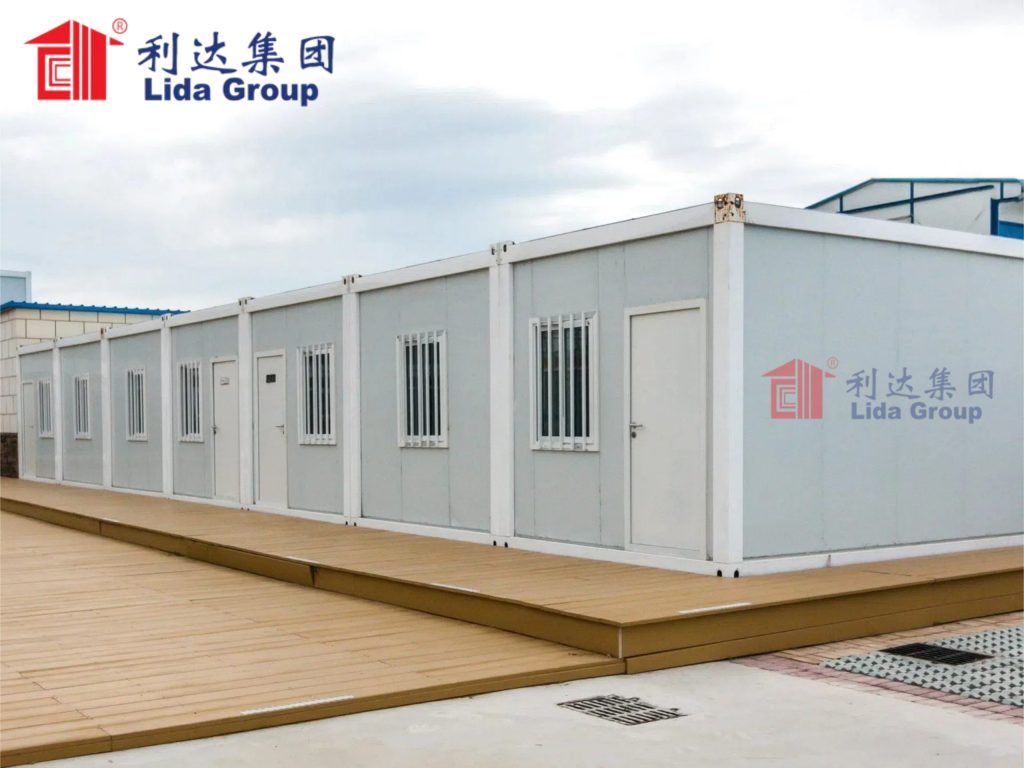
The exterior of Lida’s prefab mobile container houses challenges the “industrial box” stereotype with designs that blend functionality with visual appeal. The standard steel exterior can be customized with a range of cladding options, including:
- Wooden siding: Sustainably sourced cedar or bamboo that adds warmth and integrates with natural surroundings.
- Fiber cement panels: Durable, low-maintenance panels available in a variety of colors and textures, including stone and brick finishes.
- Green walls: Vertical gardens that improve insulation, reduce heat absorption, and enhance biodiversity—ideal for urban or eco-conscious users.
Large windows and sliding glass doors are a signature design element, maximizing natural light and creating a connection between indoor and outdoor spaces. The 40ft LD-Premium model features floor-to-ceiling windows (UPVC frames with double glazing) that cover 30% of the exterior, flooding the interior with light and reducing the need for artificial lighting during the day. Optional features such as balconies, awnings, and outdoor decks extend living space outdoors, creating a seamless transition between inside and out.
The exterior design also prioritizes functionality, with integrated storage compartments for tools and equipment, built-in utility connections (water, electricity, sewage), and reinforced corners for easy lifting and transportation. The compact footprint (20ft or 40ft) makes the containers suitable for small lots, urban gardens, or remote properties where space is limited.
4. Real-World Applications: Flexible Living in Action
Lida Group’s innovative prefab mobile container houses have been deployed in a wide range of scenarios, demonstrating their versatility and adaptability to diverse needs. From digital nomad retreats to emergency shelters, these dwellings are proving that flexible living is not just a trend—it’s a practical solution for modern challenges.
4.1 Digital Nomad and Remote Work Communities
Digital nomads require spaces that are portable, affordable, and equipped for remote work—and Lida’s container houses deliver on all fronts. In Bali, Indonesia, a community of 50 digital nomads has established a “nomad village” using Lida’s 20ft expandable models. Each unit serves as a home and office, with a dedicated workspace, high-speed internet (via satellite), and solar power for off-grid living. The village features shared amenities, including a communal kitchen, co-working space, and outdoor lounge, creating a sense of community while maintaining individual flexibility.
One resident, a software developer from San Francisco, notes: “The Lida container allows me to work from anywhere without sacrificing comfort. I can relocate to a new beach or mountain town every few months, and the entire process takes just a few days. The expandable design means I have enough space for my desk, bed, and kitchen—something I couldn’t find in a traditional tiny home.”
The cost-effectiveness of these units is a key advantage for nomads: the 20ft expandable model starts at $15,000, which is 50% less than the average price of a tiny home in the United States. Combined with low transportation costs (flat-pack shipping reduces costs by 60%) and minimal maintenance, Lida’s containers offer an affordable path to location-independent living.
4.2 Emergency Response and Humanitarian Aid
In crisis situations, flexible and rapid-deployment housing can mean the difference between life and death. Lida’s prefab mobile container houses have become a go-to solution for NGOs and governments, thanks to their durability, speed of deployment, and adaptability to harsh conditions.
During the 2024 South Sudan refugee crisis, the UNHCR contracted Lida to deliver 500 20ft containers to shelter displaced families. The units were shipped flat-packed to the Port of Mombasa, Kenya, then transported overland to South Sudan—reducing shipping costs by $300,000 compared to fully assembled units. Local workers were trained to assemble the containers in 4 hours each, and the entire project was completed in three months—half the time required for traditional emergency shelters.
Each container was equipped with basic living facilities, including a sleeping area, bathroom, and cooking nook, as well as solar panels for electricity and water filtration systems. The units withstood extreme temperatures (5°C to 40°C) and heavy rainfall, providing a safe and dignified living space for 2,000 refugees. The modular design allowed the UNHCR to reconfigure the camp as needs changed, adding communal kitchens and medical facilities as more families arrived.
Lida’s emergency models have also been used in China’s Sichuan province, where they are part of the mobile command fleet deployed for earthquake response. These units serve as temporary command centers, medical facilities, and living quarters for rescue teams, with integrated communication systems that ensure connectivity even in “three-cut” (power, water, communication) scenarios.
4.3 Temporary and Transitional Housing
Urban housing shortages and temporary relocations have created a growing demand for transitional housing solutions that are affordable, comfortable, and easy to deploy. Lida’s prefab mobile container houses are addressing this need in cities around the world, from Guangzhou to London.
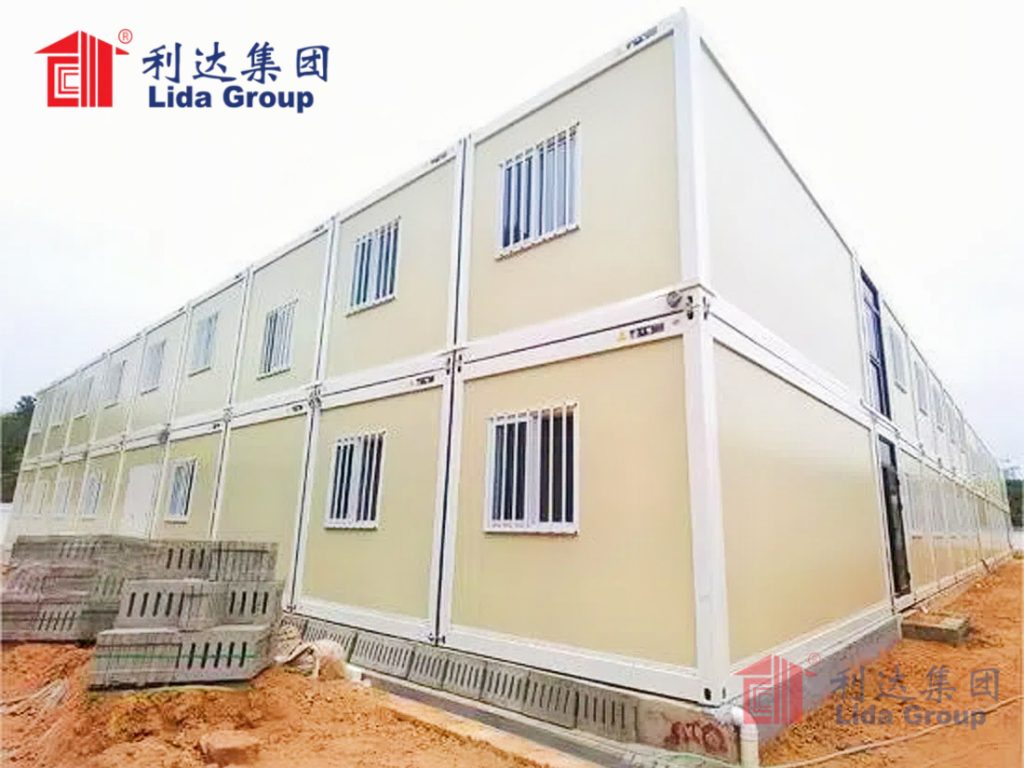
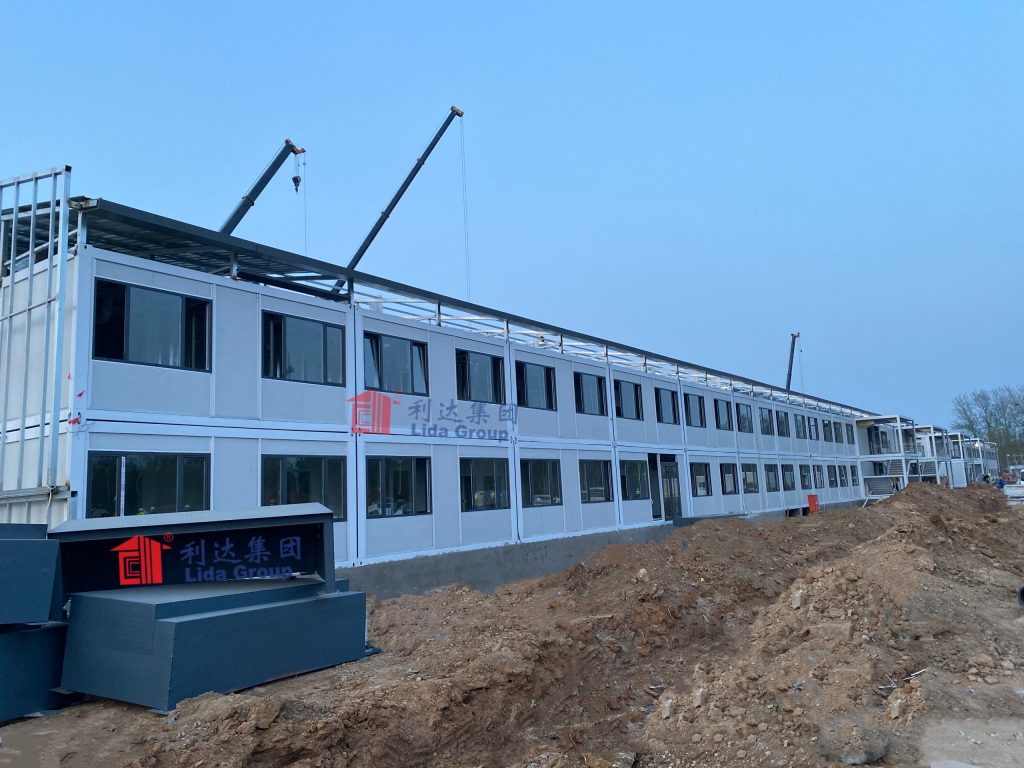
In Guangzhou, China, the municipal government partnered with Lida to build a temporary housing complex for 480 workers involved in the city’s subway expansion project. The complex, consisting of 120 40ft containers, was assembled in just four months—compared to 12 months for a traditional building—and cost $2.4 million, 30% less than the average cost of temporary housing in the city. Each container accommodates four workers, with shared kitchens, bathrooms, and recreational facilities. The modular design allows the complex to be disassembled and relocated to other construction sites once the project is complete, reducing waste and maximizing resource efficiency.
In London, Lida’s containers are being used as affordable housing for young professionals in the city’s East End. The “Container Living London” development features 50 expandable units, each with a living area, bedroom, kitchen, and bathroom, priced at £800 per month—50% less than the average rent for a studio apartment in the area. The development includes shared gardens, co-working spaces, and bicycle storage, catering to the needs of young, mobile professionals who value flexibility and community.
4.4 Recreational and Vacation Homes
Flexible living extends to leisure, with Lida’s prefab mobile container houses emerging as a popular choice for vacation homes and recreational retreats. Their portability allows users to relocate their vacation home to different destinations—from mountain cabins to beachfront getaways—while their durable design withstands the elements and requires minimal maintenance.
In Western Australia, a mining company used Lida’s 40ft containers to build a worker camp at a remote mining site. The camp, which houses 1,000 workers, features 250 containers configured as dormitories, kitchens, and recreational facilities. The units are equipped with advanced insulation to handle temperatures up to 45°C and solar panels to reduce energy costs. The camp was assembled in six weeks—compared to six months for a traditional camp—and saved the mining company $2 million in operational costs due to earlier project startup.
For individual vacation homeowners, Lida’s 20ft expandable model offers a compact yet comfortable retreat that can be transported to vacation properties. A family in Colorado, USA, uses their Lida container as a mountain cabin, relocating it to different trails each season. The unit’s off-grid capabilities (solar power, rainwater harvesting) allow it to be used in remote areas without utility access, while the expandable design provides enough space for the family of four to relax and entertain.
5. Market Impact and Competitive Advantage
Lida Group’s innovative prefab mobile container houses are reshaping the global flexible living market, setting new standards for mobility, adaptability, and sustainability. The company’s competitive advantage stems from its ability to integrate advanced technology, scalable production, and user-centric design—all while maintaining cost-effectiveness and quality.
5.1 Disrupting Traditional Mobile Housing
Traditional mobile homes and RVs (recreational vehicles) have long dominated the flexible living market, but they suffer from significant limitations: high cost, poor durability, and limited customization. Lida’s prefab mobile container houses address these pain points, offering a more affordable, durable, and adaptable alternative.
Compared to RVs, which typically cost \(50,000-\)100,000 and have a service life of 10-15 years, Lida’s containers start at $15,000 and last 20+ years with minimal maintenance. They offer more living space (up to 29.6 square meters for the 20ft expandable model) and better insulation, making them suitable for year-round use in diverse climates. Unlike RVs, which require specialized transportation and storage, Lida’s containers can be shipped via standard methods and stored on any flat surface, reducing long-term costs.
Traditional modular homes, while more durable than RVs, lack mobility and are often tied to permanent foundations. Lida’s containers, by contrast, can be relocated multiple times without compromising structural integrity, making them ideal for users who value flexibility and change.
5.2 Leading the Global Flexible Living Market
Lida Group’s global footprint and production capacity position it as a leader in the prefab mobile container house market. The company operates two state-of-the-art manufacturing facilities in China (Weifang and Guangzhou) with a combined annual production capacity of 9,600 units, allowing it to meet demand from clients in 149 countries.
The company’s competitive edge is further strengthened by its:
- Scalable production: High-volume manufacturing reduces unit costs, allowing Lida to offer competitive pricing while maintaining quality.
- Global supply chain: Localized sourcing (85% of raw materials from China) and partnerships with international suppliers reduce shipping costs and lead times.
- Customization capabilities: A 3D design tool allows clients to customize their containers online, selecting from a range of finishes, features, and configurations—from basic emergency shelters to luxury vacation homes.
- Certifications and compliance: ISO 9001 (quality), ISO 14001 (environmental), ISO 45001 (safety), and CE (EN1090) certifications ensure compliance with global standards, making it easier to enter international markets.
5.3 Shaping the Future of Flexible Living
Lida’s innovations are not just driving its own growth—they are shaping the future of the flexible living industry. By proving that container homes can be mobile, adaptable, and stylish, the company is challenging outdated perceptions and inspiring other manufacturers to invest in similar technologies.
The company’s focus on sustainability is also influencing industry practices, with competitors increasingly adopting recycled materials, energy-efficient designs, and eco-friendly manufacturing processes. Lida’s commitment to off-grid capabilities and renewable energy integration is responding to a growing consumer demand for self-sufficient living spaces, particularly in the wake of climate change and increasing natural disasters.
As remote work and nomadic lifestyles continue to grow, Lida Group is well-positioned to capitalize on these trends, expanding its product line to include more specialized models—such as luxury expandable containers, family-sized modular homes, and disaster-specific emergency shelters. The company’s investment in research and development, including AI-powered space optimization and advanced mobility systems, ensures that it will remain at the forefront of the flexible living revolution.

6. Challenges and Future Directions
While Lida Group’s prefab mobile container houses offer significant advantages, the flexible living market still faces challenges that must be addressed to achieve mainstream adoption. These include regulatory barriers, limited awareness, and technical limitations that the industry is working to overcome.
6.1 Regulatory and Zoning Barriers
In many countries, zoning laws and building codes were designed for permanent structures, making it difficult to legally place mobile container homes in residential areas. Some regions restrict the use of container homes to industrial zones or temporary shelters, limiting their appeal to mainstream consumers.
Lida Group is addressing this challenge by working with governments to update building codes and zoning regulations. The company’s compliance with international standards (ISO, CE) has helped it gain approval in key markets, including the European Union, Australia, and parts of North America. In China, Lida has partnered with local governments to develop pilot projects that demonstrate the safety and livability of container homes, leading to the adoption of new regulations that allow their use in residential areas.
6.2 Technical Limitations and Innovation Opportunities
While current models offer significant flexibility, there are still technical limitations to address. For example, the weight of expandable models (up to 12 tons) can limit mobility on rough terrain, and energy storage capacity for off-grid use is still relatively limited (4-8kWh per unit).
Lida Group is investing in research and development to overcome these challenges, with a focus on:
- Lightweight materials: Exploring the use of carbon fiber and recycled plastic composites to reduce weight without compromising durability.
- Advanced energy storage: Developing high-capacity lithium-ion battery systems that extend off-grid living time to 7+ days.
- Autonomous mobility: Integrating electric propulsion systems that allow the container to move short distances without a truck or trailer.
- AI-driven design: Using artificial intelligence to optimize space utilization and energy efficiency based on user behavior.
6.3 Market Awareness and Consumer Education
Despite growing interest, many consumers still associate container homes with spartan, industrial spaces, unaware of the modern, comfortable designs available today. Lida Group is addressing this through targeted marketing campaigns, social media content, and model homes that allow potential clients to experience the living space firsthand.
The company is also partnering with influencers and digital nomad communities to showcase real-world use cases, demonstrating how container homes can be customized to meet diverse needs. By highlighting the cost savings, sustainability, and flexibility of its products, Lida is working to shift consumer perceptions and position container homes as a viable alternative to traditional housing.
7. Conclusion
Innovative prefab mobile container houses are redefining flexible living, offering a solution that is mobile, adaptable, sustainable, and affordable—all while maintaining comfort and style. Lida Group’s leadership in this space, driven by three decades of engineering expertise and a user-centric approach, has resulted in products that address the core needs of modern consumers: freedom from fixed locations, the ability to adapt to changing lifestyles, and a commitment to sustainability.
Through technological innovations such as hydraulic expandable systems, smart home integration, and advanced mobility solutions, Lida has transformed the humble shipping container into a versatile living space that can serve as a nomad’s home, emergency shelter, temporary housing, or vacation retreat. Real-world applications around the globe—from South Sudan refugee camps to Bali nomad villages—demonstrate the tangible impact of these innovations, improving lives and addressing pressing global challenges.
As the world continues to shift toward flexible, location-independent living, Lida Group is well-positioned to lead the way, with ongoing investments in research and development, global market expansion, and regulatory advocacy. The company’s prefab mobile container houses are not just a housing solution—they are a lifestyle enabler, empowering people to live on their own terms, wherever life takes them.
In a world where the concept of “home” is no longer tied to a single place, Lida Group’s innovative designs prove that flexibility and comfort can coexist. By championing prefab mobile container houses for flexible living, the company is not just building homes—they are building a future where living spaces adapt to people, not the other way around. This future is already here, and it’s reshaping the way we live, work, and connect with the world around us.
Related news
-
Experience Modern Free Design in Container Building
2025-11-27 11:22:22
-
Lida Group Champions Cost-Effective Prefab Construction
2025-11-27 11:39:07
-
Lida Group Unveils New Prefab Mobile Container House Series
2025-11-27 11:00:23
contact us
- Tel: +86-532-88966982
- Whatsapp: +86-13793209022
- E-mail: sales@lidajituan.com
