



Innovative Prefab House Features Easy Install Sandwich Panel System
2026-Jan-06 13:34:03
By Admin
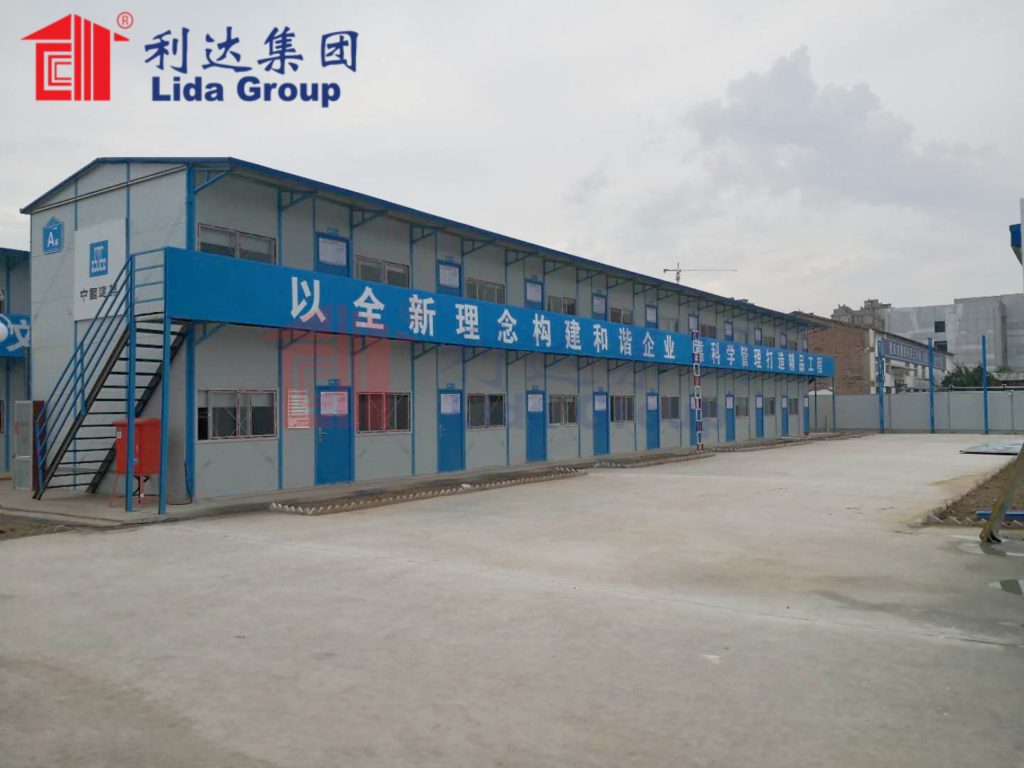
The global construction industry is undergoing a profound transformation driven by the need for efficiency, sustainability, and affordability. As urbanization accelerates and housing shortages become prevalent in both developed and developing regions, prefabricated construction has emerged as a viable solution to address these challenges. Among the key innovations revolutionizing prefab housing is the integration of easy-install sandwich panel systems, which combine structural integrity, thermal performance, and rapid assembly capabilities. This article explores the technical characteristics, advantages, application scenarios, and market impact of innovative prefab houses equipped with easy-install sandwich panel systems, shedding light on how this technology is reshaping the future of construction.
1. Introduction to Prefabricated Housing and Sandwich Panel Technology
1.1 The Evolution of Prefabricated Construction
Prefabricated housing, often referred to as prefab housing, involves the manufacturing of building components in a controlled factory environment before transporting them to the construction site for assembly. This method stands in contrast to traditional on-site construction, which relies on piece-by-piece building with raw materials. The concept of prefabrication is not new—early examples date back to the 19th century, with innovations like the “kit houses” popularized in the United States during the early 20th century. However, recent advancements in materials science, manufacturing technology, and digital design have elevated prefab housing from a niche solution to a mainstream alternative.
According to market research, the global prefabricated housing market was valued at USD 14.30 billion in 2024 and is projected to reach USD 18.01 billion by 2033, growing at a compound annual growth rate (CAGR) of 2.6% . This growth is fueled by rising environmental consciousness, urban congestion, and government initiatives promoting sustainable building practices. In many regions, 35% of new residential construction now adopts modular or panelized systems, a testament to the industry’s shifting paradigm .
1.2 What Are Sandwich Panels?
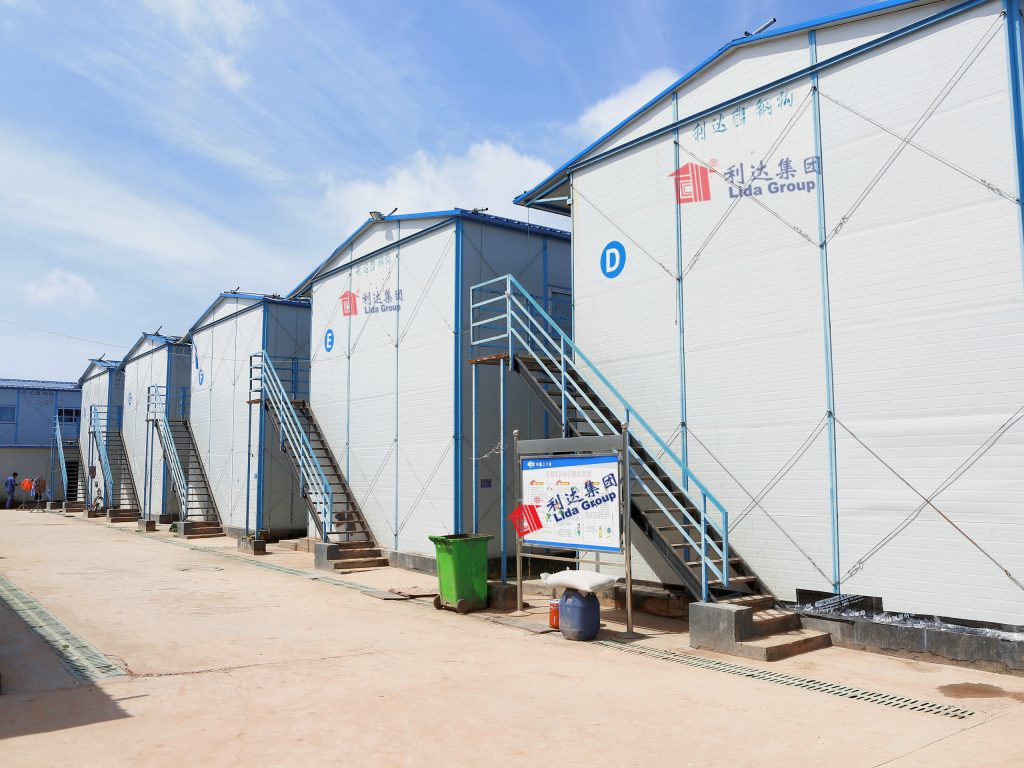
Sandwich panels are high-performance building components consisting of three layers: two outer facings (often made of metal, wood, or concrete) and a core material that provides insulation, rigidity, and structural support. The core is typically composed of insulating materials such as polyurethane (PU), polyisocyanurate (PIR), expanded polystyrene (EPS), or rock wool. This layered structure creates a lightweight yet durable panel that offers multiple functional benefits, including thermal insulation, soundproofing, fire resistance, and weather protection .
The development of sandwich panels has evolved significantly over the decades. In 1946, architect Alden B. Dow pioneered the use of sandwich panels for low-cost housing, using Styrofoam cores glued to plywood facings . By the 1950s, this technology had demonstrated its efficiency—three sandwich panel houses were constructed side by side, with the third completed in just six weeks as builders mastered the assembly process . Today, modern sandwich panels incorporate advanced materials and manufacturing techniques, including precision cutting, automated lamination, and interlocking systems, making them easier to install and more versatile than ever before.
2. Technical Characteristics of Easy-Install Sandwich Panel Systems
2.1 Core Material Options and Performance
The core material is a critical component of sandwich panels, as it dictates key performance attributes such as thermal conductivity, fire resistance, and compressive strength. Manufacturers offer a range of core materials tailored to specific application requirements:
-
Polyurethane (PU)/Polyisocyanurate (PIR): These are the most widely used core materials for high-performance sandwich panels. PU/PIR cores have a density of 40 ± 2 kg/m³, offering excellent compressive strength (≥150 kPa) and thermal insulation with a thermal conductivity of 0.022–0.023 W/(m·K) . They are resistant to extreme temperatures (-50°C to +120°C) and meet strict fire safety standards, including ASTM E84 Class A and Euroclass B-S1, d0 . PVDF-coated galvalume steel facings further enhance durability, providing UV resistance and rust protection for coastal environments .
-
Expanded Polystyrene (EPS): EPS cores are cost-effective and lightweight, making them suitable for residential prefab projects. They offer good thermal insulation but have lower compressive strength compared to PU/PIR. EPS sandwich panels are often used in low-rise housing and temporary structures .
-
Rock Wool: Rock wool cores excel in fire resistance, achieving Class A fire ratings. They are ideal for commercial and industrial prefab buildings where fire safety is a priority. Rock wool also provides excellent sound insulation but has a higher thermal conductivity (0.038 W/(m·K)) than PU/PIR .
Modern sandwich panels also incorporate eco-friendly features, such as zero CFCs/HCFs and Greenguard Gold certification for low VOC emissions, making them suitable for residential, food, and pharmaceutical applications . FSC-certified timber facings and locally sourced materials further enhance the sustainability profile of these panels .
2.2 Easy-Install Design Features
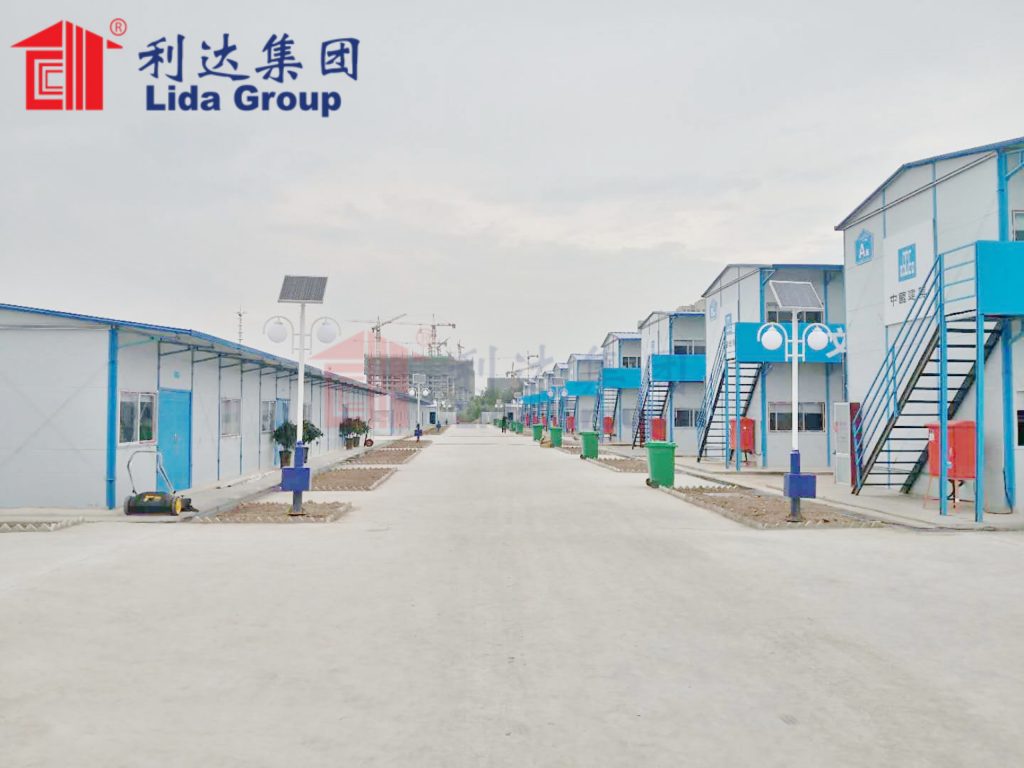
The hallmark of innovative sandwich panel systems is their user-friendly installation design, which minimizes labor requirements, reduces construction time, and eliminates the need for specialized skills. Key design features enabling easy installation include:
2.2.1 Interlocking Mechanisms
Many modern sandwich panels feature tongue-and-groove or snap-fit interlocking systems that allow panels to be joined seamlessly without the need for complex fasteners. These mechanisms ensure a tight, airtight seal while simplifying alignment. For example, Shanghe Panel’s snap-fit sandwich panels can cover 1000 square feet in just 3 hours, a testament to their efficiency . Hidden fastener systems further enhance aesthetics by eliminating visible screws, creating a sleek, uniform finish .
2.2.2 Lightweight Construction
Sandwich panels are significantly lighter than traditional building materials, such as brick or concrete. A standard 4×8-foot panel can be handled by a single worker, reducing the need for heavy machinery . This lightweight nature is particularly advantageous for projects in remote or difficult-to-access locations, where transporting heavy materials is challenging .
2.2.3 Precision Manufacturing
Factory prefabrication ensures panels are cut to exact specifications with millimetric precision (±2mm). This eliminates on-site cutting and waste, streamlining the assembly process. For example, China Construction Technology‘s CMC steel-concrete composite modular production line achieves “12 minutes per wall and 2 hours per room” production speeds, with panels designed for seamless on-site assembly .
2.2.4 Versatile Compatibility
Easy-install sandwich panels are compatible with various structural systems, including light steel frames, metal web joists, and modular units. They can be used for walls, roofs, and floors, providing a comprehensive building envelope solution. Door and window openings can be pre-cut at the factory or easily modified on-site, offering design flexibility .
2.3 Structural Integrity and Durability
Despite their lightweight design, sandwich panel systems offer exceptional structural integrity. When combined with light steel framing, they can withstand wind loads, snow loads, and seismic activity. For example, China Construction Science and Industry’s ME-House modular system achieves an 8-degree seismic rating, making it suitable for high-risk regions . The panels’ durability is further enhanced by anti-corrosion treatments, such as galvanization and PVDF coatings, which provide a 20-year rust-free guarantee .
With proper maintenance, sandwich panel prefab houses have a service life of up to 50 years .

3. Advantages of Prefab Houses with Easy-Install Sandwich Panel Systems
3.1 Speed of Construction
One of the most significant advantages of sandwich panel prefab houses is their rapid construction time. Off-site manufacturing of panels eliminates weather delays and on-site material waste, while easy-install systems reduce labor hours. For example, a 300-square-meter prefab house can be assembled by 6 workers in just 2 days, with each worker installing 20–30 square meters per day . In commercial projects, sandwich panels have helped shave 4 months off hospital construction schedules and reduced warehouse build times by 60% . The Church Wood self-build project in the UK, which used SIP (Structural Insulated Panel) sandwich panels, demonstrated that even complex woodland plots can be transformed into habitable homes quickly, with the entire shell completed in a fraction of the time required for traditional construction .
3.2 Cost Efficiency
Sandwich panel prefab houses offer cost savings throughout the project lifecycle. Reduced construction time lowers labor costs, while factory manufacturing minimizes material waste (up to 75% less waste than traditional construction) . The energy efficiency of sandwich panels also translates to long-term savings—Walmart reports a 40% reduction in energy costs for warehouses using these panels . Additionally, the ability to disassemble and reuse panels multiple times reduces lifecycle costs, making them ideal for temporary or relocatable structures .
While upfront costs for sandwich panels may be higher than traditional materials, the total cost of ownership is lower due to reduced maintenance, energy savings, and faster occupancy. For self-builders, this means earlier access to their homes and lower financing costs .
3.3 Energy Efficiency and Sustainability
Sandwich panel systems are inherently energy-efficient, thanks to their high insulation values and airtight construction. The Church Wood project, which used 194mm SIP wall panels and 219mm SIP roof panels, achieved an EPC A rating and significantly lower heating costs compared to standard new builds . When combined with renewable technologies like air source heat pumps and mechanical ventilation with heat recovery (MVHR) systems, sandwich panel prefab houses can achieve net-zero energy consumption .
From a sustainability perspective, sandwich panel prefab houses reduce carbon emissions by minimizing on-site construction activity, which accounts for a significant portion of the construction industry’s carbon footprint. Off-site manufacturing reduces transportation needs and waste, while the use of recycled and renewable materials further lowers environmental impact . For example, China Construction HaiLong’s MiC modular system reduces lifecycle carbon emissions by 8.39% and waste by 75%..
3.4 Design Flexibility
Gone are the days of “one-size-fits-all” prefab homes. Modern sandwich panel systems offer exceptional design flexibility, supporting a wide range of architectural styles and layouts. Panels are available in custom sizes (up to 14 meters in length) and over 20 RAL colors, as well as woodgrain, stone grain, and metallic finishes . This allows homeowners and architects to create unique, aesthetically pleasing homes that blend with their surroundings. The Church Wood project, for example, used large glazed walls supported by SIP panels to maximize natural light and woodland views .
Modular design also enables future expansion, with additional panels or modules easily added to accommodate changing needs. This flexibility is particularly valuable in urban areas where space is limited, as well as in rural regions where families may need to expand their homes over time .
3.5 Health and Comfort
Sandwich panel prefab houses prioritize occupant health and comfort through superior insulation, soundproofing, and air quality. The airtight envelope created by interlocking panels reduces drafts and maintains a consistent indoor temperature, eliminating cold spots and reducing the risk of mold growth . Sound insulation properties of the panels (especially those with rock wool or PU cores) reduce external noise, creating a quiet living environment—homeowners at the Church Wood project described their home as “warm, quiet, and effortless to run” .
Factory manufacturing also ensures better indoor air quality, as panels are produced in a controlled environment free from on-site dust, moisture, and volatile organic compounds (VOCs). Greenguard Gold certification and low-VOC materials further enhance indoor air quality, making sandwich panel prefab houses suitable for individuals with allergies or respiratory conditions .
4. Application Scenarios of Sandwich Panel Prefab Houses
4.1 Residential Construction
Residential prefab houses with sandwich panel systems are gaining popularity in both urban and rural areas. They are used for single-family homes, duplexes, apartments, and affordable housing projects. The Church Wood self-build project in the UK exemplifies how sandwich panels can transform challenging plots into high-performance homes . In Asia-Pacific, where urban housing shortages are acute, prefab sandwich panel homes are being deployed at scale—China’s China Construction Technology has built modular housing projects that deliver hardcover homes in record time, such as the Shenzhen Huazhang New Construction Affordable Housing Project, which completed 5 near-100-meter buildings in just 1 year .
Wellness-focused residential projects are also leveraging sandwich panel systems. These homes incorporate features like enhanced ventilation, noise reduction, and natural light optimization, aligning with the growing demand for health-centric housing—28% of mid- and high-income buyers now seek homes designed for improved recovery and mental clarity .
4.2 Commercial and Industrial Buildings
Sandwich panel systems are widely used in commercial and industrial prefab buildings, including warehouses, factories, offices, and retail spaces. Their rapid installation, durability, and energy efficiency make them ideal for large-scale projects. Tesla used sandwich panels to construct its Berlin Gigafactory in record time, while Walmart has adopted them for warehouses to reduce energy costs by 40% . Hospitals and schools also benefit from sandwich panels’ fire resistance and soundproofing— a Chicago hospital project reduced its construction schedule by 4 months using prefabricated sandwich panels .
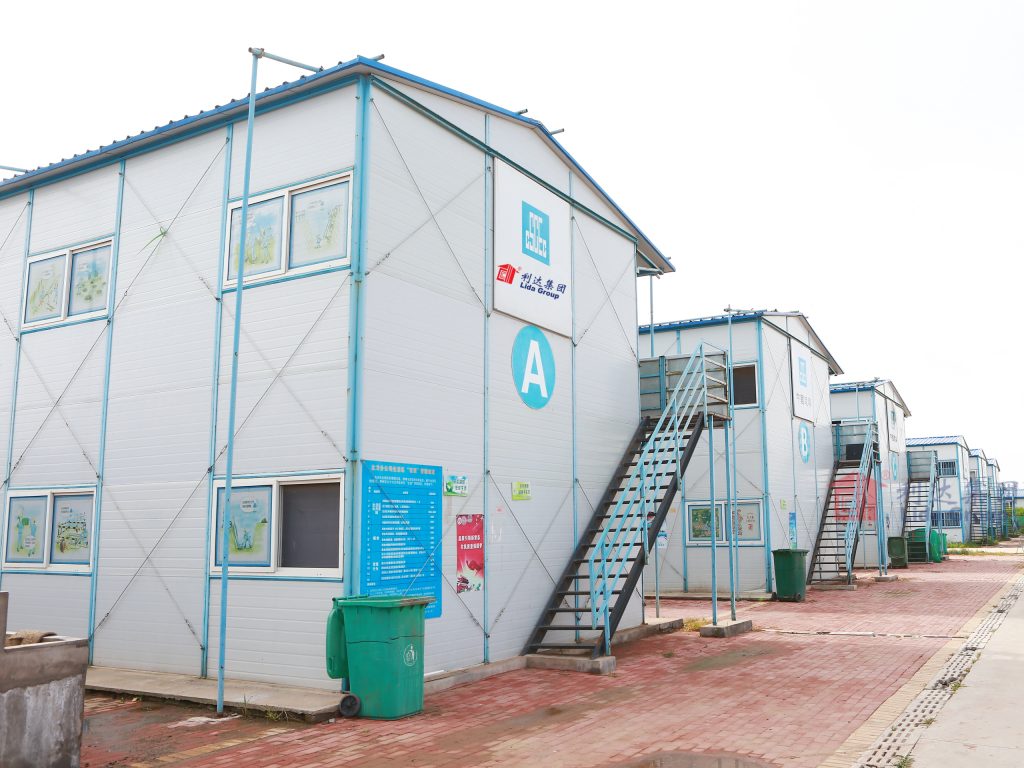
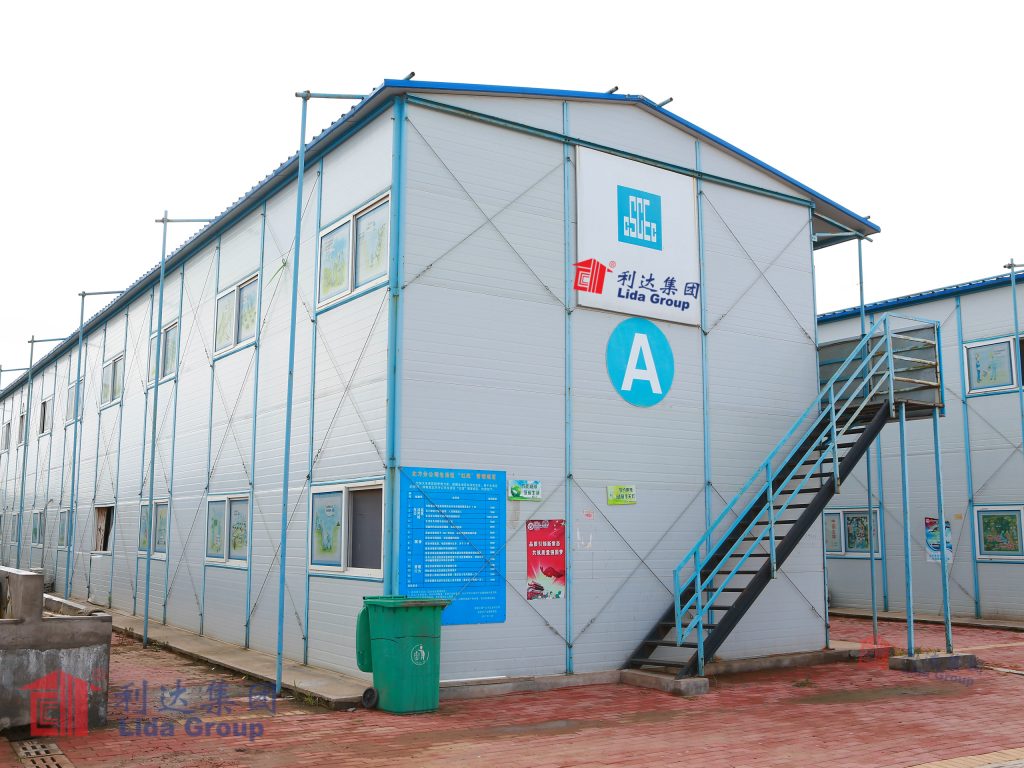
4.3 Temporary and Emergency Housing
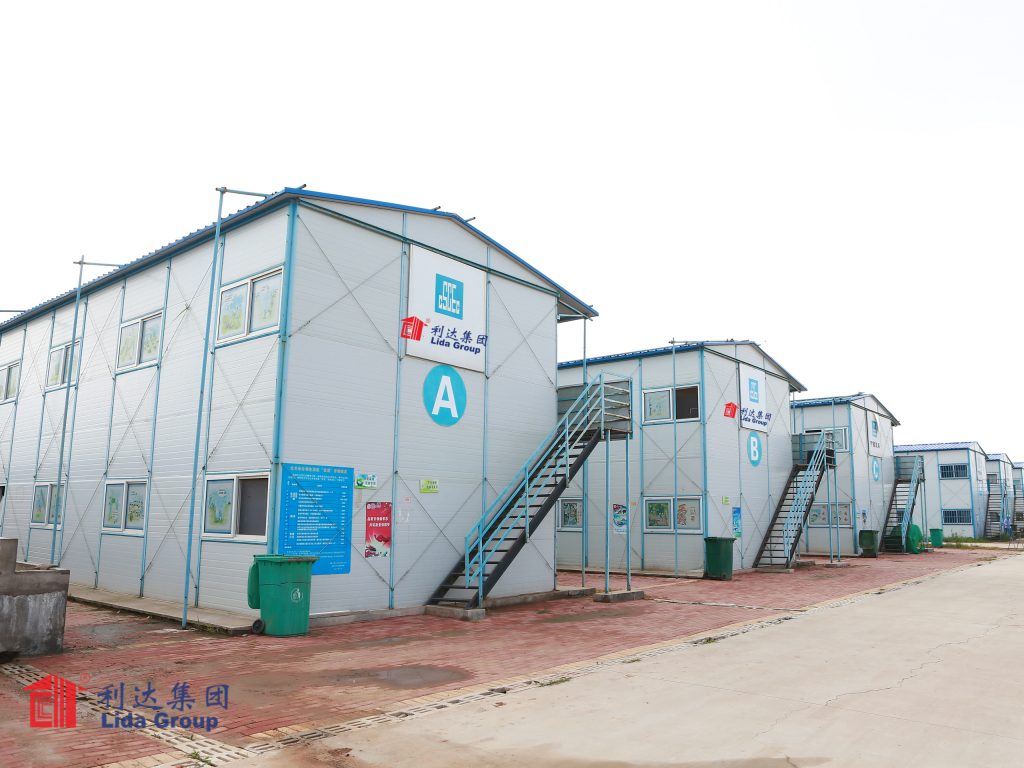
The easy installation and portability of sandwich panel prefab houses make them ideal for temporary and emergency housing. They can be quickly deployed in disaster-stricken areas to provide shelter for displaced populations. Their ability to be disassembled and reused also makes them suitable for construction site accommodations, event venues, and military barracks . For example, China Construction Hailong’s MiC modules were used in emergency housing projects following natural disasters, providing safe and comfortable shelter within days .
4.4 Specialized Applications
Sandwich panel prefab houses are also used in specialized applications, such as cold storage facilities, coastal homes, and high-altitude structures. The excellent thermal insulation of PU/PIR panels makes them ideal for cold storage, where maintaining sub-zero temperatures is critical . Galvalume steel facings with PVDF coatings resist corrosion in coastal environments, while the panels’ lightweight design simplifies transportation to high-altitude locations .
5. Case Studies: Successful Implementations
5.1 Church Wood Self-Build Project, UK
The Church Wood project in Lytham St Annes, UK, is a prime example of a successful sandwich panel prefab home. Designed by Black Barn Architects, the home uses 194mm SIP wall panels and 219mm SIP roof panels, combined with 254mm deep metal web joist decks and internal CLS stud walls . The SIP panels formed the entire shell of the house, creating an airtight envelope that, when combined with an air source heat pump and MVHR system, achieved an EPC A rating.
The project demonstrated the advantages of sandwich panel systems: rapid construction, energy efficiency, and design flexibility. Large glazed walls maximized woodland views, while sustainable materials (FSC-certified timber, locally sourced stone) and rainwater harvesting systems enhanced the home’s eco-friendly profile . Homeowners praised the house for being “warm, quiet, and effortless to run,” with significantly lower utility bills than expected .
5.2 ME-House Modular Project, China
China Construction Science and Industry’s ME-House modular system, which integrates sandwich panels with steel framing, has been used in numerous high-profile projects, including the Shenzhen Bay Area International Convention and Exhibition Hotel and the Hong Kong Simple Public Housing SS M518 project. The system achieves a 50% reduction in construction time and an 8-degree seismic rating, making it suitable for high-rise and urban projects.
ME-House incorporates AI design platforms for efficient customization, smart production lines with 80% domestic technology adoption, and digital twin technology for real-time project management . The sandwich panel envelope provides an 83% energy efficiency rating, while factory-installed fixtures and finishes ensure high-quality interiors with minimal on-site work .
5.3 Industrial Warehouse Project, USA
A major warehouse project in the USA used polyurethane sandwich panels from Shanghe Panel to achieve rapid construction and energy efficiency . The snap-fit panels were installed at a rate of 1000 square feet per 3 hours, reducing the overall construction schedule by 60%. The panels’ Class A fire rating and 20-year rust-free guarantee met the project’s strict safety and durability requirements, while the thermal insulation properties reduced energy costs by 40% compared to traditional warehouses .
6. Market Trends and Future Outlook
6.1 Market Growth Drivers
The global prefabricated housing market is driven by several key trends, including rising demand for sustainable construction, labor shortages, and urbanization. Governments in over 40% of surveyed countries have implemented prefab-friendly building codes, accelerating deployment timelines by 32% . In North America, 35% of new residential permits are for prefab-based structures, with 40% of these builds incorporating smart home technology and wellness features .
The adoption of easy-install sandwich panel systems is further fueled by the need for cost-effective and rapid construction. As labor costs rise globally, contractors are increasingly turning to prefabricated solutions to reduce on-site labor requirements—modular construction reduces labor intensity by 25% compared to traditional methods .
6.2 Emerging Innovations
The future of sandwich panel prefab housing is marked by continuous innovation, with several key trends shaping the industry:
-
Smart Integration: Sandwich panels are being integrated with smart home technology, including sensors for energy monitoring, remote-controlled heating, and AI-driven energy optimization . BIM (Building Information Modeling) technology is also being used to streamline design, production, and installation, creating a digital twin of the building for real-time management .
-
Advanced Materials: Research is focused on developing bio-based core materials, such as hemp or flax insulation, to further enhance sustainability. Self-healing panels and photovoltaic-integrated panels (solar panels embedded in the sandwich structure) are also in development, offering new functional capabilities .
-
Automated Installation: Robotics and drones are being explored for automated panel installation, further reducing labor requirements and construction time. Companies like China Construction Technology have already implemented automated production lines, and on-site automation is the next frontier .
6.3 Challenges and Opportunities
Despite its growth, the prefabricated housing industry faces several challenges. Zoning and regulatory delays affect 60% of manufacturers, while 22% face skilled labor shortages and 25% cite high upfront investment as a barrier . Consumer perceptions of prefab homes as “low-quality” or “cookie-cutter” also remain a challenge in some markets.
However, these challenges present opportunities for innovation and education. Governments can streamline regulations to support prefab construction, while manufacturers can invest in workforce training and public awareness campaigns. The growing demand for sustainable and affordable housing also creates a significant market opportunity—investors are shifting toward prefab models, with 28% reporting reduced operational risk and 35% citing higher ROI predictability .
7. Conclusion
Innovative prefab houses equipped with easy-install sandwich panel systems represent a transformative solution for the global construction industry. By combining rapid installation, energy efficiency, sustainability, and design flexibility, these systems address the key challenges facing modern construction—cost, time, labor, and environmental impact. The technical advancements in sandwich panel materials and interlocking designs have made prefab housing a viable alternative to traditional construction, with applications ranging from residential homes to commercial warehouses and emergency shelters.
Case studies from around the world demonstrate the real-world benefits of these systems, including reduced construction time, lower energy costs, and improved occupant comfort. As the industry continues to innovate—integrating smart technology, advanced materials, and automation—the role of sandwich panel prefab houses will only grow. With supportive policies, increased investment, and changing consumer perceptions, these homes have the potential to redefine modern living, creating sustainable, affordable, and comfortable spaces for communities worldwide.
The future of construction is prefabricated, and easy-install sandwich panel systems are at the forefront of this revolution. By embracing this technology, the industry can build a more efficient, sustainable, and inclusive built environment for generations to come.
Related news
-
Lida Group Launches Easy Install Sandwich Panel Prefab House
2026-01-05 15:49:31
-
Modern Mobile Construction Solutions Redefine Building Speeds
2026-01-05 17:30:56
-
The Future of Housing: Modern Mobile Container Living
2025-12-30 14:24:34
contact us
- Tel: +86-532-88966982
- Whatsapp: +86-13793209022
- E-mail: sales@lidajituan.com
