



Introduction: The Challenge of Housing in the World’s Most Inaccessible Places
The frontiers of human industry and exploration are increasingly pushing into the most remote and inhospitable corners of the globe. From the frozen expanses of the Arctic Circle, where mineral wealth lies buried beneath permafrost, to the scorching, arid depths of the Australian Outback and the dense, humid rainforests of the Amazon basin, large-scale projects are reshaping the economic landscape. These ventures—whether in mining, oil and gas extraction, renewable energy development, or scientific research—are engineering marvels that require thousands of skilled workers to operate effectively. However, the success of these monumental endeavors hinges on a fundamental, often underestimated factor: the ability to house the workforce safely, comfortably, and efficiently.
Historically, providing accommodation in remote locations has been a logistical nightmare. Traditional construction methods, reliant on local labor and materials, are often impossible in areas with no existing infrastructure. The alternatives—canvas tents, rudimentary wooden shacks, or hastily modified shipping containers—have long been associated with poor living conditions. These temporary structures frequently suffer from inadequate insulation, leaving occupants vulnerable to extreme temperatures; they lack proper sanitation, posing health risks; and they offer little in the way of privacy or psychological comfort. The result is often low morale, high turnover rates, increased safety incidents, and reduced productivity, all of which can jeopardize the financial viability of the entire project.
In response to these persistent challenges, a new era of housing solutions has emerged: the Innovative Modular Container Dormitory. Far removed from the stereotypical image of a cold, noisy metal box, today’s modular dormitories are sophisticated, engineered ecosystems designed specifically for the rigors of remote deployment. They represent a convergence of advanced manufacturing, sustainable technology, and human-centric design. These structures are not merely shelters; they are self-sustaining villages that can be airlifted, shipped, or trucked to the middle of nowhere and assembled in a matter of weeks, providing a level of comfort and amenity previously reserved for urban centers. This article delves deep into the innovations driving this revolution, exploring how these modular solutions are redefining life in remote locations through superior engineering, operational efficiency, sustainability, and a profound commitment to worker well-being.
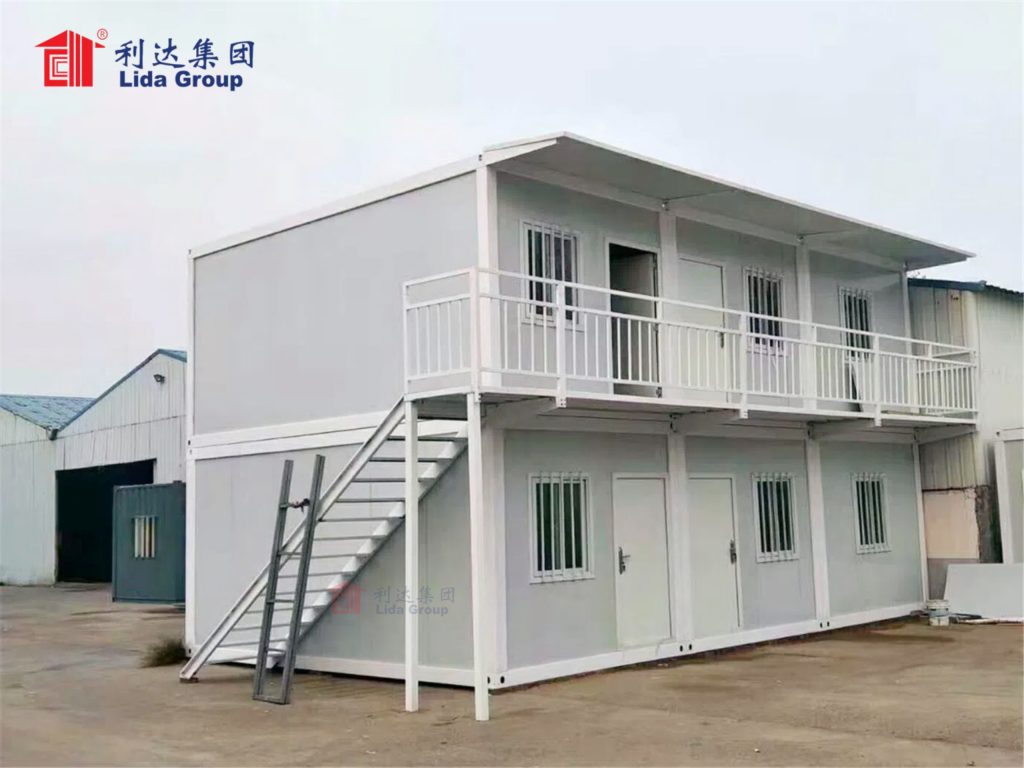
The Engineering Marvel: Built for Extremes
The core innovation of the modern modular container dormitory lies in its structural resilience. Remote locations are synonymous with extreme environmental conditions. A dormitory situated in the Canadian tundra must withstand temperatures dropping below -50°C, heavy snow loads, and gale-force winds. Conversely, a camp in the Saudi desert must reflect intense solar radiation and maintain cool interiors despite external temperatures exceeding 50°C. Furthermore, sites in seismic zones or coastal areas face threats from earthquakes and corrosive salt spray.
Advanced Structural Integrity
Modern modular units are built upon reinforced light-gauge steel frames that far exceed the standards of standard ISO shipping containers. While traditional containers are designed to stack under static cargo loads, dormitory modules are engineered to handle dynamic live loads, including human occupancy, furniture, and equipment, across multiple stories. High-tensile steel, often hot-dip galvanized to prevent corrosion, forms the skeleton of these structures. This ensures a service life of 20 to 30 years, even under continuous exposure to harsh elements.
The connection systems between modules have also seen significant innovation. Proprietary locking mechanisms and welded shear plates allow units to be stacked securely up to six stories high without the need for external bracing or complex foundation systems. This vertical scalability is crucial in remote areas where land availability may be limited or where the ecological footprint needs to be minimized. The structural design often incorporates seismic dampening features, allowing the building to flex and absorb energy during earthquakes, ensuring the safety of occupants in geologically active regions.
Thermal Envelope and Climate Control
Perhaps the most critical innovation for remote living is the thermal performance of the building envelope. The “thermal bridge”—the path of least resistance for heat to escape or enter through the steel frame—has been a historical weakness of container architecture. Innovative designs have solved this through the use of “thermal break” technologies. These involve inserting non-conductive materials between the internal and external steel layers, effectively severing the path of heat transfer.
Coupled with thermal breaks are advanced insulation systems. High-density rock wool, polyurethane foam, or vacuum insulation panels (VIPs) are integrated into wall, roof, and floor assemblies, achieving U-values that meet or exceed Passivhaus standards. This creates a highly efficient thermal envelope that maintains stable indoor temperatures with minimal energy input. In Arctic applications, triple-glazed windows with Low-Emissivity (Low-E) coatings and argon gas fills prevent heat loss and eliminate condensation. In tropical or desert climates, reflective cladding and specialized glazing reduce solar gain. The result is a consistent, comfortable indoor climate regardless of the external chaos, protecting workers from heat stress, hypothermia, and related health issues.

Off-Grid Capability and Self-Sufficiency
Remote locations often lack access to municipal utilities like electricity, water, and sewage systems. Innovative modular dormitories are designed as self-sufficient micro-grids. They come equipped with integrated renewable energy systems, such as rooftop solar photovoltaic (PV) arrays and wind turbines, coupled with advanced battery storage solutions. This allows the camp to operate independently of diesel generators for significant portions of the day, reducing fuel logistics and costs.
Water management is equally innovative. Closed-loop water recycling systems treat greywater from sinks and showers for reuse in irrigation or toilet flushing, drastically reducing freshwater consumption. Compact, modular wastewater treatment plants are integrated into the camp layout, ensuring that all effluent is treated to strict environmental standards before discharge, preserving the pristine nature of remote ecosystems. These off-grid capabilities make the dormitory truly autonomous, capable of sustaining a community in the most isolated corners of the Earth.
Logistical Mastery: Rapid Deployment and Flexibility
The defining characteristic of remote projects is the difficulty of access. Transporting materials and labor to these sites is expensive, time-consuming, and often dangerous. The innovative modular container dormitory addresses this through a philosophy of “factory-to-site” efficiency.
Precision Manufacturing and Pre-Fabrication
Up to 90% of the construction process takes place in controlled factory environments, hundreds or thousands of miles away from the final site. Here, robotics and computer-aided manufacturing (CAM) ensure precision that is impossible to achieve on-site. Walls are insulated, windows installed, electrical wiring routed, plumbing fixed, and interior finishes applied—including flooring, painting, and even furniture installation. The module leaves the factory as a fully finished “room,” ready for immediate occupancy upon connection.
This off-site fabrication offers several logistical advantages. It eliminates the need to transport raw materials like cement, sand, and timber to remote locations, significantly reducing the number of truck trips and the associated carbon footprint. It also removes the dependency on local labor, which may be scarce or unskilled in remote areas. Quality control is rigorous, ensuring that every unit meets international standards before it ever leaves the production line.
Multimodal Transport and Rapid Assembly
Designed to conform to ISO shipping dimensions, these modular units are compatible with global logistics networks. They can be transported via container ships, freight trains, flatbed trucks, and even heavy-lift helicopters or cargo planes for the most inaccessible sites. Some innovative designs feature “flat-pack” capabilities, where units can be collapsed or nested to maximize shipping capacity, allowing twice as many units to be transported in a single trip.
Once on-site, the assembly process is remarkably fast. Using pre-engineered connection points, a team of skilled technicians can lift, position, and secure multiple modules in a single day. Utility connections are made via quick-connect interfaces, linking the modules to the central power and water systems almost instantly. A complete village of 100+ beds can be fully operational within four to six weeks, a timeline that is a fraction of what traditional construction would require. This speed allows projects to mobilize their workforce earlier, accelerating the overall project schedule and generating revenue sooner.
Scalability and Relocatability
Remote projects often have fluctuating workforce requirements. During the construction phase, thousands of workers may be needed, whereas the operational phase might require only a few hundred. The modular nature of these dormitories allows for seamless scalability. Units can be added or removed as needed, expanding or contracting the camp footprint without disrupting ongoing operations.
Furthermore, these structures are designed for relocatability. At the end of a project’s lifecycle, the dormitories can be disassembled, refurbished if necessary, and transported to a new site. This “circular economy” approach transforms the accommodation from a sunk cost into a reusable asset. Companies can deploy the same high-quality housing across multiple projects over decades, maximizing return on investment and minimizing waste. This flexibility is invaluable in industries where project sites are transient by nature.
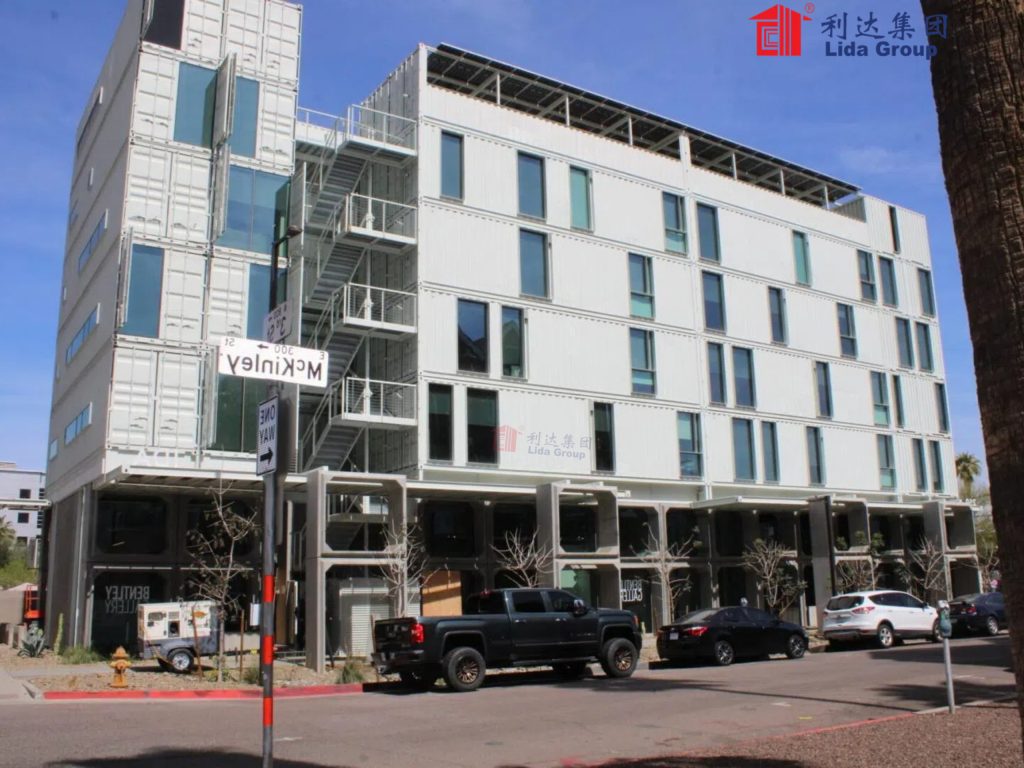
Human-Centric Design: Comfort, Wellness, and Community
While engineering and logistics are critical, the ultimate measure of success for a remote dormitory is its impact on the people who live there. Isolation, confinement, and harsh environments can take a toll on mental health and morale. Innovative modular designs prioritize the human experience, creating spaces that foster well-being, productivity, and a sense of community.
Ergonomic and Private Living Spaces
Gone are the days of crowded, barrack-style sleeping quarters. Modern modular dormitories offer a variety of configurations to suit different needs, from single-occupancy suites for senior staff to semi-private pods for two or four workers. Each room is designed with ergonomics in mind, featuring high-quality bunk beds with memory foam mattresses, personal storage lockers, dedicated workspaces, and ample lighting.
Privacy is enhanced through soundproofing technologies. Multi-layered wall assemblies with acoustic insulation and decoupled framing minimize noise transmission between rooms, ensuring a quiet environment for rest and recovery. Large windows with strategic orientation maximize natural daylight, which is crucial for regulating circadian rhythms, especially in polar regions where daylight hours vary dramatically. The interior aesthetics move away from industrial grays to warm, inviting color palettes and textures that mimic a home environment, helping to alleviate the psychological stress of remote living.
Comprehensive Amenities and Social Spaces
A remote camp is more than just a place to sleep; it is a community. Innovative designs integrate a wide range of communal facilities within the modular framework. Large dining halls with commercial-grade kitchens provide nutritious meals, serving as a central hub for social interaction. Recreation centers equipped with gyms, cinemas, gaming rooms, and libraries offer opportunities for leisure and relaxation.
High-speed satellite internet connectivity is now a standard feature, bridging the digital divide and allowing workers to stay connected with their families and the outside world. This connectivity is vital for mental health, reducing feelings of isolation and homesickness. Some advanced camps even include medical clinics, prayer rooms, and laundry facilities, creating a self-contained ecosystem where all basic human needs are met with dignity and convenience.
Health and Safety Integration
Safety is paramount in remote locations where medical help may be hours away. Modular dormitories are constructed with fire-retardant materials and equipped with advanced fire detection and suppression systems, including sprinklers and smoke alarms in every unit. The layouts are designed with clear evacuation routes and emergency assembly points.
Hygiene is ensured through modern plumbing systems with touchless fixtures and regular automated cleaning protocols. Air filtration systems with HEPA filters remove dust, allergens, and pathogens, crucial in mining or industrial environments where air quality can be compromised. By providing a safe, clean, and healthy living environment, these dormitories reduce the incidence of illness and injury, leading to lower absenteeism and higher overall productivity.
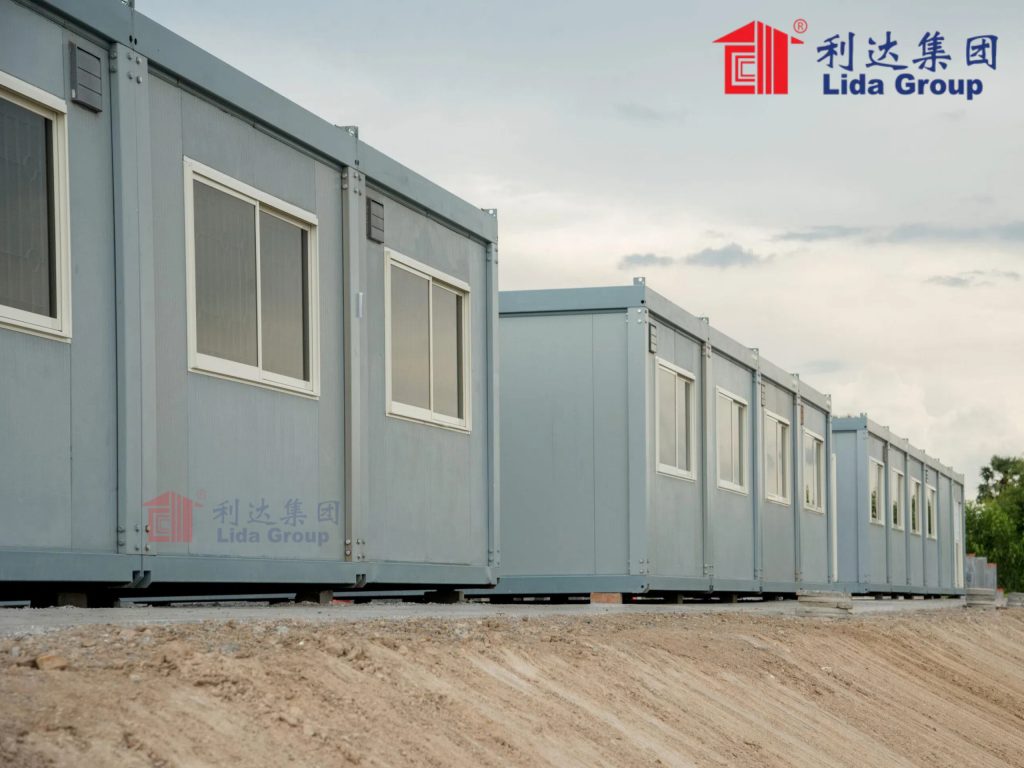
Sustainability: Protecting Pristine Environments
Remote locations are often ecologically sensitive areas, home to unique biodiversity and fragile ecosystems. The deployment of industrial infrastructure carries a responsibility to minimize environmental impact. Innovative modular container dormitories are at the forefront of sustainable construction practices.
Minimal Site Disturbance
Traditional construction requires extensive groundwork, including excavation and pouring of large concrete foundations, which can permanently alter the landscape. Modular dormitories, however, can be installed on screw piles or shallow concrete pads, requiring minimal ground disturbance. This “light touch” approach preserves the natural topography and vegetation. When the project ends, the structures can be removed, and the site restored to its original state with little to no trace of human occupation.
Energy Efficiency and Carbon Reduction
The superior insulation and airtight construction of modular units significantly reduce energy demand for heating and cooling. When combined with renewable energy sources like solar and wind, the carbon footprint of the camp is drastically lowered. Some innovative designs incorporate passive solar strategies, orienting the buildings to maximize winter sun and minimize summer heat, further reducing reliance on mechanical systems.
Waste reduction is another key sustainability metric. Factory-based manufacturing allows for precise material usage, recycling of off-cuts, and elimination of on-site construction waste. The reusability of the modules means that materials are kept in use for decades, adhering to circular economy principles. At the end of their lifespan, the steel frames are 100% recyclable, ensuring that the building does not become a permanent burden on the environment.
Water Stewardship
In water-scarce remote regions, every drop counts. Modular camps utilize low-flow fixtures, waterless urinals, and smart monitoring systems to detect leaks instantly. Greywater recycling systems treat and reuse water for non-potable purposes, reducing freshwater extraction by up to 50%. Advanced wastewater treatment ensures that no harmful pollutants are released into the surrounding soil or waterways, protecting local wildlife and water sources.
Case Studies: Success in the Field
The theoretical benefits of innovative modular dormitories are best illustrated through real-world applications where they have solved complex challenges.
Case Study 1: The Arctic Gold Mine, Canada A major mining corporation operating in the Nunavut territory faced severe challenges in housing its workforce during the winter months. Temperatures regularly dropped to -45°C, and traditional tents were inadequate. The company deployed an innovative modular dormitory village featuring triple-glazed windows, enhanced thermal breaks, and a hybrid solar-diesel power system. The modules were flown in by cargo plane during the short summer window and assembled in just five weeks. Since occupancy, the mine has reported a 30% increase in worker retention, a significant drop in cold-related health incidents, and a 40% reduction in heating fuel costs compared to their previous camp.
Case Study 2: The Offshore Wind Farm Support Base, North Sea For a massive offshore wind farm project, a support base was needed on a remote island with limited space and strict environmental regulations. A vertical, six-story modular dormitory was constructed, stacking units to maximize capacity on a small footprint. The structure was engineered to withstand hurricane-force winds and salt corrosion. Integrated wastewater treatment and solar panels ensured the base operated with minimal environmental impact. The rapid deployment allowed the wind farm construction to begin two months ahead of schedule, saving millions in project costs.
Case Study 3: The Rainforest Research Station, Amazon Basin A scientific consortium required a permanent yet low-impact housing solution for researchers in the heart of the Amazon. Traditional construction would have required clearing large areas of forest. Instead, a modular dormitory complex was installed on screw piles, elevating the structures above the forest floor to allow wildlife to pass underneath. The units were powered entirely by solar energy and utilized a closed-loop water system. The camp provided a comfortable, quiet environment for researchers, enabling long-term studies without disturbing the delicate ecosystem.
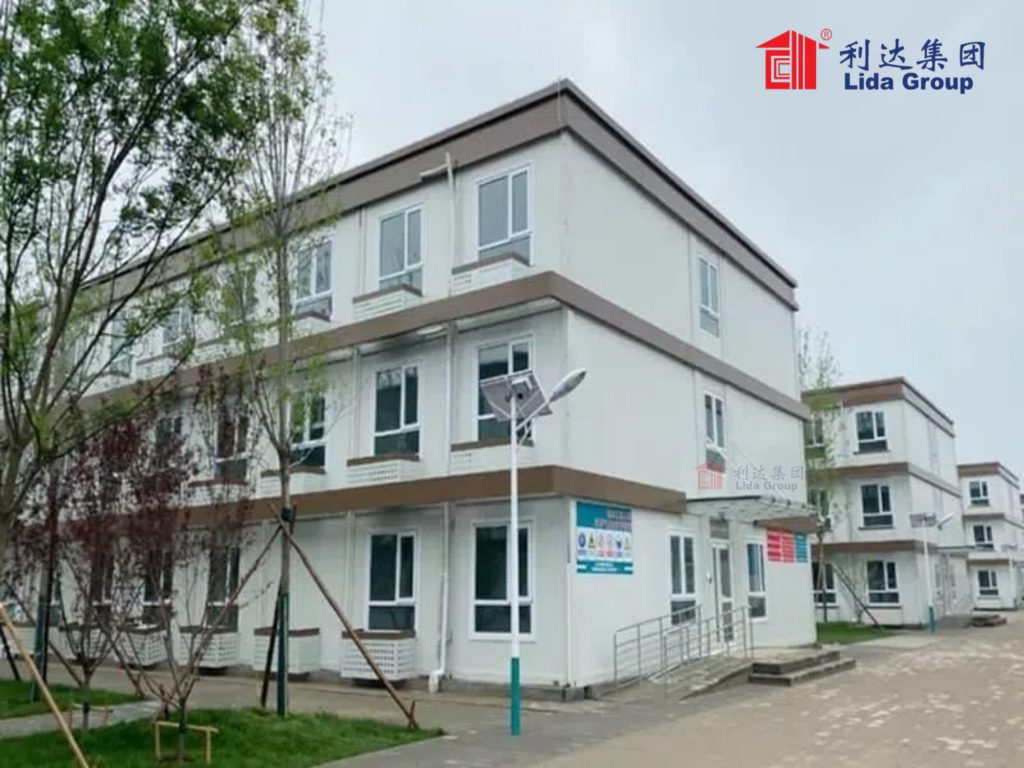
Future Outlook: The Next Generation of Remote Living
As technology continues to advance, the future of modular container dormitories looks even more promising. We are moving towards “Smart Camps” where Internet of Things (IoT) sensors monitor every aspect of the building’s performance, from structural health to energy usage, optimizing operations in real-time. Artificial Intelligence (AI) could predict maintenance needs before failures occur, ensuring uninterrupted comfort.
Materials science will bring us self-healing concrete, phase-change materials for passive temperature regulation, and transparent solar glass that turns every window into a power generator. 3D printing technology may allow for the on-site customization of interior fixtures, reducing transport volume further. Moreover, the aesthetic potential of modular architecture is being unlocked, with designs that blend seamlessly into natural landscapes, using green walls and organic shapes to create harmonious living environments.
Conclusion
The Innovative Modular Container Dormitory represents a paradigm shift in how we approach human habitation in remote locations. It is a solution that transcends the limitations of traditional construction, offering a unique blend of rugged durability, rapid deployability, and uncompromising comfort. By leveraging cutting-edge engineering, sustainable technologies, and human-centric design principles, these structures have transformed the narrative of remote work. No longer must workers endure substandard living conditions in the pursuit of progress. Instead, they can live in safe, dignified, and modern environments that support their physical and mental well-being, regardless of how far they are from civilization.
For industries operating in the world’s most challenging environments, the adoption of innovative modular dormitories is not just a logistical choice; it is a strategic imperative. It drives productivity, enhances safety, reduces environmental impact, and demonstrates a genuine commitment to the welfare of the workforce. As we continue to explore and develop the frontiers of our planet, these modular solutions will serve as the vital bridges connecting human ambition with the realities of isolation. They prove that even in the most remote corners of the Earth, it is possible to build a home that is resilient, sustainable, and deeply humane. The future of remote living is here, and it is modular, innovative, and ready for anything the world can throw at it.
Related news
-
Lida Group's Easy Assembly Container House Saves Construction Time
2026-02-27 14:46:31
-
Cost-Effective Prefabricated Container Worker Camp Now Available
2026-02-27 14:40:07
-
Durable and Comfortable Modular Container Dormitory Designs
2026-02-27 14:38:43
contact us
- Tel: +86-532-88966982
- Whatsapp: +86-13793209022
- E-mail: sales@lidajituan.com
