



Innovative Metal Frame Building Solutions by Lida Group
2026-Jan-09 15:51:49
By Admin
The global construction industry is undergoing a profound transformation driven by the demands for efficiency, sustainability, and resilience. As traditional building methods struggle to keep pace with the evolving needs of modern infrastructure, prefabricated metal frame solutions have emerged as a game-changer. Among the pioneers shaping this revolution is Lida Group, a Chinese high-tech enterprise with over three decades of expertise in steel structure and modular construction. Founded in 1993, Lida Group has evolved into a full-service provider integrating consultation, design, production, construction, and after-sales service, delivering innovative metal frame solutions to 155 countries and regions worldwide. This article explores the technological innovations, core capabilities, and global impact of Lida Group’s metal frame building solutions, highlighting how they redefine industry standards for speed, safety, and sustainability.
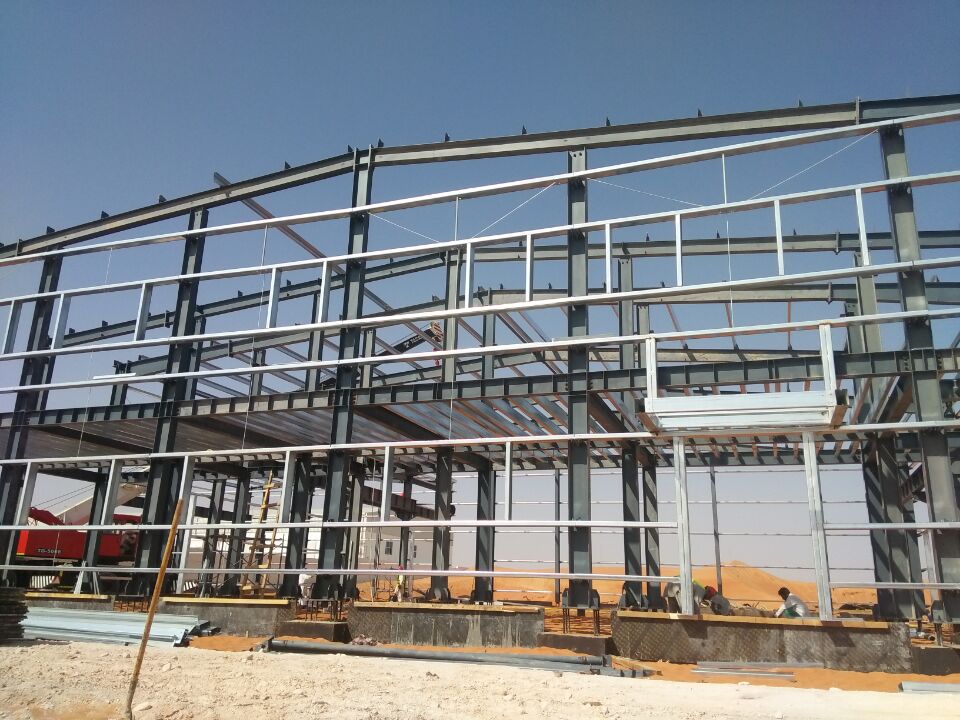
1. The Evolution of Metal Frame Construction and Lida’s Strategic Position
Metal frame construction has come a long way from its industrial origins to become a versatile solution for diverse building needs. The global metal frame components market is projected to reach $187 billion by 2025, with a compound annual growth rate (CAGR) of 5.8%, fueled by the rising adoption of prefabricated construction and the push for green building practices. In this dynamic landscape, Lida Group has positioned itself as a leader by combining traditional craftsmanship with cutting-edge technology, addressing the industry’s most pressing challenges—long construction cycles, labor shortages, environmental impact, and performance limitations.
Unlike conventional construction firms that focus solely on execution, Lida Group adopts a holistic approach to metal frame building. Its core competitiveness lies in the integration of computational engineering, precision manufacturing, and modular design, enabling the delivery of customized solutions across industrial, commercial, residential, and infrastructure sectors. With over 60 patents in steel structure design and construction, Lida Group has set new benchmarks for innovation, particularly in light steel structure systems, hybrid structural engineering, and sustainable building practices. The company’s adherence to international standards, including ISO9001, ISO14001, ISO45001, and EU CE (EN1090) certifications, further reinforces its global credibility, making it a preferred partner for multinational corporations and government projects alike.
2. Technological Innovations: The Backbone of Lida’s Metal Frame Solutions
At the heart of Lida Group’s success is its unwavering commitment to technological innovation. The company has invested heavily in research and development to create metal frame systems that are stronger, lighter, more durable, and more efficient than traditional alternatives. This section delves into the key technological advancements that distinguish Lida’s solutions in the global market.
2.1 Advanced Material Science and Metallurgical Innovation
Lida Group’s metal frame solutions are built on the foundation of high-performance materials, carefully selected and engineered to optimize structural integrity and environmental performance. A standout example is the adoption of S550MC high-strength steel, a thermomechanically rolled alloy that delivers 45% greater yield strength than conventional steel materials. This superior strength-to-weight ratio enables the creation of column-free spans exceeding 60 meters, a critical advantage for industrial warehouses and large-scale commercial spaces that require unobstructed floor areas for automated systems and heavy equipment.
Beyond strength, Lida Group prioritizes durability through innovative surface treatments and corrosion resistance technologies. In coastal regions and high-humidity environments, the company applies nano-ceramic coatings in controlled factory settings, providing ten years of corrosion protection— a significant improvement over traditional coatings that degrade within months under salt spray exposure. For tropical and subtropical projects, galvanized steel members are fabricated in humidity-controlled workshops to prevent premature rusting, ensuring long-term performance in harsh climates. Additionally, Lida Group is a pioneer in circular material usage, incorporating 98% recycled steel in its modular container buildings, diverting over 180,000 tons of industrial scrap from landfills annually. This commitment to circularity not only reduces environmental impact but also achieves a 72% reduction in carbon emissions per ton compared to virgin steel, as verified by ISO 14064-3 certification.
2.2 Digital Twin and Computational Engineering
Digital transformation is a core pillar of Lida Group’s design and construction process, with digital twin technology at the forefront. Before groundbreaking, the company creates virtual prototypes of metal frame structures to simulate decades of environmental stress, including seismic events, extreme temperatures, and UV radiation. This digital foresight allows engineers to optimize structural designs, test connection integrity, and predict how materials will degrade over time, eliminating costly field modifications and ensuring facilities perform as engineered from day one.
For complex industrial projects, Lida Group leverages computational fluid dynamics (CFD) to optimize airflow in temperature-controlled spaces, such as pharmaceutical warehouses and cold storage facilities, achieving ±0.3°C temperature stability— a requirement for sensitive goods. Vibration analysis is also integrated into the digital design process to ensure metal frame structures can accommodate precision manufacturing equipment, maintaining micron-level stability for high-tech production lines. In addition, building information modeling (BIM) technology is used to coordinate design, fabrication, and installation, with clash detection algorithms that eliminate on-site coordination issues. This digital integration has led to a 92% reduction in field design changes, significantly accelerating project timelines.
2.3 Precision Manufacturing and Intelligent Production
Lida Group’s state-of-the-art manufacturing facilities are equipped with robotic systems and automated processes that set new standards for precision in metal frame fabrication. Robotic welding cells assemble primary steel frames with a tolerance of just 0.2 millimeters, ensuring consistent quality across every component. Automated coating systems apply uniform 300µm zinc-aluminum protection, resistant to chemical exposure and extreme weather, while CNC machines notch connection points with laser-guided accuracy, achieving 99.97% interchangeability of components across global projects.
The company’s intelligent production lines are complemented by AI-powered quality inspection systems, which utilize 3D vision algorithms and a vast database of industrial defect images to detect even the smallest flaws. This self-learning system continuously improves performance through real-time data collection, ensuring that every metal frame component meets Lida’s rigorous quality standards. For warehouse projects requiring millimeter-perfect floor flatness for robotic navigation, Lida Group uses laser-guided pouring over optimized steel subframes, achieving tolerances of 3mm/10m— a level of precision impossible with traditional construction methods.
2.4 Modular Design and Rapid Assembly
Modularization is a defining feature of Lida Group’s metal frame solutions, addressing the industry’s need for faster, more efficient construction. The company’s “factory prefabrication + on-site assembly” model allows 80-90% of metal frame components to be manufactured off-site, reducing on-site labor requirements and construction time by up to 70% compared to traditional methods. All functional modules, from wall panels to roof trusses, are precision-engineered in the factory and transported to the site for bolted assembly, eliminating the need for complex on-site welding or concrete pouring.
This modular approach not only accelerates project delivery but also enhances flexibility and reusability. Lida’s metal frame components can be disassembled and relocated with minimal waste, achieving a reuse rate of over 98%. For temporary structures such as mining camps and disaster relief shelters, this means projects can be completed in weeks rather than months— a critical advantage in time-sensitive scenarios. For example, Lida Group delivered a 25,000㎡ bulk storage warehouse for Rio Tinto in just 11 months, half the industry standard timeline, with 37 days to spare. In West Africa, a 30,000㎡ farmers market complex was completed three months ahead of schedule, demonstrating the transformative potential of modular metal frame construction.

3. Core Metal Frame Solutions for Diverse Applications
Lida Group’s innovative metal frame technologies are tailored to meet the unique needs of diverse sectors, from industrial warehouses to residential buildings, and from cold climates to equatorial regions. This section explores the company’s flagship solutions and their applications across global projects.
3.1 Industrial Warehouse and Manufacturing Facilities
The global logistics and manufacturing sectors demand facilities that are flexible, durable, and efficient— requirements that Lida Group’s metal frame solutions address seamlessly. For e-commerce distribution centers and automated warehouses, the company’s long-span steel trusses eliminate interior columns, maximizing usable space for automated storage and retrieval systems (AS/RS) and robotic sorting equipment. The S550MC steel structure supports live loads of up to 500 kg/㎡, making it suitable for multi-level mezzanines and heavy equipment.
Thermal efficiency is another key feature of Lida’s industrial solutions. Composite wall systems integrate aerogel insulation to achieve R-40 values in slim profiles, critical for cold storage facilities that require minimal wall thickness while maintaining energy efficiency. For pharmaceutical and food processing facilities, the combination of precise temperature control and easy-to-clean metal surfaces ensures compliance with strict hygiene standards. A notable example is Lida’s work with a global logistics provider, delivering 500,000 sq ft warehouse facilities in 60% less time than conventional construction, with superior seismic resilience and 40% lower energy consumption.
3.2 Modular Camp and Temporary Accommodation
Lida Group’s modular metal frame camps are designed for remote and challenging environments, from mountainous regions in Eastern Europe to mining sites in Africa. These solutions combine steel structure buildings with prefabricated container modules, creating sustainable, eco-friendly hubs that can withstand extreme weather conditions— including -20°C winters, 150 km/h wind gusts, and 8级 earthquakes. The modular design allows for rapid deployment, with thousand-square-meter camps completed in just ten days, enabling construction teams to “settle in upon arrival.”
For mining camps, Lida integrates sustainable technologies to reduce environmental impact. Solar-ready roofs with preinstalled mounting systems support 400W panels per 40-foot unit, while intelligent microgrids balance solar power, battery storage, and grid energy to reduce reliance on diesel generators. In Zambia’s Lumwana Mine, 120 modular container buildings generate 1.2 MWh of solar energy daily, reducing diesel use by 78% and saving $420,000 annually in fuel costs. Water recycling systems further enhance sustainability, reducing camp water consumption by 85% through gray water filtration and atmospheric water harvesting.
3.3 Agricultural and Civil Infrastructure
Lida Group’s metal frame solutions are transforming agricultural and civil infrastructure in emerging markets, addressing the need for durable, climate-adaptive facilities. The company’s 30,000-sqm farmers market complex in West Africa is a showcase of tropical-optimized steel construction, designed to withstand 95% humidity and unstable laterite soils. Hybrid pile-raft foundations adapt to shifting terrain, while thermal-break technology separates external heat from cool interiors, extending the shelf life of perishables by 300%. Beyond commerce, the complex includes training bays for steel fabrication techniques and digital literacy centers, demonstrating Lida’s commitment to capacity building.
In the poultry industry, Lida’s steel structure chicken farms in Fiji combine corrosion-resistant materials with ventilation systems optimized for tropical climates, ensuring animal welfare while maximizing productivity. The metal frame design allows for easy expansion and modification, adapting to changing farm sizes and production needs. For community infrastructure, Lida has delivered steel structure libraries, printing facilities, and airport hangars, such as the Tahiti International Airport project, which required lightweight yet durable structures capable of withstanding coastal conditions.
3.4 Specialized Environment Solutions
Lida Group excels in delivering metal frame solutions for specialized environments, where performance and durability are non-negotiable. In seismic zones, the company’s moment-resisting steel frames and flexible connection systems absorb seismic energy, protecting structures from collapse. For coastal regions, nano-ceramic coatings and galvanized steel prevent corrosion from salt spray, while in desert areas, UV-resistant finishes and thermal insulation combat extreme temperatures. The company’s steel structure office building in Qatar, featuring a curtain wall system, combines aesthetic appeal with structural resilience, withstanding the harsh Gulf climate.
In disaster-prone regions, Lida’s rapid-deployment metal frame shelters provide safe, temporary housing for displaced communities. These structures are lightweight, easy to transport, and reusable, making them ideal for post-earthquake or post-hurricane relief efforts. The company’s work with the UN on a steel structure library and printing facility in Senegal further demonstrates its commitment to delivering resilient infrastructure in vulnerable regions.
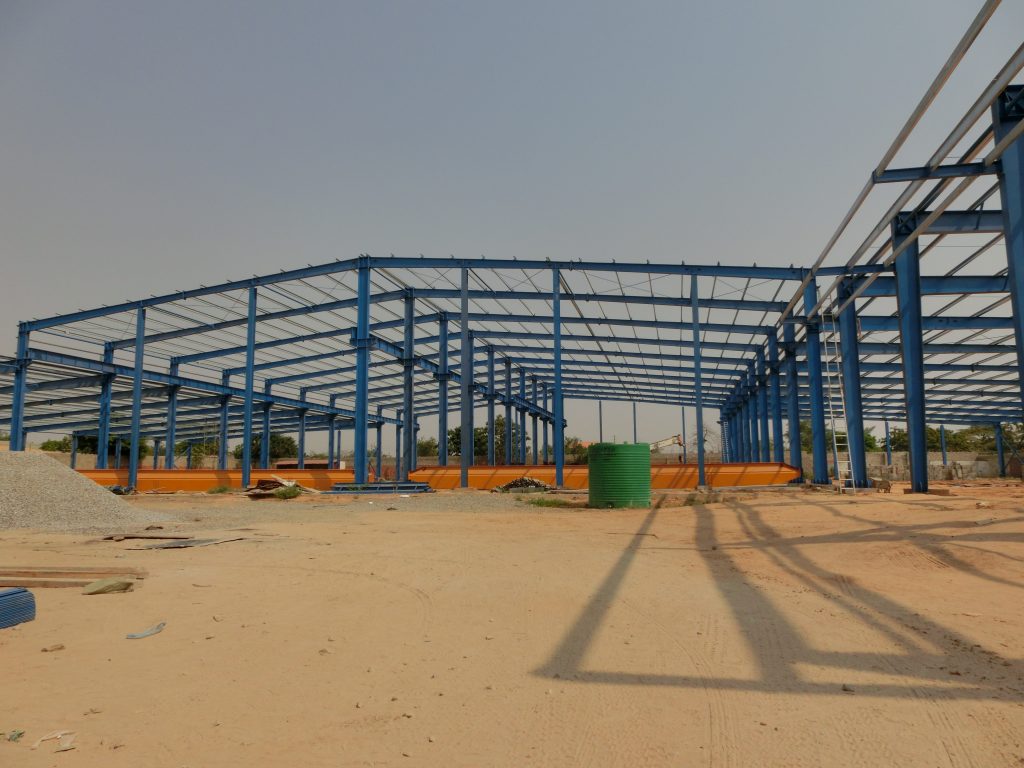
4. Global Project Impact and Client Success Stories
Lida Group’s innovative metal frame solutions have left a lasting impact on projects across six continents, delivering tangible value to clients through speed, efficiency, and sustainability. This section highlights some of the company’s most notable global projects and their outcomes.
4.1 Rio Tinto Bulk Storage Warehouse, Global Mining Sector
When Rio Tinto needed a 25,000 ㎡ bulk storage warehouse operational in 11 months— half the industry standard timeline— conventional construction methods were deemed unfeasible. Lida Group’s integrated approach, combining digital prototyping, modular fabrication, and precision assembly, delivered the facility 37 days ahead of schedule. The high-strength steel structure supported 50-ton crane systems, while vibration-damped floors maintained micron-level stability for precision equipment. The project demonstrated how Lida’s solutions address the mining sector’s pressures of commodity price volatility, seasonal weather windows, and financing costs associated with delays.
4.2 West African Large-Scale Farmers Market
In the heart of West Africa’s agricultural belt, Lida Group transformed cassava fields into a 30,000-sqm market complex, redefining tropical steel construction. Facing challenges of 95% humidity, soil instability, and supply chain fragility, the company deployed modular light steel cassettes prefabricated in humidity-controlled workshops. Hybrid pile-raft foundations adapted to shifting laterite soils, while solar-thermal regulation systems maintained optimal conditions for perishables. The project was completed three months ahead of schedule, creating a hub that supports local farmers, extends produce shelf life, and nurtures skills through training facilities. It stands as a model for how metal frame construction can drive economic transformation in emerging markets.
4.3 Eastern Europe Modular Steel Camp
Lida Group’s modular camp project in Eastern Europe addressed the challenges of a remote mountainous region, including harsh winters (-20°C), snowstorms, and strict environmental regulations. The combination of steel structure buildings and container modules created a sustainable city hub, with insulated walls and energy-efficient systems reducing heating costs by 40%. The modular design allowed for easy expansion, with components manufactured off-site to minimize on-site disruption to the fragile ecosystem. The project demonstrated Lida’s ability to deliver tailored solutions that balance operational needs with environmental responsibility.
4.4 BHP Chilean Copper Mine Container Buildings
To replace 200 temporary cabins at BHP’s Chilean copper mine, Lida Group delivered modular container buildings made from 98% recycled steel sourced from on-site scrap. The project diverted 8,400 tons of steel from landfills, reducing carbon emissions by 12%. The structures featured solar-ready roofs and water recycling systems, aligning with BHP’s sustainability goals. The use of recycled materials and closed-loop manufacturing processes showcased Lida’s leadership in circular construction, proving that industrial infrastructure can be both functional and environmentally responsible.
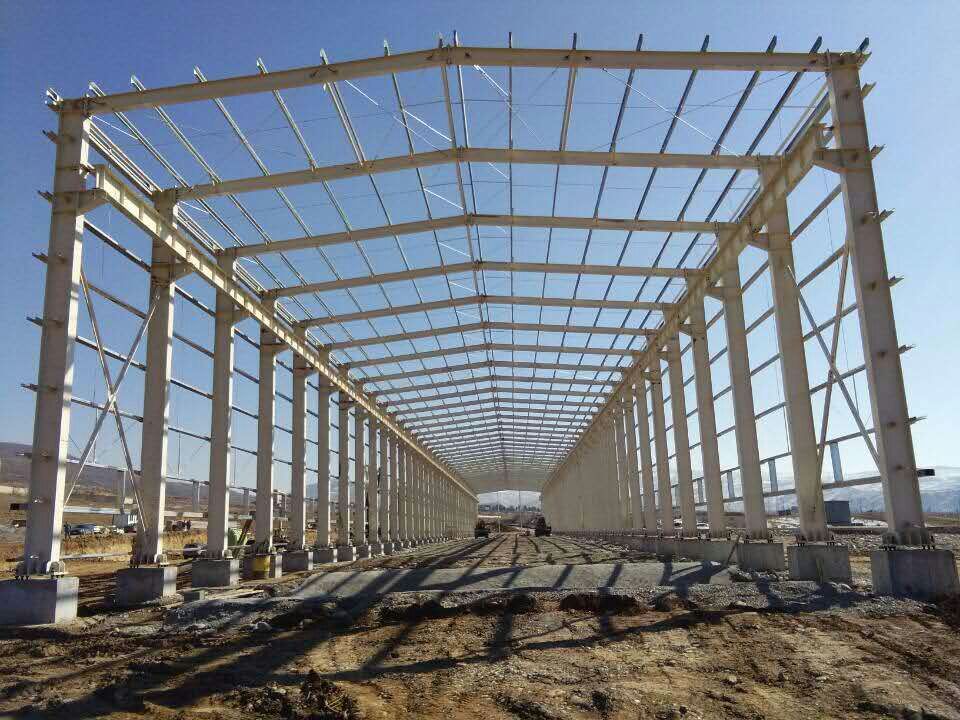
5. Industry Leadership and the Future of Metal Frame Construction
Lida Group’s innovative metal frame solutions are not only transforming individual projects but also shaping the future of the global construction industry. The company’s focus on sustainability, digitization, and modularization aligns with key industry trends, including the push for net-zero emissions, the adoption of industrialized construction, and the need for resilient infrastructure.
In response to the global “dual carbon” goal, Lida Group is expanding its hybrid timber-steel designs, which achieve 30% lower emissions by combining carbon-absorbing timber with high-strength steel. These solutions balance operational performance with environmental responsibility, creating facilities that serve both immediate business needs and long-term sustainability goals. The company is also investing in hydrogen炼钢 technology to further reduce carbon emissions in steel production, preparing for the implementation of EU CBAM carbon tariffs and other global climate regulations.
Digitization will continue to be a key driver of innovation for Lida Group. The company is enhancing its digital twin technology to include real-time monitoring and predictive maintenance, enabling clients to optimize the entire lifecycle of their metal frame structures. AI-powered design tools will further streamline the customization process, allowing for faster response to client needs and more accurate cost forecasting. In addition, Lida is exploring the integration of 3D printing technology for complex metal components, aiming to reduce material waste and expand design possibilities.
Geographically, Lida Group is capitalizing on the growth of the Asia-Pacific metal frame market, which is projected to contribute 62% of global industry Increment by 2025. The company is also expanding its presence in Southeast Asia, leveraging the RCEP agreement to access markets with growing infrastructure demand. In Africa and Latin America, Lida is focusing on capacity building, training local workers in steel fabrication and modular assembly to create sustainable construction ecosystems.
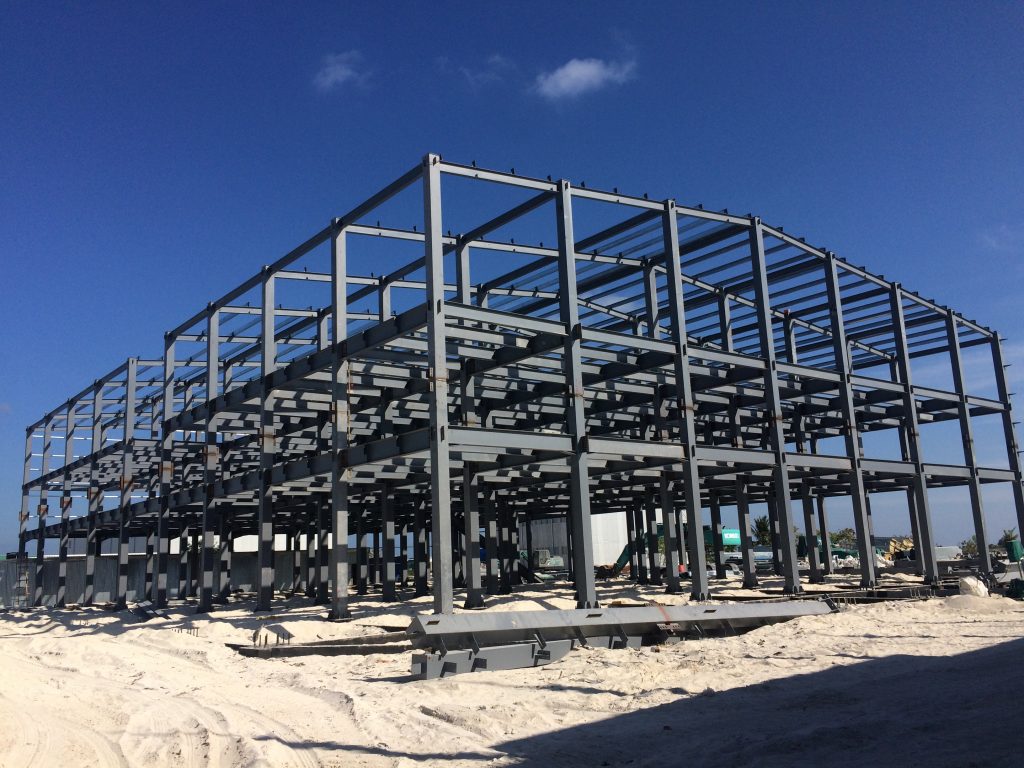
6. Conclusion
Lida Group’s innovative metal frame building solutions represent a paradigm shift in the global construction industry, merging advanced materials science, digital technology, and modular design to deliver projects that are faster, safer, more efficient, and more sustainable than ever before. For over three decades, the company has demonstrated that metal frame construction is not just a viable alternative to traditional methods but a superior solution for the challenges of modern infrastructure.
At the core of Lida’s success is its holistic approach, which integrates design, manufacturing, and construction into a seamless process. By leveraging high-performance materials like S550MC steel, digital twin technology, and precision robotic manufacturing, the company has set new standards for structural performance and construction efficiency. Its modular solutions address the industry’s most pressing pain points— labor shortages, long timelines, and environmental impact— while delivering tailored results for diverse sectors, from industrial warehouses to remote mining camps.
Lida Group’s global projects, from the West African farmers market to the Rio Tinto warehouse, demonstrate the universal applicability of its metal frame solutions, adapting to extreme climates, unstable terrains, and varying cultural needs. Beyond delivering buildings, the company is driving economic transformation and capacity building, leaving a lasting legacy in the communities it serves.
As the construction industry continues to evolve toward sustainability and digitization, Lida Group is well-positioned to lead the way. Its commitment to innovation, sustainability, and client success ensures that its metal frame solutions will remain at the forefront of the industry, shaping the infrastructure of the future. For organizations seeking to build efficiently, responsibly, and resiliently, Lida Group stands as a trusted partner, proving that innovation in metal frame construction is not just about building structures— it’s about building a better future.
In an era where speed, sustainability, and performance are paramount, Lida Group’s innovative metal frame solutions offer a blueprint for the future of construction— one that balances operational excellence with environmental stewardship, and global expertise with local relevance. As the company continues to push the boundaries of what’s possible with metal frame technology, it will undoubtedly remain a driving force in the transformation of the global construction landscape.
Related news
-
Streamline Your Build with Lida Group's Mobile Construction Methods
2026-01-09 14:06:27
-
Lida Group Sets New Standard in Steel Structure Construction
2026-01-09 15:31:25
-
Flexible and Durable Prefab House for Modern Needs
2026-01-07 17:51:02
contact us
- Tel: +86-532-88966982
- Whatsapp: +86-13793209022
- E-mail: sales@lidajituan.com
