



Innovative Large Span Farm House Designed for Modern Agriculture
2026-Feb-26 16:48:45
By Admin
In the era of modern agriculture, characterized by large-scale operation, intelligent management, and green development, the traditional farm house has gradually failed to meet the multi-dimensional needs of agricultural production and operation. As the core carrier of agricultural activities, farm houses are no longer just simple spaces for storing agricultural materials, breeding livestock, or processing crops. Instead, they need to integrate multiple functions such as large-scale storage, intelligent breeding, agricultural product processing, and agricultural machinery maintenance, while adapting to the harsh outdoor environment and complying with green and low-carbon development requirements. Against this backdrop, the innovative large-span farm house, developed by Lida Group, a global leader in prefabricated metal structure solutions, has emerged as a game-changer, redefining the development pattern of agricultural infrastructure and providing a one-stop, high-efficiency solution for modern agricultural development around the world.
With decades of experience in the metal structure construction industry, Lida Group has always adhered to the concept of “innovation-driven, quality first” and has built a comprehensive industrial chain covering R&D, design, production, installation, and after-sales service. Headquartered in Shandong, China, the group has expanded its business to 152 countries and regions across Asia, Africa, Europe, the Americas, and Oceania, completing more than 5,000 metal structure projects, including farm houses, agricultural greenhouses, storage warehouses, and rural public facilities. Boasting a monthly supply capacity of 500,000 square meters and an integrated cooperative factory capacity of 750,000 square meters per month, Lida Group possesses strong industrial scale and production strength to support large-span farm house projects of any scale and complexity. What distinguishes Lida Group from its competitors is not only its large-scale production capacity but also its unwavering focus on product innovation and customer-centric customization, enabling its large-span farm house solutions to adapt to diverse agricultural application scenarios and meet the personalized needs of different regions and industries.
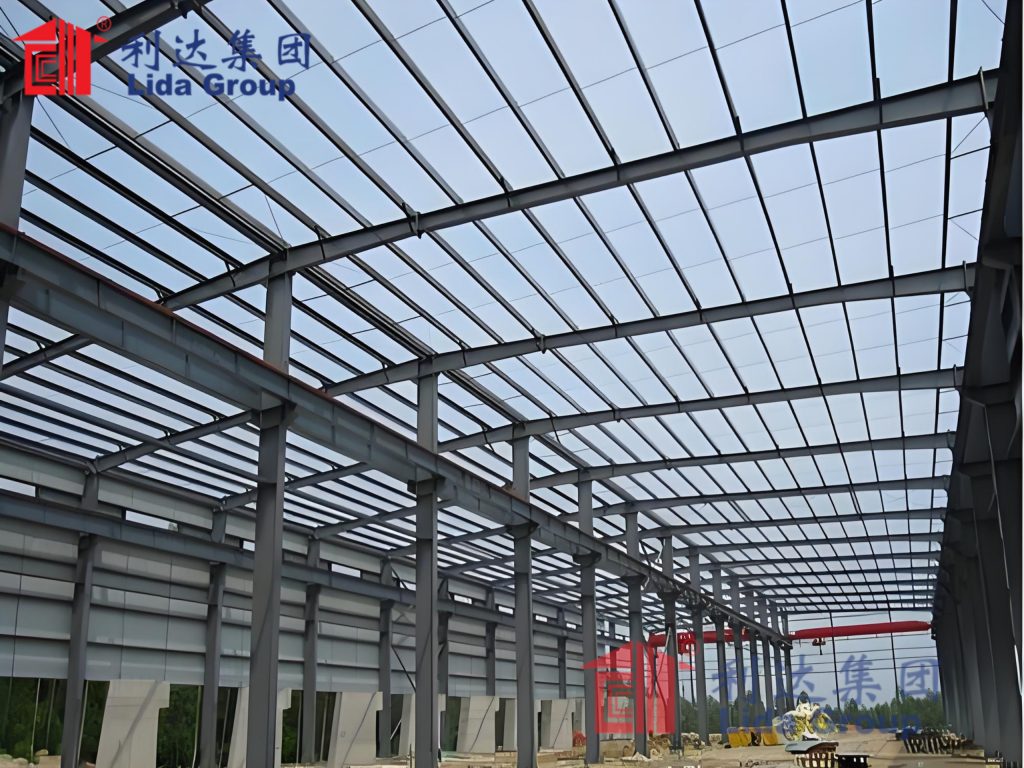
1. The Urgent Need for Innovative Large Span Farm Houses in Modern Agriculture
The global agricultural industry is currently undergoing an unprecedented transformation, driven by factors such as the acceleration of agricultural modernization, the popularization of large-scale planting and breeding, the promotion of intelligent agricultural technologies, and the increasingly strict environmental protection standards. Traditional farm houses, mainly constructed with brick, concrete, and wood, have inherent limitations that make it difficult to adapt to the new demands of modern agricultural production and operation. To understand the core value of Lida Group’s innovative large-span farm house solutions, it is first necessary to analyze the pain points of traditional farm house construction and the evolving needs of modern agriculture.
1.1 Limitations of Traditional Farm House Construction Methods
Brick-concrete farm houses, which have long been the mainstream in agricultural infrastructure construction, have obvious drawbacks in terms of construction efficiency, space utilization, and flexibility. The construction process of brick-concrete structures is time-consuming and labor-intensive, involving on-site concrete mixing, bricklaying, and curing, which usually takes 6-12 months to complete a medium-sized farm house. This prolonged construction cycle not only delays the commissioning of the farm house and affects the normal progress of agricultural production but also increases the construction cost due to the high labor cost and material waste. In addition, brick-concrete farm houses have poor structural flexibility; once constructed, it is difficult to carry out expansion, renovation, or functional transformation, which cannot keep up with the changes in agricultural production scale and operation mode.
For example, when a farmer expands the planting scale and needs to increase the storage space for grain and agricultural machinery, or converts from traditional planting to large-scale breeding, the traditional brick-concrete farm house often has to be demolished and rebuilt, resulting in huge economic losses and resource waste. Moreover, brick-concrete structures have poor thermal insulation and moisture-proof performance, which is not conducive to the storage of agricultural products and the growth of livestock. In humid or cold regions, the internal environment of brick-concrete farm houses is prone to condensation and mold, leading to the deterioration of grain and feed, and increasing the risk of livestock diseases.
Wooden farm houses, although low in initial construction cost, have serious deficiencies in durability and safety. Wood is susceptible to rotting, warping, and insect infestations, especially in the high-temperature, high-humidity environment of agricultural production areas, which shortens the service life of the farm house to only 20-30 years. Moreover, wooden structures have poor fire resistance and seismic performance, posing significant safety hazards for farm houses storing flammable materials such as straw, feed, and pesticides. In areas prone to earthquakes, strong winds, or heavy snow, wooden farm houses are easily damaged, leading to the loss of agricultural materials and even threatening the safety of farmers and livestock.
In addition to the above limitations, traditional farm house construction also faces challenges in environmental protection and sustainability. Brick production consumes a great deal of arable land and energy, and on-site wet construction generates a lot of dust, noise, and construction waste, which is inconsistent with the global “dual carbon” strategy and green agricultural development goals. With the increasingly strict environmental protection policies in various countries, the construction of traditional farm houses is facing greater policy pressure and market risks.
1.2 Evolving Market Demands for Innovative Large Span Farm Houses
With the rapid development of modern agriculture, the demand for farm houses has become increasingly diversified and personalized. Different agricultural production modes, regions, and crop types have different requirements for the structure, function, and performance of farm houses, which puts forward higher requirements for the innovation and versatility of farm house solutions. Specifically, the market demand is mainly reflected in the following aspects:
First, the demand for large-span and large-space design. With the popularization of large-scale agricultural machinery (such as combine harvesters, seeders, and transplanters) and the development of large-scale planting and breeding, modern farm houses need to have large-span spaces without internal columns to maximize the utilization of storage space and facilitate the parking and maintenance of agricultural machinery. At the same time, large-span spaces are also required for large-scale breeding (such as chicken coops, pigsties, and cow sheds) and agricultural product processing (such as grain drying, fruit sorting, and vegetable processing), ensuring the smooth progress of production activities.
Second, the demand for multi-functional integration. Modern farm houses are no longer single-function spaces but need to integrate multiple functions such as agricultural material storage, agricultural machinery maintenance, crop processing, livestock breeding, and office management. This requires the farm house structure to have good flexibility and compatibility, which can be flexibly divided into different functional areas according to actual production needs, improving the comprehensive utilization rate of the farm house.
Third, the demand for rapid construction and short investment cycle. In the context of fierce market competition in agriculture, farmers and agricultural enterprises hope to put farm houses into use as soon as possible to reduce the cost of capital occupation and seize agricultural production opportunities. This requires farm house construction to have high efficiency, shorten the construction cycle as much as possible, and realize rapid commissioning and operation.
Fourth, the demand for environmental protection, energy conservation, and durability. Under the global trend of green agricultural development, farmers and agricultural enterprises pay more and more attention to the environmental performance of farm houses. They hope that farm houses can reduce energy consumption, reduce environmental pollution, and have a long service life to reduce long-term operation and maintenance costs. In addition, with the frequent occurrence of extreme weather such as typhoons, heavy snow, and earthquakes, farm houses also need to have strong resistance to harsh environments to ensure the safety of agricultural materials, livestock, and farmers.
Fifth, the demand for intelligent integration. With the development of intelligent agriculture, modern farm houses are gradually moving towards automation and intelligence, requiring the farm house structure to be compatible with intelligent equipment such as IoT monitoring systems, automatic feeding systems, and temperature and humidity control systems. This puts forward new requirements for the design and construction of farm house structures, requiring close coordination between the structure and intelligent equipment to realize efficient and intelligent agricultural production.
Faced with the limitations of traditional farm house construction and the evolving market demands, innovative large-span farm house solutions based on metal frame structures have emerged as the optimal choice due to their unique advantages. Lida Group, relying on its advanced technology and rich experience, has developed a series of innovative large-span farm house solutions that can perfectly meet the multi-dimensional needs of modern agriculture.
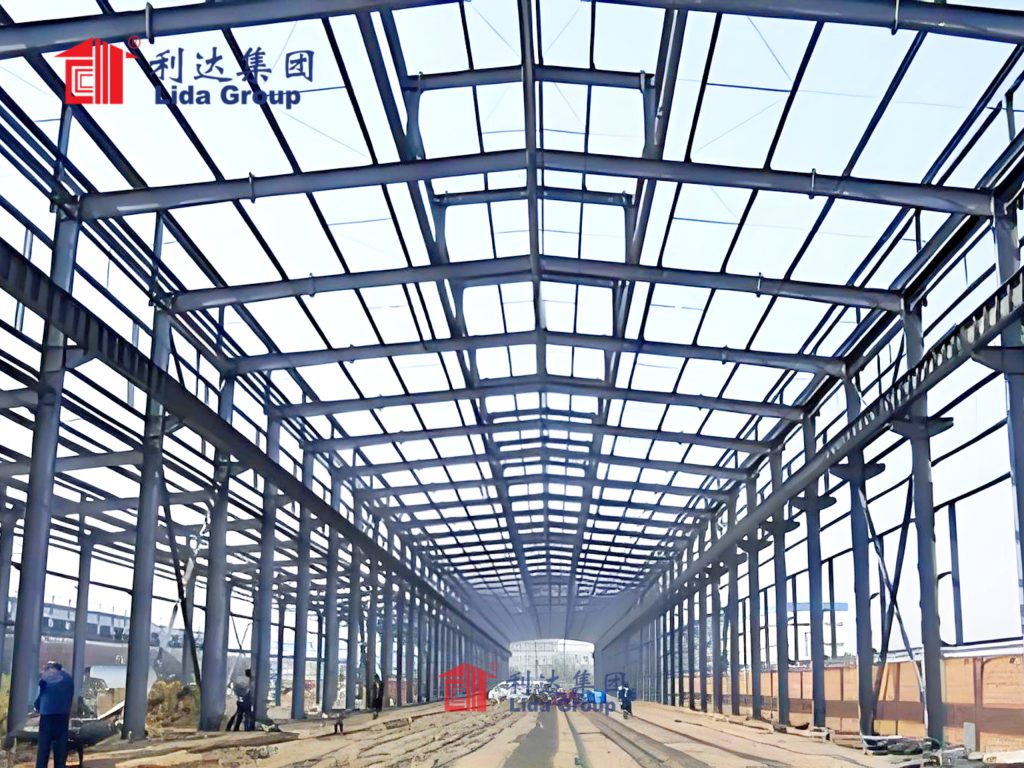
2. Core Innovations and Advantages of Lida Group’s Large Span Farm House Solutions
Lida Group’s innovative large-span farm house solutions are based on high-quality steel materials and advanced structural design, integrating the advantages of innovation, durability, efficiency, flexibility, safety, and environmental protection. These solutions break through the limitations of traditional farm house construction, focusing on meeting the actual needs of modern agricultural production, and have significant innovations in structural design, functional integration, and intelligent adaptation. The core innovations and advantages are specifically reflected in the following aspects:
2.1 Innovative Large-Span Structural Design
The biggest innovation of Lida Group’s large-span farm house is its advanced large-span structural design, which solves the problem of insufficient space in traditional farm houses. Lida Group adopts high-strength steel materials (including Q345, Q355B, and Q460 high-strength steel) and optimized truss structure design, enabling the farm house to achieve a single span of up to 45 meters without internal columns, and even larger spans can be achieved through composite structures. This large-span design maximizes the usable space of the farm house, eliminates the obstacles of internal columns, and provides sufficient space for the parking and maintenance of large-scale agricultural machinery, large-scale breeding, and agricultural product processing.
In addition, Lida Group’s large-span farm house adopts a modular design, which can flexibly adjust the length and width of the farm house according to the actual production needs of farmers and agricultural enterprises, realizing the expansion and extension of the farm house without major demolition and reconstruction. For example, if a farmer expands the planting scale from 500 mu to 1000 mu, the original large-span farm house can be extended by adding modular components, which not only saves construction costs but also ensures the structural stability of the farm house.
2.2 Superior Durability and Long Service Life
The metal frame structure of Lida’s large-span farm house adopts high-strength steel materials with a yield strength of more than 355MPa, which has excellent load-bearing capacity and structural stability. To enhance the corrosion resistance and durability of the structure, Lida Group adopts advanced anti-corrosion treatment technologies such as hot-dip galvanization and anti-corrosion paint spraying. The hot-dip galvanization process forms a dense zinc layer on the surface of the steel components, which can effectively prevent steel corrosion caused by rain, humidity, and agricultural chemicals, extending the service life of the components to more than 50 years.
The anti-corrosion paint adopts a “two primers and two topcoats” alkyd paint system, which further improves the anti-corrosion performance of the structure, making it suitable for harsh agricultural environments such as high temperature, high humidity, salt spray, and cold. Unlike traditional brick-concrete and wooden structures, Lida’s large-span farm houses are not prone to cracking, peeling, rotting, or insect infestations. With proper maintenance, the service life of the farm house can reach up to 70 years, far exceeding the 30-50 years of brick-concrete farm houses and 20-30 years of wooden farm houses. This long service life significantly reduces the frequency of farm house reconstruction and maintenance, lowering the long-term operation and maintenance costs for farmers and agricultural enterprises.
2.3 Fast Construction Efficiency and Short Cycle
Lida Group adopts a “factory prefabrication + on-site assembly” model for large-span farm house construction, which greatly improves construction efficiency and shortens the construction cycle. All metal components (including H-section steel beams and columns, C/Z-channel purlins, bracing, tie bars, and wall and roof panels) are precision-manufactured in Lida’s climate-controlled modern production bases using automated production lines and robotic welding technology. The precision error of the components is controlled within ±2mm, ensuring the accuracy and interchangeability of the components.
The prefabricated components are transported to the construction site by land or sea and then assembled quickly using high-strength bolts (Grade 10.9) or welding, eliminating the need for on-site concrete mixing, bricklaying, and curing. Compared with traditional brick-concrete construction, the construction cycle of Lida’s large-span farm houses is shortened by 60% or more. For example, a 5,000-square-meter medium-sized large-span farm house can be completed and put into use in 45-60 days, while a 10,000-square-meter large-scale farm house can be commissioned in 3-4 months. This rapid construction not only minimizes the impact of construction on agricultural production but also allows farmers and agricultural enterprises to recover investment faster and seize agricultural production opportunities.
2.4 Multi-Functional Integration Design
Lida Group’s large-span farm house adopts a multi-functional integration design, which can meet the diverse needs of modern agricultural production. The farm house can be flexibly divided into different functional areas according to actual needs, such as agricultural material storage area, agricultural machinery maintenance area, crop processing area, livestock breeding area, and office management area. For example, in the agricultural material storage area, the large-span space can be used to store grain, seeds, fertilizers, pesticides, and other agricultural materials, with good moisture-proof and insect-proof performance; in the agricultural machinery maintenance area, the large space and strong load-bearing capacity can meet the parking and maintenance needs of large-scale agricultural machinery; in the crop processing area, the farm house can be equipped with grain drying, fruit sorting, and vegetable processing equipment, realizing the integrated processing of agricultural products.
In addition, Lida Group’s large-span farm house can also be integrated with agricultural greenhouses, forming a “farm house + greenhouse” integrated system, which realizes the organic combination of agricultural production, storage, and processing. This integrated design not only improves the comprehensive utilization rate of agricultural land but also reduces the construction cost of agricultural infrastructure, bringing greater economic benefits to farmers and agricultural enterprises.
2.5 Excellent Safety Performance
Safety is the top priority of farm house construction, and Lida Group attaches great importance to the safety performance of large-span farm houses. The metal frame structure has high toughness and ductility, which can effectively absorb the energy generated by earthquakes, strong winds, and heavy snow, ensuring the structural stability of the farm house. Lida Group optimizes the node design and structural system of the farm house, enabling it to resist earthquakes of up to 8 degrees, winds of up to 150 mph (240 km/h), and snow loads of up to 300 cm, making it suitable for use in various harsh agricultural environments around the world.
In addition, steel is a non-combustible material, and Lida’s large-span farm houses have a Class A fire rating, which significantly reduces the risk of fire and minimizes fire damage. For farm houses storing flammable materials such as straw, feed, and pesticides, Lida Group can also add fire-resistant layers and fire-fighting systems to further improve the fire safety performance of the farm house. The structural stability of the metal frame also ensures that the farm house can withstand the impact of heavy agricultural machinery and equipment, preventing structural damage and ensuring the safety of agricultural materials, livestock, and farmers.
2.6 Environmental Protection, Energy Conservation, and Sustainability
In line with the global green agricultural development trend and “dual carbon” goals, Lida Group’s large-span farm house solutions have significant environmental and energy-saving advantages. Steel is a 100% recyclable material, and the metal components of Lida’s farm houses can be recycled and reused after the farm house is demolished, reducing construction waste and resource waste. The “factory prefabrication + on-site assembly” model reduces on-site wet operations by 80%, minimizing dust, noise, and construction waste pollution, and reducing the impact on the surrounding agricultural environment.
To improve energy efficiency, Lida Group uses high-quality thermal insulation materials (such as rock wool, glass wool, EPS, and PU sandwich panels) for the walls and roofs of the farm houses, achieving a thermal efficiency of R-30 or higher. This reduces the energy consumption of heating and cooling by 50% compared with traditional farm houses, lowering the operation costs for farmers and agricultural enterprises. In addition, Lida’s large-span farm houses can be integrated with solar roofing systems and rainwater harvesting systems, which can meet part of the farm house’s energy and water needs, further promoting energy conservation and emission reduction. For example, the solar roofing system can provide electricity for the farm house’s lighting, ventilation, and intelligent equipment, while the rainwater harvesting system can collect rainwater for irrigation and cleaning, realizing the rational utilization of resources.
2.7 Compatibility with Intelligent Agricultural Equipment
With the development of intelligent agriculture, Lida Group has optimized the design of large-span farm houses to ensure compatibility with various intelligent agricultural equipment. The large-span and high-clearance design of the farm house provides sufficient space for the installation and operation of intelligent equipment such as IoT monitoring systems, automatic feeding systems, temperature and humidity control systems, and agricultural product sorting systems. The metal frame structure has strong load-bearing capacity, which can bear the weight of intelligent equipment and ensure the stable operation of the equipment.
Lida Group can also provide customized design services according to the enterprise’s intelligent agricultural needs, integrating the farm house structure with intelligent systems to realize automated and intelligent agricultural production. For example, in large-scale breeding farms, Lida’s large-span farm houses can be equipped with automatic feeding, drinking, and manure cleaning systems, as well as IoT monitoring systems that can real-time monitor the health status of livestock, improving breeding efficiency and reducing labor costs. In agricultural product processing areas, the farm house can be integrated with intelligent sorting and packaging equipment, improving the processing efficiency and quality of agricultural products. This compatibility with intelligent equipment makes Lida’s large-span farm houses more in line with the development trend of modern agriculture, helping farmers and agricultural enterprises improve their core competitiveness.
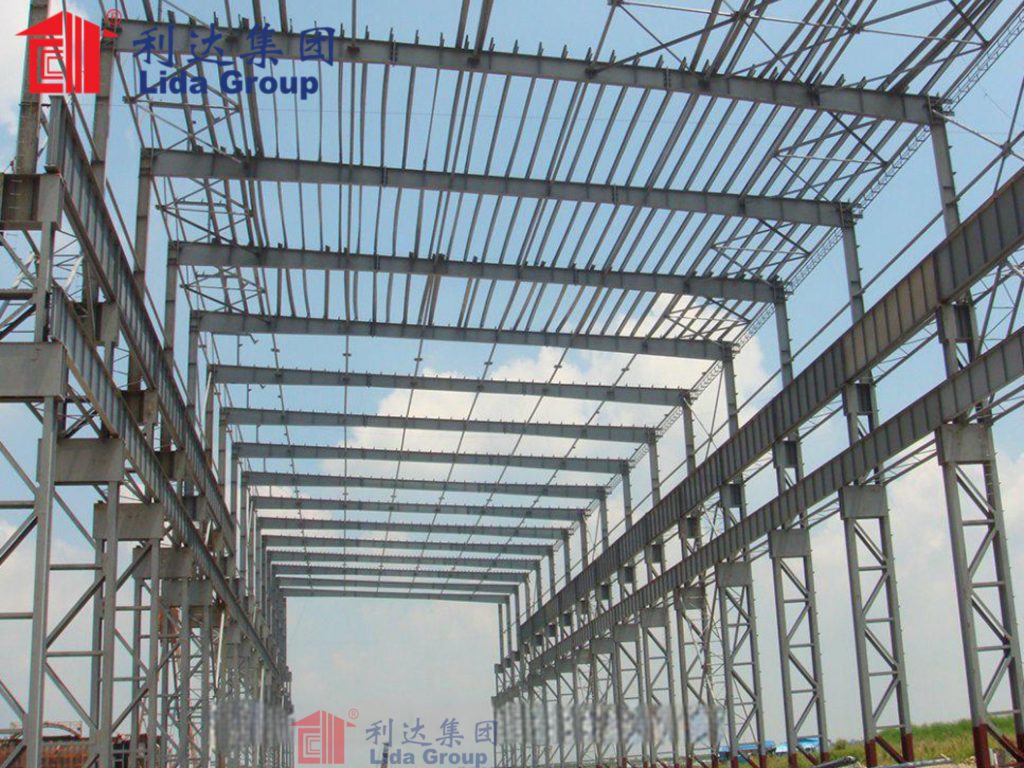
3. Lida Group’s Core Competence in Providing Innovative Large Span Farm House Solutions
The success of Lida Group’s innovative large-span farm house solutions in the global agricultural market is not only due to the inherent advantages of metal frame structures but also to the group’s strong core competence in R&D and design, production and quality control, customization services, and global service. Lida Group has built a complete industrial chain, providing one-stop solutions for customers from project consulting, design, production, installation to after-sales maintenance, ensuring the quality and efficiency of the project.
3.1 Advanced R&D and Design Capabilities
Lida Group attaches great importance to technological innovation and has established a professional R&D team composed of senior engineers, technical experts, and agricultural design specialists, focusing on the research and development of large-span farm house technologies and solutions. The group invests a large proportion of its annual revenue in R&D, continuously optimizing product design and improving construction technology. Over the years, Lida Group has obtained a number of national patents for large-span metal frame farm house design and construction, forming a series of core technologies with independent intellectual property rights.
To ensure the scientificity and rationality of the design, Lida Group has introduced advanced BIM (Building Information Modeling) technology and digital twin simulation technology. BIM technology allows the R&D team to build a three-dimensional digital model of the farm house during the design phase, simulating the structural stress, construction process, and operational maintenance of the farm house. This virtual prototyping technology can identify potential design problems in advance, eliminate costly on-site modifications, and ensure that the farm house operates optimally from day one.
Digital twin simulation technology enables Lida Group to simulate the long-term operation of the farm house under various agricultural environments (such as high temperature, high humidity, cold, and heavy snow), predicting the structural performance and service life of the farm house. This helps the R&D team optimize the design, improve the durability and safety of the farm house, and provide more reliable solutions for customers. In addition, Lida Group also pays attention to the research and development of new materials and new processes, such as high-strength weather-resistant steel and energy-saving insulation materials, continuously improving the performance and versatility of large-span farm houses.
3.2 High-Standard Production and Quality Control System
The quality of metal components is the foundation of large-span farm house construction, and Lida Group has established a strict production and quality control system to ensure the quality and reliability of its products. The group has multiple large-scale modern production bases equipped with advanced automated production equipment, including CNC cutting machines, robotic welding machines, shot blasting machines, and anti-corrosion treatment equipment. All steel raw materials used by Lida Group are sourced from well-known domestic and foreign steel manufacturers, and undergo strict quality inspection before entering the production line to ensure that they meet national and international standards for high-strength steel.
In the production process, Lida Group implements full-process quality control, from raw material inspection, cutting, welding, and shot blasting to anti-corrosion treatment and finished product inspection. The group adopts automatic submerged arc welding technology for steel components, ensuring welding quality and efficiency, with a welding tolerance within 0.2mm. After welding, the components undergo shot blasting treatment to remove rust and oxide layers, improving the adhesion of anti-corrosion paint. The anti-corrosion treatment adopts a strict process standard, ensuring that the anti-corrosion layer is uniform and dense, effectively preventing steel corrosion.
All finished components are inspected strictly according to international standards (such as ISO 9001, CE EN 1090, and SGS) before leaving the factory, ensuring that each component meets the design requirements and quality standards. To further improve product quality, Lida Group has established a quality traceability system, which records the production process, inspection results, and other information of each component, enabling full traceability of product quality. This system not only ensures the quality of the products but also provides a reliable basis for after-sales maintenance and service.
3.3 Professional Customization Capabilities
One of the key advantages of Lida Group’s large-span farm house solutions is their strong customization capability, which can meet the personalized needs of customers in different regions and agricultural production modes. Lida Group’s design team will conduct in-depth investigations of the customer’s actual needs, including agricultural production scale, crop or livestock type, local climate conditions, soil conditions, and budget, and tailor the most suitable large-span farm house solution for the customer.
For example, for customers in tropical regions with high temperature and humidity (such as Southeast Asia), Lida Group will optimize the anti-corrosion design of the metal components and enhance the ventilation and heat dissipation performance of the farm house, using moisture-proof insulation materials to ensure the quality of stored agricultural products and the growth of livestock. For customers in cold regions with heavy snow (such as Northern Europe and Eastern Europe), the group will strengthen the load-bearing capacity of the roof and improve the thermal insulation performance of the farm house, ensuring that the farm house can operate normally in low-temperature environments and prevent snow accumulation from damaging the structure.
For customers in earthquake-prone regions (such as Southwest China and Japan), the group will adopt a more flexible structural design to enhance the seismic performance of the farm house. In addition, Lida Group can also provide customized solutions for special types of farm houses, such as large-scale breeding farms, agricultural product processing workshops, and agricultural machinery storage centers. For breeding farms, the group will design a sealed structure and use anti-bacterial and anti-corrosion materials, matching with ventilation and disinfection systems to ensure the health of livestock. For agricultural product processing workshops, the group will optimize the layout and structural design to adapt to the installation and operation of processing equipment, ensuring the efficiency and safety of processing.
3.4 Professional Installation and One-Stop Service
Large-span farm house construction requires professional installation technology to ensure the stability and safety of the structure, and Lida Group has a professional installation team with rich experience in agricultural building construction. The installation team is composed of trained and certified technicians who are proficient in the installation process and skills of metal frame components. Before installation, the team will conduct on-site surveys and formulate detailed installation plans, considering the local terrain, climate, and agricultural production needs, ensuring that the installation process is scientific, standardized, and efficient.
In the installation process, Lida Group adheres to the principle of “safety first, quality first”, strictly implementing installation specifications and safety operating procedures. The group provides on-site supervision and guidance services, with senior engineers overseeing the installation process to ensure that the installation quality meets the design requirements. For large-scale or complex farm house projects, the group will dispatch a professional technical team to the site to solve technical problems encountered during the installation process in a timely manner.
In addition to production and installation, Lida Group also provides one-stop service covering project consulting, design, production, installation, and after-sales maintenance. The group’s professional consulting team provides customers with detailed information on large-span farm houses, helping customers understand the advantages, costs, and construction processes of metal frame farm houses. After the completion of the project, the group provides a comprehensive after-sales service, including regular inspections, maintenance guidance, and component replacement services. The group has established a global after-sales service network, ensuring that customers can receive timely and professional after-sales support no matter where they are located.

4. Typical Global Project Cases of Lida Group’s Innovative Large Span Farm Houses
Over the years, Lida Group has completed numerous innovative large-span farm house projects around the world, covering various agricultural fields such as crop planting, livestock breeding, agricultural product processing, and agricultural machinery storage. These projects have not only verified the reliability and versatility of Lida’s large-span farm house solutions but also brought significant economic and social benefits to customers. The following are several typical project cases that showcase Lida Group’s strength and innovation in large-span farm house construction.
4.1 Southeast Asia Large-Scale Breeding Farm House Project
With the rapid development of large-scale breeding in Southeast Asia, a well-known agricultural enterprise in the region needed to build a large-scale chicken breeding farm house to meet the growing market demand for poultry products. The project was located in Thailand, which has a tropical monsoon climate with high temperature, high humidity, and frequent heavy rains, requiring the farm house to have excellent corrosion resistance, moisture-proof performance, and ventilation performance. After comparing multiple construction solutions, the agricultural enterprise chose Lida Group’s innovative large-span farm house solution.
For this project, Lida Group conducted in-depth investigations of Thailand’s climate conditions and the enterprise’s breeding needs, and customized a pre-engineered large-span metal frame farm house solution with a total area of 15,000 square meters. The main structure of the farm house adopted Q355B high-strength H-section steel, with a single span of 40 meters, providing ample space for large-scale chicken breeding. The walls and roof used 100mm EPS sandwich panels with excellent thermal insulation and moisture-proof performance, and the farm house was equipped with a high-efficiency ventilation system and automatic temperature and humidity control system, ensuring that the indoor temperature and humidity remained within the optimal range for chicken growth.
To enhance corrosion resistance, Lida Group adopted hot-dip galvanization treatment for all metal components, and sprayed anti-corrosion paint on the surface to form a double anti-corrosion protection layer. The farm house was also equipped with a rainwater drainage system and anti-mosquito nets, preventing water accumulation and mosquito infestations. The project adopted the “factory prefabrication + on-site assembly” model, with all metal components prefabricated in Lida’s Chinese production base and transported to Thailand by sea. The on-site installation took only 60 days, which was 65% faster than the traditional brick-concrete construction plan.
After the completion of the project, the farm house was equipped with automatic feeding, drinking, and manure cleaning systems, as well as IoT monitoring systems that can real-time monitor the health status of chickens. The farm house has been in stable operation for many years, withstanding multiple heavy rains and high-temperature weather without any structural damage. The enterprise’s breeding efficiency has been improved by 45%, and the mortality rate of chickens has been reduced by 30%, effectively supporting the development of its breeding business in Southeast Asia.
4.2 Eastern Europe Agricultural Machinery Storage and Processing Farm House Project
A large agricultural cooperative in Eastern Europe needed to build a multi-functional large-span farm house to meet the needs of agricultural machinery storage, maintenance, and grain processing. The project was located in Ukraine, which has a temperate continental climate with cold winters (minimum temperature of -20°C) and heavy snowfall, posing great challenges to the farm house’s structural stability and thermal insulation performance. Lida Group undertook the project and provided a customized large-span farm house solution.
The farm house had a total area of 10,000 square meters, with a single span of 45 meters and a clear height of 10 meters, which can accommodate large-scale agricultural machinery such as combine harvesters and seeders. The main structure adopted Q460 high-strength steel, with a yield strength of 460MPa, ensuring strong load-bearing capacity. The walls and roof used 150mm PU sandwich panels, which have excellent thermal insulation performance, ensuring that the indoor temperature remains above 5°C even in cold winters. The roof was designed with a steep slope to facilitate snowfall, and the structural system was optimized to withstand snow loads of up to 250 cm.
The farm house was divided into three functional areas: agricultural machinery storage area, maintenance area, and grain processing area. The agricultural machinery storage area was equipped with anti-slip floors and lifting equipment, facilitating the parking and movement of agricultural machinery; the maintenance area was equipped with maintenance tools and equipment, meeting the daily maintenance needs of agricultural machinery; the grain processing area was equipped with grain drying and sorting equipment, realizing the integrated processing of grain. To adapt to the cold climate, Lida Group also added thermal insulation layers to the door and window frames, and adopted sealed door and window systems to reduce heat loss. The metal components were treated with hot-dip galvanization and anti-corrosion paint to resist corrosion in the cold and humid environment.
The project was completed in 75 days, and the farm house was put into use on schedule. The farm house has been operating stably for many years, withstanding harsh winter weather and heavy snowfall, ensuring the safety of agricultural machinery and grain. The agricultural cooperative’s work efficiency has been significantly improved, and the cost of agricultural machinery maintenance and grain processing has been reduced by 35%.
4.3 Africa Agricultural Product Storage and Processing Farm House Project
In the agricultural belt of East Africa, a local agricultural cooperative needed to build a large-scale farm house to store grain, fruits, and vegetables, and carry out simple processing. The project was located in Kenya, which has a tropical savanna climate with high temperature, high humidity, and unstable local construction resources, requiring the farm house to have good moisture-proof, insect-proof, and fire-proof performance, as well as low construction cost and rapid construction. Lida Group provided a cost-effective large-span farm house solution for the project.
The farm house had a total area of 8,000 square meters, adopting a composite metal frame structure combining light steel and heavy steel to balance structural strength and cost efficiency. The main frame adopted Q345 high-strength steel, and the wall and roof used corrugated GI color steel sheets with a thickness of 0.6mm, which have good corrosion resistance and moisture-proof performance. The farm house was equipped with natural ventilation systems, insect-proof nets, and fire-fighting equipment, ensuring good ventilation, preventing insect infestations, and ensuring fire safety.
The farm house was divided into a storage area and a processing area. The storage area was equipped with moisture-proof shelves and temperature and humidity monitoring systems, ensuring the quality of stored agricultural products; the processing area was equipped with fruit and vegetable sorting and cleaning equipment, realizing the simple processing of agricultural products. Considering the limited local construction resources, Lida Group optimized the design of metal components to reduce transportation costs and simplify the installation process. The group dispatched a professional installation team to the site and provided on-site training for local construction workers, improving the installation efficiency. The entire project was completed in 45 days, significantly ahead of the planned schedule.
The farm house has become an important agricultural product storage and processing hub in the region, ensuring the quality and safety of agricultural products and promoting the circulation of agricultural products. The agricultural cooperative’s economic benefits have been improved by 50%, and the local farmers’ income has been increased, contributing to the development of local agriculture.
4.4 China Intelligent Large-Scale Planting Farm House Project
With the development of intelligent agriculture in China, a large agricultural enterprise in Heilongjiang needed to build an intelligent large-span farm house to carry out large-scale vegetable planting and seedling cultivation. The project required the farm house to have stable temperature and humidity control, good light transmission, and compatibility with intelligent planting equipment. Lida Group provided a customized intelligent large-span farm house solution for the project.
The farm house had a total area of 12,000 square meters, with a single span of 38 meters, adopting a metal frame structure combined with glass walls to ensure good light transmission. The main structure adopted Q355B high-strength steel, ensuring structural stability. The farm house was equipped with a high-efficiency thermal insulation system, automatic temperature and humidity control system, and intelligent irrigation system, realizing the precise control of the planting environment. The farm house was also integrated with IoT monitoring systems, which can real-time monitor the growth status of vegetables and seedlings, and adjust the planting environment in a timely manner.
Lida Group optimized the structural design of the farm house to ensure the airtightness and light transmission of the planting space, improving the growth quality of vegetables and seedlings. The metal components were treated with anti-corrosion and anti-condensation treatment to adapt to the high-humidity environment in the farm house. The project was completed in 65 days, and the farm house was put into use on schedule. The farm house’s energy consumption is 40% lower than that of traditional planting greenhouses, and the yield of vegetables and seedlings is improved by 35%, effectively supporting the enterprise’s intelligent planting business.
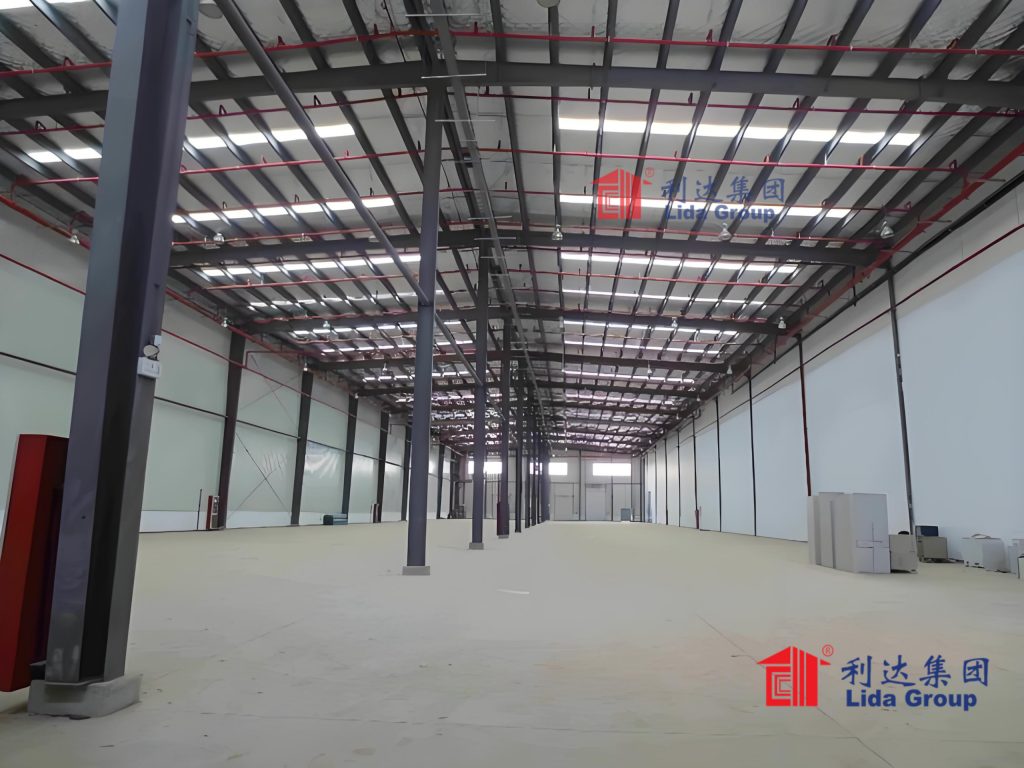
5. The Impact of Lida Group’s Innovative Large Span Farm House Solutions on the Global Agricultural Industry
Lida Group’s pioneering practice in innovative large-span farm house construction has not only brought significant economic benefits to customers but also had a profound impact on the global agricultural industry, promoting the transformation and upgrading of agricultural infrastructure and contributing to the development of modern agriculture.
5.1 Promoting the Transformation of Agricultural Infrastructure Construction Models
Before Lida Group’s entry into the field, the global agricultural infrastructure construction industry was dominated by traditional brick-concrete and wooden structures, with low construction efficiency, poor flexibility, and high environmental impact. Lida Group’s innovative large-span farm house solutions have broken this pattern, providing a new construction model that is efficient, flexible, environmentally friendly, and intelligent. This model has been widely recognized and adopted by farmers and agricultural enterprises around the world, promoting the transformation of agricultural infrastructure construction from traditional manual construction to modern industrialized construction.
The “factory prefabrication + on-site assembly” model adopted by Lida Group has realized the industrialization of farm house components, improving construction efficiency and quality, and reducing construction costs. This model has also promoted the standardization and normalization of agricultural infrastructure construction, changing the scattered and non-standard status of traditional farm house construction. With the promotion of Lida Group’s solutions, more and more agricultural infrastructure construction enterprises have begun to adopt metal frame technology, forming a new industrial chain of large-span farm houses, driving the development of related industries such as steel production, component processing, and installation services.
5.2 Supporting the Development of Large-Scale and Intelligent Agriculture
Large-scale and intelligent agriculture is the core direction of modern agricultural development, and it requires high-quality agricultural infrastructure to support. Lida Group’s innovative large-span farm house solutions provide a solid foundation for the development of large-scale and intelligent agriculture, with large-span space, multi-functional integration, and compatibility with intelligent equipment, enabling farm houses to better adapt to the needs of large-scale planting and breeding, and intelligent agricultural production.
For large-scale planting and breeding, the large-span design of Lida’s farm houses provides sufficient space for the operation of large-scale agricultural machinery and the growth of crops and livestock, improving production efficiency. For intelligent agriculture, the compatibility of Lida’s farm houses with intelligent equipment enables the realization of automated and intelligent production, reducing labor costs and improving production quality. By providing high-quality farm house solutions, Lida Group has effectively supported the development of global large-scale and intelligent agriculture, promoting the modernization of the agricultural industry.
5.3 Leading the Trend of Green and Sustainable Agricultural Development
In the context of global green development and “dual carbon” goals, the concept of sustainable agricultural development has become increasingly important. Lida Group’s innovative large-span farm house solutions are in line with this concept, with significant environmental and energy-saving advantages. The recyclability of steel materials reduces resource waste and construction waste, and the factory prefabrication model reduces environmental pollution caused by on-site construction. The energy-efficient insulation materials and solar energy utilization systems adopted by Lida Group further reduce energy consumption and carbon emissions, contributing to the achievement of global “dual carbon” goals.
Lida Group’s practice has set an example for the global agricultural industry, leading the industry to move towards green and sustainable development. More and more farmers and agricultural enterprises are following Lida Group’s example, adopting environmentally friendly and energy-efficient large-span farm house solutions, promoting the green transformation of agricultural infrastructure. This not only protects the ecological environment but also lays a solid foundation for the long-term development of the agricultural industry.
5.4 Promoting the Global Popularization of Large-Span Metal Frame Farm House Technology
With its strong technical strength, high-quality products, and professional services, Lida Group has promoted the global popularization of large-span metal frame farm house technology. The group’s projects are distributed in 152 countries and regions, covering Asia, Africa, Europe, the Americas, and Oceania, and have been highly recognized by customers in various regions. Through these projects, Lida Group has demonstrated the superiority of large-span metal frame farm houses to the world, changing the traditional perception of agricultural infrastructure construction and promoting the acceptance and adoption of metal frame technology in the global agricultural industry.
In addition, Lida Group has actively carried out technical exchanges and cooperation with agricultural infrastructure construction enterprises and research institutions in various countries, sharing its technical experience and management model, and promoting the improvement of the global large-span farm house technology level. The group has also participated in the formulation of international standards for large-span metal frame farm houses, contributing to the standardization and globalization of the industry.
6. Conclusion
In the era of modern agriculture, the transformation and upgrading of agricultural infrastructure is crucial to promoting the high-quality development of the agricultural industry. As a core part of agricultural infrastructure, farm houses are facing unprecedented demands for innovation, large-scale, multi-functional, and intelligent development. Lida Group, as a global leader in prefabricated metal structure solutions, has relied on its advanced R&D and design capabilities, high-standard production and quality control systems, professional customization services, and global service network to provide innovative large-span farm house solutions for customers around the world, redefining the standards of modern agricultural infrastructure construction.
This article has comprehensively analyzed the limitations of traditional farm house construction methods and the evolving needs of modern agriculture, demonstrating that innovative large-span farm houses based on metal frame structures are the future development direction of global agricultural infrastructure. Lida Group’s large-span farm house solutions have significant innovations and advantages in large-span structural design, durability, construction efficiency, multi-functional integration, safety, environmental protection, and intelligent compatibility, making them highly versatile and able to adapt to various agricultural application scenarios such as crop planting, livestock breeding, agricultural product processing, and agricultural machinery storage.
The group’s core competence in R&D and design, production and quality control, customization, and one-stop service has enabled it to complete numerous high-quality large-span farm house projects around the world, including the Southeast Asia large-scale breeding farm house, Eastern Europe agricultural machinery storage and processing farm house, Africa agricultural product storage and processing farm house, and China intelligent large-scale planting farm house. These projects have not only verified the reliability and superiority of Lida’s solutions but also brought significant economic and social benefits to customers, promoting the development of local agriculture.
Lida Group’s innovation and practice have had a profound impact on the global agricultural industry: promoting the transformation of agricultural infrastructure construction models from traditional manual construction to modern industrialized construction, supporting the development of large-scale and intelligent agriculture, leading the trend of green and sustainable agricultural development, and promoting the global popularization of large-span metal frame farm house technology. With the continuous development of modern agriculture, the demand for innovative, efficient, and sustainable large-span farm houses will continue to grow, and Lida Group will continue to adhere to the concept of innovation and quality, deepen the research and development of large-span farm house technology, optimize product solutions, and provide better services for global customers.
In the future, Lida Group will focus on three key development directions: first, increasing the research and development and application of high-strength, weather-resistant, and energy-saving steel materials, further improving the performance and cost-effectiveness of large-span farm houses; second, strengthening the integration of large-span farm houses with intelligent technologies such as IoT, big data, and artificial intelligence, promoting the development of intelligent farm houses and supporting the development of smart agriculture; third, expanding the global market, especially focusing on the “Belt and Road” countries and regions, and promoting the popularization of large-span farm house solutions to contribute to the development of global agriculture. With these efforts, Lida Group will continue to lead the development of the global large-span farm house industry, making greater contributions to the modernization of the global agricultural industry and the realization of food security.
Related news
-
Versatile Metal Frame Warehouse Solutions by Lida Group
2026-02-26 16:38:16
-
Lida Group Pioneers Steel Structure Construction for Large Farm Houses
2026-02-26 16:23:29
-
Scalable Prefab Worker Dormitory Meets Demand with Sustainable Design
2026-02-25 17:52:42
contact us
- Tel: +86-532-88966982
- Whatsapp: +86-13793209022
- E-mail: sales@lidajituan.com
