



**Introduction**
In an age where time is money and efficiency dictates success, the construction industry finds itself at a crossroads. Traditional building methods, while reliable, are increasingly challenged by soaring labor costs, unpredictable material prices, and extended project timelines that strain budgets and delay returns on investment. For homeowners, developers, and project managers alike, the search for an alternative—one that delivers quality without compromise while significantly reducing both time and cost—has become paramount.
Enter the innovative easy assembly container house. This is not merely a repurposed shipping container; it is a meticulously engineered building system that combines the structural integrity of steel with the efficiency of modern manufacturing. Designed for rapid deployment and simplified assembly, these homes represent a paradigm shift in how we approach residential and commercial construction. They promise what the industry has long sought: speed without sacrificing quality, affordability without compromising durability, and simplicity without limiting design potential.
This article explores the comprehensive landscape of innovative easy assembly container house systems. We will examine the engineering principles that enable rapid assembly, the cost-saving mechanisms embedded in the manufacturing process, the time efficiencies realized through prefabrication, the design flexibility that challenges stereotypes, and the real-world applications that validate the approach. We will also address sustainability benefits, challenges in implementation, and the future trajectory of this transformative building technology. By the conclusion, it will be evident that the innovative easy assembly container house is not just a product but a solution—one that delivers measurable savings in time and cost while meeting the highest standards of quality and comfort.
**Chapter 1: The Problem with Traditional Construction**
To appreciate the value of easy assembly container houses, one must first understand the inefficiencies inherent in conventional construction. Traditional site-built housing is a linear, sequential process: foundation, framing, roofing, electrical, plumbing, insulation, drywall, finishes. Each trade depends on the completion of the previous one, creating a critical path that is vulnerable to delays at every stage.
**1.1 Weather Dependencies**
Site-built construction is exposed to the elements throughout the project lifecycle. Rain can delay foundation pours, wind can halt framing, and cold temperatures can prevent finishing work. In regions with distinct seasons, this can extend project timelines by months, with corresponding increases in labor costs, equipment rental, and construction loan interest.
**1.2 Labor Shortages and Skill Gaps**
The construction industry globally faces a persistent shortage of skilled labor. Carpenters, electricians, plumbers, and masons are in high demand, and their availability often dictates project schedules. Delays in one trade cascade through the entire project, creating a domino effect that pushes completion dates further out.
**1.3 Material Waste and Cost Overruns**
Traditional construction is notoriously wasteful. On-site cutting and fitting generate significant scrap—wood, drywall, insulation, and other materials often end up in dumpsters. Material costs are subject to market fluctuations, and quantities are difficult to estimate precisely, leading to either shortages that cause delays or excess that increases costs.
**1.4 Financing Costs**
Extended construction timelines translate directly into higher financing costs. Construction loans accrue interest throughout the building period, and for developers, delayed project completion means delayed revenue generation. For individual homeowners, extended timelines mean extended periods of renting or living in temporary accommodations.
**Chapter 2: The Innovation—Reimagining the Container**
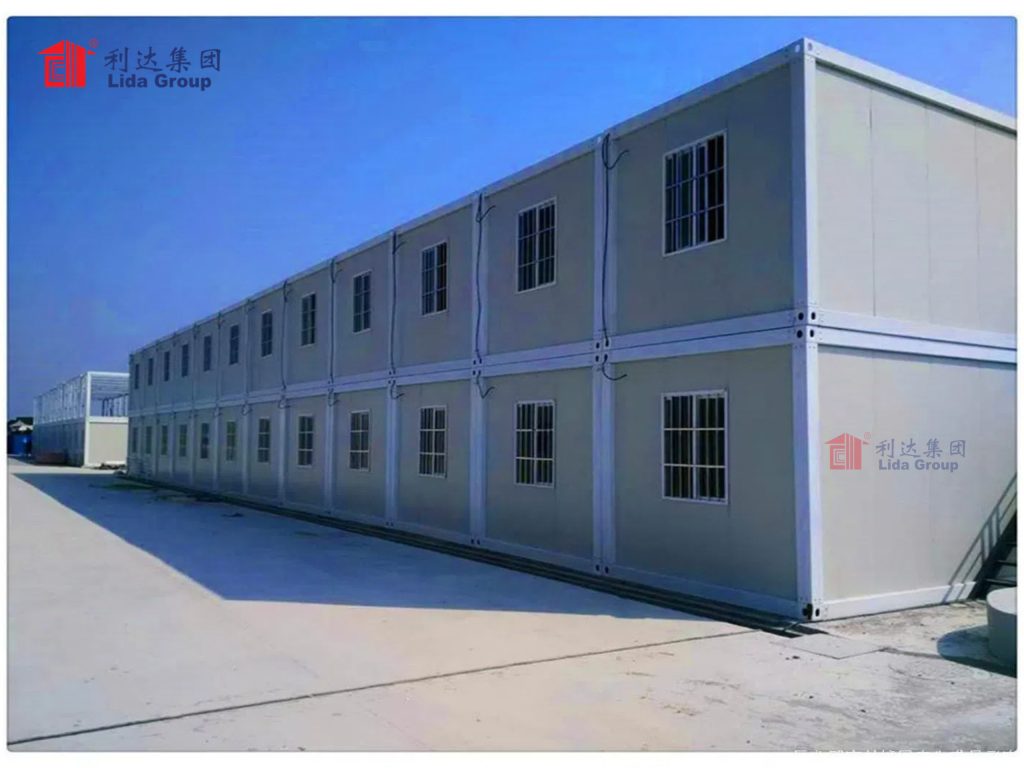
The easy assembly container house represents a fundamental rethinking of how buildings are created. While it draws inspiration from the humble shipping container, the innovation lies in transforming this industrial object into a sophisticated building system optimized for rapid assembly and cost efficiency.
**2.1 Beyond the Standard Container**
Early container homes were exactly that—modified shipping containers. While functional, they carried limitations: fixed dimensions (8 feet wide), structural compromises from cutting openings, and the need for skilled welding. The innovative easy assembly container house moves beyond these constraints by utilizing a panelized steel frame system that maintains the strength of container construction while offering greater flexibility.
These systems are purpose-built, not repurposed. Steel profiles are cold-rolled to precise specifications, with connection points engineered for bolted rather than welded assembly. This approach eliminates the need for specialized welding skills, simplifies the assembly process, and ensures consistent quality across every unit.
**2.2 The Flat-Pack Revolution**
One of the most significant innovations is the flat-pack design. Unlike volumetric container modules that ship as large, hollow boxes, flat-pack systems ship as compact bundles of panels, columns, and components. A complete three-bedroom house can be packed into a single 40-foot shipping container, reducing shipping volume by up to 70% compared to fully assembled units.
This reduction in shipping volume translates directly into cost savings. Fewer containers mean lower freight costs, reduced customs duties (often calculated by container count), and simplified logistics. For remote projects where shipping represents a significant portion of total cost, this innovation alone can reduce the overall budget by 20-30%.
**2.3 Engineered for Assembly**
Every component of an easy assembly container house is designed with the assembly process in mind. Connection points are standardized, panels are color-coded for intuitive placement, and assembly instructions are provided in clear, step-by-step formats. The system is engineered so that a crew of four to six workers with basic tools can erect a complete house in days rather than months.
**Chapter 3: Time Savings—From Months to Weeks**
The most immediate benefit of the innovative easy assembly container house is the dramatic reduction in construction time. Where traditional site-built homes require 4 to 8 months from groundbreaking to occupancy, easy assembly systems deliver in 2 to 6 weeks.
**3.1 Parallel Processing**
The time savings begin with manufacturing. While site preparation occurs on location—clearing, grading, foundation installation—the house components are being fabricated in a controlled factory environment. These parallel work streams eliminate the sequential dependency of traditional construction. By the time the foundation is ready, the building components are already packed and awaiting shipment.
**3.2 Eliminating Weather Delays**
Factory fabrication is unaffected by weather. Rain, snow, and extreme temperatures do not halt production. This consistency ensures that the project timeline is not subject to the vagaries of seasonal conditions. On-site assembly, while still requiring reasonable weather for safety, is completed so quickly that the exposure window is minimal.
**3.3 Simplified Assembly Process**
The assembly process itself is streamlined for efficiency. A typical workflow proceeds as follows:
– **Day 1-2:** Foundation installation. Depending on the site, this may be concrete piers, screw piles, or a concrete slab. This work can be completed before components arrive.
– **Day 3:** Component delivery and staging. The flat-packed materials are unloaded and organized according to the assembly sequence.
– **Day 4-5:** Floor system installation. Steel floor cassettes are placed and bolted together, creating the structural base.
– **Day 6-8:** Wall panel erection. Pre-insulated, pre-wired wall panels are lifted into place and bolted to the floor system. Windows and doors are pre-installed at the factory, eliminating separate installation steps.
– **Day 9-10:** Roof system installation. Roof panels or trusses are placed and secured, completing the structural envelope.
– **Day 11-12:** Utility connections. Pre-installed electrical wiring, plumbing lines, and data cables are connected to main distribution points.
– **Day 13-14:** Interior finishing. Trim installation, final paint touch-ups, and fixture installation complete the interior.
– **Day 15:** Final inspection and occupancy.
This compressed timeline means that a family can move into their new home within weeks of breaking ground, rather than months.
**3.4 Case Study: Accelerated Residential Development**
A developer in a high-growth urban area needed to deliver 20 affordable housing units on a tight timeline to qualify for government incentives. Traditional construction would have required 8-10 months. By utilizing easy assembly container house systems, the developer completed all 20 units in 10 weeks. The accelerated timeline allowed the project to meet the incentive deadline, securing funding that would otherwise have been lost.
**Chapter 4: Cost Savings—Beyond the Price Tag**
While time savings are impressive, the cost advantages of easy assembly container houses are equally compelling. These savings manifest across multiple categories.
**4.1 Material Cost Efficiency**
Factory fabrication achieves material utilization rates exceeding 95%. Scrap steel, insulation offcuts, and packaging are recycled, minimizing waste. In contrast, traditional site-built construction typically generates 15-20% waste, representing materials purchased but never incorporated into the finished structure.
The steel frame itself offers cost advantages. Steel prices are more stable than lumber, which has experienced extreme volatility in recent years. Additionally, steel framing eliminates the cost of termite treatment and reduces the risk of costly moisture-related repairs.
**4.2 Labor Cost Reduction**
The simplified assembly process requires fewer skilled trades and less total labor hours. A traditional house may require carpenters, electricians, plumbers, drywall installers, painters, and various subcontractors, each working sequentially. The easy assembly system consolidates much of this work into the factory, where a single manufacturing team integrates electrical, plumbing, insulation, and finishes.
On-site labor requirements are minimal. A crew of four to six general laborers, supervised by a single skilled foreman, can complete the assembly. This reduction in skilled labor requirements is particularly valuable in regions facing construction labor shortages.
**4.3 Construction Financing Savings**
Shorter construction timelines mean reduced interest costs on construction loans. For a typical $300,000 construction loan at 6% interest, reducing the construction period from 8 months to 2 months saves approximately $9,000 in interest. For larger commercial projects, these savings scale proportionally.
**4.4 Predictable Costs**
One of the most underappreciated benefits is cost predictability. Traditional construction is notorious for cost overruns driven by unforeseen site conditions, material price increases, and labor shortages. The fixed-price nature of factory-fabricated systems, combined with the elimination of weather-related delays, provides a level of cost certainty that traditional projects cannot match.
**4.5 Operational Cost Savings**
The operational efficiency of easy assembly container houses contributes to long-term cost savings. The high insulation values achieved through sandwich panel construction reduce heating and cooling costs by 30-50% compared to conventional wood-frame construction. The steel structure is resistant to pests, eliminating the need for ongoing termite control. Maintenance requirements are minimal; steel does not warp, rot, or require periodic painting like wood siding.
**Chapter 5: Design Innovation—Beyond the Box**
A common misconception about container houses is that they are limited to industrial aesthetics and cramped dimensions. The innovative systems now available dispel this notion entirely.
**5.1 Architectural Flexibility**
The panelized steel frame system allows for design flexibility that standard shipping containers cannot achieve. Manufacturers offer:
– **Variable widths:** Panels available in widths from 8 to 14 feet, enabling spacious room proportions
– **Variable heights:** Ceiling heights from 8 to 10 feet, creating open, airy spaces
– **Gabled roofs:** Traditional pitched roofs for aesthetic variety and attic storage
– **Cantilevers and overhangs:** Architectural features that add visual interest and functional shade
– **Large openings:** The structural steel frame can accommodate floor-to-ceiling glass walls and expansive windows
**5.2 Customizable Floor Plans**
Unlike the fixed dimensions of a shipping container, the panelized system supports a virtually unlimited range of floor plans. Open-concept living areas, walk-in closets, gourmet kitchens, and spa-like bathrooms are all achievable. Manufacturers typically offer a catalog of standard designs, but custom configurations are readily available for clients with specific requirements.
**5.3 Interior Finishes**
The interior finishes of these homes rival those of high-end traditional construction. Options include:
– **Flooring:** Luxury vinyl plank, engineered hardwood, ceramic tile, polished concrete
– **Wall finishes:** Drywall, wood paneling, decorative wallcoverings
– **Kitchens:** Full-height cabinets, quartz or granite countertops, stainless steel appliances
– **Bathrooms:** Tiled showers, frameless glass enclosures, designer fixtures
**5.4 Exterior Cladding**
The steel structure can be finished with a variety of exterior materials, allowing the home to blend with its surroundings or make an architectural statement. Options include:
– **Corrugated steel:** The classic industrial look
– **Fiber cement siding:** Mimicking traditional wood siding with superior durability
– **Cedar or other wood:** For a natural, warm appearance
– **Stucco:** For Mediterranean or Southwestern aesthetics
– **Composite panels:** For a sleek, modern finish
**5.5 Multi-Story Configurations**
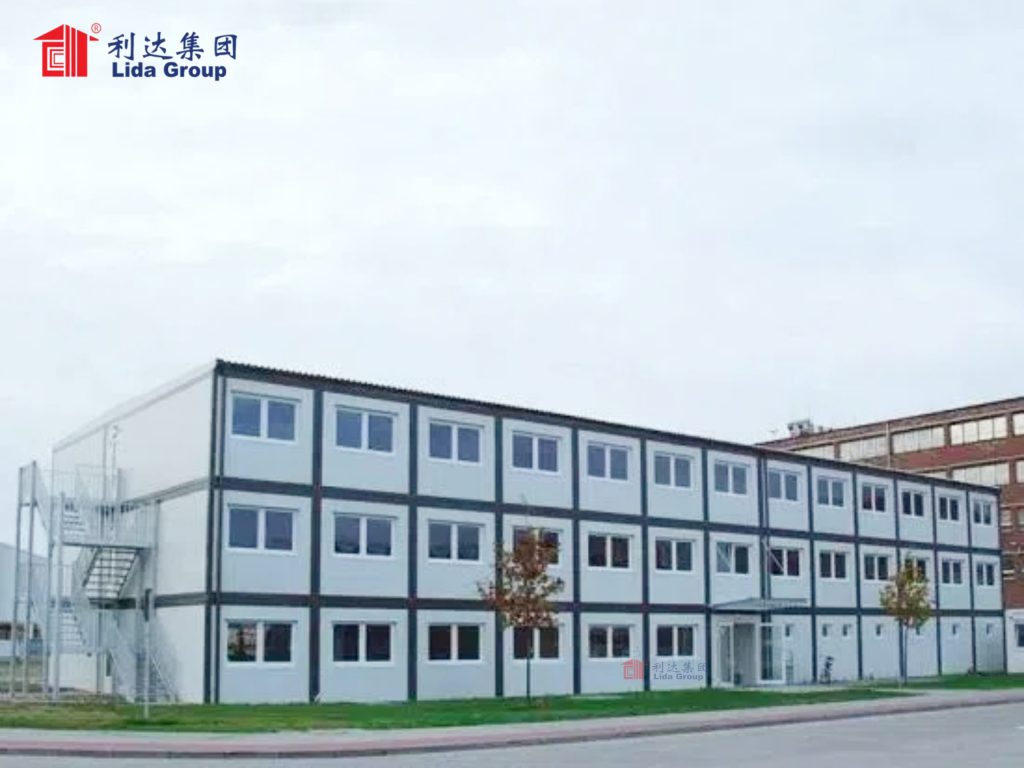
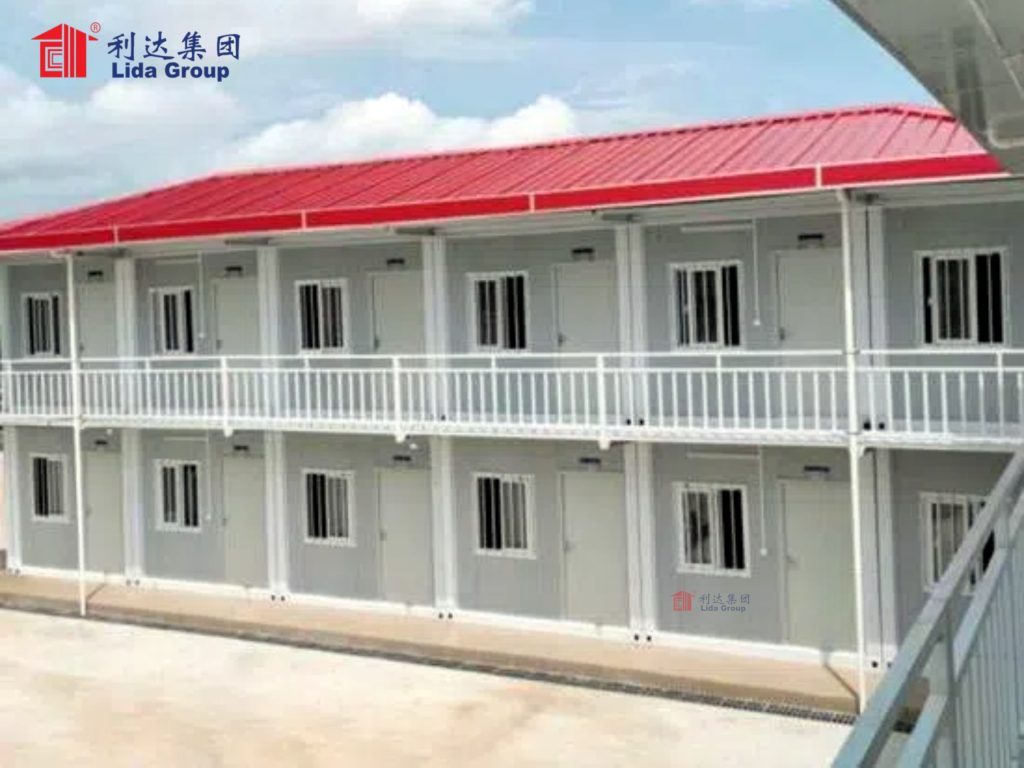
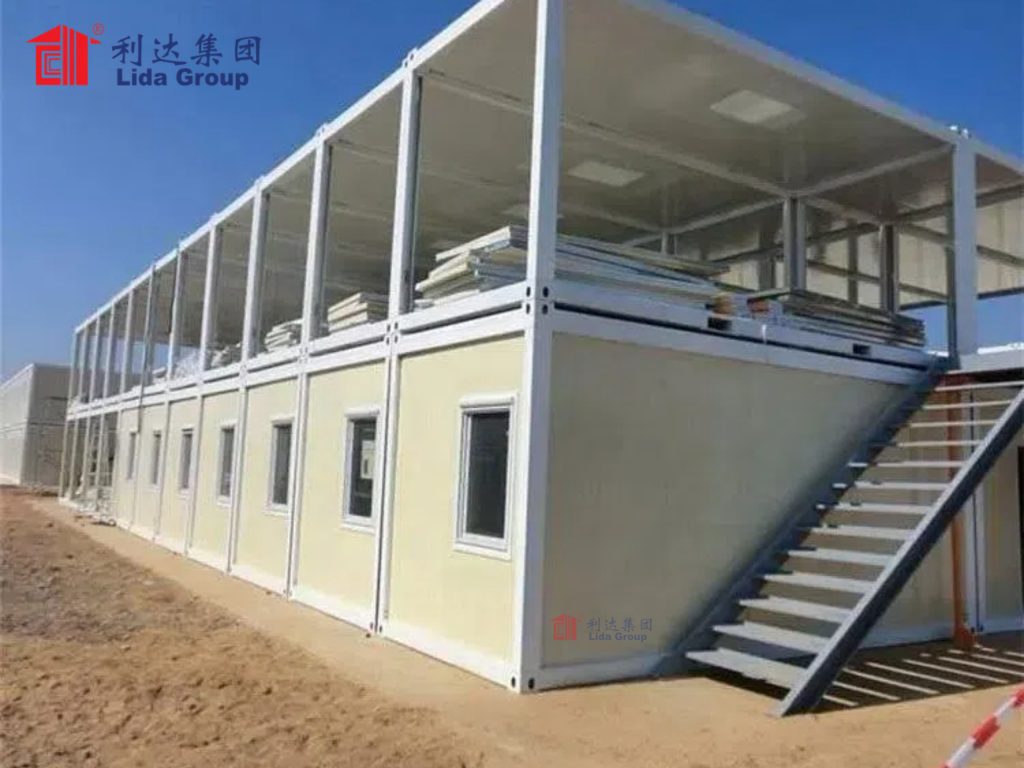
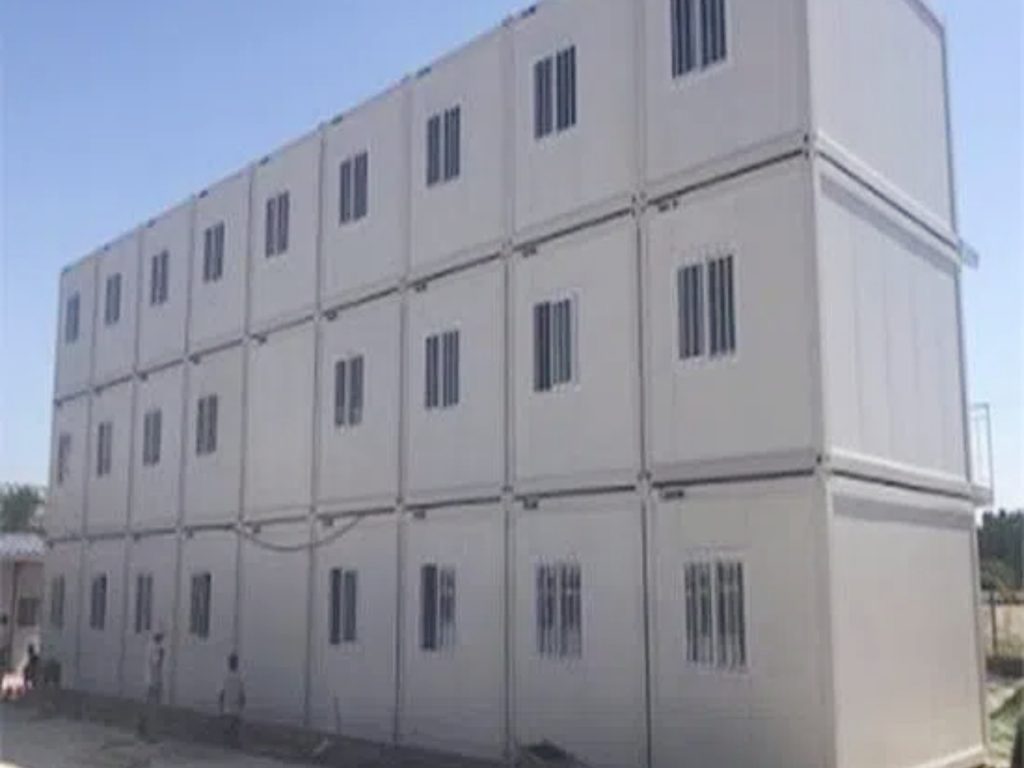
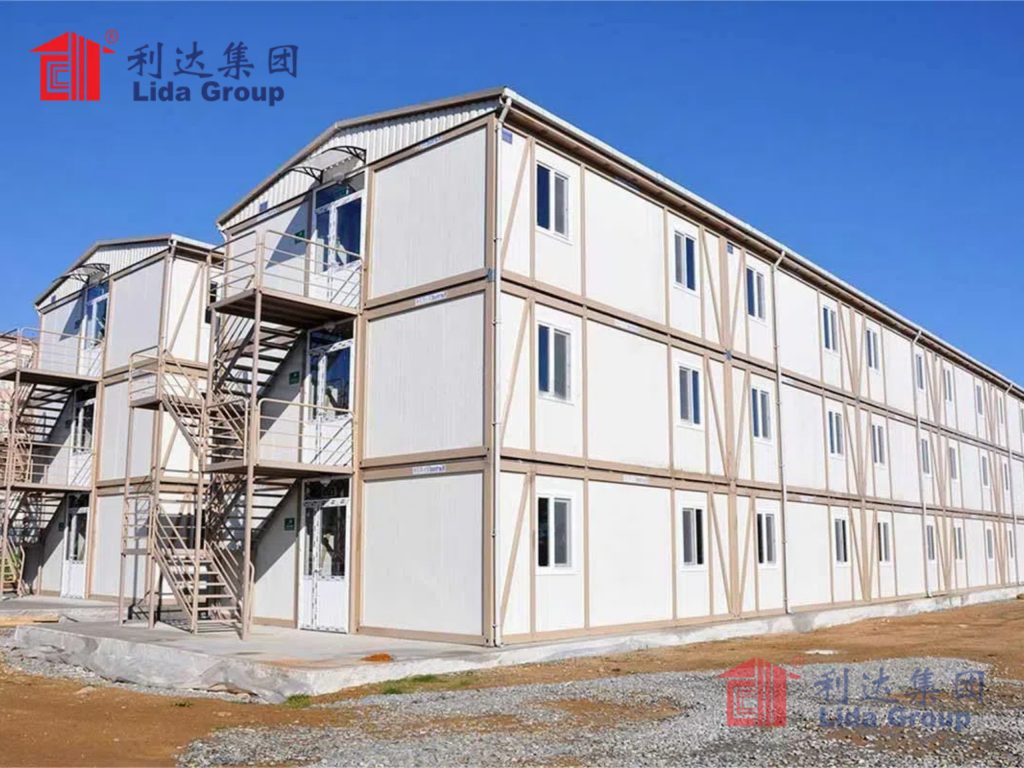
The structural strength of the steel frame supports stacking up to three stories. This enables:
– **Two-story homes:** With living areas on the ground floor and bedrooms above
– **Multi-family developments:** Stacked units maximizing land utilization
– **Mixed-use buildings:** Commercial space on the ground floor, residential above
**Chapter 6: Sustainability—Building Responsibly**
The environmental case for easy assembly container houses is compelling and aligns with growing demand for sustainable building practices.
**6.1 Reduced Construction Waste**
As noted earlier, factory fabrication achieves material utilization rates above 95%. In traditional construction, the waste generated during a typical 2,000-square-foot home can fill several dumpsters. This waste—much of it landfilled—is virtually eliminated with panelized systems.
**6.2 Lower Embodied Carbon**
The steel used in these systems is among the most recycled materials on Earth. Most steel contains significant recycled content, and at the end of its service life, the steel frame can be recycled again. The transportation efficiency of flat-pack shipping reduces the carbon footprint of logistics. Additionally, the reduced concrete requirements (compared to traditional foundations) lower the embodied carbon, as concrete production is a major source of CO₂ emissions.
**6.3 Energy Efficiency**
The high insulation values achieved through sandwich panel construction create an exceptionally tight building envelope. When combined with high-performance windows and proper air sealing, these homes achieve energy efficiency levels that exceed conventional building code requirements. Many owners pair the system with solar photovoltaic arrays to achieve net-zero energy consumption.
**6.4 Water Efficiency**
The precision of factory fabrication allows for integrated water conservation features. Low-flow fixtures are standard, and the systems can be designed to accommodate rainwater harvesting and greywater recycling. In regions facing water scarcity, these features significantly reduce environmental impact.
**6.5 Durability and Longevity**
A home that lasts longer is inherently more sustainable. The steel structure is resistant to the common causes of building failure: termites, rot, and mold. With proper maintenance, these homes have a service life exceeding 50 years. When a home is no longer needed at a particular location, it can be disassembled and relocated rather than demolished—a circular economy approach that traditional construction cannot offer.
**Chapter 7: Real-World Applications**
The versatility of innovative easy assembly container houses is demonstrated through diverse real-world applications across residential, commercial, and institutional sectors.
**7.1 Primary Residences—Suburban Development**
A suburban development in the southeastern United States utilized 25 easy assembly container homes to create an affordable housing community. The homes, ranging from 800 to 1,500 square feet, featured modern designs with gabled roofs, covered porches, and landscaped yards. The developer completed the entire community in 14 weeks, with individual homes averaging 10 days of on-site assembly. The finished homes sold for 25% less than comparable traditional construction in the same market, making homeownership accessible to first-time buyers.
**7.2 Vacation Cabins—Mountain Resort**
A resort operator in a popular mountain destination needed to expand its cabin inventory before the peak summer season. Traditional construction would have missed the season entirely. The operator deployed 12 easy assembly container cabins, each designed with floor-to-ceiling windows to capture mountain views, wood exterior cladding to blend with the environment, and high-efficiency heating systems for cold winter operation. The cabins were delivered and assembled in eight weeks, capturing a full season of rental revenue that would otherwise have been lost.
**7.3 Accessory Dwelling Units—Urban Infill**
A homeowner in a densely populated urban area wanted to add an accessory dwelling unit (ADU) to their property to accommodate aging parents. Local zoning allowed ADUs but required construction to be completed within six months of permit issuance. Using a 20-foot easy assembly container unit configured as a one-bedroom, one-bathroom studio, the homeowner completed the project in five weeks. The total cost, including foundation, utility connections, and interior finishes, was $65,000—significantly less than the $120,000-$150,000 typical for site-built ADUs in the area.
**7.4 Emergency Housing—Post-Disaster Recovery**
Following a devastating wildfire that destroyed hundreds of homes, a community organization needed to provide interim housing for displaced families while permanent reconstruction occurred. Traditional temporary housing solutions—trailers and tents—were inadequate for the region’s harsh winter conditions. The organization deployed 40 easy assembly container units configured as one-bedroom and two-bedroom homes. The units, which arrived flat-packed within three weeks of order, were assembled by volunteers under professional supervision. The homes provided safe, warm shelter through the winter, and because the units are relocatable, they will be repurposed for affordable housing after the displaced families return to their rebuilt homes.
**7.5 Commercial Office—Construction Site**
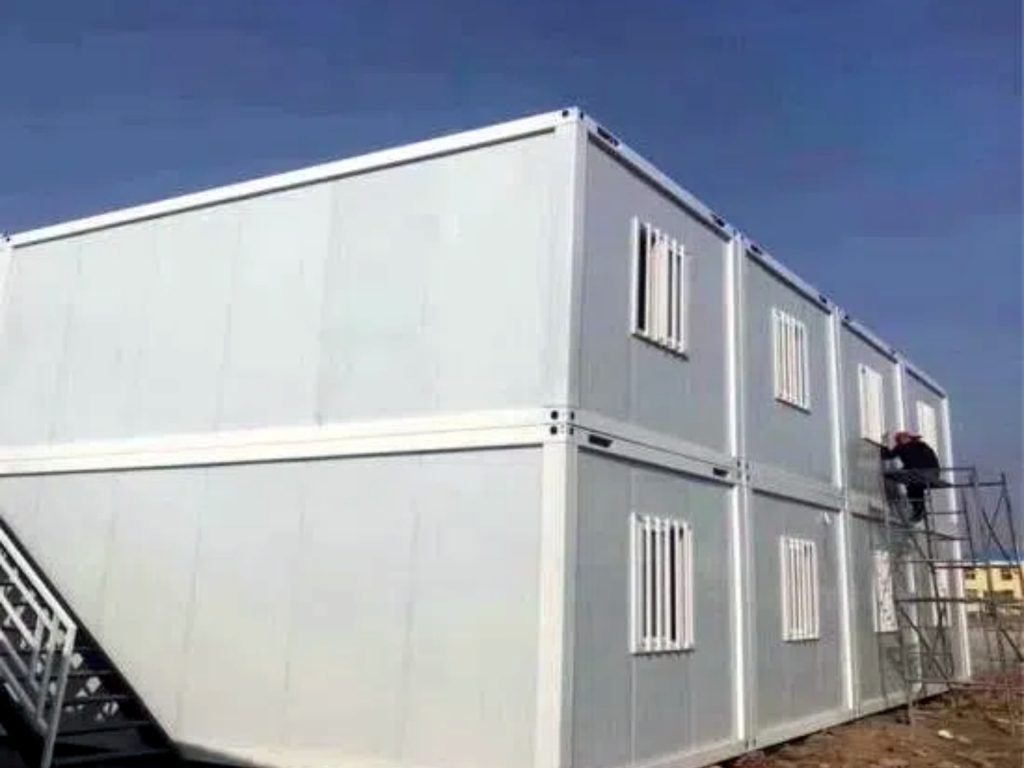
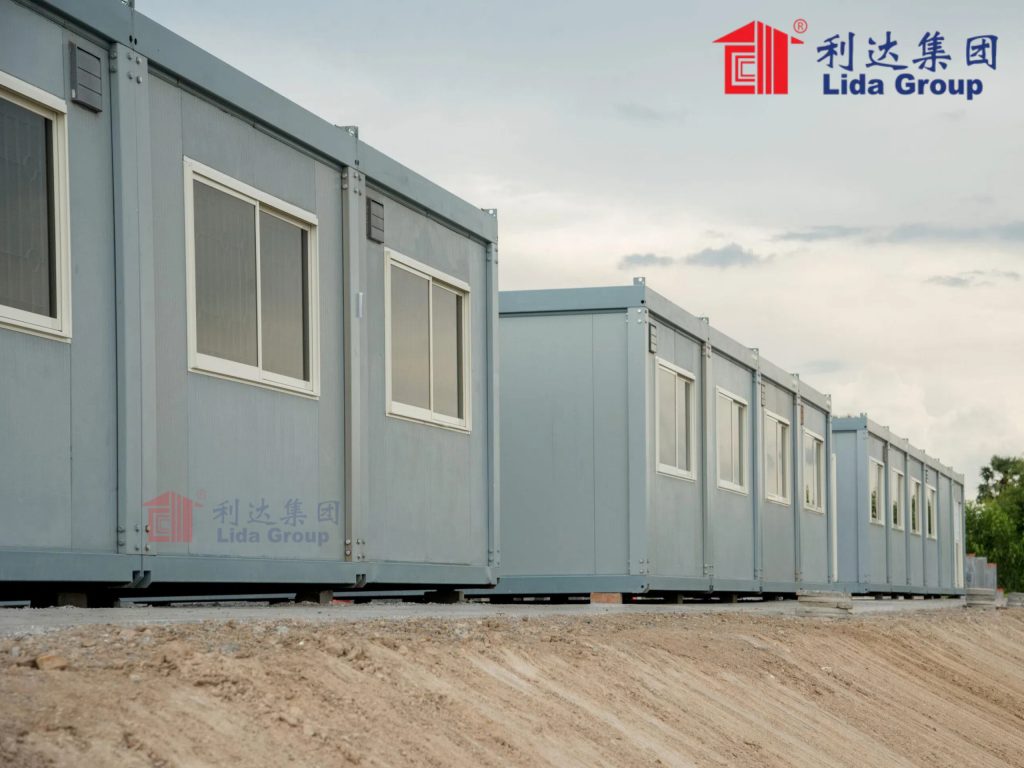
A construction company needed a site office and worker welfare facilities for a three-year infrastructure project. Instead of leasing temporary trailers—which would have cost $4,000 per month for the duration—the company purchased a 40-foot easy assembly container unit configured as an office with meeting space, and two additional units for worker break areas and restrooms. The total investment was $35,000. At the end of the project, the units were relocated to the company’s next site, eliminating ongoing rental costs and providing a long-term asset.
**Chapter 8: Overcoming Challenges**
While the advantages of easy assembly container houses are substantial, successful implementation requires addressing certain challenges.
**8.1 Permitting and Zoning**
The permitting process for container-based housing varies significantly by jurisdiction. Some municipalities have embraced modular construction and have streamlined approval processes; others lack specific provisions, requiring case-by-case review. Strategies for successful permitting include:
– Engaging local building departments early in the planning process
– Working with manufacturers that provide engineered drawings and certification documentation
– Presenting the system as a pre-engineered metal building—a classification well-established in building codes
– For ADUs and secondary structures, leveraging relaxed zoning provisions
**8.2 Land Acquisition**
These homes still require land. While the structure itself is more affordable, land costs remain a significant factor, particularly in urban areas. For some buyers, the strategy is to purchase an older home on a desirable lot, demolish or remove the existing structure, and install a container home. This approach can be more cost-effective than building conventional new construction.
**8.3 Financing**
Traditional mortgages are designed for site-built homes, and some lenders are unfamiliar with modular and panelized construction. However, the landscape is improving. Many lenders now offer construction-to-permanent loans for modular homes, and some have specific products for manufactured housing that accommodate container homes. Owner financing, personal loans, and cash purchases are alternative options.
**8.4 Resale Considerations**
As the market for container homes matures, resale values are becoming more established. Homes installed on permanent foundations with proper permitting typically appreciate similarly to site-built homes. Homes classified as personal property rather than real estate (such as those on leased land) may have different valuation characteristics. Buyers should understand their local market and consult with real estate professionals experienced in modular housing.
**Chapter 9: The Future of Easy Assembly Housing**
The trajectory of easy assembly container house technology points toward continued innovation and broader adoption.
**9.1 Smart Home Integration**
Future systems will be designed with integrated smart home technology. Sensors embedded in wall panels will monitor structural health, moisture levels, and energy consumption. Factory-installed home automation systems will control lighting, climate, security, and entertainment, with all components pre-tested before shipment.
**9.2 Advanced Materials**
Research into new materials promises further performance improvements. Phase-change materials embedded in walls will passively regulate temperature, absorbing heat during the day and releasing it at night. Bio-based insulation materials such as hempcrete will offer lower embodied carbon. Self-healing coatings will protect steel surfaces from corrosion, extending service life.
**9.3 Circular Economy Models**
Some manufacturers are exploring leasing models where customers pay for use rather than purchase. Under such models, units are returned to the manufacturer at the end of a project or when the customer no longer needs them, then refurbished and leased to new customers. This approach reduces upfront costs and aligns with circular economy principles.
**9.4 Urban Integration**
As cities grapple with housing affordability and density challenges, easy assembly container houses are increasingly recognized as a solution for infill development. Their small footprint, rapid installation, and high-quality construction make them ideal for increasing density in established neighborhoods without the disruption of traditional construction.
**9.5 Global Adoption**
The affordability and transportability of these systems make them particularly valuable in developing economies where housing deficits are acute and conventional construction costs are prohibitive. International development organizations are increasingly incorporating easy assembly housing into their programs, recognizing the potential to deliver quality housing at scale.
**Conclusion**
The innovative easy assembly container house represents a fundamental advancement in residential construction—one that delivers what the industry has long sought: superior value through reduced time and cost without compromising quality or design. As we have explored throughout this article, the advantages of these systems are not incremental but transformative.
The time savings are dramatic. Where traditional construction measures timelines in months, easy assembly systems measure in weeks. The elimination of sequential dependencies, the insulation from weather delays, and the streamlined assembly process compress the construction timeline by 70-80%. For homeowners, this means moving in sooner. For developers, it means faster project turnover and earlier revenue generation. For organizations facing urgent housing needs, it means meeting deadlines that would otherwise be impossible.
The cost savings are equally compelling. Material efficiency reduces waste and expense. Simplified labor requirements cut the largest variable cost in construction. Predictable pricing eliminates the uncertainty of cost overruns. Lower financing costs reflect the compressed timeline. And operational savings—through energy efficiency and reduced maintenance—continue to accrue over the life of the home. When all factors are considered, easy assembly container houses typically deliver 20-40% cost savings compared to traditional construction.
Yet these savings are not achieved at the expense of quality. The steel frame provides structural integrity that exceeds conventional wood framing. The factory fabrication ensures consistent quality that field construction cannot match. The high-performance insulation creates thermal comfort that reduces energy consumption. The design flexibility allows for homes that are as architecturally sophisticated as any site-built residence.
The sustainability benefits add another dimension to the value proposition. Reduced waste, lower embodied carbon, energy efficiency, and the circular economy potential of relocatable structures align with environmental imperatives and increasingly stringent regulations. For environmentally conscious homeowners and organizations, these homes offer a way to build responsibly without compromising on cost or timeline.
Challenges remain—permitting complexity, financing availability, and land costs require careful navigation. But these challenges are surmountable, and the industry is maturing to address them. Building departments are becoming more familiar with modular construction, lenders are developing appropriate products, and the resale market is establishing precedent.
Looking forward, the trajectory is clear. As technology advances—through smart integration, advanced materials, and innovative business models—easy assembly container houses will become even more compelling. They are not a niche product for a small segment of the market; they are a scalable solution for the housing needs of the 21st century.
For the homeowner dreaming of a custom home but constrained by budget and timeline, the easy assembly container house offers a path to ownership that was previously out of reach. For the developer seeking to deliver affordable housing at scale, it offers a model that combines speed, quality, and cost efficiency. For the organization facing urgent accommodation needs, it offers a solution that can be deployed rapidly without compromising worker welfare.
In an era where time is the scarcest resource and cost pressures are relentless, the innovative easy assembly container house stands as a testament to what is possible when engineering ingenuity meets practical necessity. It is not merely a building; it is a solution—one that saves time, reduces cost, and delivers the quality that modern life demands. As adoption grows and technology advances, this approach to construction will increasingly become the standard, not the exception, in how we build the places where we live, work, and thrive.
Related news
-
Rapid Deployment Prefabricated Container Labor Camp Now Available
2026-03-25 14:24:31
-
Lida Group Delivers Scalable Modular Modern Container Accommodation
2026-03-24 17:51:12
-
Simplify Relocation with Easy Assembly Container House Systems
2026-03-24 16:55:03
contact us
- Tel: +86-532-88966982
- Whatsapp: +86-13793209022
- E-mail: sales@lidajituan.com
