



Innovative Design for Durable Modular Container Living Spaces
2026-Feb-14 16:11:21
By Admin
As urbanization accelerates, housing shortages, rising construction costs, and growing environmental concerns have driven a global shift toward more efficient, sustainable, and durable housing solutions. Traditional brick-and-mortar construction, while time-tested, struggles to meet the modern demands of flexibility, speed, and long-term resilience—especially in the face of extreme weather events, rapid population growth, and the need for affordable housing. Modular container living spaces have emerged as a transformative alternative, leveraging the inherent durability of shipping containers while integrating innovative design elements to create comfortable, functional, and long-lasting homes. Unlike conventional container conversions that often prioritize cost over comfort or durability, today’s innovative modular container living spaces combine engineering ingenuity, advanced materials, and user-centric design to redefine what is possible with container housing.
The core appeal of modular container living spaces lies in their unique combination of durability and adaptability. Shipping containers are engineered to withstand the harshest conditions—from transoceanic voyages and extreme temperatures to heavy loads and corrosive saltwater—making them an ideal foundation for durable housing. However, converting these industrial structures into livable spaces requires more than just adding windows and doors; it demands innovative design that addresses the limitations of standard containers, such as poor insulation, limited natural light, and rigid spatial configurations. By integrating cutting-edge design principles, advanced materials, and smart technologies, designers and manufacturers are transforming shipping containers into versatile living spaces that are not only built to last but also offer the comfort, aesthetics, and functionality of traditional homes—at a fraction of the cost and construction time.
This article provides a comprehensive exploration of innovative design for durable modular container living spaces, delving into the core design principles, key innovative elements, durability-enhancing technologies, practical applications across diverse contexts, real-world case studies, material advancements, quality control processes, market advantages, and solutions to common design and deployment challenges. With a focus on balancing innovation with durability, we aim to demonstrate how modern modular container living spaces are addressing the critical needs of today’s housing market, why they are gaining traction among homeowners, developers, and organizations worldwide, and how they are poised to shape the future of sustainable and resilient housing. By the end, readers will have a clear understanding of the innovative design strategies that make modular container living spaces durable, functional, and desirable—and why they represent a viable solution to some of the most pressing housing challenges of our time.
1. The Growing Demand for Durable Modular Container Living Spaces
The global housing landscape is facing unprecedented challenges: rapid urbanization has led to overcrowding in cities, housing costs have soared beyond the reach of many middle- and low-income households, and climate change has increased the frequency and severity of extreme weather events—all of which demand housing solutions that are durable, affordable, and adaptable. Modular container living spaces have emerged as a response to these challenges, offering a unique blend of durability, efficiency, and sustainability that traditional construction methods struggle to match. The growing demand for these spaces is driven by several key factors, each highlighting the need for innovative design to enhance their durability and livability.
First, the need for affordable housing is a global crisis. According to the United Nations, over 1.6 billion people worldwide lack adequate housing, and this number is projected to grow to 2.4 billion by 2030. Traditional brick-and-mortar construction is often prohibitively expensive, particularly in urban areas where land and labor costs are high. Modular container living spaces offer a cost-effective alternative, as they repurpose existing shipping containers (reducing material waste and costs) and leverage modular construction to streamline the building process. However, affordability cannot come at the expense of durability; homeowners and developers demand spaces that will last for decades, even in harsh conditions. This has driven the need for innovative design elements that enhance the durability of container living spaces without increasing costs significantly.
Second, climate change has underscored the importance of durable housing. Extreme weather events—such as hurricanes, earthquakes, floods, and wildfires—are becoming more frequent, and traditional homes are often vulnerable to damage or destruction. Shipping containers, by their industrial design, are inherently resilient, but converting them into living spaces requires innovative design to enhance their resistance to these extreme conditions. For example, container homes need improved insulation to withstand extreme temperatures, reinforced structures to resist high winds and seismic activity, and water-resistant designs to prevent flood damage. Innovative design is critical to ensuring that modular container living spaces can stand up to the challenges of a changing climate, providing safe and secure housing for years to come.
Third, the demand for flexible and adaptable housing is on the rise. Modern homeowners and renters increasingly value spaces that can evolve with their changing needs—whether that means expanding a home as a family grows, converting a space from a residence to a home office, or relocating the home to a new site. Modular container living spaces, with their modular design, are inherently flexible, but innovative design elements are needed to enhance this flexibility while maintaining durability. For example, quick-connect systems allow containers to be easily added or removed, while modular interior designs enable homeowners to reconfigure spaces without compromising the structural integrity of the home.
Fourth, environmental sustainability has become a key consideration in housing design. Traditional construction generates significant waste—up to 40% of global construction and demolition waste comes from new building projects—and consumes large amounts of energy and natural resources. Modular container living spaces address this by repurposing shipping containers (which would otherwise end up in landfills) and using prefabricated components that reduce on-site waste by up to 80%. However, sustainability must be balanced with durability; innovative design ensures that these spaces are not only eco-friendly but also built to last, reducing the need for frequent repairs or replacements that would negate their environmental benefits.
Finally, the COVID-19 pandemic has highlighted the need for safe, private, and adaptable living spaces. As more people work from home and prioritize outdoor spaces and personal safety, modular container living spaces have become an attractive option—offering compact, efficient designs that can include home offices, outdoor patios, and other amenities. Innovative design has played a key role in adapting these spaces to meet post-pandemic needs, with features such as improved ventilation, sound insulation, and flexible interior layouts that support both work and leisure.
In response to these growing demands, designers and manufacturers are pushing the boundaries of modular container living space design, integrating innovative elements to enhance durability, comfort, flexibility, and sustainability. The result is a new generation of container homes that are no longer seen as “alternative” housing but as a viable, desirable, and long-lasting solution to the world’s housing challenges.
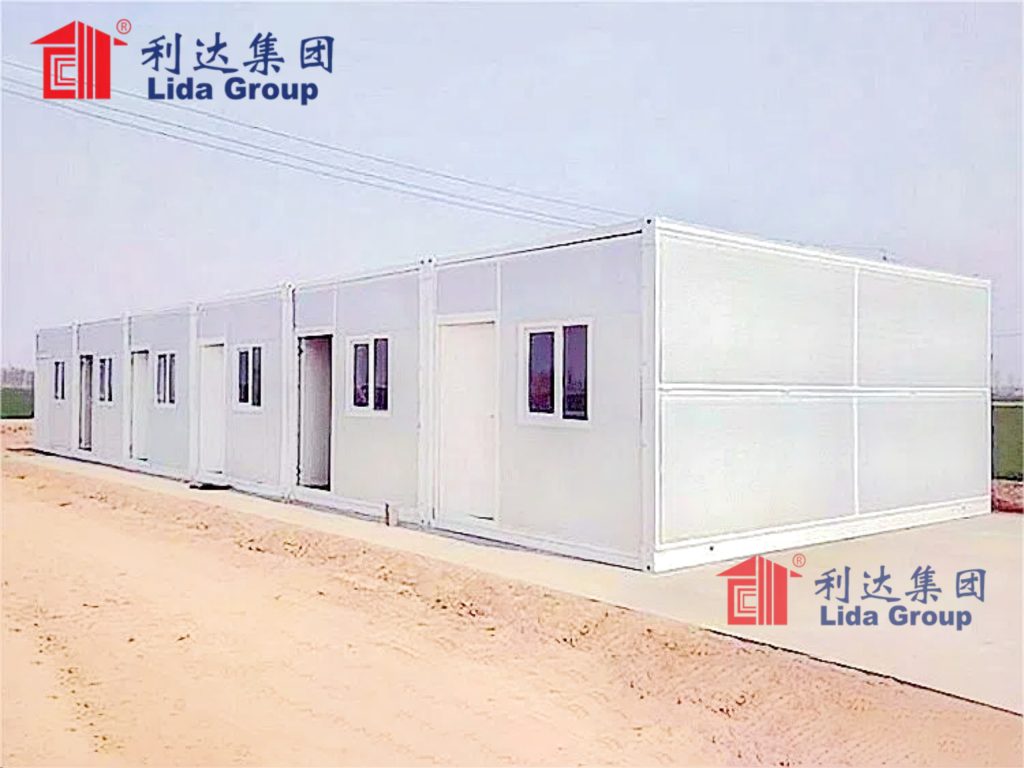
2. Core Design Principles for Durable Modular Container Living Spaces
Creating durable modular container living spaces requires a holistic approach to design, balancing the inherent strength of shipping containers with innovative elements that address their limitations and enhance their livability. The core design principles that guide the development of these spaces are centered on durability, functionality, adaptability, sustainability, and user comfort—all of which work together to create homes that are built to last, easy to use, and tailored to the needs of their occupants. Below are the key design principles that underpin innovative modular container living spaces, along with examples of how they are implemented in practice.
2.1 Structural Integrity and Durability First
The foundation of any durable modular container living space is its structural integrity. Shipping containers are designed to be strong—made from high-strength steel (typically Corten A or Q355B) that can withstand heavy loads, extreme weather, and corrosive environments—but converting them into living spaces requires modifications that must not compromise this strength. The first core design principle is to prioritize structural integrity in all modifications, ensuring that the container’s original strength is preserved or enhanced.
Innovative design strategies to maintain structural integrity include: reinforcing cutouts for windows and doors (which can weaken the container’s structure) with steel frames or beams; using high-strength welding techniques to connect multiple containers without creating weak points; and adding additional support structures (such as concrete foundations or steel columns) for multi-story homes. For example, when cutting out a large window or glass wall (a popular design element to increase natural light), designers often install steel lintels or frames around the opening to distribute weight evenly and prevent the container from bending or warping over time.
Another key aspect of structural durability is resistance to environmental stressors. Innovative design incorporates features such as reinforced roofs to withstand heavy snow loads, wind-resistant walls and foundations to endure hurricanes and tornadoes, and seismic bracing to protect against earthquakes. For example, in earthquake-prone regions, container homes are designed with flexible connections between containers and foundations, allowing the structure to absorb seismic energy without collapsing. In coastal areas, designers use corrosion-resistant materials and coatings to protect the steel frame from saltwater damage—ensuring that the home remains durable even in harsh marine environments.
2.2 User-Centric Functionality and Comfort
While durability is critical, modular container living spaces must also be functional and comfortable to be viable as homes. The second core design principle is to integrate user-centric design elements that address the limitations of standard containers—such as poor insulation, limited natural light, and rigid spatial configurations—and create spaces that are comfortable, livable, and tailored to the needs of their occupants.
Innovative design strategies to enhance functionality and comfort include: improved insulation systems to regulate indoor temperatures and reduce energy costs; large windows, glass walls, and skylights to maximize natural light and create a sense of spaciousness; open-concept floor plans to optimize space usage; and built-in storage solutions to address the limited square footage of container homes. For example, advanced insulation materials—such as spray foam, rock wool, or vacuum-insulated panels—are used to line the walls, roof, and floor of containers, creating a thermal barrier that keeps the home warm in winter and cool in summer. This not only improves comfort but also reduces energy consumption, making container homes more sustainable and cost-effective in the long run.
Another user-centric design element is the integration of outdoor spaces. Many modular container living spaces feature balconies, patios, or roof decks—extensions of the indoor living area that provide additional space for relaxation, entertaining, or gardening. These outdoor spaces are often designed with durable materials (such as composite decking or steel railings) that can withstand the elements, ensuring that they remain functional and attractive for years to come.
2.3 Modularity and Adaptability
Modularity is a defining feature of container living spaces, and the third core design principle is to leverage this modularity to create adaptable homes that can evolve with the changing needs of their occupants. Innovative design ensures that container modules can be easily connected, disconnected, added, or removed—allowing homeowners to expand their home as their family grows, downsize as needed, or reconfigure spaces for different uses (such as converting a guest room into a home office).
Key design strategies for modularity and adaptability include: standardized connection systems that allow containers to be quickly and securely joined together; modular interior components (such as movable walls, foldable furniture, and interchangeable fixtures) that can be easily reconfigured; and pre-designed expansion modules that can be added to the original home without extensive modifications. For example, a basic 20-foot container home can be expanded by adding additional 20-foot or 40-foot modules, connected via a quick-connect bolt system that requires no welding or specialized tools. This modularity not only enhances adaptability but also reduces construction time and costs, as expansions can be completed in days rather than weeks or months.
Adaptability also extends to relocation. Unlike traditional homes, modular container living spaces are portable—they can be disassembled, transported to a new site, and reassembled with minimal effort. Innovative design ensures that the home can be relocated without damaging its structural integrity or interior finishes, making it an ideal option for people who frequently move or who want the flexibility to change their living location.
2.4 Sustainability and Eco-Friendliness
Sustainability is a core design principle for modern modular container living spaces, as they are inherently eco-friendly due to their use of repurposed shipping containers. However, innovative design takes sustainability a step further, integrating elements that reduce environmental impact, conserve resources, and promote long-term sustainability—all while maintaining durability.
Innovative sustainability strategies include: using recycled or renewable materials for interior finishes and fixtures (such as reclaimed wood, bamboo, or recycled plastic); integrating renewable energy systems (such as solar panels, wind turbines, or geothermal heating) to power the home; installing water-saving fixtures (such as low-flow toilets, showerheads, and rainwater harvesting systems) to reduce water consumption; and designing the home to maximize natural ventilation and daylight, reducing the need for artificial lighting and air conditioning.
For example, many modular container homes are equipped with solar panels on the roof, which generate electricity to power the home’s lights, appliances, and heating/cooling systems. Rainwater harvesting systems collect and store rainwater for use in gardening, cleaning, or flushing toilets—reducing reliance on municipal water supplies. Additionally, the use of reclaimed wood for flooring, cabinets, and furniture not only reduces waste but also adds a warm, natural aesthetic to the home, enhancing its livability.
2.5 Aesthetic Appeal and Customization
One of the biggest misconceptions about modular container living spaces is that they are unattractive or “industrial-looking.” The fifth core design principle is to integrate innovative aesthetic elements that transform shipping containers into visually appealing homes that reflect the personal style of their occupants. Customization is key—innovative design allows homeowners to tailor the exterior and interior of their container home to their preferences, ensuring that it stands out and feels like a true home.
Innovative aesthetic design strategies include: exterior cladding materials (such as wood, stone, vinyl, or fiber cement) that cover the steel container and add texture and visual interest; custom paint colors or finishes (including matte, glossy, or textured paints) to personalize the home’s appearance; large windows, glass walls, and skylights that create a bright, open feel; and interior design elements (such as warm lighting, soft textiles, and decorative accents) that soften the industrial look of the container.
Customization options are nearly endless—homeowners can choose from a variety of floor plans, interior finishes, fixtures, and amenities to create a home that meets their unique needs and style. For example, a minimalist container home might feature clean lines, neutral colors, and large windows, while a rustic container home might use reclaimed wood cladding, stone accents, and warm lighting. This ability to customize not only enhances the aesthetic appeal of container homes but also makes them more desirable to a wider range of homeowners.
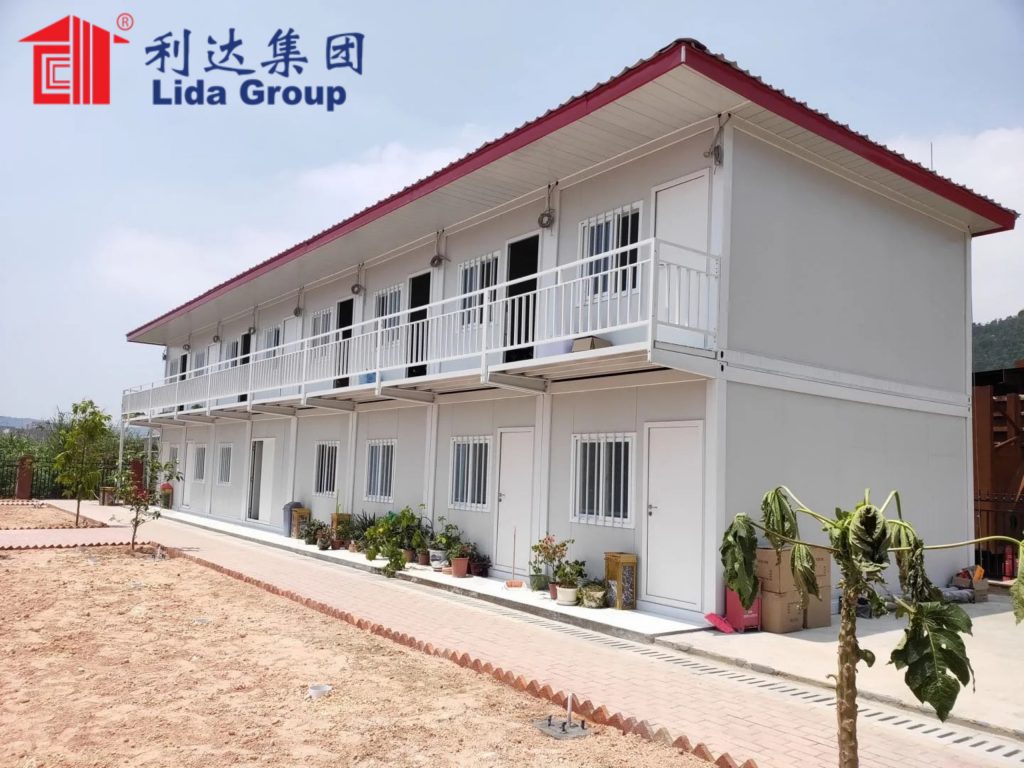
3. Key Innovative Design Elements Enhancing Durability
While the core design principles provide a framework for creating durable modular container living spaces, it is the specific innovative design elements that bring these principles to life—enhancing durability, functionality, and livability. These elements leverage advanced materials, engineering techniques, and smart technologies to address the limitations of standard containers and create homes that are built to last. Below are the key innovative design elements that are transforming modular container living spaces, along with details on how they enhance durability and performance.
3.1 Advanced Insulation Systems for Thermal and Acoustic Durability
One of the biggest challenges with standard shipping containers is their poor insulation—steel conducts heat and cold quickly, leading to extreme indoor temperatures and high energy costs. Innovative insulation systems are a critical design element for modular container living spaces, enhancing thermal durability (the ability to maintain a consistent indoor temperature) and acoustic durability (the ability to block external noise), while also protecting the container from moisture damage.
Advanced insulation materials used in modern container homes include:
– Spray Foam Insulation: A polyurethane foam that expands to fill gaps and cracks in the container’s walls, roof, and floor, creating a seamless thermal barrier. Spray foam insulation has excellent thermal resistance (R-value) and is waterproof, preventing moisture buildup that can lead to rust and mold. It also provides good acoustic insulation, blocking external noise from traffic, neighbors, or weather.
– Rock Wool Insulation: A mineral fiber insulation made from volcanic rock or basalt, which is fire-resistant, water-resistant, and mold-resistant. Rock wool has a high R-value and is ideal for use in container homes, as it can withstand extreme temperatures and provides excellent thermal and acoustic insulation. It is also eco-friendly, as it is made from natural materials and is recyclable.
– Vacuum-Insulated Panels (VIPs): Thin, lightweight panels that provide superior thermal insulation with minimal thickness. VIPs are ideal for container homes, as they take up less space than traditional insulation materials, allowing for more interior square footage. They have an extremely high R-value and are waterproof, making them suitable for use in harsh environments.
In addition to advanced materials, innovative insulation design includes double-walled construction—adding a second layer of steel or wood to the container’s exterior, creating a cavity that is filled with insulation. This double-walled design not only enhances thermal and acoustic insulation but also provides an additional layer of protection against corrosion and impact damage.
3.2 Corrosion-Resistant Materials and Coatings
Steel shipping containers are prone to corrosion—especially in coastal areas, humid climates, or regions with heavy rainfall or snow. Corrosion can weaken the container’s structure over time, reducing its durability and lifespan. Innovative design addresses this issue by integrating corrosion-resistant materials and coatings that protect the steel frame from rust and deterioration.
Key corrosion-resistant design elements include:
– Hot-Dip Galvanization: A process where the steel container is dipped in molten zinc, creating a protective layer that prevents rust and corrosion. Hot-dip galvanization is one of the most effective corrosion-resistant treatments, providing long-lasting protection even in harsh environments. Many modular container living spaces use hot-dipped galvanized containers as the base structure, ensuring that the frame remains durable for decades.
– Fluorocarbon or Polyurethane Coatings: High-performance paints that are applied to the container’s exterior to provide an additional layer of protection against corrosion, UV radiation, and extreme weather. These coatings are available in a variety of colors and finishes, and they are resistant to chipping, fading, and peeling—ensuring that the home’s exterior remains attractive and protected for years to come.
– Corrosion-Resistant Cladding: Exterior cladding materials (such as fiber cement, vinyl, or aluminum) that cover the steel container and protect it from the elements. These materials are resistant to rust, rot, and mold, and they require minimal maintenance—reducing the need for frequent repairs or replacements.
In coastal areas, where saltwater is a major threat to corrosion, designers often use additional corrosion-resistant measures, such as stainless steel hardware, marine-grade paint, and elevated foundations to prevent the container from coming into direct contact with saltwater or damp soil.
3.3 Reinforced Structural Design for Extreme Weather Resistance
To ensure durability in the face of extreme weather events, modular container living spaces incorporate reinforced structural design elements that enhance their resistance to high winds, earthquakes, floods, and snow loads. These design elements leverage advanced engineering techniques to strengthen the container’s frame and ensure that it can withstand the most severe conditions.
Key reinforced structural design elements include:
– Wind-Resistant Design: Reinforced roof trusses, wall studs, and corner brackets that distribute wind loads evenly throughout the structure, preventing damage from hurricanes, tornadoes, or strong winds. Some container homes also feature aerodynamic designs (such as sloped roofs or curved walls) that reduce wind resistance, minimizing the risk of damage.
– Seismic Bracing: Steel braces or cables that are installed between the container’s frame and foundation, allowing the structure to absorb seismic energy during an earthquake. This bracing prevents the container from collapsing or shifting, ensuring that the home remains safe and secure.
– Flood-Resistant Design: Elevated foundations (such as concrete piers or steel columns) that raise the container above flood levels, preventing water from entering the home. Additionally, waterproof seals around windows, doors, and other openings prevent water intrusion, while drainage systems (such as French drains or sump pumps) remove excess water from around the foundation.
– Snow Load Resistance: Reinforced roofs and ceiling joists that can withstand heavy snow loads, preventing roof collapse. Some container homes also feature heated roofs or snow guards to prevent snow buildup and ice dams, which can cause damage to the roof and exterior.
3.4 Modular Connection Systems for Structural Stability and Adaptability
Modular container living spaces often consist of multiple containers connected together to create larger, more functional homes. Innovative modular connection systems are a key design element that ensures these connections are structurally stable, durable, and easy to assemble—while also allowing for adaptability and expansion.
Key modular connection systems include:
– Quick-Connect Bolt Systems: Pre-installed steel brackets and high-strength bolts that allow containers to be connected quickly and securely without welding. These systems are designed to align perfectly with corresponding brackets on adjacent containers, ensuring a tight, stable connection that can withstand heavy loads and extreme weather. Quick-connect bolt systems are easy to install and disassemble, making them ideal for modular homes that may need to be expanded or relocated.
– Welded Connection Systems: For permanent multi-story container homes, welded connections are used to join containers together, creating a single, seamless structure. Advanced welding techniques (such as MIG or TIG welding) ensure that the welds are strong and durable, providing structural stability for decades. Welded connections are often reinforced with steel plates or beams to further enhance strength.
– Flexible Connection Systems: For homes that require adaptability, flexible connection systems (such as hinges or sliding joints) allow containers to move slightly relative to each other, absorbing stress from wind, seismic activity, or temperature changes. These systems ensure that the structure remains stable while also allowing for minor adjustments, reducing the risk of damage over time.
3.5 Smart Home Technologies for Durability and Efficiency
Innovative smart home technologies are increasingly being integrated into modular container living spaces, enhancing their durability, efficiency, and livability. These technologies monitor and maintain the home’s systems, preventing damage, reducing energy consumption, and extending the home’s lifespan.
Key smart home technologies for durability include:
– Smart Monitoring Systems: Sensors that monitor temperature, humidity, moisture, and structural stress in the home. These sensors send real-time alerts to homeowners via a smartphone app, allowing them to detect potential issues (such as moisture buildup, temperature fluctuations, or structural damage) before they become serious. For example, a moisture sensor in the basement can alert homeowners to a leak, preventing mold growth and water damage.
– Smart HVAC Systems: Heating, ventilation, and air conditioning systems that are controlled remotely and adjust automatically based on indoor and outdoor conditions. These systems optimize energy consumption, maintain a consistent indoor temperature, and prevent extreme temperature fluctuations that can damage the home’s structure or interior finishes.
– Smart Security Systems: Cameras, motion sensors, and door/window alarms that protect the home from theft and vandalism. These systems not only enhance safety but also deter damage to the home, extending its lifespan.
– Smart Lighting Systems: LED lights that are controlled remotely and adjust automatically based on natural light levels. These systems reduce energy consumption and prevent overheating, which can damage light fixtures and surrounding materials.
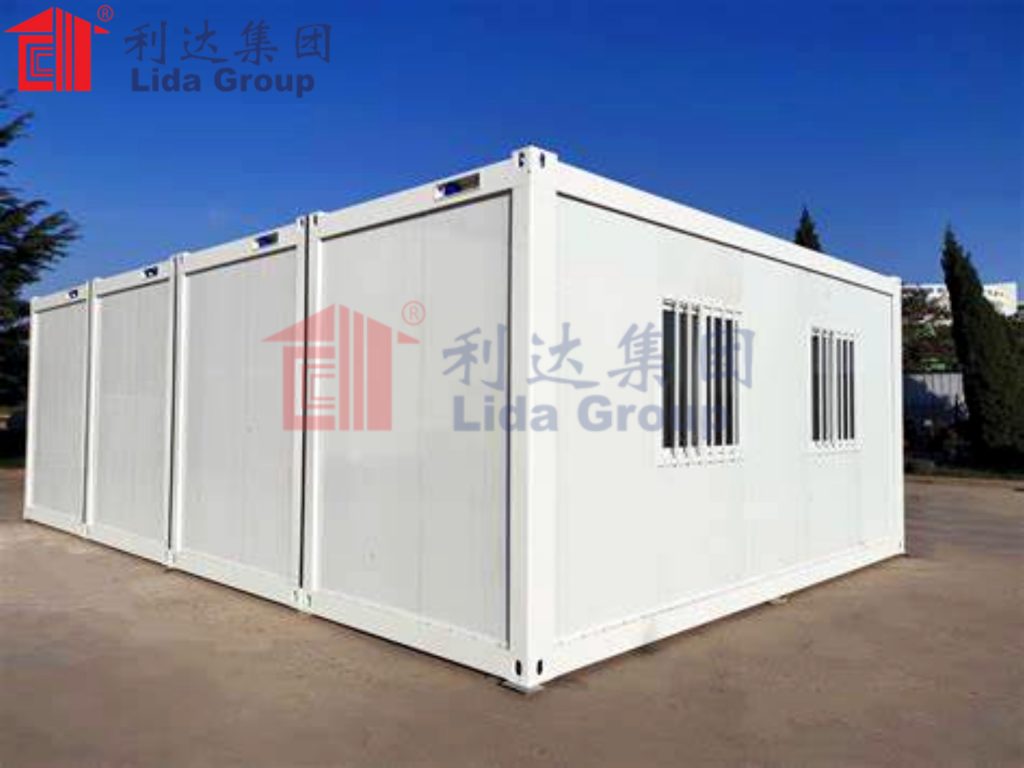
4. Durability Testing and Quality Control Processes
Innovative design alone is not enough to ensure the durability of modular container living spaces—rigorous testing and quality control processes are essential to verify that these spaces meet the highest standards of strength, resilience, and performance. Manufacturers of modular container living spaces implement comprehensive quality control systems that cover every stage of the design, manufacturing, and installation process, while third-party testing ensures that the homes meet or exceed industry standards and certifications.
4.1 Key Durability Tests for Modular Container Living Spaces
Modular container living spaces undergo a series of rigorous durability tests to ensure that they can withstand the harshest conditions and maintain their structural integrity, functionality, and appearance for decades. These tests are designed to simulate real-world conditions and identify any potential weaknesses in the design or materials.
Key durability tests include:
– Structural Load Testing: This test evaluates the ability of the container home to withstand heavy loads, including roof snow loads, floor live loads (such as furniture and occupants), and wind loads. The home is subjected to controlled loads, and sensors measure the structural stress and deformation—ensuring that the home does not bend, warp, or collapse under pressure.
– Seismic Testing: This test simulates earthquake conditions, evaluating the home’s ability to withstand seismic activity. The home is placed on a shake table that mimics the movement of an earthquake, and sensors measure the structural response—ensuring that the home remains stable and does not sustain significant damage.
– Wind Tunnel Testing: This test evaluates the home’s resistance to high winds, including hurricanes and tornadoes. The home is placed in a wind tunnel, and wind speeds are gradually increased to simulate extreme weather conditions. Sensors measure the wind pressure on the home’s exterior and the structural response—ensuring that the home can withstand high winds without damage.
– Corrosion Testing: This test evaluates the effectiveness of the home’s corrosion-resistant materials and coatings. The home (or sample components) is exposed to salt spray, humidity, or other corrosive environments for an extended period, and the extent of corrosion is measured—ensuring that the materials and coatings provide long-lasting protection.
– Thermal Testing: This test evaluates the home’s insulation performance, measuring its ability to maintain a consistent indoor temperature in extreme hot and cold conditions. The home is placed in a climate-controlled chamber, and temperature sensors measure the indoor and outdoor temperatures—ensuring that the insulation system provides adequate thermal protection and reduces energy consumption.
– Water Resistance Testing: This test evaluates the home’s ability to prevent water intrusion, simulating heavy rainfall, floods, or other water-related events. The home is sprayed with water at high pressure, and inspectors check for leaks around windows, doors, roof joints, and other openings—ensuring that the home remains dry and free from water damage.
4.2 Comprehensive Quality Control Processes
Manufacturers of modular container living spaces implement comprehensive quality control processes that cover every stage of the production process, from raw material selection to final installation. These processes ensure that each component of the home meets strict quality standards, and that the final product is durable, functional, and safe.
Key quality control processes include:
1. Raw Material Inspection: All raw materials (including steel containers, insulation, cladding, hardware, and fixtures) are inspected before they enter the manufacturing facility. Materials are tested for strength, durability, corrosion resistance, and compliance with industry standards. Only materials that meet the manufacturer’s strict quality standards are used in production.
2. In-Process Inspection: During the manufacturing process, each component of the home is inspected at key stages to ensure that it meets design specifications. For example, the steel frame is inspected for weld quality and structural integrity; the insulation is inspected for thickness and coverage; and the windows and doors are inspected for fit and water resistance. Automated quality control systems (such as 3D scanning and laser measurement) are used to ensure that components are manufactured to precise specifications.
3. Pre-Installation Testing: Before the home is shipped to the installation site, it undergoes a full pre-installation test to ensure that all systems (electrical, plumbing, HVAC, and smart home technologies) are functioning properly. The home is also inspected for structural integrity, water resistance, and overall quality—ensuring that it is ready for installation.
4. On-Site Quality Assurance: During installation, a team of quality assurance experts supervises the process to ensure that the home is installed correctly and that all connections are secure. The installation site is inspected to ensure that the foundation is stable, the containers are level, and all systems are properly connected. Any issues identified during installation are addressed immediately to ensure that the home meets quality standards.
5. Post-Installation Inspection and Warranty: After installation is complete, the home undergoes a final inspection to ensure that it meets all design specifications and industry standards. The manufacturer provides a warranty for the home, covering structural defects, material defects, and system failures—providing homeowners with peace of mind and ensuring that any issues are addressed promptly.
4.3 Industry Certifications and Standards
To further ensure durability and quality, modular container living spaces are certified to meet or exceed international industry standards and certifications. These certifications verify that the home has undergone rigorous testing and quality control processes, and that it meets the highest standards of safety, durability, and performance.
Key industry certifications include:
– ISO 9001: A quality management system certification that ensures the manufacturer has implemented effective quality control processes and meets customer requirements.
– CE Certification: A European certification that verifies that the home meets health, safety, and environmental protection standards for sale in the European Union.
– ICC-ES Certification: A certification from the International Code Council Evaluation Service that verifies that the home meets U.S. building codes and standards.
– LEED Certification: A sustainability certification that recognizes homes that are energy-efficient, water-efficient, and environmentally friendly. Many modular container living spaces achieve LEED certification due to their use of repurposed materials, renewable energy systems, and efficient design.
– FEMA Certification: A certification from the Federal Emergency Management Agency that verifies that the home is resistant to extreme weather events and suitable for use as emergency housing.
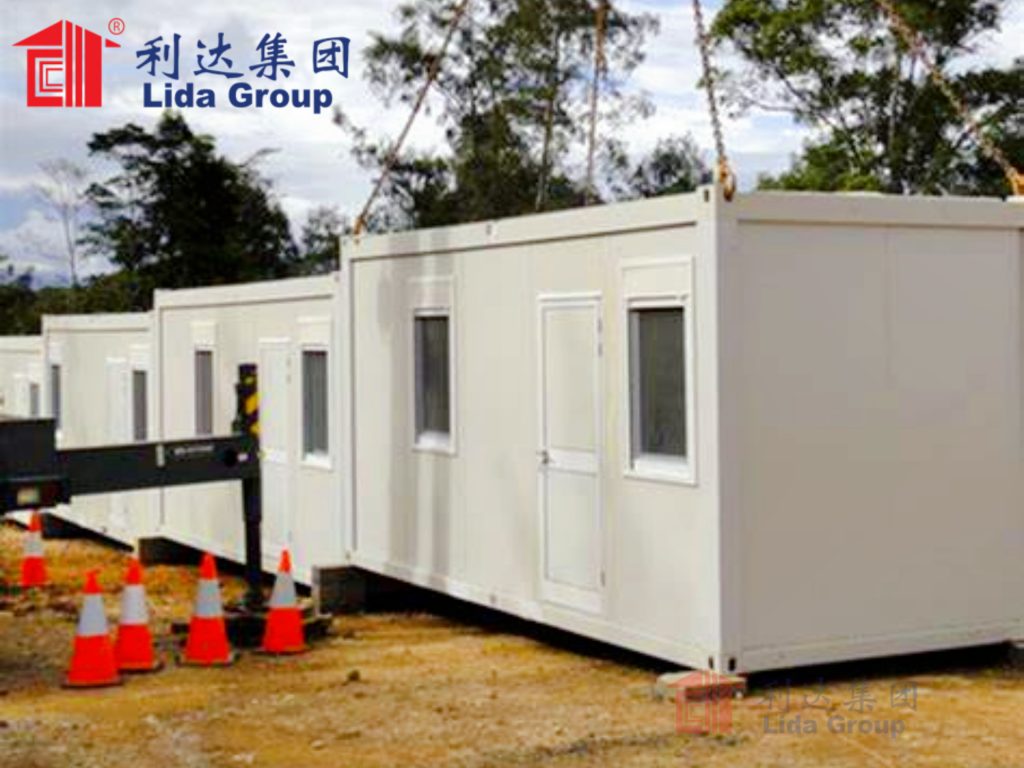
5. Practical Applications and Real-World Case Studies
Innovative modular container living spaces have been deployed in a wide range of applications across diverse contexts, demonstrating their durability, versatility, and adaptability. From urban homes and rural retreats to emergency shelters and affordable housing developments, these spaces have proven to be a viable solution for a variety of housing needs. Below are key application scenarios and detailed case studies that highlight the innovative design elements and durability of modular container living spaces in real-world settings.
5.1 Urban Housing: Compact, Durable Homes for City Living
Urban areas face severe housing shortages and high costs, making modular container living spaces an attractive option for compact, affordable, and durable urban homes. These homes are designed to maximize space usage, withstand the rigors of city living (such as noise, pollution, and limited outdoor space), and blend in with the surrounding architecture.
Case Study: Container Home Community in Copenhagen, Denmark. Copenhagen is known for its innovative approach to sustainable housing, and a recent development in the city’s Ørestad district features a community of 20 modular container homes designed for urban living. Each home is built from two 40-foot shipping containers connected together, creating a 1,200-square-foot home with two bedrooms, a bathroom, a kitchen, and an open-concept living area. The homes feature innovative design elements such as: double-walled construction with spray foam insulation for thermal and acoustic durability; exterior cladding made from reclaimed wood to blend in with the surrounding neighborhood; large glass walls to maximize natural light; and a rooftop deck for outdoor space.
The homes are designed to withstand the harsh Danish climate, with reinforced roofs to handle heavy snow loads, wind-resistant walls to endure strong winds, and corrosion-resistant coatings to protect against moisture. They are also highly sustainable, with solar panels on the roof to generate electricity, rainwater harvesting systems to collect water for gardening, and energy-efficient HVAC systems to reduce energy consumption. Since their completion in 2022, the homes have remained in excellent condition, with no signs of corrosion, structural damage, or insulation issues. The community has become a popular choice for young families and professionals, offering affordable, durable, and sustainable urban housing in a prime location.
5.2 Rural Retreats: Durable Homes for Remote Environments
Rural areas often lack access to traditional construction materials and skilled labor, making modular container living spaces an ideal option for durable rural retreats. These homes are designed to withstand remote environments (such as extreme temperatures, harsh weather, and limited infrastructure) and provide a comfortable, self-sufficient living space.
Case Study: Off-Grid Container Retreat in Colorado, USA. A family in Colorado wanted a durable, off-grid retreat in the Rocky Mountains that could withstand extreme cold, heavy snow, and strong winds. They chose a modular container home built from three 20-foot shipping containers connected together, creating a 900-square-foot home with one bedroom, a bathroom, a kitchen, and a living area. The home features innovative design elements such as: vacuum-insulated panels for superior thermal insulation (maintaining a comfortable indoor temperature even when outdoor temperatures drop to -20°F); reinforced structural design with steel bracing for seismic and wind resistance; a metal roof with snow guards to prevent snow buildup; and a solar power system with battery storage for off-grid electricity.
The home is also designed to be self-sufficient, with a rainwater harvesting system, a septic tank for waste management, and a wood-burning stove for additional heating. Since its installation in 2020, the home has withstood several severe snowstorms and cold snaps, with no structural damage or insulation issues. The family uses the retreat year-round, and the home has proven to be durable, comfortable, and reliable—even in the most remote and harsh conditions.
5.3 Emergency Housing: Rapid, Durable Shelters for Crisis Situations
Emergency situations (such as natural disasters, humanitarian crises, or post-conflict reconstruction) require rapid, durable, and easy-to-deploy housing solutions. Modular container living spaces are ideal for emergency housing, as they can be delivered and installed quickly, withstand harsh conditions, and provide a safe, comfortable shelter for displaced populations.
Case Study: Emergency Container Shelters in Turkey-Syria Earthquake Zone. After the devastating 2023 earthquakes in Turkey and Syria, thousands of people were displaced and in need of emergency shelter. International aid organizations partnered with a modular container manufacturer to deploy 500 emergency container shelters in the affected region. Each shelter is built from a single 20-foot shipping container, modified with innovative design elements such as: rock wool insulation to withstand cold temperatures; reinforced structural design to resist aftershocks; waterproof seals to prevent water intrusion; and basic interior fixtures (beds, a small kitchen, and a bathroom) for comfort.
The shelters were designed to be installed quickly—each shelter can be set up by a team of 2-3 workers in less than 4 hours—and to withstand the harsh conditions in the earthquake zone (such as cold weather, rain, and aftershocks). They are also durable enough to be used as long-term shelter until permanent housing can be built. Over a year after their deployment, the shelters remain in excellent condition, providing safe and secure housing for thousands of displaced people. The innovative design has ensured that the shelters are not only rapid to deploy but also durable and comfortable, making them a critical tool in the relief effort.
5.4 Affordable Housing Developments: Scalable, Durable Solutions for Low-Income Communities
Affordable housing developments require scalable, cost-effective, and durable solutions that can be built quickly to meet the needs of low-income communities. Modular container living spaces are ideal for these developments, as they can be mass-produced, installed quickly, and offer long-term durability at a fraction of the cost of traditional homes.
Case Study: Affordable Container Housing Development in Cape Town, South Africa. Cape Town faces a severe affordable housing crisis, with over 400,000 households living in informal settlements. A local housing developer partnered with a modular container manufacturer to build a development of 100 affordable container homes in the city’s Khayelitsha district. Each home is built from a single 20-foot shipping container, modified with innovative design elements such as: spray foam insulation for thermal comfort; exterior cladding made from fiber cement for corrosion resistance; large windows for natural light; and a small outdoor patio for additional space.
The homes are designed to be durable and low-maintenance, with a 20-year lifespan and minimal repair requirements. They are also affordable, with monthly rent set at 30% of the occupants’ income—well within the budget of low-income households. The development was completed in just 3 months, much faster than a traditional housing development, and the homes have remained in excellent condition since their completion in 2021. The development has provided safe, durable, and affordable housing for 100 families, demonstrating the potential of modular container living spaces to address the affordable housing crisis.
6. Market Advantages of Innovative Durable Modular Container Living Spaces
In addition to their durability and innovative design, modular container living spaces offer several market advantages that make them a preferred choice for homeowners, developers, and organizations worldwide. These advantages are built on their unique combination of cost-effectiveness, speed of construction, sustainability, flexibility, and durability—setting them apart from traditional homes and other modular housing solutions.
6.1 Cost-Effectiveness: Lower Upfront and Long-Term Costs
Modular container living spaces are significantly more cost-effective than traditional homes, with lower upfront construction costs and long-term savings. The use of repurposed shipping containers reduces material costs, while modular construction streamlines the building process, reducing labor costs and construction time. Additionally, the durability of these homes reduces long-term maintenance and repair costs—saving homeowners thousands of dollars over the lifespan of the home.
For example, a 1,000-square-foot modular container home typically costs $50,000-$80,000 to build, compared to $150,000-$250,000 for a traditional brick-and-mortar home of the same size. Over time, the lower maintenance costs (due to durable materials and design) further increase the cost savings—making container homes an affordable option for homeowners on a budget.
6.2 Speed of Construction: Rapid Deployment
Modular container living spaces can be built and installed in a fraction of the time required for traditional homes. Since most components are prefabricated in a factory, the on-site installation process is quick—typically taking days or weeks rather than months or years. This rapid deployment is a major advantage for developers looking to complete projects quickly, homeowners who want to move into their new home sooner, and organizations needing emergency housing.
For example, a single 20-foot container home can be installed in 4-8 hours, while a multi-container home can be completed in 1-2 weeks. This speed of construction not only reduces labor costs but also allows homeowners to start enjoying their new home sooner and developers to generate revenue faster.
6.3 Sustainability: Eco-Friendly Housing Solution
Modular container living spaces are one of the most sustainable housing solutions available, making them a popular choice for environmentally conscious homeowners and developers. By repurposing shipping containers, these homes reduce waste and conserve natural resources. They also use prefabricated components that reduce on-site waste by up to 80%, and many incorporate renewable energy systems and water-saving features to further reduce environmental impact.
Additionally, the durability of these homes reduces the need for frequent repairs or replacements, which would generate additional waste and consume more resources. This sustainability not only benefits the environment but also makes container homes eligible for green building certifications (such as LEED), which can increase their value and appeal.
6.4 Flexibility and Adaptability: Homes That Evolve With Your Needs
Modular container living spaces are highly flexible and adaptable, allowing homeowners to customize their home to their unique needs and modify it as their needs change. The modular design allows for easy expansion (adding additional containers), reconfiguration (changing the floor plan), or relocation (moving the home to a new site). This flexibility is a major advantage over traditional homes, which are often difficult and expensive to modify.
For example, a couple starting a family can begin with a small 20-foot container home and add additional containers as their family grows. A homeowner who starts working from home can reconfigure a spare room into a home office. This adaptability ensures that the home remains functional and relevant for years to come, increasing its long-term value.
6.5 Durability and Longevity: Homes Built to Last
The most significant market advantage of modular container living spaces is their durability and longevity. Built from high-strength steel and enhanced with innovative design elements, these homes are built to withstand the harshest conditions and last for decades. They require minimal maintenance and are resistant to corrosion, rot, mold, and pest infestations—ensuring that homeowners can enjoy their home for years without major repairs.
This durability not only provides homeowners with peace of mind but also increases the resale value of the home. Container homes that are well-maintained retain their value over time, making them a sound investment for homeowners and developers.
7. Challenges and Solutions in Designing Durable Modular Container Living Spaces
While modular container living spaces offer numerous advantages, designing and building them to be both innovative and durable presents several challenges. These challenges range from technical limitations of shipping containers to regulatory hurdles and aesthetic concerns. However, innovative design strategies and advanced technologies have enabled designers and manufacturers to overcome these challenges, creating durable, functional, and desirable container homes. Below are the key challenges and practical solutions to address them.
7.1 Challenge: Overcoming the Limitations of Standard Shipping Containers
Standard shipping containers are designed for industrial use, not for living spaces, and they have several limitations that can hinder their use as homes—such as poor insulation, limited natural light, rigid spatial configurations, and susceptibility to corrosion. These limitations can compromise the durability, comfort, and livability of container homes if not addressed.
Solution: Innovative design elements and modifications address these limitations. For example, advanced insulation systems (such as spray foam or vacuum-insulated panels) improve thermal and acoustic performance; large windows, glass walls, and skylights increase natural light; open-concept floor plans and modular interior components optimize space usage; and corrosion-resistant materials and coatings protect against rust and deterioration. Additionally, designers often cut and reconfigure containers to create more flexible spatial layouts, using reinforced steel frames to maintain structural integrity.
7.2 Challenge: Meeting Building Codes and Regulatory Requirements
Modular container living spaces must comply with local building codes and regulatory requirements, which vary widely by region. These codes govern structural safety, fire resistance, electrical and plumbing systems, and other aspects of the home—making it difficult for designers and manufacturers to create a one-size-fits-all solution. Failure to comply with these codes can result in fines, delays, or even the inability to occupy the home.
Solution: Designers and manufacturers work closely with local building code officials and regulatory bodies to ensure that container homes comply with local requirements. They also design homes to meet international building standards (such as ICC-ES or CE) that are recognized in many regions, simplifying the approval process. Additionally, many manufacturers offer customized designs that are tailored to specific regional codes, ensuring compliance while maintaining the home’s innovative design and durability.
7.3 Challenge: Ensuring Thermal Comfort in Extreme Climates
Shipping containers are made of steel, which conducts heat and cold quickly—making it difficult to maintain thermal comfort in extreme hot or cold climates. This can lead to high energy costs, discomfort for occupants, and even damage to the home’s interior finishes if temperatures fluctuate too much.
Solution: Advanced insulation systems and passive design strategies address this challenge. Double-walled construction with high-performance insulation materials (such as spray foam or vacuum-insulated panels) creates a thermal barrier that keeps the home warm in winter and cool in summer. Passive design elements—such as south-facing windows to maximize solar heat gain in winter, overhangs to shade windows in summer, and natural ventilation systems—further optimize thermal comfort and reduce energy consumption. Additionally, smart HVAC systems adjust automatically to maintain a consistent indoor temperature, ensuring comfort even in extreme climates.
7.4 Challenge: Addressing Aesthetic Concerns
Many people associate shipping containers with industrial or “ugly” aesthetics, making it difficult to market container homes as desirable living spaces. This can be a barrier to adoption, even for homeowners who value durability and sustainability.
Solution: Innovative aesthetic design elements transform the appearance of container homes, making them visually appealing and compatible with surrounding architecture. Exterior cladding materials (such as reclaimed wood, stone, or fiber cement) cover the steel container and add texture and visual interest. Custom paint colors and finishes personalize the home’s appearance, while large windows, glass walls, and skylights create a bright, open feel. Interior design elements—such as warm lighting, soft textiles, and decorative accents—soften the industrial look of the container, creating a comfortable and inviting living space.
7.5 Challenge: Ensuring Structural Stability in Multi-Story Developments
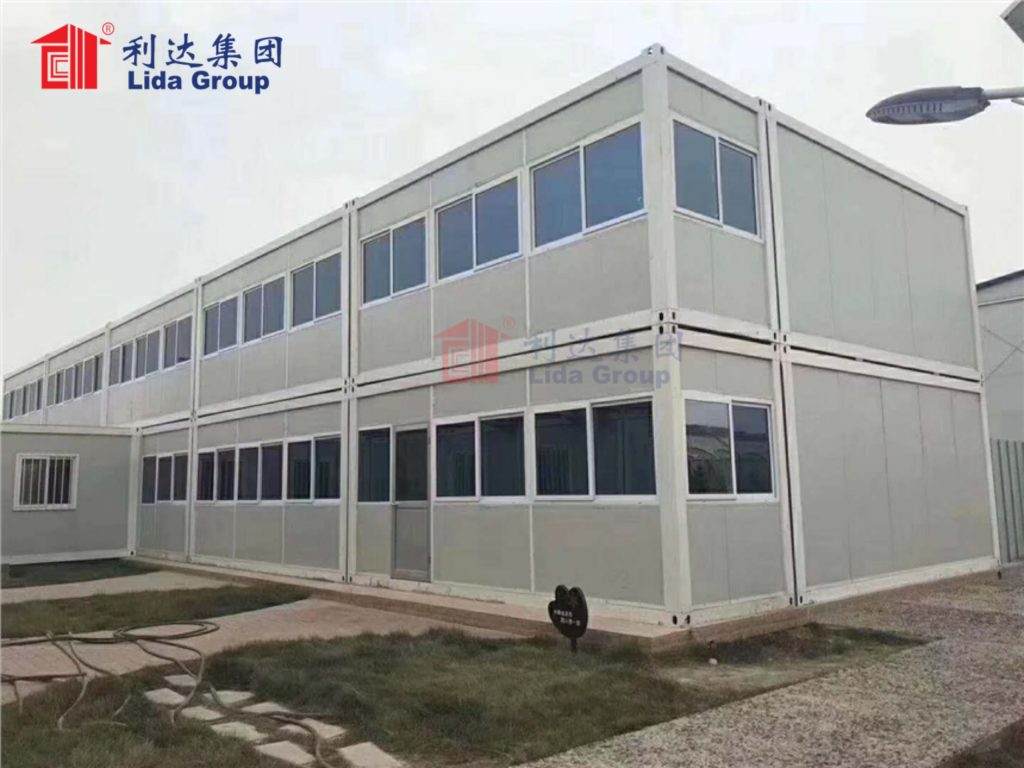
Multi-story modular container homes require additional structural support to ensure stability, as the weight of upper containers can put significant stress on lower containers. This can be a challenge, as standard shipping containers are not designed to support multiple levels of containers.
Solution: Innovative structural design elements ensure the stability of multi-story container homes. These include: reinforced steel frames and corner brackets to distribute weight evenly; concrete foundations or steel columns to support the structure; and welded or quick-connect bolt systems to securely join containers together. Additionally, engineers use advanced structural analysis software to design multi-story container homes that can withstand the weight of upper levels and extreme weather conditions—ensuring that the home remains stable and durable for decades.
8. Conclusion
Innovative design has transformed modular container living spaces from industrial afterthoughts into durable, functional, comfortable, and desirable homes that address some of the most pressing housing challenges of our time. By leveraging the inherent strength of shipping containers and integrating advanced materials, engineering techniques, and user-centric design elements, designers and manufacturers have created a new generation of container homes that are built to last, adapt to changing needs, and minimize environmental impact. These homes are not just a temporary or alternative housing solution—they are a viable, long-lasting option for homeowners, developers, and organizations worldwide.
This article has provided a comprehensive exploration of innovative design for durable modular container living spaces, covering the core design principles, key innovative elements, durability-enhancing technologies, practical applications, case studies, quality control processes, market advantages, and solutions to common challenges. The core design principles of structural integrity, user-centric functionality, modularity, sustainability, and aesthetic appeal provide a framework for creating homes that are both durable and livable. Key innovative elements—such as advanced insulation systems, corrosion-resistant materials, reinforced structural design, modular connection systems, and smart home technologies—enhance the durability and performance of these homes, ensuring that they can withstand the harshest conditions and last for decades.
Real-world case studies from Copenhagen to Cape Town demonstrate the versatility and durability of modular container living spaces in diverse contexts—from urban communities and rural retreats to emergency shelters and affordable housing developments. These case studies highlight how innovative design elements address the unique challenges of each context, creating homes that are tailored to the needs of their occupants while maintaining the core benefits of durability, affordability, and sustainability. Rigorous durability testing and quality control processes ensure that these homes meet the highest standards of strength and performance, while industry certifications provide homeowners with peace of mind.
The market advantages of modular container living spaces—cost-effectiveness, speed of construction, sustainability, flexibility, and durability—make them a preferred choice for a wide range of users. As housing shortages, climate change, and environmental concerns continue to grow, these homes are poised to play an increasingly important role in the global housing landscape. While challenges remain—such as overcoming aesthetic misconceptions, navigating varying regulatory frameworks, and optimizing thermal performance in extreme climates—the ongoing innovation in design, materials, and engineering is steadily addressing these barriers. Future advancements will likely focus on integrating even more cutting-edge technologies, such as AI-driven smart monitoring systems, advanced composite materials for enhanced durability and sustainability, and modular designs that further improve adaptability and space efficiency.
In the years ahead, modular container living spaces are expected to move from the periphery of the housing market to the mainstream, offering a scalable, resilient, and eco-friendly solution that meets the diverse needs of homeowners, developers, and communities worldwide. They represent more than just a new type of housing—they embody a shift toward a more sustainable, flexible, and durable approach to building, one that prioritizes long-term value, environmental stewardship, and user-centric design. By continuing to leverage the inherent strength of shipping containers and pushing the boundaries of innovative design, modular container living spaces will continue to redefine what is possible in housing, providing safe, comfortable, and lasting homes for generations to come. Ultimately, their success lies in their ability to balance innovation with practicality, durability with livability, and affordability with sustainability—making them a key player in solving the most pressing housing challenges of our era.
Related news
-
Lida Group's Easy Install Container House Saves Time and Labor
2026-02-14 14:56:21
-
Scalable Prefabricated Container Worker Camp for Large Projects
2026-02-14 14:10:01
-
Rapid Deployment with Easy Install Container House Technology
2026-02-14 13:55:22
contact us
- Tel: +86-532-88966982
- Whatsapp: +86-13793209022
- E-mail: sales@lidajituan.com
