



Innovative and Portable Modern Mobile Container House Designs
2025-Dec-30 10:53:49
By Admin
The global architecture and construction industry is witnessing a paradigm shift toward flexibility, sustainability, and mobility. As urbanization intensifies, remote work becomes prevalent, and disaster response demands rapid solutions, modern mobile container houses have evolved from humble temporary shelters to sophisticated structures defined by innovative design and exceptional portability. Leveraging recycled shipping containers—an estimated 17 million of which lie idle worldwide—these dwellings blend industrial heritage with cutting-edge engineering, offering a versatile alternative to traditional brick-and-mortar buildings. This article explores the latest innovations in portable mobile container house designs, examining how advancements in modularity, materials, smart technology, and functional integration are redefining mobility without compromising comfort, aesthetics, or sustainability.
The market for modern mobile container houses is expanding at a remarkable pace, driven by rising demand for adaptable and low-carbon housing solutions. According to industry analysis, the global mobile prefabricated container house market is projected to grow at a CAGR of 7.8% from 2025 to 2030, reaching a value of over $18 billion by the end of the decade. This growth is fueled by diverse sectors, including residential living, commercial pop-ups, humanitarian aid, and niche applications like urban agriculture. What distinguishes today’s designs from early container conversions is the seamless integration of portability with innovation—engineers and architects are no longer just repurposing containers but reimagining them as modular, intelligent, and eco-conscious spaces that can adapt to any environment, from bustling cities to remote wilderness.
Design Innovation: Redefining Portability Through Modularity
Portability in modern container houses is no longer limited to mere transportation—it encompasses rapid assembly, disassembly, and reconfiguration, all made possible by breakthroughs in modular design. Contemporary designs prioritize universal components, precision connections, and space-saving mechanisms, ensuring that mobility does not come at the cost of functionality or comfort. These modular systems form the backbone of innovative container houses, enabling users to tailor spaces to their needs while maintaining the ability to relocate with ease.
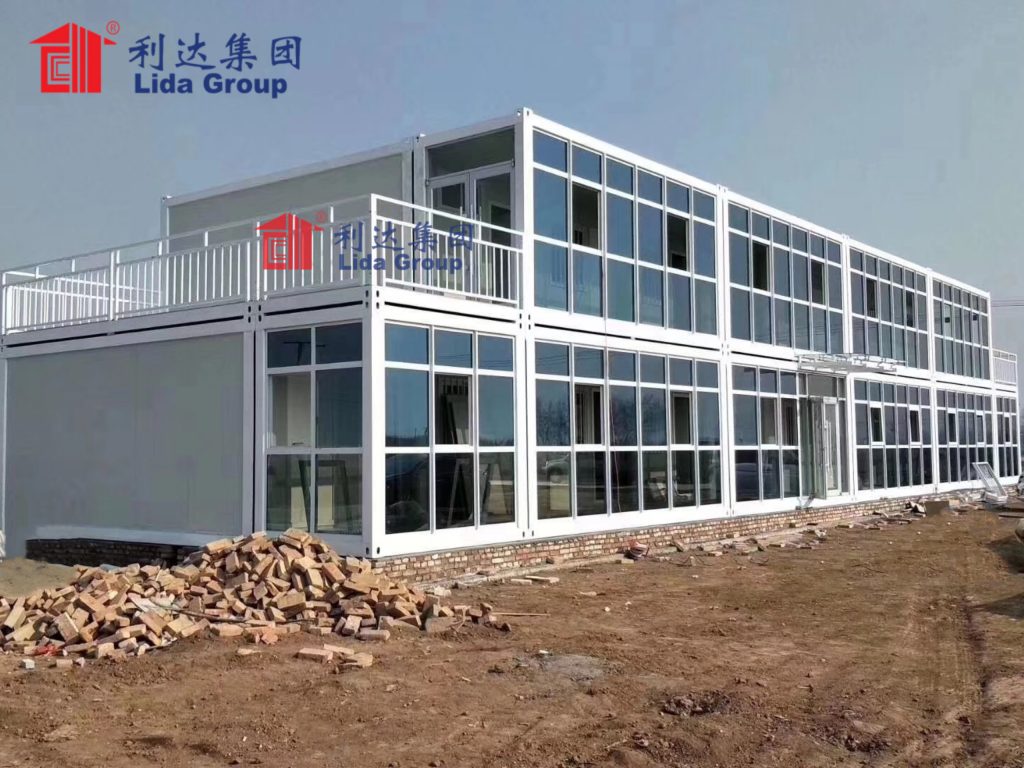
Foldable and Expandable Modular Systems
A game-changing innovation in portable container design is the development of foldable and expandable modules, which drastically reduce transportation volume while maximizing usable space. Unlike traditional fixed-size containers, these designs feature telescoping walls, folding floors, and collapsible roofs that expand to create living spaces up to three times the size of their transported form. For instance, the “Expandable Container Home” by a Dutch design studio unfolds from a standard 20-foot container (320 square feet) to a 960-square-foot residence in under 30 minutes, requiring only two people and basic tools for assembly.
The foldable mechanism relies on high-strength hydraulic or mechanical hinges, engineered to withstand repeated expansion and contraction without compromising structural integrity. These systems are optimized for portability: a folded 20-foot expandable module can be stacked with up to 10 units on a single truck, reducing transportation costs by 60% compared to fully assembled containers. This design is particularly popular among digital nomads, outdoor enthusiasts, and emergency response teams, who require compact storage and rapid deployment.
Precision Connection Systems for Rapid Assembly
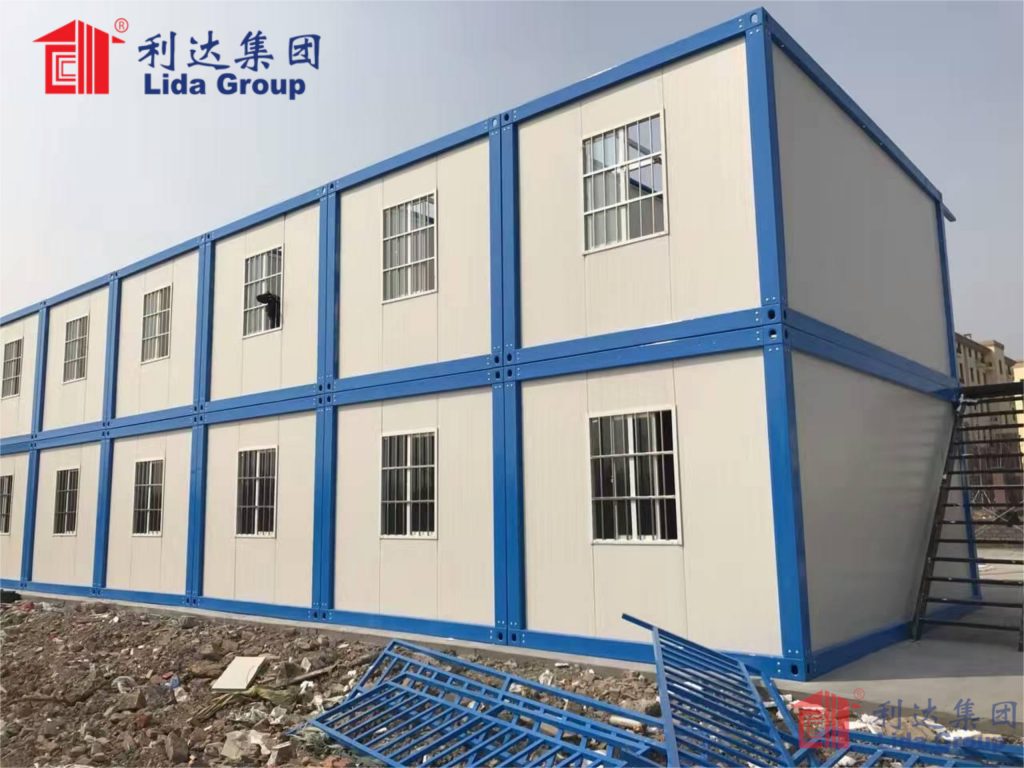
Building on the success of traditional splicing technologies, modern container houses adopt advanced precision connection systems that eliminate the need for on-site welding and specialized labor, further enhancing portability. The tenon-and-mortise splicing system, refined for container applications, uses pre-embedded alloy steel tenons with a snap-fit design, achieving 95% component universality. This allows a two-person team to assemble 3-4 modules per day, a fourfold increase in efficiency compared to traditional methods.
For multi-story portable structures, the lock-and-buckle splicing system offers ±1mm connection accuracy, supporting vertical stacking of up to 5 floors while maintaining portability. Each connection point is designed for quick disassembly, enabling modules to be separated and relocated individually. The Sydney Metro Construction Dormitory project utilized this system, where 3-story container dormitories were assembled in 14 days and later disassembled for reuse in another project—exemplifying how precision connections balance portability with structural stability.
Convertible Spatial Designs
Innovative container house designs prioritize convertible spaces that adapt to multiple functions, maximizing utility in compact portable forms. Interior layouts feature modular furniture, sliding partitions, and multi-purpose fixtures that transform living areas into bedrooms, offices, or storage spaces with minimal effort. The “Transformable Container Studio” by a Japanese architect, for example, uses a sliding wall system and fold-down furniture to switch between a one-bedroom apartment, a home office, and a guest space in under 10 minutes.
Exterior convertibility is also a focus, with designs that integrate fold-out decks, awnings, and green walls. These elements not only expand usable space but also enhance the aesthetic appeal of container houses, breaking free from the industrial “metal box” stereotype. A Canadian outdoor resort deployed container cabins with fold-out wooden decks and vertical gardens, creating a seamless blend of portability and natural integration.
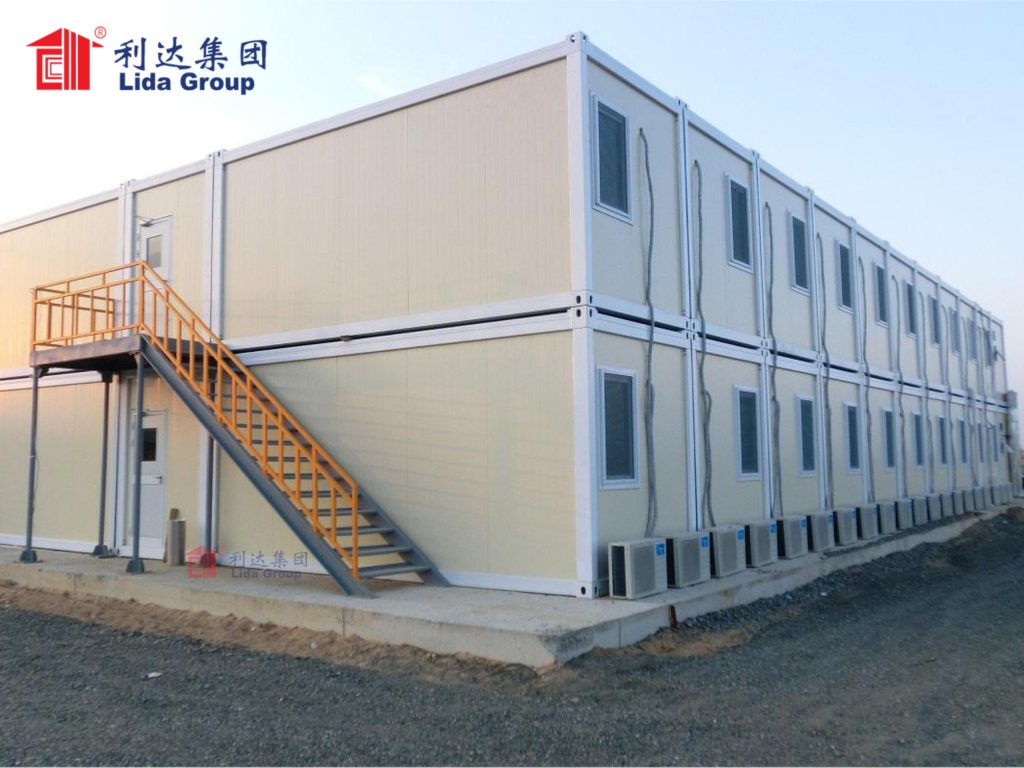
Material Innovations: Lightweight, Durable, and Sustainable
Portability in container houses relies heavily on material advancements that reduce weight without sacrificing durability or insulation. Modern designs leverage a mix of recycled, lightweight, and high-performance materials, balancing mobility with sustainability and comfort. These materials address the limitations of traditional steel containers, such as poor insulation and heavy weight, while enhancing portability and environmental performance.
Lightweight Structural Materials
Engineers are increasingly adopting lightweight yet high-strength materials to replace traditional steel components, reducing overall container weight by 20-30% and improving portability. Carbon fiber composites, for example, are used in roof and wall panels, offering a strength-to-weight ratio five times higher than steel. These panels are not only lighter but also corrosion-resistant, making them ideal for portable structures deployed in harsh environments like coastal areas or deserts.
EPS (expanded polystyrene) lightweight foam boards are another key material, integrated into walls and roofs for insulation and weight reduction. The Shanghai展园 (Shanghai Expo Garden) featured a container-based pavilion with a 350mm thick EPS foam board roof, supporting a lush layer of 220 species of succulents while maintaining structural lightness. This design demonstrates how lightweight materials can enable both portability and ecological integration.
Eco-Friendly and Recycled Materials
Sustainability is a core component of modern container house design, with innovations focusing on recycled and renewable materials that enhance portability while reducing environmental impact. Recycled steel remains the primary structural material, but advanced processing techniques have made it 15% lighter than traditional steel, with the same strength. Recycled plastic and reclaimed wood are used for interior fixtures and finishes, further reducing weight and carbon footprint.
Biodegradable composites, made from agricultural waste like hemp and bamboo, are emerging as a sustainable alternative for non-structural components. These materials are lightweight, compostable, and offer natural insulation, aligning with the circular economy principles. A Brazilian design firm created a portable container cabin using bamboo-reinforced biocomposites for walls and floors, reducing overall weight by 25% and ensuring the structure is fully recyclable at the end of its lifespan.
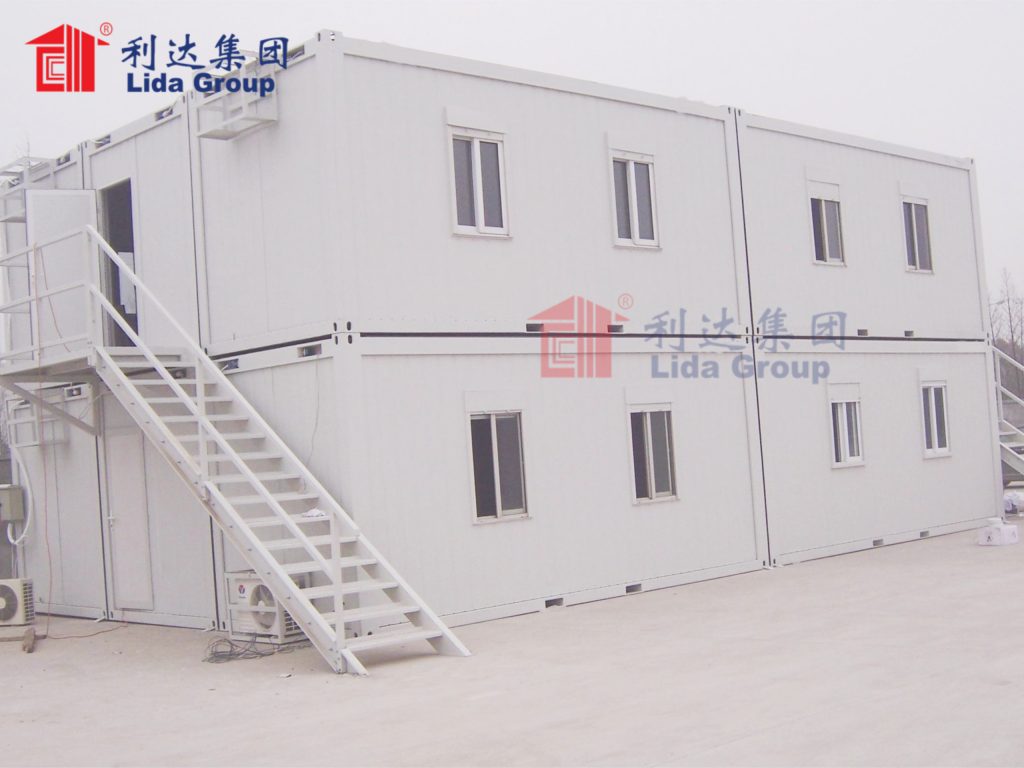
Advanced Insulation Materials for All Climates
Portable container houses must adapt to diverse climates, requiring insulation materials that are lightweight, efficient, and easy to install. Phase-change material (PCM) insulation layers are integrated into walls and floors, absorbing and releasing thermal energy to maintain a stable interior temperature. This eliminates the need for heavy heating and cooling systems, enhancing portability by reducing energy infrastructure weight.
For extreme climates, aerogel insulation—one of the lightest and most efficient insulation materials available—is used. Aerogel panels are 90% air, offering superior thermal resistance while adding minimal weight. A Norwegian expedition team deployed portable container shelters with aerogel insulation, enabling comfortable living in temperatures as low as -30°C without bulky heating systems. These insulation innovations ensure that portability does not compromise comfort, regardless of the environment.
Smart Integration: Intelligent Portability for Modern Lifestyles
The latest mobile container house designs integrate smart technology to enhance portability, efficiency, and user experience. From remote monitoring to automated systems, these innovations transform container houses into intelligent spaces that adapt to user needs and environmental conditions, while maintaining the core advantage of mobility.
Smart Deployment and Monitoring Systems
Intelligent deployment systems enable remote control of container house assembly, disassembly, and configuration, enhancing portability for solo users or large-scale projects. IoT (Internet of Things) sensors embedded in connection points and structural components provide real-time data on stability, temperature, and humidity, allowing users to monitor the structure from anywhere. A German engineering firm developed a portable container house with a mobile app that controls the folding mechanism, adjusts insulation settings, and monitors energy usage—enabling full deployment and customization with a single tap.
For humanitarian aid and disaster response, these smart systems are invaluable. After the Turkey-Syria earthquake, portable container hospitals equipped with IoT sensors were deployed, allowing relief teams to monitor structural integrity, medical equipment performance, and environmental conditions remotely. This intelligence ensures rapid, safe deployment in crisis scenarios.
Integrated Renewable Energy Solutions
Portable container houses rely on off-grid energy systems to maintain mobility, driving innovations in integrated renewable energy. Building-integrated photovoltaic (BIPV) panels are embedded into roofs and walls, replacing traditional solar panels with lightweight, aesthetically pleasing modules. These panels generate electricity to power lighting, appliances, and smart systems, with surplus energy stored in lightweight lithium iron phosphate batteries (25-year lifespan).
The agricultural agricultural IoT planting container developed by Chengdu Agricultural Science and Technology Vocational College exemplifies this integration. This 12-meter-long portable container functions as a mobile plant factory, with integrated solar panels powering IoT sensors and automated systems that control temperature, humidity, light, and CO₂ levels. It can operate in extreme environments like deserts and high-altitude areas, producing fresh vegetables without relying on grid energy—demonstrating how renewable energy enhances the portability and functionality of container designs.
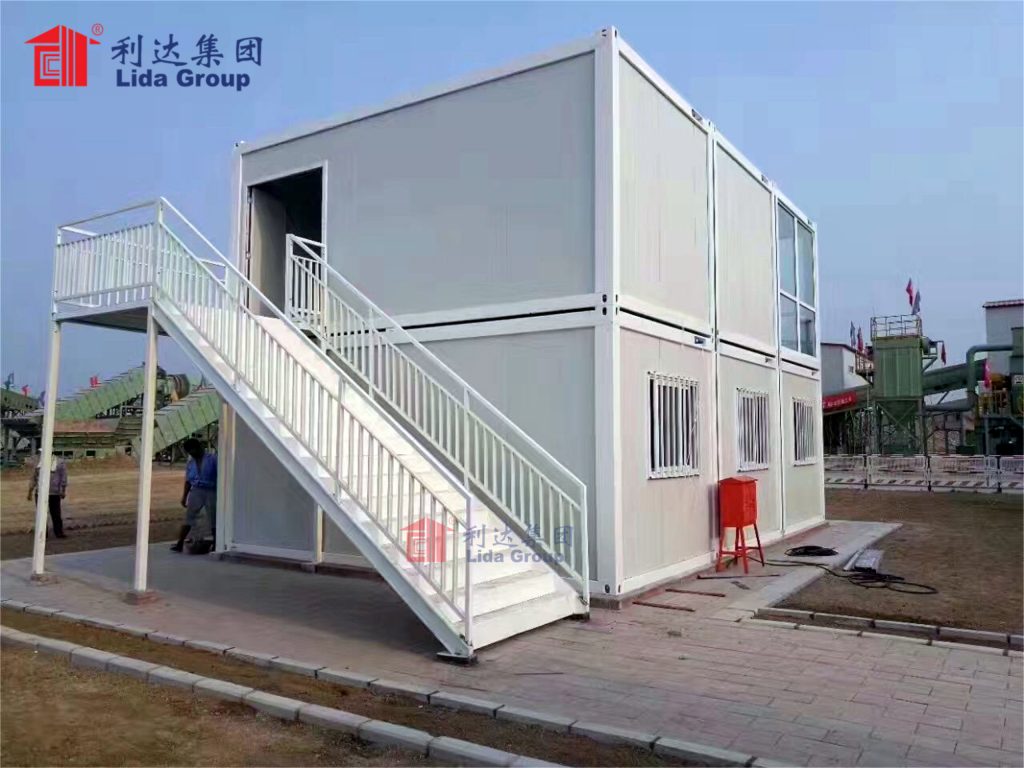
Automated Climate Control
Smart climate control systems ensure comfort in portable container houses, adapting to changing environmental conditions without manual intervention. AI-powered HVAC (heating, ventilation, and air conditioning) systems adjust temperature and airflow based on real-time weather data and user preferences, optimizing energy efficiency. These systems are lightweight and compact, designed to fit within the container’s footprint without compromising portability.
For hot and humid climates, automated cross-ventilation systems and reflective coatings work in tandem to reduce heat gain. In the Middle East, portable container offices use AI-controlled blinds and ceiling fans, adjusting to sun paths and temperature fluctuations to maintain a comfortable interior. These smart systems eliminate the need for heavy air conditioning units, enhancing portability while ensuring comfort.
Niche and Innovative Applications: Beyond Traditional Housing
Modern portable container house designs are expanding beyond residential use, finding innovative applications in diverse sectors. These niche designs leverage portability and modularity to address unique needs, from urban agriculture to medical clinics, showcasing the versatility of container architecture.
Mobile Agricultural Facilities
The integration of container houses with urban agriculture has given rise to portable plant factories and greenhouses, addressing food security and sustainability challenges. The aforementioned agricultural IoT planting container from Chengdu is a prime example—its portability allows it to be deployed in urban rooftops, deserts, or disaster-stricken areas, providing fresh produce where traditional farming is impossible. The container’s automated systems ensure precise growing conditions, with sensors monitoring soil moisture, nutrient levels, and light intensity, all controlled remotely.
Another innovation is the portable aquaponics container, which combines fish farming and hydroponic vegetable cultivation. These self-contained systems are lightweight and transportable, enabling sustainable food production in remote communities or urban spaces. A Kenyan nonprofit deployed 50 such containers in rural areas, providing families with a reliable source of protein and vegetables while creating local employment.
Emergency Response and Humanitarian Shelters
Portable container houses are a staple of humanitarian aid, with innovative designs tailored to disaster response. These structures are lightweight, rapid-deployable, and customizable to meet urgent needs—from temporary housing to medical clinics. The UN peacekeeping forces use portable container camps with blast-resistant walls, secure perimeters, and integrated medical facilities, deployed in conflict zones like South Sudan and Mali.
Innovations in emergency container design include foldable medical clinics with built-in isolation rooms, antibacterial walls, and portable medical equipment. After natural disasters, these clinics can be deployed in days, providing critical healthcare services where infrastructure has been destroyed. The modular design allows for easy expansion as relief efforts scale, ensuring that portability does not limit functionality.
Commercial Pop-Ups and Mobile Workspaces
Businesses are increasingly adopting portable container houses for pop-up shops, cafes, and mobile workspaces, leveraging their portability to test markets and adapt to changing consumer demand. A fashion brand in Shanghai launched a pop-up store using a foldable container module, customized with floor-to-ceiling glass doors and LED lighting. The store was assembled in 3 days, operated for 3 months, and then disassembled for relocation—avoiding long-term leases and construction costs.
Mobile coworking spaces are another growing application, with container designs featuring modular workstations, high-speed internet, and smart climate control. These spaces can be deployed in urban parks, suburban areas, or remote work sites, providing flexible work environments for digital nomads and remote teams. A U.S.-based startup offers subscription-based portable coworking containers, delivered and set up within 48 hours, with customizable interiors and integrated tech systems.
Future Trends: The Next Frontier of Portable Container Design
The future of innovative and portable mobile container houses is shaped by emerging technologies and evolving societal needs, with trends focusing on enhanced mobility, sustainability, and intelligent integration. These advancements will further blur the line between portable and permanent structures, making container houses a mainstream choice for diverse applications.
Autonomous Mobility and Robotics
The integration of autonomous technology and robotics is set to revolutionize container portability. Prototypes of self-driving container houses, equipped with electric motors and GPS navigation, are being developed by research teams. These structures can relocate independently, adjusting routes based on traffic and weather conditions. A Swiss university’s prototype uses AI to navigate urban environments, parking itself and deploying automatically upon arrival—eliminating the need for trucks or cranes.
Robotic assembly systems are also emerging, with drones and robotic arms capable of assembling container modules without human intervention. These systems can deploy a fully functional container house in under an hour, making them ideal for emergency response and remote areas with limited labor.
Biophilic Design Integration
Future container designs will deepen the integration of biophilic principles, blending portability with natural elements. Living walls, green roofs, and indoor gardens will become standard features, enhancing air quality, reducing stress, and improving aesthetics. The Shanghai Expo Garden’s succulent-covered container pavilion is a precursor to this trend, with future designs incorporating self-sustaining ecosystems that require minimal maintenance.
Biophilic materials, such as mycelium-based composites and living concrete, will replace traditional components, creating structures that interact with and support natural systems. These materials are lightweight, biodegradable, and self-healing, aligning with sustainability goals while enhancing portability.
Circular Economy and Modular Upgrading
The circular economy will drive future container design, with modules engineered for easy repair, upgrade, and recycling. Components like insulation panels, fixtures, and tech systems will be modular and replaceable, extending the structure’s lifespan while reducing waste. Manufacturers will offer upgrade services, allowing users to enhance their container houses with the latest materials and technology without replacing the entire structure.
Shared container networks are also emerging, where users can rent or swap modules based on changing needs. This model promotes resource efficiency, ensuring that portable container houses are used to their full potential before being recycled or repurposed.
Conclusion
Innovative and portable modern mobile container house designs represent a transformative force in architecture, redefining mobility, sustainability, and functionality. From foldable modules and lightweight materials to smart integration and niche applications, these designs have evolved far beyond their industrial origins, offering versatile solutions for modern lifestyles and global challenges. The integration of technologies like IoT, renewable energy, and robotics, combined with a focus on circular economy principles, ensures that container houses will continue to adapt to changing needs—whether for residential living, humanitarian aid, or urban agriculture.
What makes these designs truly revolutionary is their ability to balance portability with comfort and innovation. No longer are mobile structures confined to basic shelters; they are intelligent, eco-conscious, and aesthetically pleasing spaces that can thrive in any environment. As the market grows and technology advances, portable container houses will play an increasingly vital role in addressing housing shortages, climate change, and the demand for flexible living and working spaces.
In the end, innovative portable container house designs are more than just buildings—they are a testament to human ingenuity, proving that sustainability, mobility, and comfort can coexist. As we look to the future, these structures will continue to push the boundaries of what is possible, shaping a more flexible, resilient, and sustainable built environment for generations to come.
Related news
-
Lida Group Delivers Unmatched Value in Prefab Construction
2025-12-30 09:27:28
-
Streamlined Living with Easy Assembly Container Apartments
2025-12-29 17:54:02
-
Discover the Flexibility of Our Modern Mobile Container House
2025-12-29 17:45:03
contact us
- Tel: +86-532-88966982
- Whatsapp: +86-13793209022
- E-mail: sales@lidajituan.com
