



High Quality Construction Defines Our Metal Frame Farmhouses
2026-Feb-13 16:56:24
By Admin
In the realm of rural housing, where durability, safety, and long-term value are non-negotiable, the difference between a ordinary farmhouse and an exceptional one lies not just in the materials used, but in the quality of construction that brings those materials to life. For rural residents, agricultural operators, and rural development partners worldwide, a farmhouse is more than a place to live—it is an investment in their future, a shelter that must withstand the rigors of rural environments, and a foundation for sustainable rural livelihoods. Traditional metal frame farmhouses often fall short of expectations, not because metal is an inferior material, but because shoddy construction, lax quality control, and substandard craftsmanship undermine the inherent strength of the material. At Lida Group, we believe that high quality construction is the cornerstone of every exceptional metal frame farmhouse, and it is this unwavering commitment to construction excellence that defines our solutions, setting them apart in the global rural housing market.
Our metal frame farmhouses are not just built—they are engineered, crafted, and refined with meticulous attention to every construction detail, from the selection and inspection of raw materials to the final acceptance of the completed structure. We understand that rural environments demand more from a farmhouse: extreme weather conditions, high humidity, agricultural chemical exposure, and occasional natural hazards all require a construction standard that goes beyond the ordinary. A poorly constructed metal frame farmhouse may look sound initially, but over time, loose connections, improper insulation, shoddy waterproofing, and substandard installation will lead to corrosion, structural weakness, and premature deterioration—negating the benefits of metal framing and leaving rural residents with costly repairs and safety risks.
In contrast, Lida Group’s metal frame farmhouses are defined by high quality construction at every stage of the process. We have established a comprehensive, industry-leading construction quality management system that covers every aspect of farmhouse construction, from pre-construction planning and material testing to on-site installation and post-construction maintenance. Our team of skilled craftsmen, certified engineers, and quality inspectors work in tandem to ensure that every bolt is tightened to the correct torque, every panel is installed with precision, every joint is sealed to perfection, and every structural component is aligned to meet the strictest international standards. The result is a metal frame farmhouse that is not only durable and safe but also consistent in quality, comfortable to live in, and built to deliver long-term value for decades.
This article explores the full scope of how high quality construction defines Lida Group’s metal frame farmhouses. It begins by examining the global demand for high-quality rural housing and the consequences of substandard construction in metal frame farmhouses. It then delves into Lida Group’s commitment to construction excellence, detailing our comprehensive quality management system, advanced construction technologies, skilled workforce, and rigorous quality control processes. The article also explores the specific construction details that set our metal frame farmhouses apart, including material inspection, frame installation, insulation and waterproofing, and finishing work. Real-world application cases across diverse rural environments are presented to demonstrate how our high quality construction translates to tangible benefits for rural residents and operators. Finally, the article discusses the impact of our construction excellence on rural development and concludes with a summary of our commitment to quality and a look ahead to the future of high-quality metal frame farmhouse construction. Throughout, the focus remains on “high quality construction”—the defining characteristic of our metal frame farmhouses—and how it transforms metal into a reliable, long-lasting, and sustainable solution for rural housing.
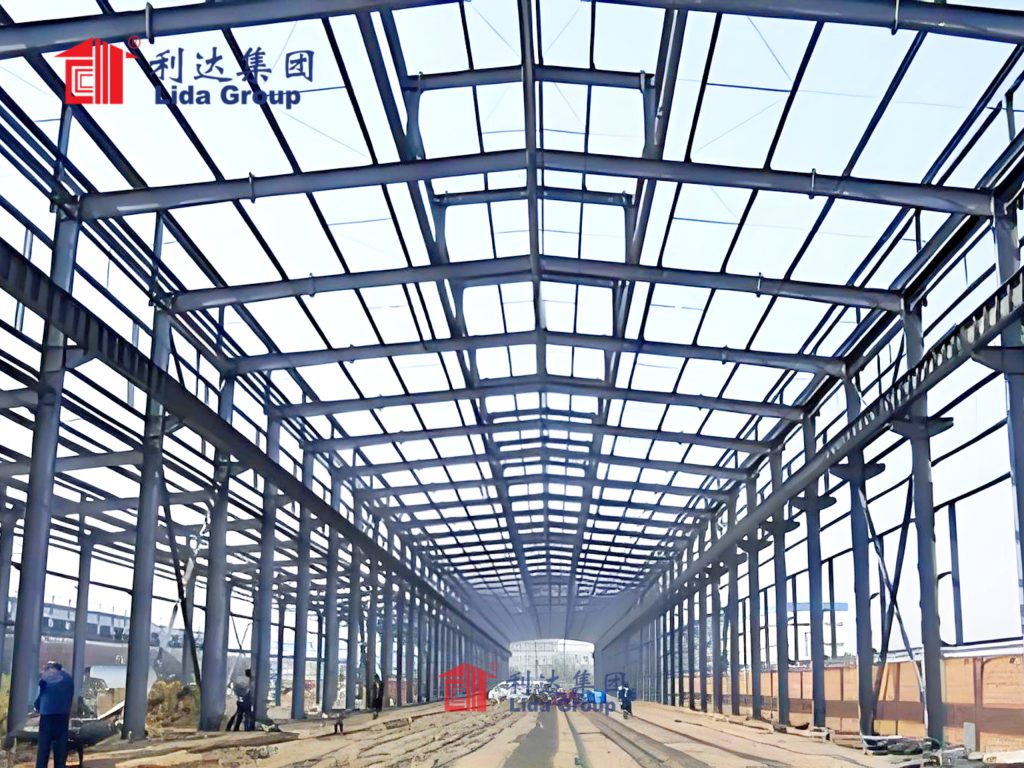
1. Introduction: The Global Demand for High-Quality Rural Housing and the Risks of Substandard Construction
The global rural housing market is experiencing a period of rapid growth, driven by rural revitalization initiatives, increasing rural population mobility, and a growing awareness of the benefits of durable, sustainable housing. According to a recent report by the World Bank, the global rural housing market is expected to reach $1.2 trillion by 2030, with a significant portion of this growth coming from demand for metal frame farmhouses. However, this growth has also led to an influx of substandard metal frame farmhouses, built with little regard for construction quality, which have undermined consumer confidence in metal frame rural housing.
Rural residents and operators are increasingly seeking high-quality metal frame farmhouses that deliver on their promises of durability, safety, and low maintenance. They understand that a farmhouse is a long-term investment, and substandard construction will only lead to higher costs and greater risks in the future. For example, a metal frame farmhouse with loose connections may withstand minor winds initially, but over time, the vibrations from agricultural machinery, seasonal temperature fluctuations, and repeated exposure to wind will cause the connections to loosen further, leading to structural instability. Similarly, improper waterproofing in a metal frame farmhouse will result in water leakage, mold growth, and corrosion of the metal frame—shortening the lifespan of the structure and creating health hazards for occupants.
The consequences of substandard construction in metal frame farmhouses are far-reaching, affecting not just individual rural families but also rural communities and the broader rural housing industry:
1.1 Safety Risks for Occupants
The most immediate and serious consequence of substandard construction is the risk to the safety of the farmhouse’s occupants. A poorly constructed metal frame farmhouse may lack structural integrity, making it vulnerable to collapse during natural hazards such as earthquakes, strong winds, or snowstorms. Loose bolts, misaligned framing, and substandard welding can all create structural weaknesses that fail under stress. For example, in a hurricane-prone rural area, a metal frame farmhouse with improper roof installation may have its roof torn off during a storm, exposing occupants to danger and causing significant property damage. Similarly, in earthquake-prone regions, substandard frame connections can lead to the collapse of the entire structure, resulting in injury or loss of life.
1.2 Shortened Lifespan and Higher Maintenance Costs
Substandard construction drastically reduces the lifespan of a metal frame farmhouse, turning a supposed long-term investment into a costly liability. Metal is inherently durable, but it requires proper installation and protection to maintain its strength over time. Improper insulation, for example, can lead to condensation inside the walls, causing the metal frame to corrode. Shoddy waterproofing can allow water to seep into the structure, damaging the frame and other components. Loose connections can cause vibration and friction, accelerating wear and tear. As a result, a substandard metal frame farmhouse may last only 15–20 years, compared to the 50–70 year lifespan of a high-quality metal frame farmhouse. This shortened lifespan means rural residents must invest in costly repairs or complete rebuilding much sooner, diverting resources from agricultural production and other essential needs.
1.3 Damage to the Reputation of Metal Frame Rural Housing
Substandard metal frame farmhouses have also damaged the reputation of metal frame rural housing as a whole. Many rural residents who have had negative experiences with poorly constructed metal frame farmhouses are hesitant to invest in metal frame housing again, instead returning to traditional construction methods that they perceive as more reliable—even though traditional methods have their own shortcomings. This reluctance slows the adoption of metal frame housing, depriving rural communities of the benefits of metal framing, such as durability, sustainability, and rapid construction. It also creates a barrier for reputable companies like Lida Group, which are committed to delivering high-quality metal frame solutions.
1.4 Environmental Impact
Substandard construction also has a negative environmental impact. A metal frame farmhouse that deteriorates prematurely must be demolished and replaced, generating significant construction waste. The production of new materials to replace the damaged components consumes additional energy and resources, increasing carbon emissions. Additionally, substandard insulation and waterproofing can reduce the energy efficiency of the farmhouse, leading to higher energy consumption for heating and cooling—contributing to greenhouse gas emissions and environmental degradation. In contrast, a high-quality metal frame farmhouse with proper construction is energy-efficient, long-lasting, and recyclable, minimizing its environmental footprint.
Against this backdrop, Lida Group’s commitment to high quality construction is more important than ever. We believe that the only way to realize the full potential of metal frame rural housing is to ensure that every farmhouse is built to the highest construction standards, with meticulous attention to detail and uncompromising quality control. By defining our metal frame farmhouses through high quality construction, we are not only delivering superior housing solutions to rural residents but also helping to restore confidence in metal frame rural housing and drive the sustainable development of the rural housing industry.
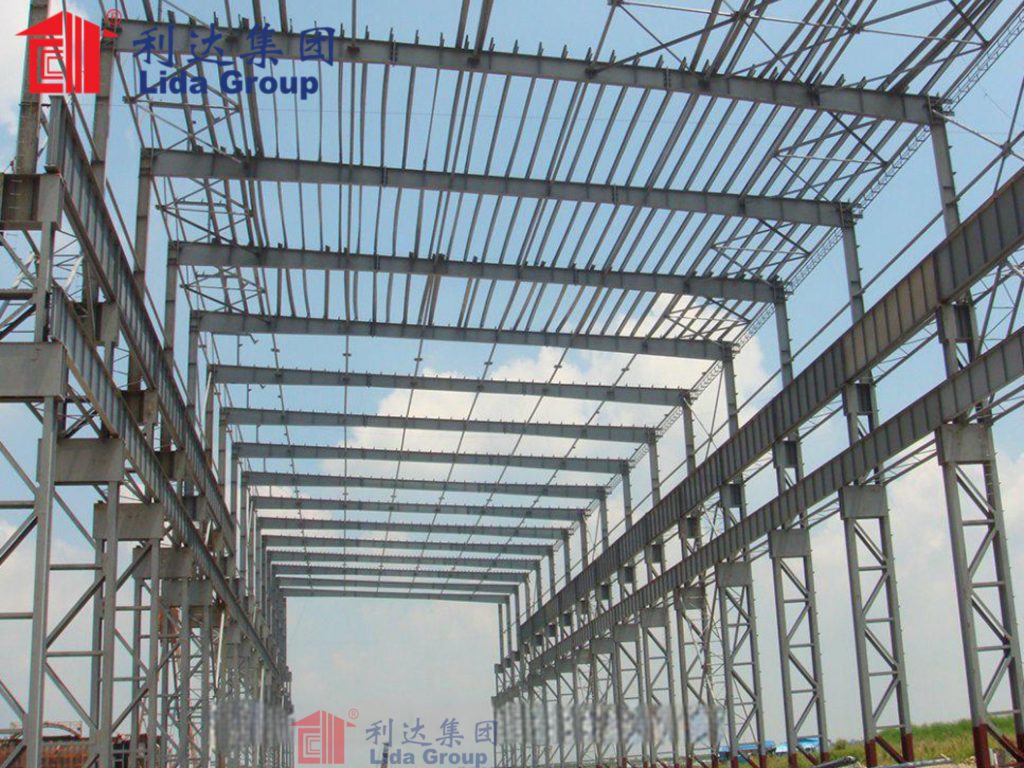
2. Lida Group: Committed to Construction Excellence in Metal Frame Farmhouses
For over three decades, Lida Group has been a global leader in the design, production, and construction of prefabricated metal structure buildings. Founded in 1993 and headquartered in Shandong, China, we have built a reputation for excellence in construction quality, leveraging our integrated industrial chain, advanced technologies, skilled workforce, and rigorous quality management system to deliver high-performance metal frame solutions across diverse industries. When it comes to metal frame farmhouses, our commitment to construction excellence is unwavering—we believe that high quality construction is not just a requirement, but a promise to our customers, and it is this promise that defines every farmhouse we build.
2.1 Our Construction Quality Management System: The Foundation of Excellence
At Lida Group, high quality construction begins with a comprehensive, industry-leading construction quality management system (CQMS) that covers every stage of the farmhouse construction process, from pre-construction planning to post-construction maintenance. Our CQMS is based on international standards, including ISO 9001 quality management system certification, and is continuously optimized to meet the evolving needs of rural housing and the highest industry standards. The system is designed to ensure consistency, accountability, and transparency in every construction activity, minimizing errors and ensuring that every farmhouse meets or exceeds our strict quality standards.
The key components of our CQMS include:
-
Pre-Construction Quality Planning: Before any construction begins, our team of certified engineers and construction experts conducts a detailed site assessment, analyzing local climate conditions, soil quality, and rural lifestyle needs to develop a customized construction plan. This plan includes detailed specifications for materials, construction techniques, quality control checkpoints, and timelines. We also conduct a thorough review of the design to ensure that it is structurally sound, energy-efficient, and tailored to the local environment. This pre-construction planning ensures that every aspect of the construction process is carefully considered, minimizing the risk of errors and ensuring that the farmhouse meets the unique needs of the rural community.
-
Material Quality Control: We understand that high quality construction begins with high quality materials. All metal materials used in our farmhouses—including galvanized aluminum zinc G550 high-strength steel and Q235/Q355 carbon steel—are sourced from reputable suppliers and undergo rigorous quality testing before they are used in construction. Our material testing process includes checks for tensile strength, ductility, corrosion resistance, and compliance with international standards. Any material that fails to meet our standards is rejected immediately, ensuring that only the highest-quality materials are used in our farmhouses. We also maintain detailed records of all materials used, including their source, specifications, and test results, for full traceability.
-
On-Site Construction Quality Control: During on-site construction, our team of quality inspectors conducts regular, unannounced inspections to ensure that all construction activities are carried out in accordance with the approved plan and our quality standards. Inspectors check every detail, from the alignment of the metal frame and the torque of the bolts to the installation of insulation and waterproofing materials. We use advanced testing equipment, such as torque wrenches, laser levels, and moisture meters, to ensure precision and accuracy. Any deviation from the quality standards is corrected immediately, and the work is re-inspected to ensure compliance. Our on-site quality control process is designed to catch and correct errors early, before they become costly or dangerous.
-
Post-Construction Quality Inspection and Acceptance: Once construction is complete, we conduct a comprehensive post-construction inspection to ensure that the farmhouse meets all our quality standards and is safe, durable, and functional. This inspection includes structural integrity testing, waterproofing testing, insulation testing, and a full review of all systems (such as electrical and plumbing). We also invite the customer to participate in the inspection, ensuring that they are satisfied with the quality of the construction. Only after the farmhouse passes all inspection criteria is it officially accepted and handed over to the customer. We also provide a detailed quality report, including all test results and inspection records, for the customer’s reference.
-
Post-Construction Maintenance and Support: Our commitment to quality does not end with the completion of construction. We provide comprehensive post-construction maintenance and support services to ensure that our metal frame farmhouses continue to perform at their best for decades. This includes regular maintenance checks, technical support, and access to replacement parts. We also offer training to rural residents on basic maintenance tasks, helping them to keep their farmhouse in excellent condition. Our post-construction support ensures that our customers get the most value from their investment and that their farmhouse remains safe and durable for years to come.
2.2 Advanced Construction Technologies and Equipment
High quality construction requires advanced technologies and equipment, and Lida Group invests heavily in the latest construction technologies to ensure that our metal frame farmhouses are built with precision and efficiency. We have a 73,000-square-meter modern production base equipped with internationally advanced automated production lines, including cold-formed thin-walled steel production lines imported from the United States, automated welding equipment, and 3D laser cutting machines. These advanced production technologies ensure that our metal frame components are manufactured to precise dimensions, with consistent quality and minimal errors.
On-site, we use a range of advanced construction equipment to enhance the quality and efficiency of our construction process. This includes:
-
Laser Leveling Equipment: Used to ensure that the metal frame is perfectly aligned, both horizontally and vertically, reducing the risk of structural weakness and ensuring that the farmhouse is level and stable.
-
Torque Wrenches: Used to tighten bolts to the exact torque specified in our construction standards, ensuring that connections are secure and resistant to loosening over time.
-
Moisture Meters: Used to test the moisture content of insulation and waterproofing materials, ensuring that they are installed correctly and will provide effective protection against humidity and water damage.
-
Thermal Imaging Cameras: Used to detect gaps in insulation and air leaks, ensuring that the farmhouse is energy-efficient and that the metal frame is protected from temperature fluctuations and condensation.
We also use advanced 3D modeling and BIM (Building Information Modeling) technology in our pre-construction planning and design process. This technology allows us to create a detailed digital model of the farmhouse, identifying potential construction issues before they arise and optimizing the construction process for quality and efficiency. BIM technology also allows our team to collaborate more effectively, ensuring that every member of the construction team has access to the latest design and construction information.
2.3 A Skilled and Certified Workforce
Even the best materials and technologies are only as good as the workforce that uses them. At Lida Group, we are proud of our team of skilled craftsmen, certified engineers, and quality inspectors, who are dedicated to delivering high quality construction in every project. We invest heavily in training and development to ensure that our workforce has the skills, knowledge, and expertise needed to meet our strict quality standards.
Our construction team includes:
-
Certified Structural Engineers: Responsible for designing and optimizing the metal frame structure, ensuring that it is structurally sound and meets international standards for safety and durability. Our engineers have extensive experience in rural construction and are familiar with the unique challenges of building in rural environments.
-
Skilled Metal Fabricators: Responsible for manufacturing and assembling the metal frame components, using advanced production equipment to ensure precision and consistency. Our fabricators are trained in the latest metal fabrication techniques and undergo regular certification to ensure that their skills are up to date.
-
Experienced On-Site Construction Teams: Responsible for installing the metal frame and other components on-site. Our construction teams are trained in all aspects of metal frame installation, including frame alignment, bolt tightening, insulation, and waterproofing. They are also trained in safety protocols, ensuring that construction is carried out safely and efficiently.
-
Professional Quality Inspectors: Responsible for conducting quality inspections at every stage of the construction process. Our inspectors are certified in quality management and have extensive experience in metal frame construction, ensuring that they can identify even the smallest deviations from our quality standards.
We also have a comprehensive training program for our workforce, including on-the-job training, technical workshops, and certification courses. This training program ensures that our team members are constantly updating their skills and knowledge, keeping up with the latest construction technologies and industry standards. We also encourage our team members to participate in industry conferences and seminars, allowing them to learn from other experts in the field and bring new ideas back to our projects.
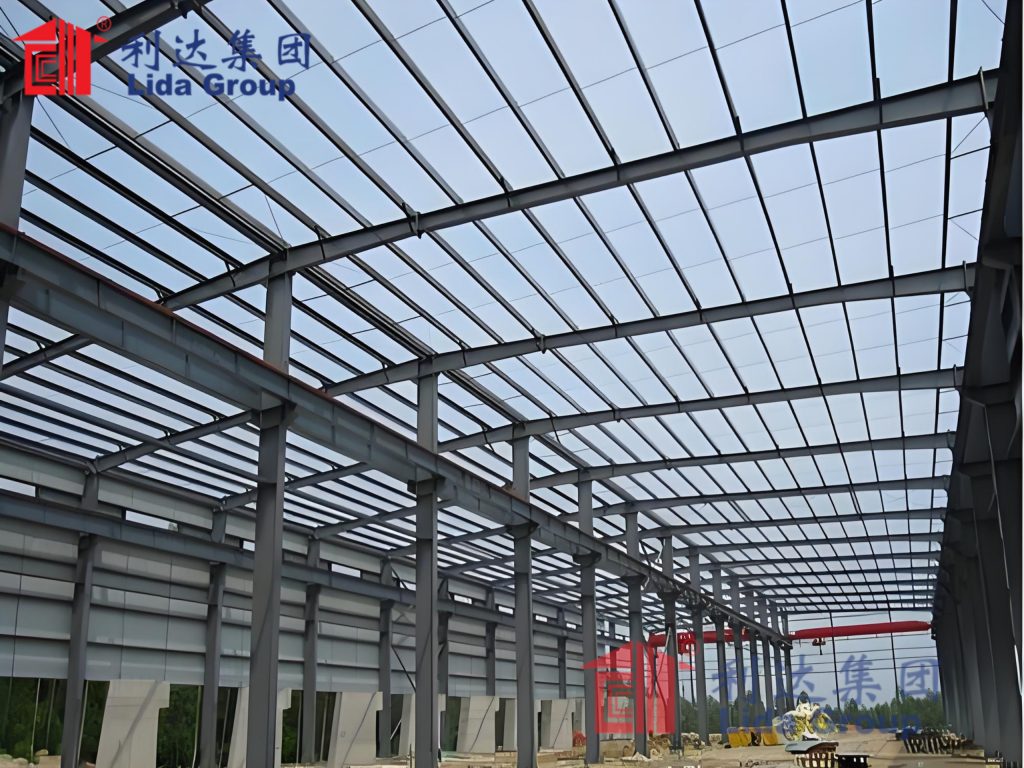
3. Key Construction Details: How High Quality Construction Defines Our Metal Frame Farmhouses
High quality construction is not just a philosophy at Lida Group—it is a set of specific, actionable details that are implemented at every stage of the farmhouse construction process. From the installation of the metal frame to the finishing touches, every detail is carefully considered and executed to ensure that our metal frame farmhouses are durable, safe, comfortable, and long-lasting. Below is a detailed breakdown of the key construction details that define our metal frame farmhouses and set them apart from substandard alternatives:
3.1 Metal Frame Installation: Precision and Stability
The metal frame is the backbone of our farmhouses, and its installation is critical to the structural integrity and durability of the entire structure. Our metal frame installation process is designed to ensure precision, stability, and long-term performance, with every step executed to meet our strict quality standards.
Key details of our metal frame installation process include:
-
Foundation Preparation and Alignment: Before installing the metal frame, we prepare the foundation with meticulous care. The foundation is excavated to the exact depth specified in the construction plan, and concrete is poured and leveled using laser leveling equipment to ensure that it is perfectly flat. We then install anchor bolts in the foundation, which are used to secure the metal frame to the ground. The anchor bolts are positioned with precision, using templates to ensure that they are aligned correctly with the metal frame components. This ensures that the metal frame is securely anchored to the foundation, preventing movement and ensuring stability.
-
Frame Component Inspection and Preparation: Before installation, all metal frame components are inspected to ensure that they are free from damage, corrosion, and defects. We check the dimensions of each component using laser measuring equipment to ensure that they match the design specifications. Any component that is damaged or does not meet our standards is rejected and replaced. We also apply a final layer of anti-corrosion coating to the components before installation, ensuring that they are protected from the elements.
-
Precision Frame Assembly: The metal frame components are assembled on-site using high-strength bolts and connectors. Our construction team uses laser leveling equipment to ensure that the frame is perfectly aligned, both horizontally and vertically. Each bolt is tightened to the exact torque specified in our construction standards, using torque wrenches to ensure consistency. We also use diagonal bracing to enhance the stability of the frame, preventing lateral movement and ensuring that the frame can withstand strong winds and seismic activity. The joints between frame components are sealed with high-quality sealants to prevent water and air infiltration, protecting the frame from corrosion and condensation.
-
Frame Inspection and Testing: After the frame is assembled, we conduct a comprehensive inspection to ensure that it is structurally sound and meets our quality standards. We check the alignment of the frame using laser levels, test the torque of the bolts, and inspect the joints for proper sealing. We also conduct a structural load test to ensure that the frame can withstand the expected loads, such as snow, wind, and the weight of the roof and walls. Only after the frame passes all these tests do we proceed with the next stage of construction.
3.2 Insulation and Waterproofing: Protection and Energy Efficiency
Insulation and waterproofing are critical components of high quality metal frame farmhouse construction, as they protect the metal frame from corrosion, ensure the comfort of the occupants, and enhance energy efficiency. Our insulation and waterproofing construction processes are designed to provide superior protection and performance, with meticulous attention to detail to prevent gaps, leaks, and other issues that can undermine the quality of the farmhouse.
Key details of our insulation and waterproofing construction process include:
-
Insulation Material Selection and Installation: We use high-performance insulated sandwich panels for the walls and roof of our farmhouses, which consist of two outer layers of galvanized color steel and a central core of environmentally friendly insulation material (EPS, PU, or rock wool). The insulation material is selected based on the local climate conditions, ensuring optimal thermal performance. For example, we use PU core panels in cold regions for superior thermal insulation, EPS core panels in moderate climates for a balance of insulation and cost-effectiveness, and rock wool core panels in fire-prone regions for additional fire protection.
-
Precision Insulation Installation: The insulated sandwich panels are installed with precision, ensuring that there are no gaps between the panels. Our construction team uses laser measuring equipment to ensure that the panels are cut to the exact size needed, and they are secured to the metal frame using high-strength screws. The joints between the panels are sealed with high-quality foam sealants to prevent air leakage and moisture infiltration. We also install vapor barriers in the walls and floors to prevent condensation, which can cause the metal frame to corrode. The vapor barriers are installed with care, ensuring that they are properly sealed and cover the entire surface area of the walls and floors.
-
Waterproofing System Installation: Our waterproofing system is designed to provide comprehensive protection against water damage, with multiple layers of protection to ensure that no water seeps into the structure. The roof is installed with a slope design (15–30 degrees) to ensure rapid water runoff, and high-quality waterproof rolls (such as PVC or TPO) are installed between the metal roof panels and the frame. The waterproof rolls are laid with overlapping seams, which are sealed with waterproof tape to prevent water leakage. The wall panels are connected with waterproof connectors, and all joints (including around windows and doors) are sealed with high-temperature-resistant, waterproof sealants. We also install gutters and downspouts to direct water away from the foundation, preventing water accumulation and foundation damage.
-
Insulation and Waterproofing Testing: After the insulation and waterproofing are installed, we conduct rigorous testing to ensure that they are effective. We use thermal imaging cameras to detect gaps in insulation and air leaks, and we conduct a water tightness test to check for leaks in the waterproofing system. The water tightness test involves spraying water on the roof and walls for an extended period of time, while our inspectors check the interior of the farmhouse for any signs of water leakage. Any issues identified during the testing are corrected immediately, and the testing is repeated until the insulation and waterproofing meet our strict standards.
3.3 Finishing Work: Quality and Aesthetics
While structural integrity and durability are our top priorities, we also understand that the aesthetics and functionality of the farmhouse are important to rural residents. Our finishing work is designed to ensure that our metal frame farmhouses are not only durable and safe but also beautiful and comfortable to live in. Every detail of the finishing work is executed with precision and care, ensuring a high-quality, consistent result.
Key details of our finishing work include:
-
Interior Wall and Ceiling Finishing: The interior walls and ceilings are finished with high-quality gypsum board or decorative panels, which are installed with precision to ensure a smooth, even surface. The joints between the panels are taped and mudded, creating a seamless finish. We then apply a coat of primer and two coats of high-quality paint, ensuring a durable, easy-to-clean surface. The paint is selected for its durability and resistance to stains, making it ideal for rural living.
-
Floor Finishing: We offer a range of floor finishing options, including ceramic tiles, vinyl flooring, and wood-look flooring, to suit the preferences of our customers. The flooring is installed with precision, ensuring that it is level and secure. We use high-quality adhesives to ensure that the flooring does not shift or warp over time, and we install baseboards around the edges of the floor to create a clean, finished look. The flooring is also selected for its durability and ease of maintenance, making it suitable for rural environments.
-
Window and Door Installation: The windows and doors are installed with precision, ensuring that they fit tightly and operate smoothly. We use energy-efficient windows (such as PVC or aluminum alloy frames with double-glazed glass) to minimize heat loss and enhance energy efficiency. The windows and doors are sealed with weatherstripping to prevent air and water infiltration, and they are secured to the metal frame with high-strength screws. We also install window sills and door casings to enhance the aesthetics of the windows and doors and provide additional protection against water damage.
-
Exterior Finishing: The exterior of our metal frame farmhouses is finished with high-quality metal panels or decorative siding, which are installed with precision to ensure a consistent, attractive appearance. The exterior panels are coated with a weather-resistant, UV-resistant paint to prevent fading and deterioration over time. We also install decorative elements, such as shutters, trim, and a front porch, to enhance the aesthetics of the farmhouse and make it more welcoming. The exterior finishing is designed to be durable and low-maintenance, requiring minimal upkeep over the lifespan of the farmhouse.
3.4 Electrical and Plumbing Installation: Safety and Functionality
Electrical and plumbing systems are essential components of any modern farmhouse, and their installation is critical to the safety and functionality of the structure. Our electrical and plumbing installation processes are designed to ensure that these systems are safe, reliable, and efficient, with every detail executed to meet international safety standards.
Key details of our electrical and plumbing installation process include:
-
Electrical Installation: Our electrical systems are installed by certified electricians, who follow strict safety protocols to ensure that the system is safe and reliable. We use high-quality electrical wiring, outlets, switches, and fixtures, which are selected for their durability and compliance with international safety standards. The wiring is run through conduit to protect it from damage and prevent electrical fires. We also install circuit breakers to protect the system from overloads, and we ensure that all electrical components are properly grounded. The electrical system is designed to meet the needs of modern rural living, with enough outlets and circuits to accommodate appliances, lighting, and other electrical devices.
-
Plumbing Installation: Our plumbing systems are installed by certified plumbers, who use high-quality pipes, fittings, and fixtures to ensure that the system is leak-free and efficient. We use corrosion-resistant pipes (such as PVC or PEX) to prevent rust and deterioration, and we ensure that all connections are properly sealed to prevent leaks. The plumbing system includes hot and cold water lines, a sewage system, and fixtures such as sinks, toilets, and showers. We also install water heaters (electric or solar-powered) to provide hot water for the farmhouse. The plumbing system is designed to be efficient, minimizing water waste and reducing water bills for rural residents.
-
Testing and Inspection: After the electrical and plumbing systems are installed, we conduct comprehensive testing and inspection to ensure that they are safe and functional. The electrical system is tested for voltage, continuity, and grounding, and the plumbing system is tested for leaks and water pressure. Any issues identified during the testing are corrected immediately, and the systems are re-tested until they meet our strict standards. We also provide the customer with a detailed manual on the operation and maintenance of the electrical and plumbing systems, helping them to keep the systems in excellent condition.

4. Core Benefits of High Quality Construction in Our Metal Frame Farmhouses
The high quality construction that defines Lida Group’s metal frame farmhouses translates to a range of tangible benefits for rural residents, agricultural operators, and rural development stakeholders. These benefits go far beyond just a well-built structure—they deliver long-term value, safety, comfort, and peace of mind, making our metal frame farmhouses the ideal choice for modern rural housing. Below is a detailed overview of the core benefits of high quality construction in our metal frame farmhouses:
4.1 Unmatched Structural Integrity and Safety
The most significant benefit of high quality construction is the unmatched structural integrity and safety of our metal frame farmhouses. Our rigorous quality control processes, precision installation, and use of high-quality materials ensure that our farmhouses are structurally sound and can withstand the toughest rural conditions, including earthquakes, strong winds, snowstorms, and heavy rainfall. The metal frame is securely anchored to the foundation, with tight, properly torqued connections and diagonal bracing to enhance stability. This structural integrity means that our farmhouses are less likely to collapse or sustain damage during natural hazards, protecting the safety of the occupants and their property.
In addition, our high quality construction ensures that there are no safety hazards such as loose bolts, misaligned framing, or electrical and plumbing leaks. Our electrical and plumbing systems are installed by certified professionals and tested rigorously to ensure that they are safe and reliable. This commitment to safety gives rural residents peace of mind, knowing that their home is built to protect them and their family.
4.2 Exceptional Durability and Long Lifespan
High quality construction directly contributes to the exceptional durability and long lifespan of our metal frame farmhouses. By ensuring that every component is installed correctly, every joint is sealed properly, and every material is of the highest quality, we eliminate the common causes of premature deterioration, such as corrosion, water damage, and structural weakness. Our metal frame farmhouses have a lifespan of 50–70 years—far longer than the 15–20 year lifespan of substandard metal frame farmhouses and the 20–30 year lifespan of traditional brick-and-concrete farmhouses.
This long lifespan means that rural residents can enjoy a stable, secure home for generations without the need for costly repairs or major renovations. The durability of our farmhouses also means that they can withstand the rigors of rural environments, including exposure to agricultural chemicals, high humidity, and extreme temperature fluctuations, without significant deterioration. This long-term durability translates to significant cost savings for rural residents, as they do not have to invest in frequent repairs or replacement of the structure.
4.3 Low Maintenance Costs and Long-Term Value
High quality construction also results in low maintenance costs for our metal frame farmhouses. A well-built farmhouse requires minimal maintenance, as there are no loose connections to tighten, no leaks to repair, and no structural weaknesses to address. Our metal frame is protected from corrosion by high-quality coatings and proper waterproofing, eliminating the need for regular rust treatment. The insulation and waterproofing systems are installed correctly, preventing mold growth and water damage, which reduces the need for repairs to walls, ceilings, and floors.
In fact, our metal frame farmhouses require only minimal annual maintenance: a simple inspection of the structure, electrical, and plumbing systems, and occasional cleaning of the exterior panels. This minimal maintenance translates to annual costs that are just 20–30% of the maintenance costs of substandard metal frame farmhouses and 30–40% of the costs of traditional brick-and-concrete farmhouses. Over the lifespan of the farmhouse, these low maintenance costs add up to significant savings, enhancing the long-term value of the investment.
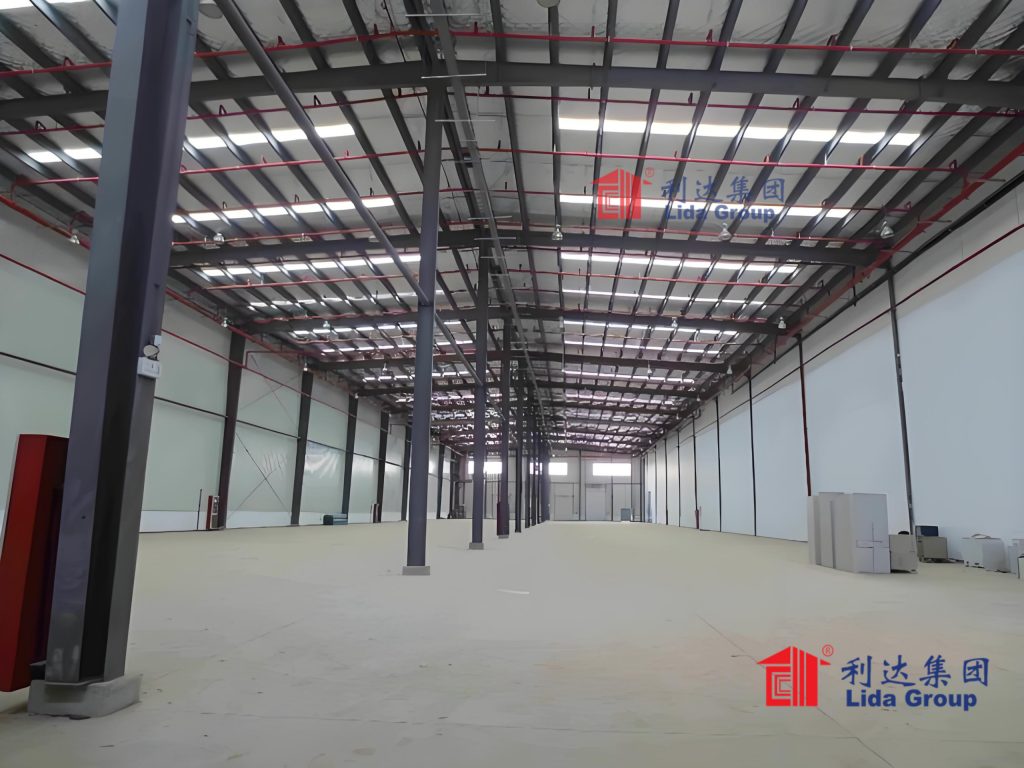
4.4 Superior Comfort and Energy Efficiency
High quality construction ensures that our metal frame farmhouses are not only durable and safe but also comfortable and energy-efficient. Our precision insulation installation eliminates gaps and air leaks, ensuring that the farmhouse remains warm in winter and cool in summer. The high-performance insulation materials we use provide superior thermal insulation, reducing energy consumption for heating and cooling by up to 65% compared to substandard metal frame farmhouses and traditional farmhouses.
The air-tight seal of our farmhouses also prevents humidity from entering the structure, reducing the risk of mold growth and creating a more comfortable indoor environment. The windows and doors are energy-efficient, minimizing heat loss and enhancing comfort. This superior comfort and energy efficiency not only improves the quality of life for rural residents but also reduces their energy bills, freeing up resources for other essential needs.
4.5 Consistent Quality and Aesthetics
Unlike substandard metal frame farmhouses, which often have inconsistent quality and unappealing aesthetics, our metal frame farmhouses are defined by consistent quality and attractive design. Our rigorous quality control processes ensure that every farmhouse is built to the same high standards, with no variations in construction quality. The precision installation of components, the seamless finishing work, and the attention to detail ensure that our farmhouses have a clean, attractive appearance that enhances the rural landscape.
We also offer a range of customization options, allowing rural residents to tailor the design of their farmhouse to their preferences and lifestyle. Whether they prefer a traditional rural aesthetic or a more modern design, our team can work with them to create a farmhouse that is both beautiful and functional. The consistent quality and attractive aesthetics of our farmhouses also enhance the value of the property, making them a more desirable investment for rural residents and operators.
4.6 Environmental Sustainability
High quality construction in our metal frame farmhouses also contributes to environmental sustainability. Our use of high-quality, recyclable metal materials reduces the consumption of non-renewable resources and minimizes environmental impact. The prefabricated construction method we use generates 80% less construction waste than traditional on-site construction, as components are manufactured to precise dimensions in a controlled factory setting. This reduces the amount of waste sent to landfills and minimizes environmental pollution in rural areas.
The energy efficiency of our farmhouses, enabled by high quality insulation and construction, reduces energy consumption and greenhouse gas emissions, aligning with global “dual carbon” goals. Our use of eco-friendly insulation materials and low-VOC paint also ensures that the indoor air quality is high, reducing environmental pollution and protecting the health of the occupants. By building high-quality, sustainable metal frame farmhouses, we are contributing to the sustainable development of rural areas and protecting the rural ecological environment.
5. Practical Application Cases: High Quality Construction in Action
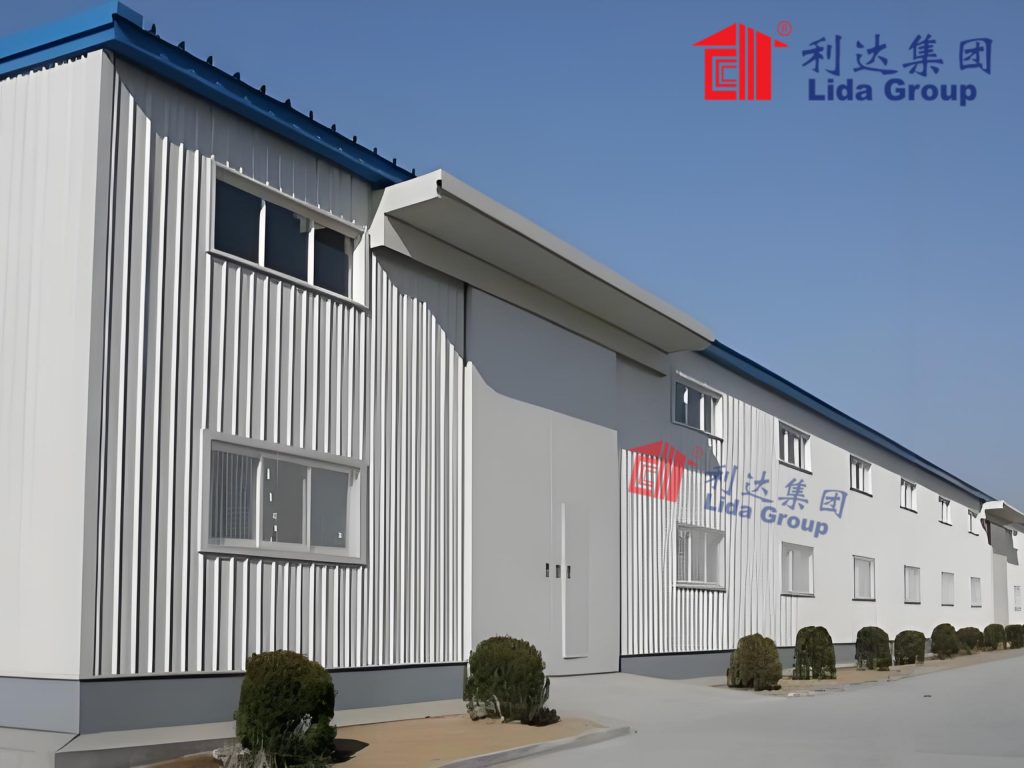
To fully demonstrate how high quality construction defines our metal frame farmhouses and delivers tangible benefits, Lida Group has implemented numerous pilot projects and large-scale applications across diverse rural environments. These cases—ranging from earthquake-prone regions to tropical and arid areas—have verified the superiority of our high quality construction and have been widely recognized by rural residents, local governments, and industry insiders. Below are three representative cases that highlight the real-world performance of our metal frame farmhouses, driven by high quality construction:
5.1 Case 1: Rural Residential Housing in Sichuan, China (Earthquake-Prone Region)
Sichuan Province in China is located in a major earthquake zone, with frequent seismic activity and a high risk of damage to rural housing. In 2022, Lida Group undertook a rural residential housing project in a small village in Sichuan, aimed at providing safe, durable housing for 80 rural households affected by a previous earthquake. The project required farmhouses that could withstand magnitude 8.5 earthquakes, heavy rainfall, and high humidity—all while being comfortable and affordable for rural residents. High quality construction was the top priority, as the safety of the occupants depended on the structural integrity of the farmhouses.
Our team began with a detailed pre-construction site assessment, analyzing the local soil conditions and seismic activity to develop a customized construction plan. We used galvanized aluminum zinc G550 high-strength steel for the main frame, which underwent rigorous quality testing to ensure it met international standards for tensile strength and corrosion resistance. The foundation was prepared with precision, using laser leveling equipment to ensure it was perfectly flat, and anchor bolts were installed with templates to ensure alignment with the metal frame components.
During frame installation, our construction team used laser leveling equipment to ensure the frame was perfectly aligned, and every bolt was tightened to the exact torque specified in our standards using torque wrenches. Diagonal bracing was installed to enhance the frame’s stability, and all joints were sealed with high-quality sealants to prevent water and air infiltration. The insulation and waterproofing systems were installed with meticulous care: we used rock wool core insulated sandwich panels for fire resistance and thermal insulation, and PVC waterproof rolls were installed on the roof with overlapping seams sealed with waterproof tape. The electrical and plumbing systems were installed by certified professionals and tested rigorously to ensure safety and reliability.
The project was completed in just 5 weeks, with each farmhouse covering 110 square meters and featuring 3 bedrooms, 1 living room, 1 kitchen, and 2 bathrooms. In 2023, a magnitude 5.2 earthquake struck the region, and while some traditional brick-and-concrete houses nearby suffered cracks and structural damage, our metal frame farmhouses remained completely intact. Mr. Wang, a resident of the village, said: “We were terrified during the earthquake, but our new house didn’t even shake. The quality of the construction is amazing—we feel safe and secure here. It’s also warm in winter and cool in summer, and we haven’t had any issues with leaks or mold.” The project was recognized by the Sichuan Provincial Government as a model for high-quality rural housing in earthquake-prone regions, with local officials praising our commitment to construction excellence.
5.2 Case 2: Rural Tourism Farmhouses in Vietnam (Tropical Climate)
Vietnam’s rural tourism industry is growing rapidly, and there is a high demand for high-quality farmhouses that can withstand the country’s tropical climate—characterized by high temperatures, high humidity, heavy rainfall, and occasional typhoons. In 2023, Lida Group partnered with a local rural tourism operator in Vietnam to build 15 metal frame farmhouses for a rural tourism resort. The project required farmhouses that were not only durable and safe but also aesthetically pleasing, comfortable, and low-maintenance—key factors for attracting tourists. High quality construction was essential to ensure that the farmhouses could withstand the harsh tropical climate and maintain their appearance and functionality over time.
We designed the farmhouses with a traditional Vietnamese architectural style, incorporating curved roofs and wooden decorative elements to blend seamlessly with the local landscape. The main frame used Q355 carbon steel, treated with a multi-layer anti-corrosion coating to resist humidity and salt spray from nearby coastal areas. During construction, our team paid special attention to insulation and waterproofing: we used PU core insulated sandwich panels to provide superior thermal insulation, reducing indoor temperatures by 10–12℃ compared to the outside. The roof was installed with a 25-degree slope to ensure rapid water runoff, and TPO waterproof rolls were installed with waterproof tape to prevent leaks. The exterior panels were coated with a UV-resistant paint to prevent fading and deterioration from intense sunlight.
Our construction team also focused on finishing work, ensuring that the interior and exterior of the farmhouses were attractive and comfortable. The interior walls were finished with gypsum board and high-quality paint, and the floors were covered with durable vinyl flooring. The windows and doors were energy-efficient, with double-glazed glass to minimize heat loss and enhance comfort. The electrical and plumbing systems were designed to meet the needs of tourists, with ample outlets and efficient water fixtures.
The project was completed in 6 weeks, and the farmhouses were put into use in July 2023. Since opening, the farmhouses have withstood three typhoons and months of heavy rainfall without any leaks or structural damage. The high-quality insulation has kept the interiors cool and comfortable, reducing the need for air conditioning and saving energy. Tourists have praised the farmhouses for their beauty, comfort, and durability, with the resort reporting an average occupancy rate of over 90% during peak tourist seasons. The tourism operator said: “Lida Group’s high quality construction has made these farmhouses a huge success. They are not only beautiful and comfortable but also extremely durable—even in our harsh tropical climate. The low maintenance costs have also helped reduce our operating expenses, making the project more profitable.”
5.3 Case 3: Agricultural Worker Housing in Kenya (Arid Region)
Kenya’s arid and semi-arid regions are characterized by extreme heat, sandstorms, and limited water resources—posing unique challenges to rural housing. In 2022, Lida Group undertook a project to build 20 metal frame farmhouses for agricultural workers on a large-scale farm in Kenya. The project required farmhouses that could withstand extreme heat (temperatures up to 40℃), sandstorms, and water scarcity—while being energy-efficient and low-maintenance. High quality construction was critical to ensure that the farmhouses could withstand the harsh arid environment and provide a comfortable living space for the workers.
We used galvanized aluminum zinc G550 high-strength steel for the main frame, treated with a UV-resistant coating to protect against intense sunlight. The foundation was prepared with prefabricated concrete piles to anchor the frame securely to the ground, preventing movement during sandstorms. During frame installation, our team used laser leveling equipment to ensure alignment, and all bolts were tightened to the correct torque. The joints were sealed with dust-proof sealants to prevent sand from entering the structure and damaging the frame.
For insulation, we used EPS core insulated sandwich panels, which provided effective thermal insulation while being lightweight and cost-effective. The roof was installed with a 30-degree slope to ensure rapid runoff of any occasional rainfall, and the exterior panels were coated with a heat-reflective paint to reduce heat absorption. The windows and doors were installed with weatherstripping to prevent sand and dust from entering, and we installed solar panels on the roof to provide electricity, addressing the region’s limited grid power supply.
The finishing work was designed to be durable and low-maintenance, with ceramic tile flooring that was easy to clean and resistant to dust. The interior walls were finished with washable paint, making them easy to maintain in the dusty environment. The plumbing system was designed to be water-efficient, with low-flow fixtures to minimize water waste.
The project was completed in 5 weeks, and the farmhouses have been in use for over a year. Despite being exposed to extreme heat and frequent sandstorms, the farmhouses remain structurally intact, with no signs of corrosion or deterioration. The insulation has kept the interiors cool, reducing the need for artificial cooling and saving energy. The sand-proof design has prevented sand from entering the structure, keeping the interiors clean and comfortable. The agricultural workers have praised the farmhouses for their durability and comfort, with one worker saying: “This house is unlike any other we’ve lived in. It’s cool in the heat, clean even during sandstorms, and we haven’t had any issues with repairs. The quality of the construction is outstanding.” The farm owner reported significant cost savings from the low maintenance costs and energy efficiency of the farmhouses, making them a valuable investment for the operation.
6. The Impact of High Quality Construction on Rural Development
Lida Group’s commitment to high quality construction in metal frame farmhouses has far-reaching implications for rural development and revitalization. Beyond delivering superior housing solutions to rural residents, our high quality construction drives positive change in rural communities, enhancing quality of life, promoting economic development, transforming the rural construction industry, and protecting the environment. Below is a detailed analysis of the impact of our high quality construction on rural development:
6.1 Enhancing Rural Residents’ Quality of Life and Safety
The most direct impact of high quality construction is improving the quality of life and safety of rural residents. By building farmhouses that are safe, durable, comfortable, and energy-efficient, we eliminate the constant worry of housing damage, safety risks, and high energy costs. Rural residents can enjoy a stable, secure home that provides protection from natural hazards and the harsh rural environment, improving their physical and mental well-being. The low maintenance costs of our farmhouses also reduce the financial burden on rural families, allowing them to allocate resources to education, healthcare, and agricultural production—further enhancing their quality of life.
In high-risk regions, such as earthquake-prone or hurricane-prone areas, our high quality construction has a life-saving impact. Our farmhouses’ structural integrity ensures that rural residents remain safe during natural disasters, preventing injury and loss of life. This safety net gives rural residents peace of mind and allows them to focus on building sustainable livelihoods, rather than worrying about the safety of their homes.
6.2 Promoting Rural Economic Development
High quality construction in our metal frame farmhouses also plays a key role in promoting rural economic development. The rapid prefabricated construction method we use reduces construction time by 70–80% compared to traditional construction, allowing rural residents to move into their new homes quickly and focus on income-generating activities, such as agricultural production or home-based businesses. The flexible design of our farmhouses also supports rural economic activities—for example, agricultural operators can use additional modules for storage or processing, and rural tourism operators can use the farmhouses for accommodation.
Our construction projects also create local employment opportunities, from on-site installation to maintenance. We hire local rural residents wherever possible, providing them with training and skills development in metal frame construction. This not only creates temporary jobs but also helps to build a skilled local workforce, which can contribute to the development of the local construction industry. Additionally, the low maintenance costs and long lifespan of our farmhouses reduce rural families’ financial burden, allowing them to invest more in agricultural production—boosting crop yields and agricultural productivity, and driving rural economic growth.
6.3 Transforming the Rural Construction Industry
Traditional rural construction is often characterized by manual labor, backward technologies, and lax quality control—resulting in inefficiency, poor quality, and high environmental impact. Our high quality construction represents a new model for rural construction, promoting the industrialization, standardization, and modernization of the rural construction industry. By demonstrating the benefits of high quality, prefabricated metal frame construction, we are helping to change the traditional mindset of rural residents and construction workers, who often prioritize low initial costs over long-term quality.
Our commitment to quality has also raised the bar for the rural construction industry, encouraging other companies to adopt higher quality standards. We work with local construction companies and partners, providing them with training and technical support to help them improve their construction quality. This collaboration helps to upgrade the overall level of the rural construction industry, creating a more sustainable and efficient sector that can meet the growing demand for high-quality rural housing.
6.4 Protecting the Rural Ecological Environment
High quality construction in our metal frame farmhouses is inherently sustainable, contributing to the protection of the rural ecological environment. Our use of recyclable metal materials reduces the consumption of non-renewable resources and minimizes environmental impact. The prefabricated construction method generates 80% less construction waste than traditional on-site construction, reducing the amount of waste sent to landfills and minimizing environmental pollution in rural areas.
The energy efficiency of our farmhouses, enabled by high quality insulation and construction, reduces energy consumption and greenhouse gas emissions, aligning with global climate goals. Our use of eco-friendly materials, such as low-VOC paint and insulation, ensures that the indoor air quality is high, protecting the health of rural residents and reducing environmental pollution. Additionally, our farmhouses avoid the use of clay bricks, which require the excavation of soil and destroy cultivated land—protecting rural ecological resources and promoting sustainable land use.
7. Challenges and Future Outlook for High-Quality Metal Frame Farmhouse Construction
Despite the significant advantages and positive impact of high quality construction in our metal frame farmhouses, there are still some challenges in promoting and popularizing this approach worldwide. These challenges are primarily related to market awareness, cost perception, and the availability of skilled labor. However, with the growing demand for high-quality rural housing and the support of governments, international organizations, and rural communities, the future of high-quality metal frame farmhouse construction is promising. Below is a detailed analysis of the current challenges and our future outlook:
7.1 Current Challenges
The promotion of high-quality metal frame farmhouse construction faces three main challenges that need to be addressed to realize its full potential in global rural housing markets.
First, insufficient market awareness and traditional mindset barriers remain a key obstacle. In many rural areas, residents have long been accustomed to traditional construction methods (such as brick-and-concrete) and hold misconceptions about metal frame farmhouses. Some rural residents believe that metal frame houses are “flimsy” or “prone to rust,” even though high-quality metal frame farmhouses with proper construction and anti-corrosion treatment are far more durable than traditional houses. Others are skeptical of the comfort and aesthetics of metal frame farmhouses, associating them with temporary structures rather than permanent homes. These traditional mindsets are deeply rooted and require long-term publicity and education to change.
Second, misperceptions about cost hinder widespread adoption. High-quality metal frame farmhouses have a higher initial construction cost compared to substandard metal frame farmhouses or even some traditional brick-and-concrete houses, as they use high-quality materials, advanced technologies, and skilled labor. Many rural residents and operators, who prioritize short-term costs over long-term value, are deterred by this higher initial investment, failing to recognize that the low maintenance costs and long lifespan of high-quality metal frame farmhouses result in lower total cost of ownership over decades. In some underdeveloped rural areas, rural families also lack the financial resources to invest in high-quality metal frame farmhouses, even if they recognize their long-term benefits.
Third, shortage of skilled labor in rural areas affects construction quality and efficiency. High-quality metal frame farmhouse construction requires skilled workers who are familiar with metal frame installation, precision equipment operation, and quality control standards. However, in many rural areas, especially underdeveloped regions, the local construction workforce is mostly trained in traditional construction methods and lacks the skills and experience needed for metal frame construction. Although Lida Group provides on-site training for local workers during projects, the shortage of a stable, skilled local workforce remains a challenge for large-scale promotion, as it increases construction costs and may delay project timelines in some cases.
7.2 Future Outlook
Despite these challenges, the future of high-quality metal frame farmhouse construction is bright, driven by global rural revitalization, growing demand for sustainable housing, and technological advancements. Lida Group will focus on the following areas to address challenges and promote the development and popularization of high-quality metal frame farmhouse construction worldwide:
-
Strengthening Publicity and Education to Change Traditional Mindsets: We will carry out targeted publicity and education activities in rural communities worldwide to eliminate misconceptions about metal frame farmhouses. This includes organizing on-site project visits, holding technical seminars, producing multilingual promotional videos and brochures, and cooperating with rural communities, village committees, and agricultural associations to share real-world cases and user testimonials. We will also highlight the long-term value, safety, and comfort of high-quality metal frame farmhouses, helping rural residents and operators understand that the higher initial investment is worthwhile for the long-term benefits.
-
Optimizing Cost Structure and Expanding Financial Support Channels: To address cost concerns, Lida Group will continue to optimize its industrial chain, improve production efficiency, and reduce the initial construction cost of high-quality metal frame farmhouses through large-scale production and technological innovation. We will also actively cooperate with governments, international financial institutions, and rural credit organizations to provide financial support (such as low-interest loans and subsidies) for rural residents and operators, reducing their financial burden and making high-quality metal frame farmhouses more accessible.
-
Cultivating Skilled Labor Teams to Support Large-Scale Promotion: We will establish a long-term, comprehensive talent training system in cooperation with local vocational schools, technical colleges, and training institutions in rural areas. This system will include special courses on metal frame construction, on-the-job training, and certification programs, cultivating a stable, skilled local workforce for metal frame installation and quality control. We will also provide technical support and guidance for local construction companies, helping them upgrade their skills and become partners in promoting high-quality metal frame farmhouse construction.
-
Driving Technological Innovation to Enhance Competitiveness: We will continue to invest heavily in R&D to further optimize high-quality metal frame farmhouse construction technologies. This includes developing more environmentally friendly, high-performance metal materials (such as recycled high-strength steel), integrating smart technologies (such as smart energy management and remote maintenance systems) into farmhouses, and advancing prefabricated construction technologies to improve efficiency and precision. We will also use digital technologies (such as AI and IoT) to optimize quality control processes, ensuring consistent construction quality across all projects.
-
Expanding Cooperation to Seize Global Market Opportunities: We will actively cooperate with governments at all levels, international organizations, and local partners to participate in rural revitalization projects worldwide. We will focus on expanding our presence in underdeveloped rural areas and emerging markets, where the demand for high-quality rural housing is growing rapidly. By establishing local branches and cooperation bases, we will improve our localized service capabilities, providing faster design, production, and installation services, and adapting our solutions to the unique needs of different rural environments and cultures.
-
Deepening Sustainable Development Practices: In line with global “dual carbon” goals, we will further integrate sustainability into every aspect of high-quality metal frame farmhouse construction. This includes increasing the use of recycled materials, improving energy efficiency, and developing zero-carbon or low-carbon farmhouses integrated with renewable energy (such as solar and wind power). We will also promote green construction practices to reduce the environmental impact of the construction process, making high-quality metal frame farmhouses not only durable and safe but also a driving force for sustainable rural development.
8. Conclusion
High quality construction is not just a feature of Lida Group’s metal frame farmhouses—it is the core value that defines them, distinguishes them from substandard alternatives, and delivers long-term benefits to rural residents, agricultural operators, and rural communities worldwide. This article has comprehensively explored how high quality construction shapes every aspect of our metal frame farmhouses, from pre-construction planning and material selection to on-site installation, finishing work, and post-construction support.
We began by examining the global demand for high-quality rural housing and the severe consequences of substandard construction in metal frame farmhouses—including safety risks, shortened lifespan, damaged industry reputation, and negative environmental impact. Against this backdrop, Lida Group’s unwavering commitment to construction excellence stands out as a solution to these challenges. Our comprehensive Construction Quality Management System (CQMS), advanced construction technologies and equipment, and skilled, certified workforce form the foundation of our high-quality construction, ensuring that every metal frame farmhouse we build meets the strictest international standards for safety, durability, and comfort.
The article detailed the key construction details that define our metal frame farmhouses, including precision metal frame installation, superior insulation and waterproofing, high-quality finishing work, and safe electrical and plumbing installation. These details, executed with meticulous attention to quality, translate to tangible benefits: unmatched structural integrity and safety, exceptional durability with a 50–70 year lifespan, low maintenance costs, superior comfort and energy efficiency, consistent quality and aesthetics, and environmental sustainability. Real-world application cases in earthquake-prone Sichuan, tropical Vietnam, and arid Kenya have verified these benefits, demonstrating that our high-quality construction enables metal frame farmhouses to thrive in the harshest rural environments, delivering value to users across diverse regions.
Beyond individual users, high quality construction in our metal frame farmhouses has far-reaching impacts on rural development: it enhances rural residents’ quality of life and safety, promotes rural economic development by creating jobs and supporting income-generating activities, transforms the rural construction industry by promoting industrialization and standardization, and protects the rural ecological environment through sustainable practices.
While challenges remain—including traditional mindset barriers, cost misconceptions, and skilled labor shortages—we are optimistic about the future of high-quality metal frame farmhouse construction. Lida Group will continue to address these challenges through publicity and education, cost optimization, talent cultivation, technological innovation, and global cooperation. Our commitment to high quality construction will never waver, as we strive to make high-quality, durable, and sustainable metal frame farmhouses accessible to rural communities worldwide.
In summary, high quality construction is the soul of Lida Group’s metal frame farmhouses. It is what turns metal into a reliable shelter, an investment in the future, and a catalyst for rural revitalization. As the global demand for high-quality rural housing continues to grow, Lida Group will remain at the forefront of high-quality metal frame farmhouse construction, delivering solutions that stand the test of time, protect lives and property, and contribute to the sustainable development of rural areas around the world. We firmly believe that high quality construction is not just about building houses—it is about building better lives for rural communities, today and for generations to come.
Related news
-
Lida Group Introduces Steel Structure Building for Modern Farmhouses
2026-02-13 16:26:11
-
Durable Metal Frame Farmhouse Solutions from Lida Group
2026-02-13 16:40:11
-
Lida Group Completes Major Prefab Dormitory Using Innovative Sandwich Panels
2026-02-11 17:45:45
contact us
- Tel: +86-532-88966982
- Whatsapp: +86-13793209022
- E-mail: sales@lidajituan.com
