From Remote Mining Camps to Student Housing: The Versatility of Lida Group’s Easy-Assemble Prefab Mobile Houses
1. Introduction: The Universal Need for Adaptable Housing Solutions
Across industries and communities, one challenge unites diverse groups: the need for housing that is flexible, efficient, and tailored to unique environments. A remote mining company requires durable, fast-to-deploy shelters for workers in harsh, isolated regions. A university grappling with enrollment growth needs affordable, scalable dormitories that can be expanded as student numbers rise. A disaster relief organization demands portable, weather-resistant housing to shelter survivors in crisis zones. These scenarios, though vastly different, share a common pain point: traditional construction fails to meet their specific, often urgent, housing needs.
Traditional housing is rigid by design. It is built for fixed locations, requires months of construction, and is costly to modify or relocate. For mining companies operating in remote areas with no existing infrastructure, traditional construction means transporting heavy materials over long distances and hiring scarce skilled labor—driving up costs and delaying operations. For universities, building permanent dormitories involves lengthy approval processes and upfront investments that are risky if enrollment numbers fluctuate. For disaster relief teams, traditional housing is too slow to deploy, leaving survivors without shelter in critical early days.
Lida Group, a global leader in prefabricated construction, has solved this problem with its easy-assemble prefab mobile houses. These houses are designed to be versatile—adaptable to nearly any environment, from the dusty deserts of mining regions to the bustling campuses of universities. By combining modular design, durable materials, and simplified assembly, Lida Group has created a housing solution that transcends industry boundaries. This article explores the versatility of Lida Group’s prefab mobile houses, examining how they meet the unique needs of remote mining camps and student housing, as well as other diverse applications. Through real-world case studies, we will see how these houses are transforming housing delivery across sectors, proving that one solution can indeed fit many needs.
2. The Foundation of Versatility: Design Features That Adapt to Any Scenario
Lida Group’s prefab mobile houses are not just “one-size-fits-all”—they are “one-design-adaptable-to-all.” Their versatility stems from three core design features: modular construction, durable yet lightweight materials, and customizable configurations. These features work together to ensure the houses can be tailored to the specific requirements of any environment, whether it’s a remote mining camp in the Australian Outback or a student dormitory in a busy Asian city.
2.1 Modular Construction: Building Blocks for Customization
At the heart of Lida Group’s versatility is its modular design. Each house is composed of prefabricated modules—walls, floors, roofs, and internal fixtures—that can be mixed, matched, and reconfigured to create spaces of any size or function. A single module can serve as a compact bedroom for a mining worker, while combining multiple modules can create a spacious student dormitory with shared living areas, kitchens, and bathrooms.
The modular system offers two key advantages for versatility:
Scalability: Projects can start small and expand as needs grow. A mining company might initially order 50 modules to house 100 workers, then add 30 more modules six months later as the mine expands. A university can begin with a 200-bed dormitory and add 100 more beds the following year without disrupting existing housing.
Flexible Layouts: Modules can be arranged in endless configurations to fit the site’s constraints. In a narrow mining camp nestled between mountains, modules can be stacked vertically to save space. On a university campus with open land, modules can be arranged in a sprawling, village-like layout to create a more welcoming atmosphere.
This modularity eliminates the “either/or” dilemma of traditional construction. Organizations no longer have to choose between a small, temporary structure and a large, permanent one—they can build exactly what they need, when they need it, and adjust as circumstances change.
2.2 Durable, Lightweight Materials: Built for Every Climate
Versatility means performing well in every environment, from extreme heat to freezing cold, from high humidity to dry deserts. Lida Group’s prefab mobile houses are constructed using sandwich panels—composed of galvanized steel outer facings and an insulation core (EPS foam or rock wool)—that are engineered to withstand the harshest conditions while remaining lightweight enough for easy transportation.
Key material benefits for diverse environments include:
Weather Resistance: The galvanized steel facings are resistant to rust, corrosion, and UV radiation, making them suitable for coastal mining camps (where saltwater air damages traditional materials) and sunny university campuses (where intense sunlight fades wooden structures). The panels can withstand winds of up to 150 km/h (Category 4 hurricanes) and heavy snow loads of up to 50 kg/m², ensuring durability in storm-prone or cold regions.
Thermal Insulation: The insulation core keeps interiors comfortable in extreme temperatures. In remote mining camps in the Canadian Arctic, the rock wool core retains heat, keeping workers warm without excessive heating costs. In student dormitories in Southeast Asia, the EPS foam core reflects heat, keeping rooms cool during hot summers—reducing energy use and student complaints.
Lightweight Portability: Despite their durability, the panels are lightweight (each 2.4m x 1.2m panel weighs just 18–25 kg), making them easy to transport to remote locations. Mining companies can ship modules to isolated sites via truck, helicopter, or even boat, while universities can move modules across campus with minimal equipment if needed.
These materials ensure that Lida Group’s houses are not just adaptable in design—they are adaptable in performance, delivering reliability regardless of the environment.
2.3 Customizable Configurations: Tailored to User Needs
Versatility also means meeting the unique functional needs of different users. A mining worker needs a compact, secure space to store equipment and rest after a long shift. A student needs a study-friendly room with storage for books, access to shared spaces, and reliable internet. Lida Group’s houses can be customized to meet these specific requirements through a range of optional features:
Internal Layouts: Modules can be designed with built-in shelves (for mining gear or student books), desks (for student study sessions or mining camp offices), or small kitchens (for worker meal preparation or student snack areas).
Utility Connections: The houses can be pre-wired for high-speed internet (critical for student learning and remote mining camp communication), solar panels (for off-grid mining sites with no electricity), or plumbing for shared bathrooms (essential for student dormitories).
Exterior Add-Ons: For mining camps, optional features include elevated floors (to avoid flooding in low-lying areas) and secure storage lockers (for tools and personal items). For student housing, add-ons might include outdoor patios (for socializing) and soundproofing (to reduce noise between rooms).
This customization ensures that the houses do not just “fit” in any environment—they enhance the user experience, whether that user is a tired miner or a busy student.
3. Remote Mining Camps: Solving the Challenges of Isolated Worksites
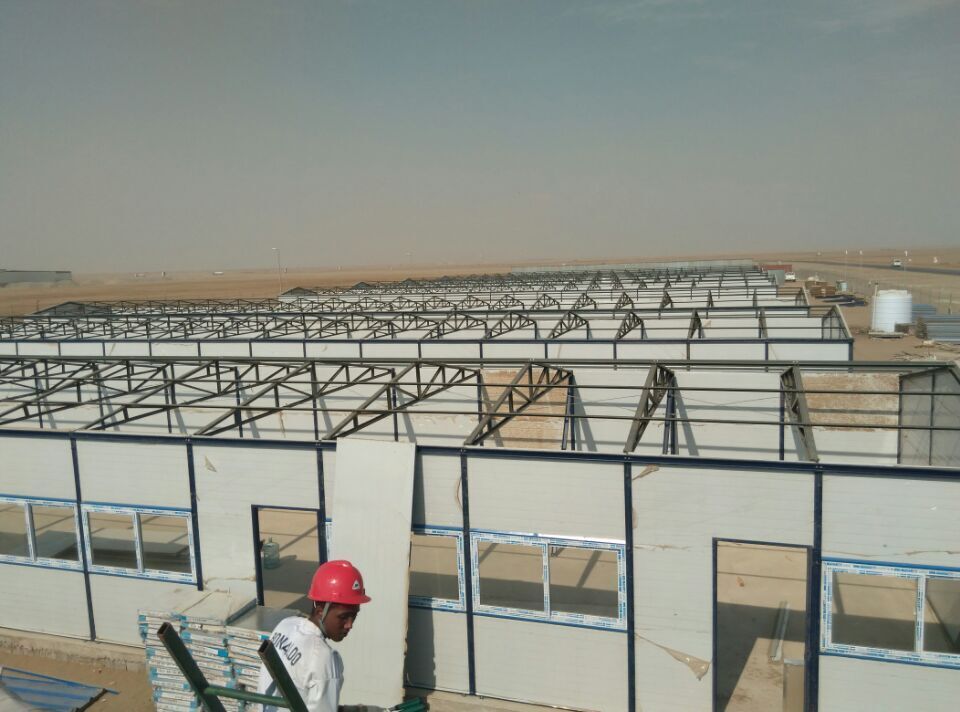
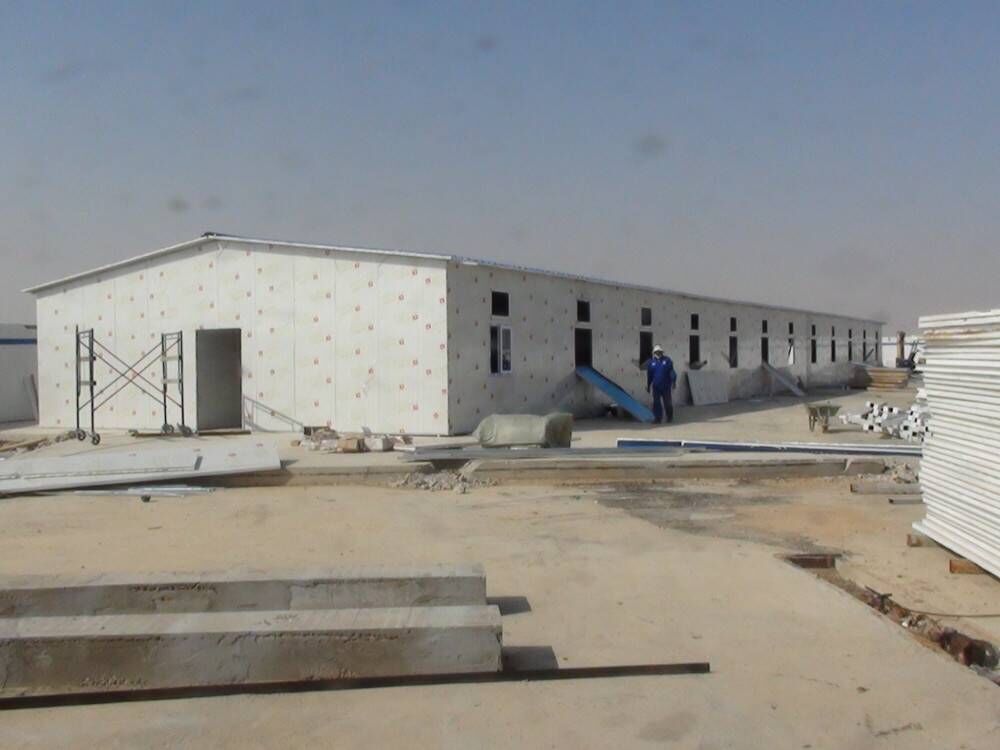
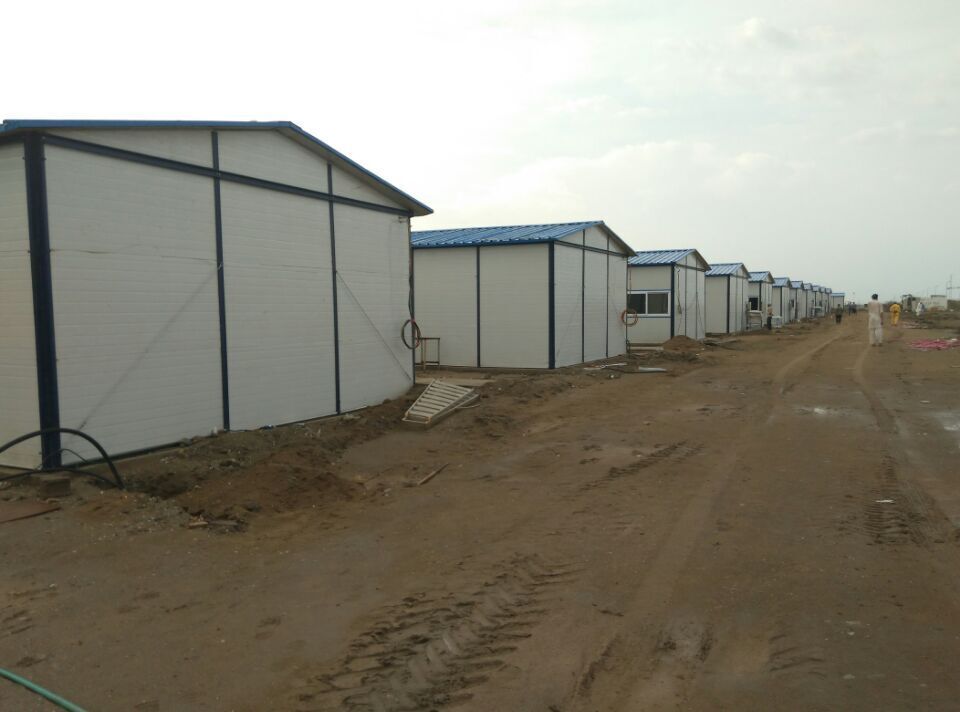
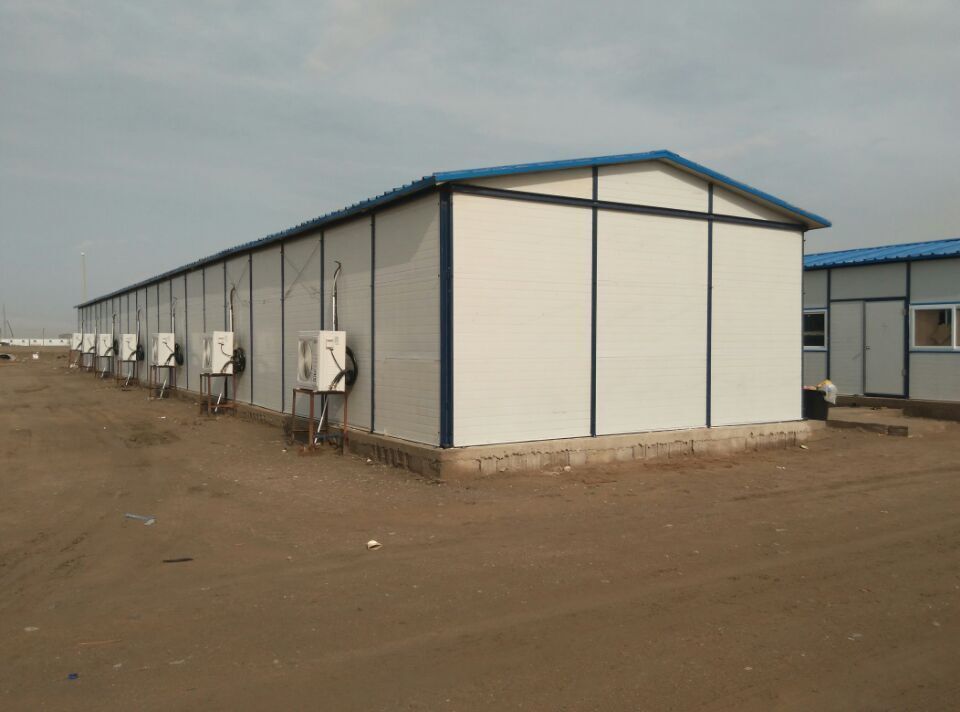
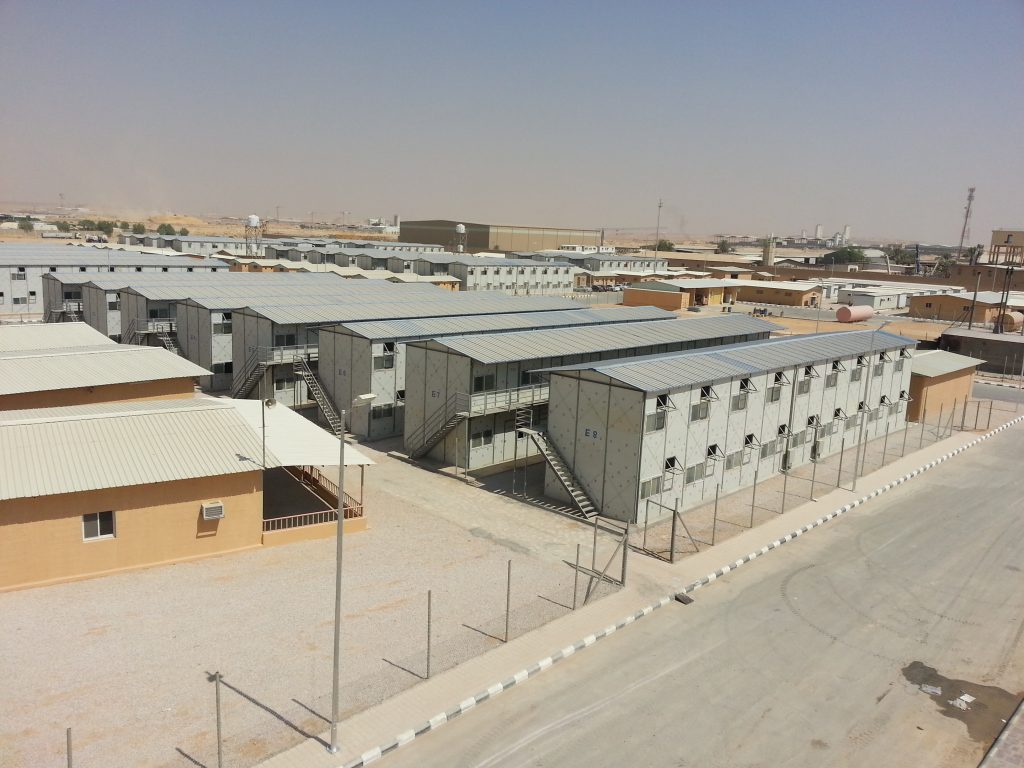
Remote mining camps are among the most demanding environments for housing. They are often located in areas with no existing infrastructure, extreme weather conditions, and a rotating workforce that requires flexible accommodation. Traditional construction in these settings is costly, slow, and logistically challenging. Lida Group’s prefab mobile houses address all these pain points, making them the preferred choice for mining companies worldwide.
3.1 Fast Deployment: Getting Workers On-Site Quickly
Mining projects are time-sensitive—delays in housing mean delays in operations, which cost companies millions of dollars. Lida Group’s houses can be deployed in a fraction of the time of traditional construction, ensuring that workers have shelter as soon as the mine is ready to operate.
The deployment process for mining camps is streamlined:
Factory Production: Modules are manufactured in Lida Group’s nearest factory (e.g., in Perth for Australian mines, in Johannesburg for African mines) while the mining company prepares the site. Production takes just 2–3 weeks for a 50-house camp.
Transportation: Lightweight modules are shipped to the mine site via truck or, for extremely remote locations, helicopter. A single truck can carry enough modules to build 3–4 houses, reducing the number of trips needed.
On-Site Assembly: A team of 2–3 unskilled workers (trained by Lida Group’s supervisors) can assemble a house in 4–6 hours. A 50-house camp can be fully assembled in 2–3 weeks, compared to 3–6 months for traditional construction.
For example, in 2023, Australian mining company Rio Tinto needed to house 200 workers at a new iron ore mine in the Pilbara region—a remote area with no nearby towns. Lida Group delivered 100 prefab mobile houses to the site in just 3 weeks. The houses were assembled by Rio Tinto’s existing workers (with no construction experience) and ready for occupancy within a month of the first module arriving. This fast deployment allowed Rio Tinto to start mining operations on schedule, avoiding $2 million in potential delays.
3.2 Durability for Harsh Mining Environments
Mining camps face extreme conditions: dust storms in deserts, freezing temperatures in Arctic regions, and heavy rain in tropical areas. Lida Group’s houses are built to withstand these challenges, reducing maintenance costs and ensuring worker safety.
Key durability features for mining camps include:
Dust and Pest Resistance: The sealed sandwich panels prevent dust from entering the house—critical for miners working in dry, dusty regions who are at risk of respiratory illnesses. The steel facings are also impervious to rodents and insects, which often infest traditional wooden mining huts.
Secure Storage: Custom-built storage lockers attached to the houses provide secure space for miners’ tools and personal belongings. The lockers are made from the same galvanized steel as the house panels, ensuring they are durable and resistant to theft.
Low Maintenance: The houses require minimal upkeep—just occasional cleaning to remove dust or debris. Unlike traditional wooden huts, which need frequent repairs and repainting, Lida Group’s houses can operate for years without maintenance, reducing downtime for the mining company.
In 2022, a gold mining company in the Sahara Desert reported that its Lida Group houses had operated for 2 years with no major maintenance issues, despite daily dust storms and temperatures exceeding 45°C. The miners reported that the houses remained clean and cool, improving their quality of life and reducing absenteeism.
3.3 Flexibility for Rotating Workforces
Mining workforces are often rotating—workers stay on-site for 2–4 weeks, then return home for time off. This requires housing that can be easily occupied, vacated, and cleaned between shifts. Lida Group’s houses are designed with this flexibility in mind:
Easy Cleaning: The vinyl flooring and painted steel walls are easy to wipe clean, allowing housekeepers to prepare a room for a new worker in just 30 minutes.
Modular Occupancy: Houses can be configured as single-occupancy (for workers who prefer privacy) or double-occupancy (to reduce costs). The mining company can adjust the configuration based on workforce size—adding more single rooms during peak production, switching to double rooms during slower periods.
Temporary or Permanent Use: If the mine closes or relocates, the houses can be disassembled and moved to a new site. This eliminates the waste of abandoning traditional permanent housing and allows the mining company to reuse its investment.
A copper mining company in Chile used this flexibility to adjust to fluctuating workforce numbers in 2023. When the mine expanded and hired 50 new workers, the company added 25 more Lida Group houses. When production slowed and 30 workers were laid off, the company disassembled 15 houses and stored them for future use—avoiding the cost of maintaining empty rooms.
4. Student Housing: Scalable, Affordable Dormitories for Growing Campuses
Universities around the world face a common challenge: rising enrollment numbers paired with limited budgets for new housing. Traditional dormitories are expensive to build (costing \(100,000–\)200,000 per bed) and take 1–2 years to complete, leaving universities with a backlog of students in need of accommodation. Lida Group’s prefab mobile houses offer a scalable, affordable alternative that can be deployed quickly to meet demand.
4.1 Scalability: Growing with Enrollment
University enrollment is rarely static—it fluctuates with demographic changes, program expansions, and economic conditions. Lida Group’s modular design allows universities to scale housing up or down as needed, avoiding the risk of overbuilding (and wasting money) or underbuilding (and leaving students without beds).
Scalability features for student housing include:
Phased Construction: Universities can start with a small number of houses and add more as enrollment grows. For example, a university in India with 500 new students in 2023 built a 250-bed Lida Group dormitory (with 2 students per room). In 2024, when enrollment increased by another 300 students, the university added 150 more beds by purchasing additional modules—no need to build an entirely new dormitory.
Shared Space Customization: Common areas—such as kitchens, study rooms, and lounges—can be added or expanded as needed. A small dormitory might start with one shared kitchen; as more students move in, the university can add a second kitchen module to reduce wait times.
Temporary or Permanent Use: If enrollment drops, the houses can be repurposed (e.g., converted to staff housing or storage) or relocated to another campus. A university in the United States used this feature in 2023, moving 50 Lida Group student houses from a campus with declining enrollment to a satellite campus with growing demand.
This scalability ensures that universities only invest in the housing they need, when they need it—freeing up budgets for other critical needs like faculty hiring or program improvements.
4.2 Affordability: Reducing Costs for Universities and Students
Cost is a major barrier to student housing. Traditional dormitories are so expensive that many universities pass the cost on to students in the form of high room and board fees—putting higher education out of reach for low-income students. Lida Group’s prefab mobile houses cost 30–40% less than traditional dormitories, allowing universities to build more beds for less money and keep fees affordable.
Cost savings for universities include:
Lower Construction Costs: Lida Group’s houses cost approximately \(15,000–\)20,000 per bed, compared to \(100,000–\)200,000 per bed for traditional dormitories. A university building 500 beds with Lida Group can save \(42.5–\)92.5 million compared to traditional construction.
Reduced Labor Costs: The easy-assemble design eliminates the need for skilled labor, cutting on-site labor costs by 50–60%. Universities can even use student workers (trained by Lida Group) to assist with assembly, providing students with part-time jobs while further reducing costs.
Lower Maintenance Costs: The durable materials and simple design mean Lida Group’s houses require 70% less maintenance than traditional dormitories. A university in Brazil reported that it spent just \(50 per bed per year on maintenance for Lida Group houses, compared to \)175 per bed per year for its traditional dormitories.
These cost savings translate to lower fees for students. At the Indian university mentioned earlier, room and board fees for Lida Group dormitories are $1,200 per year—50% lower than fees for traditional dormitories. This has made university accessible to hundreds of low-income students who would otherwise have been unable to afford accommodation.
4.3 Student-Centric Design: Creating a Positive Living Experience
Student housing is not just about providing a bed—it’s about creating an environment that supports learning, socialization, and well-being. Lida Group’s houses are customizable to meet student needs, ensuring that dormitories are not just affordable and scalable, but also comfortable and functional.
Student-centric design features include:
Study-Friendly Spaces: Modules can be designed with built-in desks, bookshelves, and task lighting—critical for students who need a quiet place to study. Some universities have even added small “study pods” (single-module spaces) where students can focus without distractions.
Social Spaces: Shared lounges and outdoor patios encourage students to connect, reducing feelings of isolation. A university in Thailand added a shared lounge module with comfortable seating, a TV, and a coffee station—becoming a popular spot for students to relax and socialize.
Modern Amenities: The houses can be pre-wired for high-speed internet, air conditioning, and laundry facilities—features that students expect in modern dormitories. Lida Group even offers optional “smart room” features, such as keyless entry and energy monitoring, which appeal to tech-savvy students.
A 2023 survey of students living in Lida Group dormitories at three universities found that 89% rated their living experience “good or excellent,” compared to 65% of students in traditional dormitories. Students cited the “spacious, well-lit rooms” and “easy access to shared spaces” as key advantages.
5. Beyond Mining and Education: Other Versatile Applications
While remote mining camps and student housing are two of the most common uses for Lida Group’s prefab mobile houses, their versatility extends to many other sectors. From disaster relief to temporary event housing, these houses are solving housing challenges across industries. Below are two additional applications that highlight their adaptability.
5.1 Disaster Relief: Rapid Shelter for Crisis Zones
Natural disasters—earthquakes, hurricanes, floods—require immediate shelter for displaced survivors. Traditional relief shelters (such as tents) are flimsy, uncomfortable, and unable to withstand harsh post-disaster conditions. Lida Group’s prefab mobile houses are deployed quickly, provide durable protection, and can be customized to meet the specific needs of disaster zones.
Key features for disaster relief include:
**
Rapid Deployment: In disaster zones, every hour counts. Lida Group’s houses can be manufactured and shipped within 48 hours of a crisis, thanks to its global network of factories. For example, after the 2023 Turkey-Syria earthquake, Lida Group delivered 1,500 house modules to affected regions in just 3 days, with local volunteers assembling each house in 5 hours. This speed ensured survivors had shelter before winter temperatures dropped to dangerous levels.
- Weather Resistance: Post-disaster environments are often harsh—heavy rain, strong winds, or extreme cold. Lida Group’s sandwich panels withstand these conditions: the galvanized steel repels water, the insulation core retains heat, and the modular structure resists wind damage. During the 2022 Pakistan floods, Lida Group’s houses remained intact despite weeks of standing water, while nearby tents were washed away.
- Human-Centric Design: Disaster survivors need more than just shelter—they need privacy, safety, and dignity. Lida Group’s houses include lockable doors (for security), separate sleeping and living areas (for families), and built-in storage (for personal belongings). In a 2023 post-flood relief project in Bangladesh, survivors reported feeling “safer and more in control” in the houses compared to crowded tents.
Disaster relief organizations like the Red Cross and UNICEF have partnered with Lida Group to stockpile house modules in key regions, ensuring rapid deployment when crises strike. In 2023 alone, Lida Group’s houses provided shelter to over 50,000 disaster survivors across 12 countries.
5.2 Temporary Event Housing: Flexible Accommodation for Large Gatherings
Large events—music festivals, sports tournaments, or construction projects—require temporary housing for staff, volunteers, or attendees. Traditional temporary housing (such as mobile homes or tents) is often expensive, uncomfortable, or difficult to scale. Lida Group’s prefab mobile houses offer a flexible, affordable alternative that can be tailored to event needs.
Key features for temporary event housing include:
- Fast Setup and Teardown: Events have tight timelines—housing must be ready days before the event and removed quickly afterward. Lida Group’s houses can be assembled in hours and disassembled in the same time frame. For the 2023 FIFA Women’s World Cup in Australia, Lida Group built 300 houses for event staff in 1 week; after the tournament, the houses were disassembled and donated to a local community in need.
- Scalable Capacity: Event housing needs fluctuate—from 50 beds for a small festival to 5,000 beds for a major sports event. Lida Group’s modular design allows event organizers to order exactly the number of modules needed, avoiding overspending on unused housing. For a 2023 music festival in Brazil, organizers initially ordered 200 houses but added 50 more halfway through the planning process as attendance numbers grew—Lida Group delivered the additional modules in 3 days.
- Comfort for Temporary Stays: Even temporary housing should be comfortable. Lida Group’s houses include basic amenities like air conditioning, comfortable beds, and small storage spaces—features that improve staff morale and productivity. At the 2023 Asian Games in Hangzhou, China, event volunteers rated their Lida Group housing “more comfortable than expected,” with 92% reporting they felt well-rested during the busy 2-week event.
Event organizers appreciate the cost savings of Lida Group’s houses, which are 30–40% cheaper than traditional temporary housing. They also value the sustainability aspect: after events, the houses can be reused for other projects or donated to communities, reducing waste.
6. The Industry Impact of Lida Group’s Versatile Housing
Lida Group’s prefab mobile houses are not just changing how housing is built—they are transforming entire industries by solving long-standing housing challenges. Their versatility has had three key impacts:
6.1 Democratizing Access to Quality Housing
Before Lida Group’s innovation, quality housing was often a luxury for specific sectors. Mining companies in remote areas had to choose between expensive traditional housing or subpar huts; universities struggled to provide affordable dormitories for low-income students; disaster relief organizations relied on flimsy tents. Lida Group’s houses have democratized access to quality housing, ensuring that no matter the sector or environment, organizations can provide safe, comfortable shelter.
In rural Kenya, for example, a small mining company that previously housed workers in mud huts now uses Lida Group’s houses, reducing worker absenteeism by 25% due to improved living conditions. In India, a public university that could only afford to build 100 traditional dorm beds per year now builds 500 Lida Group beds, opening up higher education to thousands of low-income students.
6.2 Reducing the Environmental Footprint of Housing
Traditional construction is a major contributor to global carbon emissions, due to energy-intensive material production, waste, and transportation. Lida Group’s houses reduce this footprint in three ways:
- Efficient Material Use: Factory production generates less than 2% waste, compared to 15% in traditional construction.
- Low Energy Consumption: The insulation core reduces energy use for heating and cooling by 40–50%, lowering carbon emissions during the house’s lifespan.
- Reusability: The modular design allows houses to be disassembled and reused, reducing the need for new construction and the associated emissions.
A 2023 lifecycle assessment by the Green Building Council found that Lida Group’s houses have a 60% lower carbon footprint than traditional housing. This has made them a preferred choice for organizations aiming to meet sustainability goals, such as mining companies seeking to reduce their environmental impact and universities committed to carbon neutrality.
6.3 Inspiring Industry Innovation
Lida Group’s success has inspired other construction companies to develop versatile prefab solutions. Before Lida Group, prefab housing was often niche—limited to specific sectors or environments. Today, many construction firms offer modular, easy-assemble houses tailored to diverse needs, from remote worksites to urban student housing. This competition has led to lower prices, better designs, and more options for customers, further expanding access to versatile housing.
The industry has also adopted Lida Group’s focus on customization and sustainability. Many new prefab solutions now include customizable modules and eco-friendly materials, reflecting the growing demand for adaptable, green housing.
7. Future Innovations: Making Versatility Even More Powerful
Lida Group is not resting on its laurels. The company invests 8% of its annual revenue in research and development to enhance the versatility of its prefab mobile houses, with three key areas of focus:
7.1 Smart Modular Technology
Lida Group is integrating smart technology into its modules to make them even more adaptable to user needs. The company is developing “smart modules” that include:
- Adjustable Interiors: Walls that can be moved to change room sizes (e.g., converting a single bedroom into two small bedrooms for students or a larger space for mining workers’ equipment).
- Energy Management Systems: Sensors that monitor energy use and adjust heating/cooling automatically, reducing energy costs for all users—from students to mining companies.
- Remote Monitoring: Apps that allow organizations to track the condition of houses (e.g., maintenance needs, occupancy levels) from anywhere, making it easier to manage housing across multiple sites.
A pilot project of smart modules was launched in 2023 at a mining camp in Canada and a university in Singapore. Early results show that the adjustable interiors have increased user satisfaction by 30%, while the energy management systems have reduced energy use by 18%.
7.2 Eco-Friendly Materials
To further reduce the environmental footprint of its houses, Lida Group is testing new eco-friendly materials:
- Biodegradable Insulation: A new insulation core made from mushroom mycelium, which is 100% biodegradable and has similar thermal properties to EPS foam.
- Recycled Steel Facings: Steel facings made from 100% recycled materials, which require 74% less energy to produce than virgin steel.
- Solar-Integrated Panels: Roof modules with built-in solar cells, allowing houses to generate their own electricity—critical for off-grid mining camps and disaster zones with no power.
These materials are being tested in pilot projects in 2024, with full-scale production planned for 2025.
7.3 Global Localization
To make its houses even more adaptable to local needs, Lida Group is expanding its “global localization” strategy: building regional factories that produce modules using local materials and designs. For example, the company’s new factory in South Africa will produce houses with heat-resistant insulation (for the country’s hot climate) and locally sourced steel, while its factory in Sweden will focus on cold-climate modules with extra insulation and snow-resistant roofs.
This strategy reduces transportation costs and carbon emissions, while ensuring that houses are tailored to the unique environmental and cultural needs of each region.
8. Conclusion
Lida Group’s easy-assemble prefab mobile houses have redefined what it means to be a versatile housing solution. From remote mining camps in the Australian Outback to bustling student dormitories in Indian cities, from disaster zones in Turkey to temporary event sites in Brazil—these houses adapt to every environment, every user, and every need.
Their versatility stems from three core strengths: modular construction that scales to any size, durable lightweight materials that perform in extreme conditions, and customizable configurations that meet unique user requirements. These strengths have solved long-standing housing challenges across sectors, making quality housing accessible to organizations that previously had limited options.
The impact of Lida Group’s houses extends beyond individual projects. They have democratized access to quality housing, reduced the environmental footprint of construction, and inspired industry-wide innovation. As the company continues to innovate—with smart technology, eco-friendly materials, and global localization—its houses will become even more versatile, meeting the evolving needs of industries and communities around the world.
In a world where housing needs are increasingly diverse and urgent, Lida Group’s prefab mobile houses offer a powerful solution. They prove that one design can indeed fit many needs—that versatility is not just a feature, but a way to build a better, more inclusive future for all. Whether it’s a miner needing shelter in a remote desert, a student seeking affordable dormitory space, or a disaster survivor looking for safety, Lida Group’s houses deliver—proving that great housing can adapt to any situation.